IMPORTANT: Do not use your browsers back button to go back to a question. This will leave the test in progress.
2025 MLR
Test-summary
0 of 618 questions completed
Questions:
- 1
- 2
- 3
- 4
- 5
- 6
- 7
- 8
- 9
- 10
- 11
- 12
- 13
- 14
- 15
- 16
- 17
- 18
- 19
- 20
- 21
- 22
- 23
- 24
- 25
- 26
- 27
- 28
- 29
- 30
- 31
- 32
- 33
- 34
- 35
- 36
- 37
- 38
- 39
- 40
- 41
- 42
- 43
- 44
- 45
- 46
- 47
- 48
- 49
- 50
- 51
- 52
- 53
- 54
- 55
- 56
- 57
- 58
- 59
- 60
- 61
- 62
- 63
- 64
- 65
- 66
- 67
- 68
- 69
- 70
- 71
- 72
- 73
- 74
- 75
- 76
- 77
- 78
- 79
- 80
- 81
- 82
- 83
- 84
- 85
- 86
- 87
- 88
- 89
- 90
- 91
- 92
- 93
- 94
- 95
- 96
- 97
- 98
- 99
- 100
- 101
- 102
- 103
- 104
- 105
- 106
- 107
- 108
- 109
- 110
- 111
- 112
- 113
- 114
- 115
- 116
- 117
- 118
- 119
- 120
- 121
- 122
- 123
- 124
- 125
- 126
- 127
- 128
- 129
- 130
- 131
- 132
- 133
- 134
- 135
- 136
- 137
- 138
- 139
- 140
- 141
- 142
- 143
- 144
- 145
- 146
- 147
- 148
- 149
- 150
- 151
- 152
- 153
- 154
- 155
- 156
- 157
- 158
- 159
- 160
- 161
- 162
- 163
- 164
- 165
- 166
- 167
- 168
- 169
- 170
- 171
- 172
- 173
- 174
- 175
- 176
- 177
- 178
- 179
- 180
- 181
- 182
- 183
- 184
- 185
- 186
- 187
- 188
- 189
- 190
- 191
- 192
- 193
- 194
- 195
- 196
- 197
- 198
- 199
- 200
- 201
- 202
- 203
- 204
- 205
- 206
- 207
- 208
- 209
- 210
- 211
- 212
- 213
- 214
- 215
- 216
- 217
- 218
- 219
- 220
- 221
- 222
- 223
- 224
- 225
- 226
- 227
- 228
- 229
- 230
- 231
- 232
- 233
- 234
- 235
- 236
- 237
- 238
- 239
- 240
- 241
- 242
- 243
- 244
- 245
- 246
- 247
- 248
- 249
- 250
- 251
- 252
- 253
- 254
- 255
- 256
- 257
- 258
- 259
- 260
- 261
- 262
- 263
- 264
- 265
- 266
- 267
- 268
- 269
- 270
- 271
- 272
- 273
- 274
- 275
- 276
- 277
- 278
- 279
- 280
- 281
- 282
- 283
- 284
- 285
- 286
- 287
- 288
- 289
- 290
- 291
- 292
- 293
- 294
- 295
- 296
- 297
- 298
- 299
- 300
- 301
- 302
- 303
- 304
- 305
- 306
- 307
- 308
- 309
- 310
- 311
- 312
- 313
- 314
- 315
- 316
- 317
- 318
- 319
- 320
- 321
- 322
- 323
- 324
- 325
- 326
- 327
- 328
- 329
- 330
- 331
- 332
- 333
- 334
- 335
- 336
- 337
- 338
- 339
- 340
- 341
- 342
- 343
- 344
- 345
- 346
- 347
- 348
- 349
- 350
- 351
- 352
- 353
- 354
- 355
- 356
- 357
- 358
- 359
- 360
- 361
- 362
- 363
- 364
- 365
- 366
- 367
- 368
- 369
- 370
- 371
- 372
- 373
- 374
- 375
- 376
- 377
- 378
- 379
- 380
- 381
- 382
- 383
- 384
- 385
- 386
- 387
- 388
- 389
- 390
- 391
- 392
- 393
- 394
- 395
- 396
- 397
- 398
- 399
- 400
- 401
- 402
- 403
- 404
- 405
- 406
- 407
- 408
- 409
- 410
- 411
- 412
- 413
- 414
- 415
- 416
- 417
- 418
- 419
- 420
- 421
- 422
- 423
- 424
- 425
- 426
- 427
- 428
- 429
- 430
- 431
- 432
- 433
- 434
- 435
- 436
- 437
- 438
- 439
- 440
- 441
- 442
- 443
- 444
- 445
- 446
- 447
- 448
- 449
- 450
- 451
- 452
- 453
- 454
- 455
- 456
- 457
- 458
- 459
- 460
- 461
- 462
- 463
- 464
- 465
- 466
- 467
- 468
- 469
- 470
- 471
- 472
- 473
- 474
- 475
- 476
- 477
- 478
- 479
- 480
- 481
- 482
- 483
- 484
- 485
- 486
- 487
- 488
- 489
- 490
- 491
- 492
- 493
- 494
- 495
- 496
- 497
- 498
- 499
- 500
- 501
- 502
- 503
- 504
- 505
- 506
- 507
- 508
- 509
- 510
- 511
- 512
- 513
- 514
- 515
- 516
- 517
- 518
- 519
- 520
- 521
- 522
- 523
- 524
- 525
- 526
- 527
- 528
- 529
- 530
- 531
- 532
- 533
- 534
- 535
- 536
- 537
- 538
- 539
- 540
- 541
- 542
- 543
- 544
- 545
- 546
- 547
- 548
- 549
- 550
- 551
- 552
- 553
- 554
- 555
- 556
- 557
- 558
- 559
- 560
- 561
- 562
- 563
- 564
- 565
- 566
- 567
- 568
- 569
- 570
- 571
- 572
- 573
- 574
- 575
- 576
- 577
- 578
- 579
- 580
- 581
- 582
- 583
- 584
- 585
- 586
- 587
- 588
- 589
- 590
- 591
- 592
- 593
- 594
- 595
- 596
- 597
- 598
- 599
- 600
- 601
- 602
- 603
- 604
- 605
- 606
- 607
- 608
- 609
- 610
- 611
- 612
- 613
- 614
- 615
- 616
- 617
- 618
Information
This is a 25 question test covering (P2)
Emailing your test score: In order for your test to register in our system and receive your test score via email, you must click on the blue Finish Test button at the end of the test.
You have already completed the quiz before. Hence you can not start it again.
Test is loading...
You must sign in or sign up to start the quiz.
You have to finish following quiz, to start this quiz:
Results
0 of 618 questions answered correctly
Your time:
Time has elapsed
You have reached 0 of 0 points, (0)
| Average score |
|
| Your score |
|
Categories
- Automatic Transmission/Transaxle 0%
- Brakes 0%
- Catalog and Information Systems Skills 0%
- Customer Relations and Sales Skills 0%
- Electrical/Electronic Systems 0%
- Engine Performance 0%
- Engine Repair 0%
- Foundational Tasks 0%
- General Operations 0%
- Heating, Ventilation, and Air Conditioning 0%
- Inventory Management 0%
- Manual Drive Train and Axles 0%
- Merchandising 0%
- Suspension and Steering 0%
- Vehicle Identification 0%
- Vehicle Systems Knowledge 0%
-
Your score is noted above and is also broken out by Content Area. Click on the Restart test button to start a new test or go back to the All Tests page to take a different test.
Clicking the Restart test button will start a fresh test with some different questions presented in a new random order.
Clicking on the View questions button will open the entire test below for you to review your answers and help reinforce the material.
- 1
- 2
- 3
- 4
- 5
- 6
- 7
- 8
- 9
- 10
- 11
- 12
- 13
- 14
- 15
- 16
- 17
- 18
- 19
- 20
- 21
- 22
- 23
- 24
- 25
- 26
- 27
- 28
- 29
- 30
- 31
- 32
- 33
- 34
- 35
- 36
- 37
- 38
- 39
- 40
- 41
- 42
- 43
- 44
- 45
- 46
- 47
- 48
- 49
- 50
- 51
- 52
- 53
- 54
- 55
- 56
- 57
- 58
- 59
- 60
- 61
- 62
- 63
- 64
- 65
- 66
- 67
- 68
- 69
- 70
- 71
- 72
- 73
- 74
- 75
- 76
- 77
- 78
- 79
- 80
- 81
- 82
- 83
- 84
- 85
- 86
- 87
- 88
- 89
- 90
- 91
- 92
- 93
- 94
- 95
- 96
- 97
- 98
- 99
- 100
- 101
- 102
- 103
- 104
- 105
- 106
- 107
- 108
- 109
- 110
- 111
- 112
- 113
- 114
- 115
- 116
- 117
- 118
- 119
- 120
- 121
- 122
- 123
- 124
- 125
- 126
- 127
- 128
- 129
- 130
- 131
- 132
- 133
- 134
- 135
- 136
- 137
- 138
- 139
- 140
- 141
- 142
- 143
- 144
- 145
- 146
- 147
- 148
- 149
- 150
- 151
- 152
- 153
- 154
- 155
- 156
- 157
- 158
- 159
- 160
- 161
- 162
- 163
- 164
- 165
- 166
- 167
- 168
- 169
- 170
- 171
- 172
- 173
- 174
- 175
- 176
- 177
- 178
- 179
- 180
- 181
- 182
- 183
- 184
- 185
- 186
- 187
- 188
- 189
- 190
- 191
- 192
- 193
- 194
- 195
- 196
- 197
- 198
- 199
- 200
- 201
- 202
- 203
- 204
- 205
- 206
- 207
- 208
- 209
- 210
- 211
- 212
- 213
- 214
- 215
- 216
- 217
- 218
- 219
- 220
- 221
- 222
- 223
- 224
- 225
- 226
- 227
- 228
- 229
- 230
- 231
- 232
- 233
- 234
- 235
- 236
- 237
- 238
- 239
- 240
- 241
- 242
- 243
- 244
- 245
- 246
- 247
- 248
- 249
- 250
- 251
- 252
- 253
- 254
- 255
- 256
- 257
- 258
- 259
- 260
- 261
- 262
- 263
- 264
- 265
- 266
- 267
- 268
- 269
- 270
- 271
- 272
- 273
- 274
- 275
- 276
- 277
- 278
- 279
- 280
- 281
- 282
- 283
- 284
- 285
- 286
- 287
- 288
- 289
- 290
- 291
- 292
- 293
- 294
- 295
- 296
- 297
- 298
- 299
- 300
- 301
- 302
- 303
- 304
- 305
- 306
- 307
- 308
- 309
- 310
- 311
- 312
- 313
- 314
- 315
- 316
- 317
- 318
- 319
- 320
- 321
- 322
- 323
- 324
- 325
- 326
- 327
- 328
- 329
- 330
- 331
- 332
- 333
- 334
- 335
- 336
- 337
- 338
- 339
- 340
- 341
- 342
- 343
- 344
- 345
- 346
- 347
- 348
- 349
- 350
- 351
- 352
- 353
- 354
- 355
- 356
- 357
- 358
- 359
- 360
- 361
- 362
- 363
- 364
- 365
- 366
- 367
- 368
- 369
- 370
- 371
- 372
- 373
- 374
- 375
- 376
- 377
- 378
- 379
- 380
- 381
- 382
- 383
- 384
- 385
- 386
- 387
- 388
- 389
- 390
- 391
- 392
- 393
- 394
- 395
- 396
- 397
- 398
- 399
- 400
- 401
- 402
- 403
- 404
- 405
- 406
- 407
- 408
- 409
- 410
- 411
- 412
- 413
- 414
- 415
- 416
- 417
- 418
- 419
- 420
- 421
- 422
- 423
- 424
- 425
- 426
- 427
- 428
- 429
- 430
- 431
- 432
- 433
- 434
- 435
- 436
- 437
- 438
- 439
- 440
- 441
- 442
- 443
- 444
- 445
- 446
- 447
- 448
- 449
- 450
- 451
- 452
- 453
- 454
- 455
- 456
- 457
- 458
- 459
- 460
- 461
- 462
- 463
- 464
- 465
- 466
- 467
- 468
- 469
- 470
- 471
- 472
- 473
- 474
- 475
- 476
- 477
- 478
- 479
- 480
- 481
- 482
- 483
- 484
- 485
- 486
- 487
- 488
- 489
- 490
- 491
- 492
- 493
- 494
- 495
- 496
- 497
- 498
- 499
- 500
- 501
- 502
- 503
- 504
- 505
- 506
- 507
- 508
- 509
- 510
- 511
- 512
- 513
- 514
- 515
- 516
- 517
- 518
- 519
- 520
- 521
- 522
- 523
- 524
- 525
- 526
- 527
- 528
- 529
- 530
- 531
- 532
- 533
- 534
- 535
- 536
- 537
- 538
- 539
- 540
- 541
- 542
- 543
- 544
- 545
- 546
- 547
- 548
- 549
- 550
- 551
- 552
- 553
- 554
- 555
- 556
- 557
- 558
- 559
- 560
- 561
- 562
- 563
- 564
- 565
- 566
- 567
- 568
- 569
- 570
- 571
- 572
- 573
- 574
- 575
- 576
- 577
- 578
- 579
- 580
- 581
- 582
- 583
- 584
- 585
- 586
- 587
- 588
- 589
- 590
- 591
- 592
- 593
- 594
- 595
- 596
- 597
- 598
- 599
- 600
- 601
- 602
- 603
- 604
- 605
- 606
- 607
- 608
- 609
- 610
- 611
- 612
- 613
- 614
- 615
- 616
- 617
- 618
- Answered
- Review
-
Question 1 of 618
1. Question
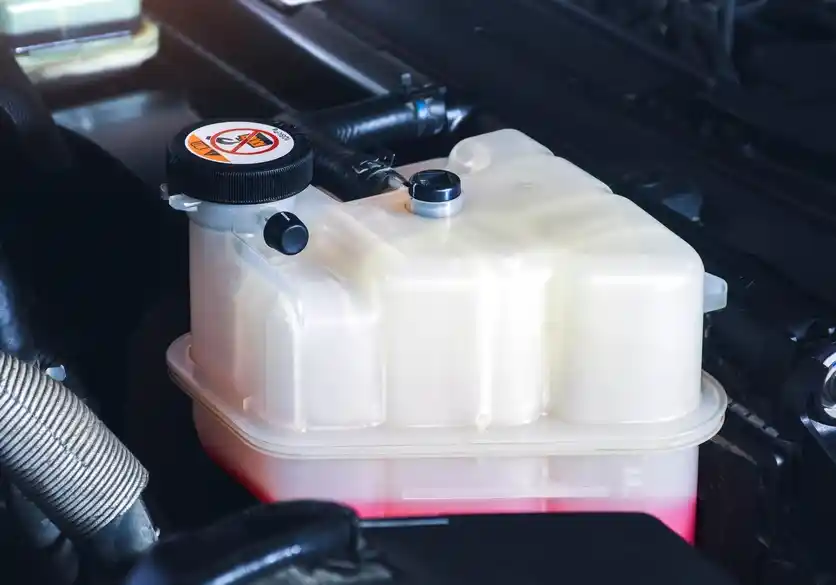
Category: Engine RepairA technician needs to top off the coolant but is unsure of the specific type required. Which of the following is a reliable source for identifying the correct fluid?
CorrectThe correct answer is A. The manufacturer’s official service information (OEM service info) is the most reliable and authoritative source. It provides the exact specifications and fluid types required for every system, as determined by the engineers who designed the vehicle. Following this information ensures component compatibility and proper system function.
Incorrect Answers:
Answer B: While the owner’s manual is a very good source of information for the vehicle owner, the official service information used by professionals is often more detailed and contains the most current technical data and service bulletins. For a technician, the service information is the primary source.
Answer C: Using the coolant’s color to identify it is a common but unreliable method. Fluid colors are not standardized across the automotive industry. Different manufacturers may use different dyes for fluids with similar properties, or the same color for fluids with very different chemical compositions. Furthermore, the color can change over time due to age or contamination, making it a poor indicator.
Answer D: Online forums can be a source of useful tips, but they are not a reliable source for critical specifications. Information can be inaccurate, outdated, or based on opinion rather than technical fact. Using incorrect fluid based on a forum recommendation could lead to cooling system damage.
IncorrectThe correct answer is A. The manufacturer’s official service information (OEM service info) is the most reliable and authoritative source. It provides the exact specifications and fluid types required for every system, as determined by the engineers who designed the vehicle. Following this information ensures component compatibility and proper system function.
Incorrect Answers:
Answer B: While the owner’s manual is a very good source of information for the vehicle owner, the official service information used by professionals is often more detailed and contains the most current technical data and service bulletins. For a technician, the service information is the primary source.
Answer C: Using the coolant’s color to identify it is a common but unreliable method. Fluid colors are not standardized across the automotive industry. Different manufacturers may use different dyes for fluids with similar properties, or the same color for fluids with very different chemical compositions. Furthermore, the color can change over time due to age or contamination, making it a poor indicator.
Answer D: Online forums can be a source of useful tips, but they are not a reliable source for critical specifications. Information can be inaccurate, outdated, or based on opinion rather than technical fact. Using incorrect fluid based on a forum recommendation could lead to cooling system damage.
-
Question 2 of 618
2. Question
Category: Engine RepairA technician is diagnosing a vehicle with a recurring Malfunction Indicator Lamp (MIL). The customer cannot provide a detailed service history. Which of the following is an effective and reliable method for the technician to obtain a record of the vehicle’s past repairs?
CorrectThe correct answer is B. This is the most effective method because commercial vehicle history services aggregate data from a wide network of repair shops, dealerships, and state agencies. This provides the most comprehensive and objective timeline of reported services, accident history, and mileage records available. For a recurring issue where previous repair details are unknown, this centralized report offers the best chance of uncovering relevant history that is critical for an accurate and efficient diagnosis, saving time and preventing redundant repairs.
Incorrect Answers:
Answer A: This method is unreliable and incomplete. While a receipt or sticker might be found by chance, it provides only a snapshot of a single service event. It will not offer the comprehensive history needed to diagnose a complex, recurring problem.
Answer C: This approach is inefficient and often unsuccessful. The technician may not know which specific shops to call, the shops might not release customer records due to privacy policies, or their records could be incomplete or unavailable. It is not a reliable first step in the diagnostic process.
Answer D: Relying on the customer’s memory is the least reliable method. While it is important to listen to the customer’s complaint, their recollection of specific technical repairs, dates, or parts used is often inaccurate or incomplete. For a proper diagnosis, a technician needs factual data, not anecdotal information.
IncorrectThe correct answer is B. This is the most effective method because commercial vehicle history services aggregate data from a wide network of repair shops, dealerships, and state agencies. This provides the most comprehensive and objective timeline of reported services, accident history, and mileage records available. For a recurring issue where previous repair details are unknown, this centralized report offers the best chance of uncovering relevant history that is critical for an accurate and efficient diagnosis, saving time and preventing redundant repairs.
Incorrect Answers:
Answer A: This method is unreliable and incomplete. While a receipt or sticker might be found by chance, it provides only a snapshot of a single service event. It will not offer the comprehensive history needed to diagnose a complex, recurring problem.
Answer C: This approach is inefficient and often unsuccessful. The technician may not know which specific shops to call, the shops might not release customer records due to privacy policies, or their records could be incomplete or unavailable. It is not a reliable first step in the diagnostic process.
Answer D: Relying on the customer’s memory is the least reliable method. While it is important to listen to the customer’s complaint, their recollection of specific technical repairs, dates, or parts used is often inaccurate or incomplete. For a proper diagnosis, a technician needs factual data, not anecdotal information.
-
Question 3 of 618
3. Question
Category: Engine RepairA technician is starting the diagnostic process on a vehicle with an illuminated “Check Engine” light. Which of the following describes the correct, standard procedure to follow.
CorrectThe correct answer is C. This is the correct foundational step for any electronic diagnosis. The technician must connect a compatible scan tool to the vehicle’s Data Link Connector (DLC) to communicate with the onboard computers. Following the scan tool’s prompts to retrieve and record all DTCs and their associated freeze frame data is the necessary first step before any further testing or repairs are performed.
Incorrect Answers:
Answer A: This action erases all the critical diagnostic information that the computer has stored, including the specific code that triggered the light and the associated “freeze frame” data. This information is essential for an efficient diagnosis and should always be recorded before being cleared.
Answer B: Disconnecting the battery is a critical error when starting a diagnosis. This action will clear the memory of the vehicle’s control modules, erasing all active and pending DTCs and freeze frame data, making it impossible to know why the light was on.
Answer D: The standard procedure for retrieving stored DTCs is to perform the scan with the key in the “on” position but with the engine off (KOEO). While some diagnostic tests are performed with the engine running, the initial data retrieval is done with the engine off to ensure all modules are communicating properly without the electrical noise and system variables of a running engine.
IncorrectThe correct answer is C. This is the correct foundational step for any electronic diagnosis. The technician must connect a compatible scan tool to the vehicle’s Data Link Connector (DLC) to communicate with the onboard computers. Following the scan tool’s prompts to retrieve and record all DTCs and their associated freeze frame data is the necessary first step before any further testing or repairs are performed.
Incorrect Answers:
Answer A: This action erases all the critical diagnostic information that the computer has stored, including the specific code that triggered the light and the associated “freeze frame” data. This information is essential for an efficient diagnosis and should always be recorded before being cleared.
Answer B: Disconnecting the battery is a critical error when starting a diagnosis. This action will clear the memory of the vehicle’s control modules, erasing all active and pending DTCs and freeze frame data, making it impossible to know why the light was on.
Answer D: The standard procedure for retrieving stored DTCs is to perform the scan with the key in the “on” position but with the engine off (KOEO). While some diagnostic tests are performed with the engine running, the initial data retrieval is done with the engine off to ensure all modules are communicating properly without the electrical noise and system variables of a running engine.
-
Question 4 of 618
4. Question
Category: Engine RepairA technician needs to find out if a vehicle’s On-Board Diagnostics (OBD-II) monitors are ready for an emissions test and view the freeze frame data. Which of the following tools is used for this task?
CorrectThe correct answer is D. An OBD-II scan tool is the specific electronic device designed to plug into the vehicle’s Data Link Connector (DLC). Its primary function is to communicate with the onboard computers to retrieve Diagnostic Trouble Codes (DTCs), view live data streams, check the readiness status of the emissions monitors, and read stored freeze frame data. This is the correct tool for the job.
Incorrect Answers:
Answer A: A digital multimeter is an essential tool for testing electrical circuits, measuring voltage, resistance, and amperage. However, it cannot communicate with the vehicle’s computer systems to retrieve diagnostic data like monitor status or freeze frame information.
Answer B: A test light is a simple tool used to quickly verify the presence of voltage in a circuit. It provides a simple yes/no indication of power and has no capability to read data from a computer module.
Answer C: A jumper wire is simply a piece of wire used to bypass a circuit or connect two points. While it may have been used in some very old diagnostic procedures (pre-OBD-II), it is not used to access modern OBD data and can cause electrical damage if used improperly on the data link connector.
IncorrectThe correct answer is D. An OBD-II scan tool is the specific electronic device designed to plug into the vehicle’s Data Link Connector (DLC). Its primary function is to communicate with the onboard computers to retrieve Diagnostic Trouble Codes (DTCs), view live data streams, check the readiness status of the emissions monitors, and read stored freeze frame data. This is the correct tool for the job.
Incorrect Answers:
Answer A: A digital multimeter is an essential tool for testing electrical circuits, measuring voltage, resistance, and amperage. However, it cannot communicate with the vehicle’s computer systems to retrieve diagnostic data like monitor status or freeze frame information.
Answer B: A test light is a simple tool used to quickly verify the presence of voltage in a circuit. It provides a simple yes/no indication of power and has no capability to read data from a computer module.
Answer C: A jumper wire is simply a piece of wire used to bypass a circuit or connect two points. While it may have been used in some very old diagnostic procedures (pre-OBD-II), it is not used to access modern OBD data and can cause electrical damage if used improperly on the data link connector.
-
Question 5 of 618
5. Question
Category: Engine RepairA technician turns the ignition key to the “on” (run) position without starting the engine. Which of the following confirms the engine warning indicator bulbs are working?
CorrectThe correct answer is A. This is the correct answer because most modern vehicles perform an indicator bulb “prove-out” or “bulb check” when the key is first turned to the ON or RUN position. This function illuminates all the warning and indicator lights for a few seconds to verify that the bulbs and their circuits are operational before the driver starts the engine.
Incorrect Answers:
Answer B: A flashing Malfunction Indicator Lamp (MIL), or check engine light, typically indicates a severe, catalyst-damaging engine misfire that is currently happening. It is not part of the normal bulb check procedure.
Answer C: This is incorrect because it is an incomplete description of the bulb check process. While it is true that the oil pressure and charging system lights will typically remain illuminated after the initial bulb check (since the engine is not running to build oil pressure or turn the alternator), the initial test should first illuminate all the warning lights, not just these two.
Answer D: After the initial “prove-out” where all lights turn on, most system lights (like ABS, SRS, etc.) should go out, indicating their respective systems have completed a self-test and are ready. Only lights indicating a static fault due to the engine being off (like oil pressure and battery/charging) should remain on.
IncorrectThe correct answer is A. This is the correct answer because most modern vehicles perform an indicator bulb “prove-out” or “bulb check” when the key is first turned to the ON or RUN position. This function illuminates all the warning and indicator lights for a few seconds to verify that the bulbs and their circuits are operational before the driver starts the engine.
Incorrect Answers:
Answer B: A flashing Malfunction Indicator Lamp (MIL), or check engine light, typically indicates a severe, catalyst-damaging engine misfire that is currently happening. It is not part of the normal bulb check procedure.
Answer C: This is incorrect because it is an incomplete description of the bulb check process. While it is true that the oil pressure and charging system lights will typically remain illuminated after the initial bulb check (since the engine is not running to build oil pressure or turn the alternator), the initial test should first illuminate all the warning lights, not just these two.
Answer D: After the initial “prove-out” where all lights turn on, most system lights (like ABS, SRS, etc.) should go out, indicating their respective systems have completed a self-test and are ready. Only lights indicating a static fault due to the engine being off (like oil pressure and battery/charging) should remain on.
-
Question 6 of 618
6. Question
Category: Engine RepairA technician observes a clear, active oil leak originating directly from the valve cover gasket seam while the engine is running. What is the correct needed action?
CorrectThe correct answer is A. This is the correct answer because the question states the leak has been positively identified and is actively originating from the valve cover gasket. The most direct and necessary action to repair an active leak from a faulty gasket is to replace the gasket itself. This is a straightforward application of knowledge.
Incorrect Answers:
Answer B: While a faulty Positive Crankcase Ventilation (PCV) system can cause excessive crankcase pressure that leads to gasket failure, the immediate problem that must be fixed is the active leak. The gasket has already failed and must be replaced regardless of the root cause. Checking the PCV system would be a good secondary step after the repair to prevent a repeat failure.
Answer C: This is incorrect because the technician has already identified the origin of the leak. Cleaning the engine is a diagnostic step used to help locate the source of a leak when it is unclear. Since the source is already known, this step is unnecessary to determine the needed action.
Answer D: This is incorrect because changing the oil and filter will not repair the gasket leak. While the vehicle may also need an oil change, and will certainly need the oil level corrected, the primary action required to fix the customer’s complaint and the observed fault is to stop the leak itself.
IncorrectThe correct answer is A. This is the correct answer because the question states the leak has been positively identified and is actively originating from the valve cover gasket. The most direct and necessary action to repair an active leak from a faulty gasket is to replace the gasket itself. This is a straightforward application of knowledge.
Incorrect Answers:
Answer B: While a faulty Positive Crankcase Ventilation (PCV) system can cause excessive crankcase pressure that leads to gasket failure, the immediate problem that must be fixed is the active leak. The gasket has already failed and must be replaced regardless of the root cause. Checking the PCV system would be a good secondary step after the repair to prevent a repeat failure.
Answer C: This is incorrect because the technician has already identified the origin of the leak. Cleaning the engine is a diagnostic step used to help locate the source of a leak when it is unclear. Since the source is already known, this step is unnecessary to determine the needed action.
Answer D: This is incorrect because changing the oil and filter will not repair the gasket leak. While the vehicle may also need an oil change, and will certainly need the oil level corrected, the primary action required to fix the customer’s complaint and the observed fault is to stop the leak itself.
-
Question 7 of 618
7. Question
Category: Engine RepairWhen diagnosing a no-start condition on an engine equipped with a timing belt. The engine cranks at a normal speed. The technician confirms there is adequate fuel pressure and a strong, consistent spark at the plugs. A compression test shows readings of approximately 70 psi, which is low but even across all cylinders. What is the cause of these symptoms?
CorrectThe correct answer is B. This is the correct answer because the combination of symptoms points directly to a mechanical timing issue. While there is spark and fuel, the low but even compression across all cylinders is the key piece of evidence. If the timing belt has slipped (“jumped time”), the camshaft will no longer be synchronized with the crankshaft. This causes the valves to open and close at the wrong time during the four-stroke cycle, preventing the engine from building proper compression in any cylinder, which explains the low, even readings and the no-start condition. This question requires the technician to analyze all the provided test results to reason the most probable cause.
Incorrect Answers:
Answer A: This is incorrect because while worn piston rings do cause low compression, it is highly improbable for them to wear out suddenly and perfectly evenly across all cylinders to create a no-start condition. This type of wear typically happens over a long period and results in a gradual loss of power, increased oil consumption, and smoke—not a sudden no-start.
Answer C: This is incorrect because the vehicle’s ignition timing has no effect on the engine’s ability to build pressure during a mechanical compression test. Ignition timing relates to when the spark plug fires, whereas compression is a purely mechanical measurement of the cylinder’s ability to seal and compress the air-fuel mixture. The low compression readings rule this out as the primary cause.
Answer D: This is incorrect because the scenario explicitly states that the “engine cranks at a normal speed.” A starter drawing excessive amperage would typically result in a slow or labored engine crank, which could affect compression readings. Since the cranking speed is normal, the starter is not the likely cause of the low compression.
IncorrectThe correct answer is B. This is the correct answer because the combination of symptoms points directly to a mechanical timing issue. While there is spark and fuel, the low but even compression across all cylinders is the key piece of evidence. If the timing belt has slipped (“jumped time”), the camshaft will no longer be synchronized with the crankshaft. This causes the valves to open and close at the wrong time during the four-stroke cycle, preventing the engine from building proper compression in any cylinder, which explains the low, even readings and the no-start condition. This question requires the technician to analyze all the provided test results to reason the most probable cause.
Incorrect Answers:
Answer A: This is incorrect because while worn piston rings do cause low compression, it is highly improbable for them to wear out suddenly and perfectly evenly across all cylinders to create a no-start condition. This type of wear typically happens over a long period and results in a gradual loss of power, increased oil consumption, and smoke—not a sudden no-start.
Answer C: This is incorrect because the vehicle’s ignition timing has no effect on the engine’s ability to build pressure during a mechanical compression test. Ignition timing relates to when the spark plug fires, whereas compression is a purely mechanical measurement of the cylinder’s ability to seal and compress the air-fuel mixture. The low compression readings rule this out as the primary cause.
Answer D: This is incorrect because the scenario explicitly states that the “engine cranks at a normal speed.” A starter drawing excessive amperage would typically result in a slow or labored engine crank, which could affect compression readings. Since the cranking speed is normal, the starter is not the likely cause of the low compression.
-
Question 8 of 618
8. Question
Category: Engine RepairA customer complains of a “clunking” noise and excessive vibration from the engine compartment, especially when shifting from Park to Drive. Which of the following is the cause?
CorrectThe correct answer is C. The primary function of an engine mount is to secure the engine to the vehicle’s frame while absorbing its vibration. When a mount breaks or wears out, it can no longer control the engine’s movement under torque. This results in the distinct “clunk” sound as the engine shifts abruptly when put into gear, and it allows excessive vibrations to be transferred to the vehicle’s cabin.
Incorrect Answers:
Answer A: A faulty water pump is part of the cooling system. Its failure typically causes symptoms like coolant leaks or a persistent grinding noise, not a clunking sound that occurs specifically when shifting gears.
Answer B: The Powertrain Control Module (PCM) is the engine’s computer. A PCM failure would lead to significant driveability problems or a no-start condition and would illuminate the check engine light. It would not be the direct cause of a physical clunking noise.
Answer D: A malfunctioning idle air control valve is a component that manages the engine’s idle speed. Its failure would cause a high, low, or rough idle. While this might cause some vibration, it would not produce the loud clunk associated with the engine shifting under load.
IncorrectThe correct answer is C. The primary function of an engine mount is to secure the engine to the vehicle’s frame while absorbing its vibration. When a mount breaks or wears out, it can no longer control the engine’s movement under torque. This results in the distinct “clunk” sound as the engine shifts abruptly when put into gear, and it allows excessive vibrations to be transferred to the vehicle’s cabin.
Incorrect Answers:
Answer A: A faulty water pump is part of the cooling system. Its failure typically causes symptoms like coolant leaks or a persistent grinding noise, not a clunking sound that occurs specifically when shifting gears.
Answer B: The Powertrain Control Module (PCM) is the engine’s computer. A PCM failure would lead to significant driveability problems or a no-start condition and would illuminate the check engine light. It would not be the direct cause of a physical clunking noise.
Answer D: A malfunctioning idle air control valve is a component that manages the engine’s idle speed. Its failure would cause a high, low, or rough idle. While this might cause some vibration, it would not produce the loud clunk associated with the engine shifting under load.
-
Question 9 of 618
9. Question
Category: Engine RepairWhen visually inspecting a hybrid electric vehicle (HEV) to identify safety hazards, what is the primary indicator of a high-voltage electrical cable?
CorrectThe correct answer is D. This is the correct answer because it is the industry-standard, universally recognized visual identifier for high-voltage cables, conduits, and connectors in hybrid and electric vehicles. Recognizing this color is the most fundamental step in identifying high-voltage hazards before beginning any service. This is a basic recall question.
Incorrect Answers:
Answer A: While high-voltage cables are well-insulated, many other wires in a vehicle, including the main 12-volt battery cables, also use heavy black insulation. Therefore, black insulation is not a specific indicator of a high-voltage circuit.
Answer B: This is incorrect because while high-voltage components like the battery case or inverter often have warning labels, the wiring itself is identified by its color. The orange color is the primary indicator for the entire circuit path, not just a label on a single component.
Answer C: Although some wiring harnesses may use various colors of tape for identification during assembly, yellow is not the standard for high-voltage circuits. The entire wiring sheath or conduit itself is colored bright orange for immediate and unmistakable identification.
IncorrectThe correct answer is D. This is the correct answer because it is the industry-standard, universally recognized visual identifier for high-voltage cables, conduits, and connectors in hybrid and electric vehicles. Recognizing this color is the most fundamental step in identifying high-voltage hazards before beginning any service. This is a basic recall question.
Incorrect Answers:
Answer A: While high-voltage cables are well-insulated, many other wires in a vehicle, including the main 12-volt battery cables, also use heavy black insulation. Therefore, black insulation is not a specific indicator of a high-voltage circuit.
Answer B: This is incorrect because while high-voltage components like the battery case or inverter often have warning labels, the wiring itself is identified by its color. The orange color is the primary indicator for the entire circuit path, not just a label on a single component.
Answer C: Although some wiring harnesses may use various colors of tape for identification during assembly, yellow is not the standard for high-voltage circuits. The entire wiring sheath or conduit itself is colored bright orange for immediate and unmistakable identification.
-
Question 10 of 618
10. Question
Category: Engine RepairAfter completing an engine installation, a technician has reconnected all electrical connectors, including all sensors and the main harness to the Powertrain Control Module (PCM). The engine starts and runs. What is a required step to ensure the On-Board Diagnostic (OBD-II) system relearns adaptive strategies for the engine?
CorrectThe correct answer is A. This is the correct answer because after a major repair like an engine installation, it is necessary to clear any Diagnostic Trouble Codes (DTCs) that may have been stored and reset the Keep Alive Memory (KAM). The KAM stores the adaptive learning values for fuel trim, idle speed, and other engine parameters. Resetting it with a scan tool forces the computer to erase the old data from the previous engine and begin a new learning process with the current hardware. This is a straightforward application of knowledge required for modern vehicle repair.
Incorrect Answers:
Answer B: This is incorrect because flashing (reprogramming) the PCM is not a standard procedure for every engine replacement. It is only performed when a Technical Service Bulletin (TSB) specifically calls for an update to correct a known issue or if the replacement engine is different and requires different software logic. For a like-for-like engine swap, this step is not typically required.
Answer C: This is incorrect because it is the wrong sequence of events. A drive cycle is performed to allow the vehicle’s computer to run its self-diagnostic monitors and confirm that the emission systems are working correctly. However, this should be done after the KAM has been reset to allow the new learning process to begin. Performing a drive cycle on old adaptive values would be counterproductive.
Answer D: This is incorrect because while disconnecting the battery may clear the KAM on some older vehicles, it is not the proper or guaranteed method for modern vehicles. Many modules can retain memory without main battery power. The correct professional procedure is to use a scan tool to perform the reset, which ensures all necessary modules are correctly cleared.
IncorrectThe correct answer is A. This is the correct answer because after a major repair like an engine installation, it is necessary to clear any Diagnostic Trouble Codes (DTCs) that may have been stored and reset the Keep Alive Memory (KAM). The KAM stores the adaptive learning values for fuel trim, idle speed, and other engine parameters. Resetting it with a scan tool forces the computer to erase the old data from the previous engine and begin a new learning process with the current hardware. This is a straightforward application of knowledge required for modern vehicle repair.
Incorrect Answers:
Answer B: This is incorrect because flashing (reprogramming) the PCM is not a standard procedure for every engine replacement. It is only performed when a Technical Service Bulletin (TSB) specifically calls for an update to correct a known issue or if the replacement engine is different and requires different software logic. For a like-for-like engine swap, this step is not typically required.
Answer C: This is incorrect because it is the wrong sequence of events. A drive cycle is performed to allow the vehicle’s computer to run its self-diagnostic monitors and confirm that the emission systems are working correctly. However, this should be done after the KAM has been reset to allow the new learning process to begin. Performing a drive cycle on old adaptive values would be counterproductive.
Answer D: This is incorrect because while disconnecting the battery may clear the KAM on some older vehicles, it is not the proper or guaranteed method for modern vehicles. Many modules can retain memory without main battery power. The correct professional procedure is to use a scan tool to perform the reset, which ensures all necessary modules are correctly cleared.
-
Question 11 of 618
11. Question
Category: Engine RepairWhen removing the bolts from a cylinder head, what is the proper sequence to follow to prevent warpage?
CorrectThe correct answer is B. To prevent the cylinder head from warping, the clamping force must be released evenly across its surface. The standard and correct procedure is to loosen the bolts in several stages, following the reverse of the manufacturer’s specified tightening sequence. This typically means starting from the outside bolts and working inward in a spiral or crisscross pattern. This is a basic recall question about a fundamental engine service procedure.
Incorrect Answers:
Answer A: Loosening the bolts from the middle first would concentrate all the clamping force on the outer edges of the head, creating uneven stress and significantly increasing the risk of the head warping or cracking. This sequence describes the proper procedure for tightening the bolts, not removing them.
Answer C: Releasing all the pressure from one side of the cylinder head while the other side remains fully torqued would cause the head to tilt and bind, placing extreme stress on both the head casting and the remaining bolts. This would almost certainly cause it to warp.
Answer D: Cylinder head bolts are under very high torque. Attempting to loosen them completely in one pass can cause the head to warp due to the sudden and uncontrolled release of pressure. The correct method is to loosen them gradually in multiple steps (e.g., an initial quarter turn, followed by another half turn for all bolts) to ensure the force is released evenly.
IncorrectThe correct answer is B. To prevent the cylinder head from warping, the clamping force must be released evenly across its surface. The standard and correct procedure is to loosen the bolts in several stages, following the reverse of the manufacturer’s specified tightening sequence. This typically means starting from the outside bolts and working inward in a spiral or crisscross pattern. This is a basic recall question about a fundamental engine service procedure.
Incorrect Answers:
Answer A: Loosening the bolts from the middle first would concentrate all the clamping force on the outer edges of the head, creating uneven stress and significantly increasing the risk of the head warping or cracking. This sequence describes the proper procedure for tightening the bolts, not removing them.
Answer C: Releasing all the pressure from one side of the cylinder head while the other side remains fully torqued would cause the head to tilt and bind, placing extreme stress on both the head casting and the remaining bolts. This would almost certainly cause it to warp.
Answer D: Cylinder head bolts are under very high torque. Attempting to loosen them completely in one pass can cause the head to warp due to the sudden and uncontrolled release of pressure. The correct method is to loosen them gradually in multiple steps (e.g., an initial quarter turn, followed by another half turn for all bolts) to ensure the force is released evenly.
-
Question 12 of 618
12. Question
Category: Engine RepairTo ensure even clamping force and prevent cylinder head warpage, what is the correct tightening sequence for the head bolts?
CorrectThe correct answer is C. The standard, manufacturer-specified procedure for tightening cylinder head bolts is to work from the center of the head towards the outer edges in a spiral or crisscross pattern. This method applies clamping force evenly, pressing the gasket flat from the middle and pushing any trapped air or fluids out, which prevents head warpage and ensures a proper seal. This question tests for basic recall of a fundamental procedure.
Incorrect Answers:
Answer A: Tightening the outer bolts first would concentrate stress in the middle of the head, potentially causing it to bow upwards or warp. This sequence describes the correct procedure for loosening or removing head bolts, not for tightening them.
Answer B: Tightening all the bolts on one side of the head before the other would create a dangerous, uneven pressure distribution. This would cause the head to tilt, resulting in an improper gasket seal and a high likelihood of warping the cylinder head.
Answer D: Cylinder head bolts must be tightened incrementally in multiple stages (passes) to gradually and evenly apply clamping force. For example, a technician might torque all bolts to 20 ft-lbs in sequence, then to 40 ft-lbs, and then perform a final torque-angle turn. Going directly to the final torque value in one pass would cause uneven stress and warp the head.
IncorrectThe correct answer is C. The standard, manufacturer-specified procedure for tightening cylinder head bolts is to work from the center of the head towards the outer edges in a spiral or crisscross pattern. This method applies clamping force evenly, pressing the gasket flat from the middle and pushing any trapped air or fluids out, which prevents head warpage and ensures a proper seal. This question tests for basic recall of a fundamental procedure.
Incorrect Answers:
Answer A: Tightening the outer bolts first would concentrate stress in the middle of the head, potentially causing it to bow upwards or warp. This sequence describes the correct procedure for loosening or removing head bolts, not for tightening them.
Answer B: Tightening all the bolts on one side of the head before the other would create a dangerous, uneven pressure distribution. This would cause the head to tilt, resulting in an improper gasket seal and a high likelihood of warping the cylinder head.
Answer D: Cylinder head bolts must be tightened incrementally in multiple stages (passes) to gradually and evenly apply clamping force. For example, a technician might torque all bolts to 20 ft-lbs in sequence, then to 40 ft-lbs, and then perform a final torque-angle turn. Going directly to the final torque value in one pass would cause uneven stress and warp the head.
-
Question 13 of 618
13. Question
Category: Engine RepairWhen performing a visual inspection, which of the following is a direct indicator of an external leak from a cylinder head?
CorrectThe correct answer is D. The cylinder head gasket seals the passages for coolant and oil between the head and the engine block. A common sign of an external gasket failure is seeing visible traces or “streaks” of coolant (typically green, pink, or orange) or oil running down the side of the engine block from the seam where the cylinder head mounts.
Incorrect Answers:
Answer A: A loud metallic knocking sound from the engine is typically a sign of a serious internal mechanical problem, such as worn connecting rod bearings (“rod knock”) or piston slap. It is not an indicator of an external fluid leak.
Answer B: Blue smoke from the exhaust indicates that the engine is burning oil. While a failed head gasket can cause this, it would be the result of an internal leak allowing oil into the combustion chamber. The question asks for an indicator of an external leak.
Answer C: A hissing sound from the engine bay, particularly around the intake manifold, is a classic symptom of a vacuum leak. This is caused by unmetered air entering the engine and is unrelated to an external cylinder head fluid leak.
IncorrectThe correct answer is D. The cylinder head gasket seals the passages for coolant and oil between the head and the engine block. A common sign of an external gasket failure is seeing visible traces or “streaks” of coolant (typically green, pink, or orange) or oil running down the side of the engine block from the seam where the cylinder head mounts.
Incorrect Answers:
Answer A: A loud metallic knocking sound from the engine is typically a sign of a serious internal mechanical problem, such as worn connecting rod bearings (“rod knock”) or piston slap. It is not an indicator of an external fluid leak.
Answer B: Blue smoke from the exhaust indicates that the engine is burning oil. While a failed head gasket can cause this, it would be the result of an internal leak allowing oil into the combustion chamber. The question asks for an indicator of an external leak.
Answer C: A hissing sound from the engine bay, particularly around the intake manifold, is a classic symptom of a vacuum leak. This is caused by unmetered air entering the engine and is unrelated to an external cylinder head fluid leak.
-
Question 14 of 618
14. Question
Category: Engine RepairWhich of the following tools are required to properly check a cylinder head’s gasket surface for warpage?
CorrectThe correct answer is A. The standard industry procedure for checking a cylinder head for warpage is to place a precision straightedge across the gasket surface and attempt to slide a feeler gauge of a specified thickness (per manufacturer specifications) underneath it. If the feeler gauge fits, the head is warped beyond tolerance. This question asks for the identification of the correct tools for a common task.
Incorrect Answers:
Answer B: A micrometer is a precision tool used to measure the outside diameter or thickness of an object, such as a crankshaft journal or a valve stem. It is not designed to measure the flatness of a large surface like a cylinder head.
Answer C: A dial indicator is a precision measurement tool used to measure things like gear backlash, shaft runout, or crankshaft end play. While it measures variance, it is not the correct tool for checking the overall flatness of a cylinder head surface against a reference plane.
Answer D: A torque wrench and a torque angle gauge are tools used to properly tighten fasteners to a specific clamping force during the installation of a cylinder head. They are tightening tools, not tools used to measure the flatness of the head itself.
IncorrectThe correct answer is A. The standard industry procedure for checking a cylinder head for warpage is to place a precision straightedge across the gasket surface and attempt to slide a feeler gauge of a specified thickness (per manufacturer specifications) underneath it. If the feeler gauge fits, the head is warped beyond tolerance. This question asks for the identification of the correct tools for a common task.
Incorrect Answers:
Answer B: A micrometer is a precision tool used to measure the outside diameter or thickness of an object, such as a crankshaft journal or a valve stem. It is not designed to measure the flatness of a large surface like a cylinder head.
Answer C: A dial indicator is a precision measurement tool used to measure things like gear backlash, shaft runout, or crankshaft end play. While it measures variance, it is not the correct tool for checking the overall flatness of a cylinder head surface against a reference plane.
Answer D: A torque wrench and a torque angle gauge are tools used to properly tighten fasteners to a specific clamping force during the installation of a cylinder head. They are tightening tools, not tools used to measure the flatness of the head itself.
-
Question 15 of 618
15. Question
Category: Engine RepairWhen visually inspecting a cylinder head’s gasket surface and passages, which of the following defects is critical to identify for ensuring a proper seal?
CorrectThe correct answer is B. When inspecting a cylinder head, it is critical to check for erosion or corrosion, especially in the aluminum around the coolant passages. Over time, the flow of coolant can wear away the metal, creating a low spot that will prevent the new head gasket from sealing properly, leading to a repeat failure. Identifying this defect is a fundamental part of cylinder head inspection. This is a basic recall question about a critical inspection point.
Incorrect Answers:
Answer A: It is common for cast iron and aluminum engine components to become discolored from thousands of heat cycles. This discoloration is a normal condition and does not affect the integrity of the gasket sealing surface.
Answer C: This is incorrect because while heavy carbon buildup is a problem that should be addressed, it affects engine breathing and performance, not the sealing ability of the head gasket at the coolant passage. The question is specifically asking about a defect that affects the gasket seal.
Answer D: A smooth or polished finish inside an intake or exhaust port is not a defect. In fact, it is often done intentionally in high-performance applications to improve airflow. It has no bearing on the condition of the gasket surface itself.
IncorrectThe correct answer is B. When inspecting a cylinder head, it is critical to check for erosion or corrosion, especially in the aluminum around the coolant passages. Over time, the flow of coolant can wear away the metal, creating a low spot that will prevent the new head gasket from sealing properly, leading to a repeat failure. Identifying this defect is a fundamental part of cylinder head inspection. This is a basic recall question about a critical inspection point.
Incorrect Answers:
Answer A: It is common for cast iron and aluminum engine components to become discolored from thousands of heat cycles. This discoloration is a normal condition and does not affect the integrity of the gasket sealing surface.
Answer C: This is incorrect because while heavy carbon buildup is a problem that should be addressed, it affects engine breathing and performance, not the sealing ability of the head gasket at the coolant passage. The question is specifically asking about a defect that affects the gasket seal.
Answer D: A smooth or polished finish inside an intake or exhaust port is not a defect. In fact, it is often done intentionally in high-performance applications to improve airflow. It has no bearing on the condition of the gasket surface itself.
-
Question 16 of 618
16. Question
Category: Engine RepairWhen visually inspecting a rocker arm from a pushrod engine, which of these is a common sign of excessive wear?
CorrectThe correct answer is C. The rocker arm repeatedly presses on the tip of the valve stem. Over millions of cycles, this action can wear away the metal, creating a noticeable concave groove or divot. Identifying this type of wear is a fundamental aspect of valvetrain inspection. This question requires the basic recall of a common wear pattern.
Incorrect Answers:
Answer A: Oil staining is normal inside an engine and is not an indicator of component wear. It simply shows that oil has been present, which is necessary for lubrication.
Answer B: A shiny or polished appearance on a wear surface is typical of normal operation. It indicates that two parts have been moving against each other as designed. Excessive wear is indicated by the removal of material, not just a polished finish.
Answer D: It is normal for internal engine components to show some discoloration from exposure to heat. This does not indicate a problem with the component’s mechanical integrity or surface.
IncorrectThe correct answer is C. The rocker arm repeatedly presses on the tip of the valve stem. Over millions of cycles, this action can wear away the metal, creating a noticeable concave groove or divot. Identifying this type of wear is a fundamental aspect of valvetrain inspection. This question requires the basic recall of a common wear pattern.
Incorrect Answers:
Answer A: Oil staining is normal inside an engine and is not an indicator of component wear. It simply shows that oil has been present, which is necessary for lubrication.
Answer B: A shiny or polished appearance on a wear surface is typical of normal operation. It indicates that two parts have been moving against each other as designed. Excessive wear is indicated by the removal of material, not just a polished finish.
Answer D: It is normal for internal engine components to show some discoloration from exposure to heat. This does not indicate a problem with the component’s mechanical integrity or surface.
-
Question 17 of 618
17. Question
Category: Engine RepairA technician needs to check if the oil passage in a hollow pushrod is blocked. What is a simple and effective method to do this?
CorrectThe correct answer is D. A quick and effective way to determine if a small, hollow passage is clear is to blow compressed air through one end and check if it exits the other. This provides immediate confirmation of a clear or blocked passage. This question requires the basic recall of a simple diagnostic technique.
Incorrect Answers:
Answer A: A micrometer is a precision measuring tool used to check the outside diameter of an object. It cannot be used to determine if an internal passage is blocked.
Answer B: While soaking the pushrod in solvent is a good way to clean it and may help clear a blockage, the act of submerging it does not verify whether the passage is clear or not. This is a cleaning procedure, not an inspection method.
Answer C: Discoloration on the outside of the pushrod is typically caused by normal engine heat and oil staining. It provides no information about the condition of the internal oil passage.
IncorrectThe correct answer is D. A quick and effective way to determine if a small, hollow passage is clear is to blow compressed air through one end and check if it exits the other. This provides immediate confirmation of a clear or blocked passage. This question requires the basic recall of a simple diagnostic technique.
Incorrect Answers:
Answer A: A micrometer is a precision measuring tool used to check the outside diameter of an object. It cannot be used to determine if an internal passage is blocked.
Answer B: While soaking the pushrod in solvent is a good way to clean it and may help clear a blockage, the act of submerging it does not verify whether the passage is clear or not. This is a cleaning procedure, not an inspection method.
Answer C: Discoloration on the outside of the pushrod is typically caused by normal engine heat and oil staining. It provides no information about the condition of the internal oil passage.
-
Question 18 of 618
18. Question
Category: Engine RepairFor an accurate valve lash adjustment on an engine with mechanical lifters, the camshaft lobe for the valve being adjusted must be in what position?
CorrectThe correct answer is A. To properly measure and adjust valve lash (clearance), the valve must be fully closed, with no pressure or lift being applied by the camshaft. This occurs when the lifter is riding on the lowest point of the camshaft lobe, known as the base circle or heel.
Incorrect Answers:
Answer B: When the camshaft lobe is at its maximum lift point, it has pushed the lifter and valve to their most open position. There is no clearance to measure in this state; attempting an adjustment here would be impossible and incorrect.
Answer C: Valve overlap is the brief moment at the end of the exhaust stroke and the beginning of the intake stroke when both the intake and exhaust valves are slightly open. Since both valves are off their seats, an accurate lash measurement cannot be taken.
Answer D: This is incorrect because “Top Dead Center” (TDC) by itself is not specific enough and can be misleading. A piston reaches TDC at the end of the compression stroke and at the end of the exhaust stroke (during valve overlap). While the valves are closed at TDC of the compression stroke (a position often used for adjustment), the most accurate and universally correct answer is that the cam lobe must be on its base circle, regardless of the piston’s specific position.
IncorrectThe correct answer is A. To properly measure and adjust valve lash (clearance), the valve must be fully closed, with no pressure or lift being applied by the camshaft. This occurs when the lifter is riding on the lowest point of the camshaft lobe, known as the base circle or heel.
Incorrect Answers:
Answer B: When the camshaft lobe is at its maximum lift point, it has pushed the lifter and valve to their most open position. There is no clearance to measure in this state; attempting an adjustment here would be impossible and incorrect.
Answer C: Valve overlap is the brief moment at the end of the exhaust stroke and the beginning of the intake stroke when both the intake and exhaust valves are slightly open. Since both valves are off their seats, an accurate lash measurement cannot be taken.
Answer D: This is incorrect because “Top Dead Center” (TDC) by itself is not specific enough and can be misleading. A piston reaches TDC at the end of the compression stroke and at the end of the exhaust stroke (during valve overlap). While the valves are closed at TDC of the compression stroke (a position often used for adjustment), the most accurate and universally correct answer is that the cam lobe must be on its base circle, regardless of the piston’s specific position.
-
Question 19 of 618
19. Question
Category: Engine RepairOn an engine with adjustable hydraulic lifters, the primary goal of the adjustment procedure is to set the:
CorrectThe correct answer is B. Hydraulic lifters operate with zero lash. The adjustment procedure involves tightening the rocker arm nut to remove all clearance (zero lash) and then turning it a specified additional amount (e.g., one-half turn). This additional turn pushes the lifter’s internal plunger down slightly into its bore, creating a “preload” against the hydraulic pressure. This ensures quiet operation and compensates for wear.
Incorrect Answers:
Answer A: Valve lash is a specific air gap measured and set in a solid or mechanical lifter valvetrain to allow for thermal expansion. Hydraulic lifters are designed to operate with zero lash, so setting a gap would be incorrect and would result in a noisy valvetrain.
Answer C: While rocker arms do have a specified side-to-side clearance, this is controlled by the design of the rocker shaft or pivot system, not by the rocker arm’s adjusting nut.
Answer D: Valve-to-piston clearance is the critical distance between the valve and the piston head, which is engineered into the engine’s design (camshaft profile, piston shape, etc.). It is not a measurement that can be set by the rocker arm adjustment.
IncorrectThe correct answer is B. Hydraulic lifters operate with zero lash. The adjustment procedure involves tightening the rocker arm nut to remove all clearance (zero lash) and then turning it a specified additional amount (e.g., one-half turn). This additional turn pushes the lifter’s internal plunger down slightly into its bore, creating a “preload” against the hydraulic pressure. This ensures quiet operation and compensates for wear.
Incorrect Answers:
Answer A: Valve lash is a specific air gap measured and set in a solid or mechanical lifter valvetrain to allow for thermal expansion. Hydraulic lifters are designed to operate with zero lash, so setting a gap would be incorrect and would result in a noisy valvetrain.
Answer C: While rocker arms do have a specified side-to-side clearance, this is controlled by the design of the rocker shaft or pivot system, not by the rocker arm’s adjusting nut.
Answer D: Valve-to-piston clearance is the critical distance between the valve and the piston head, which is engineered into the engine’s design (camshaft profile, piston shape, etc.). It is not a measurement that can be set by the rocker arm adjustment.
-
Question 20 of 618
20. Question
Category: Engine RepairA technician is preparing to install a camshaft in an older muscle car engine. Which of the following is a critical preparation step that must be performed on the camshaft lobes and bearing journals before installation?
CorrectThe correct answer is C. The initial startup is the most critical period in a camshaft’s life. The lobes and lifters are subjected to extremely high pressure before the engine’s oiling system can supply adequate lubrication. A specialized, high-pressure assembly lube with additives like ZDDP (zinc) is required to be applied liberally to all lobes and bearing journals to provide a protective barrier and prevent catastrophic wear during this break-in period. This is a basic recall question about a fundamental engine building step.
Incorrect Answers:
Answer A: While components should be clean, using a solvent like brake cleaner as the final step before installation would strip all oil from the surfaces. Installing a camshaft completely dry would cause immediate and severe damage to the lobes and bearings upon startup.
Answer B: Cooling a part to shrink it is a technique sometimes used for press-fit components like wrist pins. A camshaft is designed to slide into its bearings and does not require this procedure.
Answer D: This is incorrect because it is insufficient protection. While engine oil is the lubricant for normal operation, it can easily run off the components before the engine is started. It also lacks the extreme pressure additives found in proper assembly lube that are necessary to protect the new components during the high-friction break-in process.
IncorrectThe correct answer is C. The initial startup is the most critical period in a camshaft’s life. The lobes and lifters are subjected to extremely high pressure before the engine’s oiling system can supply adequate lubrication. A specialized, high-pressure assembly lube with additives like ZDDP (zinc) is required to be applied liberally to all lobes and bearing journals to provide a protective barrier and prevent catastrophic wear during this break-in period. This is a basic recall question about a fundamental engine building step.
Incorrect Answers:
Answer A: While components should be clean, using a solvent like brake cleaner as the final step before installation would strip all oil from the surfaces. Installing a camshaft completely dry would cause immediate and severe damage to the lobes and bearings upon startup.
Answer B: Cooling a part to shrink it is a technique sometimes used for press-fit components like wrist pins. A camshaft is designed to slide into its bearings and does not require this procedure.
Answer D: This is incorrect because it is insufficient protection. While engine oil is the lubricant for normal operation, it can easily run off the components before the engine is started. It also lacks the extreme pressure additives found in proper assembly lube that are necessary to protect the new components during the high-friction break-in process.
-
Question 21 of 618
21. Question
Category: Engine RepairWhen performing a visual inspection of a serpentine drive belt, which of the following conditions is a clear indicator that the belt needs to be replaced?
CorrectThe correct answer is D. The presence of multiple visible cracks across the ribbed (grooved) section of the belt indicates that the rubber compound has become brittle and is failing. This is a primary wear indicator and signifies that the belt has reached the end of its service life and is at risk of breaking. Identifying this type of failure is a basic recall task.
Incorrect Answers:
Answer A: While a glazed surface can be a sign of belt slippage, it is not a direct indicator of the belt’s material failure. Glazing can be a symptom of other issues, such as a weak automatic tensioner or a misaligned pulley, which should be investigated before condemning the belt itself.
Answer B: A squealing noise indicates that the belt is slipping on a pulley. While a worn belt can cause this, it can also be caused by low belt tension, fluid contamination on the belt, or a failing component (like an A/C compressor) that is putting an excessive load on the belt. The noise is a symptom that requires further diagnosis, not an automatic reason for belt replacement.
Answer C: The paint or ink used for lettering and part numbers on the back of a belt will naturally wear off over time due to contact with pulleys. This is a purely cosmetic condition and has no impact on the belt’s structural integrity or function.
IncorrectThe correct answer is D. The presence of multiple visible cracks across the ribbed (grooved) section of the belt indicates that the rubber compound has become brittle and is failing. This is a primary wear indicator and signifies that the belt has reached the end of its service life and is at risk of breaking. Identifying this type of failure is a basic recall task.
Incorrect Answers:
Answer A: While a glazed surface can be a sign of belt slippage, it is not a direct indicator of the belt’s material failure. Glazing can be a symptom of other issues, such as a weak automatic tensioner or a misaligned pulley, which should be investigated before condemning the belt itself.
Answer B: A squealing noise indicates that the belt is slipping on a pulley. While a worn belt can cause this, it can also be caused by low belt tension, fluid contamination on the belt, or a failing component (like an A/C compressor) that is putting an excessive load on the belt. The noise is a symptom that requires further diagnosis, not an automatic reason for belt replacement.
Answer C: The paint or ink used for lettering and part numbers on the back of a belt will naturally wear off over time due to contact with pulleys. This is a purely cosmetic condition and has no impact on the belt’s structural integrity or function.
-
Question 22 of 618
22. Question
Category: Engine RepairWhich of the following tools is used to measure camshaft end play?
CorrectThe correct answer is A. Camshaft end play is the amount of axial (front-to-back) movement of the camshaft in its bearings. The standard procedure is to mount a dial indicator with its plunger contacting the end of the camshaft. The camshaft is then gently pushed and pulled, and the total movement registered on the dial is the end play measurement. This question requires the basic recall of the correct tool for a specific measurement.
Incorrect Answers:
Answer B: A micrometer is a precision tool used to measure the outside diameter of round objects (like camshaft journals) or the thickness of components. It is not used to measure the back-and-forth movement of a shaft.
Answer C: A feeler gauge is a tool used to measure the gap or clearance between two surfaces, such as the gap in a piston ring or the valve lash in a solid lifter valvetrain. It cannot measure end play.
Answer D: A torque wrench is a tool used to apply a specific amount of rotational force (torque) to a fastener, such as the camshaft thrust plate bolts. It is a tightening tool, not a measurement tool for movement or clearance.
IncorrectThe correct answer is A. Camshaft end play is the amount of axial (front-to-back) movement of the camshaft in its bearings. The standard procedure is to mount a dial indicator with its plunger contacting the end of the camshaft. The camshaft is then gently pushed and pulled, and the total movement registered on the dial is the end play measurement. This question requires the basic recall of the correct tool for a specific measurement.
Incorrect Answers:
Answer B: A micrometer is a precision tool used to measure the outside diameter of round objects (like camshaft journals) or the thickness of components. It is not used to measure the back-and-forth movement of a shaft.
Answer C: A feeler gauge is a tool used to measure the gap or clearance between two surfaces, such as the gap in a piston ring or the valve lash in a solid lifter valvetrain. It cannot measure end play.
Answer D: A torque wrench is a tool used to apply a specific amount of rotational force (torque) to a fastener, such as the camshaft thrust plate bolts. It is a tightening tool, not a measurement tool for movement or clearance.
-
Question 23 of 618
23. Question
Category: Engine RepairWhen visually inspecting a timing chain sprocket for wear, which of the following is a clear indicator that the sprocket should be replaced?
CorrectThe correct answer is B. As a timing chain stretches and wears, it no longer sits perfectly in the valleys of the sprocket teeth. This causes the chain rollers to apply uneven pressure, which wears the teeth into a pointed, hooked, or sharpened appearance. This is a classic, definitive sign of a worn sprocket that must be replaced along with the timing chain. This question requires the basic recall of a common wear pattern.
Incorrect Answers:
Answer A: A keyway is a slot machined into the sprocket that aligns with a key on the crankshaft or camshaft. It is a normal design feature used to lock the sprocket in the correct position and is not a sign of wear.
Answer C: The timing mark is a crucial reference point stamped or machined onto the sprocket for setting the engine’s mechanical timing. Its presence is normal and necessary for both new and worn sprockets.
Answer D: The timing chain and sprockets operate in an oil bath inside the engine. Therefore, having a film of oil or some light staining on the components is completely normal and expected. It is not an indicator of wear.
IncorrectThe correct answer is B. As a timing chain stretches and wears, it no longer sits perfectly in the valleys of the sprocket teeth. This causes the chain rollers to apply uneven pressure, which wears the teeth into a pointed, hooked, or sharpened appearance. This is a classic, definitive sign of a worn sprocket that must be replaced along with the timing chain. This question requires the basic recall of a common wear pattern.
Incorrect Answers:
Answer A: A keyway is a slot machined into the sprocket that aligns with a key on the crankshaft or camshaft. It is a normal design feature used to lock the sprocket in the correct position and is not a sign of wear.
Answer C: The timing mark is a crucial reference point stamped or machined onto the sprocket for setting the engine’s mechanical timing. Its presence is normal and necessary for both new and worn sprockets.
Answer D: The timing chain and sprockets operate in an oil bath inside the engine. Therefore, having a film of oil or some light staining on the components is completely normal and expected. It is not an indicator of wear.
-
Question 24 of 618
24. Question
Category: Engine RepairA technician is inspecting an overhead cam sprocket during a timing belt service. Which of the following conditions would indicate that the sprocket is worn and needs to be replaced?
CorrectThe correct answer is C. As a timing chain or belt wears, it can cause the teeth on the corresponding sprockets to wear down into a sharpened, hooked, or pointed shape. This is a definitive visual indicator of a worn sprocket that has reached the end of its service life and must be replaced to ensure proper timing and prevent failure.
Incorrect Answers:
Answer A: The timing marks are crucial reference points machined into the sprocket for aligning the engine’s camshafts and crankshaft during assembly. Their presence is a normal and necessary feature on both new and worn sprockets.
Answer B: Timing components inside an engine operate in an environment where they are constantly exposed to engine oil for lubrication. It is completely normal for a sprocket to have a film of oil on it.
Answer D: Many modern automotive components, including sprockets, are manufactured from powdered metal. This is a common and acceptable material and method of construction, not an indicator of wear or a defect.
IncorrectThe correct answer is C. As a timing chain or belt wears, it can cause the teeth on the corresponding sprockets to wear down into a sharpened, hooked, or pointed shape. This is a definitive visual indicator of a worn sprocket that has reached the end of its service life and must be replaced to ensure proper timing and prevent failure.
Incorrect Answers:
Answer A: The timing marks are crucial reference points machined into the sprocket for aligning the engine’s camshafts and crankshaft during assembly. Their presence is a normal and necessary feature on both new and worn sprockets.
Answer B: Timing components inside an engine operate in an environment where they are constantly exposed to engine oil for lubrication. It is completely normal for a sprocket to have a film of oil on it.
Answer D: Many modern automotive components, including sprockets, are manufactured from powdered metal. This is a common and acceptable material and method of construction, not an indicator of wear or a defect.
-
Question 25 of 618
25. Question
Category: Engine RepairOn a vehicle equipped with an automatic serpentine belt tensioner, what is the correct method for verifying proper belt tension?
CorrectThe correct answer is A. Most automatic belt tensioners are manufactured with indicator marks (often a pointer and a window or a set of lines) that show the operating range of the tensioner arm. If the indicator is within the “good” range, the tension is correct. If it is outside the range, it typically indicates a stretched belt or a faulty tensioner.
Incorrect Answers:
Answer B: The belt deflection method (e.g., pressing on the belt and measuring how much it moves) is a technique used for older systems with V-belts or manually adjusted serpentine belts. It is not the correct procedure for a system with an automatic tensioner, which sets the tension on its own.
Answer C: A strand tension gauge is a specialized tool used to measure the static tension of manually adjusted belts, particularly V-belts. It is not necessary or used on a system with an automatic tensioner because the spring-loaded tensioner is designed to maintain the correct tension dynamically.
Answer D: An automatic tensioner is not manually tightened; its internal spring provides the tension. A squealing noise indicates a problem (such as a weak tensioner, a stretched belt, or a failing accessory) that needs to be properly diagnosed, not just silenced by improper adjustment, which is not possible on this type of system anyway.
IncorrectThe correct answer is A. Most automatic belt tensioners are manufactured with indicator marks (often a pointer and a window or a set of lines) that show the operating range of the tensioner arm. If the indicator is within the “good” range, the tension is correct. If it is outside the range, it typically indicates a stretched belt or a faulty tensioner.
Incorrect Answers:
Answer B: The belt deflection method (e.g., pressing on the belt and measuring how much it moves) is a technique used for older systems with V-belts or manually adjusted serpentine belts. It is not the correct procedure for a system with an automatic tensioner, which sets the tension on its own.
Answer C: A strand tension gauge is a specialized tool used to measure the static tension of manually adjusted belts, particularly V-belts. It is not necessary or used on a system with an automatic tensioner because the spring-loaded tensioner is designed to maintain the correct tension dynamically.
Answer D: An automatic tensioner is not manually tightened; its internal spring provides the tension. A squealing noise indicates a problem (such as a weak tensioner, a stretched belt, or a failing accessory) that needs to be properly diagnosed, not just silenced by improper adjustment, which is not possible on this type of system anyway.
-
Question 26 of 618
26. Question
Category: Engine RepairA vehicle has a persistent P0340 (Camshaft Position Sensor Circuit Malfunction) trouble code and a rough idle. The technician has already replaced the camshaft position sensor with a known-good part, but the code returns immediately. What is the cause of this issue?
CorrectThe correct answer is B. The camshaft position sensor works by reading the teeth on the reluctor ring (or tone-wheel) to determine the camshaft’s speed and position. Since the sensor itself has been replaced and the fault persists, the next logical step is to inspect the physical component the sensor reads. A damaged, bent, or missing tooth, or a ring that has spun slightly on the camshaft, will create an incorrect signal. The Powertrain Control Module (PCM) cannot distinguish between a bad sensor and a bad signal from a damaged ring, so it sets the same code. This requires a straightforward application of knowledge about how the system works.
Incorrect Answers:
Answer A: This is incorrect because the diagnostic trouble code (P0340) is specific to the camshaft position sensor circuit. While the cam and crank sensors work together, a fault with the crankshaft sensor would typically set a different code (e.g., P0335). The diagnostic path should always address the specific circuit indicated by the code first.
Answer C: This is incorrect because incorrect ignition timing is a symptom of the faulty camshaft position signal, not the root cause. The PCM uses the signal from the cam sensor to help control ignition timing. A bad signal will lead to incorrect timing, but replacing the source of the bad signal (the damaged reluctor ring) is the proper repair.
Answer D: While PCM software issues can cause strange problems, it is not a standard or likely cause for a persistent component circuit code. Physical components like sensors and their corresponding tone rings should always be verified as good before assuming a complex software or module failure. There is no common procedure that requires reprogramming the PCM after a cam sensor replacement.
IncorrectThe correct answer is B. The camshaft position sensor works by reading the teeth on the reluctor ring (or tone-wheel) to determine the camshaft’s speed and position. Since the sensor itself has been replaced and the fault persists, the next logical step is to inspect the physical component the sensor reads. A damaged, bent, or missing tooth, or a ring that has spun slightly on the camshaft, will create an incorrect signal. The Powertrain Control Module (PCM) cannot distinguish between a bad sensor and a bad signal from a damaged ring, so it sets the same code. This requires a straightforward application of knowledge about how the system works.
Incorrect Answers:
Answer A: This is incorrect because the diagnostic trouble code (P0340) is specific to the camshaft position sensor circuit. While the cam and crank sensors work together, a fault with the crankshaft sensor would typically set a different code (e.g., P0335). The diagnostic path should always address the specific circuit indicated by the code first.
Answer C: This is incorrect because incorrect ignition timing is a symptom of the faulty camshaft position signal, not the root cause. The PCM uses the signal from the cam sensor to help control ignition timing. A bad signal will lead to incorrect timing, but replacing the source of the bad signal (the damaged reluctor ring) is the proper repair.
Answer D: While PCM software issues can cause strange problems, it is not a standard or likely cause for a persistent component circuit code. Physical components like sensors and their corresponding tone rings should always be verified as good before assuming a complex software or module failure. There is no common procedure that requires reprogramming the PCM after a cam sensor replacement.
-
Question 27 of 618
27. Question
Category: Engine RepairWhen inspecting or installing valve timing components, what is the primary purpose of the marks on the camshaft and crankshaft sprockets?
CorrectThe correct answer is C. The timing marks (which can be dots, lines, or other symbols) on the sprockets are the reference points used to set the engine’s mechanical timing. By aligning these marks correctly, the technician ensures that the camshaft (which controls the valves) is perfectly synchronized with the crankshaft (which controls the pistons). This is a fundamental concept for engine assembly and repair.
Incorrect Answers:
Answer A: While sprockets may have manufacturer logos or part numbers stamped on them, the specific timing marks are used exclusively for mechanical alignment, not for identifying the brand.
Answer B: The timing marks are static reference points for alignment. They do not, by themselves, indicate the direction the engine rotates. The direction of rotation is a fixed property of the engine, and other indicators or service information are used to determine it.
Answer D: A camshaft or crankshaft position sensor does not read the timing alignment marks. Instead, it reads a separate toothed reluctor wheel. The timing marks are used only for the initial mechanical setup of the sprockets.
IncorrectThe correct answer is C. The timing marks (which can be dots, lines, or other symbols) on the sprockets are the reference points used to set the engine’s mechanical timing. By aligning these marks correctly, the technician ensures that the camshaft (which controls the valves) is perfectly synchronized with the crankshaft (which controls the pistons). This is a fundamental concept for engine assembly and repair.
Incorrect Answers:
Answer A: While sprockets may have manufacturer logos or part numbers stamped on them, the specific timing marks are used exclusively for mechanical alignment, not for identifying the brand.
Answer B: The timing marks are static reference points for alignment. They do not, by themselves, indicate the direction the engine rotates. The direction of rotation is a fixed property of the engine, and other indicators or service information are used to determine it.
Answer D: A camshaft or crankshaft position sensor does not read the timing alignment marks. Instead, it reads a separate toothed reluctor wheel. The timing marks are used only for the initial mechanical setup of the sprockets.
-
Question 28 of 618
28. Question
Category: Engine RepairWhat is the common and fundamental method used to verify correct mechanical camshaft timing during engine assembly?
CorrectThe correct answer is D. The primary and most fundamental method for setting and verifying mechanical engine timing is to visually align the timing marks on the crankshaft and camshaft sprockets with each other or with fixed reference points on the engine block or cylinder head. This ensures the valves are synchronized with the piston’s movement. This question requires the basic recall of a fundamental procedure.
Incorrect Answers:
Answer A: This is incorrect because a scan tool is used to read electronic sensor data once the engine is assembled and running. It cannot be used to set the initial mechanical alignment of the timing components before the engine is started.
Answer B: This is incorrect because it is an incomplete step. While setting the #1 piston to TDC is part of the process, it is not sufficient on its own to verify timing. The piston is at TDC twice in a four-stroke cycle (at the top of the compression stroke and the top of the exhaust stroke). The timing marks are what confirm the camshaft is in the correct phase (i.e., on the compression stroke).
Answer C: Measuring the resistance of a sensor is an electrical test to check the health of the sensor itself. It has no bearing on verifying the physical alignment of the mechanical timing components like sprockets and chains.
IncorrectThe correct answer is D. The primary and most fundamental method for setting and verifying mechanical engine timing is to visually align the timing marks on the crankshaft and camshaft sprockets with each other or with fixed reference points on the engine block or cylinder head. This ensures the valves are synchronized with the piston’s movement. This question requires the basic recall of a fundamental procedure.
Incorrect Answers:
Answer A: This is incorrect because a scan tool is used to read electronic sensor data once the engine is assembled and running. It cannot be used to set the initial mechanical alignment of the timing components before the engine is started.
Answer B: This is incorrect because it is an incomplete step. While setting the #1 piston to TDC is part of the process, it is not sufficient on its own to verify timing. The piston is at TDC twice in a four-stroke cycle (at the top of the compression stroke and the top of the exhaust stroke). The timing marks are what confirm the camshaft is in the correct phase (i.e., on the compression stroke).
Answer C: Measuring the resistance of a sensor is an electrical test to check the health of the sensor itself. It has no bearing on verifying the physical alignment of the mechanical timing components like sprockets and chains.
-
Question 29 of 618
29. Question
Category: Engine RepairTechnician A says that to check a valve spring for squareness, it should be placed on a flat surface next to a square. The spring is then rotated 360 degrees and the gap between the top of the spring and the square is checked. Technician B says that to check a valve spring for squareness, its free length should be measured with calipers. If the length is within specification, the spring is considered square. Who is correct?
CorrectThe correct answer is A. The standard industry procedure for checking valve spring squareness is to place the spring upright on a precision flat surface, such as a surface plate, next to a machinist’s square. The spring is then rotated, and a feeler gauge is used to measure the clearance between the top of the spring and the edge of the square. If this gap exceeds the manufacturer’s specification (often around 1.5 mm or 0.060 in), the spring is not square and should be replaced. This procedure directly measures the perpendicularity of the spring’s axis relative to its base.
Incorrect Answers:
Answer B: The procedure described is for measuring the “free length” of a valve spring, which is its uncompressed height. While measuring free length is a critical valve spring inspection, it does not determine its squareness. A spring can be the correct length but still be bent or tilted, failing a squareness test.
Answer C: This option is incorrect because the two technicians describe different procedures for the same measurement. Technician A’s method correctly assesses squareness, while Technician B’s method measures a different attribute (free length).
Answer D: This option is incorrect because Technician A provides the accurate and accepted method for inspecting a valve spring for squareness.
IncorrectThe correct answer is A. The standard industry procedure for checking valve spring squareness is to place the spring upright on a precision flat surface, such as a surface plate, next to a machinist’s square. The spring is then rotated, and a feeler gauge is used to measure the clearance between the top of the spring and the edge of the square. If this gap exceeds the manufacturer’s specification (often around 1.5 mm or 0.060 in), the spring is not square and should be replaced. This procedure directly measures the perpendicularity of the spring’s axis relative to its base.
Incorrect Answers:
Answer B: The procedure described is for measuring the “free length” of a valve spring, which is its uncompressed height. While measuring free length is a critical valve spring inspection, it does not determine its squareness. A spring can be the correct length but still be bent or tilted, failing a squareness test.
Answer C: This option is incorrect because the two technicians describe different procedures for the same measurement. Technician A’s method correctly assesses squareness, while Technician B’s method measures a different attribute (free length).
Answer D: This option is incorrect because Technician A provides the accurate and accepted method for inspecting a valve spring for squareness.
-
Question 30 of 618
30. Question
Category: Engine RepairTechnician A says that to measure a valve spring’s free height, it should be placed in a spring tester and compressed to its specified installed height. Technician B says that the free height of a used valve spring should be measured with calipers and compared against a new spring or the manufacturer’s service limit. Who is correct?
CorrectThe correct answer is B. Free height is the total length of a valve spring in its uncompressed, “free” state. The standard procedure is to measure this length using calipers or a precision ruler. This measurement is then compared against the minimum allowable length found in the manufacturer’s service manual or by measuring a new, identical spring. If the used spring is shorter than the service limit, it has weakened and “taken a set,” meaning it has permanently lost height and tension and must be replaced.
Incorrect Answers:
Answer A: The procedure described—placing a spring in a tester and compressing it—is for measuring spring pressure (tension) at a specific height, not its free height. While testing spring pressure is a valid inspection, it is a different measurement from free height, which is always measured with the spring uncompressed.
Answer C: This choice is incorrect because the technicians describe two different and conflicting procedures. Technician A incorrectly describes testing spring pressure as a way to find free height, while Technician B correctly describes the procedure for measuring free height. They cannot both be correct.
Answer D: This choice is incorrect because Technician B’s statement accurately describes the industry-standard method for measuring and evaluating the free height of a valve spring.
IncorrectThe correct answer is B. Free height is the total length of a valve spring in its uncompressed, “free” state. The standard procedure is to measure this length using calipers or a precision ruler. This measurement is then compared against the minimum allowable length found in the manufacturer’s service manual or by measuring a new, identical spring. If the used spring is shorter than the service limit, it has weakened and “taken a set,” meaning it has permanently lost height and tension and must be replaced.
Incorrect Answers:
Answer A: The procedure described—placing a spring in a tester and compressing it—is for measuring spring pressure (tension) at a specific height, not its free height. While testing spring pressure is a valid inspection, it is a different measurement from free height, which is always measured with the spring uncompressed.
Answer C: This choice is incorrect because the technicians describe two different and conflicting procedures. Technician A incorrectly describes testing spring pressure as a way to find free height, while Technician B correctly describes the procedure for measuring free height. They cannot both be correct.
Answer D: This choice is incorrect because Technician B’s statement accurately describes the industry-standard method for measuring and evaluating the free height of a valve spring.
-
Question 31 of 618
31. Question
Category: Engine RepairTwo technicians are discussing the procedure for replacing valve stem seals with the cylinder head installed on the engine. Technician A says that compressed air should be supplied to the cylinder through the spark plug hole to prevent the valves from dropping when the keepers and spring are removed. Technician B says that a protective sleeve should be placed over the tip of the valve stem before installing the new seal to prevent it from being damaged by the keeper grooves. Who is correct?
CorrectThe correct answer is C. They each describe a different, yet equally critical, step for properly replacing valve stem seals without removing the cylinder head.
Technician A’s statement is correct because when the valve spring and retainers are removed, the valve is free to fall into the cylinder. Applying compressed air pressurizes the combustion chamber, and this pressure holds both the intake and exhaust valves firmly against their seats.
Technician B’s statement is also correct because the sharp edges of the valve keeper grooves can easily cut or tear the delicate lip of a new valve stem seal during installation. Using a small plastic installation sleeve covers these grooves, allowing the seal to slide on without damage.
Following both procedures is essential for a successful and lasting repair.
Incorrect Answers:
Answer A: While Technician A is correct about needing to hold the valves up, this answer is incomplete. A technician who only follows this advice might damage the new seal during installation, leading to premature failure. Technician B’s advice is also necessary.
Answer B: While Technician B is correct about protecting the new seal, this answer is also incomplete. A technician who only follows this advice risks dropping a valve into the cylinder, which would turn a relatively simple job into a major repair requiring cylinder head removal. Technician A’s advice is also necessary.
Answer D: This answer is incorrect because both technicians describe valid, universally accepted best practices for this specific repair. Ignoring either piece of advice significantly increases the risk of damaging the engine or the new components.
IncorrectThe correct answer is C. They each describe a different, yet equally critical, step for properly replacing valve stem seals without removing the cylinder head.
Technician A’s statement is correct because when the valve spring and retainers are removed, the valve is free to fall into the cylinder. Applying compressed air pressurizes the combustion chamber, and this pressure holds both the intake and exhaust valves firmly against their seats.
Technician B’s statement is also correct because the sharp edges of the valve keeper grooves can easily cut or tear the delicate lip of a new valve stem seal during installation. Using a small plastic installation sleeve covers these grooves, allowing the seal to slide on without damage.
Following both procedures is essential for a successful and lasting repair.
Incorrect Answers:
Answer A: While Technician A is correct about needing to hold the valves up, this answer is incomplete. A technician who only follows this advice might damage the new seal during installation, leading to premature failure. Technician B’s advice is also necessary.
Answer B: While Technician B is correct about protecting the new seal, this answer is also incomplete. A technician who only follows this advice risks dropping a valve into the cylinder, which would turn a relatively simple job into a major repair requiring cylinder head removal. Technician A’s advice is also necessary.
Answer D: This answer is incorrect because both technicians describe valid, universally accepted best practices for this specific repair. Ignoring either piece of advice significantly increases the risk of damaging the engine or the new components.
-
Question 32 of 618
32. Question
Category: Engine RepairWhich of the following is a common symptom of worn valve guides?
CorrectThe correct answer is A. Worn valve guides allow excessive clearance between the valve stem and the guide. This results in characteristic blue-gray smoke from the exhaust. This question requires the basic recall of a common symptom.
Incorrect Answers:
Answer B: A loud knocking sound from the bottom of the engine is a classic symptom of worn connecting rod bearings or main bearings, not worn valve guides, which are located in the cylinder head.
Answer C: A coolant leak is a symptom of a fault in the cooling system, such as a failing water pump gasket or seal. It is unrelated to the condition of the internal valve guides.
Answer D: Black smoke from the exhaust indicates a rich air-fuel mixture (too much fuel). This is typically caused by issues with the fuel system, such as a leaking injector or a faulty sensor, not by oil consumption from worn valve guides.
IncorrectThe correct answer is A. Worn valve guides allow excessive clearance between the valve stem and the guide. This results in characteristic blue-gray smoke from the exhaust. This question requires the basic recall of a common symptom.
Incorrect Answers:
Answer B: A loud knocking sound from the bottom of the engine is a classic symptom of worn connecting rod bearings or main bearings, not worn valve guides, which are located in the cylinder head.
Answer C: A coolant leak is a symptom of a fault in the cooling system, such as a failing water pump gasket or seal. It is unrelated to the condition of the internal valve guides.
Answer D: Black smoke from the exhaust indicates a rich air-fuel mixture (too much fuel). This is typically caused by issues with the fuel system, such as a leaking injector or a faulty sensor, not by oil consumption from worn valve guides.
-
Question 33 of 618
33. Question
Category: Engine RepairWhich of the following tools is used to directly measure valve stem-to-guide clearance by measuring the side-to-side movement of the valve?
CorrectThe correct answer is B. The standard procedure to measure valve stem-to-guide clearance directly is to mount a dial indicator so its plunger rests against the edge of the valve head. The technician then gently pushes the valve back and forth against the indicator to measure the total side-to-side movement, which represents the clearance. This question requires the basic recall of the correct tool for a specific task.
Incorrect Answers:
Answer A: A feeler gauge is used to measure the gap between two flat, parallel surfaces, such as measuring valve lash on a solid lifter engine. It cannot be accurately used to measure the clearance between a round valve stem and the inner wall of a round valve guide.
Answer C: A micrometer is a precision tool used to measure the outside diameter of an object, like the valve stem itself. While the clearance can be calculated by measuring both the guide’s inner diameter and the stem’s outer diameter and then subtracting, a micrometer does not directly measure the clearance as a single procedure.
Answer D: A depth gauge is a tool used to measure the depth of a hole or the height of a step. In engine repair, it’s often used to measure valve stem installed height, not the side-to-side clearance.
IncorrectThe correct answer is B. The standard procedure to measure valve stem-to-guide clearance directly is to mount a dial indicator so its plunger rests against the edge of the valve head. The technician then gently pushes the valve back and forth against the indicator to measure the total side-to-side movement, which represents the clearance. This question requires the basic recall of the correct tool for a specific task.
Incorrect Answers:
Answer A: A feeler gauge is used to measure the gap between two flat, parallel surfaces, such as measuring valve lash on a solid lifter engine. It cannot be accurately used to measure the clearance between a round valve stem and the inner wall of a round valve guide.
Answer C: A micrometer is a precision tool used to measure the outside diameter of an object, like the valve stem itself. While the clearance can be calculated by measuring both the guide’s inner diameter and the stem’s outer diameter and then subtracting, a micrometer does not directly measure the clearance as a single procedure.
Answer D: A depth gauge is a tool used to measure the depth of a hole or the height of a step. In engine repair, it’s often used to measure valve stem installed height, not the side-to-side clearance.
-
Question 34 of 618
34. Question
Category: Engine RepairWhich of the following tools is specifically designed to measure the installed height of a valve spring?
CorrectThe correct answer is D. A valve spring height micrometer is a specialized tool used to precisely measure the distance between the spring seat on the cylinder head and the underside of the valve spring retainer. This measurement, known as installed height, is critical for ensuring the correct valve spring pressure. This question requires the basic recall of the specific tool for this job.
Incorrect Answers:
Answer A: A feeler gauge is used to measure the clearance or gap between two surfaces, such as piston ring end gap or valve lash. It is not used to measure a height dimension.
Answer B: A dial indicator is used to measure movement, such as camshaft end play, shaft runout, or valve stem-to-guide clearance. It does not measure a static height like the valve spring’s installed height.
Answer C: A standard outside micrometer is used to measure the thickness or outside diameter of a component, like a valve stem or crankshaft journal. It cannot be configured to measure the distance between the spring seat and the retainer.
IncorrectThe correct answer is D. A valve spring height micrometer is a specialized tool used to precisely measure the distance between the spring seat on the cylinder head and the underside of the valve spring retainer. This measurement, known as installed height, is critical for ensuring the correct valve spring pressure. This question requires the basic recall of the specific tool for this job.
Incorrect Answers:
Answer A: A feeler gauge is used to measure the clearance or gap between two surfaces, such as piston ring end gap or valve lash. It is not used to measure a height dimension.
Answer B: A dial indicator is used to measure movement, such as camshaft end play, shaft runout, or valve stem-to-guide clearance. It does not measure a static height like the valve spring’s installed height.
Answer C: A standard outside micrometer is used to measure the thickness or outside diameter of a component, like a valve stem or crankshaft journal. It cannot be configured to measure the distance between the spring seat and the retainer.
-
Question 35 of 618
35. Question
Category: Engine RepairA technician starts an engine and hears a loud, rhythmic ticking noise that increases in frequency with engine RPM. The noise appears to be coming from the valve cover area. Which of the following is the cause?
CorrectThe correct answer is A. A hydraulic lifter is designed to use oil pressure to maintain zero clearance (lash) in the valvetrain. If a lifter’s internal seal fails, it can no longer hold this pressure and “collapses.” This creates excessive clearance, which results in a distinct, sharp “ticking” sound as the rocker arm impacts the valve stem or pushrod. The noise is localized to the top end of the engine and follows the engine’s speed.
Incorrect Answers:
Answer B: A worn main bearing, located in the bottom end of the engine, typically produces a deep, low-pitched “knocking” or “thumping” sound, not a sharp tick from the top end.
Answer C: Piston slap is caused by excessive clearance between the piston and cylinder wall. It usually creates a deeper, hollow knocking sound that is often more pronounced when the engine is cold and may lessen as it warms up. It is not typically described as a sharp tick from the valvetrain.
Answer D: A loose timing chain generally produces a rattling or slapping sound from the front of the engine, behind the timing cover, not a rhythmic ticking from under the valve cover.
IncorrectThe correct answer is A. A hydraulic lifter is designed to use oil pressure to maintain zero clearance (lash) in the valvetrain. If a lifter’s internal seal fails, it can no longer hold this pressure and “collapses.” This creates excessive clearance, which results in a distinct, sharp “ticking” sound as the rocker arm impacts the valve stem or pushrod. The noise is localized to the top end of the engine and follows the engine’s speed.
Incorrect Answers:
Answer B: A worn main bearing, located in the bottom end of the engine, typically produces a deep, low-pitched “knocking” or “thumping” sound, not a sharp tick from the top end.
Answer C: Piston slap is caused by excessive clearance between the piston and cylinder wall. It usually creates a deeper, hollow knocking sound that is often more pronounced when the engine is cold and may lessen as it warms up. It is not typically described as a sharp tick from the valvetrain.
Answer D: A loose timing chain generally produces a rattling or slapping sound from the front of the engine, behind the timing cover, not a rhythmic ticking from under the valve cover.
-
Question 36 of 618
36. Question
Category: Engine RepairA technician removes a hydraulic lash adjuster (HLA) from an overhead cam engine. Which of the following conditions would indicate that the lash adjuster is faulty and should be replaced?
CorrectThe correct answer is A. A properly functioning hydraulic lash adjuster should be full of oil and feel firm, resisting compression. If an adjuster feels “spongy” or can be compressed easily, it indicates that its internal check valve is leaking and it cannot hold oil pressure. This will cause excessive valvetrain clearance and a ticking noise. This question requires the basic recall of a common failure mode.
Incorrect Answers:
Answer B: A shiny or polished appearance on the outer body of the lash adjuster is a sign of normal operation, caused by its movement within its bore in the cylinder head. It is not a sign of a defect.
Answer C: The entire valvetrain operates in an oil bath. It is completely normal for components like lash adjusters to be coated in oil and have some staining. This does not indicate a functional problem.
Answer D: An adjuster that is full of oil and feels solid (cannot be easily compressed) is functioning correctly. This is the desired state, as it shows the adjuster is holding pressure as designed.
IncorrectThe correct answer is A. A properly functioning hydraulic lash adjuster should be full of oil and feel firm, resisting compression. If an adjuster feels “spongy” or can be compressed easily, it indicates that its internal check valve is leaking and it cannot hold oil pressure. This will cause excessive valvetrain clearance and a ticking noise. This question requires the basic recall of a common failure mode.
Incorrect Answers:
Answer B: A shiny or polished appearance on the outer body of the lash adjuster is a sign of normal operation, caused by its movement within its bore in the cylinder head. It is not a sign of a defect.
Answer C: The entire valvetrain operates in an oil bath. It is completely normal for components like lash adjusters to be coated in oil and have some staining. This does not indicate a functional problem.
Answer D: An adjuster that is full of oil and feels solid (cannot be easily compressed) is functioning correctly. This is the desired state, as it shows the adjuster is holding pressure as designed.
-
Question 37 of 618
37. Question
Category: Engine RepairWhich of the following tools are required to properly set up and measure the runout of a camshaft?
CorrectThe correct answer is B. To measure camshaft runout (the amount a shaft is “bent”), the camshaft must be supported on its outermost bearing journals by a set of V-blocks, creating a stable axis for rotation. A dial indicator is then set up with its plunger touching a center journal. As the camshaft is slowly rotated in the V-blocks, the dial indicator will show the total amount of runout. This question requires the basic recall of the correct tools for a specific measurement.
Incorrect Answers:
Answer A: A micrometer is used to measure the outside diameter of the camshaft journals, and a feeler gauge is used to measure the clearance or gap between two surfaces. Neither tool is used to measure runout.
Answer C: These are tightening tools used during engine assembly to apply a specific torque to fasteners, such as cylinder head or main bearing cap bolts. They are not used for measurement of components.
Answer D: A straightedge is used to check for warpage on flat surfaces like a cylinder head or engine block deck. Calipers are a general-purpose measuring tool and are not the correct or precise instrument for measuring camshaft runout.
IncorrectThe correct answer is B. To measure camshaft runout (the amount a shaft is “bent”), the camshaft must be supported on its outermost bearing journals by a set of V-blocks, creating a stable axis for rotation. A dial indicator is then set up with its plunger touching a center journal. As the camshaft is slowly rotated in the V-blocks, the dial indicator will show the total amount of runout. This question requires the basic recall of the correct tools for a specific measurement.
Incorrect Answers:
Answer A: A micrometer is used to measure the outside diameter of the camshaft journals, and a feeler gauge is used to measure the clearance or gap between two surfaces. Neither tool is used to measure runout.
Answer C: These are tightening tools used during engine assembly to apply a specific torque to fasteners, such as cylinder head or main bearing cap bolts. They are not used for measurement of components.
Answer D: A straightedge is used to check for warpage on flat surfaces like a cylinder head or engine block deck. Calipers are a general-purpose measuring tool and are not the correct or precise instrument for measuring camshaft runout.
-
Question 38 of 618
38. Question
Category: Engine RepairWhich tool is used to precisely measure the diameter of a camshaft lobe or bearing journal to check for wear?
CorrectThe correct answer is C. A micrometer is the standard precision instrument for measuring the outside diameter of camshaft lobes and journals. The measurements are then compared to manufacturer specifications to determine if the wear is within acceptable limits. This question requires the basic recall of the correct tool for a specific, critical measurement.
Incorrect Answers:
Answer A: A feeler gauge is a tool used to measure the gap or clearance between two components, such as valve lash or piston ring end gap. It cannot measure the diameter of a solid object like a camshaft journal.
Answer B: A dial indicator is used to measure movement, such as camshaft end play (front-to-back movement) or runout (the amount the cam is bent). It does not measure the static diameter of the lobes or journals.
Answer D: While a set of calipers can provide a quick, general measurement of diameter, it is not considered precise enough for measuring critical engine components like camshafts. A micrometer offers a much higher degree of accuracy, which is required for determining wear against specifications.
IncorrectThe correct answer is C. A micrometer is the standard precision instrument for measuring the outside diameter of camshaft lobes and journals. The measurements are then compared to manufacturer specifications to determine if the wear is within acceptable limits. This question requires the basic recall of the correct tool for a specific, critical measurement.
Incorrect Answers:
Answer A: A feeler gauge is a tool used to measure the gap or clearance between two components, such as valve lash or piston ring end gap. It cannot measure the diameter of a solid object like a camshaft journal.
Answer B: A dial indicator is used to measure movement, such as camshaft end play (front-to-back movement) or runout (the amount the cam is bent). It does not measure the static diameter of the lobes or journals.
Answer D: While a set of calipers can provide a quick, general measurement of diameter, it is not considered precise enough for measuring critical engine components like camshafts. A micrometer offers a much higher degree of accuracy, which is required for determining wear against specifications.
-
Question 39 of 618
39. Question
Category: Engine RepairWhen visually inspecting camshaft bearings, which of the following signs indicates excessive wear requiring bearing replacement?
CorrectThe correct answer is D. Camshaft bearings are constructed in layers, with a soft babbitt material on top and a copper layer underneath. The babbitt layer is the primary wear surface. When this layer wears away due to age, oil starvation, or contamination, the copper layer underneath becomes exposed. This is a clear, visual indication that the bearing has worn beyond its service limit and must be replaced. This question requires the basic recall of a common wear indicator.
Incorrect Answers:
Answer A: A shiny, dull gray appearance is the normal look of the babbitt wear surface of a healthy bearing. This indicates that the bearing is in good condition.
Answer B: While deep grooves are a cause for concern, very fine, light scratches that cannot be felt with a fingernail are often considered normal wear and do not necessarily mean the bearing needs to be replaced. Seeing the copper layer is the definitive sign of excessive wear.
Answer C: A clear oil hole is a necessary and desirable condition, as it allows lubricating oil to reach the bearing surface. A clogged oil hole would be a problem, but a clear one indicates proper maintenance and installation.
IncorrectThe correct answer is D. Camshaft bearings are constructed in layers, with a soft babbitt material on top and a copper layer underneath. The babbitt layer is the primary wear surface. When this layer wears away due to age, oil starvation, or contamination, the copper layer underneath becomes exposed. This is a clear, visual indication that the bearing has worn beyond its service limit and must be replaced. This question requires the basic recall of a common wear indicator.
Incorrect Answers:
Answer A: A shiny, dull gray appearance is the normal look of the babbitt wear surface of a healthy bearing. This indicates that the bearing is in good condition.
Answer B: While deep grooves are a cause for concern, very fine, light scratches that cannot be felt with a fingernail are often considered normal wear and do not necessarily mean the bearing needs to be replaced. Seeing the copper layer is the definitive sign of excessive wear.
Answer C: A clear oil hole is a necessary and desirable condition, as it allows lubricating oil to reach the bearing surface. A clogged oil hole would be a problem, but a clear one indicates proper maintenance and installation.
-
Question 40 of 618
40. Question
Category: Engine RepairWhen visually inspecting a camshaft bearing surface for damage, which of the following is a clear indicator that the bearing must be replaced?
CorrectThe correct answer is A. Deep grooves or scoring are typically caused by abrasive particles, such as dirt or metal debris, being forced through the bearing by oil pressure. This damage disrupts the smooth surface necessary for maintaining a hydrodynamic oil film, leading to accelerated wear and potential engine damage. This question requires the basic recall of a common damage pattern.
Incorrect Answers:
Answer B: A shiny, gray surface is the normal appearance of the babbitt material on a healthy engine bearing. This indicates that the bearing is in good condition and functioning as designed.
Answer C: Camshaft bearings are press-fit into the engine block or cylinder head and are not supposed to rotate at all. A bearing that is difficult or impossible to rotate in its bore is correctly installed.
Answer D: The oil hole allows lubricant to reach the bearing surface. A clear oil hole is a necessary and desirable condition for a properly functioning bearing, not a sign of damage.
IncorrectThe correct answer is A. Deep grooves or scoring are typically caused by abrasive particles, such as dirt or metal debris, being forced through the bearing by oil pressure. This damage disrupts the smooth surface necessary for maintaining a hydrodynamic oil film, leading to accelerated wear and potential engine damage. This question requires the basic recall of a common damage pattern.
Incorrect Answers:
Answer B: A shiny, gray surface is the normal appearance of the babbitt material on a healthy engine bearing. This indicates that the bearing is in good condition and functioning as designed.
Answer C: Camshaft bearings are press-fit into the engine block or cylinder head and are not supposed to rotate at all. A bearing that is difficult or impossible to rotate in its bore is correctly installed.
Answer D: The oil hole allows lubricant to reach the bearing surface. A clear oil hole is a necessary and desirable condition for a properly functioning bearing, not a sign of damage.
-
Question 41 of 618
41. Question
Category: Engine RepairWhich of the following tool(s) are used together to precisely measure the inside diameter of the camshaft bearing bores in an engine block to check for an out-of-round condition?
CorrectThe correct answer is B. To measure the inside diameter of a bore with high precision, a telescoping gauge is first placed inside the bearing bore and allowed to expand to the full diameter. It is then locked, carefully removed, and measured with an outside micrometer. This process is repeated at different angles to determine if the bore is out-of-round. This question requires the basic recall of the correct tools for this specific measurement.
Incorrect Answers:
Answer A: These tools are used together to measure the runout (how much a shaft is bent) of the camshaft itself, not the condition of the stationary bearing bores in the engine block.
Answer C: A feeler gauge is a tool used to measure the clearance or gap between two components, such as piston ring end gap or valve lash. It cannot measure the inside diameter of a bore.
Answer D: While a set of calipers can be used for general inside diameter measurements, it is not considered accurate enough for checking critical bearing bore dimensions. The telescoping gauge and micrometer method provides the necessary precision for this task.
IncorrectThe correct answer is B. To measure the inside diameter of a bore with high precision, a telescoping gauge is first placed inside the bearing bore and allowed to expand to the full diameter. It is then locked, carefully removed, and measured with an outside micrometer. This process is repeated at different angles to determine if the bore is out-of-round. This question requires the basic recall of the correct tools for this specific measurement.
Incorrect Answers:
Answer A: These tools are used together to measure the runout (how much a shaft is bent) of the camshaft itself, not the condition of the stationary bearing bores in the engine block.
Answer C: A feeler gauge is a tool used to measure the clearance or gap between two components, such as piston ring end gap or valve lash. It cannot measure the inside diameter of a bore.
Answer D: While a set of calipers can be used for general inside diameter measurements, it is not considered accurate enough for checking critical bearing bore dimensions. The telescoping gauge and micrometer method provides the necessary precision for this task.
-
Question 42 of 618
42. Question
Category: Engine RepairWhich of the following tools is required to safely remove a press-fit crankshaft vibration damper (harmonic balancer)?
CorrectThe correct answer is B. A dedicated vibration damper/harmonic balancer puller is designed to bolt directly to the strong central hub of the damper. A large removing screw in the center of the puller then presses against the end of the crankshaft snout, safely and evenly walking the damper off the press-fit surface without causing damage. This question requires the basic recall of the correct tool for a common procedure.
Incorrect Answers:
Answer A: Attempting to pry a vibration damper off the crankshaft will exert uneven force, likely damaging the damper, the engine’s front cover, or the oil seal. It is not the correct or safe procedure.
Answer C: Using a jaw-type puller is a common mistake that can destroy the vibration damper. The jaws pull on the outer inertia ring of the damper. This ring is bonded to the central hub with a layer of rubber. Pulling on the outer ring can cause it to separate from the hub, rendering the damper useless.
Answer D: A slide hammer applies a sharp, jerking force to pull out components like seals or bearings. This type of impact force is not appropriate for removing a vibration damper and could damage the component or the threads in the crankshaft snout.
IncorrectThe correct answer is B. A dedicated vibration damper/harmonic balancer puller is designed to bolt directly to the strong central hub of the damper. A large removing screw in the center of the puller then presses against the end of the crankshaft snout, safely and evenly walking the damper off the press-fit surface without causing damage. This question requires the basic recall of the correct tool for a common procedure.
Incorrect Answers:
Answer A: Attempting to pry a vibration damper off the crankshaft will exert uneven force, likely damaging the damper, the engine’s front cover, or the oil seal. It is not the correct or safe procedure.
Answer C: Using a jaw-type puller is a common mistake that can destroy the vibration damper. The jaws pull on the outer inertia ring of the damper. This ring is bonded to the central hub with a layer of rubber. Pulling on the outer ring can cause it to separate from the hub, rendering the damper useless.
Answer D: A slide hammer applies a sharp, jerking force to pull out components like seals or bearings. This type of impact force is not appropriate for removing a vibration damper and could damage the component or the threads in the crankshaft snout.
-
Question 43 of 618
43. Question
Category: Engine RepairWhich of the following is the correct procedure for installing a press-fit vibration damper (harmonic balancer)?
CorrectThe correct answer C. A dedicated harmonic balancer installer tool is designed to safely press the damper onto the crankshaft snout. The tool threads into the crankshaft, and a nut and bearing on the tool are used to apply even, safe pressure to press the damper into place. This method prevents damage to the crankshaft’s internal threads and the engine’s thrust bearing. This question requires the basic recall of the correct installation procedure.
Incorrect Answers:
Answer A: Hammering on the end of the crankshaft transmits a powerful shock load through the crankshaft and into the engine’s thrust bearing. This can fracture the delicate bearing, leading to catastrophic engine failure.
Answer B: The vibration damper has a rubber ring that bonds the inner hub to the outer inertia ring. Applying direct heat from a torch will melt or burn this rubber, destroying the new part and eliminating its ability to dampen vibrations.
Answer D: While it may seem like a viable method, using the crankshaft bolt to pull the damper into place puts extreme stress on the threads inside the crankshaft snout. This can easily strip or damage these critical threads, making it impossible to properly torque the bolt and creating a much more significant and expensive repair.
IncorrectThe correct answer C. A dedicated harmonic balancer installer tool is designed to safely press the damper onto the crankshaft snout. The tool threads into the crankshaft, and a nut and bearing on the tool are used to apply even, safe pressure to press the damper into place. This method prevents damage to the crankshaft’s internal threads and the engine’s thrust bearing. This question requires the basic recall of the correct installation procedure.
Incorrect Answers:
Answer A: Hammering on the end of the crankshaft transmits a powerful shock load through the crankshaft and into the engine’s thrust bearing. This can fracture the delicate bearing, leading to catastrophic engine failure.
Answer B: The vibration damper has a rubber ring that bonds the inner hub to the outer inertia ring. Applying direct heat from a torch will melt or burn this rubber, destroying the new part and eliminating its ability to dampen vibrations.
Answer D: While it may seem like a viable method, using the crankshaft bolt to pull the damper into place puts extreme stress on the threads inside the crankshaft snout. This can easily strip or damage these critical threads, making it impossible to properly torque the bolt and creating a much more significant and expensive repair.
-
Question 44 of 618
44. Question
Category: Engine RepairTwo technicians are discussing methods for cleaning engine block components for inspection and reassembly. Technician A says that a wire wheel on a high-speed grinder is an effective and safe tool for cleaning old gasket material from aluminum engine block and cylinder head surfaces. Technician B says that after the block is initially cleaned, all oil galleys (passages) must be thoroughly scrubbed with special brushes to remove any remaining debris. Who is correct?
CorrectThe correct answer is B. This statement describes a critical procedure for ensuring engine longevity. While cleaning methods like hot-tanking or jet-washing remove the majority of contaminants, they cannot guarantee that all sludge, carbon, and metal particles are removed from the small, internal oil passages. Manually scrubbing these galleys with specialized, appropriately-sized brushes is a required final step to prevent blockages that could lead to oil starvation and catastrophic failure of the rotating assembly.
Incorrect Answers:
Answer A: Using a wire wheel on soft metals like aluminum is a dangerous and damaging practice. The steel bristles of the wheel can easily gouge the aluminum surface, creating imperfections that will prevent a new gasket from sealing properly. Furthermore, it can embed microscopic steel particles into the aluminum, which can lead to galvanic corrosion. The proper method involves using chemical gasket removers and plastic or other non-marring scrapers.
Answer C: Because Technician A’s recommended procedure is wrong and will likely cause damage to engine components, both technicians cannot be correct.
Answer D: This option is incorrect because Technician B’s statement describes an essential, standard industry practice for professional engine rebuilding. It is a fundamental step that cannot be skipped.
IncorrectThe correct answer is B. This statement describes a critical procedure for ensuring engine longevity. While cleaning methods like hot-tanking or jet-washing remove the majority of contaminants, they cannot guarantee that all sludge, carbon, and metal particles are removed from the small, internal oil passages. Manually scrubbing these galleys with specialized, appropriately-sized brushes is a required final step to prevent blockages that could lead to oil starvation and catastrophic failure of the rotating assembly.
Incorrect Answers:
Answer A: Using a wire wheel on soft metals like aluminum is a dangerous and damaging practice. The steel bristles of the wheel can easily gouge the aluminum surface, creating imperfections that will prevent a new gasket from sealing properly. Furthermore, it can embed microscopic steel particles into the aluminum, which can lead to galvanic corrosion. The proper method involves using chemical gasket removers and plastic or other non-marring scrapers.
Answer C: Because Technician A’s recommended procedure is wrong and will likely cause damage to engine components, both technicians cannot be correct.
Answer D: This option is incorrect because Technician B’s statement describes an essential, standard industry practice for professional engine rebuilding. It is a fundamental step that cannot be skipped.
-
Question 45 of 618
45. Question
Category: Engine RepairTwo technicians are discussing how to inspect a cast iron engine block for visible cracks. Technician A says that the block must be thoroughly cleaned of all oil, scale, and grime before a visual inspection can be performed effectively. Technician B says that high-stress areas like the main bearing saddles and the deck surface between cylinders should be closely inspected for cracks. Who is correct?
CorrectThe correct answer is C. Technician A is correct because a thorough cleaning is a mandatory first step. Hairline cracks and other defects can easily be hidden by oil residue, rust, scale, or grime. Attempting an inspection on a dirty block is unreliable and unprofessional.
Technician B is correct because cracks are most likely to form in areas subjected to high thermal and mechanical stress. The main bearing saddles (webbing) and the thin areas of the deck surface between the cylinders are common failure points. Knowing where to focus the inspection is critical for efficiency and accuracy.
Incorrect Answers:
Answer A: While Technician A’s statement about cleaning is absolutely correct, it represents only part of the required knowledge. A technician must also know where to look. Without the knowledge contributed by Technician B, the inspection would be incomplete.
Answer B: While Technician B’s statement about where to look is correct, it is also incomplete. A technician may know the most likely places for cracks to appear, but if the block is not properly cleaned as Technician A advises, a crack could easily be missed.
Answer D: This choice is incorrect because both technicians describe procedures that are fundamental and standard practice in the automotive repair industry. Their combined statements represent the proper method for visually inspecting an engine block.
IncorrectThe correct answer is C. Technician A is correct because a thorough cleaning is a mandatory first step. Hairline cracks and other defects can easily be hidden by oil residue, rust, scale, or grime. Attempting an inspection on a dirty block is unreliable and unprofessional.
Technician B is correct because cracks are most likely to form in areas subjected to high thermal and mechanical stress. The main bearing saddles (webbing) and the thin areas of the deck surface between the cylinders are common failure points. Knowing where to focus the inspection is critical for efficiency and accuracy.
Incorrect Answers:
Answer A: While Technician A’s statement about cleaning is absolutely correct, it represents only part of the required knowledge. A technician must also know where to look. Without the knowledge contributed by Technician B, the inspection would be incomplete.
Answer B: While Technician B’s statement about where to look is correct, it is also incomplete. A technician may know the most likely places for cracks to appear, but if the block is not properly cleaned as Technician A advises, a crack could easily be missed.
Answer D: This choice is incorrect because both technicians describe procedures that are fundamental and standard practice in the automotive repair industry. Their combined statements represent the proper method for visually inspecting an engine block.
-
Question 46 of 618
46. Question
Category: Engine RepairDuring a visual inspection of an engine block, what is a common sign of a failing core plug (freeze plug)?
CorrectThe correct answer is A. Core plugs are exposed to engine coolant and can corrode over time, typically from the inside out. The first indication of a failure is often a small coolant leak that leaves behind a stain (the color of the antifreeze) or a rust trail running down the block from the edge of the plug.
Incorrect Answers:
Answer B: It is standard practice for engine manufacturers to install core plugs before painting the engine assembly. Therefore, finding a plug painted the same color as the block is a normal condition, not a sign of failure.
Answer C: Most cup-style core plugs are designed to be installed by striking them in the center, which gives them a slightly concave or “dished-in” appearance. This shape helps seal the plug tightly in its bore and is a sign of a proper installation.
Answer D: While many original equipment plugs are steel, brass is a common material for aftermarket replacements because of its superior corrosion resistance. Finding a brass plug is not a sign of failure; it often indicates that a proper repair has been performed previously.
IncorrectThe correct answer is A. Core plugs are exposed to engine coolant and can corrode over time, typically from the inside out. The first indication of a failure is often a small coolant leak that leaves behind a stain (the color of the antifreeze) or a rust trail running down the block from the edge of the plug.
Incorrect Answers:
Answer B: It is standard practice for engine manufacturers to install core plugs before painting the engine assembly. Therefore, finding a plug painted the same color as the block is a normal condition, not a sign of failure.
Answer C: Most cup-style core plugs are designed to be installed by striking them in the center, which gives them a slightly concave or “dished-in” appearance. This shape helps seal the plug tightly in its bore and is a sign of a proper installation.
Answer D: While many original equipment plugs are steel, brass is a common material for aftermarket replacements because of its superior corrosion resistance. Finding a brass plug is not a sign of failure; it often indicates that a proper repair has been performed previously.
-
Question 47 of 618
47. Question
Category: Engine RepairWhen using a straightedge and feeler gauge to check an engine block deck for warpage, what is the correct procedure?
CorrectThe correct answer is C. To get a complete and accurate assessment of the block’s flatness, it’s essential to check for warpage in multiple patterns. Standard procedure requires using the straightedge lengthwise, across the width at several points, and also diagonally from corner to corner. This comprehensive check ensures that any twisting or low spots are found, which is critical for a proper head gasket seal.
Incorrect Answers:
Answer A: This is incorrect because it’s an incomplete procedure. Measuring only in one direction could easily miss warpage that occurs across the width of the block or a diagonal twist, leading to a failed head gasket seal.
Answer B: While a measurement in the center is part of the process, it is insufficient on its own. This single check would not detect warpage near the front or rear of the block surface.
Answer D: Although checking for distortion around the cylinders is important, the overall flatness of the entire surface where the gasket seals is what matters most. Limiting the check to only these areas provides an incomplete picture of the block’s condition.
IncorrectThe correct answer is C. To get a complete and accurate assessment of the block’s flatness, it’s essential to check for warpage in multiple patterns. Standard procedure requires using the straightedge lengthwise, across the width at several points, and also diagonally from corner to corner. This comprehensive check ensures that any twisting or low spots are found, which is critical for a proper head gasket seal.
Incorrect Answers:
Answer A: This is incorrect because it’s an incomplete procedure. Measuring only in one direction could easily miss warpage that occurs across the width of the block or a diagonal twist, leading to a failed head gasket seal.
Answer B: While a measurement in the center is part of the process, it is insufficient on its own. This single check would not detect warpage near the front or rear of the block surface.
Answer D: Although checking for distortion around the cylinders is important, the overall flatness of the entire surface where the gasket seals is what matters most. Limiting the check to only these areas provides an incomplete picture of the block’s condition.
-
Question 48 of 618
48. Question
Category: Engine RepairA technician is inspecting the cylinder walls of a disassembled engine and observes deep, vertical scoring from the top to the bottom of the cylinder. Which of the following is the cause of this type of damage?
CorrectThe correct answer is D. Deep, vertical scratches or gouges running the length of the cylinder wall are classic signs of a hard metal object being dragged along the surface. A piece of a broken piston ring can become lodged between the piston and the cylinder wall, scoring it with each stroke. Similarly, if a wrist pin retaining clip fails, the pin can slide sideways and contact the cylinder wall, causing severe damage.
Incorrect Answers:
Answer A: Normal contact between the piston skirt and the cylinder wall can result in light polishing or minor, uniform scuffing on the thrust surfaces, but it does not cause deep, concentrated vertical scoring.
Answer B: While these abnormal combustion events can cause severe damage to the piston crown and ring lands, they do not directly cause long, vertical scratches in the cylinder wall. The damage from detonation is typically seen as pitting or erosion of the combustion chamber surfaces.
Answer C: A head gasket leaking coolant into the cylinder can cause issues like overheating or hydrolock, and may “steam clean” carbon from the surfaces, but it does not cause deep mechanical scoring on the cylinder walls.
IncorrectThe correct answer is D. Deep, vertical scratches or gouges running the length of the cylinder wall are classic signs of a hard metal object being dragged along the surface. A piece of a broken piston ring can become lodged between the piston and the cylinder wall, scoring it with each stroke. Similarly, if a wrist pin retaining clip fails, the pin can slide sideways and contact the cylinder wall, causing severe damage.
Incorrect Answers:
Answer A: Normal contact between the piston skirt and the cylinder wall can result in light polishing or minor, uniform scuffing on the thrust surfaces, but it does not cause deep, concentrated vertical scoring.
Answer B: While these abnormal combustion events can cause severe damage to the piston crown and ring lands, they do not directly cause long, vertical scratches in the cylinder wall. The damage from detonation is typically seen as pitting or erosion of the combustion chamber surfaces.
Answer C: A head gasket leaking coolant into the cylinder can cause issues like overheating or hydrolock, and may “steam clean” carbon from the surfaces, but it does not cause deep mechanical scoring on the cylinder walls.
-
Question 49 of 618
49. Question
Category: Engine RepairWhich of the following tools is used to precisely measure the inside diameter of an engine cylinder to check for an out-of-round condition?
CorrectThe correct answer is A. A dial bore gauge is the specialized and precise instrument designed for measuring the inside diameter of a cylinder. To check for an out-of-round condition, measurements are taken at different angles at the same depth within the cylinder. The readings are then compared to determine the amount of wear.
Incorrect Answers:
Answer B: These tools are used together to check for warpage on flat surfaces, such as the engine block deck or a cylinder head. They cannot measure the inside diameter of a cylinder.
Answer C: An outside micrometer is a precision tool used to measure the outside diameter of a component, like a piston. It cannot be used to measure an internal bore.
Answer D: While calipers can provide a quick, general measurement of an inside diameter, they are not considered precise enough for the critical task of measuring cylinder wear, which requires accuracy to the thousandth of an inch.
IncorrectThe correct answer is A. A dial bore gauge is the specialized and precise instrument designed for measuring the inside diameter of a cylinder. To check for an out-of-round condition, measurements are taken at different angles at the same depth within the cylinder. The readings are then compared to determine the amount of wear.
Incorrect Answers:
Answer B: These tools are used together to check for warpage on flat surfaces, such as the engine block deck or a cylinder head. They cannot measure the inside diameter of a cylinder.
Answer C: An outside micrometer is a precision tool used to measure the outside diameter of a component, like a piston. It cannot be used to measure an internal bore.
Answer D: While calipers can provide a quick, general measurement of an inside diameter, they are not considered precise enough for the critical task of measuring cylinder wear, which requires accuracy to the thousandth of an inch.
-
Question 50 of 618
50. Question
Category: Engine RepairWhen inspecting an engine’s cylinder wall, a distinct ridge can often be felt at the very top of the cylinder. What causes this ridge?
CorrectThe correct answer is B. The piston rings travel up and down the cylinder bore but stop just short of the very top. Over millions of cycles, the section of the cylinder wall that the rings travel on wears down slightly. The ridge is the remaining, unworn section of the original cylinder bore surface located above the upper limit of the top piston ring’s travel.
Incorrect Answers:
Answer A: While carbon deposits often form at the top of the cylinder, the ridge itself is a physical feature of the metal cylinder wall. The carbon must be cleaned off to properly inspect the ridge, but the carbon is not the ridge itself.
Answer C: Coolant generally does not enter the cylinder in a healthy engine. While a head gasket leak could introduce coolant and cause corrosion, the distinct, uniform ridge at the top of the cylinder is a result of mechanical wear, not chemical corrosion.
Answer D: Cylinder head bolt torque can sometimes distort the roundness of the upper part of the cylinder bore. However, this affects the shape of the entire bore circumference, while the ridge is a specific feature at the very top of the piston’s travel.
IncorrectThe correct answer is B. The piston rings travel up and down the cylinder bore but stop just short of the very top. Over millions of cycles, the section of the cylinder wall that the rings travel on wears down slightly. The ridge is the remaining, unworn section of the original cylinder bore surface located above the upper limit of the top piston ring’s travel.
Incorrect Answers:
Answer A: While carbon deposits often form at the top of the cylinder, the ridge itself is a physical feature of the metal cylinder wall. The carbon must be cleaned off to properly inspect the ridge, but the carbon is not the ridge itself.
Answer C: Coolant generally does not enter the cylinder in a healthy engine. While a head gasket leak could introduce coolant and cause corrosion, the distinct, uniform ridge at the top of the cylinder is a result of mechanical wear, not chemical corrosion.
Answer D: Cylinder head bolt torque can sometimes distort the roundness of the upper part of the cylinder bore. However, this affects the shape of the entire bore circumference, while the ridge is a specific feature at the very top of the piston’s travel.
-
Question 51 of 618
51. Question
Category: Engine RepairWhat is the primary purpose of creating a crosshatch pattern on a cylinder wall with a hone?
CorrectThe correct answer is C. The fine, angled scratches of a proper crosshatch pattern serve two critical functions. First, they create a specific, slightly abrasive surface that helps new piston rings wear in quickly to form a tight seal. Second, the tiny valleys in the pattern hold oil, which is essential for lubricating the rings and piston skirt as they move up and down the cylinder.
Incorrect Answers:
Answer A: While a hone does remove a minuscule amount of material, its purpose is to create a surface finish, not to significantly enlarge the cylinder. The proper procedure for enlarging a cylinder bore is called boring.
Answer B: A mirror-smooth cylinder wall is actually detrimental to engine life because it cannot hold oil for lubrication. This would lead to rapid wear and scuffing of the piston rings and cylinder. The goal of honing is to create a controlled, textured surface, not a polished one.
Answer D: A flexible hone used for deglazing is not designed or aggressive enough to remove the hardened ridge of unworn material at the top of a cylinder. A dedicated tool called a ridge reamer must be used for that specific task before honing.
IncorrectThe correct answer is C. The fine, angled scratches of a proper crosshatch pattern serve two critical functions. First, they create a specific, slightly abrasive surface that helps new piston rings wear in quickly to form a tight seal. Second, the tiny valleys in the pattern hold oil, which is essential for lubricating the rings and piston skirt as they move up and down the cylinder.
Incorrect Answers:
Answer A: While a hone does remove a minuscule amount of material, its purpose is to create a surface finish, not to significantly enlarge the cylinder. The proper procedure for enlarging a cylinder bore is called boring.
Answer B: A mirror-smooth cylinder wall is actually detrimental to engine life because it cannot hold oil for lubrication. This would lead to rapid wear and scuffing of the piston rings and cylinder. The goal of honing is to create a controlled, textured surface, not a polished one.
Answer D: A flexible hone used for deglazing is not designed or aggressive enough to remove the hardened ridge of unworn material at the top of a cylinder. A dedicated tool called a ridge reamer must be used for that specific task before honing.
-
Question 52 of 618
52. Question
Category: Engine RepairA technician measures a camshaft journal and finds it is at the minimum allowable specification for diameter. They then measure the corresponding bearing bore in the block and find it is at the maximum allowable specification for inside diameter. What does this combination of measurements indicate?
CorrectThe correct answer is D. Oil clearance is the space between the camshaft journal and the camshaft bearing, which is determined by subtracting the journal’s outside diameter from the bearing’s inside diameter. If the journal is at its smallest acceptable size and the bearing bore is at its largest acceptable size, the resulting calculated clearance will be at its maximum. This “stacking” of tolerances often results in an oil clearance that is excessive and out of specification, which can lead to low oil pressure and bearing damage.
Incorrect Answers:
Answer A: Seizure occurs when there is insufficient oil clearance, causing metal-to-metal contact. The described scenario results in the maximum possible clearance, not the minimum.
Answer B: This is the opposite of the actual result. Minimum oil clearance would occur if the camshaft journal was at its maximum specification and the bearing bore was at its minimum specification.
Answer C: While each individual component measurement might fall at the very edge of its own tolerance range, the resulting oil clearance is the critical final specification. The combination of the two “at-the-limit” measurements creates a clearance that is larger than the acceptable range, making the overall fit out of tolerance.
IncorrectThe correct answer is D. Oil clearance is the space between the camshaft journal and the camshaft bearing, which is determined by subtracting the journal’s outside diameter from the bearing’s inside diameter. If the journal is at its smallest acceptable size and the bearing bore is at its largest acceptable size, the resulting calculated clearance will be at its maximum. This “stacking” of tolerances often results in an oil clearance that is excessive and out of specification, which can lead to low oil pressure and bearing damage.
Incorrect Answers:
Answer A: Seizure occurs when there is insufficient oil clearance, causing metal-to-metal contact. The described scenario results in the maximum possible clearance, not the minimum.
Answer B: This is the opposite of the actual result. Minimum oil clearance would occur if the camshaft journal was at its maximum specification and the bearing bore was at its minimum specification.
Answer C: While each individual component measurement might fall at the very edge of its own tolerance range, the resulting oil clearance is the critical final specification. The combination of the two “at-the-limit” measurements creates a clearance that is larger than the acceptable range, making the overall fit out of tolerance.
-
Question 53 of 618
53. Question
Category: Engine RepairWhich of the following tools is accurately used to measure a camshaft bearing for an out-of-round condition?
CorrectThe correct answer is A. This is the correct answer because a micrometer is a precision measuring instrument designed for making highly accurate measurements. To check for an out-of-round condition, a technician would measure the inside diameter of the bearing at several different points. The micrometer provides the necessary precision to detect the small variations that would indicate the bearing is out-of-round.
Incorrect Answers:
Answer B: This answer is incorrect because a feeler gauge is used to measure small gaps or clearances between two parts, such as the clearance between a valve stem and guide or a piston ring and its groove. It is not used to measure the diameter or roundness of a bearing.
Answer C: This is incorrect because a straightedge is used to check for flatness or warpage on a surface, such as a cylinder head or engine block deck, typically in conjunction with a feeler gauge. It cannot measure the inside diameter of a bearing to determine if it is out-of-round.
Answer D: While calipers can measure the inside diameter of a bearing, they are generally not as precise as a micrometer. For the high-precision work of engine building and component measurement, a micrometer is the more appropriate and accurate tool for determining if a bearing is within specification and not out-of-round.
IncorrectThe correct answer is A. This is the correct answer because a micrometer is a precision measuring instrument designed for making highly accurate measurements. To check for an out-of-round condition, a technician would measure the inside diameter of the bearing at several different points. The micrometer provides the necessary precision to detect the small variations that would indicate the bearing is out-of-round.
Incorrect Answers:
Answer B: This answer is incorrect because a feeler gauge is used to measure small gaps or clearances between two parts, such as the clearance between a valve stem and guide or a piston ring and its groove. It is not used to measure the diameter or roundness of a bearing.
Answer C: This is incorrect because a straightedge is used to check for flatness or warpage on a surface, such as a cylinder head or engine block deck, typically in conjunction with a feeler gauge. It cannot measure the inside diameter of a bearing to determine if it is out-of-round.
Answer D: While calipers can measure the inside diameter of a bearing, they are generally not as precise as a micrometer. For the high-precision work of engine building and component measurement, a micrometer is the more appropriate and accurate tool for determining if a bearing is within specification and not out-of-round.
-
Question 54 of 618
54. Question
Category: Engine RepairA technician is inspecting a crankshaft and suspects damage to the keyway on the snout. Which of the following is the direct and primary method to check for keyway damage?
CorrectThe correct answer is D. This is the correct answer because the first and most fundamental step in diagnosing any physical component is a thorough visual inspection. For a crankshaft keyway, the technician would look directly at the slot for obvious signs of damage, such as cracks originating from the corners, widening or spreading of the slot, or excessive wear on the sides. This is a basic recall task.
Incorrect Answers:
Answer A: This is incorrect because a dial indicator is used to measure runout (a wobble or off-center rotation) of a shaft or gear. It is not the correct tool for inspecting the physical condition of a stationary slot like a keyway for cracks or wear.
Answer B: While a magnaflux (magnetic particle inspection) test is an effective method for detecting very fine cracks that may not be visible to the naked eye, it is not the primary method of inspection. A visual inspection is always the first step. Magnafluxing is a more advanced, secondary step performed if a crack is suspected but not seen.
Answer C: This is incorrect because while a loose-fitting timing gear could indicate keyway or gear damage, it’s a symptom, not a direct inspection method. The keyway itself must be inspected directly. A worn keyway could still feel snug with a new component, masking the underlying damage.
IncorrectThe correct answer is D. This is the correct answer because the first and most fundamental step in diagnosing any physical component is a thorough visual inspection. For a crankshaft keyway, the technician would look directly at the slot for obvious signs of damage, such as cracks originating from the corners, widening or spreading of the slot, or excessive wear on the sides. This is a basic recall task.
Incorrect Answers:
Answer A: This is incorrect because a dial indicator is used to measure runout (a wobble or off-center rotation) of a shaft or gear. It is not the correct tool for inspecting the physical condition of a stationary slot like a keyway for cracks or wear.
Answer B: While a magnaflux (magnetic particle inspection) test is an effective method for detecting very fine cracks that may not be visible to the naked eye, it is not the primary method of inspection. A visual inspection is always the first step. Magnafluxing is a more advanced, secondary step performed if a crack is suspected but not seen.
Answer C: This is incorrect because while a loose-fitting timing gear could indicate keyway or gear damage, it’s a symptom, not a direct inspection method. The keyway itself must be inspected directly. A worn keyway could still feel snug with a new component, masking the underlying damage.
-
Question 55 of 618
55. Question
Category: Engine RepairWhen inspecting a crankshaft’s thrust flange and rear main sealing surface, what is the primary method for checking their condition?
CorrectThe correct answer is A. The first and most fundamental step in evaluating the condition of the thrust flange and rear main seal surface is a thorough visual inspection. A technician looks for any signs of damage, such as scoring, deep grooves, or discoloration from excessive heat. For the sealing surface, a common check is to run a fingernail across it to feel for a groove worn by the old seal, which could cause a leak with a new seal.
Incorrect Answers:
Answer B: This answer is incorrect because measuring crankshaft end play is a procedure to check the clearance between the thrust bearing and the thrust flange. While excessive end play can be caused by a worn thrust flange, it doesn’t directly assess the condition of the surface itself. The surface could be badly scored but still result in an end play measurement that is within specification.
Answer C: This is incorrect because measuring the overall thickness of the thrust flange is not a standard service procedure. The critical factor is the condition and finish of the surface where it contacts the thrust bearing, not its total thickness. A micrometer would be used to measure the crankshaft journals for wear and taper, not the thrust flange.
Answer D: This answer describes a validation step that would occur during reassembly, not a method of inspecting the crankshaft itself. If the crankshaft’s sealing surface has a deep groove, simply checking the fit of a new seal won’t reveal the problem. The inspection of the component must happen before new parts are installed to prevent immediate failure or leaks.
IncorrectThe correct answer is A. The first and most fundamental step in evaluating the condition of the thrust flange and rear main seal surface is a thorough visual inspection. A technician looks for any signs of damage, such as scoring, deep grooves, or discoloration from excessive heat. For the sealing surface, a common check is to run a fingernail across it to feel for a groove worn by the old seal, which could cause a leak with a new seal.
Incorrect Answers:
Answer B: This answer is incorrect because measuring crankshaft end play is a procedure to check the clearance between the thrust bearing and the thrust flange. While excessive end play can be caused by a worn thrust flange, it doesn’t directly assess the condition of the surface itself. The surface could be badly scored but still result in an end play measurement that is within specification.
Answer C: This is incorrect because measuring the overall thickness of the thrust flange is not a standard service procedure. The critical factor is the condition and finish of the surface where it contacts the thrust bearing, not its total thickness. A micrometer would be used to measure the crankshaft journals for wear and taper, not the thrust flange.
Answer D: This answer describes a validation step that would occur during reassembly, not a method of inspecting the crankshaft itself. If the crankshaft’s sealing surface has a deep groove, simply checking the fit of a new seal won’t reveal the problem. The inspection of the component must happen before new parts are installed to prevent immediate failure or leaks.
-
Question 56 of 618
56. Question
Category: Engine RepairA technician needs to inspect a crankshaft position sensor reluctor ring for damage and proper operation. Which of the following are the two primary checks to perform on the ring itself?
CorrectThe correct answer is C. A visual inspection is the first and most critical step. The technician looks for any broken, bent, or chipped teeth, as well as any metallic debris that may be stuck to the ring. Any of these physical faults can cause an erratic or complete loss of the crankshaft position signal.
Checking runout with a dial indicator measures any wobble in the ring as the crankshaft is rotated. Excessive runout can change the air gap between the ring and the sensor, leading to an inconsistent signal that the engine control module (ECM) cannot interpret correctly.
Incorrect Answers:
Answer A: A reluctor ring is a passive metal component; it doesn’t have an electrical circuit, so it has no resistance value to be measured with an ohmmeter. While it functions by interacting with the sensor’s magnetic field, checking the ring’s own magnetism is not a standard diagnostic procedure.
Answer B: This is incorrect because it lists the wrong tools and procedures. While the air gap between the sensor and the reluctor ring is a critical specification, it is measured with a feeler gauge, not a micrometer. Furthermore, measuring the ring’s overall thickness is not a standard service inspection.
Answer D: This is a strong distractor but is incorrect because this procedure tests the crankshaft position sensor, not the reluctor ring itself. An oscilloscope displays the electronic signal produced by the sensor. While a damaged reluctor ring will cause an abnormal pattern on the oscilloscope, this test doesn’t constitute a direct inspection of the ring’s physical condition. The question specifically asks how to check the ring.
IncorrectThe correct answer is C. A visual inspection is the first and most critical step. The technician looks for any broken, bent, or chipped teeth, as well as any metallic debris that may be stuck to the ring. Any of these physical faults can cause an erratic or complete loss of the crankshaft position signal.
Checking runout with a dial indicator measures any wobble in the ring as the crankshaft is rotated. Excessive runout can change the air gap between the ring and the sensor, leading to an inconsistent signal that the engine control module (ECM) cannot interpret correctly.
Incorrect Answers:
Answer A: A reluctor ring is a passive metal component; it doesn’t have an electrical circuit, so it has no resistance value to be measured with an ohmmeter. While it functions by interacting with the sensor’s magnetic field, checking the ring’s own magnetism is not a standard diagnostic procedure.
Answer B: This is incorrect because it lists the wrong tools and procedures. While the air gap between the sensor and the reluctor ring is a critical specification, it is measured with a feeler gauge, not a micrometer. Furthermore, measuring the ring’s overall thickness is not a standard service inspection.
Answer D: This is a strong distractor but is incorrect because this procedure tests the crankshaft position sensor, not the reluctor ring itself. An oscilloscope displays the electronic signal produced by the sensor. While a damaged reluctor ring will cause an abnormal pattern on the oscilloscope, this test doesn’t constitute a direct inspection of the ring’s physical condition. The question specifically asks how to check the ring.
-
Question 57 of 618
57. Question
Category: Engine RepairWhat is the correct procedure for measuring the end gap of a new piston ring?
CorrectThe correct answer is B. To accurately measure piston ring end gap, the ring must be placed inside the cylinder it will run in. Using the head of an inverted piston to gently push the ring down into the bore ensures that the ring is perfectly square to the cylinder walls. If the ring is crooked, the gap measurement taken with a feeler gauge will be incorrect.
Incorrect Answers:
Answer A: When a piston ring is installed on the piston, it is expanded, and the end gap is nearly closed. The correct end gap measurement can only be taken when the ring is compressed inside the cylinder bore.
Answer C: A piston ring’s end gap is specified for when it is compressed to a specific bore diameter. Measuring the gap while the ring is in its free, uncompressed state on a workbench will result in a much larger and incorrect measurement.
Answer D: In a used engine block, the very top of the cylinder is often unworn and has a smaller diameter (the “ridge”) than the rest of the bore. Measuring the end gap in this tight area would give an inaccurate reading that is too small. The measurement should be taken within the area of normal ring travel.
IncorrectThe correct answer is B. To accurately measure piston ring end gap, the ring must be placed inside the cylinder it will run in. Using the head of an inverted piston to gently push the ring down into the bore ensures that the ring is perfectly square to the cylinder walls. If the ring is crooked, the gap measurement taken with a feeler gauge will be incorrect.
Incorrect Answers:
Answer A: When a piston ring is installed on the piston, it is expanded, and the end gap is nearly closed. The correct end gap measurement can only be taken when the ring is compressed inside the cylinder bore.
Answer C: A piston ring’s end gap is specified for when it is compressed to a specific bore diameter. Measuring the gap while the ring is in its free, uncompressed state on a workbench will result in a much larger and incorrect measurement.
Answer D: In a used engine block, the very top of the cylinder is often unworn and has a smaller diameter (the “ridge”) than the rest of the bore. Measuring the end gap in this tight area would give an inaccurate reading that is too small. The measurement should be taken within the area of normal ring travel.
-
Question 58 of 618
58. Question
Category: Engine RepairAn engine exhibits low oil pressure when warm at idle, but the pressure rises with engine RPM. The oil pump and oil viscosity have been verified as correct. Which of the following is the cause of this condition?
CorrectThe correct answer is D. The oil clearance in the engine’s bearing system (including main, rod, and other support bearings) acts as a restriction that maintains system pressure. When bearings wear, this clearance increases, creating a larger path for oil to leak out. At low engine speeds (idle), the oil pump’s volume is also low, and it cannot overcome this excessive leakage, resulting in low pressure. As RPM increases, the pump spins faster and its volume increases, which can partially compensate for the leak and cause the pressure reading to rise.
Incorrect Answers:
Answer A: A clogged oil filter typically causes a restriction that would lead to a drop in oil pressure at higher RPMs when oil flow demand is greatest. At idle, the flow requirement is low, so a clogged filter is less likely to be the cause of low pressure specifically at idle.
Answer B: A thermostat that is stuck open will cause the engine to run cooler than normal. This would cause the engine oil to be thicker (more viscous), which would tend to increase oil pressure, not decrease it.
Answer C: While a collapsed lifter does involve an internal oil leak, the volume of this leak is typically too small to cause a significant, noticeable drop in the entire engine’s oil pressure reading at the gauge. This symptom points to a much larger, systemic leak, such as worn main bearings.
IncorrectThe correct answer is D. The oil clearance in the engine’s bearing system (including main, rod, and other support bearings) acts as a restriction that maintains system pressure. When bearings wear, this clearance increases, creating a larger path for oil to leak out. At low engine speeds (idle), the oil pump’s volume is also low, and it cannot overcome this excessive leakage, resulting in low pressure. As RPM increases, the pump spins faster and its volume increases, which can partially compensate for the leak and cause the pressure reading to rise.
Incorrect Answers:
Answer A: A clogged oil filter typically causes a restriction that would lead to a drop in oil pressure at higher RPMs when oil flow demand is greatest. At idle, the flow requirement is low, so a clogged filter is less likely to be the cause of low pressure specifically at idle.
Answer B: A thermostat that is stuck open will cause the engine to run cooler than normal. This would cause the engine oil to be thicker (more viscous), which would tend to increase oil pressure, not decrease it.
Answer C: While a collapsed lifter does involve an internal oil leak, the volume of this leak is typically too small to cause a significant, noticeable drop in the entire engine’s oil pressure reading at the gauge. This symptom points to a much larger, systemic leak, such as worn main bearings.
-
Question 59 of 618
59. Question
Category: Engine RepairAfter removing an old oil filter, a technician notices the rubber gasket from the old filter is stuck to the engine’s filter housing. What is the correct action to take?
CorrectThe correct answer is B. If the old gasket is not removed, installing the new filter will create a “double gasket” situation. This will prevent a proper seal, and when the engine is started and oil pressure builds, it will almost certainly cause a massive oil leak, potentially leading to catastrophic engine damage.
Incorrect Answers:
Answer A: The gasket is simply a rubber seal; there is no pressure to relieve from it once the filter is off. This action would serve no purpose.
Answer C: A double gasket will not seal correctly regardless of how tight the new filter is. Attempting to compensate by over-torquing the filter can damage the threads on the filter housing or crush the filter can, making the leak worse.
Answer D: The old gasket serves no purpose as a shim and is not designed to be stacked. Leaving it in place will guarantee a severe oil leak and is a direct contradiction of the proper service procedure.
IncorrectThe correct answer is B. If the old gasket is not removed, installing the new filter will create a “double gasket” situation. This will prevent a proper seal, and when the engine is started and oil pressure builds, it will almost certainly cause a massive oil leak, potentially leading to catastrophic engine damage.
Incorrect Answers:
Answer A: The gasket is simply a rubber seal; there is no pressure to relieve from it once the filter is off. This action would serve no purpose.
Answer C: A double gasket will not seal correctly regardless of how tight the new filter is. Attempting to compensate by over-torquing the filter can damage the threads on the filter housing or crush the filter can, making the leak worse.
Answer D: The old gasket serves no purpose as a shim and is not designed to be stacked. Leaving it in place will guarantee a severe oil leak and is a direct contradiction of the proper service procedure.
-
Question 60 of 618
60. Question
Category: Engine RepairA technician pressurizes a cooling system to 15 psi with the engine off. The pressure gauge shows a steady drop, but a thorough visual inspection reveals no external leaks. What is the cause?
CorrectThe correct answer is C. If the cooling system cannot hold pressure but there are no visible external leaks, the coolant must be escaping internally. The most common path for an internal leak is through a faulty head gasket into a cylinder (where it can be burned off as steam) or into an oil passage (where it will mix with the engine oil).
Incorrect Answers:
Answer A: During a standard cooling system pressure test, the radiator cap is removed and replaced with the pressure tester’s adapter. Therefore, the cap is not part of the system being tested and cannot be the cause of the pressure loss.
Answer B: A thermostat that is stuck closed will block the flow of coolant to the radiator, which can cause an overheating issue when the engine is running. However, it does not create a leak path and would not cause a pressure drop during a static pressure test.
Answer D: A healthy cooling system is a sealed system and should be able to hold the specified test pressure with little to no drop for several minutes. A steady drop in pressure is a clear indication of a leak.
IncorrectThe correct answer is C. If the cooling system cannot hold pressure but there are no visible external leaks, the coolant must be escaping internally. The most common path for an internal leak is through a faulty head gasket into a cylinder (where it can be burned off as steam) or into an oil passage (where it will mix with the engine oil).
Incorrect Answers:
Answer A: During a standard cooling system pressure test, the radiator cap is removed and replaced with the pressure tester’s adapter. Therefore, the cap is not part of the system being tested and cannot be the cause of the pressure loss.
Answer B: A thermostat that is stuck closed will block the flow of coolant to the radiator, which can cause an overheating issue when the engine is running. However, it does not create a leak path and would not cause a pressure drop during a static pressure test.
Answer D: A healthy cooling system is a sealed system and should be able to hold the specified test pressure with little to no drop for several minutes. A steady drop in pressure is a clear indication of a leak.
-
Question 61 of 618
61. Question
Category: Engine RepairA technician inspects the coolant in a vehicle’s overflow reservoir and finds that it is rusty-brown and cloudy. What is the cause of this condition?
CorrectThe correct answer is D. Engine coolant contains a package of chemical additives designed to prevent corrosion of the various metals in the engine and cooling system (cast iron, aluminum, etc.). Over time, these inhibitors get used up. Once depleted, the coolant can no longer protect the internal passages, leading to rust and corrosion, which turns the coolant a cloudy, rusty-brown color.
Incorrect Answers:
Answer A: A thermostat that is stuck open will prevent the engine from reaching its normal operating temperature, which can affect performance and heater operation. However, it does not cause the coolant to become rusty or discolored.
Answer B: A radiator cap with a weak spring will lower the boiling point of the coolant, making the engine more susceptible to overheating. It does not, however, cause internal corrosion or change the color of the coolant.
Answer C: While mixing washer fluid (which is typically blue) with coolant would contaminate the system, it would not create a rusty-brown appearance. The rusty color is a clear indication of metallic corrosion from within the engine.
IncorrectThe correct answer is D. Engine coolant contains a package of chemical additives designed to prevent corrosion of the various metals in the engine and cooling system (cast iron, aluminum, etc.). Over time, these inhibitors get used up. Once depleted, the coolant can no longer protect the internal passages, leading to rust and corrosion, which turns the coolant a cloudy, rusty-brown color.
Incorrect Answers:
Answer A: A thermostat that is stuck open will prevent the engine from reaching its normal operating temperature, which can affect performance and heater operation. However, it does not cause the coolant to become rusty or discolored.
Answer B: A radiator cap with a weak spring will lower the boiling point of the coolant, making the engine more susceptible to overheating. It does not, however, cause internal corrosion or change the color of the coolant.
Answer C: While mixing washer fluid (which is typically blue) with coolant would contaminate the system, it would not create a rusty-brown appearance. The rusty color is a clear indication of metallic corrosion from within the engine.
-
Question 62 of 618
62. Question
Category: Engine RepairA technician uses a cooling system pressure tester with the proper adapter to test a radiator cap rated for 15 psi. Which of the following results indicates the cap is functioning correctly?
CorrectThe correct answer is A. A radiator pressure cap is designed to hold pressure up to its specified rating to raise the boiling point of the coolant. A generally accepted tolerance is +/- 1 psi. Therefore, a 15 psi cap that holds pressure and then releases it within the 14-16 psi range is working correctly.
Incorrect Answers:
Answer B: A cap that cannot hold any pressure has a failed spring or seal and cannot maintain the pressure needed to protect the engine from boiling over at normal operating temperatures.
Answer C: While it may seem like holding more pressure is better, a cap that fails to release pressure above its rating is faulty and dangerous. Its secondary function is to act as a safety valve to prevent over-pressurization that could rupture hoses, seals, or the radiator.
Answer D: The small, secondary vacuum valve in the center of the cap is designed to open under a vacuum (negative pressure) as the engine cools. This allows coolant to be drawn back into the radiator from the overflow reservoir. It should remain sealed under positive pressure.
IncorrectThe correct answer is A. A radiator pressure cap is designed to hold pressure up to its specified rating to raise the boiling point of the coolant. A generally accepted tolerance is +/- 1 psi. Therefore, a 15 psi cap that holds pressure and then releases it within the 14-16 psi range is working correctly.
Incorrect Answers:
Answer B: A cap that cannot hold any pressure has a failed spring or seal and cannot maintain the pressure needed to protect the engine from boiling over at normal operating temperatures.
Answer C: While it may seem like holding more pressure is better, a cap that fails to release pressure above its rating is faulty and dangerous. Its secondary function is to act as a safety valve to prevent over-pressurization that could rupture hoses, seals, or the radiator.
Answer D: The small, secondary vacuum valve in the center of the cap is designed to open under a vacuum (negative pressure) as the engine cools. This allows coolant to be drawn back into the radiator from the overflow reservoir. It should remain sealed under positive pressure.
-
Question 63 of 618
63. Question
Category: Engine RepairA customer complains of a persistent sweet smell inside the vehicle’s cabin and a greasy film that keeps forming on the inside of the windshield. What is the cause of these symptoms?
CorrectThe correct answer is B. The heater core, located inside the dashboard’s HVAC housing, circulates hot engine coolant. Engine coolant (antifreeze) has a distinct sweet odor. When the heater core leaks, these coolant vapors are blown into the cabin, causing the sweet smell. The coolant vapor then condenses on the cool surface of the windshield, leaving a greasy or oily film. The combination of these two symptoms is a classic sign of a leaking heater core.
Incorrect Answers:
Answer A: The evaporator core is part of the air conditioning system and contains refrigerant. A refrigerant leak would result in poor A/C performance and would have a chemical odor, not a sweet smell.
Answer C: A clogged cabin air filter can cause reduced airflow from the vents and may lead to a dusty or musty odor in the cabin, but it would not produce a sweet smell or a greasy film on the windshield.
Answer D: An exhaust leak can cause dangerous fumes to enter the cabin, but these would smell like exhaust (acrid and unpleasant), not sweet.
IncorrectThe correct answer is B. The heater core, located inside the dashboard’s HVAC housing, circulates hot engine coolant. Engine coolant (antifreeze) has a distinct sweet odor. When the heater core leaks, these coolant vapors are blown into the cabin, causing the sweet smell. The coolant vapor then condenses on the cool surface of the windshield, leaving a greasy or oily film. The combination of these two symptoms is a classic sign of a leaking heater core.
Incorrect Answers:
Answer A: The evaporator core is part of the air conditioning system and contains refrigerant. A refrigerant leak would result in poor A/C performance and would have a chemical odor, not a sweet smell.
Answer C: A clogged cabin air filter can cause reduced airflow from the vents and may lead to a dusty or musty odor in the cabin, but it would not produce a sweet smell or a greasy film on the windshield.
Answer D: An exhaust leak can cause dangerous fumes to enter the cabin, but these would smell like exhaust (acrid and unpleasant), not sweet.
-
Question 64 of 618
64. Question
Category: Engine RepairWhich of the following conditions is a common cause of engine overheating?
CorrectThe correct answer is C. The thermostat is a valve that is designed to open when the engine reaches operating temperature, allowing coolant to flow to the radiator to be cooled. If the thermostat is stuck in the closed position, it traps coolant in the engine block and prevents it from circulating to the radiator. This will cause the engine to quickly overheat. This question requires the basic recall of a fundamental cooling system failure.
Incorrect Answers:
Answer A: A thermostat that is stuck open causes the opposite problem. It allows coolant to circulate to the radiator constantly, which prevents the engine from reaching its proper operating temperature, especially in cool weather. This can lead to poor performance and inadequate heater operation.
Answer B: While a major coolant leak can cause overheating due to a significant loss of coolant, a small leak may not cause the engine to overheat if the coolant level remains sufficient. A complete blockage of flow from a stuck-closed thermostat is a more direct and immediate cause of overheating.
Answer D: The electric cooling fans are designed to pull air through the radiator to prevent the engine from overheating, especially at low speeds or when stopped. If the fans run continuously, it would cause the engine to run too cool, not overheat.
IncorrectThe correct answer is C. The thermostat is a valve that is designed to open when the engine reaches operating temperature, allowing coolant to flow to the radiator to be cooled. If the thermostat is stuck in the closed position, it traps coolant in the engine block and prevents it from circulating to the radiator. This will cause the engine to quickly overheat. This question requires the basic recall of a fundamental cooling system failure.
Incorrect Answers:
Answer A: A thermostat that is stuck open causes the opposite problem. It allows coolant to circulate to the radiator constantly, which prevents the engine from reaching its proper operating temperature, especially in cool weather. This can lead to poor performance and inadequate heater operation.
Answer B: While a major coolant leak can cause overheating due to a significant loss of coolant, a small leak may not cause the engine to overheat if the coolant level remains sufficient. A complete blockage of flow from a stuck-closed thermostat is a more direct and immediate cause of overheating.
Answer D: The electric cooling fans are designed to pull air through the radiator to prevent the engine from overheating, especially at low speeds or when stopped. If the fans run continuously, it would cause the engine to run too cool, not overheat.
-
Question 65 of 618
65. Question
Category: Engine RepairWhat is the first step a technician should take when replacing a serpentine belt on an engine with a spring-loaded automatic tensioner?
CorrectThe correct answer is D. On an engine with an automatic tensioner, the first step is to use the correct tool (such as a serpentine belt tool or long-handled ratchet) to rotate the tensioner against its spring pressure. This loosens the belt, allowing it to be safely slipped off the pulleys.
Incorrect Answers:
Answer A: While cutting the belt is a quick way to remove it, it is not the proper procedure. It prevents the technician from double-checking the routing against a diagram and can be unsafe. The correct method is to release the tension first.
Answer B: Loosening an accessory like the alternator to create slack is the procedure for older vehicles with manually adjusted V-belts. It is not the correct method for a system equipped with an automatic tensioner.
Answer C: The serpentine belt is designed to be removed and installed without removing major pulleys. Removing the crankshaft pulley is a much more involved task and is not necessary for a standard belt replacement.
IncorrectThe correct answer is D. On an engine with an automatic tensioner, the first step is to use the correct tool (such as a serpentine belt tool or long-handled ratchet) to rotate the tensioner against its spring pressure. This loosens the belt, allowing it to be safely slipped off the pulleys.
Incorrect Answers:
Answer A: While cutting the belt is a quick way to remove it, it is not the proper procedure. It prevents the technician from double-checking the routing against a diagram and can be unsafe. The correct method is to release the tension first.
Answer B: Loosening an accessory like the alternator to create slack is the procedure for older vehicles with manually adjusted V-belts. It is not the correct method for a system equipped with an automatic tensioner.
Answer C: The serpentine belt is designed to be removed and installed without removing major pulleys. Removing the crankshaft pulley is a much more involved task and is not necessary for a standard belt replacement.
-
Question 66 of 618
66. Question
Category: Engine RepairWhich of the following describes the general procedure for tightening a manually adjusted drive belt?
CorrectThe correct answer is A. On a system with a manual belt adjustment, an accessory such as the alternator or power steering pump is designed to pivot. To adjust the tension, the technician must first loosen the main pivot bolt and a locking bolt. This allows the accessory to be levered away from the engine, increasing the belt’s tension. Once the correct tension is set, the bolts are retightened. This question requires the basic recall of a common service procedure.
Incorrect Answers:
Answer B: This procedure is used to release tension on a system equipped with a spring-loaded automatic tensioner. It is not the method for adjusting a manual tensioner.
Answer C: Adding or removing shims behind a pulley is a method used to adjust the pulley’s alignment (front-to-back position) to ensure the belt runs straight. It is not used to set belt tension.
Answer D: While a shorter belt would increase tension, it is not the correct adjustment procedure. Using a belt that is the wrong size can make it impossible to install or can put excessive strain on the accessory and crankshaft bearings, leading to premature failure.
IncorrectThe correct answer is A. On a system with a manual belt adjustment, an accessory such as the alternator or power steering pump is designed to pivot. To adjust the tension, the technician must first loosen the main pivot bolt and a locking bolt. This allows the accessory to be levered away from the engine, increasing the belt’s tension. Once the correct tension is set, the bolts are retightened. This question requires the basic recall of a common service procedure.
Incorrect Answers:
Answer B: This procedure is used to release tension on a system equipped with a spring-loaded automatic tensioner. It is not the method for adjusting a manual tensioner.
Answer C: Adding or removing shims behind a pulley is a method used to adjust the pulley’s alignment (front-to-back position) to ensure the belt runs straight. It is not used to set belt tension.
Answer D: While a shorter belt would increase tension, it is not the correct adjustment procedure. Using a belt that is the wrong size can make it impossible to install or can put excessive strain on the accessory and crankshaft bearings, leading to premature failure.
-
Question 67 of 618
67. Question
Category: Engine RepairWhat is the common and simple tool used to check the alignment between two adjacent pulleys in a drive belt system?
CorrectThe correct answer is B. The simplest and most common method to check if two pulleys are in alignment with each other is to place a known-flat straightedge across the face of both pulleys. If the straightedge rests flush against both pulleys without any gaps, they are properly aligned.
Incorrect Answers:
Answer A: A feeler gauge is a tool used to measure the small gap or clearance between two surfaces, such as valve lash or a piston ring’s end gap. It is not used to check the alignment of pulleys.
Answer C: A dial indicator is used to measure runout (wobble) of a single pulley or shaft as it rotates. While excessive runout can cause belt issues, a dial indicator is not the tool used to check the static alignment of one pulley relative to another.
Answer D: A torque wrench is a tightening tool used to apply a specific torque to the bolts that hold the pulleys in place. It is used during assembly and is not a tool for checking alignment.
IncorrectThe correct answer is B. The simplest and most common method to check if two pulleys are in alignment with each other is to place a known-flat straightedge across the face of both pulleys. If the straightedge rests flush against both pulleys without any gaps, they are properly aligned.
Incorrect Answers:
Answer A: A feeler gauge is a tool used to measure the small gap or clearance between two surfaces, such as valve lash or a piston ring’s end gap. It is not used to check the alignment of pulleys.
Answer C: A dial indicator is used to measure runout (wobble) of a single pulley or shaft as it rotates. While excessive runout can cause belt issues, a dial indicator is not the tool used to check the static alignment of one pulley relative to another.
Answer D: A torque wrench is a tightening tool used to apply a specific torque to the bolts that hold the pulleys in place. It is used during assembly and is not a tool for checking alignment.
-
Question 68 of 618
68. Question
Category: Engine RepairWhich of the following tools is used to measure the freeze protection level of engine coolant?
CorrectThe correct answer is C. A refractometer is a precise optical instrument used to measure the freezing point of coolant by measuring how much a light beam bends (refracts) as it passes through a coolant sample. It is highly accurate and can be used with various coolant types. This question requires the basic recall of the correct tool for a common task.
Incorrect Answers:
Answer A: A pyrometer, or infrared thermometer, is used to measure surface temperature from a distance. It cannot be used to determine the chemical properties or freeze point of the coolant.
Answer B: A multimeter is an electrical testing tool used to measure voltage, current, and resistance. While it can be used to check for electrolysis in the cooling system, it does not measure the freeze protection level.
Answer D: A cooling system pressure tester is a tool used to find leaks by pressurizing the system and to test the radiator cap. It does not provide any information about the coolant’s freeze point.
IncorrectThe correct answer is C. A refractometer is a precise optical instrument used to measure the freezing point of coolant by measuring how much a light beam bends (refracts) as it passes through a coolant sample. It is highly accurate and can be used with various coolant types. This question requires the basic recall of the correct tool for a common task.
Incorrect Answers:
Answer A: A pyrometer, or infrared thermometer, is used to measure surface temperature from a distance. It cannot be used to determine the chemical properties or freeze point of the coolant.
Answer B: A multimeter is an electrical testing tool used to measure voltage, current, and resistance. While it can be used to check for electrolysis in the cooling system, it does not measure the freeze protection level.
Answer D: A cooling system pressure tester is a tool used to find leaks by pressurizing the system and to test the radiator cap. It does not provide any information about the coolant’s freeze point.
-
Question 69 of 618
69. Question
Category: Engine RepairA technician is performing a cooling system service on a vehicle. After allowing the engine to cool completely, they open the radiator draincock, but only a small amount of coolant trickles out. The system was known to be full before starting the procedure. What is the next step to ensure the system drains completely?
CorrectThe correct answer is D. A cooling system is sealed, and when draining, a vacuum can form at the top of the radiator. This vacuum prevents air from entering to displace the coolant, which slows or stops the draining process. Removing the radiator cap breaks this vacuum lock, allowing air to enter the system and the coolant to drain freely. Analyzing the symptom (slow draining) and reasoning that a vacuum is the cause requires a moderate level of understanding.
Incorrect Answers:
Answer A: While running the water pump would force coolant out, starting an engine with a partially drained cooling system is dangerous. It can cause immediate engine damage due to hot spots and creates a risk of splashing hot coolant.
Answer B: Applying compressed air to the draincock is not the proper procedure and could cause coolant to spray out uncontrollably, creating a safety hazard and a mess. The correct and simpler solution is to vent the system from the top.
Answer C: While squeezing the radiator hose might force a small amount of additional coolant out, it is not an effective way to break the vacuum lock throughout the entire system and will not result in a complete drain.
IncorrectThe correct answer is D. A cooling system is sealed, and when draining, a vacuum can form at the top of the radiator. This vacuum prevents air from entering to displace the coolant, which slows or stops the draining process. Removing the radiator cap breaks this vacuum lock, allowing air to enter the system and the coolant to drain freely. Analyzing the symptom (slow draining) and reasoning that a vacuum is the cause requires a moderate level of understanding.
Incorrect Answers:
Answer A: While running the water pump would force coolant out, starting an engine with a partially drained cooling system is dangerous. It can cause immediate engine damage due to hot spots and creates a risk of splashing hot coolant.
Answer B: Applying compressed air to the draincock is not the proper procedure and could cause coolant to spray out uncontrollably, creating a safety hazard and a mess. The correct and simpler solution is to vent the system from the top.
Answer C: While squeezing the radiator hose might force a small amount of additional coolant out, it is not an effective way to break the vacuum lock throughout the entire system and will not result in a complete drain.
-
Question 70 of 618
70. Question
Category: Engine RepairAfter replacing a radiator, a technician refills the cooling system. The engine is started and allowed to warm up at idle. The temperature gauge reads high, and the cooling fans are running. The technician notes that the upper radiator hose is hot, while the lower radiator hose remains cool. What is the cause of these symptoms?
CorrectThe correct answer is A. This combination of symptoms is a classic indicator of a large air pocket in the system, which is common after a refill. The air, often trapped near the thermostat, prevents hot coolant from circulating properly. The engine overheats, triggering the temperature sensor and turning on the fans. Hot coolant makes it to the upper hose, but because there is no flow through the radiator, the coolant in the lower hose remains cool. Analyzing these multiple symptoms to pinpoint the cause requires reasoning.
Incorrect Answers:
Answer B: While a restricted radiator would cause overheating, it is highly unlikely for a brand-new part to be restricted. An air pocket is a much more common and probable cause immediately following a coolant service.
Answer C: If the water pump had completely failed (e.g., a sheared impeller), there would be no circulation at all. In this case, the upper radiator hose would likely not get very hot, as the hot coolant would remain stagnant in the engine block instead of being pushed into the hose.
Answer D: The question states that the cooling fans are running. This indicates that the fan relay and the rest of the fan control circuit are working as designed in response to the high temperature reading.
IncorrectThe correct answer is A. This combination of symptoms is a classic indicator of a large air pocket in the system, which is common after a refill. The air, often trapped near the thermostat, prevents hot coolant from circulating properly. The engine overheats, triggering the temperature sensor and turning on the fans. Hot coolant makes it to the upper hose, but because there is no flow through the radiator, the coolant in the lower hose remains cool. Analyzing these multiple symptoms to pinpoint the cause requires reasoning.
Incorrect Answers:
Answer B: While a restricted radiator would cause overheating, it is highly unlikely for a brand-new part to be restricted. An air pocket is a much more common and probable cause immediately following a coolant service.
Answer C: If the water pump had completely failed (e.g., a sheared impeller), there would be no circulation at all. In this case, the upper radiator hose would likely not get very hot, as the hot coolant would remain stagnant in the engine block instead of being pushed into the hose.
Answer D: The question states that the cooling fans are running. This indicates that the fan relay and the rest of the fan control circuit are working as designed in response to the high temperature reading.
-
Question 71 of 618
71. Question
Category: Engine RepairWhen bleeding air from a vehicle’s cooling system, why is it important to set the heater control to the maximum heat setting?
CorrectThe correct answer is B. The heater core is a small radiator, typically located in the dashboard, that is part of the engine’s cooling system. To completely bleed all the air out of the system, coolant must flow through every passage, including the heater core. Setting the heater to its maximum heat position ensures the heater control valve is fully open, allowing coolant to circulate through the core so any air trapped inside can be removed.
Incorrect Answers:
Answer A: The vehicle’s cooling fans are controlled by the engine’s coolant temperature sensor and the powertrain control module (PCM), not by the setting of the interior heater controls.
Answer C: This is the opposite of the desired outcome. The goal of the bleeding process is to open the thermostat (by warming the engine) and circulate coolant to remove trapped air, not contain it. The heater control has no effect on the main engine thermostat.
Answer D: The function of the radiator cap is independent of the heater control settings. The cap will release pressure based on its spring rating, regardless of whether the heat is on or off.
IncorrectThe correct answer is B. The heater core is a small radiator, typically located in the dashboard, that is part of the engine’s cooling system. To completely bleed all the air out of the system, coolant must flow through every passage, including the heater core. Setting the heater to its maximum heat position ensures the heater control valve is fully open, allowing coolant to circulate through the core so any air trapped inside can be removed.
Incorrect Answers:
Answer A: The vehicle’s cooling fans are controlled by the engine’s coolant temperature sensor and the powertrain control module (PCM), not by the setting of the interior heater controls.
Answer C: This is the opposite of the desired outcome. The goal of the bleeding process is to open the thermostat (by warming the engine) and circulate coolant to remove trapped air, not contain it. The heater control has no effect on the main engine thermostat.
Answer D: The function of the radiator cap is independent of the heater control settings. The cap will release pressure based on its spring rating, regardless of whether the heat is on or off.
-
Question 72 of 618
72. Question
Category: Engine RepairA technician is replacing a water pump that is driven by the timing belt on an interference engine. The service kit includes a new water pump, gasket, and timing belt. What other component should always be replaced at this time?
CorrectThe correct answer is C. The timing belt tensioner is a critical wear item that maintains the correct tension on the timing belt. Since replacing a timing-belt-driven water pump requires the removal of the timing belt, the labor to access the tensioner has already been performed. The tensioner has a similar service life to the belt and water pump. Failing to replace it can lead to improper belt tension and catastrophic engine damage on an interference engine. It is considered a mandatory best practice to replace the tensioner at the same time as the belt and water pump.
Incorrect Answers:
Answer A: While the radiator cap is a cooling system component that can wear out, its replacement is not directly related to the labor-intensive job of replacing the timing belt and water pump. It can be inspected and replaced easily at any time.
Answer B: Although it is often recommended to replace the thermostat while the cooling system is drained, it is typically located in a separate housing and does not require removing the timing belt for access. Replacing the timing belt tensioner is far more critical to the immediate job because it shares the same labor and is vital for the new belt’s function.
Answer D: The crankshaft position sensor is an electronic component, not a mechanical wear item like a tensioner or belt. It is only replaced if it has failed and is not part of a routine timing belt or water pump service.
IncorrectThe correct answer is C. The timing belt tensioner is a critical wear item that maintains the correct tension on the timing belt. Since replacing a timing-belt-driven water pump requires the removal of the timing belt, the labor to access the tensioner has already been performed. The tensioner has a similar service life to the belt and water pump. Failing to replace it can lead to improper belt tension and catastrophic engine damage on an interference engine. It is considered a mandatory best practice to replace the tensioner at the same time as the belt and water pump.
Incorrect Answers:
Answer A: While the radiator cap is a cooling system component that can wear out, its replacement is not directly related to the labor-intensive job of replacing the timing belt and water pump. It can be inspected and replaced easily at any time.
Answer B: Although it is often recommended to replace the thermostat while the cooling system is drained, it is typically located in a separate housing and does not require removing the timing belt for access. Replacing the timing belt tensioner is far more critical to the immediate job because it shares the same labor and is vital for the new belt’s function.
Answer D: The crankshaft position sensor is an electronic component, not a mechanical wear item like a tensioner or belt. It is only replaced if it has failed and is not part of a routine timing belt or water pump service.
-
Question 73 of 618
73. Question
Category: Engine RepairAn engine was diagnosed with a faulty thermostat that was stuck closed, causing an overheating condition. Two technicians are discussing the replacement procedure. Technician A says the new thermostat must be installed with the heat-sensing spring assembly facing toward the engine block. Technician B says that to prevent future overheating, a thermostat with a lower-than-specified temperature rating should be installed. Who is correct?
CorrectThe correct answer is A. This describes the proper application of knowledge regarding how a thermostat functions. The spring side of the thermostat contains the wax pellet heat motor. This element must be immersed in the coolant within the engine block to accurately sense its temperature. When the coolant reaches the thermostat’s rated temperature, the wax expands, pushing the valve open. Installing the thermostat backward would prevent it from sensing the engine’s coolant temperature correctly, which would cause it to remain closed and lead to severe overheating.
Incorrect Answers:
Answer B: This technician’s advice is based on a common misconception. A thermostat’s rating determines the minimum operating temperature of the engine, not the maximum. It dictates when the thermostat opens to allow coolant to flow to the radiator. The cooling system’s overall efficiency (radiator condition, fan operation, etc.) determines the maximum temperature. Using a lower-rated thermostat will not fix an overheating problem; instead, it can cause the engine to run too cool, leading to increased fuel consumption, higher emissions, and incomplete oil warm-up. This approach is flawed because it fails to address the root cause and misapplies the function of the component.
Answer C: This choice is incorrect because Technician B’s suggestion is flawed and does not represent a correct repair strategy. While Technician A’s statement is correct, Technician B’s is not, making this answer invalid.
Answer D: This choice is incorrect because Technician A’s statement about the thermostat’s orientation is a fundamentally correct and critical step in the repair process. This is not a reactive or insufficient piece of advice but a necessary action for the job to be successful.
IncorrectThe correct answer is A. This describes the proper application of knowledge regarding how a thermostat functions. The spring side of the thermostat contains the wax pellet heat motor. This element must be immersed in the coolant within the engine block to accurately sense its temperature. When the coolant reaches the thermostat’s rated temperature, the wax expands, pushing the valve open. Installing the thermostat backward would prevent it from sensing the engine’s coolant temperature correctly, which would cause it to remain closed and lead to severe overheating.
Incorrect Answers:
Answer B: This technician’s advice is based on a common misconception. A thermostat’s rating determines the minimum operating temperature of the engine, not the maximum. It dictates when the thermostat opens to allow coolant to flow to the radiator. The cooling system’s overall efficiency (radiator condition, fan operation, etc.) determines the maximum temperature. Using a lower-rated thermostat will not fix an overheating problem; instead, it can cause the engine to run too cool, leading to increased fuel consumption, higher emissions, and incomplete oil warm-up. This approach is flawed because it fails to address the root cause and misapplies the function of the component.
Answer C: This choice is incorrect because Technician B’s suggestion is flawed and does not represent a correct repair strategy. While Technician A’s statement is correct, Technician B’s is not, making this answer invalid.
Answer D: This choice is incorrect because Technician A’s statement about the thermostat’s orientation is a fundamentally correct and critical step in the repair process. This is not a reactive or insufficient piece of advice but a necessary action for the job to be successful.
-
Question 74 of 618
74. Question
Category: Engine RepairTwo technicians are discussing the correct procedures for replacing a thermostat gasket. Technician A says that to guarantee a leak-proof seal, a thick bead of RTV sealant should be applied to both sides of any new thermostat gasket, regardless of its type. Technician B says that if the thermostat uses a rubber O-ring or an integrated rubber seal, it should be installed dry, as applying sealant can cause the seal to be pushed out of its groove when the housing is tightened. Who is correct?
CorrectThe correct answer is B. This represents a straightforward application of knowledge regarding different sealing technologies. Rubber O-rings and similar molded seals are designed to create a seal by being precisely compressed within a groove. Applying a lubricant like RTV sealant can cause the rubber to slip out of the groove during torqueing, resulting in a pinched seal that will leak. Unless explicitly specified by the manufacturer, these types of seals should be installed on clean, dry surfaces.
Incorrect Answers:
Answer A: This technician is incorrect. The “more is better” approach to RTV sealant is a common cause of comebacks. An overly thick bead will squeeze out from between the mating surfaces, preventing the housing from seating correctly and potentially contaminating the cooling system. Furthermore, applying sealant to a gasket not designed for it (like a rubber O-ring) is improper procedure.
Answer C: This choice is incorrect because the two statements are contradictory. Technician A advises using sealant on all gasket types, while Technician B correctly advises against using it on rubber seals. They cannot both be correct.
Answer D: This choice is incorrect because Technician B’s statement is an accurate and important distinction that technicians must make when working with different types of gaskets. This knowledge is essential for preventing leaks.
IncorrectThe correct answer is B. This represents a straightforward application of knowledge regarding different sealing technologies. Rubber O-rings and similar molded seals are designed to create a seal by being precisely compressed within a groove. Applying a lubricant like RTV sealant can cause the rubber to slip out of the groove during torqueing, resulting in a pinched seal that will leak. Unless explicitly specified by the manufacturer, these types of seals should be installed on clean, dry surfaces.
Incorrect Answers:
Answer A: This technician is incorrect. The “more is better” approach to RTV sealant is a common cause of comebacks. An overly thick bead will squeeze out from between the mating surfaces, preventing the housing from seating correctly and potentially contaminating the cooling system. Furthermore, applying sealant to a gasket not designed for it (like a rubber O-ring) is improper procedure.
Answer C: This choice is incorrect because the two statements are contradictory. Technician A advises using sealant on all gasket types, while Technician B correctly advises against using it on rubber seals. They cannot both be correct.
Answer D: This choice is incorrect because Technician B’s statement is an accurate and important distinction that technicians must make when working with different types of gaskets. This knowledge is essential for preventing leaks.
-
Question 75 of 618
75. Question
Category: Engine RepairTwo technicians are discussing the key steps for replacing a radiator in a vehicle equipped with an automatic transmission. Technician A says that the transmission cooler lines must be carefully disconnected, and the openings should be capped to minimize fluid loss and prevent contamination from entering the transmission. Technician B says that after the new radiator is installed and filled, the cooling system must be properly bled of all air to prevent post-repair overheating issues. Who is correct?
CorrectThe correct answer is C. Technician A is correct in identifying the proper handling of transmission cooler lines. Capping the lines and fittings prevents dirt and debris from entering the sensitive internals of the automatic transmission, which could cause damage. It also minimizes the loss of transmission fluid, ensuring the fluid level remains correct after the repair.
Technician B is correct in identifying the need to bleed air from the cooling system. After refilling, air pockets can become trapped in the engine block, cylinder head, or heater core. These air pockets disrupt the flow of coolant and can cause the engine to overheat, even with a new radiator. Properly bleeding the system is a required final step.
Incorrect Answers:
Answer A: This answer is incorrect because it is incomplete. While properly handling the transmission cooler lines is essential, failing to bleed the cooling system as Technician B advises would likely result in the vehicle returning with an overheating problem.
Answer B: This answer is incorrect because it is also incomplete. A technician who bleeds the system correctly but was careless during disconnection could have allowed contaminants into the transmission or let the fluid level drop to a dangerous point, risking expensive transmission damage.
Answer D: This answer is incorrect because both technicians describe valid, industry-standard procedures that are necessary to ensure the cooling and transmission systems function correctly after the radiator has been replaced.
IncorrectThe correct answer is C. Technician A is correct in identifying the proper handling of transmission cooler lines. Capping the lines and fittings prevents dirt and debris from entering the sensitive internals of the automatic transmission, which could cause damage. It also minimizes the loss of transmission fluid, ensuring the fluid level remains correct after the repair.
Technician B is correct in identifying the need to bleed air from the cooling system. After refilling, air pockets can become trapped in the engine block, cylinder head, or heater core. These air pockets disrupt the flow of coolant and can cause the engine to overheat, even with a new radiator. Properly bleeding the system is a required final step.
Incorrect Answers:
Answer A: This answer is incorrect because it is incomplete. While properly handling the transmission cooler lines is essential, failing to bleed the cooling system as Technician B advises would likely result in the vehicle returning with an overheating problem.
Answer B: This answer is incorrect because it is also incomplete. A technician who bleeds the system correctly but was careless during disconnection could have allowed contaminants into the transmission or let the fluid level drop to a dangerous point, risking expensive transmission damage.
Answer D: This answer is incorrect because both technicians describe valid, industry-standard procedures that are necessary to ensure the cooling and transmission systems function correctly after the radiator has been replaced.
-
Question 76 of 618
76. Question
Category: Engine RepairTwo technicians are discussing how to inspect engine cooling fan clutches. Technician A says that to test a mechanical fan clutch, you should spin the fan by hand when the engine is cold. If the fan spins more than five revolutions, it confirms the clutch is good because it is freewheeling correctly. Technician B says that the bi-metallic spring on the front of a thermal fan clutch should be lubricated with spray oil to prevent it from seizing due to rust. Who is correct?
CorrectThe correct answer is D. Neither technician is describing a correct inspection or service procedure. Both are recommending actions based on incorrect knowledge that would lead to a misdiagnosis or damage to the part.
Technician A’s method for testing a mechanical clutch is flawed. A fan clutch that spins too freely (often described as spinning more than 1 to 3 times) when cold is a classic sign that it has lost its internal silicone fluid and has failed. A good clutch should always have some fluid resistance. A clutch that freewheels excessively will not be able to engage and lock up when the engine gets hot, leading to an overheating condition.
Technician B’s advice to lubricate the thermal spring is also incorrect. The bi-metallic spring works by reacting to changes in the temperature of the air passing through the radiator. Coating this spring with oil would insulate it, preventing it from sensing temperature changes accurately. The oil would also attract dirt and debris, further hindering its movement and effectively disabling the clutch’s ability to engage based on temperature.
Incorrect Answers:
Answer A: This choice is incorrect because Technician A is misinterpreting a clear sign of failure (excessive freewheeling) as a sign of a properly functioning part. This represents a faulty application of diagnostic knowledge.
Answer B: This choice is incorrect because the advice given would damage the functionality of the thermal spring, rendering the fan clutch inoperative. This is an improper service procedure.
Answer C: This choice is incorrect because both technicians are providing flawed information that would lead to negative consequences for the vehicle’s cooling system performance.
IncorrectThe correct answer is D. Neither technician is describing a correct inspection or service procedure. Both are recommending actions based on incorrect knowledge that would lead to a misdiagnosis or damage to the part.
Technician A’s method for testing a mechanical clutch is flawed. A fan clutch that spins too freely (often described as spinning more than 1 to 3 times) when cold is a classic sign that it has lost its internal silicone fluid and has failed. A good clutch should always have some fluid resistance. A clutch that freewheels excessively will not be able to engage and lock up when the engine gets hot, leading to an overheating condition.
Technician B’s advice to lubricate the thermal spring is also incorrect. The bi-metallic spring works by reacting to changes in the temperature of the air passing through the radiator. Coating this spring with oil would insulate it, preventing it from sensing temperature changes accurately. The oil would also attract dirt and debris, further hindering its movement and effectively disabling the clutch’s ability to engage based on temperature.
Incorrect Answers:
Answer A: This choice is incorrect because Technician A is misinterpreting a clear sign of failure (excessive freewheeling) as a sign of a properly functioning part. This represents a faulty application of diagnostic knowledge.
Answer B: This choice is incorrect because the advice given would damage the functionality of the thermal spring, rendering the fan clutch inoperative. This is an improper service procedure.
Answer C: This choice is incorrect because both technicians are providing flawed information that would lead to negative consequences for the vehicle’s cooling system performance.
-
Question 77 of 618
77. Question
Category: Engine RepairWhat is the primary purpose of an engine’s fan shroud?
CorrectThe correct answer is A. The fan shroud is engineered to create a tunnel around the fan, preventing air from being drawn from the sides (around the radiator) and forcing it to be pulled through the radiator’s cooling fins. This dramatically increases the fan’s efficiency, especially at low vehicle speeds and at idle when there is no natural airflow from driving.
Incorrect Answers:
Answer B: While the shroud may offer some incidental protection, its primary purpose is not to act as a shield. The vehicle’s grille and other frontal components serve that function. The main job of the shroud is airflow management.
Answer C: The primary function of the fan shroud is to improve cooling performance. It is not designed as a noise-dampening component.
Answer D: The radiator is supported by its own dedicated mounts and brackets attached to the vehicle’s core support. The fan shroud is typically a lightweight plastic component that attaches to the radiator but does not provide structural support for it.
IncorrectThe correct answer is A. The fan shroud is engineered to create a tunnel around the fan, preventing air from being drawn from the sides (around the radiator) and forcing it to be pulled through the radiator’s cooling fins. This dramatically increases the fan’s efficiency, especially at low vehicle speeds and at idle when there is no natural airflow from driving.
Incorrect Answers:
Answer B: While the shroud may offer some incidental protection, its primary purpose is not to act as a shield. The vehicle’s grille and other frontal components serve that function. The main job of the shroud is airflow management.
Answer C: The primary function of the fan shroud is to improve cooling performance. It is not designed as a noise-dampening component.
Answer D: The radiator is supported by its own dedicated mounts and brackets attached to the vehicle’s core support. The fan shroud is typically a lightweight plastic component that attaches to the radiator but does not provide structural support for it.
-
Question 78 of 618
78. Question
Category: Engine RepairA technician needs to perform an oil pressure test with a mechanical gauge. Where is the correct place to connect the gauge to the engine?
CorrectThe correct answer is B. The factory oil pressure sending unit (for a dash gauge) or switch (for an oil light) is threaded directly into a main pressurized oil gallery. Removing this component provides the most accurate and manufacturer-intended access point to measure the engine’s system oil pressure with a mechanical test gauge.
Incorrect Answers:
Answer A: While some specialty adapters exist to tap into the oil filter housing, it is not the standard or universal test location. The sending unit port is the designated test port on nearly all engines and provides the most accurate reading of the pressure available to the rest of the engine.
Answer C: The oil drain plug is located at the bottom of the oil pan, which is a non-pressurized part of the lubrication system. Connecting a gauge here would result in a reading of zero psi.
Answer D: The oil fill cap on the valve cover leads to the valvetrain area, which is part of the low-pressure, gravity-fed drain-back system. It is not under pressure, and a gauge connected here would read zero psi.
IncorrectThe correct answer is B. The factory oil pressure sending unit (for a dash gauge) or switch (for an oil light) is threaded directly into a main pressurized oil gallery. Removing this component provides the most accurate and manufacturer-intended access point to measure the engine’s system oil pressure with a mechanical test gauge.
Incorrect Answers:
Answer A: While some specialty adapters exist to tap into the oil filter housing, it is not the standard or universal test location. The sending unit port is the designated test port on nearly all engines and provides the most accurate reading of the pressure available to the rest of the engine.
Answer C: The oil drain plug is located at the bottom of the oil pan, which is a non-pressurized part of the lubrication system. Connecting a gauge here would result in a reading of zero psi.
Answer D: The oil fill cap on the valve cover leads to the valvetrain area, which is part of the low-pressure, gravity-fed drain-back system. It is not under pressure, and a gauge connected here would read zero psi.
-
Question 79 of 618
79. Question
Category: Engine RepairA technician suspects an engine oil temperature sensor is providing an inaccurate reading. Which of the following is a valid procedure to test the sensor’s accuracy?
CorrectThe correct answer is D. An engine oil temperature sensor is a type of thermistor, which is a resistor that changes its electrical resistance based on temperature. To test its accuracy, a technician uses a multimeter (ohmmeter) to measure its resistance at a known temperature. This measured value is then compared to a temperature-versus-resistance chart provided by the manufacturer. If the measured resistance matches the specified resistance for that temperature, the sensor is accurate.
Incorrect Answers:
Answer A: A test light is a simple tool used to check for the presence of power (voltage) or a good ground in a circuit. It cannot measure resistance or verify the accuracy of a variable sensor like a thermistor.
Answer B: A voltage drop test is used to identify unwanted resistance in a circuit’s wiring or connections. It is not the procedure used to verify the accuracy of the sensing component itself.
Answer C: While a functioning thermistor will show continuity, this test is too basic to verify accuracy. A sensor could have continuity (not be an open circuit) but still have incorrect resistance values for given temperatures, causing it to send inaccurate information to the computer.
IncorrectThe correct answer is D. An engine oil temperature sensor is a type of thermistor, which is a resistor that changes its electrical resistance based on temperature. To test its accuracy, a technician uses a multimeter (ohmmeter) to measure its resistance at a known temperature. This measured value is then compared to a temperature-versus-resistance chart provided by the manufacturer. If the measured resistance matches the specified resistance for that temperature, the sensor is accurate.
Incorrect Answers:
Answer A: A test light is a simple tool used to check for the presence of power (voltage) or a good ground in a circuit. It cannot measure resistance or verify the accuracy of a variable sensor like a thermistor.
Answer B: A voltage drop test is used to identify unwanted resistance in a circuit’s wiring or connections. It is not the procedure used to verify the accuracy of the sensing component itself.
Answer C: While a functioning thermistor will show continuity, this test is too basic to verify accuracy. A sensor could have continuity (not be an open circuit) but still have incorrect resistance values for given temperatures, causing it to send inaccurate information to the computer.
-
Question 80 of 618
80. Question
Category: Engine RepairA technician is testing a normally open (N.O.) oil pressure switch that controls the oil warning light. Which of the following test results is correct for a properly functioning switch?
CorrectThe correct answer is A. A normally open switch has its internal contacts held apart in its resting state (engine off, no oil pressure). In this state, an ohmmeter would read no continuity or Over Limit (OL). When the engine runs, oil pressure builds and forces the contacts together, creating electrical continuity.
Incorrect Answers:
Answer B: This describes the operation of a normally closed (N.C.) switch, which has its contacts held together at rest and are forced apart by pressure.
Answer C: This describes the operation of a variable resistance pressure sensor (or transducer), which sends a variable signal to a computer or a dash gauge. A simple pressure switch for a warning light is an on/off device and does not change resistance.
Answer D: A switch that has continuity at all times is stuck in the closed position and is faulty. This would prevent the oil warning light from illuminating during the initial bulb check when the key is turned on.
IncorrectThe correct answer is A. A normally open switch has its internal contacts held apart in its resting state (engine off, no oil pressure). In this state, an ohmmeter would read no continuity or Over Limit (OL). When the engine runs, oil pressure builds and forces the contacts together, creating electrical continuity.
Incorrect Answers:
Answer B: This describes the operation of a normally closed (N.C.) switch, which has its contacts held together at rest and are forced apart by pressure.
Answer C: This describes the operation of a variable resistance pressure sensor (or transducer), which sends a variable signal to a computer or a dash gauge. A simple pressure switch for a warning light is an on/off device and does not change resistance.
Answer D: A switch that has continuity at all times is stuck in the closed position and is faulty. This would prevent the oil warning light from illuminating during the initial bulb check when the key is turned on.
-
Question 81 of 618
81. Question
Category: Engine RepairA technician is inspecting a gerotor-style oil pump for wear. Which of the following is a critical measurement used to determine the condition of the pump?
CorrectThe correct answer is B. An oil pump creates pressure by moving oil through a chamber with very tight clearances. In a gerotor pump, one of the most critical wear measurements is the clearance between the tips of the outer rotor and the pump housing wall. If this clearance is excessive, oil will leak past the rotors internally, causing the pump to lose efficiency and fail to produce adequate pressure.
Incorrect Answers:
Answer A: Backlash is a measurement of the clearance between the teeth of meshing gears. While some oil pumps are driven by external gears, backlash is not the measurement used to determine the wear inside the pump’s gerotor assembly.
Answer C: Runout is a measurement that checks if a shaft or gear is bent or wobbles as it rotates. While excessive runout could cause damage, it is not the primary measurement for determining wear on the internal pump components that create pressure.
Answer D: Measuring the resistance of the oil pressure sensor is a valid step when diagnosing a low oil pressure complaint, but it is a test of the electrical sensor, not a physical inspection or measurement of the oil pump’s mechanical components.
IncorrectThe correct answer is B. An oil pump creates pressure by moving oil through a chamber with very tight clearances. In a gerotor pump, one of the most critical wear measurements is the clearance between the tips of the outer rotor and the pump housing wall. If this clearance is excessive, oil will leak past the rotors internally, causing the pump to lose efficiency and fail to produce adequate pressure.
Incorrect Answers:
Answer A: Backlash is a measurement of the clearance between the teeth of meshing gears. While some oil pumps are driven by external gears, backlash is not the measurement used to determine the wear inside the pump’s gerotor assembly.
Answer C: Runout is a measurement that checks if a shaft or gear is bent or wobbles as it rotates. While excessive runout could cause damage, it is not the primary measurement for determining wear on the internal pump components that create pressure.
Answer D: Measuring the resistance of the oil pressure sensor is a valid step when diagnosing a low oil pressure complaint, but it is a test of the electrical sensor, not a physical inspection or measurement of the oil pump’s mechanical components.
-
Question 82 of 618
82. Question
Category: Engine RepairA technician performs an oil pressure test and finds that the oil pressure at 3,000 RPM is significantly higher than the manufacturer’s specification. What is the cause of this condition?
CorrectThe correct answer is C. The oil pressure relief valve is a spring-loaded plunger designed to open and bypass oil back to the oil pan when pressure exceeds a preset maximum. This protects the system from dangerously high pressure at high engine speeds. If the valve becomes stuck in its closed position due to sludge or debris, it cannot open, causing oil pressure to continue to climb well beyond specifications as engine RPM increases.
Incorrect Answers:
Answer A: Worn oil pump gears or rotors increase the internal clearances within the pump. This reduces the pump’s efficiency and would cause low oil pressure, not high oil pressure.
Answer B: Oil with a viscosity that is too low (too thin) will flow more easily through the engine’s bearing clearances. This would result in low oil pressure, especially when the engine is warm.
Answer D: A clogged oil pump pickup screen restricts the amount of oil entering the pump. This oil starvation would cause low oil pressure, not high oil pressure.
IncorrectThe correct answer is C. The oil pressure relief valve is a spring-loaded plunger designed to open and bypass oil back to the oil pan when pressure exceeds a preset maximum. This protects the system from dangerously high pressure at high engine speeds. If the valve becomes stuck in its closed position due to sludge or debris, it cannot open, causing oil pressure to continue to climb well beyond specifications as engine RPM increases.
Incorrect Answers:
Answer A: Worn oil pump gears or rotors increase the internal clearances within the pump. This reduces the pump’s efficiency and would cause low oil pressure, not high oil pressure.
Answer B: Oil with a viscosity that is too low (too thin) will flow more easily through the engine’s bearing clearances. This would result in low oil pressure, especially when the engine is warm.
Answer D: A clogged oil pump pickup screen restricts the amount of oil entering the pump. This oil starvation would cause low oil pressure, not high oil pressure.
-
Question 83 of 618
83. Question
Category: Engine Repair
What is the component shown in the image, and what is its primary function within the vehicle’s cooling system?
CorrectThe correct answer is C. The component in the image is a translucent plastic container with hoses connected to it and markings indicating coolant levels. This is characteristic of a coolant expansion tank (also sometimes called a coolant reservoir or overflow tank). Its primary function is to provide space for the coolant to expand when it gets hot and to allow coolant to be drawn back into the radiator as the engine cools down, ensuring the cooling system remains properly filled and pressurized. It also serves as a convenient point for adding coolant to the system.
Incorrect Answers:
Answer A: While the radiator is crucial for heat dissipation in the cooling system, it is a large, usually metallic component with fins designed for airflow, not a closed plastic container for fluid level management. The image clearly shows a tank designed to hold fluid and accommodate volume changes.
Answer B: The water pump is a mechanical device responsible for circulating the coolant. It is typically a metal component mounted to the engine block with a pulley or gear driving it. The image shows a static container, not a moving mechanical pump.
Answer D: The thermostat housing is a part that encloses the thermostat, which regulates coolant flow. It is usually a metal part connected directly to the engine and a radiator hose. While vital for temperature regulation, the component in the image is clearly a reservoir designed to hold and manage coolant volume, not a housing for a temperature-regulating valve.
IncorrectThe correct answer is C. The component in the image is a translucent plastic container with hoses connected to it and markings indicating coolant levels. This is characteristic of a coolant expansion tank (also sometimes called a coolant reservoir or overflow tank). Its primary function is to provide space for the coolant to expand when it gets hot and to allow coolant to be drawn back into the radiator as the engine cools down, ensuring the cooling system remains properly filled and pressurized. It also serves as a convenient point for adding coolant to the system.
Incorrect Answers:
Answer A: While the radiator is crucial for heat dissipation in the cooling system, it is a large, usually metallic component with fins designed for airflow, not a closed plastic container for fluid level management. The image clearly shows a tank designed to hold fluid and accommodate volume changes.
Answer B: The water pump is a mechanical device responsible for circulating the coolant. It is typically a metal component mounted to the engine block with a pulley or gear driving it. The image shows a static container, not a moving mechanical pump.
Answer D: The thermostat housing is a part that encloses the thermostat, which regulates coolant flow. It is usually a metal part connected directly to the engine and a radiator hose. While vital for temperature regulation, the component in the image is clearly a reservoir designed to hold and manage coolant volume, not a housing for a temperature-regulating valve.
-
Question 84 of 618
84. Question
Category: Engine Repair
A technician is shown pouring new engine oil into a new oil filter before installation. What is the primary reason for performing this step?
CorrectThe correct answer is D. This practice, often called “pre-filling” or “priming,” ensures that the oil filter is already full of oil when the engine is started for the first time after an oil change. An empty filter requires several seconds to fill with oil pumped from the oil pan. During this brief period, critical engine components may be inadequately lubricated, which can cause premature wear over time. By filling the filter beforehand, oil pressure can build up more quickly, providing immediate lubrication to the engine.
Incorrect Answers:
Answer A: To flush out any manufacturing debris from the new filter. While it is a remote possibility for a new filter to have manufacturing debris, this is not the primary or intended reason for pre-filling. Modern, quality oil filters are manufactured in clean environments and are not expected to contain debris that needs flushing.
Answer B: To saturate the filter media, which helps the oil bypass valve operate correctly on initial startup. Saturating the filter media is a result of pre-filling, but the main goal is not related to the operation of the bypass valve. The bypass valve is designed to open only if the filter media becomes clogged and restricts flow. Pre-filling the filter does not directly impact the bypass valve’s function on a clean filter.
Answer C: To cool down the new oil before it enters the engine. The oil is at ambient temperature and is not hot, so there is no need to cool it down. The primary function of engine oil is to lubricate and cool hot engine components, so adding room-temperature oil directly to the engine is standard practice.
IncorrectThe correct answer is D. This practice, often called “pre-filling” or “priming,” ensures that the oil filter is already full of oil when the engine is started for the first time after an oil change. An empty filter requires several seconds to fill with oil pumped from the oil pan. During this brief period, critical engine components may be inadequately lubricated, which can cause premature wear over time. By filling the filter beforehand, oil pressure can build up more quickly, providing immediate lubrication to the engine.
Incorrect Answers:
Answer A: To flush out any manufacturing debris from the new filter. While it is a remote possibility for a new filter to have manufacturing debris, this is not the primary or intended reason for pre-filling. Modern, quality oil filters are manufactured in clean environments and are not expected to contain debris that needs flushing.
Answer B: To saturate the filter media, which helps the oil bypass valve operate correctly on initial startup. Saturating the filter media is a result of pre-filling, but the main goal is not related to the operation of the bypass valve. The bypass valve is designed to open only if the filter media becomes clogged and restricts flow. Pre-filling the filter does not directly impact the bypass valve’s function on a clean filter.
Answer C: To cool down the new oil before it enters the engine. The oil is at ambient temperature and is not hot, so there is no need to cool it down. The primary function of engine oil is to lubricate and cool hot engine components, so adding room-temperature oil directly to the engine is standard practice.
-
Question 85 of 618
85. Question
Category: Engine Repair
The engine shown in the image features two distinct cylinder banks positioned at an angle to one another and joined at a common crankshaft. This configuration is identified as what type of engine?
CorrectThe correct answer is A. This is the correct answer because the engine in the photo clearly displays the primary characteristic of a V-type engine: two banks of cylinders set at an angle to each other, which, when viewed from the front, resemble the letter “V”. They share a single crankshaft located at the base of the “V”.
Incorrect Answers:
Answer B: Inline This is incorrect because an inline engine has all of its cylinders arranged in a single, straight line along the crankcase. The engine in the image has two separate banks of cylinders.
Answer C: W-type This is incorrect because a W-type engine is a more complex configuration that essentially combines two V-type engines, resulting in three or four cylinder banks. The engine pictured has only two cylinder banks.
Answer D: Boxer This is incorrect because a boxer engine (or flat engine) has two cylinder banks that are positioned horizontally, 180 degrees opposite each other. The cylinders in the engine shown are angled upwards from the crankshaft to form a “V” shape, not lying flat.
IncorrectThe correct answer is A. This is the correct answer because the engine in the photo clearly displays the primary characteristic of a V-type engine: two banks of cylinders set at an angle to each other, which, when viewed from the front, resemble the letter “V”. They share a single crankshaft located at the base of the “V”.
Incorrect Answers:
Answer B: Inline This is incorrect because an inline engine has all of its cylinders arranged in a single, straight line along the crankcase. The engine in the image has two separate banks of cylinders.
Answer C: W-type This is incorrect because a W-type engine is a more complex configuration that essentially combines two V-type engines, resulting in three or four cylinder banks. The engine pictured has only two cylinder banks.
Answer D: Boxer This is incorrect because a boxer engine (or flat engine) has two cylinder banks that are positioned horizontally, 180 degrees opposite each other. The cylinders in the engine shown are angled upwards from the crankshaft to form a “V” shape, not lying flat.
-
Question 86 of 618
86. Question
Category: Engine Repair
A technician is assembling the bottom end of an engine and is preparing to install the components shown in the image. What are these components, and what is their primary function in the engine?
CorrectThe correct answer is B. The components in the image are main bearing caps. Their primary role is to hold the crankshaft securely in place within the engine block. They are bolted into the main bearing saddles in the block, and together they form the circular main bearing bores that house the main bearings, allowing the crankshaft to rotate smoothly. The heavy-duty, billet construction seen in the photo is typical for high-performance engines to handle increased stress.
Incorrect Answers:
Answer A: This is incorrect because connecting rod caps serve a similar purpose but for connecting rods, not the crankshaft. They are smaller than main caps and secure the “big end” of the connecting rod to a specific crankshaft journal (throw).
Answer C: This is incorrect as camshaft bearing caps are located in the cylinder head(s) and are designed to secure the camshaft(s). They are generally much lighter in construction compared to the robust main bearing caps shown.
Answer D: This is incorrect because rocker arm pedestals are mounting points for the valvetrain components (rocker arms) inside the cylinder head or on top of it. They look significantly different and are not designed to secure a large rotating assembly like the crankshaft.
IncorrectThe correct answer is B. The components in the image are main bearing caps. Their primary role is to hold the crankshaft securely in place within the engine block. They are bolted into the main bearing saddles in the block, and together they form the circular main bearing bores that house the main bearings, allowing the crankshaft to rotate smoothly. The heavy-duty, billet construction seen in the photo is typical for high-performance engines to handle increased stress.
Incorrect Answers:
Answer A: This is incorrect because connecting rod caps serve a similar purpose but for connecting rods, not the crankshaft. They are smaller than main caps and secure the “big end” of the connecting rod to a specific crankshaft journal (throw).
Answer C: This is incorrect as camshaft bearing caps are located in the cylinder head(s) and are designed to secure the camshaft(s). They are generally much lighter in construction compared to the robust main bearing caps shown.
Answer D: This is incorrect because rocker arm pedestals are mounting points for the valvetrain components (rocker arms) inside the cylinder head or on top of it. They look significantly different and are not designed to secure a large rotating assembly like the crankshaft.
-
Question 87 of 618
87. Question
Category: Engine Repair
The component shown in the image is a stamped steel plate with a large ring gear. It is being installed on an engine that will be paired with an automatic transmission. What is this component, and what is its primary purpose?
CorrectThe correct answer is C. The component shown is a flexplate. This is evident from its relatively thin, stamped steel construction. Its primary functions are to provide a mounting point between the engine’s crankshaft and the torque converter of an automatic transmission and to carry the ring gear that the starter motor engages to crank the engine. The counterweights seen on the plate are for balancing the rotating assembly.
Incorrect Answers:
Answer A: This is incorrect because a flywheel is used with a manual transmission. While it looks similar and also has a ring gear, a flywheel is much heavier and thicker, made from cast iron or billet steel. Its primary purposes are to store rotational energy to smooth out engine operation and to provide a friction surface for the clutch disc, which is not needed with an automatic transmission’s torque converter.
Answer B: This is incorrect because a pressure plate is part of a clutch assembly for a manual transmission. It is a separate component that bolts to the flywheel and is responsible for applying and releasing pressure on the clutch disc. The component in the image bolts directly to the crankshaft.
Answer D: This is incorrect because a harmonic balancer (or damper) is mounted to the front of the crankshaft, not the rear where this component is installed. Its function is to absorb and reduce torsional vibrations from the crankshaft, and it typically has a rubber insulating ring and serves as the mounting point for the engine’s accessory drive belts.
IncorrectThe correct answer is C. The component shown is a flexplate. This is evident from its relatively thin, stamped steel construction. Its primary functions are to provide a mounting point between the engine’s crankshaft and the torque converter of an automatic transmission and to carry the ring gear that the starter motor engages to crank the engine. The counterweights seen on the plate are for balancing the rotating assembly.
Incorrect Answers:
Answer A: This is incorrect because a flywheel is used with a manual transmission. While it looks similar and also has a ring gear, a flywheel is much heavier and thicker, made from cast iron or billet steel. Its primary purposes are to store rotational energy to smooth out engine operation and to provide a friction surface for the clutch disc, which is not needed with an automatic transmission’s torque converter.
Answer B: This is incorrect because a pressure plate is part of a clutch assembly for a manual transmission. It is a separate component that bolts to the flywheel and is responsible for applying and releasing pressure on the clutch disc. The component in the image bolts directly to the crankshaft.
Answer D: This is incorrect because a harmonic balancer (or damper) is mounted to the front of the crankshaft, not the rear where this component is installed. Its function is to absorb and reduce torsional vibrations from the crankshaft, and it typically has a rubber insulating ring and serves as the mounting point for the engine’s accessory drive belts.
-
Question 88 of 618
88. Question
Category: Engine Repair
A technician is using the tool shown to measure the piston. What is an accurate description of the procedure being performed?
CorrectThe correct answer is C. The tool shown is an outside micrometer, which is the standard precision instrument for this task. The measurement is being taken on the piston skirt, perpendicular to the wrist pin. This is the correct procedure to determine the piston’s graded size and to compare it against manufacturer specifications to identify excessive wear.
Incorrect Answers:
Answer A: The tool is an outside micrometer, not a dial caliper. Furthermore, piston-to-wall clearance is a calculated value, not a direct measurement; it is found by subtracting the piston diameter from the cylinder bore diameter.
Answer B: While this tool is used to check for an out-of-round condition, the procedure requires taking at least two measurements: one perpendicular to the wrist pin (as shown) and another parallel to the wrist pin. Since the image only depicts the single measurement for determining size, this answer is less complete and accurate than the correct option. The primary purpose of this specific measurement is to determine the piston’s diameter.
Answer D: The tool shown is an outside micrometer, not a bore gauge (a bore gauge measures internal diameters, such as the cylinder bore). Additionally, checking for piston taper involves taking two separate measurements with a micrometer at the top and bottom of the piston skirt and comparing the results.
IncorrectThe correct answer is C. The tool shown is an outside micrometer, which is the standard precision instrument for this task. The measurement is being taken on the piston skirt, perpendicular to the wrist pin. This is the correct procedure to determine the piston’s graded size and to compare it against manufacturer specifications to identify excessive wear.
Incorrect Answers:
Answer A: The tool is an outside micrometer, not a dial caliper. Furthermore, piston-to-wall clearance is a calculated value, not a direct measurement; it is found by subtracting the piston diameter from the cylinder bore diameter.
Answer B: While this tool is used to check for an out-of-round condition, the procedure requires taking at least two measurements: one perpendicular to the wrist pin (as shown) and another parallel to the wrist pin. Since the image only depicts the single measurement for determining size, this answer is less complete and accurate than the correct option. The primary purpose of this specific measurement is to determine the piston’s diameter.
Answer D: The tool shown is an outside micrometer, not a bore gauge (a bore gauge measures internal diameters, such as the cylinder bore). Additionally, checking for piston taper involves taking two separate measurements with a micrometer at the top and bottom of the piston skirt and comparing the results.
-
Question 89 of 618
89. Question
Category: Engine RepairWhen preparing to install a valve cover with a new gasket, which of the following is a critical step to ensure a proper seal?
CorrectThe correct answer is B. The single most important factor in achieving a leak-free seal is starting with perfectly clean and dry mating surfaces. Any residual oil, dirt, or old gasket material can create an uneven surface or a path for oil to leak past the new gasket. This is a fundamental best practice for any gasket installation.
Incorrect Answers:
Answer A: While a small, specified amount of sealant may be required at joints or sharp corners (per the service manual), applying a thick bead over the entire gasket is a common mistake. Excess sealant can squeeze out, potentially blocking oil passages or creating an uneven seal that leads to leaks.
Answer C: Engine cover bolts must be tightened to a specific, low torque value and in a sequence specified by the manufacturer (usually starting from the center and working outwards). Overtightening can crush the gasket, warp the cover, and cause leaks.
Answer D: Sealing surfaces are precisely machined to be smooth and flat. Sanding or abrading the surface will create scratches and grooves that can easily cause an oil leak, even with a new gasket.
IncorrectThe correct answer is B. The single most important factor in achieving a leak-free seal is starting with perfectly clean and dry mating surfaces. Any residual oil, dirt, or old gasket material can create an uneven surface or a path for oil to leak past the new gasket. This is a fundamental best practice for any gasket installation.
Incorrect Answers:
Answer A: While a small, specified amount of sealant may be required at joints or sharp corners (per the service manual), applying a thick bead over the entire gasket is a common mistake. Excess sealant can squeeze out, potentially blocking oil passages or creating an uneven seal that leads to leaks.
Answer C: Engine cover bolts must be tightened to a specific, low torque value and in a sequence specified by the manufacturer (usually starting from the center and working outwards). Overtightening can crush the gasket, warp the cover, and cause leaks.
Answer D: Sealing surfaces are precisely machined to be smooth and flat. Sanding or abrading the surface will create scratches and grooves that can easily cause an oil leak, even with a new gasket.
-
Question 90 of 618
90. Question
Category: Engine RepairA technician removes the timing belt covers from an engine and finds the water pump mounted behind them, with its sprocket engaging the timing belt. This type of water pump is known as a(n):
CorrectThe correct answer is C. The location of the pump is the key identifier in this scenario. Water pumps that are located behind the timing covers and are driven by the timing belt are known as timing-belt driven pumps. It is a common practice to replace these pumps whenever the timing belt is serviced, as the labor overlaps significantly.
Incorrect Answers:
Answer A: An accessory-belt driven pump (powered by the serpentine or V-belt) would be mounted on the front of the engine, external to the timing covers.
Answer B: An electric water pump is not mechanically driven by a belt or chain. It uses an internal electric motor and would have a large electrical connector, but no sprocket for a belt.
Answer D: A gear-driven water pump is driven by a gear that meshes directly with the camshaft or another gear in the engine’s geartrain, not by a toothed rubber belt.
IncorrectThe correct answer is C. The location of the pump is the key identifier in this scenario. Water pumps that are located behind the timing covers and are driven by the timing belt are known as timing-belt driven pumps. It is a common practice to replace these pumps whenever the timing belt is serviced, as the labor overlaps significantly.
Incorrect Answers:
Answer A: An accessory-belt driven pump (powered by the serpentine or V-belt) would be mounted on the front of the engine, external to the timing covers.
Answer B: An electric water pump is not mechanically driven by a belt or chain. It uses an internal electric motor and would have a large electrical connector, but no sprocket for a belt.
Answer D: A gear-driven water pump is driven by a gear that meshes directly with the camshaft or another gear in the engine’s geartrain, not by a toothed rubber belt.
-
Question 91 of 618
91. Question
Category: Automatic Transmission/TransaxleA customer reports their sedan, equipped with adaptive cruise control and lane-keeping assist, is experiencing intermittent warnings for its forward-facing camera system after a recent windshield replacement. The technician should first consult which of the following to address this concern?
CorrectThe correct answer is B. Technical Service Bulletins (TSBs) are factory-issued documents that address common or recurring issues, provide updated repair procedures, and often include specific information on recalibration requirements after parts replacement (like a windshield) for ADAS systems.
Incorrect Answers:
Answer A: While maintenance schedules include ADAS checks, waiting for the next scheduled check does not address an immediate problem or provide specific information on a repair procedure related to a recent part replacement.
Answer C: Generic online repair forums can provide anecdotal information but are not reliable or authoritative sources for official repair procedures, especially for complex systems like ADAS, which require precise calibration.
Answer D: The owner’s manual provides basic operational information and limited troubleshooting, but it typically does not contain detailed repair or calibration procedures for technician use.
IncorrectThe correct answer is B. Technical Service Bulletins (TSBs) are factory-issued documents that address common or recurring issues, provide updated repair procedures, and often include specific information on recalibration requirements after parts replacement (like a windshield) for ADAS systems.
Incorrect Answers:
Answer A: While maintenance schedules include ADAS checks, waiting for the next scheduled check does not address an immediate problem or provide specific information on a repair procedure related to a recent part replacement.
Answer C: Generic online repair forums can provide anecdotal information but are not reliable or authoritative sources for official repair procedures, especially for complex systems like ADAS, which require precise calibration.
Answer D: The owner’s manual provides basic operational information and limited troubleshooting, but it typically does not contain detailed repair or calibration procedures for technician use.
-
Question 92 of 618
92. Question
Category: Automatic Transmission/TransaxleBefore adding automatic transmission fluid (ATF) to a compact SUV, a technician must determine the correct fluid type. Where is the most reliable source for this information?
CorrectThe correct answer is C. The vehicle’s owner’s manual or a manufacturer’s official service information system (e.g., subscription-based online platforms) provides the precise and most up-to-date specifications for all fluids, including the exact type of ATF required for a specific transmission. Using the correct fluid is critical for transmission longevity and performance.
Incorrect Answers:
Answer A: While some dipsticks may have a fluid type indicated, this is not always present, can be faded, or may only indicate a general category, not the exact specification required for optimal performance and warranty compliance.
Answer B: Aftermarket repair manuals can be helpful, but they may not always have the most current or vehicle-specific information compared to factory sources.
Answer D: “Multi-vehicle” ATF can be suitable for some applications, but it is never a substitute for verifying the exact fluid specification from the manufacturer, as using the wrong fluid can cause severe transmission damage.
IncorrectThe correct answer is C. The vehicle’s owner’s manual or a manufacturer’s official service information system (e.g., subscription-based online platforms) provides the precise and most up-to-date specifications for all fluids, including the exact type of ATF required for a specific transmission. Using the correct fluid is critical for transmission longevity and performance.
Incorrect Answers:
Answer A: While some dipsticks may have a fluid type indicated, this is not always present, can be faded, or may only indicate a general category, not the exact specification required for optimal performance and warranty compliance.
Answer B: Aftermarket repair manuals can be helpful, but they may not always have the most current or vehicle-specific information compared to factory sources.
Answer D: “Multi-vehicle” ATF can be suitable for some applications, but it is never a substitute for verifying the exact fluid specification from the manufacturer, as using the wrong fluid can cause severe transmission damage.
-
Question 93 of 618
93. Question
Category: Automatic Transmission/TransaxleA vehicle is brought into the shop with a complaint of delayed engagement into drive and reverse. Upon inspection, the technician identifies a transmission that uses a torque converter, planetary gear sets, and a valve body, and is mounted longitudinally with a driveshaft connecting to a rear differential. This describes which of the following configurations?
CorrectThe correct answer is D. The description “torque converter, planetary gear sets, and a valve body” are classic components of a traditional automatic transmission. The key identifier for a rear-wheel drive (RWD) configuration is “mounted longitudinally with a driveshaft connecting to a rear differential.”
Incorrect Answers:
Answer A: A continuously variable transaxle (CVT) does not use planetary gear sets in the same manner as a traditional automatic. It typically uses belts and pulleys for infinitely variable ratios, and it’s almost exclusively used in front-wheel drive (FWD) or all-wheel drive (AWD) vehicles with a transaxle.
Answer B: While a traditional automatic transaxle also uses a torque converter, planetary gear sets, and a valve body, its primary characteristic is being mounted transversely and integrating the differential, powering the front wheels directly without a separate driveshaft.
Answer C: An automated manual transmission (AMT) is essentially a manual transmission with automated clutch and shifting mechanisms. It does not use a torque converter or the same type of planetary gear sets as a conventional automatic transmission.
IncorrectThe correct answer is D. The description “torque converter, planetary gear sets, and a valve body” are classic components of a traditional automatic transmission. The key identifier for a rear-wheel drive (RWD) configuration is “mounted longitudinally with a driveshaft connecting to a rear differential.”
Incorrect Answers:
Answer A: A continuously variable transaxle (CVT) does not use planetary gear sets in the same manner as a traditional automatic. It typically uses belts and pulleys for infinitely variable ratios, and it’s almost exclusively used in front-wheel drive (FWD) or all-wheel drive (AWD) vehicles with a transaxle.
Answer B: While a traditional automatic transaxle also uses a torque converter, planetary gear sets, and a valve body, its primary characteristic is being mounted transversely and integrating the differential, powering the front wheels directly without a separate driveshaft.
Answer C: An automated manual transmission (AMT) is essentially a manual transmission with automated clutch and shifting mechanisms. It does not use a torque converter or the same type of planetary gear sets as a conventional automatic transmission.
-
Question 94 of 618
94. Question
Category: Automatic Transmission/TransaxleDuring an inspection of a compact car, a technician notes that the transmission case directly houses the differential, and the engine is mounted transversely. This vehicle most likely uses which type of drivetrain component?
CorrectThe correct answer is A. A transaxle combines the functions of a transmission and an axle (differential) into a single unit. This configuration is characteristic of most front-wheel drive (FWD) vehicles, where the engine is typically mounted transversely and the transaxle sends power directly to the front wheels.
Incorrect Answers:
Answer B: A transfer case is found in four-wheel drive (4WD) or all-wheel drive (AWD) vehicles and distributes power between the front and rear axles, but it is not the primary component that houses the differential and transmission in a FWD setup.
Answer C: A separate manual transmission and rear axle would describe a rear-wheel drive (RWD) configuration, where the differential is a separate unit in the rear axle, not integrated with the transmission.
Answer D: A longitudinally mounted automatic transmission would be found in a RWD or some AWD vehicles, where the transmission is separate from the rear differential and typically paired with a driveshaft.
IncorrectThe correct answer is A. A transaxle combines the functions of a transmission and an axle (differential) into a single unit. This configuration is characteristic of most front-wheel drive (FWD) vehicles, where the engine is typically mounted transversely and the transaxle sends power directly to the front wheels.
Incorrect Answers:
Answer B: A transfer case is found in four-wheel drive (4WD) or all-wheel drive (AWD) vehicles and distributes power between the front and rear axles, but it is not the primary component that houses the differential and transmission in a FWD setup.
Answer C: A separate manual transmission and rear axle would describe a rear-wheel drive (RWD) configuration, where the differential is a separate unit in the rear axle, not integrated with the transmission.
Answer D: A longitudinally mounted automatic transmission would be found in a RWD or some AWD vehicles, where the transmission is separate from the rear differential and typically paired with a driveshaft.
-
Question 95 of 618
95. Question
Category: Automatic Transmission/TransaxleA technician connects a scan tool to a vehicle and retrieves a Diagnostic Trouble Code (DTC). Along with the DTC, the scan tool displays “Freeze Frame Data.” What information does freeze frame data primarily provide?
CorrectThe correct answer is B. Freeze Frame Data is a snapshot of various engine sensor and operating parameters (like engine RPM, vehicle speed, engine temperature, fuel trim, etc.) recorded by the Powertrain Control Module (PCM) at the precise moment a Diagnostic Trouble Code (DTC) is set. This information is invaluable for diagnosing the conditions under which the fault occurred.
Incorrect Answers:
Answer A: Freeze frame data does not provide a historical log of previously cleared codes. That information would typically need to be recorded manually or might be available in more advanced scan tool features if the vehicle stores historical data.
Answer C: While some scan tools can display various vehicle parameters, the total number of engine start cycles is not the primary information provided by freeze frame data.
Answer D: Freeze frame data provides diagnostic information about the vehicle’s state, not the repair procedure. Repair procedures are found in service manuals or TSBs.
IncorrectThe correct answer is B. Freeze Frame Data is a snapshot of various engine sensor and operating parameters (like engine RPM, vehicle speed, engine temperature, fuel trim, etc.) recorded by the Powertrain Control Module (PCM) at the precise moment a Diagnostic Trouble Code (DTC) is set. This information is invaluable for diagnosing the conditions under which the fault occurred.
Incorrect Answers:
Answer A: Freeze frame data does not provide a historical log of previously cleared codes. That information would typically need to be recorded manually or might be available in more advanced scan tool features if the vehicle stores historical data.
Answer C: While some scan tools can display various vehicle parameters, the total number of engine start cycles is not the primary information provided by freeze frame data.
Answer D: Freeze frame data provides diagnostic information about the vehicle’s state, not the repair procedure. Repair procedures are found in service manuals or TSBs.
-
Question 96 of 618
96. Question
Category: Automatic Transmission/TransaxleAfter performing a repair related to an illuminated Malfunction Indicator Lamp (MIL), a technician clears the Diagnostic Trouble Codes (DTCs) and advises the customer to drive the vehicle. What is the primary reason for advising the customer to drive the vehicle after clearing codes?
CorrectThe correct answer is A. After DTCs are cleared, the On-Board Diagnostics II (OBD-II) system resets, and all its “monitors” (diagnostic tests for various systems like catalysts, O2 sensors, EVAP, etc.) go to an “incomplete” or “not ready” status. Driving the vehicle through a specific drive cycle allows these monitors to run their self-tests and achieve a “ready” status, confirming that the repair has fixed the issue and no new faults are present.
Incorrect Answers:
Answer B: While observing the MIL is part of the verification, the primary reason for driving is not solely to confirm the bulb’s function, but to allow the diagnostic system to re-evaluate.
Answer C: Clearing codes does not activate a special “break-in” mode for repaired components. Break-in procedures are specific to certain new parts (like engines or transmissions) and are not linked to code clearing.
Answer D: While new freeze frame data might be collected if a new fault occurs, the primary reason for the drive cycle is to complete the monitor readiness tests, not just to collect new data in anticipation of a new fault.
IncorrectThe correct answer is A. After DTCs are cleared, the On-Board Diagnostics II (OBD-II) system resets, and all its “monitors” (diagnostic tests for various systems like catalysts, O2 sensors, EVAP, etc.) go to an “incomplete” or “not ready” status. Driving the vehicle through a specific drive cycle allows these monitors to run their self-tests and achieve a “ready” status, confirming that the repair has fixed the issue and no new faults are present.
Incorrect Answers:
Answer B: While observing the MIL is part of the verification, the primary reason for driving is not solely to confirm the bulb’s function, but to allow the diagnostic system to re-evaluate.
Answer C: Clearing codes does not activate a special “break-in” mode for repaired components. Break-in procedures are specific to certain new parts (like engines or transmissions) and are not linked to code clearing.
Answer D: While new freeze frame data might be collected if a new fault occurs, the primary reason for the drive cycle is to complete the monitor readiness tests, not just to collect new data in anticipation of a new fault.
-
Question 97 of 618
97. Question
Category: Automatic Transmission/TransaxleA technician is checking the automatic transmission fluid (ATF) level on a vehicle equipped with a dipstick. The vehicle should typically be running and at operating temperature for an accurate reading. Where should the fluid level ideally be on the dipstick?
CorrectThe correct answer is C. For most automatic transmissions with a dipstick, the fluid level should be checked with the engine running and at operating temperature. The correct level will typically fall within the “ADD” and “FULL” range (or “HOT” and “COLD” range if applicable to the fluid temperature) to indicate proper fill.
Incorrect Answers:
Answer A: Being significantly above the “FULL” mark indicates overfilling, which can cause aeration of the fluid, leading to shifting problems and potential damage.
Answer B: Being below the “ADD” mark indicates underfilling, which can lead to slipping, overheating, and transmission damage.
Answer D: The “COLD” mark is typically used for an initial fill or rough check when the fluid is cold, but the final, accurate check should be done at operating temperature.
IncorrectThe correct answer is C. For most automatic transmissions with a dipstick, the fluid level should be checked with the engine running and at operating temperature. The correct level will typically fall within the “ADD” and “FULL” range (or “HOT” and “COLD” range if applicable to the fluid temperature) to indicate proper fill.
Incorrect Answers:
Answer A: Being significantly above the “FULL” mark indicates overfilling, which can cause aeration of the fluid, leading to shifting problems and potential damage.
Answer B: Being below the “ADD” mark indicates underfilling, which can lead to slipping, overheating, and transmission damage.
Answer D: The “COLD” mark is typically used for an initial fill or rough check when the fluid is cold, but the final, accurate check should be done at operating temperature.
-
Question 98 of 618
98. Question
Category: Automatic Transmission/TransaxleWhen inspecting automatic transmission fluid (ATF) condition using a dipstick, which of the following is considered a normal and healthy fluid appearance?
CorrectThe correct answer is D. Normal and healthy automatic transmission fluid is typically clear red or light brown and translucent, without any burnt odor. This indicates the fluid is clean and performing as intended.
Incorrect Answers:
Answer A: Dark brown with a burnt odor indicates significant fluid degradation, likely due to overheating or excessive wear, and requires immediate attention.
Answer B: Milky pink and frothy fluid suggests contamination with coolant, which is a serious issue that can rapidly destroy the transmission.
Answer C: Fluid containing metallic particles and appearing gritty indicates severe internal mechanical wear or damage within the transmission.
IncorrectThe correct answer is D. Normal and healthy automatic transmission fluid is typically clear red or light brown and translucent, without any burnt odor. This indicates the fluid is clean and performing as intended.
Incorrect Answers:
Answer A: Dark brown with a burnt odor indicates significant fluid degradation, likely due to overheating or excessive wear, and requires immediate attention.
Answer B: Milky pink and frothy fluid suggests contamination with coolant, which is a serious issue that can rapidly destroy the transmission.
Answer C: Fluid containing metallic particles and appearing gritty indicates severe internal mechanical wear or damage within the transmission.
-
Question 99 of 618
99. Question
Category: Automatic Transmission/TransaxleMany modern automatic transmissions do not have a traditional dipstick. How is the fluid level typically checked on these systems?
CorrectThe correct answer is A. Many transmissions without a dipstick use an overflow or inspection plug, usually located on the side or bottom of the transmission. The fluid is checked by removing this plug when the transmission is at a specific, often elevated, temperature. Fluid should typically drip out if the level is correct.
Incorrect Answers:
Answer B: While some very advanced systems may have electronic sensors, this is not the most common or universal method for physically checking the level on non-dipstick transmissions.
Answer C: Clear sight glasses are extremely rare on automatic transmissions and are not a standard method for checking fluid level or condition.
Answer D: While some transmissions have fill plugs, simply removing it and measuring what drains out is not the standard procedure for checking the level, as it doesn’t account for fluid remaining inside.
IncorrectThe correct answer is A. Many transmissions without a dipstick use an overflow or inspection plug, usually located on the side or bottom of the transmission. The fluid is checked by removing this plug when the transmission is at a specific, often elevated, temperature. Fluid should typically drip out if the level is correct.
Incorrect Answers:
Answer B: While some very advanced systems may have electronic sensors, this is not the most common or universal method for physically checking the level on non-dipstick transmissions.
Answer C: Clear sight glasses are extremely rare on automatic transmissions and are not a standard method for checking fluid level or condition.
Answer D: While some transmissions have fill plugs, simply removing it and measuring what drains out is not the standard procedure for checking the level, as it doesn’t account for fluid remaining inside.
-
Question 100 of 618
100. Question
Category: Automatic Transmission/TransaxleWhen inspecting for leaks on an automatic transmission or transaxle without a dipstick, which of the following is an initial step a technician should take?
CorrectThe correct answer is C. The initial step in inspecting for leaks is always a thorough visual inspection of the transmission case, fluid pan, cooler lines, and all seals and gaskets for any signs of wetness, seepage, or active drips.
Incorrect Answers:
Answer A: Replacing all seals and gaskets without diagnosing the specific leak location is an inefficient and often unnecessary step.
Answer B: While dye can be used for hard-to-find leaks, it is typically a secondary diagnostic step after an initial visual inspection has been performed.
Answer D: Pressure testing may be used for some diagnostic scenarios, but it’s not the initial step for a general leak inspection and requires specialized equipment.
IncorrectThe correct answer is C. The initial step in inspecting for leaks is always a thorough visual inspection of the transmission case, fluid pan, cooler lines, and all seals and gaskets for any signs of wetness, seepage, or active drips.
Incorrect Answers:
Answer A: Replacing all seals and gaskets without diagnosing the specific leak location is an inefficient and often unnecessary step.
Answer B: While dye can be used for hard-to-find leaks, it is typically a secondary diagnostic step after an initial visual inspection has been performed.
Answer D: Pressure testing may be used for some diagnostic scenarios, but it’s not the initial step for a general leak inspection and requires specialized equipment.
-
Question 101 of 618
101. Question
Category: Automatic Transmission/TransaxleA customer reports a puddle of reddish fluid under their car. Upon inspection, the technician confirm the fluid is transmission fluid. What is the immediate action that should be taken?
CorrectThe correct answer is B. This is the most immediate and logical first step. A fluid leak indicates a problem, and determining the fluid level is crucial to assess potential damage, while finding the source of the leak is necessary for proper repair.
Incorrect Answers:
Answer A: A flush is a maintenance procedure and is not the immediate action for a reported leak. The leak needs to be addressed first.
Answer C: While a pan gasket can be a source of a leak, it’s an assumption without first inspecting and confirming the leak’s origin. Other components could be leaking.
Answer D: This is an extreme and unnecessary recommendation without proper diagnosis. A leak may be a simple fix.
IncorrectThe correct answer is B. This is the most immediate and logical first step. A fluid leak indicates a problem, and determining the fluid level is crucial to assess potential damage, while finding the source of the leak is necessary for proper repair.
Incorrect Answers:
Answer A: A flush is a maintenance procedure and is not the immediate action for a reported leak. The leak needs to be addressed first.
Answer C: While a pan gasket can be a source of a leak, it’s an assumption without first inspecting and confirming the leak’s origin. Other components could be leaking.
Answer D: This is an extreme and unnecessary recommendation without proper diagnosis. A leak may be a simple fix.
-
Question 102 of 618
102. Question
Category: Automatic Transmission/TransaxleA technician is inspecting an automatic transmission and observe that the fluid is dark brown and has a burnt odor. What does this condition indicate?
CorrectThe correct answer is C. The transmission is overheating and the fluid is degraded. Dark brown, burnt-smelling transmission fluid is a classic sign of overheating and fluid degradation, which can lead to transmission damage.
Incorrect Answers:
Answer A: New and healthy transmission fluid is typically reddish or clear and does not have a burnt odor.
Answer B: A flush would result in clean, fresh fluid, not dark, burnt fluid.
Answer D: While an incorrect fluid level can cause problems, it doesn’t directly explain the dark color and burnt odor; those are indicators of heat and degradation.
IncorrectThe correct answer is C. The transmission is overheating and the fluid is degraded. Dark brown, burnt-smelling transmission fluid is a classic sign of overheating and fluid degradation, which can lead to transmission damage.
Incorrect Answers:
Answer A: New and healthy transmission fluid is typically reddish or clear and does not have a burnt odor.
Answer B: A flush would result in clean, fresh fluid, not dark, burnt fluid.
Answer D: While an incorrect fluid level can cause problems, it doesn’t directly explain the dark color and burnt odor; those are indicators of heat and degradation.
-
Question 103 of 618
103. Question
Category: Automatic Transmission/TransaxleWhat is the primary purpose of performing a stall test on an automatic transmission?
CorrectThe correct answer is D. To assess the torque converter and transmission’s ability to hold engine power. The stall test specifically measures the engine RPM at which the torque converter “stalls” or slips, indicating its holding capacity and the overall health of the transmission’s internal components under load.
Incorrect Answers:
Answer A: The stall test involves holding the brakes, but its primary purpose is transmission diagnosis, not brake system evaluation.
Answer B: Engine compression is checked with a compression test, not a stall test.
Answer C: While fluid pressure is important, a stall test measures RPM at stall, not fluid pressure directly.
IncorrectThe correct answer is D. To assess the torque converter and transmission’s ability to hold engine power. The stall test specifically measures the engine RPM at which the torque converter “stalls” or slips, indicating its holding capacity and the overall health of the transmission’s internal components under load.
Incorrect Answers:
Answer A: The stall test involves holding the brakes, but its primary purpose is transmission diagnosis, not brake system evaluation.
Answer B: Engine compression is checked with a compression test, not a stall test.
Answer C: While fluid pressure is important, a stall test measures RPM at stall, not fluid pressure directly.
-
Question 104 of 618
104. Question
Category: Automatic Transmission/TransaxleDuring a stall test, if the engine RPM is significantly lower than the manufacturer’s specified range, what does this typically indicate?
CorrectThe correct answer is A. A lower-than-specified stall speed usually points to an engine that is not producing its full power, indicating a worn or underperforming engine. The transmission is able to hold the limited power the engine is producing.
Incorrect Answers:
Answer B: A properly functioning torque converter would typically result in a stall speed within the specified range.
Answer C: Slipping components would cause a higher than specified stall speed, as the transmission cannot hold the engine’s power.
Answer D: An engine producing too much power would result in a higher stall speed, as the transmission struggles to hold the increased output.
IncorrectThe correct answer is A. A lower-than-specified stall speed usually points to an engine that is not producing its full power, indicating a worn or underperforming engine. The transmission is able to hold the limited power the engine is producing.
Incorrect Answers:
Answer B: A properly functioning torque converter would typically result in a stall speed within the specified range.
Answer C: Slipping components would cause a higher than specified stall speed, as the transmission cannot hold the engine’s power.
Answer D: An engine producing too much power would result in a higher stall speed, as the transmission struggles to hold the increased output.
-
Question 105 of 618
105. Question
Category: Automatic Transmission/TransaxleWhat is the primary function of a torque converter lock-up clutch?
CorrectThe correct answer is B. The lock-up clutch eliminates slip within the torque converter, creating a direct drive connection for improved fuel economy and reduced heat.
Incorrect Answer:
Answer A: The torque converter itself, through fluid coupling, allows for smooth idling, not specifically the lock-up clutch.
Answer C: The transmission’s clutch packs and bands handle gear changes, not the lock-up clutch.
Answer D: The lock-up clutch reduces engine RPM at highway speeds by eliminating slip, thereby improving fuel efficiency.
IncorrectThe correct answer is B. The lock-up clutch eliminates slip within the torque converter, creating a direct drive connection for improved fuel economy and reduced heat.
Incorrect Answer:
Answer A: The torque converter itself, through fluid coupling, allows for smooth idling, not specifically the lock-up clutch.
Answer C: The transmission’s clutch packs and bands handle gear changes, not the lock-up clutch.
Answer D: The lock-up clutch reduces engine RPM at highway speeds by eliminating slip, thereby improving fuel efficiency.
-
Question 106 of 618
106. Question
Category: Automatic Transmission/TransaxleA vehicle with a fully electronic automatic transmission is brought to the shop with the Malfunction Indicator Lamp (MIL) illuminated and a complaint of erratic shifting. Which of the following is the technician’s most logical first diagnostic step?
CorrectThe correct answer is D. This is the correct answer. For any modern vehicle with an electronic control system, the presence of an illuminated Malfunction Indicator Lamp (MIL) signifies that the onboard computer has detected a fault and stored one or more Diagnostic Trouble Codes (DTCs). Retrieving these codes with a scan tool is the most logical first step because the codes provide the technician with a specific starting point for the diagnosis, pointing toward the circuit or component that the computer has identified as faulty. This is a basic recall of the standard procedure for electronic systems.
Incorrect Answers:
Answer A: While checking the transmission fluid level and condition is a critical step in any transmission diagnosis, it is not the logical first step when the MIL is on. The stored DTCs will provide more direct and specific information about the electronic fault. The fluid check is typically performed after the initial scan as part of a comprehensive inspection.
Answer B: Performing a line pressure test is a specific diagnostic test used to verify the hydraulic integrity of the transmission. This step would only be performed later in the process if DTCs or other symptoms pointed toward a hydraulic pressure problem. It is not the correct initial step for an electronic fault.
Answer C: A road test is important to verify the customer’s complaint and observe the transmission’s behavior. However, the most efficient process is to retrieve the DTCs first. The codes give the technician valuable context and specific parameters to monitor during the subsequent road test, making the test more effective.
IncorrectThe correct answer is D. This is the correct answer. For any modern vehicle with an electronic control system, the presence of an illuminated Malfunction Indicator Lamp (MIL) signifies that the onboard computer has detected a fault and stored one or more Diagnostic Trouble Codes (DTCs). Retrieving these codes with a scan tool is the most logical first step because the codes provide the technician with a specific starting point for the diagnosis, pointing toward the circuit or component that the computer has identified as faulty. This is a basic recall of the standard procedure for electronic systems.
Incorrect Answers:
Answer A: While checking the transmission fluid level and condition is a critical step in any transmission diagnosis, it is not the logical first step when the MIL is on. The stored DTCs will provide more direct and specific information about the electronic fault. The fluid check is typically performed after the initial scan as part of a comprehensive inspection.
Answer B: Performing a line pressure test is a specific diagnostic test used to verify the hydraulic integrity of the transmission. This step would only be performed later in the process if DTCs or other symptoms pointed toward a hydraulic pressure problem. It is not the correct initial step for an electronic fault.
Answer C: A road test is important to verify the customer’s complaint and observe the transmission’s behavior. However, the most efficient process is to retrieve the DTCs first. The codes give the technician valuable context and specific parameters to monitor during the subsequent road test, making the test more effective.
-
Question 107 of 618
107. Question
Category: Automatic Transmission/TransaxleWhen beginning the diagnosis of an electronically controlled transaxle where the driver has reported a shifting concern and the Malfunction Indicator Lamp (MIL) is illuminated, what is the most critical first step?
CorrectThe correct answer is A. Retrieving Diagnostic Trouble Codes (DTCs) is the essential first step in diagnosing any electronically controlled component, including a transaxle, especially when a MIL is on. The codes provide a direct starting point by identifying the specific circuit or component that the powertrain control module (PCM) or transmission control module (TCM) has determined to be faulty.
Incorrect Answers:
Answer B: While checking the transaxle fluid is a valid and important step in a complete diagnosis, it is not the most critical first step when an electronic fault is indicated by the MIL. A DTC should be retrieved first to guide the diagnostic path.
Answer C: A road test is necessary to verify the customer’s concern, but performing it before retrieving codes is inefficient. Knowing the specific DTCs beforehand allows the technician to pay special attention to the conditions under which the fault occurs during the road test.
Answer D: Disconnecting the battery will erase the DTCs, which is counterproductive. This action destroys valuable diagnostic information that the vehicle’s computer has stored, making it much more difficult to identify the root cause of the problem.
IncorrectThe correct answer is A. Retrieving Diagnostic Trouble Codes (DTCs) is the essential first step in diagnosing any electronically controlled component, including a transaxle, especially when a MIL is on. The codes provide a direct starting point by identifying the specific circuit or component that the powertrain control module (PCM) or transmission control module (TCM) has determined to be faulty.
Incorrect Answers:
Answer B: While checking the transaxle fluid is a valid and important step in a complete diagnosis, it is not the most critical first step when an electronic fault is indicated by the MIL. A DTC should be retrieved first to guide the diagnostic path.
Answer C: A road test is necessary to verify the customer’s concern, but performing it before retrieving codes is inefficient. Knowing the specific DTCs beforehand allows the technician to pay special attention to the conditions under which the fault occurs during the road test.
Answer D: Disconnecting the battery will erase the DTCs, which is counterproductive. This action destroys valuable diagnostic information that the vehicle’s computer has stored, making it much more difficult to identify the root cause of the problem.
-
Question 108 of 618
108. Question
Category: Automatic Transmission/TransaxleWhen addressing a driver’s concern about a noise coming from the transaxle, what is the most critical first step for a technician to take to ensure an accurate diagnosis?
CorrectThe correct answer is B. Performing a road test is the most critical first step in diagnosing a noise concern. This allows the technician to experience the noise firsthand and to identify the precise operating conditions—such as vehicle speed, gear selection, engine load, and temperature—under which the sound appears. This information is fundamental to narrowing down the potential causes before any physical inspection or disassembly begins.
Incorrect Answers:
Answer A: While checking the transaxle fluid is a vital part of a complete diagnosis, it should not be the first step. Without first verifying the noise and the conditions under which it occurs during a road test, the technician cannot effectively correlate the fluid’s condition to the specific problem.
Answer C: Using specialized tools like chassis ears is an excellent step for pinpointing a noise, but it is not the first step. A technician must first conduct a road test to confirm the noise exists and to determine the best conditions to use the listening device for an effective diagnosis.
Answer D: Preparing for transaxle removal is a drastic and premature step. A thorough diagnosis must always be completed to confirm the noise is actually from the transaxle and to identify the specific internal component that has failed. Proceeding directly to removal without proper diagnosis can lead to unnecessary, costly, and time-consuming repairs.
IncorrectThe correct answer is B. Performing a road test is the most critical first step in diagnosing a noise concern. This allows the technician to experience the noise firsthand and to identify the precise operating conditions—such as vehicle speed, gear selection, engine load, and temperature—under which the sound appears. This information is fundamental to narrowing down the potential causes before any physical inspection or disassembly begins.
Incorrect Answers:
Answer A: While checking the transaxle fluid is a vital part of a complete diagnosis, it should not be the first step. Without first verifying the noise and the conditions under which it occurs during a road test, the technician cannot effectively correlate the fluid’s condition to the specific problem.
Answer C: Using specialized tools like chassis ears is an excellent step for pinpointing a noise, but it is not the first step. A technician must first conduct a road test to confirm the noise exists and to determine the best conditions to use the listening device for an effective diagnosis.
Answer D: Preparing for transaxle removal is a drastic and premature step. A thorough diagnosis must always be completed to confirm the noise is actually from the transaxle and to identify the specific internal component that has failed. Proceeding directly to removal without proper diagnosis can lead to unnecessary, costly, and time-consuming repairs.
-
Question 109 of 618
109. Question
Category: Automatic Transmission/TransaxleA customer has brought their vehicle to the shop complaining of a whining noise that seems to be coming from the transmission. What is the first step the technician should take to begin the diagnostic process?
CorrectThe correct answer is C. Performing a road test is the most critical initial step. This allows the technician to use their senses to confirm the noise and feel for any corresponding vibrations, directly aligning with the customer’s concern. A road test helps to understand the problem under real-world operating conditions by identifying the specific circumstances (like gear, speed, or load) under which the noise happens, which is essential for an accurate diagnosis.
Incorrect Answers:
Answer A: While checking for DTCs is a standard procedure for many faults, it is not the most effective first step for a noise complaint without an accompanying Malfunction Indicator Lamp (MIL). Many mechanical noises do not set codes, so starting here could be misleading or waste time.
Answer B: Checking the fluid is an important part of a transmission diagnosis, but it is not the correct first step. Verifying the noise and the conditions it occurs under will provide context to the fluid check; for instance, if the noise only happens when the transmission is hot, the fluid check becomes more targeted.
Answer D: Using a stethoscope or other listening device is a valuable step for isolating a noise source, but it should not be the first step. A technician must first verify the noise exists and under what conditions it can be replicated. Attempting to pinpoint a noise without this information is an inefficient and overly narrow approach to diagnosis.
IncorrectThe correct answer is C. Performing a road test is the most critical initial step. This allows the technician to use their senses to confirm the noise and feel for any corresponding vibrations, directly aligning with the customer’s concern. A road test helps to understand the problem under real-world operating conditions by identifying the specific circumstances (like gear, speed, or load) under which the noise happens, which is essential for an accurate diagnosis.
Incorrect Answers:
Answer A: While checking for DTCs is a standard procedure for many faults, it is not the most effective first step for a noise complaint without an accompanying Malfunction Indicator Lamp (MIL). Many mechanical noises do not set codes, so starting here could be misleading or waste time.
Answer B: Checking the fluid is an important part of a transmission diagnosis, but it is not the correct first step. Verifying the noise and the conditions it occurs under will provide context to the fluid check; for instance, if the noise only happens when the transmission is hot, the fluid check becomes more targeted.
Answer D: Using a stethoscope or other listening device is a valuable step for isolating a noise source, but it should not be the first step. A technician must first verify the noise exists and under what conditions it can be replicated. Attempting to pinpoint a noise without this information is an inefficient and overly narrow approach to diagnosis.
-
Question 110 of 618
110. Question
Category: Automatic Transmission/TransaxleA technician has just replaced the external manual valve shift linkage on a vehicle’s automatic transmission. Which of the following is the final step to ensure the repair is completed correctly?
CorrectThe correct answer is D. After replacing a shift linkage, it is absolutely critical to verify that the position selected by the driver (P, R, N, D, etc.) perfectly matches the position of the manual valve inside the transmission. Proper alignment ensures the vehicle will start correctly in Park and Neutral and that the transmission engages the correct gear for safe operation. This final verification is a comprehensive approach to confirming the repair under its basic operating conditions.
Incorrect Answers:
Answer A: A road test is important, but performing one only at high speeds is an incomplete verification. The most critical issue with linkage replacement is the static alignment in all gear positions (P, R, N, D), which must be confirmed before any road test.
Answer B: Clearing DTCs is a good housekeeping practice after a repair, but it is not the most critical step. The repair is mechanical, and its success must be verified mechanically. The vehicle could have no codes and still be unsafe to operate if the linkage is misaligned.
Answer C: While correct fluid level is essential for transmission longevity and performance, it is not the most critical final step in this specific repair. A transmission that is full of fluid will still not operate correctly or safely if the manual linkage is not properly aligned with the gear selector.
IncorrectThe correct answer is D. After replacing a shift linkage, it is absolutely critical to verify that the position selected by the driver (P, R, N, D, etc.) perfectly matches the position of the manual valve inside the transmission. Proper alignment ensures the vehicle will start correctly in Park and Neutral and that the transmission engages the correct gear for safe operation. This final verification is a comprehensive approach to confirming the repair under its basic operating conditions.
Incorrect Answers:
Answer A: A road test is important, but performing one only at high speeds is an incomplete verification. The most critical issue with linkage replacement is the static alignment in all gear positions (P, R, N, D), which must be confirmed before any road test.
Answer B: Clearing DTCs is a good housekeeping practice after a repair, but it is not the most critical step. The repair is mechanical, and its success must be verified mechanically. The vehicle could have no codes and still be unsafe to operate if the linkage is misaligned.
Answer C: While correct fluid level is essential for transmission longevity and performance, it is not the most critical final step in this specific repair. A transmission that is full of fluid will still not operate correctly or safely if the manual linkage is not properly aligned with the gear selector.
-
Question 111 of 618
111. Question
Category: Automatic Transmission/TransaxleAfter installing a new transmission range (TR) sensor, what is the most critical step a technician must perform to ensure proper operation?
CorrectThe correct answer is B. Properly aligning the transmission range sensor is the most critical step after installation. This sensor’s function is to report the selected gear (Park, Reverse, Neutral, Drive, etc.) to the vehicle’s computer. If the sensor is not correctly aligned with the manual shift lever’s physical detents, it will send incorrect information. This can lead to a no-start condition, incorrect gear displays, and improper transmission function. This alignment is a foundational step that ensures a comprehensive and accurate repair under real-world operating conditions.
Incorrect Answers:
Answer A: While clearing DTCs is a common final step in many electronic repairs, it is not the most critical action after replacing a TR sensor. If the sensor is misaligned, clearing the codes is pointless as new codes will be set immediately upon the next key cycle, or the vehicle may not even start.
Answer C: Disconnecting the battery to reset the computer is not a required or effective procedure for this specific task. The primary issue is the physical alignment of the new component, which a computer reset cannot correct.
Answer D: A road test is necessary to confirm the overall success of the repair, but it is not the immediate next step after installation. The initial static alignment of the sensor must be performed first. Attempting to road test a vehicle with a misaligned TR sensor could fail if the vehicle does not start or could overlook the root cause of any subsequent shifting issues.
IncorrectThe correct answer is B. Properly aligning the transmission range sensor is the most critical step after installation. This sensor’s function is to report the selected gear (Park, Reverse, Neutral, Drive, etc.) to the vehicle’s computer. If the sensor is not correctly aligned with the manual shift lever’s physical detents, it will send incorrect information. This can lead to a no-start condition, incorrect gear displays, and improper transmission function. This alignment is a foundational step that ensures a comprehensive and accurate repair under real-world operating conditions.
Incorrect Answers:
Answer A: While clearing DTCs is a common final step in many electronic repairs, it is not the most critical action after replacing a TR sensor. If the sensor is misaligned, clearing the codes is pointless as new codes will be set immediately upon the next key cycle, or the vehicle may not even start.
Answer C: Disconnecting the battery to reset the computer is not a required or effective procedure for this specific task. The primary issue is the physical alignment of the new component, which a computer reset cannot correct.
Answer D: A road test is necessary to confirm the overall success of the repair, but it is not the immediate next step after installation. The initial static alignment of the sensor must be performed first. Attempting to road test a vehicle with a misaligned TR sensor could fail if the vehicle does not start or could overlook the root cause of any subsequent shifting issues.
-
Question 112 of 618
112. Question
Category: Automatic Transmission/TransaxleWhen performing a basic inspection of a transmission’s neutral position switch, what is the most direct and fundamental test of its primary function?
CorrectThe correct answer is D. The primary safety function of a neutral position switch (also known as a transmission range sensor) is to prevent the engine from cranking unless the gear selector is in Park or Neutral. Therefore, the most direct functional test is to verify that the starter only engages in these two positions. This is a simple concept and a comprehensive evaluation that tests the switch’s main purpose under its intended operating conditions.
Incorrect Answers:
Answer A: A road test to check the speedometer is not related to the function of the neutral position switch. The vehicle speed sensor is responsible for providing the signal for the speedometer, making this test irrelevant to the component in question. This is too narrow an approach that focuses on the wrong system.
Answer B: While a fluid leak could eventually damage the switch, a simple visual inspection of the housing does not confirm its electrical operation. The switch can fail electrically without any visible external flaws, so this check is incomplete for diagnosing its primary function.
Answer C: Measuring resistance between the switch and the battery is not a standard or meaningful diagnostic test for the switch itself. A proper electrical test would involve checking for continuity through specific pins of the switch in specific gear positions, not measuring resistance back to the power source.
IncorrectThe correct answer is D. The primary safety function of a neutral position switch (also known as a transmission range sensor) is to prevent the engine from cranking unless the gear selector is in Park or Neutral. Therefore, the most direct functional test is to verify that the starter only engages in these two positions. This is a simple concept and a comprehensive evaluation that tests the switch’s main purpose under its intended operating conditions.
Incorrect Answers:
Answer A: A road test to check the speedometer is not related to the function of the neutral position switch. The vehicle speed sensor is responsible for providing the signal for the speedometer, making this test irrelevant to the component in question. This is too narrow an approach that focuses on the wrong system.
Answer B: While a fluid leak could eventually damage the switch, a simple visual inspection of the housing does not confirm its electrical operation. The switch can fail electrically without any visible external flaws, so this check is incomplete for diagnosing its primary function.
Answer C: Measuring resistance between the switch and the battery is not a standard or meaningful diagnostic test for the switch itself. A proper electrical test would involve checking for continuity through specific pins of the switch in specific gear positions, not measuring resistance back to the power source.
-
Question 113 of 618
113. Question
Category: Automatic Transmission/TransaxleWhen performing a transmission fluid and filter change, which of the following is the critical consideration to ensure proper transmission function?
CorrectThe correct answer is A. Using the correct type of transmission fluid is the most critical factor in a fluid and filter service. Modern automatic transmissions are engineered to work with fluids that have specific frictional properties, viscosity, and additives. Using the wrong fluid can lead to harsh shifting, slipping, overheating, and eventual catastrophic failure of the transmission. This approach ensures a comprehensive and accurate service.
Incorrect Answers:
Answer B: Reusing an old gasket is poor practice. Gaskets compress and harden with heat and time, and they are typically designed for one-time use. Reusing a gasket significantly increases the risk of a fluid leak after the service is complete.
Answer C: While checking for codes is a good diagnostic practice, it is not the most critical step for a routine fluid and filter replacement. The service is primarily maintenance, and the choice of the correct fluid is more fundamental to the success of the service itself than checking for pre-existing codes.
Answer D: Over-tightening the pan bolts is a mistake that can lead to damage. Exceeding the manufacturer’s torque specification can warp the transmission pan, crush the gasket, and strip the threads in the transmission case, often causing a leak rather than preventing one. This is too narrow an approach and incorrect procedure.
IncorrectThe correct answer is A. Using the correct type of transmission fluid is the most critical factor in a fluid and filter service. Modern automatic transmissions are engineered to work with fluids that have specific frictional properties, viscosity, and additives. Using the wrong fluid can lead to harsh shifting, slipping, overheating, and eventual catastrophic failure of the transmission. This approach ensures a comprehensive and accurate service.
Incorrect Answers:
Answer B: Reusing an old gasket is poor practice. Gaskets compress and harden with heat and time, and they are typically designed for one-time use. Reusing a gasket significantly increases the risk of a fluid leak after the service is complete.
Answer C: While checking for codes is a good diagnostic practice, it is not the most critical step for a routine fluid and filter replacement. The service is primarily maintenance, and the choice of the correct fluid is more fundamental to the success of the service itself than checking for pre-existing codes.
Answer D: Over-tightening the pan bolts is a mistake that can lead to damage. Exceeding the manufacturer’s torque specification can warp the transmission pan, crush the gasket, and strip the threads in the transmission case, often causing a leak rather than preventing one. This is too narrow an approach and incorrect procedure.
-
Question 114 of 618
114. Question
Category: Automatic Transmission/TransaxleAfter replacing the transmission pan, filter, and refilling the transmission with the correct fluid, what is the proper procedure for checking the final fluid level on most vehicles?
CorrectThe correct answer is A. The standard and correct procedure is to check the fluid level when the transmission is at operating temperature and the engine is running. The running engine operates the transmission’s internal fluid pump, circulating the fluid through the torque converter and valve body. Cycling through the gears ensures all hydraulic passages are filled. This process ensures an accurate measurement as indicated on the dipstick and reflects a comprehensive understanding of the system’s real-world operating conditions.
Incorrect Answers:
Answer B: Checking the fluid level with the engine off will result in an inaccurate, falsely high reading. When the engine is not running, the fluid pump is not circulating fluid, and the fluid in the torque converter drains back into the pan, raising the level above its true operating point.
Answer C: Checking the fluid level when it is cold will result in an inaccurate, falsely low reading. Transmission fluid, like most liquids, expands as it heats up. Dipsticks are calibrated to be read at a specified normal operating temperature to account for this expansion. A cold check could overlook critical symptoms of low fluid level.
Answer D: Intentionally overfilling the transmission is a mistake that can cause significant damage. Excess fluid can be churned into foam by the rotating internal parts, which leads to poor lubrication, overheating, and erratic shifting. It can also be forced out of the transmission vent, creating a potential fire hazard.
IncorrectThe correct answer is A. The standard and correct procedure is to check the fluid level when the transmission is at operating temperature and the engine is running. The running engine operates the transmission’s internal fluid pump, circulating the fluid through the torque converter and valve body. Cycling through the gears ensures all hydraulic passages are filled. This process ensures an accurate measurement as indicated on the dipstick and reflects a comprehensive understanding of the system’s real-world operating conditions.
Incorrect Answers:
Answer B: Checking the fluid level with the engine off will result in an inaccurate, falsely high reading. When the engine is not running, the fluid pump is not circulating fluid, and the fluid in the torque converter drains back into the pan, raising the level above its true operating point.
Answer C: Checking the fluid level when it is cold will result in an inaccurate, falsely low reading. Transmission fluid, like most liquids, expands as it heats up. Dipsticks are calibrated to be read at a specified normal operating temperature to account for this expansion. A cold check could overlook critical symptoms of low fluid level.
Answer D: Intentionally overfilling the transmission is a mistake that can cause significant damage. Excess fluid can be churned into foam by the rotating internal parts, which leads to poor lubrication, overheating, and erratic shifting. It can also be forced out of the transmission vent, creating a potential fire hazard.
-
Question 115 of 618
115. Question
Category: Automatic Transmission/TransaxleUnder which of the following circumstances is it most often necessary to perform a transmission relearn procedure?
CorrectThe correct answer is B. A transmission relearn procedure is required after major components like the transmission assembly or the valve body are replaced. The Transmission Control Module (TCM) stores adaptive learn data based on the wear and performance characteristics of the original parts. When new parts are installed, their physical and hydraulic properties will be different. The relearn procedure allows the TCM to adapt to these new components, ensuring smooth and accurate shifting. This is a simple concept and a fundamental reason for the procedure.
Incorrect Answers:
Answer A: An engine oil change is a routine maintenance task completely separate from the transmission’s control system and does not necessitate a transmission relearn procedure.
Answer C: While a fluid leak is a problem that needs to be fixed, diagnosing the leak is the first step. A relearn procedure does not fix a leak and is only performed after a related component has been replaced.
Answer D: While replacing a battery can sometimes clear adaptive memory, it is not a standard trigger for requiring a full, scan-tool-initiated relearn procedure. The most critical application of this procedure is after the replacement of major physical transmission parts.
IncorrectThe correct answer is B. A transmission relearn procedure is required after major components like the transmission assembly or the valve body are replaced. The Transmission Control Module (TCM) stores adaptive learn data based on the wear and performance characteristics of the original parts. When new parts are installed, their physical and hydraulic properties will be different. The relearn procedure allows the TCM to adapt to these new components, ensuring smooth and accurate shifting. This is a simple concept and a fundamental reason for the procedure.
Incorrect Answers:
Answer A: An engine oil change is a routine maintenance task completely separate from the transmission’s control system and does not necessitate a transmission relearn procedure.
Answer C: While a fluid leak is a problem that needs to be fixed, diagnosing the leak is the first step. A relearn procedure does not fix a leak and is only performed after a related component has been replaced.
Answer D: While replacing a battery can sometimes clear adaptive memory, it is not a standard trigger for requiring a full, scan-tool-initiated relearn procedure. The most critical application of this procedure is after the replacement of major physical transmission parts.
-
Question 116 of 618
116. Question
Category: Automatic Transmission/TransaxleWhat is the primary goal of performing a transmission adaptive learning procedure with a scan tool?
CorrectThe correct answer is B. The main purpose of a relearn procedure is to allow the Transmission Control Module (TCM) to learn the precise engagement points and hydraulic timing of new clutches and solenoids. Every component has slight manufacturing differences, and this adaptive process calibrates the TCM’s commands to match the new hardware. This ensures the transmission shifts smoothly and efficiently, making it a comprehensive and accurate evaluation of the system’s operational parameters.
Incorrect Answers:
Answer A: Calibrating the speedometer is a separate function related to tire size and is typically performed within the Body Control Module (BCM) or Powertrain Control Module (PCM), not as a primary goal of a transmission relearn.
Answer C: While the relearn procedure affects how line pressure is applied during a shift, its purpose is to achieve the correct, manufacturer-specified shift feel, not to arbitrarily increase pressure for performance. This is too narrow of an approach and misinterprets the goal.
Answer D: Clearing emission readiness monitors is a function related to the engine control system and emissions testing. It is entirely separate from the transmission’s adaptive learning process and would not be accomplished with this procedure.
IncorrectThe correct answer is B. The main purpose of a relearn procedure is to allow the Transmission Control Module (TCM) to learn the precise engagement points and hydraulic timing of new clutches and solenoids. Every component has slight manufacturing differences, and this adaptive process calibrates the TCM’s commands to match the new hardware. This ensures the transmission shifts smoothly and efficiently, making it a comprehensive and accurate evaluation of the system’s operational parameters.
Incorrect Answers:
Answer A: Calibrating the speedometer is a separate function related to tire size and is typically performed within the Body Control Module (BCM) or Powertrain Control Module (PCM), not as a primary goal of a transmission relearn.
Answer C: While the relearn procedure affects how line pressure is applied during a shift, its purpose is to achieve the correct, manufacturer-specified shift feel, not to arbitrarily increase pressure for performance. This is too narrow of an approach and misinterprets the goal.
Answer D: Clearing emission readiness monitors is a function related to the engine control system and emissions testing. It is entirely separate from the transmission’s adaptive learning process and would not be accomplished with this procedure.
-
Question 117 of 618
117. Question
Category: Automatic Transmission/TransaxleA customer reports a clunking sound and a sensation of excessive movement from the engine area when shifting from Park into Drive. What is the most fundamental and direct method for a technician to begin inspecting the powertrain mounts?
CorrectThe correct answer is C. A thorough visual inspection is the most direct and fundamental first step in diagnosing a failed powertrain mount. Common failure modes like collapsed or torn rubber, cracks in the housing, or fluid leakage from hydraulic-style mounts are often immediately visible. This simple inspection directly addresses the most likely causes of the customer’s complaint and is a comprehensive initial approach.
Incorrect Answers:
Answer A: While loose bolts can cause noise, it is a less common failure than the mount itself degrading. A visual inspection should precede checking torque, as a visually failed mount needs replacement regardless of bolt tightness.
Answer B: While a road test can confirm a symptom, a basic visual inspection is a more direct and efficient first step. The issue can often be confirmed more safely in the service bay by power braking (loading the drivetrain) while an assistant observes for excessive movement.
Answer D: Disconnecting the battery is not a necessary first step for a basic visual or mechanical inspection of the mounts. While hydraulic mounts can be electronically controlled, a functional inspection for physical failure does not require interfering with the electrical system at this early stage.
IncorrectThe correct answer is C. A thorough visual inspection is the most direct and fundamental first step in diagnosing a failed powertrain mount. Common failure modes like collapsed or torn rubber, cracks in the housing, or fluid leakage from hydraulic-style mounts are often immediately visible. This simple inspection directly addresses the most likely causes of the customer’s complaint and is a comprehensive initial approach.
Incorrect Answers:
Answer A: While loose bolts can cause noise, it is a less common failure than the mount itself degrading. A visual inspection should precede checking torque, as a visually failed mount needs replacement regardless of bolt tightness.
Answer B: While a road test can confirm a symptom, a basic visual inspection is a more direct and efficient first step. The issue can often be confirmed more safely in the service bay by power braking (loading the drivetrain) while an assistant observes for excessive movement.
Answer D: Disconnecting the battery is not a necessary first step for a basic visual or mechanical inspection of the mounts. While hydraulic mounts can be electronically controlled, a functional inspection for physical failure does not require interfering with the electrical system at this early stage.
-
Question 118 of 618
118. Question
Category: Automatic Transmission/TransaxleA technician is tasked with finding the source of a suspected transaxle fluid leak. Which of the following is the most effective initial step in the diagnostic process?
CorrectThe correct answer is D. The most fundamental and professional first step to accurately pinpoint any fluid leak is to thoroughly clean the entire area. This removes old grime and fluid residue, providing a clean surface. After running the vehicle, the exact source of any fresh fluid will be clearly visible, ensuring an accurate diagnosis.
Incorrect Answers:
Answer A: While dye can be a useful tool, adding it before cleaning the area can lead to confusion as the dye may mix with old grime, making it difficult to find the true source of the leak.
Answer B: Replacing parts without a confirmed diagnosis is inefficient and unprofessional. This “parts cannon” approach can lead to unnecessary repairs and may not even fix the actual problem.
Answer C: While checking the fluid level is important for vehicle safety, simply refilling it and waiting does not actively diagnose the problem. This delays the repair and relies on the customer to perform the diagnosis.
IncorrectThe correct answer is D. The most fundamental and professional first step to accurately pinpoint any fluid leak is to thoroughly clean the entire area. This removes old grime and fluid residue, providing a clean surface. After running the vehicle, the exact source of any fresh fluid will be clearly visible, ensuring an accurate diagnosis.
Incorrect Answers:
Answer A: While dye can be a useful tool, adding it before cleaning the area can lead to confusion as the dye may mix with old grime, making it difficult to find the true source of the leak.
Answer B: Replacing parts without a confirmed diagnosis is inefficient and unprofessional. This “parts cannon” approach can lead to unnecessary repairs and may not even fix the actual problem.
Answer C: While checking the fluid level is important for vehicle safety, simply refilling it and waiting does not actively diagnose the problem. This delays the repair and relies on the customer to perform the diagnosis.
-
Question 119 of 618
119. Question
Category: Automatic Transmission/TransaxleWhen replacing an external transaxle seal, such as an axle seal, what is a critical step to ensure the new seal is not damaged upon installation?
CorrectThe correct answer is D. Lubricating the new seal’s outer diameter and inner sealing lip is a simple but critical step. This allows the seal to slide smoothly into its housing bore and over the shaft without tearing, folding, or otherwise being damaged, which would cause a leak.
Incorrect Answers:
Answer A: This describes part of the removal process, not the installation. Furthermore, using a sharp tool risks scratching the metal sealing surface in the housing, which could cause the new seal to leak.
Answer B: RTV sealant should not be applied to the flexible sealing lip of a seal. This can interfere with its ability to seal against the moving shaft and is not the correct procedure.
Answer C: Installing a seal dry can cause the rubber to tear or grab during installation, leading to immediate failure and a leak. Proper lubrication is essential for a successful repair.
IncorrectThe correct answer is D. Lubricating the new seal’s outer diameter and inner sealing lip is a simple but critical step. This allows the seal to slide smoothly into its housing bore and over the shaft without tearing, folding, or otherwise being damaged, which would cause a leak.
Incorrect Answers:
Answer A: This describes part of the removal process, not the installation. Furthermore, using a sharp tool risks scratching the metal sealing surface in the housing, which could cause the new seal to leak.
Answer B: RTV sealant should not be applied to the flexible sealing lip of a seal. This can interfere with its ability to seal against the moving shaft and is not the correct procedure.
Answer C: Installing a seal dry can cause the rubber to tear or grab during installation, leading to immediate failure and a leak. Proper lubrication is essential for a successful repair.
-
Question 120 of 618
120. Question
Category: Automatic Transmission/TransaxleWhat is the fundamental principle behind how a continuously variable transmission (CVT) operates to change gear ratios?
CorrectThe correct answer is C. The core operational characteristic of a CVT is its use of a pair of variable-diameter pulleys connected by a steel belt or chain. By changing the effective diameter of these pulleys, the transmission can create a seamless and continuous range of gear ratios, which is a simple and foundational concept of its design.
Incorrect Answers:
Answer A: This describes the operation of a conventional automatic transmission, which uses planetary gearsets, not the pulley system found in a CVT.
Answer B: While CVTs use a torque converter or clutch for starting from a stop, their ratio changes are not controlled by multiple wet clutches in this manner; that is more characteristic of a Dual-Clutch Transmission (DCT).
Answer D: This describes a modern multi-speed traditional automatic transmission. The key characteristic of a CVT is its lack of fixed gear ratios.
IncorrectThe correct answer is C. The core operational characteristic of a CVT is its use of a pair of variable-diameter pulleys connected by a steel belt or chain. By changing the effective diameter of these pulleys, the transmission can create a seamless and continuous range of gear ratios, which is a simple and foundational concept of its design.
Incorrect Answers:
Answer A: This describes the operation of a conventional automatic transmission, which uses planetary gearsets, not the pulley system found in a CVT.
Answer B: While CVTs use a torque converter or clutch for starting from a stop, their ratio changes are not controlled by multiple wet clutches in this manner; that is more characteristic of a Dual-Clutch Transmission (DCT).
Answer D: This describes a modern multi-speed traditional automatic transmission. The key characteristic of a CVT is its lack of fixed gear ratios.
-
Question 121 of 618
121. Question
Category: Automatic Transmission/TransaxleFrom the driver’s perspective, what is a primary operational characteristic of a vehicle equipped with a CVT during normal acceleration?
CorrectThe correct answer is C. Because a CVT does not have fixed gears, it provides a smooth and seamless acceleration without the traditional “shift shock” felt in other automatic transmissions. This is the most basic and noticeable characteristic to the driver.
Incorrect Answers:
Answer A: Firm, distinct upshifts are characteristic of traditional automatic or dual-clutch transmissions, not CVTs, which are designed to eliminate this sensation.
Answer B: While some driving characteristics can be perceived as lag, the fundamental design of a CVT is for smooth power delivery, not a programmed surge.
Answer D: The rising and falling of engine RPM is what happens in a conventional automatic transmission as it shifts through its fixed gears. A CVT, by contrast, will often hold the engine at a steady, efficient RPM while the vehicle’s speed increases.
IncorrectThe correct answer is C. Because a CVT does not have fixed gears, it provides a smooth and seamless acceleration without the traditional “shift shock” felt in other automatic transmissions. This is the most basic and noticeable characteristic to the driver.
Incorrect Answers:
Answer A: Firm, distinct upshifts are characteristic of traditional automatic or dual-clutch transmissions, not CVTs, which are designed to eliminate this sensation.
Answer B: While some driving characteristics can be perceived as lag, the fundamental design of a CVT is for smooth power delivery, not a programmed surge.
Answer D: The rising and falling of engine RPM is what happens in a conventional automatic transmission as it shifts through its fixed gears. A CVT, by contrast, will often hold the engine at a steady, efficient RPM while the vehicle’s speed increases.
-
Question 122 of 618
122. Question
Category: Automatic Transmission/TransaxleWhat is the primary operational purpose of the motor/generator in a hybrid drivetrain during the process of regenerative braking?
CorrectThe correct answer is D. This is a straightforward application of knowledge regarding a key feature of hybrid vehicles. During regenerative braking, the vehicle’s kinetic energy is captured by the motor/generator, which converts it into electrical energy to recharge the high-voltage battery.
Incorrect Answers:
Answer A: While the regenerative process does create a braking effect, its primary purpose is not to maximize stopping force but to recapture energy. The conventional hydraulic brakes are still responsible for the majority of the vehicle’s braking power.
Answer B: The motor/generator’s function during braking is not related to keeping the engine spinning. In many hybrid systems, the internal combustion engine is completely shut off during deceleration and braking.
Answer C: The motor/generator does not cool the battery via airflow. High-voltage batteries have their own dedicated cooling systems (either air or liquid) that are separate from the function of the motor/generator.
IncorrectThe correct answer is D. This is a straightforward application of knowledge regarding a key feature of hybrid vehicles. During regenerative braking, the vehicle’s kinetic energy is captured by the motor/generator, which converts it into electrical energy to recharge the high-voltage battery.
Incorrect Answers:
Answer A: While the regenerative process does create a braking effect, its primary purpose is not to maximize stopping force but to recapture energy. The conventional hydraulic brakes are still responsible for the majority of the vehicle’s braking power.
Answer B: The motor/generator’s function during braking is not related to keeping the engine spinning. In many hybrid systems, the internal combustion engine is completely shut off during deceleration and braking.
Answer C: The motor/generator does not cool the battery via airflow. High-voltage batteries have their own dedicated cooling systems (either air or liquid) that are separate from the function of the motor/generator.
-
Question 123 of 618
123. Question
Category: Automatic Transmission/TransaxleWhen a parallel hybrid vehicle is accelerating from a stop using only the electric motor, where does the motor draw its power from?
CorrectThe correct answer is D. This question requires a straightforward application of knowledge about the power flow in a hybrid vehicle. The electric motor used for propulsion draws its energy directly from the large, high-voltage battery pack, which is the central energy storage unit for the hybrid drive system.
Incorrect Answers:
Answer A: While some mild-hybrid vehicles use 48-volt systems, a full hybrid capable of electric-only driving uses a much higher voltage battery pack. This answer describes a different type of hybrid system.
Answer B: The alternator (part of the 12-volt system) is not used to power the main electric drive motor. The power flow is the reverse: the motor/generator recharges the batteries.
Answer C: The conventional 12-volt battery is used to power the vehicle’s standard accessories (like radio, lights) and control modules; it does not have the capacity or voltage to power the main electric drive motor for propulsion.
IncorrectThe correct answer is D. This question requires a straightforward application of knowledge about the power flow in a hybrid vehicle. The electric motor used for propulsion draws its energy directly from the large, high-voltage battery pack, which is the central energy storage unit for the hybrid drive system.
Incorrect Answers:
Answer A: While some mild-hybrid vehicles use 48-volt systems, a full hybrid capable of electric-only driving uses a much higher voltage battery pack. This answer describes a different type of hybrid system.
Answer B: The alternator (part of the 12-volt system) is not used to power the main electric drive motor. The power flow is the reverse: the motor/generator recharges the batteries.
Answer C: The conventional 12-volt battery is used to power the vehicle’s standard accessories (like radio, lights) and control modules; it does not have the capacity or voltage to power the main electric drive motor for propulsion.
-
Question 124 of 618
124. Question
Category: Automatic Transmission/TransaxleBefore reinstalling a transmission, a technician notices the dowel pins on the engine block appear damaged. What is the most appropriate action to take?
CorrectThe correct answer is A. This requires a straightforward application of knowledge. Dowel pins are essential for precise alignment between the engine and transmission. If they are damaged, they must be replaced to prevent misalignment, which could cause damage to the input shaft, torque converter, or rear main seal.
Incorrect Answers:
Answer B: Attempting to force alignment with the bolts will not correct the issue and will likely cause severe damage to the transmission case, engine block, or internal components.
Answer C: Using a hammer to force the components together is improper procedure and will almost certainly crack the bellhousing or damage other parts due to the misalignment.
Answer D: RTV sealant is not a structural component and cannot be used to correct a mechanical alignment issue. This action would do nothing to solve the problem and would create a mess.
IncorrectThe correct answer is A. This requires a straightforward application of knowledge. Dowel pins are essential for precise alignment between the engine and transmission. If they are damaged, they must be replaced to prevent misalignment, which could cause damage to the input shaft, torque converter, or rear main seal.
Incorrect Answers:
Answer B: Attempting to force alignment with the bolts will not correct the issue and will likely cause severe damage to the transmission case, engine block, or internal components.
Answer C: Using a hammer to force the components together is improper procedure and will almost certainly crack the bellhousing or damage other parts due to the misalignment.
Answer D: RTV sealant is not a structural component and cannot be used to correct a mechanical alignment issue. This action would do nothing to solve the problem and would create a mess.
-
Question 125 of 618
125. Question
Category: Automatic Transmission/TransaxleA technician is inspecting a leak at the front of a vehicle and finds a fitting on a metal line going into the radiator that is dripping reddish-colored fluid. What is the likely source of this leak?
CorrectThe correct answer is B. This question requires the technician to apply knowledge of fluid identification and component location. Automatic transmission fluid (ATF) is typically red. A metal line running to the radiator is the standard location for a transmission fluid cooler. The combination of the reddish fluid and the location makes a transmission cooler line fitting the most probable cause.
Incorrect Answers:
Answer A: While engine oil coolers are also often located near the radiator, engine oil is typically brown or black, not red. This makes it an unlikely source given the fluid color.
Answer C: While some power steering fluids are red, the leak is described as being on a line going into the radiator. Power steering lines typically go to a separate cooler or to the steering gear itself, not usually into the main engine radiator.
Answer D: Engine coolant can be reddish or orange, but it is carried in large-diameter rubber hoses, not typically in the metal lines described. The component description points away from a coolant leak.
IncorrectThe correct answer is B. This question requires the technician to apply knowledge of fluid identification and component location. Automatic transmission fluid (ATF) is typically red. A metal line running to the radiator is the standard location for a transmission fluid cooler. The combination of the reddish fluid and the location makes a transmission cooler line fitting the most probable cause.
Incorrect Answers:
Answer A: While engine oil coolers are also often located near the radiator, engine oil is typically brown or black, not red. This makes it an unlikely source given the fluid color.
Answer C: While some power steering fluids are red, the leak is described as being on a line going into the radiator. Power steering lines typically go to a separate cooler or to the steering gear itself, not usually into the main engine radiator.
Answer D: Engine coolant can be reddish or orange, but it is carried in large-diameter rubber hoses, not typically in the metal lines described. The component description points away from a coolant leak.
-
Question 126 of 618
126. Question
Category: Automatic Transmission/TransaxleAfter replacing a bracket that positions the manual valve linkage on the valve body, what is a primary visual check?
CorrectThe correct answer is A. This is a basic concept of repair verification. Since the bracket’s primary purpose is to ensure the correct alignment and operation of the manual valve linkage, visually confirming that the linkage moves freely and correctly engages each gear detent is the most direct way to ensure the bracket was installed properly.
Incorrect Answers:
Answer B: A simple mechanical bracket typically does not serve a primary electrical grounding function. Focusing on this would be a narrow approach that misses the part’s main mechanical purpose.
Answer C: Painting an internal transmission component is unnecessary. The bracket is constantly bathed in transmission fluid, which protects it from corrosion.
Answer D: Over-tightening fasteners is an improper procedure that can damage the bracket, the fasteners themselves, or the valve body. Adhering to the correct torque specification is always the proper method.
IncorrectThe correct answer is A. This is a basic concept of repair verification. Since the bracket’s primary purpose is to ensure the correct alignment and operation of the manual valve linkage, visually confirming that the linkage moves freely and correctly engages each gear detent is the most direct way to ensure the bracket was installed properly.
Incorrect Answers:
Answer B: A simple mechanical bracket typically does not serve a primary electrical grounding function. Focusing on this would be a narrow approach that misses the part’s main mechanical purpose.
Answer C: Painting an internal transmission component is unnecessary. The bracket is constantly bathed in transmission fluid, which protects it from corrosion.
Answer D: Over-tightening fasteners is an improper procedure that can damage the bracket, the fasteners themselves, or the valve body. Adhering to the correct torque specification is always the proper method.
-
Question 127 of 618
127. Question
Category: Automatic Transmission/Transaxle
The component shown in the image is a torque converter. What is the function in an automatic transmission?
CorrectThe correct answer is B. The primary function of a torque converter is to transmit and multiply engine torque to the automatic transmission’s input shaft, especially during initial acceleration from a stop. It does this through the action of its internal components (impeller, turbine, stator) and transmission fluid.
Incorrect Answers:
Answer A: The torque converter uses fluid coupling, allowing for slip, especially at low engine speeds, which prevents the engine from stalling when the vehicle is stopped while in gear. It does not provide a direct, rigid connection like a manual clutch.
Answer C: Gear shifting is controlled by the transmission’s valve body, solenoids, and electronic control unit (ECU), which respond to vehicle speed, engine load, and throttle position. The torque converter’s role is not to regulate shift speed.
Answer D: While the torque converter generates heat and circulates fluid to the cooler, its primary function is not to cool the fluid. Dedicated transmission fluid coolers are responsible for dissipating heat from the fluid.
IncorrectThe correct answer is B. The primary function of a torque converter is to transmit and multiply engine torque to the automatic transmission’s input shaft, especially during initial acceleration from a stop. It does this through the action of its internal components (impeller, turbine, stator) and transmission fluid.
Incorrect Answers:
Answer A: The torque converter uses fluid coupling, allowing for slip, especially at low engine speeds, which prevents the engine from stalling when the vehicle is stopped while in gear. It does not provide a direct, rigid connection like a manual clutch.
Answer C: Gear shifting is controlled by the transmission’s valve body, solenoids, and electronic control unit (ECU), which respond to vehicle speed, engine load, and throttle position. The torque converter’s role is not to regulate shift speed.
Answer D: While the torque converter generates heat and circulates fluid to the cooler, its primary function is not to cool the fluid. Dedicated transmission fluid coolers are responsible for dissipating heat from the fluid.
-
Question 128 of 618
128. Question
Category: Automatic Transmission/Transaxle
Which of the following components is primarily responsible for directing hydraulic fluid to control gear changes within an automatic transmission, as depicted in the image?
CorrectThe correct answer is C. The image clearly shows a valve body, which is the hydraulic control center of an automatic transmission. It contains a series of passages, valves, and solenoids that direct pressurized transmission fluid to engage and disengage clutches and bands, thereby controlling gear selection.
Incorrect Answers:
Answer A: The torque converter clutch is an internal component of the torque converter that locks the engine to the transmission for improved fuel economy; it is not the main component for directing fluid for gear changes, and it is not what is depicted in the image.
Answer B: The TCM is the electronic brain that controls the transmission’s operation, including signaling the valve body, but it is a separate electronic component and not the hydraulic component shown.
Answer D: The planetary gear set is the mechanical component within the transmission that provides the different gear ratios. While essential for gear changes, it does not direct hydraulic fluid as the valve body does, and it is not what is depicted in the image.
IncorrectThe correct answer is C. The image clearly shows a valve body, which is the hydraulic control center of an automatic transmission. It contains a series of passages, valves, and solenoids that direct pressurized transmission fluid to engage and disengage clutches and bands, thereby controlling gear selection.
Incorrect Answers:
Answer A: The torque converter clutch is an internal component of the torque converter that locks the engine to the transmission for improved fuel economy; it is not the main component for directing fluid for gear changes, and it is not what is depicted in the image.
Answer B: The TCM is the electronic brain that controls the transmission’s operation, including signaling the valve body, but it is a separate electronic component and not the hydraulic component shown.
Answer D: The planetary gear set is the mechanical component within the transmission that provides the different gear ratios. While essential for gear changes, it does not direct hydraulic fluid as the valve body does, and it is not what is depicted in the image.
-
Question 129 of 618
129. Question
Category: Automatic Transmission/TransaxleA technician is inspecting the component shown in the image, which is from an automatic transmission. What is the function of this component?
CorrectThe correct answer is C. The image displays the internal gears of a transmission oil pump. This pump is responsible for drawing transmission fluid from the pan and pressurizing it to supply the entire hydraulic system of the automatic transmission, which is essential for all its functions, including clutch engagement, lubrication, and cooling.
Incorrect Answers:
Answer A: While hydraulic pressure is regulated for clutch engagement, this function is performed by the valve body and its solenoids, not directly by the component shown, which generates the pressure.
Answer B: Variable gear ratios are achieved by the planetary gear sets within the transmission, not by the oil pump.
Answer D: The torque converter is responsible for converting engine torque into hydraulic energy and transmitting it to the transmission input shaft, not the component shown in the image.
IncorrectThe correct answer is C. The image displays the internal gears of a transmission oil pump. This pump is responsible for drawing transmission fluid from the pan and pressurizing it to supply the entire hydraulic system of the automatic transmission, which is essential for all its functions, including clutch engagement, lubrication, and cooling.
Incorrect Answers:
Answer A: While hydraulic pressure is regulated for clutch engagement, this function is performed by the valve body and its solenoids, not directly by the component shown, which generates the pressure.
Answer B: Variable gear ratios are achieved by the planetary gear sets within the transmission, not by the oil pump.
Answer D: The torque converter is responsible for converting engine torque into hydraulic energy and transmitting it to the transmission input shaft, not the component shown in the image.
-
Question 130 of 618
130. Question
Category: Automatic Transmission/Transaxle
A technician is performing a diagnostic on an automatic transmission experiencing erratic shifting. Upon inspection, the component shown in the image is being examined. What is the primary function of this intricate component within the transmission’s hydraulic system?
CorrectThe correct answer is D. The image displays a valve body, which is essentially the “brain” of the automatic transmission’s hydraulic system. It contains numerous intricate passages, valves, and solenoids designed to precisely route and regulate hydraulic fluid pressure to actuate the appropriate clutches and bands for smooth and accurate gear changes.
Incorrect Answers:
Answer A: While hydraulic pressure is crucial, the pressure is generated by the transmission’s oil pump, not directly by the component shown in the image. The valve body uses the generated pressure.
Answer B: This function is performed by the torque converter, which hydrodynamically links the engine to the transmission, not by the valve body.
Answer C: The planetary gear sets are the mechanical components that create different gear ratios within the transmission. While they are housed within the transmission case, they are separate from and controlled by the hydraulic action of the valve body, and are not what is picture.
IncorrectThe correct answer is D. The image displays a valve body, which is essentially the “brain” of the automatic transmission’s hydraulic system. It contains numerous intricate passages, valves, and solenoids designed to precisely route and regulate hydraulic fluid pressure to actuate the appropriate clutches and bands for smooth and accurate gear changes.
Incorrect Answers:
Answer A: While hydraulic pressure is crucial, the pressure is generated by the transmission’s oil pump, not directly by the component shown in the image. The valve body uses the generated pressure.
Answer B: This function is performed by the torque converter, which hydrodynamically links the engine to the transmission, not by the valve body.
Answer C: The planetary gear sets are the mechanical components that create different gear ratios within the transmission. While they are housed within the transmission case, they are separate from and controlled by the hydraulic action of the valve body, and are not what is picture.
-
Question 131 of 618
131. Question
Category: Automatic Transmission/TransaxleIn an automatic transmission, the front pump generates hydraulic pressure that is directed by the valve body to apply various clutch packs and bands. Which scientific principle states that this pressure, when applied to the confined transmission fluid, is transmitted equally in all directions?
CorrectThe correct answer is A. Pascal’s Law is the fundamental principle of hydraulics. It states that pressure exerted on a confined, incompressible fluid is transmitted undiminished to every portion of the fluid and the walls of the containing vessel. This is how the force generated by the transmission pump can be effectively and evenly used to actuate a servo piston or apply a multi-disc clutch pack to engage a gear.
Incorrect Answers:
Answer B: Bernoulli’s Principle relates the velocity of a fluid to its pressure (i.e., faster-moving fluid exerts less pressure). While relevant to fluid dynamics, it does not explain the static application of force in a sealed hydraulic circuit like a clutch.
Answer C: Boyle’s Law describes the relationship between the pressure and volume of a gas in a closed container, not a liquid. Hydraulic systems use incompressible liquids.
Answer D: Archimedes’ Principle relates to buoyancy and the force exerted on a submerged object. It is not relevant to the transmission of pressure to actuate components.
IncorrectThe correct answer is A. Pascal’s Law is the fundamental principle of hydraulics. It states that pressure exerted on a confined, incompressible fluid is transmitted undiminished to every portion of the fluid and the walls of the containing vessel. This is how the force generated by the transmission pump can be effectively and evenly used to actuate a servo piston or apply a multi-disc clutch pack to engage a gear.
Incorrect Answers:
Answer B: Bernoulli’s Principle relates the velocity of a fluid to its pressure (i.e., faster-moving fluid exerts less pressure). While relevant to fluid dynamics, it does not explain the static application of force in a sealed hydraulic circuit like a clutch.
Answer C: Boyle’s Law describes the relationship between the pressure and volume of a gas in a closed container, not a liquid. Hydraulic systems use incompressible liquids.
Answer D: Archimedes’ Principle relates to buoyancy and the force exerted on a submerged object. It is not relevant to the transmission of pressure to actuate components.
-
Question 132 of 618
132. Question
Category: Automatic Transmission/TransaxleA key feature of a dual-clutch transmission (DCT) is its ability to perform very fast gear shifts. How does a DCT primarily achieve this?
CorrectThe correct answer is A. The defining operational characteristic of a dual-clutch transmission is its use of two separate clutches, typically one for odd-numbered gears and one for even-numbered gears. While one gear is engaged and transmitting power, the transmission control module (TCM) anticipates the next required gear (e.g., 4th gear when accelerating in 3rd) and engages it on the second, currently-open clutch. The “shift” itself is simply the rapid disengagement of the first clutch and engagement of the second, resulting in a nearly instantaneous transfer of power.
Incorrect Answers:
Answer B: A torque converter is a fluid coupling used in traditional automatic transmissions. Dual-clutch transmissions are fundamentally automated manual transmissions and do not use a torque converter.
Answer C: While hydraulic or electro-mechanical actuators are used to move shift forks and clutches, simply increasing pressure is not the principle that allows for the pre-selection and speed of a DCT shift. The speed comes from the next gear already being engaged.
Answer D: This is incorrect because the core design of a DCT involves two clutches, not one. A single-clutch automated manual transmission (AMT) exists, but it is known for being slower and less smooth than a DCT.
IncorrectThe correct answer is A. The defining operational characteristic of a dual-clutch transmission is its use of two separate clutches, typically one for odd-numbered gears and one for even-numbered gears. While one gear is engaged and transmitting power, the transmission control module (TCM) anticipates the next required gear (e.g., 4th gear when accelerating in 3rd) and engages it on the second, currently-open clutch. The “shift” itself is simply the rapid disengagement of the first clutch and engagement of the second, resulting in a nearly instantaneous transfer of power.
Incorrect Answers:
Answer B: A torque converter is a fluid coupling used in traditional automatic transmissions. Dual-clutch transmissions are fundamentally automated manual transmissions and do not use a torque converter.
Answer C: While hydraulic or electro-mechanical actuators are used to move shift forks and clutches, simply increasing pressure is not the principle that allows for the pre-selection and speed of a DCT shift. The speed comes from the next gear already being engaged.
Answer D: This is incorrect because the core design of a DCT involves two clutches, not one. A single-clutch automated manual transmission (AMT) exists, but it is known for being slower and less smooth than a DCT.
-
Question 133 of 618
133. Question
Category: Manual Drive Train and AxlesWhat is the primary and reliable source for determining the correct fluid type and capacity for a specific vehicle model?
CorrectThe correct answer is B. The owner’s manual /factory service information is the definitive and most accurate source for specific fluid types, capacities, and maintenance schedules directly from the vehicle manufacturer. It is tailored precisely for that model and year.
Incorrect Answers:
Answer A: While forums can offer insights, they are not regulated and can contain incorrect or outdated information. Relying on them for critical specifications like fluid types is risky.
Answer C: These manuals provide broad information and procedures, but for specific fluid types and quantities, the manufacturer’s precise recommendations in the owner’s manual or service information system are paramount. Generic manuals may not always be up-to-date with every model variation.
Answer D: Similar to online forums, video tutorials can be helpful for visual guidance but are often created by individuals and may not always provide accurate, manufacturer-specific information. Specifications can vary significantly between similar-looking vehicles.
IncorrectThe correct answer is B. The owner’s manual /factory service information is the definitive and most accurate source for specific fluid types, capacities, and maintenance schedules directly from the vehicle manufacturer. It is tailored precisely for that model and year.
Incorrect Answers:
Answer A: While forums can offer insights, they are not regulated and can contain incorrect or outdated information. Relying on them for critical specifications like fluid types is risky.
Answer C: These manuals provide broad information and procedures, but for specific fluid types and quantities, the manufacturer’s precise recommendations in the owner’s manual or service information system are paramount. Generic manuals may not always be up-to-date with every model variation.
Answer D: Similar to online forums, video tutorials can be helpful for visual guidance but are often created by individuals and may not always provide accurate, manufacturer-specific information. Specifications can vary significantly between similar-looking vehicles.
-
Question 134 of 618
134. Question
Category: Manual Drive Train and AxlesIn a rear-wheel-drive (RWD) vehicle, which component connects the transmission to the differential to transmit power to the rear wheels?
CorrectThe correct answer is A. The driveshaft (also known as a propeller shaft) is a long, rotating tube that transfers torque from the transmission or transfer case to the differential in a rear-wheel-drive or four-wheel-drive vehicle.
Incorrect Answers:
Answer B: Axle shafts (or half-shafts in independent suspensions) connect the differential to the wheels, not the transmission to the differential.
Answer C: Half-shafts are typically found in independent suspensions (common in front-wheel-drive or some rear-wheel-drive setups) and connect the differential to the wheel hub. They are shorter than a driveshaft and contain CV joints.
Answer D: A Constant Velocity (CV) joint allows for power transfer at varying angles and speeds, typically found on half-shafts in independent suspensions to connect to the wheel hub or on driveshafts to accommodate suspension travel. It is a component within a shaft, not the main shaft connecting the transmission to the differential.
IncorrectThe correct answer is A. The driveshaft (also known as a propeller shaft) is a long, rotating tube that transfers torque from the transmission or transfer case to the differential in a rear-wheel-drive or four-wheel-drive vehicle.
Incorrect Answers:
Answer B: Axle shafts (or half-shafts in independent suspensions) connect the differential to the wheels, not the transmission to the differential.
Answer C: Half-shafts are typically found in independent suspensions (common in front-wheel-drive or some rear-wheel-drive setups) and connect the differential to the wheel hub. They are shorter than a driveshaft and contain CV joints.
Answer D: A Constant Velocity (CV) joint allows for power transfer at varying angles and speeds, typically found on half-shafts in independent suspensions to connect to the wheel hub or on driveshafts to accommodate suspension travel. It is a component within a shaft, not the main shaft connecting the transmission to the differential.
-
Question 135 of 618
135. Question
Category: Manual Drive Train and AxlesWhat specialized tool is essential for a technician to read Diagnostic Trouble Codes (DTCs) from a vehicle’s On-Board Diagnostics II (OBD-II) system?
CorrectThe correct answer is C. A scan tool (or OBD-II scanner) is specifically designed to interface with a vehicle’s onboard computer, retrieve DTCs, view live data, check monitor status, and clear codes.
Incorrect Answers:
Answer A: A voltmeter measures electrical voltage and is used for circuit testing, not for reading diagnostic codes from the ECU.
Answer B: A multimeter combines the functions of a voltmeter, ammeter, and ohmmeter, used for various electrical measurements but not directly for communicating with the OBD-II system to retrieve codes.
Answer D: A timing light is used to check and adjust engine ignition timing on older vehicles, and has no function in reading modern OBD-II codes.
IncorrectThe correct answer is C. A scan tool (or OBD-II scanner) is specifically designed to interface with a vehicle’s onboard computer, retrieve DTCs, view live data, check monitor status, and clear codes.
Incorrect Answers:
Answer A: A voltmeter measures electrical voltage and is used for circuit testing, not for reading diagnostic codes from the ECU.
Answer B: A multimeter combines the functions of a voltmeter, ammeter, and ohmmeter, used for various electrical measurements but not directly for communicating with the OBD-II system to retrieve codes.
Answer D: A timing light is used to check and adjust engine ignition timing on older vehicles, and has no function in reading modern OBD-II codes.
-
Question 136 of 618
136. Question
Category: Manual Drive Train and AxlesAfter successfully draining the old fluid from a manual transmission or transaxle, what is the next step before refilling with new fluid?
CorrectThe correct answer is B. Reinstall the drain plug. If the drain plug is not reinstalled, the new fluid will simply drain out of the transmission. This is a fundamental and necessary step in any fluid change procedure.
Incorrect Answers:
Answer A: Flushing a transmission with water is highly damaging and should never be done. Water can cause corrosion and does not mix properly with transmission fluid.
Answer C: While some additives exist, they are not a mandatory or universally recommended step for every manual transmission fluid change and can sometimes be detrimental if not compatible. The primary next step after draining is always to seal the system.
Answer D: Manual transmissions typically do not have fluid level sensors like automatic transmissions. Even if one were present, checking its operation is not the immediate next step after draining and before refilling.
IncorrectThe correct answer is B. Reinstall the drain plug. If the drain plug is not reinstalled, the new fluid will simply drain out of the transmission. This is a fundamental and necessary step in any fluid change procedure.
Incorrect Answers:
Answer A: Flushing a transmission with water is highly damaging and should never be done. Water can cause corrosion and does not mix properly with transmission fluid.
Answer C: While some additives exist, they are not a mandatory or universally recommended step for every manual transmission fluid change and can sometimes be detrimental if not compatible. The primary next step after draining is always to seal the system.
Answer D: Manual transmissions typically do not have fluid level sensors like automatic transmissions. Even if one were present, checking its operation is not the immediate next step after draining and before refilling.
-
Question 137 of 618
137. Question
Category: Manual Drive Train and AxlesA customer reports hearing a distinct “clunking” noise from the rear of their rear-wheel-drive vehicle every time they shift from reverse to drive or accelerate from a stop. Which of the following drivetrain components is the common cause of this specific symptom?
CorrectThe correct answer is A. Worn universal joint (U-joint). A worn or loose universal joint (U-joint) in the driveshaft is a very common cause of a “clunking” or “thunking” sound when the vehicle shifts gears (especially between reverse and drive) or when torque is applied during acceleration. The play in the worn joint allows for sudden movement, creating the noise.
Incorrect Answers:
Answer B: A steering rack is part of the steering system and would typically cause noises during turning or when steering effort is applied, not specifically during gear shifts or acceleration.
Answer C: A brake caliper is part of the braking system. Noises from a brake caliper would occur primarily during braking, not typically during shifts or acceleration unless other issues are present.
Answer D: The alternator is an electrical charging component located on the engine. Problems with the alternator would likely manifest as electrical issues (e.g., battery not charging, dashboard warning lights) or possibly a squealing/grinding noise if its bearings are bad, but not a “clunking” during drivetrain load changes.
IncorrectThe correct answer is A. Worn universal joint (U-joint). A worn or loose universal joint (U-joint) in the driveshaft is a very common cause of a “clunking” or “thunking” sound when the vehicle shifts gears (especially between reverse and drive) or when torque is applied during acceleration. The play in the worn joint allows for sudden movement, creating the noise.
Incorrect Answers:
Answer B: A steering rack is part of the steering system and would typically cause noises during turning or when steering effort is applied, not specifically during gear shifts or acceleration.
Answer C: A brake caliper is part of the braking system. Noises from a brake caliper would occur primarily during braking, not typically during shifts or acceleration unless other issues are present.
Answer D: The alternator is an electrical charging component located on the engine. Problems with the alternator would likely manifest as electrical issues (e.g., battery not charging, dashboard warning lights) or possibly a squealing/grinding noise if its bearings are bad, but not a “clunking” during drivetrain load changes.
-
Question 138 of 618
138. Question
Category: Manual Drive Train and AxlesFor modern hydraulic clutch systems, what type of fluid is commonly specified for the clutch master cylinder?
CorrectThe correct answer is C. Hydraulic clutch systems typically use brake fluid (DOT 3, DOT 4, or DOT 5.1, depending on the manufacturer’s specification) because it is incompressible and designed to withstand high temperatures and prevent corrosion in hydraulic systems.
Incorrect Answers:
Answer A: Engine oil is a lubricant for internal engine components and is not designed for hydraulic clutch systems. Using it would cause system failure.
Answer B: Power steering fluid is used in hydraulic power steering systems and has different properties unsuitable for clutch hydraulics.
Answer D: Automatic transmission fluid (ATF) is designed for automatic transmissions and power steering systems (in some cases), but not for hydraulic clutch systems.
IncorrectThe correct answer is C. Hydraulic clutch systems typically use brake fluid (DOT 3, DOT 4, or DOT 5.1, depending on the manufacturer’s specification) because it is incompressible and designed to withstand high temperatures and prevent corrosion in hydraulic systems.
Incorrect Answers:
Answer A: Engine oil is a lubricant for internal engine components and is not designed for hydraulic clutch systems. Using it would cause system failure.
Answer B: Power steering fluid is used in hydraulic power steering systems and has different properties unsuitable for clutch hydraulics.
Answer D: Automatic transmission fluid (ATF) is designed for automatic transmissions and power steering systems (in some cases), but not for hydraulic clutch systems.
-
Question 139 of 618
139. Question
Category: Manual Drive Train and AxlesA technician observes that when the clutch pedal (up) is fully released and the engine is accelerating, the engine RPM increases significantly, but the vehicle’s speed does not increase proportionally. This condition is indicative of what clutch problem?
CorrectThe correct answer is C. Clutch slippage occurs when the clutch disc is not fully engaging with the flywheel and pressure plate, causing friction material to slip rather than grip. This leads to the engine revving up without a corresponding increase in vehicle speed.
Incorrect Answers:
Answer A: Clutch binding typically refers to a situation where the clutch mechanism is sticking or not moving freely, which might prevent full disengagement or engagement, but not specifically the symptom described.
Answer B: Clutch chatter is a vibration or shuddering felt through the clutch pedal or vehicle when the clutch is being engaged (e.g., pulling away from a stop), not sustained slipping during acceleration.
Answer D: Clutch pulsation is usually felt as a pulsing sensation in the clutch pedal during engagement, often caused by a warped flywheel or pressure plate, not a lack of power transfer during acceleration.
IncorrectThe correct answer is C. Clutch slippage occurs when the clutch disc is not fully engaging with the flywheel and pressure plate, causing friction material to slip rather than grip. This leads to the engine revving up without a corresponding increase in vehicle speed.
Incorrect Answers:
Answer A: Clutch binding typically refers to a situation where the clutch mechanism is sticking or not moving freely, which might prevent full disengagement or engagement, but not specifically the symptom described.
Answer B: Clutch chatter is a vibration or shuddering felt through the clutch pedal or vehicle when the clutch is being engaged (e.g., pulling away from a stop), not sustained slipping during acceleration.
Answer D: Clutch pulsation is usually felt as a pulsing sensation in the clutch pedal during engagement, often caused by a warped flywheel or pressure plate, not a lack of power transfer during acceleration.
-
Question 140 of 618
140. Question
Category: Manual Drive Train and AxlesIn a manual transmission vehicle, which component is directly responsible for transmitting the motion of the clutch pedal to the clutch fork in a cable-actuated system?
CorrectThe correct answer is D. In a cable-actuated clutch system, the clutch cable is the direct mechanical link that pulls or pushes the clutch fork when the clutch pedal is depressed, thereby disengaging the clutch.
Incorrect Answers:
Answer A: The release (or throw-out) bearing is pushed by the clutch fork to compress the pressure plate, but it is not the component that transfers motion from the pedal to the fork.
Answer B: The pilot bearing (or bushing) supports the input shaft of the transmission in the center of the flywheel, ensuring proper alignment. It plays no direct role in clutch pedal linkage.
Answer C: The pressure plate assembly holds the clutch disc against the flywheel, but it is the component that is acted upon by the clutch fork, not part of the linkage transmitting pedal motion.
IncorrectThe correct answer is D. In a cable-actuated clutch system, the clutch cable is the direct mechanical link that pulls or pushes the clutch fork when the clutch pedal is depressed, thereby disengaging the clutch.
Incorrect Answers:
Answer A: The release (or throw-out) bearing is pushed by the clutch fork to compress the pressure plate, but it is not the component that transfers motion from the pedal to the fork.
Answer B: The pilot bearing (or bushing) supports the input shaft of the transmission in the center of the flywheel, ensuring proper alignment. It plays no direct role in clutch pedal linkage.
Answer C: The pressure plate assembly holds the clutch disc against the flywheel, but it is the component that is acted upon by the clutch fork, not part of the linkage transmitting pedal motion.
-
Question 141 of 618
141. Question
Category: Manual Drive Train and AxlesWhich primary component within the clutch assembly is responsible for creating the necessary friction to transmit engine torque to the transmission input shaft?
CorrectThe correct answer is A. The clutch disc, with its friction material on both sides, is the component that is clamped between the flywheel and the pressure plate. It is the direct point of contact and friction that allows engine torque to be transferred to the transmission when the clutch is engaged.
Incorrect Answers:
Answer B: The flywheel provides a surface for the clutch disc to frictionally engage with, and stores rotational energy, but it’s the disc that generates the friction against it.
Answer C: The pressure plate provides the clamping force to hold the clutch disc against the flywheel, but it is not the primary friction-generating component itself; it facilitates the disc’s function.
Answer D: The release bearing (throw-out bearing) pushes on the pressure plate’s diaphragm fingers to disengage the clutch. It is a vital part of the clutch operation but does not create the friction for torque transfer.
IncorrectThe correct answer is A. The clutch disc, with its friction material on both sides, is the component that is clamped between the flywheel and the pressure plate. It is the direct point of contact and friction that allows engine torque to be transferred to the transmission when the clutch is engaged.
Incorrect Answers:
Answer B: The flywheel provides a surface for the clutch disc to frictionally engage with, and stores rotational energy, but it’s the disc that generates the friction against it.
Answer C: The pressure plate provides the clamping force to hold the clutch disc against the flywheel, but it is not the primary friction-generating component itself; it facilitates the disc’s function.
Answer D: The release bearing (throw-out bearing) pushes on the pressure plate’s diaphragm fingers to disengage the clutch. It is a vital part of the clutch operation but does not create the friction for torque transfer.
-
Question 142 of 618
142. Question
Category: Manual Drive Train and AxlesA technician is inspecting a clutch assembly after a customer complaint of a ‘growling’ noise that is present only when the clutch pedal is depressed. Upon disassembling the transmission and clutch, which component is the source of this specific noise, and why?
CorrectThe correct answer is C. The release (or throw-out) bearing is designed to spin only when the clutch pedal is depressed, as it pushes against the pressure plate diaphragm fingers to disengage the clutch. If this bearing is worn or damaged, it will produce a growling, whining, or chirping noise during its operation, which precisely matches the symptom described. This requires a straightforward application of knowledge to diagnose a specific noise to a specific component based on its operational state.
Incorrect Answers:
Answer A: A worn clutch disc typically manifests as clutch slippage (engine RPM increases without vehicle speed gain) or potentially chatter during engagement, not a consistent growling noise primarily when the pedal is depressed. Its function is friction, not rotation under load in that specific scenario.
Answer B: While a pressure plate can be a source of various clutch problems (e.g., hard pedal, chattering, pulsation), a growling noise solely when the pedal is depressed is not its primary symptom. If the pressure plate itself were making noise, it would likely be due to a faulty diaphragm spring or cover, which is less common for a distinct “growl” specifically tied to pedal depression than a failing bearing.
Answer D: The pilot bearing/bushing supports the end of the transmission input shaft where it fits into the crankshaft or flywheel. A worn pilot bearing can indeed make noise, often a squealing or grinding sound. However, this noise might be present when the engine is running and the clutch is both engaged and disengaged (especially when engaging or disengaging a gear) because the input shaft is still rotating relative to the crankshaft. The symptom “only when the clutch pedal is depressed” more strongly points to the release bearing, as that is when its load and rotation are specifically occurring.
IncorrectThe correct answer is C. The release (or throw-out) bearing is designed to spin only when the clutch pedal is depressed, as it pushes against the pressure plate diaphragm fingers to disengage the clutch. If this bearing is worn or damaged, it will produce a growling, whining, or chirping noise during its operation, which precisely matches the symptom described. This requires a straightforward application of knowledge to diagnose a specific noise to a specific component based on its operational state.
Incorrect Answers:
Answer A: A worn clutch disc typically manifests as clutch slippage (engine RPM increases without vehicle speed gain) or potentially chatter during engagement, not a consistent growling noise primarily when the pedal is depressed. Its function is friction, not rotation under load in that specific scenario.
Answer B: While a pressure plate can be a source of various clutch problems (e.g., hard pedal, chattering, pulsation), a growling noise solely when the pedal is depressed is not its primary symptom. If the pressure plate itself were making noise, it would likely be due to a faulty diaphragm spring or cover, which is less common for a distinct “growl” specifically tied to pedal depression than a failing bearing.
Answer D: The pilot bearing/bushing supports the end of the transmission input shaft where it fits into the crankshaft or flywheel. A worn pilot bearing can indeed make noise, often a squealing or grinding sound. However, this noise might be present when the engine is running and the clutch is both engaged and disengaged (especially when engaging or disengaging a gear) because the input shaft is still rotating relative to the crankshaft. The symptom “only when the clutch pedal is depressed” more strongly points to the release bearing, as that is when its load and rotation are specifically occurring.
-
Question 143 of 618
143. Question
Category: Manual Drive Train and AxlesA complete clutch replacement typically involves replacing the clutch disc due to its wear. Which other component, directly responsible for applying the necessary clamping force to the clutch disc against the flywheel, is almost always replaced along with it in a standard clutch kit?
CorrectThe correct answer is A. The pressure plate assembly is the component that uses spring pressure (via a diaphragm spring) to clamp the clutch disc tightly against the flywheel. When the clutch disc is worn, the pressure plate has also been subjected to the same operational stresses and wear, making it a standard replacement item included in nearly all complete clutch kits to ensure proper and reliable clutch operation. This is a fundamental concept of clutch system components and their typical service.
Incorrect Answers:
Answer B: The clutch fork is part of the linkage system that moves the release bearing to disengage the clutch. It does not apply the clamping force itself and is typically only replaced if it is bent, cracked, or severely worn at its pivot points, not as a standard wear item included in every clutch kit.
Answer C: While the flywheel is a critical component that the clutch disc engages with, it is not always replaced with every clutch job. Often, it can be resurfaced (machined) if it’s not excessively worn, cracked, or heat-damaged. It is not the component directly responsible for applying the clamping force.
Answer D: The pilot bearing (or bushing) supports the end of the transmission input shaft within the crankshaft or flywheel. It is a wear item and is highly recommended to be replaced during a clutch job because it is easily accessible at that time. However, it does not apply the clamping force to the clutch disc; its role is alignment and support.
IncorrectThe correct answer is A. The pressure plate assembly is the component that uses spring pressure (via a diaphragm spring) to clamp the clutch disc tightly against the flywheel. When the clutch disc is worn, the pressure plate has also been subjected to the same operational stresses and wear, making it a standard replacement item included in nearly all complete clutch kits to ensure proper and reliable clutch operation. This is a fundamental concept of clutch system components and their typical service.
Incorrect Answers:
Answer B: The clutch fork is part of the linkage system that moves the release bearing to disengage the clutch. It does not apply the clamping force itself and is typically only replaced if it is bent, cracked, or severely worn at its pivot points, not as a standard wear item included in every clutch kit.
Answer C: While the flywheel is a critical component that the clutch disc engages with, it is not always replaced with every clutch job. Often, it can be resurfaced (machined) if it’s not excessively worn, cracked, or heat-damaged. It is not the component directly responsible for applying the clamping force.
Answer D: The pilot bearing (or bushing) supports the end of the transmission input shaft within the crankshaft or flywheel. It is a wear item and is highly recommended to be replaced during a clutch job because it is easily accessible at that time. However, it does not apply the clamping force to the clutch disc; its role is alignment and support.
-
Question 144 of 618
144. Question
Category: Manual Drive Train and AxlesA technician is bleeding a clutch hydraulic system. Which of the following is the primary purpose of bleeding the system?
CorrectThe correct answer is A. This is the correct answer. The primary purpose of bleeding any hydraulic system, including a clutch system, is to remove trapped air. Air in the lines can cause a spongy pedal feel and prevent proper clutch disengagement because air is compressible, unlike hydraulic fluid.
Incorrect Answers:
Answer B: While you might add fluid to the reservoir during the bleeding process, increasing the fluid level itself is not the purpose of bleeding. Bleeding is about removing air, not simply adding fluid.
Answer C: Bleeding the hydraulic system has no direct effect on the lubrication of the clutch pedal assembly. Lubrication would involve applying grease or oil to the pivot points of the pedal.
Answer D: While a properly bled system contributes to correct clutch operation, bleeding itself is not the procedure for adjusting the clutch engagement point. That typically involves mechanical adjustments to the clutch linkage or master cylinder pushrod, depending on the system design.
IncorrectThe correct answer is A. This is the correct answer. The primary purpose of bleeding any hydraulic system, including a clutch system, is to remove trapped air. Air in the lines can cause a spongy pedal feel and prevent proper clutch disengagement because air is compressible, unlike hydraulic fluid.
Incorrect Answers:
Answer B: While you might add fluid to the reservoir during the bleeding process, increasing the fluid level itself is not the purpose of bleeding. Bleeding is about removing air, not simply adding fluid.
Answer C: Bleeding the hydraulic system has no direct effect on the lubrication of the clutch pedal assembly. Lubrication would involve applying grease or oil to the pivot points of the pedal.
Answer D: While a properly bled system contributes to correct clutch operation, bleeding itself is not the procedure for adjusting the clutch engagement point. That typically involves mechanical adjustments to the clutch linkage or master cylinder pushrod, depending on the system design.
-
Question 145 of 618
145. Question
Category: Manual Drive Train and AxlesTwo technicians are discussing the inspection of a flywheel that has just been removed from an engine. Technician A says the teeth on the ring gear should be inspected for damage such as chips or excessive wear. Technician B says that if a few ring gear teeth are found to be chipped, they can be repaired by adding material with a welder. Who is correct?
CorrectThe correct answer is A. A standard and required step when inspecting a flywheel or flexplate is to visually check the condition of all the teeth on the ring gear. Damage such as chipped, broken, or severely rounded teeth indicates a potential issue with the starter motor engagement and can cause starting problems. This is a basic recall of a fundamental inspection procedure.
Incorrect Answers:
Answer B: This describes a flawed and dangerous procedure. Ring gears are made of hardened steel and are precision balanced. Attempting to repair damaged teeth by welding would ruin the material’s heat treatment, create weak spots, and throw the flywheel out of balance, which would cause severe engine vibration and likely lead to failure. If the ring gear is damaged, the component must be replaced.
Answer C: This is incorrect because Technician B’s advice is flawed and unsafe. While Technician A’s statement is correct, they cannot both be correct.
Answer D: This is incorrect because Technician A’s statement is a fundamental and correct inspection procedure.
IncorrectThe correct answer is A. A standard and required step when inspecting a flywheel or flexplate is to visually check the condition of all the teeth on the ring gear. Damage such as chipped, broken, or severely rounded teeth indicates a potential issue with the starter motor engagement and can cause starting problems. This is a basic recall of a fundamental inspection procedure.
Incorrect Answers:
Answer B: This describes a flawed and dangerous procedure. Ring gears are made of hardened steel and are precision balanced. Attempting to repair damaged teeth by welding would ruin the material’s heat treatment, create weak spots, and throw the flywheel out of balance, which would cause severe engine vibration and likely lead to failure. If the ring gear is damaged, the component must be replaced.
Answer C: This is incorrect because Technician B’s advice is flawed and unsafe. While Technician A’s statement is correct, they cannot both be correct.
Answer D: This is incorrect because Technician A’s statement is a fundamental and correct inspection procedure.
-
Question 146 of 618
146. Question
Category: Manual Drive Train and AxlesTwo technicians are discussing how to measure for excessive flywheel wear. Technician A says that flywheel runout is checked by placing a straightedge across the friction surface and using a feeler gauge to check for warpage. Technician B says that flywheel runout is measured using a dial indicator with its base mounted to the engine block while the flywheel is rotated. Who is correct?
CorrectThe correct answer is B. This is a basic recall of the proper diagnostic procedure. Flywheel runout is a dynamic measurement of how much the surface wobbles as it turns. This is measured by mounting a dial indicator on a fixed point and placing its plunger on the flywheel’s friction surface, then rotating the crankshaft to read the total variation.
Incorrect Answers:
Answer A: The procedure described, using a straightedge and feeler gauge, measures for flywheel flatness or warpage, not runout. This approach is flawed because it confuses two different measurements.
Answer C: This is incorrect because Technician A describes the incorrect procedure for the specified measurement. While checking for flatness is a valid inspection, it is not how runout is measured.
Answer D: This is incorrect because Technician B accurately describes the industry-standard method for measuring flywheel runout.
IncorrectThe correct answer is B. This is a basic recall of the proper diagnostic procedure. Flywheel runout is a dynamic measurement of how much the surface wobbles as it turns. This is measured by mounting a dial indicator on a fixed point and placing its plunger on the flywheel’s friction surface, then rotating the crankshaft to read the total variation.
Incorrect Answers:
Answer A: The procedure described, using a straightedge and feeler gauge, measures for flywheel flatness or warpage, not runout. This approach is flawed because it confuses two different measurements.
Answer C: This is incorrect because Technician A describes the incorrect procedure for the specified measurement. While checking for flatness is a valid inspection, it is not how runout is measured.
Answer D: This is incorrect because Technician B accurately describes the industry-standard method for measuring flywheel runout.
-
Question 147 of 618
147. Question
Category: Manual Drive Train and AxlesTwo technicians are preparing to measure crankshaft end play on an assembled engine block. Technician A says that a dial indicator should be set up with its plunger against the nose of the crankshaft to measure the movement. Technician B says that the crankshaft must be gently pried all the way to the rear and then all the way to the front to get an accurate measurement. Who is correct?
CorrectThe correct answer is C. Technician A correctly identifies the proper tool and setup for the measurement. A dial indicator is used to precisely quantify the small amount of axial (front-to-back) movement.
Technician B correctly describes the action required to perform the measurement. The crankshaft must be moved through its full range of travel to ensure the total amount of end play is registered on the dial indicator.
Incorrect Answers:
Answer A: This is incorrect because the approach is incomplete. Simply setting up the tool is not enough; the crankshaft must be physically moved as Technician B describes to obtain a reading. Without Technician B’s input, the procedure cannot be completed.
Answer B: This is incorrect because this approach is also incomplete. While moving the crankshaft is necessary, there is no way to accurately measure the small amount of end play without the proper instrument described by Technician A.
Answer D: This is incorrect because both technicians are describing valid and essential parts of the correct procedure. Rejecting their combined statements would dismiss the standard industry method for this measurement.
IncorrectThe correct answer is C. Technician A correctly identifies the proper tool and setup for the measurement. A dial indicator is used to precisely quantify the small amount of axial (front-to-back) movement.
Technician B correctly describes the action required to perform the measurement. The crankshaft must be moved through its full range of travel to ensure the total amount of end play is registered on the dial indicator.
Incorrect Answers:
Answer A: This is incorrect because the approach is incomplete. Simply setting up the tool is not enough; the crankshaft must be physically moved as Technician B describes to obtain a reading. Without Technician B’s input, the procedure cannot be completed.
Answer B: This is incorrect because this approach is also incomplete. While moving the crankshaft is necessary, there is no way to accurately measure the small amount of end play without the proper instrument described by Technician A.
Answer D: This is incorrect because both technicians are describing valid and essential parts of the correct procedure. Rejecting their combined statements would dismiss the standard industry method for this measurement.
-
Question 148 of 618
148. Question
Category: Manual Drive Train and AxlesTwo technicians are discussing the operation and service of a dual-mass flywheel (DMF). Technician A says that a dual-mass flywheel with minor scoring or heat spots can be resurfaced just like a solid flywheel. Technician B says that the main purpose of a dual-mass flywheel is to reduce rotational weight, allowing the engine to rev more quickly. Who is correct?
CorrectThe correct answer is D. Technician A’s statement is incorrect. A dual-mass flywheel cannot be resurfaced. The procedure would damage the internal spring and damping mechanisms that are integral to its function. This is a flawed approach because it applies a standard procedure to a component that is not designed for it.
Technician B’s statement is also incorrect. A dual-mass flywheel is significantly heavier than a standard solid flywheel. Its purpose is to use its mass and internal springs to absorb torsional vibrations from the engine, providing a smoother driving experience. A lightweight flywheel is used to allow an engine to rev more quickly. Technician B’s reasoning is flawed because it confuses the purpose of a DMF with that of a performance lightweight flywheel.
Incorrect Answers:
Answer A: This is incorrect because the procedure Technician A suggests would destroy the dual-mass flywheel.
Answer B: This is incorrect because Technician B completely misstates the function and purpose of a dual-mass flywheel.
Answer C: This is incorrect because both technicians are providing fundamentally wrong information. Their statements are not complementary or correct in any way.
IncorrectThe correct answer is D. Technician A’s statement is incorrect. A dual-mass flywheel cannot be resurfaced. The procedure would damage the internal spring and damping mechanisms that are integral to its function. This is a flawed approach because it applies a standard procedure to a component that is not designed for it.
Technician B’s statement is also incorrect. A dual-mass flywheel is significantly heavier than a standard solid flywheel. Its purpose is to use its mass and internal springs to absorb torsional vibrations from the engine, providing a smoother driving experience. A lightweight flywheel is used to allow an engine to rev more quickly. Technician B’s reasoning is flawed because it confuses the purpose of a DMF with that of a performance lightweight flywheel.
Incorrect Answers:
Answer A: This is incorrect because the procedure Technician A suggests would destroy the dual-mass flywheel.
Answer B: This is incorrect because Technician B completely misstates the function and purpose of a dual-mass flywheel.
Answer C: This is incorrect because both technicians are providing fundamentally wrong information. Their statements are not complementary or correct in any way.
-
Question 149 of 618
149. Question
Category: Manual Drive Train and AxlesA technician hears a howling noise coming from the front of a front-wheel-drive vehicle that is equipped with a transaxle. The noise is noticeable when accelerating. What component is the source of this noise?
CorrectThe correct answer is B. In a front-wheel-drive vehicle, the differential is integrated into the transaxle. A howling noise, especially under acceleration, is a classic symptom of worn or damaged differential bearings or gears. The differential is responsible for allowing the drive wheels to rotate at different speeds, and issues within it often manifest as noise related to vehicle speed and load. This is a straightforward recognition of common differential failure symptoms.
Incorrect Answers:
Answer A: A failing alternator bearing would typically produce a squealing or grinding noise that changes with engine RPM, not necessarily with vehicle speed or acceleration, and would be heard from the engine compartment.
Answer C: A failing power steering pump would usually produce a whining or groaning noise that changes with engine RPM, particularly when the steering wheel is turned. This noise is from the power steering system, not the drivetrain.
Answer D: Worn or contaminated brake pads can cause squealing, grinding, or clunking noises, especially when the brakes are applied. They would not typically cause a constant howling noise during acceleration.
IncorrectThe correct answer is B. In a front-wheel-drive vehicle, the differential is integrated into the transaxle. A howling noise, especially under acceleration, is a classic symptom of worn or damaged differential bearings or gears. The differential is responsible for allowing the drive wheels to rotate at different speeds, and issues within it often manifest as noise related to vehicle speed and load. This is a straightforward recognition of common differential failure symptoms.
Incorrect Answers:
Answer A: A failing alternator bearing would typically produce a squealing or grinding noise that changes with engine RPM, not necessarily with vehicle speed or acceleration, and would be heard from the engine compartment.
Answer C: A failing power steering pump would usually produce a whining or groaning noise that changes with engine RPM, particularly when the steering wheel is turned. This noise is from the power steering system, not the drivetrain.
Answer D: Worn or contaminated brake pads can cause squealing, grinding, or clunking noises, especially when the brakes are applied. They would not typically cause a constant howling noise during acceleration.
-
Question 150 of 618
150. Question
Category: Manual Drive Train and AxlesBefore reassembling a manual transmission, a technician should always do which of the following to ensure proper operation and longevity?
CorrectThe correct answer is C. Before reassembling a manual transmission, it is absolutely essential to thoroughly clean all internal components. This removes any metallic debris, old lubricant residue, or contaminants that could cause premature wear or malfunction of the newly installed or reconditioned parts. This is a fundamental, basic step in any internal component reassembly.
Incorrect Answers:
Answer A: Repainting the transmission case is a cosmetic procedure and has no bearing on the internal operation or longevity of the transmission’s components.
Answer B: This is incorrect because the flushing process happens after the transmission has been completely reassembled, not before. The question asks what a technician should do before reassembling. While ensuring the transmission has clean fluid is important, flushing is a post-assembly step. Furthermore, if all the internal components have been thoroughly cleaned as stated in the correct answer (C), flushing with new fluid would be redundant and wasteful.
Answer D: This method is incorrect and would be extremely damaging to the transmission. Using water on the internal steel and iron components (like gears, shafts, and bearings) will cause them to rust and corrode almost immediately. Even a small amount of residual moisture left behind after cleaning would contaminate the new transmission fluid, drastically reducing its lubricating properties and leading to premature failure. Technicians use specific, non-corrosive, and fast-evaporating parts-cleaning solvents, never water-based detergents, on internal transmission components.
IncorrectThe correct answer is C. Before reassembling a manual transmission, it is absolutely essential to thoroughly clean all internal components. This removes any metallic debris, old lubricant residue, or contaminants that could cause premature wear or malfunction of the newly installed or reconditioned parts. This is a fundamental, basic step in any internal component reassembly.
Incorrect Answers:
Answer A: Repainting the transmission case is a cosmetic procedure and has no bearing on the internal operation or longevity of the transmission’s components.
Answer B: This is incorrect because the flushing process happens after the transmission has been completely reassembled, not before. The question asks what a technician should do before reassembling. While ensuring the transmission has clean fluid is important, flushing is a post-assembly step. Furthermore, if all the internal components have been thoroughly cleaned as stated in the correct answer (C), flushing with new fluid would be redundant and wasteful.
Answer D: This method is incorrect and would be extremely damaging to the transmission. Using water on the internal steel and iron components (like gears, shafts, and bearings) will cause them to rust and corrode almost immediately. Even a small amount of residual moisture left behind after cleaning would contaminate the new transmission fluid, drastically reducing its lubricating properties and leading to premature failure. Technicians use specific, non-corrosive, and fast-evaporating parts-cleaning solvents, never water-based detergents, on internal transmission components.
-
Question 151 of 618
151. Question
Category: Manual Drive Train and AxlesWhich of the following tools is commonly used to safely remove a wheel bearing dust cap?
CorrectThe correct answer is C. A flat-head screwdriver is the most common and appropriate tool for gently prying off a wheel bearing dust cap. Its thin, flat blade can usually be inserted into the small gap around the cap to carefully lever it off without damaging the cap or surrounding components.
Incorrect Answer:
Answer A: A torque wrench is used to tighten fasteners to a specific rotational force and is not used for removing dust caps.
Answer B: Using a hammer and chisel is too aggressive and could easily damage the dust cap, hub, or even the bearing itself. This method is not recommended for this task.
Answer D: A bearing press is a specialized tool used for installing or removing bearings from their housings with significant force, not for simply removing a dust cap.
IncorrectThe correct answer is C. A flat-head screwdriver is the most common and appropriate tool for gently prying off a wheel bearing dust cap. Its thin, flat blade can usually be inserted into the small gap around the cap to carefully lever it off without damaging the cap or surrounding components.
Incorrect Answer:
Answer A: A torque wrench is used to tighten fasteners to a specific rotational force and is not used for removing dust caps.
Answer B: Using a hammer and chisel is too aggressive and could easily damage the dust cap, hub, or even the bearing itself. This method is not recommended for this task.
Answer D: A bearing press is a specialized tool used for installing or removing bearings from their housings with significant force, not for simply removing a dust cap.
-
Question 152 of 618
152. Question
Category: Manual Drive Train and AxlesWhen inspecting a wheel bearing for excessive play, what action should you perform?
CorrectThe correct answer is C. To check for play in a wheel bearing, you should support the vehicle safely, then grasp the wheel firmly at the 12 o’clock (top) and 6 o’clock (bottom) positions. By rocking the wheel inward and outward relative to the vehicle, you can feel for any excessive movement or looseness that indicates a worn bearing.
Incorrect Answer:
Answer A: While spinning the wheel can help listen for noise, it won’t effectively reveal excessive play or looseness in the bearing.
Answer B: Checking tire pressure is important for vehicle operation but has no direct relevance to inspecting wheel bearing play.
Answer D: Applying the parking brake would prevent the wheel from moving freely and would hinder the ability to check for bearing play.
IncorrectThe correct answer is C. To check for play in a wheel bearing, you should support the vehicle safely, then grasp the wheel firmly at the 12 o’clock (top) and 6 o’clock (bottom) positions. By rocking the wheel inward and outward relative to the vehicle, you can feel for any excessive movement or looseness that indicates a worn bearing.
Incorrect Answer:
Answer A: While spinning the wheel can help listen for noise, it won’t effectively reveal excessive play or looseness in the bearing.
Answer B: Checking tire pressure is important for vehicle operation but has no direct relevance to inspecting wheel bearing play.
Answer D: Applying the parking brake would prevent the wheel from moving freely and would hinder the ability to check for bearing play.
-
Question 153 of 618
153. Question
Category: Manual Drive Train and AxlesA torn Constant Velocity (CV) joint boot is likely to lead to what problem?
CorrectThe correct answer is B. The primary function of a CV joint boot is to keep grease inside the joint and to prevent dirt, water, and other contaminants from entering. If the boot is torn, these contaminants will quickly mix with and degrade the grease, leading to premature wear and failure of the CV joint.
Incorrect Answer:
Answer A: While a failing CV joint can eventually cause vibrations that might contribute to abnormal tire wear, a torn boot’s most immediate and direct consequence is contamination of the joint itself.
Answer C: Brake pad overheating is related to the braking system and is not a direct result of a torn CV joint boot.
Answer D: A torn CV boot or even a failing CV joint does not directly reduce engine power, though a severely failed joint could prevent power from being transmitted to the wheels.
IncorrectThe correct answer is B. The primary function of a CV joint boot is to keep grease inside the joint and to prevent dirt, water, and other contaminants from entering. If the boot is torn, these contaminants will quickly mix with and degrade the grease, leading to premature wear and failure of the CV joint.
Incorrect Answer:
Answer A: While a failing CV joint can eventually cause vibrations that might contribute to abnormal tire wear, a torn boot’s most immediate and direct consequence is contamination of the joint itself.
Answer C: Brake pad overheating is related to the braking system and is not a direct result of a torn CV joint boot.
Answer D: A torn CV boot or even a failing CV joint does not directly reduce engine power, though a severely failed joint could prevent power from being transmitted to the wheels.
-
Question 154 of 618
154. Question
Category: Manual Drive Train and AxlesWhat common component connects a driveshaft to a differential or transmission, allowing for angular movement?
CorrectThe correct answer is C. A universal joint, often called a U-joint, is specifically designed to allow a driveshaft to transmit power at varying angles, compensating for suspension movement between the transmission/transfer case and the differential.
Incorrect Answer:
Answer A: A wheel hub is the central part of the wheel assembly to which the wheel is bolted and where the wheel bearing is located. It does not connect a driveshaft to a differential.
Answer B: A control arm is a component of the suspension system that connects the vehicle’s frame or chassis to the steering knuckle or wheel hub, allowing for vertical movement of the wheel. It is not involved in power transmission.
Answer D: A shock absorber (or strut) is a suspension component designed to dampen spring oscillations and provide ride comfort and control. It does not connect a driveshaft.
IncorrectThe correct answer is C. A universal joint, often called a U-joint, is specifically designed to allow a driveshaft to transmit power at varying angles, compensating for suspension movement between the transmission/transfer case and the differential.
Incorrect Answer:
Answer A: A wheel hub is the central part of the wheel assembly to which the wheel is bolted and where the wheel bearing is located. It does not connect a driveshaft to a differential.
Answer B: A control arm is a component of the suspension system that connects the vehicle’s frame or chassis to the steering knuckle or wheel hub, allowing for vertical movement of the wheel. It is not involved in power transmission.
Answer D: A shock absorber (or strut) is a suspension component designed to dampen spring oscillations and provide ride comfort and control. It does not connect a driveshaft.
-
Question 155 of 618
155. Question
Category: Manual Drive Train and AxlesWhen checking the fluid level in a rear differential, the vehicle should typically be:
CorrectThe correct answer is A. For accurate fluid level readings in most drive assemblies (like differentials and transfer cases), the vehicle must be parked on a perfectly level surface. This ensures the fluid settles correctly within the housing, allowing for a precise measurement against the fill plug or dipstick mark.
Incorrect Answer:
Answer B: While some transmissions are checked while running, most differentials and transfer cases are checked with the engine off to allow fluid to settle and to prevent splash from giving an incorrect reading.
Answer C: Parking on an incline would cause the fluid level to be inaccurate, either reading too high or too low depending on the angle.
Answer D: Checking fluid with the wheels spinning would be unsafe and would result in a highly inaccurate reading due to fluid agitation.
IncorrectThe correct answer is A. For accurate fluid level readings in most drive assemblies (like differentials and transfer cases), the vehicle must be parked on a perfectly level surface. This ensures the fluid settles correctly within the housing, allowing for a precise measurement against the fill plug or dipstick mark.
Incorrect Answer:
Answer B: While some transmissions are checked while running, most differentials and transfer cases are checked with the engine off to allow fluid to settle and to prevent splash from giving an incorrect reading.
Answer C: Parking on an incline would cause the fluid level to be inaccurate, either reading too high or too low depending on the angle.
Answer D: Checking fluid with the wheels spinning would be unsafe and would result in a highly inaccurate reading due to fluid agitation.
-
Question 156 of 618
156. Question
Category: Manual Drive Train and AxlesA customer complains of a clicking noise from the front of their vehicle, especially when making sharp turns. Two technicians are discussing the likely cause. Technician A says that a rhythmic clicking noise that occurs only while turning is a common symptom of a worn outer CV joint. Technician B says that a clicking noise heard when turning is typically caused by a worn wheel bearing. Who is correct?
CorrectThe correct answer is A. This is a basic recall of a classic diagnostic symptom. A clicking or popping sound that is most noticeable during low-speed turns is the primary indicator of a worn outer constant-velocity (CV) joint. The wear in the joint’s internal components becomes audible when the joint is articulating at the sharp angle required for turning.
Incorrect Answers:
Answer B: A worn wheel bearing typically produces a humming, growling, or roaring sound that changes with vehicle speed, not a distinct clicking noise that occurs specifically during turns. This is a flawed diagnosis because it misattributes the specific noise to the wrong component.
Answer C: This is incorrect because the symptoms described by the technicians are for two different component failures. Technician B’s statement is an incorrect diagnosis for a clicking noise.
Answer D: This is incorrect because Technician A’s statement is a fundamental and accurate piece of diagnostic information used to identify a common front-end driveline issue.
IncorrectThe correct answer is A. This is a basic recall of a classic diagnostic symptom. A clicking or popping sound that is most noticeable during low-speed turns is the primary indicator of a worn outer constant-velocity (CV) joint. The wear in the joint’s internal components becomes audible when the joint is articulating at the sharp angle required for turning.
Incorrect Answers:
Answer B: A worn wheel bearing typically produces a humming, growling, or roaring sound that changes with vehicle speed, not a distinct clicking noise that occurs specifically during turns. This is a flawed diagnosis because it misattributes the specific noise to the wrong component.
Answer C: This is incorrect because the symptoms described by the technicians are for two different component failures. Technician B’s statement is an incorrect diagnosis for a clicking noise.
Answer D: This is incorrect because Technician A’s statement is a fundamental and accurate piece of diagnostic information used to identify a common front-end driveline issue.
-
Question 157 of 618
157. Question
Category: Manual Drive Train and AxlesA customer has a fluid leak near the center of their 4WD truck. Two technicians are discussing how to diagnose it. Technician A says that if oil is dripping from the rear of the transfer case, the problem could be a leaking rear output shaft seal. Technician B says that the best way to find the exact source of a slow leak is to first clean the area completely, then check for fresh fluid after a test drive. Who is correct?
CorrectThe correct answer is B. Technician B describes the correct, proactive, and universally accepted method for accurately diagnosing fluid leaks. By thoroughly cleaning the suspect area first, a technician removes all old, accumulated grime and fluid. When the vehicle is driven, any new leak will leave a clean, distinct trail directly from its source, allowing for a precise diagnosis.
Incorrect Answers:
Answer A: This technician’s approach is flawed because it is a reactive assumption rather than a diagnosis. While the rear output shaft seal is a common leak point, fluid from other sources (like the case halves, fill plug, or a sensor) can run down and drip from the same area. Replacing the output seal without confirming it is the source could fail to fix the customer’s concern.
Answer C: Technician A’s method involves jumping to a conclusion, which is an incomplete and potentially inaccurate diagnostic strategy. Technician B’s methodical approach is the correct procedure.
Answer D: This is incorrect because Technician B’s “clean and re-inspect” method is the industry standard for pinpointing fluid leaks and represents a fundamental and correct diagnostic principle.
IncorrectThe correct answer is B. Technician B describes the correct, proactive, and universally accepted method for accurately diagnosing fluid leaks. By thoroughly cleaning the suspect area first, a technician removes all old, accumulated grime and fluid. When the vehicle is driven, any new leak will leave a clean, distinct trail directly from its source, allowing for a precise diagnosis.
Incorrect Answers:
Answer A: This technician’s approach is flawed because it is a reactive assumption rather than a diagnosis. While the rear output shaft seal is a common leak point, fluid from other sources (like the case halves, fill plug, or a sensor) can run down and drip from the same area. Replacing the output seal without confirming it is the source could fail to fix the customer’s concern.
Answer C: Technician A’s method involves jumping to a conclusion, which is an incomplete and potentially inaccurate diagnostic strategy. Technician B’s methodical approach is the correct procedure.
Answer D: This is incorrect because Technician B’s “clean and re-inspect” method is the industry standard for pinpointing fluid leaks and represents a fundamental and correct diagnostic principle.
-
Question 158 of 618
158. Question
Category: Manual Drive Train and AxlesA rear differential is found to be leaking gear oil. Two technicians are discussing the diagnostic approach. Technician A says that the first step in finding the source of the leak is to thoroughly clean the entire axle housing. Technician B says that a clogged axle housing vent can cause pressure to build up and force oil past the pinion and axle seals. Who is correct?
CorrectThe correct answer is C. Both technicians are correct because they describe two essential parts of a complete and effective diagnostic strategy for a leaking differential.
Technician A describes the correct initial procedure for pinpointing any fluid leak. Cleaning the area removes old grime and fluid, allowing the technician to see the exact path of the fresh leak after a short drive.
Technician B correctly identifies a common underlying cause for seal leaks. The axle vent allows pressure created by heat to escape. If the vent is clogged, this pressure can force fluid past even a good seal.
Incorrect Answers:
Answer A: This is incorrect because this approach is incomplete. While cleaning the area is a correct first step, ignoring the potential for a clogged vent could lead to a repeat failure of a newly replaced seal.
Answer B: This is incorrect because this is also an incomplete strategy. While knowing about the vent is important, a technician must still confirm where the leak is coming from. The leak could be from the differential cover gasket, for example, which is unrelated to the vent.
Answer D: This is incorrect because both technicians offer valid and fundamental diagnostic points. Rejecting their combined statements would be to dismiss the proper and professional way to diagnose the problem.
IncorrectThe correct answer is C. Both technicians are correct because they describe two essential parts of a complete and effective diagnostic strategy for a leaking differential.
Technician A describes the correct initial procedure for pinpointing any fluid leak. Cleaning the area removes old grime and fluid, allowing the technician to see the exact path of the fresh leak after a short drive.
Technician B correctly identifies a common underlying cause for seal leaks. The axle vent allows pressure created by heat to escape. If the vent is clogged, this pressure can force fluid past even a good seal.
Incorrect Answers:
Answer A: This is incorrect because this approach is incomplete. While cleaning the area is a correct first step, ignoring the potential for a clogged vent could lead to a repeat failure of a newly replaced seal.
Answer B: This is incorrect because this is also an incomplete strategy. While knowing about the vent is important, a technician must still confirm where the leak is coming from. The leak could be from the differential cover gasket, for example, which is unrelated to the vent.
Answer D: This is incorrect because both technicians offer valid and fundamental diagnostic points. Rejecting their combined statements would be to dismiss the proper and professional way to diagnose the problem.
-
Question 159 of 618
159. Question
Category: Manual Drive Train and AxlesA customer complains of a vibration and a clunking noise from their rear-wheel-drive truck. Two technicians are discussing how to diagnose the U-joints. Technician A says that to check a U-joint for play, the transmission must be placed in Park to hold the driveshaft still. Technician B says that a worn U-joint will typically cause a vibration that is noticeable during sharp turns. Who is correct?
CorrectThe correct answer is D. Technician A’s described procedure is flawed. To properly check for rotational play in a U-joint, the driveshaft must be able to be turned back and forth by hand. Placing the transmission in Park locks the driveshaft, making this check impossible. The correct procedure requires the transmission to be in Neutral.
Technician B’s described symptom is flawed. U-joint vibration is a function of driveshaft speed and is most evident when driving straight. A noise or vibration that is most noticeable specifically when turning is a classic symptom of a worn Constant-Velocity (CV) joint, which is a different component not typically found on a rear-wheel-drive truck’s main driveshaft.
Incorrect Answers:
Answer A: This is incorrect because Technician A’s procedure is fundamentally wrong and would prevent a proper diagnosis.
Answer B: This is incorrect because Technician B is describing a symptom for a different driveline component (a CV joint), not a U-joint.
Answer C: This is incorrect because both technicians are providing incorrect information. Their statements are not complementary or correct in any way.
IncorrectThe correct answer is D. Technician A’s described procedure is flawed. To properly check for rotational play in a U-joint, the driveshaft must be able to be turned back and forth by hand. Placing the transmission in Park locks the driveshaft, making this check impossible. The correct procedure requires the transmission to be in Neutral.
Technician B’s described symptom is flawed. U-joint vibration is a function of driveshaft speed and is most evident when driving straight. A noise or vibration that is most noticeable specifically when turning is a classic symptom of a worn Constant-Velocity (CV) joint, which is a different component not typically found on a rear-wheel-drive truck’s main driveshaft.
Incorrect Answers:
Answer A: This is incorrect because Technician A’s procedure is fundamentally wrong and would prevent a proper diagnosis.
Answer B: This is incorrect because Technician B is describing a symptom for a different driveline component (a CV joint), not a U-joint.
Answer C: This is incorrect because both technicians are providing incorrect information. Their statements are not complementary or correct in any way.
-
Question 160 of 618
160. Question
Category: Manual Drive Train and AxlesWhat is the primary goal of inspecting and adjusting driveline angles in a vehicle?
CorrectThe correct answer is B. Proper driveline angles ensure that universal joints operate within their designed working angles. When these angles are incorrect, it can cause speed fluctuations within the driveline components, leading to excessive vibrations and premature wear on U-joints and other driveline parts. Adjusting these angles helps the system operate smoothly and efficiently.
Incorrect Answer:
Answer A: While a perfectly operating driveline contributes to overall efficiency, the direct and primary purpose of adjusting driveline angles is not fuel efficiency or drag reduction. These are secondary benefits of a properly operating system.
Answer C: Differential fluid overheating is typically caused by heavy loads, low fluid levels, or internal component issues within the differential itself, not directly by driveline angles.
Answer D: Even tire wear is primarily influenced by tire pressure, wheel alignment, and suspension components, not directly by driveline angles. While severe driveline vibration could indirectly affect tire wear, it’s not the main reason for angle adjustments.
IncorrectThe correct answer is B. Proper driveline angles ensure that universal joints operate within their designed working angles. When these angles are incorrect, it can cause speed fluctuations within the driveline components, leading to excessive vibrations and premature wear on U-joints and other driveline parts. Adjusting these angles helps the system operate smoothly and efficiently.
Incorrect Answer:
Answer A: While a perfectly operating driveline contributes to overall efficiency, the direct and primary purpose of adjusting driveline angles is not fuel efficiency or drag reduction. These are secondary benefits of a properly operating system.
Answer C: Differential fluid overheating is typically caused by heavy loads, low fluid levels, or internal component issues within the differential itself, not directly by driveline angles.
Answer D: Even tire wear is primarily influenced by tire pressure, wheel alignment, and suspension components, not directly by driveline angles. While severe driveline vibration could indirectly affect tire wear, it’s not the main reason for angle adjustments.
-
Question 161 of 618
161. Question
Category: Manual Drive Train and AxlesWhich of the following symptoms commonly indicates a problem with driveshaft balance or excessive runout?
CorrectThe correct answer is C. When a driveshaft is out of balance or has excessive runout (it’s not perfectly straight or concentric), it creates a rotational imbalance. This imbalance causes a vibration that becomes more pronounced and intense as the rotational speed of the driveshaft increases, which directly correlates with higher vehicle speeds.
Incorrect Answer:
Answer A: A squealing noise during braking is typically an indication of worn brake pads, issues with brake rotors, or other braking system problems, not a driveshaft issue.
Answer B: A rhythmic clicking or popping sound, especially when turning, is a classic symptom of a worn or failing Constant Velocity (CV) joint in a front-wheel-drive or all-wheel-drive vehicle, not a driveshaft balance or runout issue.
Answer D: Engine stalling at idle is related to engine performance issues, such as fuel delivery problems, ignition system faults, or sensor malfunctions, and has no direct connection to driveshaft balance or runout.
IncorrectThe correct answer is C. When a driveshaft is out of balance or has excessive runout (it’s not perfectly straight or concentric), it creates a rotational imbalance. This imbalance causes a vibration that becomes more pronounced and intense as the rotational speed of the driveshaft increases, which directly correlates with higher vehicle speeds.
Incorrect Answer:
Answer A: A squealing noise during braking is typically an indication of worn brake pads, issues with brake rotors, or other braking system problems, not a driveshaft issue.
Answer B: A rhythmic clicking or popping sound, especially when turning, is a classic symptom of a worn or failing Constant Velocity (CV) joint in a front-wheel-drive or all-wheel-drive vehicle, not a driveshaft balance or runout issue.
Answer D: Engine stalling at idle is related to engine performance issues, such as fuel delivery problems, ignition system faults, or sensor malfunctions, and has no direct connection to driveshaft balance or runout.
-
Question 162 of 618
162. Question
Category: Manual Drive Train and AxlesWhen inspecting a differential housing, what is the common visual sign of a fluid leak?
CorrectThe correct answer is C. The most direct and common visual sign of a fluid leak from a differential housing is the presence of wet or oily residue, typically found around the input pinion seal, axle seals, or the differential cover gasket. This indicates that fluid is escaping.
Incorrect Answers:
Answer A: Rust can form on any metal component over time due to exposure to elements, but it doesn’t directly indicate a current fluid leak. While a leak might accelerate rust in that area, rust alone isn’t the primary sign.
Answer B: While cracks would cause a leak, they are a much more severe and less common issue than a leaking seal or gasket. Leaks from seals or gaskets are far more frequent.
Answer D: A strong burning smell often indicates overheating, possibly due to low fluid levels, severe component wear, or dragging brakes, rather than just a visual leak. While a severe leak leading to low fluid could cause overheating and smell, the “wet or oily residue” is the direct visual sign of the leak itself.
IncorrectThe correct answer is C. The most direct and common visual sign of a fluid leak from a differential housing is the presence of wet or oily residue, typically found around the input pinion seal, axle seals, or the differential cover gasket. This indicates that fluid is escaping.
Incorrect Answers:
Answer A: Rust can form on any metal component over time due to exposure to elements, but it doesn’t directly indicate a current fluid leak. While a leak might accelerate rust in that area, rust alone isn’t the primary sign.
Answer B: While cracks would cause a leak, they are a much more severe and less common issue than a leaking seal or gasket. Leaks from seals or gaskets are far more frequent.
Answer D: A strong burning smell often indicates overheating, possibly due to low fluid levels, severe component wear, or dragging brakes, rather than just a visual leak. While a severe leak leading to low fluid could cause overheating and smell, the “wet or oily residue” is the direct visual sign of the leak itself.
-
Question 163 of 618
163. Question
Category: Manual Drive Train and AxlesBefore checking the fluid level in a differential, what is the first step you should take?
CorrectThe correct answer is D. For an accurate fluid level reading in a differential, it is absolutely crucial that the vehicle is on a perfectly level surface. Any incline or decline will cause the fluid to pool at one end, leading to an incorrect reading (either too high or too low).
Incorrect Answers:
Answer A: Removing the drain plug before checking the level would cause all the fluid to empty out, preventing a level check and requiring a full refill. The fill plug is typically removed for checking the level.
Answer B: While you might jack up a vehicle for access, checking the fluid level with the wheels off the ground could potentially change the vehicle’s level orientation and lead to an inaccurate reading, unless specifically directed by the manufacturer for certain designs.
Answer C: Differentials do not typically require the fluid to be at operating temperature or circulating to check their level, unlike some automatic transmissions. The engine should generally be off and the fluid settled.
IncorrectThe correct answer is D. For an accurate fluid level reading in a differential, it is absolutely crucial that the vehicle is on a perfectly level surface. Any incline or decline will cause the fluid to pool at one end, leading to an incorrect reading (either too high or too low).
Incorrect Answers:
Answer A: Removing the drain plug before checking the level would cause all the fluid to empty out, preventing a level check and requiring a full refill. The fill plug is typically removed for checking the level.
Answer B: While you might jack up a vehicle for access, checking the fluid level with the wheels off the ground could potentially change the vehicle’s level orientation and lead to an inaccurate reading, unless specifically directed by the manufacturer for certain designs.
Answer C: Differentials do not typically require the fluid to be at operating temperature or circulating to check their level, unlike some automatic transmissions. The engine should generally be off and the fluid settled.
-
Question 164 of 618
164. Question
Category: Manual Drive Train and AxlesWhen refilling a differential housing after draining the old fluid, why is using the manufacturer’s specified fluid type critically important?
CorrectThe correct answer is B. The manufacturer specifies a particular fluid type because it contains the correct viscosity (thickness) and a unique blend of extreme-pressure (EP) additives and friction modifiers designed to properly lubricate the gears, bearings, and clutches within that specific differential, protecting them from wear and ensuring optimal performance.
Incorrect Answers:
Answer A: While correct fluid can contribute to quiet operation, the primary reason for using the specified type is lubrication and protection, not just noise reduction. An incorrect fluid might even cause noise issues.
Answer C: While fluid viscosity changes with temperature, the main reason for specific fluids is year-round performance and protection, not solely preventing thickening in cold weather. The fluid’s cold-flow properties are part of its overall specification for proper lubrication in various conditions.
Answer D: Differential fluids are lubricants, not cleaning agents. While a fresh fluid change removes old, contaminated fluid, the new fluid’s purpose is lubrication and protection, not active cleaning of internal residues.
IncorrectThe correct answer is B. The manufacturer specifies a particular fluid type because it contains the correct viscosity (thickness) and a unique blend of extreme-pressure (EP) additives and friction modifiers designed to properly lubricate the gears, bearings, and clutches within that specific differential, protecting them from wear and ensuring optimal performance.
Incorrect Answers:
Answer A: While correct fluid can contribute to quiet operation, the primary reason for using the specified type is lubrication and protection, not just noise reduction. An incorrect fluid might even cause noise issues.
Answer C: While fluid viscosity changes with temperature, the main reason for specific fluids is year-round performance and protection, not solely preventing thickening in cold weather. The fluid’s cold-flow properties are part of its overall specification for proper lubrication in various conditions.
Answer D: Differential fluids are lubricants, not cleaning agents. While a fresh fluid change removes old, contaminated fluid, the new fluid’s purpose is lubrication and protection, not active cleaning of internal residues.
-
Question 165 of 618
165. Question
Category: Manual Drive Train and AxlesA technician is inspecting a vehicle’s rear axle for a lubricant leak. Which component is likely the source of a leak around the driveshaft connection to the differential?
CorrectThe correct answer is B. The pinion seal is specifically designed to seal the drive pinion where the driveshaft connects to the differential. A leak in this area is a classic symptom of a failed pinion seal.
Incorrect Answers:
Answer A: Axle shaft seals are located at the ends of the axle housing, where the axle shafts exit to connect to the wheels. A leak from an axle shaft seal would be visible near the wheels, not at the driveshaft connection point.
Answer C: The differential cover gasket seals the differential cover to the differential housing. A leak from this gasket would be visible along the seam of the cover, typically on the back or bottom of the differential, not at the driveshaft connection.
Answer D: The drain plug is located at the bottom of the differential housing and is used to drain the lubricant. While it could leak if loose or damaged, the leak would be at the bottom of the housing, not specifically around the driveshaft connection.
IncorrectThe correct answer is B. The pinion seal is specifically designed to seal the drive pinion where the driveshaft connects to the differential. A leak in this area is a classic symptom of a failed pinion seal.
Incorrect Answers:
Answer A: Axle shaft seals are located at the ends of the axle housing, where the axle shafts exit to connect to the wheels. A leak from an axle shaft seal would be visible near the wheels, not at the driveshaft connection point.
Answer C: The differential cover gasket seals the differential cover to the differential housing. A leak from this gasket would be visible along the seam of the cover, typically on the back or bottom of the differential, not at the driveshaft connection.
Answer D: The drain plug is located at the bottom of the differential housing and is used to drain the lubricant. While it could leak if loose or damaged, the leak would be at the bottom of the housing, not specifically around the driveshaft connection.
-
Question 166 of 618
166. Question
Category: Manual Drive Train and AxlesWhat is the primary purpose of measuring companion flange runout during a differential service?
CorrectThe correct answer is C. Companion flange runout measurement is a critical check to ensure the flange itself is not bent or warped. Excessive runout can cause vibrations and accelerate wear on the pinion seal and bearings.
Incorrect Answers:
Answer A: While driveshaft balance is important for vibration prevention, companion flange runout specifically checks the flange itself, not the balance of the entire driveshaft assembly. Driveshaft balancing is typically done off the vehicle or by adding weights.
Answer B: Pinion bearing preload is set by tightening the pinion nut to a specific torque or by using shims or crush sleeves. Runout measurement does not directly assess preload.
Answer D: Driveshaft length is a fixed dimension determined by the vehicle’s design. Measuring companion flange runout has no bearing on driveshaft length.
IncorrectThe correct answer is C. Companion flange runout measurement is a critical check to ensure the flange itself is not bent or warped. Excessive runout can cause vibrations and accelerate wear on the pinion seal and bearings.
Incorrect Answers:
Answer A: While driveshaft balance is important for vibration prevention, companion flange runout specifically checks the flange itself, not the balance of the entire driveshaft assembly. Driveshaft balancing is typically done off the vehicle or by adding weights.
Answer B: Pinion bearing preload is set by tightening the pinion nut to a specific torque or by using shims or crush sleeves. Runout measurement does not directly assess preload.
Answer D: Driveshaft length is a fixed dimension determined by the vehicle’s design. Measuring companion flange runout has no bearing on driveshaft length.
-
Question 167 of 618
167. Question
Category: Manual Drive Train and AxlesWhen inspecting a differential’s ring gear, what is the basic visual check to perform?
CorrectThe correct answer is A. For a Level 1 difficulty “basic recall” question, visually checking for obvious damage like chipped or broken gear teeth is the most fundamental inspection of the ring gear. Such damage indicates significant wear or impact and requires immediate action.
Incorrect Answers:
Answer B: Measuring backlash is a more advanced adjustment procedure, not a basic visual inspection. While important, it requires a dial indicator and specific knowledge.
Answer C: Checking the fluid level is part of general differential maintenance but is not a specific inspection of the ring gear’s physical condition.
Answer D: Carrier bearings support the differential carrier assembly (which includes the ring gear), but inspecting them is a separate procedure from directly inspecting the ring gear itself.
IncorrectThe correct answer is A. For a Level 1 difficulty “basic recall” question, visually checking for obvious damage like chipped or broken gear teeth is the most fundamental inspection of the ring gear. Such damage indicates significant wear or impact and requires immediate action.
Incorrect Answers:
Answer B: Measuring backlash is a more advanced adjustment procedure, not a basic visual inspection. While important, it requires a dial indicator and specific knowledge.
Answer C: Checking the fluid level is part of general differential maintenance but is not a specific inspection of the ring gear’s physical condition.
Answer D: Carrier bearings support the differential carrier assembly (which includes the ring gear), but inspecting them is a separate procedure from directly inspecting the ring gear itself.
-
Question 168 of 618
168. Question
Category: Manual Drive Train and AxlesExcessive ring gear runout can primarily lead to which of the following issues?
CorrectThe correct answer is D. Excessive ring gear runout means the gear is not perfectly concentric, causing it to wobble as it rotates. This wobble directly translates to imbalances and vibrations throughout the driveline, which can be felt by the driver.
Incorrect Answers:
Answer A: Tire pressure is related to the tires and inflation, not directly to ring gear runout.
Answer B: While severe driveline issues could indirectly affect other components over a long period, ring gear runout’s primary and most direct symptom is vibration, not immediate clutch wear. Clutch wear is more related to driving habits, clutch adjustment, or internal clutch component issues.
Answer C: Engine overheating is related to the cooling system, engine load, or engine mechanical issues, and has no direct link to ring gear runout.
IncorrectThe correct answer is D. Excessive ring gear runout means the gear is not perfectly concentric, causing it to wobble as it rotates. This wobble directly translates to imbalances and vibrations throughout the driveline, which can be felt by the driver.
Incorrect Answers:
Answer A: Tire pressure is related to the tires and inflation, not directly to ring gear runout.
Answer B: While severe driveline issues could indirectly affect other components over a long period, ring gear runout’s primary and most direct symptom is vibration, not immediate clutch wear. Clutch wear is more related to driving habits, clutch adjustment, or internal clutch component issues.
Answer C: Engine overheating is related to the cooling system, engine load, or engine mechanical issues, and has no direct link to ring gear runout.
-
Question 169 of 618
169. Question
Category: Manual Drive Train and AxlesA common complaint of a “howling” noise that changes with vehicle speed, especially under acceleration or deceleration, is often indicative of an issue within which vehicle system?
CorrectThe correct answer is C. A howling or whining noise that varies with vehicle speed and changes significantly under acceleration and deceleration is a classic symptom of differential issues, particularly worn or improperly adjusted ring and pinion gears or worn pinion bearings.
Incorrect Answers:
Answer A: Exhaust system noises are typically rattles, hisses, or rumbling sounds, often related to leaks or loose components, and usually don’t have the distinct speed-dependent “howl” associated with differentials.
Answer B: Steering system noises are usually clicks, clunks, or groans heard primarily when turning the steering wheel or driving over bumps, and are not typically speed-dependent howls.
Answer D: Braking system noises (squeals, grinds, clicks) occur primarily when the brakes are applied or released, or due to severe wear, and do not typically produce a constant speed-dependent howl under driving conditions.
IncorrectThe correct answer is C. A howling or whining noise that varies with vehicle speed and changes significantly under acceleration and deceleration is a classic symptom of differential issues, particularly worn or improperly adjusted ring and pinion gears or worn pinion bearings.
Incorrect Answers:
Answer A: Exhaust system noises are typically rattles, hisses, or rumbling sounds, often related to leaks or loose components, and usually don’t have the distinct speed-dependent “howl” associated with differentials.
Answer B: Steering system noises are usually clicks, clunks, or groans heard primarily when turning the steering wheel or driving over bumps, and are not typically speed-dependent howls.
Answer D: Braking system noises (squeals, grinds, clicks) occur primarily when the brakes are applied or released, or due to severe wear, and do not typically produce a constant speed-dependent howl under driving conditions.
-
Question 170 of 618
170. Question
Category: Manual Drive Train and AxlesIf a vehicle experiences a vibration that is felt primarily in the seat and floor, and it increases with vehicle speed, what is a likely cause?
CorrectThe correct answer is A. Vibrations felt through the seat and floor that increase with vehicle speed are characteristic of issues with rotating components in the rear of the vehicle, most commonly unbalanced rear tires or an unbalanced driveshaft.
Incorrect Answers:
Answer B: Worn suspension bushings usually lead to clunking noises, loose handling, or wandering, not typically a speed-dependent vibration felt strongly in the seat and floor.
Answer C: Unbalanced front tires typically cause vibrations that are felt more predominantly in the steering wheel.
Answer D: Loose steering linkage would cause excessive play in the steering wheel, wandering, or clunking noises, but generally not a broad vibration felt through the seat and floor increasing with speed.
IncorrectThe correct answer is A. Vibrations felt through the seat and floor that increase with vehicle speed are characteristic of issues with rotating components in the rear of the vehicle, most commonly unbalanced rear tires or an unbalanced driveshaft.
Incorrect Answers:
Answer B: Worn suspension bushings usually lead to clunking noises, loose handling, or wandering, not typically a speed-dependent vibration felt strongly in the seat and floor.
Answer C: Unbalanced front tires typically cause vibrations that are felt more predominantly in the steering wheel.
Answer D: Loose steering linkage would cause excessive play in the steering wheel, wandering, or clunking noises, but generally not a broad vibration felt through the seat and floor increasing with speed.
-
Question 171 of 618
171. Question
Category: Manual Drive Train and AxlesBefore removing the drive pinion from a differential, what is generally the first component that needs to be unbolted?
CorrectThe correct answer is B. To access and remove the drive pinion (and its associated components like the companion flange), the driveshaft must first be disconnected from the companion flange at the differential. This is a fundamental first step in many rear axle service procedures.
Incorrect Answers:
Answer A: The ring gear is bolted to the differential carrier and is inside the differential housing. It cannot be unbolted before the driveshaft is removed and the differential opened.
Answer C: The differential carrier assembly (which holds the ring gear and differential case) must be removed from the housing to access the drive pinion from the inside, but the driveshaft is still the very first external component to disconnect.
Answer D: Axle shafts are removed from the sides of the differential (or by removing the wheels and brake components) to service the axle ends or remove the differential carrier, but their removal is not the first step for directly accessing the drive pinion from the front.
IncorrectThe correct answer is B. To access and remove the drive pinion (and its associated components like the companion flange), the driveshaft must first be disconnected from the companion flange at the differential. This is a fundamental first step in many rear axle service procedures.
Incorrect Answers:
Answer A: The ring gear is bolted to the differential carrier and is inside the differential housing. It cannot be unbolted before the driveshaft is removed and the differential opened.
Answer C: The differential carrier assembly (which holds the ring gear and differential case) must be removed from the housing to access the drive pinion from the inside, but the driveshaft is still the very first external component to disconnect.
Answer D: Axle shafts are removed from the sides of the differential (or by removing the wheels and brake components) to service the axle ends or remove the differential carrier, but their removal is not the first step for directly accessing the drive pinion from the front.
-
Question 172 of 618
172. Question
Category: Manual Drive Train and AxlesA technician is preparing to replace a broken wheel stud on a drive axle. Which of the following is the appropriate initial step after safely lifting and supporting the vehicle and removing the wheel?
CorrectThe correct answer is D. Before installing a new stud, it’s crucial to inspect the remaining studs. This step is a straightforward application of knowledge to ensure the overall integrity of the wheel mounting system. Other studs might have been subjected to similar forces that caused the initial failure, or they could have underlying issues that need addressing to prevent future problems. This proactive inspection is a standard practice in automotive repair.
Incorrect Answers:
Answer A: Applying Loctite to a wheel stud is generally not recommended unless specified by the manufacturer. Wheel studs are typically pressed in and held by interference fit and the lug nut torque. Loctite could interfere with proper seating or make future removal difficult.
Answer B: While removing the caliper and rotor might be necessary on some vehicles for certain stud replacement procedures (especially if the stud presses in from the back of the hub), it’s not always the initial most appropriate step for accessing the stud for inspection or removal. Many stud replacements can be done with the rotor still on, or only the rotor removed. The most appropriate initial step is to assess the overall condition.
Answer C: While a hammer is often used to remove a broken stud, simply “forcefully driving it out” without proper technique or considering the surrounding components (like the hub or bearing) can cause damage. Additionally, this isn’t the initial most appropriate step; inspection comes first.
IncorrectThe correct answer is D. Before installing a new stud, it’s crucial to inspect the remaining studs. This step is a straightforward application of knowledge to ensure the overall integrity of the wheel mounting system. Other studs might have been subjected to similar forces that caused the initial failure, or they could have underlying issues that need addressing to prevent future problems. This proactive inspection is a standard practice in automotive repair.
Incorrect Answers:
Answer A: Applying Loctite to a wheel stud is generally not recommended unless specified by the manufacturer. Wheel studs are typically pressed in and held by interference fit and the lug nut torque. Loctite could interfere with proper seating or make future removal difficult.
Answer B: While removing the caliper and rotor might be necessary on some vehicles for certain stud replacement procedures (especially if the stud presses in from the back of the hub), it’s not always the initial most appropriate step for accessing the stud for inspection or removal. Many stud replacements can be done with the rotor still on, or only the rotor removed. The most appropriate initial step is to assess the overall condition.
Answer C: While a hammer is often used to remove a broken stud, simply “forcefully driving it out” without proper technique or considering the surrounding components (like the hub or bearing) can cause damage. Additionally, this isn’t the initial most appropriate step; inspection comes first.
-
Question 173 of 618
173. Question
Category: Manual Drive Train and AxlesA vehicle requires the removal of a drive axle shaft. After draining the transaxle fluid (if applicable) and disconnecting the necessary suspension components, which of the following tools are commonly used to separate the axle shaft from the transaxle on a front-wheel-drive vehicle?
CorrectThe correct answer is B. Many front-wheel-drive axle shafts are retained in the transaxle by a circlip or snap ring. A slide hammer with a specific axle puller adapter is the most effective and safest tool to apply a sudden, controlled force to overcome the clip’s retention without damaging the transaxle housing or internal components. This is a common procedure in drive axle removal.
Incorrect Answers:
Answer A: An adjustable wrench is not designed for separating axle shafts from the transaxle. It would not provide the necessary force or leverage.
Answer C: While a pry bar can sometimes be used to gently persuade an axle out, excessive force with a pry bar can damage the transaxle seal, housing, or the axle shaft itself, especially if the circlip is still engaged. It’s not the most appropriate or recommended tool for breaking the initial retention.
Answer D: A torque wrench is used for tightening fasteners to a specific torque specification, not for removing components.
IncorrectThe correct answer is B. Many front-wheel-drive axle shafts are retained in the transaxle by a circlip or snap ring. A slide hammer with a specific axle puller adapter is the most effective and safest tool to apply a sudden, controlled force to overcome the clip’s retention without damaging the transaxle housing or internal components. This is a common procedure in drive axle removal.
Incorrect Answers:
Answer A: An adjustable wrench is not designed for separating axle shafts from the transaxle. It would not provide the necessary force or leverage.
Answer C: While a pry bar can sometimes be used to gently persuade an axle out, excessive force with a pry bar can damage the transaxle seal, housing, or the axle shaft itself, especially if the circlip is still engaged. It’s not the most appropriate or recommended tool for breaking the initial retention.
Answer D: A torque wrench is used for tightening fasteners to a specific torque specification, not for removing components.
-
Question 174 of 618
174. Question
Category: Manual Drive Train and AxlesA technician is inspecting a leaking drive axle shaft seal. After removing the axle shaft, what is an important step to perform before installing a new seal?
CorrectThe correct answer is B. A clean and smooth seal bore is critical for the new seal to seat properly and create an effective seal. Any old sealant residue, dirt, rust, or burrs can prevent the new seal from sealing correctly, leading to a quick repeat failure. This is a fundamental step in any seal replacement.
Incorrect Answers:
Answer A: RTV sealant is generally not used with new axle shaft seals unless specifically instructed by the manufacturer, and even then, usually only a very thin layer. The seal is designed to create a tight fit on its own. Excess RTV can interfere with proper seating and cause leaks.
Answer C: While the inner lip of the seal that contacts the axle shaft should be lightly lubricated, lubricating the outer diameter of the seal can make it difficult for the seal to seat firmly in the bore and could potentially cause it to spin or slip, leading to leaks. The outer diameter typically relies on an interference fit for sealing.
Answer D: While a hammer might be used with a seal driver to install a new seal, using just a hammer and a punch can easily damage the new seal, distort it, or drive it in unevenly, leading to premature failure and leaks. A proper seal driver or an appropriately sized socket should always be used for even pressure.
IncorrectThe correct answer is B. A clean and smooth seal bore is critical for the new seal to seat properly and create an effective seal. Any old sealant residue, dirt, rust, or burrs can prevent the new seal from sealing correctly, leading to a quick repeat failure. This is a fundamental step in any seal replacement.
Incorrect Answers:
Answer A: RTV sealant is generally not used with new axle shaft seals unless specifically instructed by the manufacturer, and even then, usually only a very thin layer. The seal is designed to create a tight fit on its own. Excess RTV can interfere with proper seating and cause leaks.
Answer C: While the inner lip of the seal that contacts the axle shaft should be lightly lubricated, lubricating the outer diameter of the seal can make it difficult for the seal to seat firmly in the bore and could potentially cause it to spin or slip, leading to leaks. The outer diameter typically relies on an interference fit for sealing.
Answer D: While a hammer might be used with a seal driver to install a new seal, using just a hammer and a punch can easily damage the new seal, distort it, or drive it in unevenly, leading to premature failure and leaks. A proper seal driver or an appropriately sized socket should always be used for even pressure.
-
Question 175 of 618
175. Question
Category: Manual Drive Train and AxlesTwo technicians are discussing common failures in drive axle shafts. Technician A says that a torn, leaking CV joint boot on a front-wheel-drive axle shaft will lead to the failure of the CV joint. Technician B says that a common symptom of a bent rear axle shaft on a rear-wheel-drive vehicle is a speed-sensitive vibration. Who is correct?
CorrectThe correct answer is C. They each describe a fundamental and common issue related to different types of drive axle shafts, providing a balanced and complete diagnostic picture. Technician A correctly states that the CV boot protects the joint. When the boot tears, the grease escapes, and contaminants like dirt and water enter, which quickly leads to the failure of the CV joint.
Technician B correctly identifies a primary symptom of a bent RWD axle shaft. A bent axle will cause the wheel and tire assembly to wobble as it rotates, creating a vibration that is tied to vehicle speed.
Incorrect Answers:
Answer A: This is incorrect because Technician B also provides a valid and common diagnostic point. While Technician A is correct, this view is incomplete without considering other types of axle failures.
Answer B: This is incorrect because Technician A also provides a valid and extremely common diagnostic point. A torn CV boot is one of the most frequent axle-related issues found in shops.
Answer D: This is incorrect because both technicians are stating correct, fundamental principles of drive axle diagnostics.
IncorrectThe correct answer is C. They each describe a fundamental and common issue related to different types of drive axle shafts, providing a balanced and complete diagnostic picture. Technician A correctly states that the CV boot protects the joint. When the boot tears, the grease escapes, and contaminants like dirt and water enter, which quickly leads to the failure of the CV joint.
Technician B correctly identifies a primary symptom of a bent RWD axle shaft. A bent axle will cause the wheel and tire assembly to wobble as it rotates, creating a vibration that is tied to vehicle speed.
Incorrect Answers:
Answer A: This is incorrect because Technician B also provides a valid and common diagnostic point. While Technician A is correct, this view is incomplete without considering other types of axle failures.
Answer B: This is incorrect because Technician A also provides a valid and extremely common diagnostic point. A torn CV boot is one of the most frequent axle-related issues found in shops.
Answer D: This is incorrect because both technicians are stating correct, fundamental principles of drive axle diagnostics.
-
Question 176 of 618
176. Question
Category: Manual Drive Train and AxlesWhich of the following would be the immediate concern if a vehicle had two tires of significantly different circumferences installed on the same drive axle?
CorrectThe correct answer is C. On a drive axle, the differential allows wheels to turn at different speeds when cornering. However, if two tires on the same drive axle have significantly different circumferences, they will constantly try to turn at different speeds even when driving straight. This continuous difference in rotation puts a constant strain on the differential’s internal gears, leading to premature wear and potential damage.
Incorrect Answers:
Answer A: While a slight reduction in fuel economy might occur due to increased drag or differential strain, it’s not the most immediate and severe concern compared to mechanical damage.
Answer B: Unequal tire circumference can cause unusual wear patterns, but damage to the differential is a more direct and critical consequence of the constant rotational difference.
Answer D: A difference in tire circumference could cause a pull, but the constant stress on the differential is a more fundamental mechanical problem that arises directly from the mismatch.
IncorrectThe correct answer is C. On a drive axle, the differential allows wheels to turn at different speeds when cornering. However, if two tires on the same drive axle have significantly different circumferences, they will constantly try to turn at different speeds even when driving straight. This continuous difference in rotation puts a constant strain on the differential’s internal gears, leading to premature wear and potential damage.
Incorrect Answers:
Answer A: While a slight reduction in fuel economy might occur due to increased drag or differential strain, it’s not the most immediate and severe concern compared to mechanical damage.
Answer B: Unequal tire circumference can cause unusual wear patterns, but damage to the differential is a more direct and critical consequence of the constant rotational difference.
Answer D: A difference in tire circumference could cause a pull, but the constant stress on the differential is a more fundamental mechanical problem that arises directly from the mismatch.
-
Question 177 of 618
177. Question
Category: Manual Drive Train and AxlesA customer complains that their vehicle’s speedometer is consistently inaccurate after they had new tires installed. Which of the following is the cause?
CorrectThe correct answer is B. The speedometer typically calculates vehicle speed based on the rotational speed of the wheels, assuming a standard tire circumference. If the new tires have a larger or smaller circumference, the vehicle will travel a different distance per revolution than the speedometer expects, leading to an inaccurate reading.
Incorrect Answers:
Answer A: The brand of the tire does not affect its circumference or the speedometer’s accuracy, assuming the size is correct.
Answer C: While extremely low tire pressure could slightly affect the rolling circumference, a minor pressure difference is unlikely to cause a consistently inaccurate speedometer reading to the extent that a significant circumference change would.
Answer D: Vehicle alignment affects handling and tire wear, but it does not directly influence the speedometer’s accuracy, which is based on rotational input.
IncorrectThe correct answer is B. The speedometer typically calculates vehicle speed based on the rotational speed of the wheels, assuming a standard tire circumference. If the new tires have a larger or smaller circumference, the vehicle will travel a different distance per revolution than the speedometer expects, leading to an inaccurate reading.
Incorrect Answers:
Answer A: The brand of the tire does not affect its circumference or the speedometer’s accuracy, assuming the size is correct.
Answer C: While extremely low tire pressure could slightly affect the rolling circumference, a minor pressure difference is unlikely to cause a consistently inaccurate speedometer reading to the extent that a significant circumference change would.
Answer D: Vehicle alignment affects handling and tire wear, but it does not directly influence the speedometer’s accuracy, which is based on rotational input.
-
Question 178 of 618
178. Question
Category: Manual Drive Train and AxlesWhich type of axle locking mechanism automatically engages when a significant difference in wheel speed is detected, such as when one wheel loses traction?
CorrectThe correct answer is A. A limited-slip differential is designed to automatically transfer power to the wheel with more traction when one wheel starts to slip. It does this by using clutches or gears that “lock” the axle shafts together to a certain degree, preventing one wheel from spinning freely while the other remains stationary.
Incorrect Answers:
Answer B: An open differential is the most common type and allows wheels to spin completely independently, sending power to the path of least resistance (i.e., the wheel that is slipping). It does not “lock” the axle.
Answer C: A transaxle is a combined transmission and axle assembly typically found in front-wheel drive vehicles, but it is not a specific type of locking mechanism. It can house either an open or a limited-slip differential.
Answer D: Manual locking hubs are found on some 4×4 vehicles and must be manually engaged by the driver to connect the front wheels to the front axle shafts, providing 4WD. They are not an automatic axle locking mechanism that reacts to wheel slip.
IncorrectThe correct answer is A. A limited-slip differential is designed to automatically transfer power to the wheel with more traction when one wheel starts to slip. It does this by using clutches or gears that “lock” the axle shafts together to a certain degree, preventing one wheel from spinning freely while the other remains stationary.
Incorrect Answers:
Answer B: An open differential is the most common type and allows wheels to spin completely independently, sending power to the path of least resistance (i.e., the wheel that is slipping). It does not “lock” the axle.
Answer C: A transaxle is a combined transmission and axle assembly typically found in front-wheel drive vehicles, but it is not a specific type of locking mechanism. It can house either an open or a limited-slip differential.
Answer D: Manual locking hubs are found on some 4×4 vehicles and must be manually engaged by the driver to connect the front wheels to the front axle shafts, providing 4WD. They are not an automatic axle locking mechanism that reacts to wheel slip.
-
Question 179 of 618
179. Question
Category: Manual Drive Train and Axles
A technician is preparing to install the component shown in the image. What is the primary purpose of the plastic tool with a splined end visible next to the large disc?
CorrectThe correct answer is A. The black plastic tool with a splined end is a clutch alignment tool. Its primary purpose is to center the clutch disc (the large disc in the image) on the flywheel pilot bearing and align its splines with the pressure plate, ensuring that the transmission input shaft can smoothly slide through the clutch disc hub during installation.
Incorrect Answers:
Answer B: While the thickness of the friction material is important for clutch operation, a clutch alignment tool is not designed to measure thickness. A micrometer or caliper would be used for that purpose.
Answer C: A torque wrench is used to tighten clutch pressure plate bolts to their specified torque. The alignment tool is used for positioning, not for applying torque to fasteners.
Answer D: The alignment tool is used for alignment, not for cleaning. While it passes through the splines, its function isn’t to remove debris from the input shaft; proper cleaning would be done beforehand with appropriate cleaners and brushes.
IncorrectThe correct answer is A. The black plastic tool with a splined end is a clutch alignment tool. Its primary purpose is to center the clutch disc (the large disc in the image) on the flywheel pilot bearing and align its splines with the pressure plate, ensuring that the transmission input shaft can smoothly slide through the clutch disc hub during installation.
Incorrect Answers:
Answer B: While the thickness of the friction material is important for clutch operation, a clutch alignment tool is not designed to measure thickness. A micrometer or caliper would be used for that purpose.
Answer C: A torque wrench is used to tighten clutch pressure plate bolts to their specified torque. The alignment tool is used for positioning, not for applying torque to fasteners.
Answer D: The alignment tool is used for alignment, not for cleaning. While it passes through the splines, its function isn’t to remove debris from the input shaft; proper cleaning would be done beforehand with appropriate cleaners and brushes.
-
Question 180 of 618
180. Question
Category: Manual Drive Train and Axles
The component shown in the image is a clutch disc. What is the primary function of the springs located around the hub of this clutch disc?
CorrectThe correct answer is B. The springs, also known as torsional damping springs, are crucial for absorbing vibrations from the engine’s power pulses and smoothing the engagement of the clutch. This reduces shock to the drivetrain components, leading to a more comfortable and durable operation.
Incorrect Answers:
Answer A: The springs are designed to introduce flexibility, not rigidity. A rigid connection would transmit all engine vibrations directly to the drivetrain, leading to harsh engagement and potential damage.
Answer C: The friction coefficient is determined by the material composition of the clutch facings, not by the springs. The springs’ role is mechanical damping, not chemical or physical alteration of friction.
Answer D: When the clutch is disengaged, the pressure plate releases the clutch disc, allowing it to freely rotate independently of the flywheel. The springs’ function is active during engagement and power transmission, not during disengagement to prevent rotation.
IncorrectThe correct answer is B. The springs, also known as torsional damping springs, are crucial for absorbing vibrations from the engine’s power pulses and smoothing the engagement of the clutch. This reduces shock to the drivetrain components, leading to a more comfortable and durable operation.
Incorrect Answers:
Answer A: The springs are designed to introduce flexibility, not rigidity. A rigid connection would transmit all engine vibrations directly to the drivetrain, leading to harsh engagement and potential damage.
Answer C: The friction coefficient is determined by the material composition of the clutch facings, not by the springs. The springs’ role is mechanical damping, not chemical or physical alteration of friction.
Answer D: When the clutch is disengaged, the pressure plate releases the clutch disc, allowing it to freely rotate independently of the flywheel. The springs’ function is active during engagement and power transmission, not during disengagement to prevent rotation.
-
Question 181 of 618
181. Question
Category: Manual Drive Train and AxlesThe image displays the internal components of a transfer case. What is the primary function of the chain shown within this assembly?
CorrectThe correct answer is C. The chain in a chain-driven transfer case is specifically designed to transmit rotational power from the input shaft (typically connected to the transmission) to the output shaft(s) that drive the front and/or rear axles. This allows for all-wheel drive or four-wheel drive capability.
Incorrect Answers:
Answer A: While the chain operates within a fluid bath (transfer case fluid) that lubricates it, its primary function is mechanical power transfer, not lubrication. Lubrication is a passive benefit of being submerged in fluid.
Answer B: Torque multiplication in a transfer case is primarily achieved through gear ratios, not by the chain creating resistance. The chain’s role is efficient power transmission.
Answer D: While the transfer case’s overall function includes engaging and disengaging the front axle, this specific action is performed by a shift fork and a sliding collar (mode fork) that moves a gear or clutch pack. The chain’s role is continuous power transfer once the appropriate drive mode is selected.
IncorrectThe correct answer is C. The chain in a chain-driven transfer case is specifically designed to transmit rotational power from the input shaft (typically connected to the transmission) to the output shaft(s) that drive the front and/or rear axles. This allows for all-wheel drive or four-wheel drive capability.
Incorrect Answers:
Answer A: While the chain operates within a fluid bath (transfer case fluid) that lubricates it, its primary function is mechanical power transfer, not lubrication. Lubrication is a passive benefit of being submerged in fluid.
Answer B: Torque multiplication in a transfer case is primarily achieved through gear ratios, not by the chain creating resistance. The chain’s role is efficient power transmission.
Answer D: While the transfer case’s overall function includes engaging and disengaging the front axle, this specific action is performed by a shift fork and a sliding collar (mode fork) that moves a gear or clutch pack. The chain’s role is continuous power transfer once the appropriate drive mode is selected.
-
Question 182 of 618
182. Question
Category: Manual Drive Train and AxlesThe image shows a differential carrier assembly with the ring gear. What is the reason for mounting the ring gear to the differential carrier using multiple bolts?
CorrectThe correct answer is D. The ring gear experiences significant rotational and torsional forces during vehicle operation. Using multiple bolts evenly spaced around the ring gear flange ensures that these forces are distributed across a wider area, preventing the ring gear from shifting, slipping, or becoming loose on the differential carrier, which could lead to severe damage or catastrophic failure.
Incorrect Answers:
Answer A: Pinion depth is adjusted by shims or spacers placed behind the pinion head or outer pinion bearing, not by how the ring gear is bolted to the carrier.
Answer B: While component design considers weight, the primary purpose of multiple bolts is not weight reduction. Using fewer, larger bolts might be lighter but would not provide the necessary security.
Answer C: The bolts secure the ring gear; they do not serve as lubrication pathways. Lubrication is achieved by the gear oil splashing and flowing within the differential housing.
IncorrectThe correct answer is D. The ring gear experiences significant rotational and torsional forces during vehicle operation. Using multiple bolts evenly spaced around the ring gear flange ensures that these forces are distributed across a wider area, preventing the ring gear from shifting, slipping, or becoming loose on the differential carrier, which could lead to severe damage or catastrophic failure.
Incorrect Answers:
Answer A: Pinion depth is adjusted by shims or spacers placed behind the pinion head or outer pinion bearing, not by how the ring gear is bolted to the carrier.
Answer B: While component design considers weight, the primary purpose of multiple bolts is not weight reduction. Using fewer, larger bolts might be lighter but would not provide the necessary security.
Answer C: The bolts secure the ring gear; they do not serve as lubrication pathways. Lubrication is achieved by the gear oil splashing and flowing within the differential housing.
-
Question 183 of 618
183. Question
Category: Manual Drive Train and Axles
The driveshaft component shown in the image is a Double Cardan (CV) joint. What is the advantage of using this type of joint compared to a single U-joint in certain driveline applications?
CorrectThe correct answer is A. Double Cardan (CV) joints are designed to cancel out the velocity fluctuations inherent in single U-joints when operating at significant angles. This provides a more constant rotational velocity output, resulting in smoother power transfer and reduced driveline vibrations, especially in applications with larger suspension travel or varying driveline angles.
Incorrect Answers:
Answer B: Double Cardan joints are generally more complex and heavier than single U-joints due to their construction with two U-joints and a centering yoke. Their advantage lies in performance, not weight reduction.
Answer C: All driveshafts, regardless of the type of U-joint used, require proper balancing to prevent vibrations at higher speeds. The Double Cardan joint itself does not eliminate the need for balancing the entire driveshaft assembly.
Answer D: Double Cardan joints can sometimes be more complex to service or install than simple U-joints due to their multi-component design and the need to maintain proper phasing. Simplicity of installation is not their primary advantage.
IncorrectThe correct answer is A. Double Cardan (CV) joints are designed to cancel out the velocity fluctuations inherent in single U-joints when operating at significant angles. This provides a more constant rotational velocity output, resulting in smoother power transfer and reduced driveline vibrations, especially in applications with larger suspension travel or varying driveline angles.
Incorrect Answers:
Answer B: Double Cardan joints are generally more complex and heavier than single U-joints due to their construction with two U-joints and a centering yoke. Their advantage lies in performance, not weight reduction.
Answer C: All driveshafts, regardless of the type of U-joint used, require proper balancing to prevent vibrations at higher speeds. The Double Cardan joint itself does not eliminate the need for balancing the entire driveshaft assembly.
Answer D: Double Cardan joints can sometimes be more complex to service or install than simple U-joints due to their multi-component design and the need to maintain proper phasing. Simplicity of installation is not their primary advantage.
-
Question 184 of 618
184. Question
Category: Manual Drive Train and AxlesWhile inspecting a front-wheel-drive vehicle with a manual transaxle, a technician notices gear oil leaking from the area where an inner CV axle enters the transaxle case. What is the cause of this leak?
CorrectThe correct answer is A. The axle shaft seal (also called a differential side seal) is located where the inner CV axle shaft inserts into the transaxle. Its specific purpose is to prevent gear oil from leaking out of the case while allowing the axle to rotate. A leak found at this specific location is a classic and common symptom of a failed axle shaft seal.
Incorrect Answers:
Answer B: The oil pan gasket seals the engine oil pan to the bottom of the engine block. A leak here would be engine oil, not the distinct-smelling gear oil used in a manual transaxle.
Answer C: The input shaft seal is located at the front of the transaxle where it connects to the engine’s clutch assembly. A leak from the input shaft seal would be visible in the bellhousing area, between the engine and the transaxle.
Answer D: The drain plug is located at the lowest point of the transaxle case. While a leak is possible here, it would originate from the plug itself, not from the higher location where the CV axle enters the case.
IncorrectThe correct answer is A. The axle shaft seal (also called a differential side seal) is located where the inner CV axle shaft inserts into the transaxle. Its specific purpose is to prevent gear oil from leaking out of the case while allowing the axle to rotate. A leak found at this specific location is a classic and common symptom of a failed axle shaft seal.
Incorrect Answers:
Answer B: The oil pan gasket seals the engine oil pan to the bottom of the engine block. A leak here would be engine oil, not the distinct-smelling gear oil used in a manual transaxle.
Answer C: The input shaft seal is located at the front of the transaxle where it connects to the engine’s clutch assembly. A leak from the input shaft seal would be visible in the bellhousing area, between the engine and the transaxle.
Answer D: The drain plug is located at the lowest point of the transaxle case. While a leak is possible here, it would originate from the plug itself, not from the higher location where the CV axle enters the case.
-
Question 185 of 618
185. Question
Category: Manual Drive Train and AxlesA vehicle with a manual transaxle produces a constant whining noise that changes pitch with vehicle speed, but not with engine RPM, and is present in all gears, including neutral (with the clutch engaged). This symptom indicates a problem with the:
CorrectThe correct answer is D. A whining noise that varies with vehicle speed (meaning wheel speed) but not engine RPM (meaning not directly related to the clutch or transmission gearing) and is present in all gears, including neutral (when the clutch is engaged and the wheels are turning the differential), strongly points to an issue within the differential. The differential assembly, including its bearings, is always rotating when the wheels are moving, regardless of which gear is selected or if the transmission is in neutral (as long as the clutch is engaged and power can flow from the wheels back through the differential). This indicates a problem in a component that is constantly active with vehicle movement.
Incorrect Answers:
Answer A: An input shaft bearing noise would typically vary with engine RPM and be present when the engine is running and the clutch is engaged, regardless of whether the vehicle is moving or what gear it’s in. It would usually quiet down or disappear when the clutch pedal is depressed (disengaging the input shaft from the engine).
Answer B: While an output shaft bearing noise would vary with vehicle speed, it would generally be more pronounced when a gear is engaged and power is flowing through the transmission’s output shaft. It might not be as consistently present in neutral or might change character significantly between gears. The “all gears, including neutral” aspect with clutch engaged points more directly to the final drive.
Answer C: A pilot bearing (or pilot bushing) noise is typically heard when the clutch pedal is depressed, as it supports the input shaft where it rides inside the crankshaft. If it’s failing, the noise would usually disappear when the clutch is released or change significantly with clutch pedal position, which contradicts the “constant whining” in all gears including neutral with the clutch engaged.
IncorrectThe correct answer is D. A whining noise that varies with vehicle speed (meaning wheel speed) but not engine RPM (meaning not directly related to the clutch or transmission gearing) and is present in all gears, including neutral (when the clutch is engaged and the wheels are turning the differential), strongly points to an issue within the differential. The differential assembly, including its bearings, is always rotating when the wheels are moving, regardless of which gear is selected or if the transmission is in neutral (as long as the clutch is engaged and power can flow from the wheels back through the differential). This indicates a problem in a component that is constantly active with vehicle movement.
Incorrect Answers:
Answer A: An input shaft bearing noise would typically vary with engine RPM and be present when the engine is running and the clutch is engaged, regardless of whether the vehicle is moving or what gear it’s in. It would usually quiet down or disappear when the clutch pedal is depressed (disengaging the input shaft from the engine).
Answer B: While an output shaft bearing noise would vary with vehicle speed, it would generally be more pronounced when a gear is engaged and power is flowing through the transmission’s output shaft. It might not be as consistently present in neutral or might change character significantly between gears. The “all gears, including neutral” aspect with clutch engaged points more directly to the final drive.
Answer C: A pilot bearing (or pilot bushing) noise is typically heard when the clutch pedal is depressed, as it supports the input shaft where it rides inside the crankshaft. If it’s failing, the noise would usually disappear when the clutch is released or change significantly with clutch pedal position, which contradicts the “constant whining” in all gears including neutral with the clutch engaged.
-
Question 186 of 618
186. Question
Category: Suspension and SteeringA four-wheel alignment is performed on a vehicle equipped with Adaptive Cruise Control (ACC) and Lane Keeping Assist (LKA). What is the required action after the alignment is completed?
CorrectThe correct answer is D. A wheel alignment directly alters the vehicle’s steering angle and thrust line relative to the body. Advanced Driver Assistance Systems (ADAS) such as ACC and LKA rely on data from the steering angle sensor and forward-facing radar and/or camera to function correctly. After an alignment, these sensors must be recalibrated to the new “straight-ahead” position to ensure they are accurate and the systems operate safely.
Incorrect Answers:
Answer A: While an alignment might sometimes set a Diagnostic Trouble Code (DTC) if the steering angle is significantly out of range, simply clearing the code does not recalibrate the sensors to the new alignment values. The underlying incorrect data would remain.
Answer B: Disconnecting the battery may reset some basic settings, but it does not perform the precise calibration required for ADAS sensors. Calibration values are stored in non-volatile memory and can only be updated through a specific procedure using a scan tool.
Answer C: While some systems utilize a dynamic calibration procedure that involves driving the vehicle, it is not an automatic process. The calibration mode must first be initiated with a scan tool, and specific driving conditions must be met. This is not a passive, self-calibrating function.
IncorrectThe correct answer is D. A wheel alignment directly alters the vehicle’s steering angle and thrust line relative to the body. Advanced Driver Assistance Systems (ADAS) such as ACC and LKA rely on data from the steering angle sensor and forward-facing radar and/or camera to function correctly. After an alignment, these sensors must be recalibrated to the new “straight-ahead” position to ensure they are accurate and the systems operate safely.
Incorrect Answers:
Answer A: While an alignment might sometimes set a Diagnostic Trouble Code (DTC) if the steering angle is significantly out of range, simply clearing the code does not recalibrate the sensors to the new alignment values. The underlying incorrect data would remain.
Answer B: Disconnecting the battery may reset some basic settings, but it does not perform the precise calibration required for ADAS sensors. Calibration values are stored in non-volatile memory and can only be updated through a specific procedure using a scan tool.
Answer C: While some systems utilize a dynamic calibration procedure that involves driving the vehicle, it is not an automatic process. The calibration mode must first be initiated with a scan tool, and specific driving conditions must be met. This is not a passive, self-calibrating function.
-
Question 187 of 618
187. Question
Category: Suspension and SteeringA vehicle manufacturer identifies a defect in a steering component that could cause a loss of vehicle control. What is the official process of notifying owners and providing a free repair for this type of issue called?
CorrectThe correct answer is A. When a manufacturer or a government body (like the NHTSA in the U.S.) determines that a vehicle has a defect that poses an unreasonable risk to motor vehicle safety, a safety recall is initiated. This involves notifying all registered owners and providing a remedy for the defect at no charge. A fault in a steering component that could cause a loss of control is a clear example of a safety-related defect.
Incorrect Answers:
Answer B: A TSB is a communication from the manufacturer to dealerships detailing a repair procedure for a common, non-safety-related problem (such as a noise or a minor drivability issue). TSB repairs are typically only performed if a customer complains about the specific problem.
Answer C: A warranty extension is a program that extends the factory warranty coverage for a specific component that may have a high failure rate but is not considered a safety defect.
Answer D: This is a voluntary action by a manufacturer to address a non-safety issue to improve customer satisfaction. It is less formal and not regulated in the same way as a safety recall.
IncorrectThe correct answer is A. When a manufacturer or a government body (like the NHTSA in the U.S.) determines that a vehicle has a defect that poses an unreasonable risk to motor vehicle safety, a safety recall is initiated. This involves notifying all registered owners and providing a remedy for the defect at no charge. A fault in a steering component that could cause a loss of control is a clear example of a safety-related defect.
Incorrect Answers:
Answer B: A TSB is a communication from the manufacturer to dealerships detailing a repair procedure for a common, non-safety-related problem (such as a noise or a minor drivability issue). TSB repairs are typically only performed if a customer complains about the specific problem.
Answer C: A warranty extension is a program that extends the factory warranty coverage for a specific component that may have a high failure rate but is not considered a safety defect.
Answer D: This is a voluntary action by a manufacturer to address a non-safety issue to improve customer satisfaction. It is less formal and not regulated in the same way as a safety recall.
-
Question 188 of 618
188. Question
Category: Suspension and SteeringWhat tool is used to retrieve Diagnostic Trouble Codes (DTCs) from a vehicle’s electric power steering system?
CorrectThe correct answer is D. On all modern vehicles, electric control modules, including the power steering control module, store Diagnostic Trouble Codes (DTCs). These codes are accessed by connecting a scan tool to the standardized 16-pin Data Link Connector (DLC), which is typically located under the dashboard on the driver’s side. This question requires the basic recall of the standard tool and procedure for retrieving electronic fault codes.
Incorrect Answers:
Answer A: A multimeter is used to perform specific electrical tests on a circuit, such as measuring voltage or resistance. It cannot be used to communicate with a control module to retrieve stored DTCs.
Answer B: A test light is a simple tool used to indicate the presence of voltage or ground. It has no ability to retrieve complex information like DTCs from a computer.
Answer C: A pressure gauge is used to test the hydraulic pressure in an older hydraulic power steering system. It is not used on modern electronic power steering systems and cannot retrieve electronic fault codes.
IncorrectThe correct answer is D. On all modern vehicles, electric control modules, including the power steering control module, store Diagnostic Trouble Codes (DTCs). These codes are accessed by connecting a scan tool to the standardized 16-pin Data Link Connector (DLC), which is typically located under the dashboard on the driver’s side. This question requires the basic recall of the standard tool and procedure for retrieving electronic fault codes.
Incorrect Answers:
Answer A: A multimeter is used to perform specific electrical tests on a circuit, such as measuring voltage or resistance. It cannot be used to communicate with a control module to retrieve stored DTCs.
Answer B: A test light is a simple tool used to indicate the presence of voltage or ground. It has no ability to retrieve complex information like DTCs from a computer.
Answer C: A pressure gauge is used to test the hydraulic pressure in an older hydraulic power steering system. It is not used on modern electronic power steering systems and cannot retrieve electronic fault codes.
-
Question 189 of 618
189. Question
Category: Suspension and SteeringAfter replacing a component in an electric power steering system and performing any necessary calibrations, why is it important to clear the Diagnostic Trouble Codes (DTCs)?
CorrectThe correct answer is A. When a fault occurs, the control module stores a DTC in its memory and illuminates a warning light. After the physical repair and any required calibrations are complete, the historical code remains in memory. Clearing the DTCs with a scan tool is the final step to erase this fault record and extinguish the warning light, confirming to the system and the driver that the repair is complete.
Incorrect Answers:
Answer B: Clearing codes and performing a calibration are two distinct procedures. Calibration is a process that teaches the control module the baseline readings or position of a new component. Clearing codes simply erases the old fault information.
Answer C: While clearing codes from the Powertrain Control Module (PCM) will reset emissions monitors, clearing codes specifically from the Power Steering Control Module (PSCM) does not affect the engine’s emissions readiness status.
Answer D: An electric control module does not “learn” resistance by having codes cleared. The module is programmed to operate based on an expected range of voltage signals from the sensor. The calibration procedure, not clearing codes, is what establishes the correct operating baseline for a new component.
IncorrectThe correct answer is A. When a fault occurs, the control module stores a DTC in its memory and illuminates a warning light. After the physical repair and any required calibrations are complete, the historical code remains in memory. Clearing the DTCs with a scan tool is the final step to erase this fault record and extinguish the warning light, confirming to the system and the driver that the repair is complete.
Incorrect Answers:
Answer B: Clearing codes and performing a calibration are two distinct procedures. Calibration is a process that teaches the control module the baseline readings or position of a new component. Clearing codes simply erases the old fault information.
Answer C: While clearing codes from the Powertrain Control Module (PCM) will reset emissions monitors, clearing codes specifically from the Power Steering Control Module (PSCM) does not affect the engine’s emissions readiness status.
Answer D: An electric control module does not “learn” resistance by having codes cleared. The module is programmed to operate based on an expected range of voltage signals from the sensor. The calibration procedure, not clearing codes, is what establishes the correct operating baseline for a new component.
-
Question 190 of 618
190. Question
Category: Suspension and SteeringA technician needs to perform service on the steering column of a vehicle equipped with a Supplemental Restraint System (SRS) (airbag). What is the generally accepted first step to disable the system?
CorrectThe correct answer is B. The standard, universally accepted safety procedure is to first disconnect the vehicle’s main power source. Critically, the SRS control module contains capacitors that can store an electrical charge for a period even after the battery is disconnected. Technicians must wait for a manufacturer-specified amount of time (often 1-10 minutes) to ensure these capacitors have fully discharged, making the system safe to work on.
Incorrect Answers:
Answer A: While pulling the fuse will remove power from the module, it does not guarantee the discharge of the backup power stored in the module’s internal capacitors. Disconnecting the battery is the more thorough and accepted safety procedure.
Answer C: While SRS connectors are colored yellow for identification, a technician should never disconnect any SRS component before the entire system has been fully de-powered and the backup capacitors have been given time to discharge.
Answer D: While a scan tool is used to diagnose the SRS system, it is not used to disable it for service. There is no generic “service mode” that is a substitute for physically disconnecting the power source to ensure safety.
IncorrectThe correct answer is B. The standard, universally accepted safety procedure is to first disconnect the vehicle’s main power source. Critically, the SRS control module contains capacitors that can store an electrical charge for a period even after the battery is disconnected. Technicians must wait for a manufacturer-specified amount of time (often 1-10 minutes) to ensure these capacitors have fully discharged, making the system safe to work on.
Incorrect Answers:
Answer A: While pulling the fuse will remove power from the module, it does not guarantee the discharge of the backup power stored in the module’s internal capacitors. Disconnecting the battery is the more thorough and accepted safety procedure.
Answer C: While SRS connectors are colored yellow for identification, a technician should never disconnect any SRS component before the entire system has been fully de-powered and the backup capacitors have been given time to discharge.
Answer D: While a scan tool is used to diagnose the SRS system, it is not used to disable it for service. There is no generic “service mode” that is a substitute for physically disconnecting the power source to ensure safety.
-
Question 191 of 618
191. Question
Category: Suspension and SteeringAfter all service is complete and the battery has been reconnected, a technician turns the ignition key to the ON position to enable the Supplemental Restraint System (SRS) (airbag). What should the technician observe on the instrument panel to verify the system has performed a successful self-test?
CorrectThe correct answer is C. When the ignition is turned on, the SRS control module performs a “prove-out” or self-diagnostic test on all system components. During this test, the SRS warning light on the instrument cluster illuminates. If the module finds no faults, it will turn the light off after a few seconds, indicating that the system is armed and ready.
Incorrect Answers:
Answer A: If the light fails to illuminate during the initial key-on sequence, it indicates a fault in the system, such as a burned-out warning bulb or a problem with the SRS module itself.
Answer B: On modern vehicles, a flashing SRS light indicates a detected fault within the system. Diagnostic Trouble Codes (DTCs) are retrieved with a scan tool, not by counting flashes of the warning light.
Answer D: An SRS light that stays on continuously after the initial self-test indicates that the module has detected a fault in the system. When the light is on, the SRS is disabled and will not deploy in a collision.
IncorrectThe correct answer is C. When the ignition is turned on, the SRS control module performs a “prove-out” or self-diagnostic test on all system components. During this test, the SRS warning light on the instrument cluster illuminates. If the module finds no faults, it will turn the light off after a few seconds, indicating that the system is armed and ready.
Incorrect Answers:
Answer A: If the light fails to illuminate during the initial key-on sequence, it indicates a fault in the system, such as a burned-out warning bulb or a problem with the SRS module itself.
Answer B: On modern vehicles, a flashing SRS light indicates a detected fault within the system. Diagnostic Trouble Codes (DTCs) are retrieved with a scan tool, not by counting flashes of the warning light.
Answer D: An SRS light that stays on continuously after the initial self-test indicates that the module has detected a fault in the system. When the light is on, the SRS is disabled and will not deploy in a collision.
-
Question 192 of 618
192. Question
Category: Suspension and SteeringA customer complains that their front wheel drive vehicle wanders at highway speeds and has a noticeable “clunk” that can be felt in the steering wheel when turning. Which of the following is the cause?
CorrectThe correct answer is D. The inner tie rod ends connect directly to the steering rack. When the internal socket wears, it creates excessive play. This play allows the front wheels to change direction slightly on their own, causing a wandering or darting feeling. Because the inner tie rods are connected so directly to the rack, the “clunk” from the excessive play is transmitted up the steering shaft and is often felt by the driver in the steering wheel.
Incorrect Answers:
Answer A: While worn control arm bushings can cause clunking noises and alignment issues that lead to wandering, the noise is typically heard and felt from the suspension and is less likely to be transmitted directly into the steering wheel as a distinct clunk during turning.
Answer B: A binding U-joint in the steering shaft would cause a stiff, notchy, or jerky feeling when turning the steering wheel, not the “clunk” associated with looseness or a wandering condition.
Answer C: Low power steering fluid would typically cause a whining noise from the power steering pump and could make the steering feel heavy or difficult to turn (a loss of assist). It would not cause a clunk or wandering.
IncorrectThe correct answer is D. The inner tie rod ends connect directly to the steering rack. When the internal socket wears, it creates excessive play. This play allows the front wheels to change direction slightly on their own, causing a wandering or darting feeling. Because the inner tie rods are connected so directly to the rack, the “clunk” from the excessive play is transmitted up the steering shaft and is often felt by the driver in the steering wheel.
Incorrect Answers:
Answer A: While worn control arm bushings can cause clunking noises and alignment issues that lead to wandering, the noise is typically heard and felt from the suspension and is less likely to be transmitted directly into the steering wheel as a distinct clunk during turning.
Answer B: A binding U-joint in the steering shaft would cause a stiff, notchy, or jerky feeling when turning the steering wheel, not the “clunk” associated with looseness or a wandering condition.
Answer C: Low power steering fluid would typically cause a whining noise from the power steering pump and could make the steering feel heavy or difficult to turn (a loss of assist). It would not cause a clunk or wandering.
-
Question 193 of 618
193. Question
Category: Suspension and SteeringWhat is the primary purpose of the bellows boots on a rack and pinion steering gear?
CorrectThe correct answer is A. The bellows boots are flexible dust covers that seal the ends of the steering rack housing. Their primary function is to prevent dirt, water, and other road debris from contaminating the lubricated inner tie rod end sockets, which would cause rapid wear.
Incorrect Answers:
Answer B: While the steering gear is hydraulic, the high-pressure seals are located inside the main rack housing. The bellows boots are not designed to hold pressure; they are simply dust covers.
Answer C: The steering rack’s travel is limited by internal mechanical stops within the gear assembly, not by the soft, flexible bellows boots.
Answer D: While some rubber components in a vehicle are designed to dampen vibration, this is not the function of the thin bellows boots. Their purpose is protection, not vibration absorption.
IncorrectThe correct answer is A. The bellows boots are flexible dust covers that seal the ends of the steering rack housing. Their primary function is to prevent dirt, water, and other road debris from contaminating the lubricated inner tie rod end sockets, which would cause rapid wear.
Incorrect Answers:
Answer B: While the steering gear is hydraulic, the high-pressure seals are located inside the main rack housing. The bellows boots are not designed to hold pressure; they are simply dust covers.
Answer C: The steering rack’s travel is limited by internal mechanical stops within the gear assembly, not by the soft, flexible bellows boots.
Answer D: While some rubber components in a vehicle are designed to dampen vibration, this is not the function of the thin bellows boots. Their purpose is protection, not vibration absorption.
-
Question 194 of 618
194. Question
Category: Suspension and SteeringWhat is a common symptom of a low power steering fluid level?
CorrectThe correct answer is B. When the power steering fluid level is low, the pump can suck in air, causing the fluid to become aerated. This aerated fluid passing through the pump creates a distinct whining or groaning sound, which is a primary indicator of low fluid.
Incorrect Answers:
Answer A: A clunking noise is typically caused by worn or loose mechanical components in the steering or suspension system, such as tie rod ends, ball joints, or a loose steering gear. It is not a symptom of low fluid.
Answer C: A burning rubber smell is most often associated with a slipping drive belt or a tire rubbing on a component. It is not caused by the power steering fluid being low.
Answer D: Excessive play in the steering wheel is caused by worn mechanical linkage parts, such as tie rod ends, a worn steering gear, or a worn steering shaft joint. It is not a symptom of low hydraulic fluid.
IncorrectThe correct answer is B. When the power steering fluid level is low, the pump can suck in air, causing the fluid to become aerated. This aerated fluid passing through the pump creates a distinct whining or groaning sound, which is a primary indicator of low fluid.
Incorrect Answers:
Answer A: A clunking noise is typically caused by worn or loose mechanical components in the steering or suspension system, such as tie rod ends, ball joints, or a loose steering gear. It is not a symptom of low fluid.
Answer C: A burning rubber smell is most often associated with a slipping drive belt or a tire rubbing on a component. It is not caused by the power steering fluid being low.
Answer D: Excessive play in the steering wheel is caused by worn mechanical linkage parts, such as tie rod ends, a worn steering gear, or a worn steering shaft joint. It is not a symptom of low hydraulic fluid.
-
Question 195 of 618
195. Question
Category: Suspension and SteeringWhen adding or replacing fluid in a hydraulic power steering system, what is an important consideration?
CorrectThe correct answer is C. Power steering systems are designed to operate with a specific type of hydraulic fluid, which can vary greatly between manufacturers (e.g., specific types of Automatic Transmission Fluid (ATF), Pentosin, or other proprietary hydraulic fluids). Using the exact fluid recommended by the vehicle manufacturer is critical to ensure proper system operation and to prevent damage to seals and other internal components.
Incorrect Answers:
Answer A: While generic power steering fluids are sold, they are not universal. Using a generic fluid in a system that requires a specific type (like ATF) can cause seal incompatibility, foaming, and pump damage.
Answer B: While some very old tractor or industrial systems may have used engine oil, it is not a suitable substitute for modern automotive power steering fluid. Engine oil has a completely different viscosity and additive package that would damage the seals and pump in a modern system.
Answer D: The purpose of replacing the fluid is to remove the old, degraded, and contaminated fluid from the system. Intentionally mixing old and new fluid would leave harmful contaminants in the system and defeat the purpose of the service.
IncorrectThe correct answer is C. Power steering systems are designed to operate with a specific type of hydraulic fluid, which can vary greatly between manufacturers (e.g., specific types of Automatic Transmission Fluid (ATF), Pentosin, or other proprietary hydraulic fluids). Using the exact fluid recommended by the vehicle manufacturer is critical to ensure proper system operation and to prevent damage to seals and other internal components.
Incorrect Answers:
Answer A: While generic power steering fluids are sold, they are not universal. Using a generic fluid in a system that requires a specific type (like ATF) can cause seal incompatibility, foaming, and pump damage.
Answer B: While some very old tractor or industrial systems may have used engine oil, it is not a suitable substitute for modern automotive power steering fluid. Engine oil has a completely different viscosity and additive package that would damage the seals and pump in a modern system.
Answer D: The purpose of replacing the fluid is to remove the old, degraded, and contaminated fluid from the system. Intentionally mixing old and new fluid would leave harmful contaminants in the system and defeat the purpose of the service.
-
Question 196 of 618
196. Question
Category: Suspension and SteeringA technician is servicing a late-model vehicle and needs to determine the correct type of power steering fluid to use. The power steering reservoir cap is unmarked. What is the best source to find this information?
CorrectThe correct answer is D. The definitive and most reliable source for all fluid specifications is the manufacturer’s published service information or the vehicle’s owner’s manual. Different manufacturers require very specific fluid types (e.g., ATF, Pentosin, or other proprietary hydraulic fluids) to prevent seal damage and ensure proper operation.
Incorrect Answers:
Answer A: While “universal” fluids are marketed, they may not meet the specific additive or viscosity requirements for every system. Using a non-approved fluid can lead to seal degradation, pump whining, or other system failures.
Answer B: While many vehicles do use Automatic Transmission Fluid (ATF) in the power steering system, many do not. Furthermore, there are numerous types of ATF (Dexron, Mercon, ATF+4, etc.) that are not interchangeable. Assuming the fluid type based on color is a dangerous shortcut.
Answer C: While parts store catalogs can be a helpful resource, they are not the primary source of information and can sometimes be inaccurate or outdated. The technician is ultimately responsible for verifying the correct fluid type using official manufacturer service information.
IncorrectThe correct answer is D. The definitive and most reliable source for all fluid specifications is the manufacturer’s published service information or the vehicle’s owner’s manual. Different manufacturers require very specific fluid types (e.g., ATF, Pentosin, or other proprietary hydraulic fluids) to prevent seal damage and ensure proper operation.
Incorrect Answers:
Answer A: While “universal” fluids are marketed, they may not meet the specific additive or viscosity requirements for every system. Using a non-approved fluid can lead to seal degradation, pump whining, or other system failures.
Answer B: While many vehicles do use Automatic Transmission Fluid (ATF) in the power steering system, many do not. Furthermore, there are numerous types of ATF (Dexron, Mercon, ATF+4, etc.) that are not interchangeable. Assuming the fluid type based on color is a dangerous shortcut.
Answer C: While parts store catalogs can be a helpful resource, they are not the primary source of information and can sometimes be inaccurate or outdated. The technician is ultimately responsible for verifying the correct fluid type using official manufacturer service information.
-
Question 197 of 618
197. Question
Category: Suspension and SteeringA technician inspecting a hydraulic rack and pinion steering system finds that the bellows boots are swollen and leaking power steering fluid. What is the cause of this leak?
CorrectThe correct answer is A. The bellows boots are simply dust covers and are not designed to hold hydraulic pressure. The high-pressure seals are located on the piston inside the main housing of the steering rack. When these internal seals fail, high-pressure fluid leaks past the piston and fills the bellows boots, causing them to swell and eventually leak.
Incorrect Answers:
Answer B: While a leaking pressure hose is a common fault, the leak would be located at the hose or its fittings, not from inside the bellows boots.
Answer C: The outer tie rod ends are mechanical joints and do not contain any hydraulic fluid. Worn outer tie rod ends would cause steering looseness or alignment issues, not a fluid leak.
Answer D: A leak from the power steering pump’s shaft seal would be visible at the front of the pump where the pulley is located. It would not cause fluid to accumulate inside the steering rack’s bellows boots.
IncorrectThe correct answer is A. The bellows boots are simply dust covers and are not designed to hold hydraulic pressure. The high-pressure seals are located on the piston inside the main housing of the steering rack. When these internal seals fail, high-pressure fluid leaks past the piston and fills the bellows boots, causing them to swell and eventually leak.
Incorrect Answers:
Answer B: While a leaking pressure hose is a common fault, the leak would be located at the hose or its fittings, not from inside the bellows boots.
Answer C: The outer tie rod ends are mechanical joints and do not contain any hydraulic fluid. Worn outer tie rod ends would cause steering looseness or alignment issues, not a fluid leak.
Answer D: A leak from the power steering pump’s shaft seal would be visible at the front of the pump where the pulley is located. It would not cause fluid to accumulate inside the steering rack’s bellows boots.
-
Question 198 of 618
198. Question
Category: Suspension and SteeringA technician needs to remove the serpentine belt to replace a power steering pump on an engine equipped with a spring-loaded automatic tensioner. What is the correct procedure to release the belt tension?
CorrectThe correct answer is B. Spring-loaded automatic tensioners are designed to be rotated against their internal spring pressure to create slack in the serpentine belt. This is done by fitting a long-handled ratchet, breaker bar, or a specialized serpentine belt tool into the square hole or onto the hex lug on the tensioner body. Applying rotational force allows the belt to be easily and safely removed.
Incorrect Answers:
Answer A: This is the procedure for adjusting tension on an older system with a manually adjusted V-belt. It does not apply to a system equipped with an automatic tensioner.
Answer C: Forcing a tensioned belt off a pulley with a pry bar is an improper and unsafe shortcut that can easily damage the belt, the pulley, or other components in the engine bay.
Answer D: While removing the entire tensioner assembly would release the belt tension, it is an unnecessary step. The tensioner is designed to be rotated to create slack without being removed from the engine for a standard belt service.
IncorrectThe correct answer is B. Spring-loaded automatic tensioners are designed to be rotated against their internal spring pressure to create slack in the serpentine belt. This is done by fitting a long-handled ratchet, breaker bar, or a specialized serpentine belt tool into the square hole or onto the hex lug on the tensioner body. Applying rotational force allows the belt to be easily and safely removed.
Incorrect Answers:
Answer A: This is the procedure for adjusting tension on an older system with a manually adjusted V-belt. It does not apply to a system equipped with an automatic tensioner.
Answer C: Forcing a tensioned belt off a pulley with a pry bar is an improper and unsafe shortcut that can easily damage the belt, the pulley, or other components in the engine bay.
Answer D: While removing the entire tensioner assembly would release the belt tension, it is an unnecessary step. The tensioner is designed to be rotated to create slack without being removed from the engine for a standard belt service.
-
Question 199 of 618
199. Question
Category: Suspension and SteeringTwo technicians are discussing the final steps for replacing high-pressure power steering hoses. Technician A says that to prevent leaks, the new O-rings for the hose fittings should be coated with a layer of RTV silicone sealant before installation. Technician B says that after filling the reservoir, the quickest way to bleed the air from the system is to start the engine and immediately turn the steering wheel lock-to-lock rapidly. Who is correct?
CorrectThe correct answer is D. Technician A’s approach is flawed. O-rings are designed to seal by being compressed into a groove. Coating an O-ring with RTV sealant can prevent it from seating properly, causing a leak. Furthermore, excess sealant can break off internally and clog sensitive passages in the power steering pump or steering gear. The correct procedure is to lubricate the new O-ring with clean power steering fluid.
Technician B’s approach is also flawed. Running the engine with a significant amount of air in the power steering system and turning the wheel rapidly can cause the fluid to foam (aerate) and the pump to run without proper lubrication, a condition known as cavitation. This can quickly damage the pump. The correct bleeding procedure involves slowly turning the wheels lock-to-lock several times with the engine off first, to gently purge the large pockets of air before starting the engine.
Incorrect Answers:
Answer A: The use of RTV sealant on power steering O-rings is an improper application of materials that can cause leaks and system contamination. This approach fails to recognize the correct sealing method for O-rings.
Answer B: The bleeding procedure described by Technician B is rushed and risks causing severe damage to the power steering pump through cavitation. This approach prioritizes speed over the correct, safe procedure.
Answer C: This is incorrect because both technicians are recommending flawed procedures. Combining their incorrect advice does not lead to a correct outcome.
IncorrectThe correct answer is D. Technician A’s approach is flawed. O-rings are designed to seal by being compressed into a groove. Coating an O-ring with RTV sealant can prevent it from seating properly, causing a leak. Furthermore, excess sealant can break off internally and clog sensitive passages in the power steering pump or steering gear. The correct procedure is to lubricate the new O-ring with clean power steering fluid.
Technician B’s approach is also flawed. Running the engine with a significant amount of air in the power steering system and turning the wheel rapidly can cause the fluid to foam (aerate) and the pump to run without proper lubrication, a condition known as cavitation. This can quickly damage the pump. The correct bleeding procedure involves slowly turning the wheels lock-to-lock several times with the engine off first, to gently purge the large pockets of air before starting the engine.
Incorrect Answers:
Answer A: The use of RTV sealant on power steering O-rings is an improper application of materials that can cause leaks and system contamination. This approach fails to recognize the correct sealing method for O-rings.
Answer B: The bleeding procedure described by Technician B is rushed and risks causing severe damage to the power steering pump through cavitation. This approach prioritizes speed over the correct, safe procedure.
Answer C: This is incorrect because both technicians are recommending flawed procedures. Combining their incorrect advice does not lead to a correct outcome.
-
Question 200 of 618
200. Question
Category: Suspension and SteeringTwo technicians are discussing the replacement of a steering relay rod (center link). Technician A says that when installing the new components, if a castellated nut’s slot does not line up with the hole in the stud, the nut should be slightly loosened to allow for cotter pin installation. Technician B says that after replacing a center link, the vehicle must have a complete wheel alignment performed. Who is correct?
CorrectThe correct answer is B. The center link is a central component of the steering linkage that directly connects the left and right sides of the system and provides the mounting points for the inner tie rod ends. Replacing it will invariably alter the front wheels’ toe angle. A wheel alignment is a required final step to ensure correct steering geometry, prevent premature and uneven tire wear, and ensure the vehicle handles safely. This demonstrates a correct, proactive understanding of the entire repair process.
Incorrect Answers:
Answer A: This technician is incorrect. The advice to loosen a castellated nut to align it with the cotter pin hole is a dangerous and flawed procedure. The torque on these critical steering fasteners is essential for maintaining the integrity of the tapered joint. Loosening the nut would compromise the required clamping force and could allow the joint to become loose, potentially leading to a loss of steering control. The correct procedure is to tighten the nut to the minimum specified torque and then continue to tighten only until the next slot aligns with the hole.
Answer C: This is incorrect because Technician A’s advice is unsafe and represents a flawed approach to the assembly process.
Answer D: This is incorrect because Technician B’s statement about the necessity of a wheel alignment is a fundamental and non-negotiable step in this type of steering system repair. It is not a reactive or incomplete suggestion but a required action.
IncorrectThe correct answer is B. The center link is a central component of the steering linkage that directly connects the left and right sides of the system and provides the mounting points for the inner tie rod ends. Replacing it will invariably alter the front wheels’ toe angle. A wheel alignment is a required final step to ensure correct steering geometry, prevent premature and uneven tire wear, and ensure the vehicle handles safely. This demonstrates a correct, proactive understanding of the entire repair process.
Incorrect Answers:
Answer A: This technician is incorrect. The advice to loosen a castellated nut to align it with the cotter pin hole is a dangerous and flawed procedure. The torque on these critical steering fasteners is essential for maintaining the integrity of the tapered joint. Loosening the nut would compromise the required clamping force and could allow the joint to become loose, potentially leading to a loss of steering control. The correct procedure is to tighten the nut to the minimum specified torque and then continue to tighten only until the next slot aligns with the hole.
Answer C: This is incorrect because Technician A’s advice is unsafe and represents a flawed approach to the assembly process.
Answer D: This is incorrect because Technician B’s statement about the necessity of a wheel alignment is a fundamental and non-negotiable step in this type of steering system repair. It is not a reactive or incomplete suggestion but a required action.
-
Question 201 of 618
201. Question
Category: Suspension and SteeringWhich of the following is the primary purpose of adjusting tie rod ends (sockets) on a vehicle?
CorrectThe correct answer is D. Tie rod ends are threaded components that connect the steering rack (or steering box) to the steering knuckles. By rotating the tie rod ends, their length is adjusted, which in turn changes the “toe” angle of the wheels (how much the front of the tires points inward or outward). This adjustment is crucial for proper steering, tire wear, and vehicle handling.
Incorrect Answers:
Answer A: Tire pressure is adjusted at the tire valve stem using an air compressor, not by manipulating tie rod ends. Adjusting tie rod ends has no effect on tire pressure.
Answer B: While some steering components require lubrication, adjusting tie rod ends is a mechanical alignment procedure, not a lubrication task. Lubrication is typically done with grease fittings or by replacing pre-greased components.
Answer C: Ride height is primarily adjusted through components like springs, shocks, or suspension linkages. While extreme tie rod end adjustments might indirectly affect ride height minimally, their primary purpose is not ride height adjustment.
IncorrectThe correct answer is D. Tie rod ends are threaded components that connect the steering rack (or steering box) to the steering knuckles. By rotating the tie rod ends, their length is adjusted, which in turn changes the “toe” angle of the wheels (how much the front of the tires points inward or outward). This adjustment is crucial for proper steering, tire wear, and vehicle handling.
Incorrect Answers:
Answer A: Tire pressure is adjusted at the tire valve stem using an air compressor, not by manipulating tie rod ends. Adjusting tie rod ends has no effect on tire pressure.
Answer B: While some steering components require lubrication, adjusting tie rod ends is a mechanical alignment procedure, not a lubrication task. Lubrication is typically done with grease fittings or by replacing pre-greased components.
Answer C: Ride height is primarily adjusted through components like springs, shocks, or suspension linkages. While extreme tie rod end adjustments might indirectly affect ride height minimally, their primary purpose is not ride height adjustment.
-
Question 202 of 618
202. Question
Category: Suspension and SteeringWhat is the primary function of a tie rod sleeve in a vehicle’s steering system?
CorrectThe correct answer is C. The tie rod sleeve is typically a threaded component that connects the inner tie rod end to the outer tie rod end. By rotating the sleeve, the overall length of the tie rod assembly can be adjusted, which is crucial for setting the vehicle’s toe alignment.
Incorrect Answers:
Answer A: The brake caliper is connected to the steering knuckle or spindle, and its purpose is to apply braking force to the wheel, not to be directly connected by a tie rod sleeve.
Answer B: Wheel bearings allow the wheel to spin freely, not the tie rod sleeve. The tie rod sleeve is part of the steering linkage.
Answer D: While some steering components have bushings that help dampen vibrations, the primary function of a tie rod sleeve is not to absorb road shock. Suspension components like shocks, struts, and springs are designed for this purpose.
IncorrectThe correct answer is C. The tie rod sleeve is typically a threaded component that connects the inner tie rod end to the outer tie rod end. By rotating the sleeve, the overall length of the tie rod assembly can be adjusted, which is crucial for setting the vehicle’s toe alignment.
Incorrect Answers:
Answer A: The brake caliper is connected to the steering knuckle or spindle, and its purpose is to apply braking force to the wheel, not to be directly connected by a tie rod sleeve.
Answer B: Wheel bearings allow the wheel to spin freely, not the tie rod sleeve. The tie rod sleeve is part of the steering linkage.
Answer D: While some steering components have bushings that help dampen vibrations, the primary function of a tie rod sleeve is not to absorb road shock. Suspension components like shocks, struts, and springs are designed for this purpose.
-
Question 203 of 618
203. Question
Category: Suspension and SteeringWhich of the following is a basic diagnostic step when troubleshooting an electric power steering (EPS) system malfunction?
CorrectThe correct answer is D. Since EPS systems are electronically controlled, the most fundamental and often first step in diagnosing a malfunction is to connect a scan tool. This allows technicians to read any stored diagnostic trouble codes (DTCs) that indicate specific issues within the EPS system’s electrical components or sensors.
Incorrect Answers:
Answer A: Electric power steering (EPS) systems do not use hydraulic fluid. They are electrically assisted and do not have a fluid reservoir to check.
Answer B: EPS systems do not use a traditional hydraulic power steering pump or a belt to drive it. The assist is provided by an electric motor.
Answer C: Bleeding air is a procedure for hydraulic power steering systems to remove trapped air. EPS systems are electric and do not have hydraulic lines that need bleeding.
IncorrectThe correct answer is D. Since EPS systems are electronically controlled, the most fundamental and often first step in diagnosing a malfunction is to connect a scan tool. This allows technicians to read any stored diagnostic trouble codes (DTCs) that indicate specific issues within the EPS system’s electrical components or sensors.
Incorrect Answers:
Answer A: Electric power steering (EPS) systems do not use hydraulic fluid. They are electrically assisted and do not have a fluid reservoir to check.
Answer B: EPS systems do not use a traditional hydraulic power steering pump or a belt to drive it. The assist is provided by an electric motor.
Answer C: Bleeding air is a procedure for hydraulic power steering systems to remove trapped air. EPS systems are electric and do not have hydraulic lines that need bleeding.
-
Question 204 of 618
204. Question
Category: Suspension and SteeringA technician is replacing a steering wheel and needs to ensure the Supplemental Restraint System (SRS) coil (clock spring) is correctly centered and timed. Which of the following is an important step to perform after installation to prevent damage and ensure proper SRS operation?
CorrectThe correct answer is D. Following the manufacturer’s specific procedure for clock spring centering is crucial because it’s a straightforward application of knowledge directly related to preventing damage to the clock spring and ensuring the SRS operates correctly. The clock spring has a limited number of rotations, and improper centering can cause it to be over-rotated and damaged when the steering wheel is turned, leading to SRS malfunction.
Incorrect Answers:
Answer A: While important for proper alignment and driver comfort, this step alone does not guarantee the clock spring is correctly centered and timed.
Answer B: This is a diagnostic step after potential issues arise. Proper installation aims to prevent the warning light from illuminating in the first place.
Answer C: This can help identify some issues, but it’s not a substitute for following the precise centering procedure, and damage could occur even without immediate noise.
IncorrectThe correct answer is D. Following the manufacturer’s specific procedure for clock spring centering is crucial because it’s a straightforward application of knowledge directly related to preventing damage to the clock spring and ensuring the SRS operates correctly. The clock spring has a limited number of rotations, and improper centering can cause it to be over-rotated and damaged when the steering wheel is turned, leading to SRS malfunction.
Incorrect Answers:
Answer A: While important for proper alignment and driver comfort, this step alone does not guarantee the clock spring is correctly centered and timed.
Answer B: This is a diagnostic step after potential issues arise. Proper installation aims to prevent the warning light from illuminating in the first place.
Answer C: This can help identify some issues, but it’s not a substitute for following the precise centering procedure, and damage could occur even without immediate noise.
-
Question 205 of 618
205. Question
Category: Suspension and SteeringA customer complains of a “clunking” noise heard when turning the steering wheel and slight looseness in the steering column. Upon inspection, the technician identifies excessive play in the steering column’s universal joint. What is the appropriate next step?
CorrectThe correct answer is C. Identifying “excessive play” directly points to a worn or damaged component, making replacement the straightforward application of knowledge to resolve the issue. Lubrication or adjustments would not correct excessive mechanical play in a universal joint.
Incorrect Answers:
Answer A: Lubrication might temporarily mask a minor noise but will not correct excessive mechanical play in a worn universal joint.
Answer B: While loose mounting bolts can cause looseness, the problem is specified as excessive play in the universal joint, so adjusting mounting bolts would not address the root cause.
Answer D: A loose steering wheel nut would cause play at the steering wheel, not necessarily in the column’s universal joint, and wouldn’t typically cause a “clunking” from the universal joint.
IncorrectThe correct answer is C. Identifying “excessive play” directly points to a worn or damaged component, making replacement the straightforward application of knowledge to resolve the issue. Lubrication or adjustments would not correct excessive mechanical play in a universal joint.
Incorrect Answers:
Answer A: Lubrication might temporarily mask a minor noise but will not correct excessive mechanical play in a worn universal joint.
Answer B: While loose mounting bolts can cause looseness, the problem is specified as excessive play in the universal joint, so adjusting mounting bolts would not address the root cause.
Answer D: A loose steering wheel nut would cause play at the steering wheel, not necessarily in the column’s universal joint, and wouldn’t typically cause a “clunking” from the universal joint.
-
Question 206 of 618
206. Question
Category: Suspension and SteeringA technician has just removed a rack and pinion steering gear and is preparing to install a new one. Before installation, what is the critical step regarding the mounting components?
CorrectThe correct answer is B. Inspecting the mounting bushings and brackets for wear or damage is critical because worn or damaged components will compromise the stability and proper function of the new rack and pinion unit, leading to premature wear or noise.
Incorrect Answers:
Answer A: While good practice for cleanliness, it’s not the most critical step for proper function and longevity of the newly installed unit.
Answer C: While some manufacturers may specify thread locker for certain bolts, it’s not universally the most critical step over inspecting the mounting components themselves. Torque specifications are generally more important.
Answer D: Lubricating the tie rod ends is generally done during alignment or as part of tie rod replacement, not the primary concern when installing the rack and pinion unit itself, unless the new unit came with new tie rod ends that require lubrication.
IncorrectThe correct answer is B. Inspecting the mounting bushings and brackets for wear or damage is critical because worn or damaged components will compromise the stability and proper function of the new rack and pinion unit, leading to premature wear or noise.
Incorrect Answers:
Answer A: While good practice for cleanliness, it’s not the most critical step for proper function and longevity of the newly installed unit.
Answer C: While some manufacturers may specify thread locker for certain bolts, it’s not universally the most critical step over inspecting the mounting components themselves. Torque specifications are generally more important.
Answer D: Lubricating the tie rod ends is generally done during alignment or as part of tie rod replacement, not the primary concern when installing the rack and pinion unit itself, unless the new unit came with new tie rod ends that require lubrication.
-
Question 207 of 618
207. Question
Category: Suspension and SteeringA technician is reinstalling a power steering pump. After connecting all hoses and mounting bolts, what is an important final step to prevent air from remaining in the system?
CorrectThe correct answer is B. Bleeding the power steering system is a straightforward and crucial step after pump replacement to remove trapped air. Air in the system can cause noise, erratic assist, or damage to the pump.
Incorrect Answers:
Answer A: While important for proper pump operation and belt longevity, it doesn’t directly address air in the system.
Answer C: This is a vital step, but it’s for preventing fluid loss, not for removing air.
Answer D: While checking fluid level is necessary, simply starting the engine won’t effectively remove air without following a specific bleeding procedure.
IncorrectThe correct answer is B. Bleeding the power steering system is a straightforward and crucial step after pump replacement to remove trapped air. Air in the system can cause noise, erratic assist, or damage to the pump.
Incorrect Answers:
Answer A: While important for proper pump operation and belt longevity, it doesn’t directly address air in the system.
Answer C: This is a vital step, but it’s for preventing fluid loss, not for removing air.
Answer D: While checking fluid level is necessary, simply starting the engine won’t effectively remove air without following a specific bleeding procedure.
-
Question 208 of 618
208. Question
Category: Suspension and SteeringA technician has just reinstalled a press-fit power steering pump pulley. Which of the following is an important inspection to perform before tightening the accessory drive belt?
CorrectThe correct answer is B. Proper pulley alignment is critical because misaligned pulleys can cause rapid belt wear, noise, and even lead to the belt coming off. Ensuring correct alignment is a direct and necessary check after installing a press-fit pulley.
Incorrect Answers:
Answer A: This is important during the initial removal/inspection phase, but alignment is the more critical reinstallation check for a press-fit pulley.
Answer C: While good to check, if the pump itself is assembled correctly, the pulley should spin freely. This doesn’t address the primary concern of alignment after reinstallation.
Answer D: Lubricant is generally not applied to a press-fit pulley shaft during installation as it could prevent proper seating or retention.
IncorrectThe correct answer is B. Proper pulley alignment is critical because misaligned pulleys can cause rapid belt wear, noise, and even lead to the belt coming off. Ensuring correct alignment is a direct and necessary check after installing a press-fit pulley.
Incorrect Answers:
Answer A: This is important during the initial removal/inspection phase, but alignment is the more critical reinstallation check for a press-fit pulley.
Answer C: While good to check, if the pump itself is assembled correctly, the pulley should spin freely. This doesn’t address the primary concern of alignment after reinstallation.
Answer D: Lubricant is generally not applied to a press-fit pulley shaft during installation as it could prevent proper seating or retention.
-
Question 209 of 618
209. Question
Category: Suspension and SteeringA power steering system pressure test reveals low pressure readings at idle and during turns. The power steering fluid is at the correct level and appears clean. What is the cause of this condition?
CorrectThe correct answer is B. Low pressure readings throughout the power steering system, especially with correct and clean fluid, strongly indicate that the power steering pump is not generating sufficient pressure.
Incorrect Answers:
Answer A: A restricted return hose would typically cause high pressure readings due to back pressure, not low pressure.
Answer C: While an internally leaking gear can cause hard steering, the pressure test would generally show a pressure drop across the gear, not necessarily overall low system pressure from the pump.
Answer D: Air in the system can cause noise and erratic assist, but it typically doesn’t result in consistently low pressure readings unless there’s a significant amount of air preventing proper pump prime.
IncorrectThe correct answer is B. Low pressure readings throughout the power steering system, especially with correct and clean fluid, strongly indicate that the power steering pump is not generating sufficient pressure.
Incorrect Answers:
Answer A: A restricted return hose would typically cause high pressure readings due to back pressure, not low pressure.
Answer C: While an internally leaking gear can cause hard steering, the pressure test would generally show a pressure drop across the gear, not necessarily overall low system pressure from the pump.
Answer D: Air in the system can cause noise and erratic assist, but it typically doesn’t result in consistently low pressure readings unless there’s a significant amount of air preventing proper pump prime.
-
Question 210 of 618
210. Question
Category: Suspension and SteeringA vehicle has excessive tire wear on the outer edge, and the steering feels loose. During an inspection, the technician observes significant play in the upper control arm bushings. Which of the following is the appropriate next step to address this issue?
CorrectThe correct answer is C. This is the most appropriate answer because while the upper control arm bushings are identified as having play, a comprehensive inspection of all related components (upper and lower control arms, bushings, and shafts) is crucial for an accurate diagnosis and lasting repair. Worn components in one area often indicate wear in connected parts due to shared stress and operational conditions. Addressing all worn components at once ensures the vehicle’s suspension integrity is restored, preventing premature failure of other parts and recurring issues.
Incorrect Answers:
Answer A: While the upper control arm bushings are clearly an issue, replacing only them without inspecting other related components might lead to a partial repair. Other control arm components could also be worn, and if left unaddressed, they could cause continued problems or accelerate wear on the newly installed bushings.
Answer B: An alignment is necessary after suspension components are replaced, not before. Performing an alignment on a vehicle with worn suspension parts will not correct the underlying issue and the alignment will not hold, leading to a waste of time and money. The worn components must be addressed first.
Answer D: While tire wear can be caused by underinflation, the presence of significant play in the control arm bushings and loose steering strongly indicates a suspension problem. Replacing only the tires without addressing the suspension issue will result in the new tires wearing out prematurely and the steering problem persisting.
IncorrectThe correct answer is C. This is the most appropriate answer because while the upper control arm bushings are identified as having play, a comprehensive inspection of all related components (upper and lower control arms, bushings, and shafts) is crucial for an accurate diagnosis and lasting repair. Worn components in one area often indicate wear in connected parts due to shared stress and operational conditions. Addressing all worn components at once ensures the vehicle’s suspension integrity is restored, preventing premature failure of other parts and recurring issues.
Incorrect Answers:
Answer A: While the upper control arm bushings are clearly an issue, replacing only them without inspecting other related components might lead to a partial repair. Other control arm components could also be worn, and if left unaddressed, they could cause continued problems or accelerate wear on the newly installed bushings.
Answer B: An alignment is necessary after suspension components are replaced, not before. Performing an alignment on a vehicle with worn suspension parts will not correct the underlying issue and the alignment will not hold, leading to a waste of time and money. The worn components must be addressed first.
Answer D: While tire wear can be caused by underinflation, the presence of significant play in the control arm bushings and loose steering strongly indicates a suspension problem. Replacing only the tires without addressing the suspension issue will result in the new tires wearing out prematurely and the steering problem persisting.
-
Question 211 of 618
211. Question
Category: Suspension and SteeringA vehicle has harsh bottoming out over speed bumps and potholes. The technician suspects an issue with the suspension’s ability to absorb impacts. Which component should the technician primarily inspect in this scenario?
CorrectThe correct answer is C. Rebound/jounce bumpers are designed to prevent metal-on-metal contact when the suspension reaches its maximum compression (jounce) or extension (rebound). If these bumpers are worn, missing, or damaged, the suspension will “bottom out” harshly, leading to the sensation described. Inspecting them is a direct and logical step given the symptoms.
Incorrect Answers:
Answer A: Sway bar links primarily help to reduce body roll during turns and typically do not cause a harsh bottoming-out sensation over bumps.
Answer B: While worn coil springs can affect ride height and suspension performance, they are less likely to be the primary cause of harsh bottoming out over individual bumps unless they are severely sagged or broken. Rebound/jounce bumpers specifically address the impact at the extreme limits of suspension travel.
Answer D: Worn shock absorbers can lead to excessive bouncing or a floaty ride, but they don’t directly prevent the suspension from bottoming out. Their primary function is to dampen oscillations, not to act as a hard stop for suspension travel.
IncorrectThe correct answer is C. Rebound/jounce bumpers are designed to prevent metal-on-metal contact when the suspension reaches its maximum compression (jounce) or extension (rebound). If these bumpers are worn, missing, or damaged, the suspension will “bottom out” harshly, leading to the sensation described. Inspecting them is a direct and logical step given the symptoms.
Incorrect Answers:
Answer A: Sway bar links primarily help to reduce body roll during turns and typically do not cause a harsh bottoming-out sensation over bumps.
Answer B: While worn coil springs can affect ride height and suspension performance, they are less likely to be the primary cause of harsh bottoming out over individual bumps unless they are severely sagged or broken. Rebound/jounce bumpers specifically address the impact at the extreme limits of suspension travel.
Answer D: Worn shock absorbers can lead to excessive bouncing or a floaty ride, but they don’t directly prevent the suspension from bottoming out. Their primary function is to dampen oscillations, not to act as a hard stop for suspension travel.
-
Question 212 of 618
212. Question
Category: Suspension and SteeringA truck has a noticeable “dog-tracking” condition, where the rear wheels do not follow directly behind the front wheels, and the steering wheel is off-center when driving straight. Which suspension component is the cause of this issue?
CorrectThe correct answer is B. A track bar (also known as a Panhard rod) is a suspension component that prevents lateral movement of the axle relative to the frame. If the track bar or its bushings are worn or damaged, the rear axle can shift side-to-side, causing the vehicle to “dog-track” and the steering wheel to be off-center when driving straight.
Incorrect Answers:
Answer A: Worn tie rod ends primarily affect steering precision and alignment of the front wheels, not the alignment of the rear axle relative to the front, which causes dog-tracking.
Answer C: A seized upper ball joint would likely cause steering and handling issues, potentially including noise and uneven tire wear on the affected wheel, but it would not typically cause the entire rear axle to track incorrectly relative to the front.
Answer D: A broken leaf spring shackle would certainly affect the rear suspension, potentially causing a noticeable sag, uneven ride height, and poor handling. While it could indirectly affect tracking, the primary cause of dog-tracking is usually a lateral locating device like the track bar.
Topic: Inspect, remove, and/or replace upper and/or lower ball joints (with or without wear indicators).
IncorrectThe correct answer is B. A track bar (also known as a Panhard rod) is a suspension component that prevents lateral movement of the axle relative to the frame. If the track bar or its bushings are worn or damaged, the rear axle can shift side-to-side, causing the vehicle to “dog-track” and the steering wheel to be off-center when driving straight.
Incorrect Answers:
Answer A: Worn tie rod ends primarily affect steering precision and alignment of the front wheels, not the alignment of the rear axle relative to the front, which causes dog-tracking.
Answer C: A seized upper ball joint would likely cause steering and handling issues, potentially including noise and uneven tire wear on the affected wheel, but it would not typically cause the entire rear axle to track incorrectly relative to the front.
Answer D: A broken leaf spring shackle would certainly affect the rear suspension, potentially causing a noticeable sag, uneven ride height, and poor handling. While it could indirectly affect tracking, the primary cause of dog-tracking is usually a lateral locating device like the track bar.
Topic: Inspect, remove, and/or replace upper and/or lower ball joints (with or without wear indicators).
-
Question 213 of 618
213. Question
Category: Suspension and SteeringA technician observes excessive play when prying between the steering knuckle and the lower control arm on a vehicle. The vehicle also has a clunking noise over bumps and vague steering. What component is worn?
CorrectThe correct answer is C. The description of “excessive play when prying between the steering knuckle and the lower control arm” is a classic diagnostic indicator of a worn lower ball joint. Ball joints connect the steering knuckle to the control arms, allowing for suspension articulation and steering. Wear in this joint directly leads to play, clunking noises, and vague steering.
Incorrect Answers:
Answer A: While a worn tie rod end can cause loose steering and some noise, the specific diagnostic check of prying between the knuckle and control arm points more directly to a ball joint. Tie rod ends connect the steering rack/box to the steering knuckle.
Answer B: A worn wheel bearing typically causes a humming or roaring noise that changes with speed, and sometimes excessive play when rocking the wheel top-to-bottom or side-to-side, but not specifically between the knuckle and control arm when prying.
Answer D: Worn sway bar bushings can cause clunking noises, especially over bumps, but they do not typically cause the type of play observed between the steering knuckle and control arm. Their primary function is to reduce body roll.
IncorrectThe correct answer is C. The description of “excessive play when prying between the steering knuckle and the lower control arm” is a classic diagnostic indicator of a worn lower ball joint. Ball joints connect the steering knuckle to the control arms, allowing for suspension articulation and steering. Wear in this joint directly leads to play, clunking noises, and vague steering.
Incorrect Answers:
Answer A: While a worn tie rod end can cause loose steering and some noise, the specific diagnostic check of prying between the knuckle and control arm points more directly to a ball joint. Tie rod ends connect the steering rack/box to the steering knuckle.
Answer B: A worn wheel bearing typically causes a humming or roaring noise that changes with speed, and sometimes excessive play when rocking the wheel top-to-bottom or side-to-side, but not specifically between the knuckle and control arm when prying.
Answer D: Worn sway bar bushings can cause clunking noises, especially over bumps, but they do not typically cause the type of play observed between the steering knuckle and control arm. Their primary function is to reduce body roll.
-
Question 214 of 618
214. Question
Category: Suspension and SteeringA customer complains that their vehicle sags significantly in one corner, especially when carrying passengers or cargo, and the ride quality feels unusually harsh. Upon inspection, the technician notices that the coil spring on that corner appears compressed and the spring insulator is cracked. What is the cause of these symptoms?
CorrectThe correct answer is C. A sagging or broken coil spring directly leads to a lower ride height in the affected corner, especially under load, and can contribute to a harsh ride as the suspension has less travel. A cracked spring insulator can exacerbate the harshness and potentially cause noise. These symptoms directly point to an issue with the coil spring and its insulator.
Incorrect Answers:
Answer A: While a worn shock absorber can affect ride quality (making it bouncy or floaty), it does not directly cause the vehicle to sag in one corner. Shocks control oscillations, they do not support vehicle weight.
Answer B: A defective sway bar link primarily affects body roll during turns and may cause clunking noises, but it would not typically cause a vehicle to sag in one corner.
Answer D: A misaligned or worn wheel bearing would primarily cause noise (humming/roaring) and potentially wheel looseness, but it would not cause the vehicle to sag or directly lead to a harsh ride due to suspension compression issues.
IncorrectThe correct answer is C. A sagging or broken coil spring directly leads to a lower ride height in the affected corner, especially under load, and can contribute to a harsh ride as the suspension has less travel. A cracked spring insulator can exacerbate the harshness and potentially cause noise. These symptoms directly point to an issue with the coil spring and its insulator.
Incorrect Answers:
Answer A: While a worn shock absorber can affect ride quality (making it bouncy or floaty), it does not directly cause the vehicle to sag in one corner. Shocks control oscillations, they do not support vehicle weight.
Answer B: A defective sway bar link primarily affects body roll during turns and may cause clunking noises, but it would not typically cause a vehicle to sag in one corner.
Answer D: A misaligned or worn wheel bearing would primarily cause noise (humming/roaring) and potentially wheel looseness, but it would not cause the vehicle to sag or directly lead to a harsh ride due to suspension compression issues.
-
Question 215 of 618
215. Question
Category: Suspension and SteeringA vehicle presents with a loud whining noise when turning the steering wheel, and the power steering fluid reservoir is low. After confirming there are no external leaks in the lines, the technician determines the power steering pump needs replacement. What is a crucial step when reinstalling the new power steering pump to ensure proper operation and longevity?
CorrectThe correct answer is B. Trapped air in the power steering system is a common cause of noise (whining) and poor performance after component replacement. Bleeding the system correctly is essential to remove this air, ensuring proper fluid circulation, quiet operation, and preventing damage to the new pump.
Incorrect Answers:
Answer A: Using the correct type of power steering fluid specified by the manufacturer is crucial. Universal fluids may not meet the specific requirements of all power steering systems and could lead to premature wear or damage.
Answer C: Overtightening bolts can strip threads, deform components, or even crack the pump housing. Bolts should always be tightened to the manufacturer’s specified torque settings.
Answer D: While some older power steering systems may have used ATF, modern systems often require specific power steering fluids. Using the wrong fluid can lead to seal degradation, pump damage, and system malfunction. Always use the manufacturer-recommended fluid.
IncorrectThe correct answer is B. Trapped air in the power steering system is a common cause of noise (whining) and poor performance after component replacement. Bleeding the system correctly is essential to remove this air, ensuring proper fluid circulation, quiet operation, and preventing damage to the new pump.
Incorrect Answers:
Answer A: Using the correct type of power steering fluid specified by the manufacturer is crucial. Universal fluids may not meet the specific requirements of all power steering systems and could lead to premature wear or damage.
Answer C: Overtightening bolts can strip threads, deform components, or even crack the pump housing. Bolts should always be tightened to the manufacturer’s specified torque settings.
Answer D: While some older power steering systems may have used ATF, modern systems often require specific power steering fluids. Using the wrong fluid can lead to seal degradation, pump damage, and system malfunction. Always use the manufacturer-recommended fluid.
-
Question 216 of 618
216. Question
Category: Suspension and SteeringA technician has just replaced a power steering pump that requires a press-fit pulley. After reinstallation, the customer complains of a new squealing noise coming from the belt area. The technician visually inspects the belt and notices it appears slightly off-center on the pulley. What is the cause of the squealing noise?
CorrectThe correct answer is C. When a press-fit pulley is not installed correctly (i.e., not fully pressed on or is misaligned), it will cause the belt to run off-center. This misalignment creates excessive friction and can lead to a loud squealing noise, as well as premature belt and pulley wear. Proper tools and technique are required for press-fit pulley installation.
Incorrect Answers:
Answer A: While a defective pump is possible, the direct observation of the belt being off-center points more specifically to a pulley installation issue rather than an internal pump defect.
Answer B: While an old belt can squeal, the problem arose immediately after the pump replacement and is accompanied by a visual misalignment of the belt on the pulley, strongly suggesting an installation error with the pulley itself.
Answer D: A low power steering fluid level would typically cause a whining noise from the pump, especially when turning, but it would not directly cause a belt squeal due to pulley misalignment.
IncorrectThe correct answer is C. When a press-fit pulley is not installed correctly (i.e., not fully pressed on or is misaligned), it will cause the belt to run off-center. This misalignment creates excessive friction and can lead to a loud squealing noise, as well as premature belt and pulley wear. Proper tools and technique are required for press-fit pulley installation.
Incorrect Answers:
Answer A: While a defective pump is possible, the direct observation of the belt being off-center points more specifically to a pulley installation issue rather than an internal pump defect.
Answer B: While an old belt can squeal, the problem arose immediately after the pump replacement and is accompanied by a visual misalignment of the belt on the pulley, strongly suggesting an installation error with the pulley itself.
Answer D: A low power steering fluid level would typically cause a whining noise from the pump, especially when turning, but it would not directly cause a belt squeal due to pulley misalignment.
-
Question 217 of 618
217. Question
Category: Suspension and SteeringA vehicle has a complaint of hard steering, especially at low speeds. The power steering fluid level is correct, and there are no apparent leaks or unusual noises. The technician decides to perform a power steering system pressure test and observes that the pressure is consistently lower than the manufacturer’s specifications. What is the probable cause of this low pressure?
CorrectThe correct answer is C. The power steering pump is responsible for generating the hydraulic pressure required to assist steering. If the pump itself is worn internally or faulty, it will be unable to produce the specified pressure, leading to hard steering, especially at low speeds where maximum assist is needed. A pressure test directly assesses the pump’s output.
Incorrect Answers:
Answer A: A clogged cooler would restrict fluid flow and could potentially lead to overheating, but it’s more likely to cause high pressure or fluid aeration, not consistently low pressure from the pump’s output.
Answer B: A restricted return line would cause an increase in system pressure because the fluid cannot return to the reservoir properly, which is the opposite of the observed low-pressure condition.
Answer D: Air in the system can cause noise (whining), inconsistent assist, and a spongy feel, but while it can affect efficiency, the primary cause of consistently low pressure during a pressure test typically points to the pump’s inability to generate adequate force.
IncorrectThe correct answer is C. The power steering pump is responsible for generating the hydraulic pressure required to assist steering. If the pump itself is worn internally or faulty, it will be unable to produce the specified pressure, leading to hard steering, especially at low speeds where maximum assist is needed. A pressure test directly assesses the pump’s output.
Incorrect Answers:
Answer A: A clogged cooler would restrict fluid flow and could potentially lead to overheating, but it’s more likely to cause high pressure or fluid aeration, not consistently low pressure from the pump’s output.
Answer B: A restricted return line would cause an increase in system pressure because the fluid cannot return to the reservoir properly, which is the opposite of the observed low-pressure condition.
Answer D: Air in the system can cause noise (whining), inconsistent assist, and a spongy feel, but while it can affect efficiency, the primary cause of consistently low pressure during a pressure test typically points to the pump’s inability to generate adequate force.
-
Question 218 of 618
218. Question
Category: Suspension and SteeringWhat is the main purpose of a stabilizer bar (sway bar) in a vehicle’s suspension system?
CorrectThe correct answer is A. The stabilizer bar connects the left and right sides of the suspension, twisting to resist body roll and keep the vehicle flatter when turning. This improves handling and stability.
Incorrect Answers:
Answer B: Springs (coil, leaf, or torsion bars) and shocks are primarily responsible for supporting the vehicle’s weight, not the stabilizer bar.
Answer C: Ride height is typically adjusted by springs, struts, or dedicated height adjustment systems, not the stabilizer bar.
Answer D: Wheel spin is prevented by traction control systems or limited-slip differentials, not the stabilizer bar.
IncorrectThe correct answer is A. The stabilizer bar connects the left and right sides of the suspension, twisting to resist body roll and keep the vehicle flatter when turning. This improves handling and stability.
Incorrect Answers:
Answer B: Springs (coil, leaf, or torsion bars) and shocks are primarily responsible for supporting the vehicle’s weight, not the stabilizer bar.
Answer C: Ride height is typically adjusted by springs, struts, or dedicated height adjustment systems, not the stabilizer bar.
Answer D: Wheel spin is prevented by traction control systems or limited-slip differentials, not the stabilizer bar.
-
Question 219 of 618
219. Question
Category: Suspension and SteeringWhich component of a strut assembly is responsible for dampening suspension oscillations?
CorrectThe correct answer is D. The shock absorber (or damper) inside the strut assembly is specifically designed to control and dampen the bouncing motion of the coil spring, preventing excessive oscillation after hitting a bump.
Incorrect Answers:
Answer A: The coil spring supports the vehicle’s weight and absorbs initial impacts, but it causes oscillations if not dampened.
Answer B: The strut bearing mount allows the strut to rotate with the steering knuckle and isolates noise and vibration, but it doesn’t dampen oscillations.
Answer C: Insulators are typically rubber or polyurethane components that reduce noise and vibration between suspension components, but they do not dampen oscillations.
IncorrectThe correct answer is D. The shock absorber (or damper) inside the strut assembly is specifically designed to control and dampen the bouncing motion of the coil spring, preventing excessive oscillation after hitting a bump.
Incorrect Answers:
Answer A: The coil spring supports the vehicle’s weight and absorbs initial impacts, but it causes oscillations if not dampened.
Answer B: The strut bearing mount allows the strut to rotate with the steering knuckle and isolates noise and vibration, but it doesn’t dampen oscillations.
Answer C: Insulators are typically rubber or polyurethane components that reduce noise and vibration between suspension components, but they do not dampen oscillations.
-
Question 220 of 618
220. Question
Category: Suspension and SteeringWhich type of spring uses a long, flat piece of steel that flexes to absorb road shocks?
CorrectThe correct answer is D. Leaf springs are characterized by their long, flat, layered steel construction, which allows them to flex and absorb vertical impacts, commonly found on the rear suspension of trucks and some SUVs.
Incorrect Answers:
Answer A: Coil springs are helical (coiled) springs, not long, flat pieces of steel.
Answer B: Torsion bars are straight bars that twist to absorb energy, not flat pieces of steel.
Answer C: Air springs use compressed air within a flexible bladder to provide spring action, not flat steel.
IncorrectThe correct answer is D. Leaf springs are characterized by their long, flat, layered steel construction, which allows them to flex and absorb vertical impacts, commonly found on the rear suspension of trucks and some SUVs.
Incorrect Answers:
Answer A: Coil springs are helical (coiled) springs, not long, flat pieces of steel.
Answer B: Torsion bars are straight bars that twist to absorb energy, not flat pieces of steel.
Answer C: Air springs use compressed air within a flexible bladder to provide spring action, not flat steel.
-
Question 221 of 618
221. Question
Category: Suspension and SteeringTwo technicians are discussing the final steps after replacing components on a vehicle’s electronically controlled air suspension system. Technician A says that after replacing a ride height sensor, a scan tool must be used to perform a system calibration to teach the control module the new sensor’s baseline position. Technician B says that after installing a new electronic air spring assembly, the system will automatically adapt to the new component on its own during a normal test drive, so no calibration is needed. Who is correct?
CorrectThe correct answer is A. This represents the proper application of knowledge for servicing modern electronic systems. The suspension control module relies on precise input from the ride height sensors to maintain the correct vehicle stance and handling characteristics. When a sensor is replaced, the new part’s raw output may differ slightly from the old one. A calibration procedure, initiated with a scan tool, is a proactive and necessary step to establish a new, accurate baseline for the system. Without this step, the system may operate on faulty data, leading to an incorrect ride height and setting diagnostic trouble codes.
Incorrect Answers:
Answer B: The technician is describing a reactive approach that is flawed. While some engine management systems have adaptive learning, critical chassis systems like electronic suspension require a specific, commanded calibration after a major component is replaced. The system cannot “learn” the physical height of a new component on its own. Failing to perform the calibration will likely result in improper system performance and a persistent warning light.
Answer C: This is incorrect because Technician B’s advice is flawed and contradicts the proactive, correct procedure described by Technician A.
Answer D: This is incorrect because Technician A’s statement describes a fundamental and required procedure for repairing electronically controlled suspension systems, making it a valid and essential piece of advice.
IncorrectThe correct answer is A. This represents the proper application of knowledge for servicing modern electronic systems. The suspension control module relies on precise input from the ride height sensors to maintain the correct vehicle stance and handling characteristics. When a sensor is replaced, the new part’s raw output may differ slightly from the old one. A calibration procedure, initiated with a scan tool, is a proactive and necessary step to establish a new, accurate baseline for the system. Without this step, the system may operate on faulty data, leading to an incorrect ride height and setting diagnostic trouble codes.
Incorrect Answers:
Answer B: The technician is describing a reactive approach that is flawed. While some engine management systems have adaptive learning, critical chassis systems like electronic suspension require a specific, commanded calibration after a major component is replaced. The system cannot “learn” the physical height of a new component on its own. Failing to perform the calibration will likely result in improper system performance and a persistent warning light.
Answer C: This is incorrect because Technician B’s advice is flawed and contradicts the proactive, correct procedure described by Technician A.
Answer D: This is incorrect because Technician A’s statement describes a fundamental and required procedure for repairing electronically controlled suspension systems, making it a valid and essential piece of advice.
-
Question 222 of 618
222. Question
Category: Suspension and SteeringTwo technicians are discussing the process for diagnosing a clunking noise in a vehicle’s suspension system. Technician A says that a road test should be performed to duplicate the noise and identify the conditions under which it occurs. Technician B says that the vehicle should be raised on a lift so a visual inspection for loose or damaged components can be performed. Who is correct?
CorrectThe correct answer is C. Both technicians are correct because together they describe a balanced and effective diagnostic process. Technician A’s suggestion to road test the vehicle is the critical first step to confirm the customer’s complaint and identify the specific conditions (e.g., turning, braking, or hitting bumps) that produce the noise. Technician B’s suggestion to perform a visual inspection is the logical next step, where the technician can use the information from the road test to help pinpoint the worn or damaged component causing the issue. A complete diagnosis requires both of these fundamental actions.
Incorrect Answers:
Answer A: This is incorrect because this approach is incomplete. While a road test is essential for duplicating the problem, it does not identify the specific part that has failed. A visual and physical inspection, as suggested by Technician B, is necessary to find the source of the noise.
Answer B: This is incorrect because this approach is also incomplete. Performing a visual inspection without first understanding the conditions that create the noise can be inefficient. The road test helps the technician focus the inspection on the areas.
Answer D: This is incorrect because both technicians are describing valid, fundamental steps of the diagnostic process. Rejecting their combined approach would dismiss a standard and effective method for finding suspension noises.
IncorrectThe correct answer is C. Both technicians are correct because together they describe a balanced and effective diagnostic process. Technician A’s suggestion to road test the vehicle is the critical first step to confirm the customer’s complaint and identify the specific conditions (e.g., turning, braking, or hitting bumps) that produce the noise. Technician B’s suggestion to perform a visual inspection is the logical next step, where the technician can use the information from the road test to help pinpoint the worn or damaged component causing the issue. A complete diagnosis requires both of these fundamental actions.
Incorrect Answers:
Answer A: This is incorrect because this approach is incomplete. While a road test is essential for duplicating the problem, it does not identify the specific part that has failed. A visual and physical inspection, as suggested by Technician B, is necessary to find the source of the noise.
Answer B: This is incorrect because this approach is also incomplete. Performing a visual inspection without first understanding the conditions that create the noise can be inefficient. The road test helps the technician focus the inspection on the areas.
Answer D: This is incorrect because both technicians are describing valid, fundamental steps of the diagnostic process. Rejecting their combined approach would dismiss a standard and effective method for finding suspension noises.
-
Question 223 of 618
223. Question
Category: Suspension and SteeringA customer complains of excessive body sway when cornering. Two technicians are discussing the possible cause. Technician A says that excessive body sway is caused by incorrect wheel alignment angles. Technician B says that body sway is primarily controlled by the pitman arm and idler arm. Who is correct?
CorrectThe correct answer is D. Neither technician correctly identifies the components responsible for controlling body sway. Body sway, or body roll, is primarily controlled by the vehicle’s stabilizer bar (sway bar) system. This includes the stabilizer bar itself, the stabilizer bar links (end links), and the bushings that mount the bar to the frame. Worn or broken components in this system are the most common cause of excessive sway. Weak shock absorbers or struts can also be a contributing factor. Both technicians are discussing unrelated steering and suspension functions.
Incorrect Answers:
Answer A: Wheel alignment angles, such as camber, caster, and toe, primarily influence tire wear, vehicle stability in a straight line, and how the steering wheel returns to center. They do not control the amount the vehicle’s body leans in a turn.
Answer B: The pitman arm and idler arm are core components of a parallelogram steering linkage. Their function is to transmit steering gear movement to the tie rods to turn the wheels. They play no role in supporting the vehicle’s body or controlling sway.
Answer C: This is incorrect because both technicians are providing fundamentally wrong information by attributing the cause of body sway to incorrect systems.
IncorrectThe correct answer is D. Neither technician correctly identifies the components responsible for controlling body sway. Body sway, or body roll, is primarily controlled by the vehicle’s stabilizer bar (sway bar) system. This includes the stabilizer bar itself, the stabilizer bar links (end links), and the bushings that mount the bar to the frame. Worn or broken components in this system are the most common cause of excessive sway. Weak shock absorbers or struts can also be a contributing factor. Both technicians are discussing unrelated steering and suspension functions.
Incorrect Answers:
Answer A: Wheel alignment angles, such as camber, caster, and toe, primarily influence tire wear, vehicle stability in a straight line, and how the steering wheel returns to center. They do not control the amount the vehicle’s body leans in a turn.
Answer B: The pitman arm and idler arm are core components of a parallelogram steering linkage. Their function is to transmit steering gear movement to the tie rods to turn the wheels. They play no role in supporting the vehicle’s body or controlling sway.
Answer C: This is incorrect because both technicians are providing fundamentally wrong information by attributing the cause of body sway to incorrect systems.
-
Question 224 of 618
224. Question
Category: Suspension and SteeringA customer’s vehicle is sitting lower on the rear left corner than on the rear right. Two technicians are discussing the possible cause. Technician A says that a common cause of uneven ride height is a weak or sagging spring. Technician B says that a worn or leaking shock absorber is a common cause of incorrect ride height. Who is correct?
CorrectThe correct answer is A. A vehicle’s static ride height is supported by its springs (coil springs, leaf springs, etc.). Over time, a spring can fatigue and lose its original height and tension (sag), or it can break. This loss of support will cause that corner of the vehicle to sit lower than the others. This is a basic recall of a fundamental suspension principle.
Incorrect Answers:
Answer B: This is a common misconception based on a misunderstanding of a shock absorber’s function. A shock absorber’s purpose is to dampen spring oscillations to control ride quality; it does not support the static weight of the vehicle. Therefore, a leaking or worn shock absorber will cause a bouncy ride but will not cause the ride height to be low.
Answer C: This is incorrect because Technician B’s statement is fundamentally wrong. The two components have distinct functions, and only the spring supports the vehicle’s weight.
Answer D: This is incorrect because Technician A’s statement correctly identifies the most common cause of a low corner on a vehicle with conventional suspension.
IncorrectThe correct answer is A. A vehicle’s static ride height is supported by its springs (coil springs, leaf springs, etc.). Over time, a spring can fatigue and lose its original height and tension (sag), or it can break. This loss of support will cause that corner of the vehicle to sit lower than the others. This is a basic recall of a fundamental suspension principle.
Incorrect Answers:
Answer B: This is a common misconception based on a misunderstanding of a shock absorber’s function. A shock absorber’s purpose is to dampen spring oscillations to control ride quality; it does not support the static weight of the vehicle. Therefore, a leaking or worn shock absorber will cause a bouncy ride but will not cause the ride height to be low.
Answer C: This is incorrect because Technician B’s statement is fundamentally wrong. The two components have distinct functions, and only the spring supports the vehicle’s weight.
Answer D: This is incorrect because Technician A’s statement correctly identifies the most common cause of a low corner on a vehicle with conventional suspension.
-
Question 225 of 618
225. Question
Category: Suspension and SteeringA technician is inspecting a vehicle’s suspension and notes that after driving over a large bump, the vehicle continues to bounce up and down. Which of the following could be the cause?
CorrectThe correct answer is A. This is the correct answer. The primary function of a shock absorber (or strut damper) is to dampen the oscillations of the suspension springs. When a shock absorber fails, it loses its ability to control the spring’s movement, causing the vehicle to bounce excessively after hitting bumps. This is a classic and direct symptom of a worn shock.
Incorrect Answers:
Answer B: This answer is incorrect. While coil springs are a critical part of the suspension, their main job is to support the vehicle’s weight and absorb the initial impact from road imperfections. A broken or sagging spring would typically cause a lower-than-normal ride height or a harsh ride, but it would not cause the prolonged bouncing that results from a lack of damping.
Answer C: The steering knuckle is the component that holds the wheel hub and attaches to the suspension and steering components. A misaligned or damaged knuckle would primarily cause issues with steering alignment, such as the vehicle pulling to one side or uneven tire wear, not excessive bouncing.
Answer D: The stabilizer bar (or sway bar) and its links are designed to reduce body roll during cornering. If the links were worn or broken, the vehicle would exhibit more lean when turning, and the driver might hear a clunking noise, but it would not cause the vehicle to bounce continuously after hitting a bump in a straight line.
IncorrectThe correct answer is A. This is the correct answer. The primary function of a shock absorber (or strut damper) is to dampen the oscillations of the suspension springs. When a shock absorber fails, it loses its ability to control the spring’s movement, causing the vehicle to bounce excessively after hitting bumps. This is a classic and direct symptom of a worn shock.
Incorrect Answers:
Answer B: This answer is incorrect. While coil springs are a critical part of the suspension, their main job is to support the vehicle’s weight and absorb the initial impact from road imperfections. A broken or sagging spring would typically cause a lower-than-normal ride height or a harsh ride, but it would not cause the prolonged bouncing that results from a lack of damping.
Answer C: The steering knuckle is the component that holds the wheel hub and attaches to the suspension and steering components. A misaligned or damaged knuckle would primarily cause issues with steering alignment, such as the vehicle pulling to one side or uneven tire wear, not excessive bouncing.
Answer D: The stabilizer bar (or sway bar) and its links are designed to reduce body roll during cornering. If the links were worn or broken, the vehicle would exhibit more lean when turning, and the driver might hear a clunking noise, but it would not cause the vehicle to bounce continuously after hitting a bump in a straight line.
-
Question 226 of 618
226. Question
Category: Suspension and SteeringA customer complains of a steady humming or growling noise coming from the front of their vehicle. The noise gets louder and higher in pitch as the vehicle’s speed increases and is not affected by applying the brakes. This symptom likely indicates a faulty:
CorrectThe correct answer is A. This is the correct answer. A faulty wheel bearing is the classic cause of a rotational noise that increases in pitch and volume directly with vehicle speed. As the bearing surfaces wear out, they create friction and vibration that manifests as a distinct humming or growling sound from the wheel area.
Incorrect Answers:
Answer B: A warped or scored brake rotor would typically cause a pulsation in the brake pedal or steering wheel when the brakes are applied, or a scraping noise. The noise would be most apparent during braking, not continuous driving.
Answer C: A failing outer Constant Velocity (CV) joint typically produces a clicking or popping sound, which is most noticeable during sharp turns as the joint articulates under load. It does not typically cause a steady hum that increases with speed in a straight line.
Answer D: While abnormal tire wear (such as “cupping”) can create noise that changes with vehicle speed, it is often described as a choppy or “wom-wom-wom” sound rather than a steady growl or hum. A wheel bearing failure is a more precise match for the described symptom.
IncorrectThe correct answer is A. This is the correct answer. A faulty wheel bearing is the classic cause of a rotational noise that increases in pitch and volume directly with vehicle speed. As the bearing surfaces wear out, they create friction and vibration that manifests as a distinct humming or growling sound from the wheel area.
Incorrect Answers:
Answer B: A warped or scored brake rotor would typically cause a pulsation in the brake pedal or steering wheel when the brakes are applied, or a scraping noise. The noise would be most apparent during braking, not continuous driving.
Answer C: A failing outer Constant Velocity (CV) joint typically produces a clicking or popping sound, which is most noticeable during sharp turns as the joint articulates under load. It does not typically cause a steady hum that increases with speed in a straight line.
Answer D: While abnormal tire wear (such as “cupping”) can create noise that changes with vehicle speed, it is often described as a choppy or “wom-wom-wom” sound rather than a steady growl or hum. A wheel bearing failure is a more precise match for the described symptom.
-
Question 227 of 618
227. Question
Category: Suspension and SteeringWhich of the following best describes the primary function of an Electronic Stability Control (ESC) system in a vehicle?
CorrectThe correct answer is A. This is the correct answer. The fundamental purpose of an ESC system is to detect a loss of steering control (i.e., when the vehicle is not going where the driver is steering). It uses sensors to monitor wheel speed, steering angle, and vehicle rotation, and intervenes by automatically applying individual wheel brakes and sometimes reducing engine power to correct a potential oversteer or understeer situation.
Incorrect Answers:
Answer B: This answer is incorrect. This describes the function of an active or adaptive suspension system, which electronically controls the damping force of the shock absorbers to balance ride comfort and handling. While it is an electronically controlled system, it is separate from stability control.
Answer C: This answer is incorrect. This describes the function of a power steering system, which can be hydraulic or electric (Electric Power Steering – EPS). Its purpose is to reduce the driver’s effort, not to correct for skids.
Answer D: This answer is incorrect. This is the primary function of the Anti-lock Braking System (ABS). While ESC relies on the same wheel speed sensors and brake actuators as ABS, its core purpose is different. ESC is a more advanced system focused on directional stability, whereas ABS is focused solely on preventing wheel lock-up during braking.
IncorrectThe correct answer is A. This is the correct answer. The fundamental purpose of an ESC system is to detect a loss of steering control (i.e., when the vehicle is not going where the driver is steering). It uses sensors to monitor wheel speed, steering angle, and vehicle rotation, and intervenes by automatically applying individual wheel brakes and sometimes reducing engine power to correct a potential oversteer or understeer situation.
Incorrect Answers:
Answer B: This answer is incorrect. This describes the function of an active or adaptive suspension system, which electronically controls the damping force of the shock absorbers to balance ride comfort and handling. While it is an electronically controlled system, it is separate from stability control.
Answer C: This answer is incorrect. This describes the function of a power steering system, which can be hydraulic or electric (Electric Power Steering – EPS). Its purpose is to reduce the driver’s effort, not to correct for skids.
Answer D: This answer is incorrect. This is the primary function of the Anti-lock Braking System (ABS). While ESC relies on the same wheel speed sensors and brake actuators as ABS, its core purpose is different. ESC is a more advanced system focused on directional stability, whereas ABS is focused solely on preventing wheel lock-up during braking.
-
Question 228 of 618
228. Question
Category: Suspension and SteeringBefore mounting a vehicle on an alignment rack, a technician should perform a thorough pre-alignment inspection. Which of the following actions is a critical part of this initial inspection?
CorrectThe correct answer is D. A pre-alignment inspection is essential to ensure that an alignment is both possible and will be effective. This process involves checking for any underlying issues that could prevent a proper alignment or cause the vehicle to lose its alignment settings prematurely. Checking tire pressures is critical because incorrect pressure affects ride height, which directly alters alignment angles. Inspecting for worn or loose suspension parts like ball joints, tie-rod ends, and control arm bushings is equally important, as any play in these components will make a stable alignment impossible.
Incorrect Answers:
Answer A: While ensuring adjustment sleeves are free is necessary to perform the alignment itself, it is part of the adjustment process on the rack, not the initial pre-inspection of component integrity.
Answer B: Although part of a general vehicle inspection, brake component wear does not directly affect the vehicle’s alignment angles. A technician should note any issues, but it is not a primary check that would prevent a wheel alignment from being performed.
Answer C: Checking for DTCs is relevant for diagnosing electronic steering or stability control systems, but it is not a standard step in a pre-alignment inspection for a vehicle with a conventional mechanical/hydraulic system problem. The focus of a pre-alignment check is on mechanical and tire integrity.
IncorrectThe correct answer is D. A pre-alignment inspection is essential to ensure that an alignment is both possible and will be effective. This process involves checking for any underlying issues that could prevent a proper alignment or cause the vehicle to lose its alignment settings prematurely. Checking tire pressures is critical because incorrect pressure affects ride height, which directly alters alignment angles. Inspecting for worn or loose suspension parts like ball joints, tie-rod ends, and control arm bushings is equally important, as any play in these components will make a stable alignment impossible.
Incorrect Answers:
Answer A: While ensuring adjustment sleeves are free is necessary to perform the alignment itself, it is part of the adjustment process on the rack, not the initial pre-inspection of component integrity.
Answer B: Although part of a general vehicle inspection, brake component wear does not directly affect the vehicle’s alignment angles. A technician should note any issues, but it is not a primary check that would prevent a wheel alignment from being performed.
Answer C: Checking for DTCs is relevant for diagnosing electronic steering or stability control systems, but it is not a standard step in a pre-alignment inspection for a vehicle with a conventional mechanical/hydraulic system problem. The focus of a pre-alignment check is on mechanical and tire integrity.
-
Question 229 of 618
229. Question
Category: Suspension and SteeringA customer’s vehicle shows rapid wear on the inside and outside edges of both front tires, often described as a “feathered” or “scuffed” pattern across the tread. Which alignment angle is the cause of this type of tire wear?
CorrectThe correct answer is D. The toe angle refers to the direction the tires are pointed in relation to the vehicle’s centerline. An incorrect toe setting, either toe-in or toe-out, causes the tires to constantly scuff sideways against the road surface as they travel forward. This dragging action is the primary cause of feathered or sawtooth wear patterns and is the single greatest cause of premature tire wear.
Incorrect Answers:
Answer A: Caster is the forward or rearward tilt of the steering axis. Its primary effects are on steering stability, effort, and the steering wheel’s ability to return to center after a turn. It has very little effect on tire wear.
Answer B: Steering Axis Inclination (SAI) is a diagnostic angle that is not adjustable. While an incorrect SAI can indicate a bent component, it does not directly cause a specific tire wear pattern on its own.
Answer C: Camber is the inward or outward tilt of the top of the tire. Excessive negative camber (top of the tire tilted in) will cause wear on the inside shoulder of the tire, but it will not cause the feathered, side-to-side scuffing pattern across the tread that is characteristic of a toe issue.
IncorrectThe correct answer is D. The toe angle refers to the direction the tires are pointed in relation to the vehicle’s centerline. An incorrect toe setting, either toe-in or toe-out, causes the tires to constantly scuff sideways against the road surface as they travel forward. This dragging action is the primary cause of feathered or sawtooth wear patterns and is the single greatest cause of premature tire wear.
Incorrect Answers:
Answer A: Caster is the forward or rearward tilt of the steering axis. Its primary effects are on steering stability, effort, and the steering wheel’s ability to return to center after a turn. It has very little effect on tire wear.
Answer B: Steering Axis Inclination (SAI) is a diagnostic angle that is not adjustable. While an incorrect SAI can indicate a bent component, it does not directly cause a specific tire wear pattern on its own.
Answer C: Camber is the inward or outward tilt of the top of the tire. Excessive negative camber (top of the tire tilted in) will cause wear on the inside shoulder of the tire, but it will not cause the feathered, side-to-side scuffing pattern across the tread that is characteristic of a toe issue.
-
Question 230 of 618
230. Question
Category: Suspension and SteeringDuring a four-wheel alignment, what is the standard procedure to center the steering wheel while setting the final front toe angle?
CorrectThe correct answer is D. The steering wheel is connected to the front wheels via the steering gear and tie rods. To center the steering wheel, the technician must lengthen one tie rod while shortening the opposite one by the same amount. This procedure changes the orientation of the steering wheel without altering the total toe setting. It is the final and correct step for ensuring the steering wheel is straight when the wheels are pointed directly ahead.
Incorrect Answers:
Answer A: Removing the steering wheel is incorrect and unsafe. The steering wheel is indexed to the steering shaft, and moving it can interfere with the function of the airbag clockspring and steering angle sensor, leading to system failures.
Answer B: Adjusting caster and camber will not center the steering wheel. These angles affect handling and tire wear but do not change the relationship between the steering wheel’s position and the direction of the wheels.
Answer C: A steering angle sensor calibration is a procedure required by many modern vehicles after an alignment is completed to ensure the stability control system works correctly. It does not physically center the steering wheel itself; it only tells the computer where the new center is. The mechanical centering must be done first.
IncorrectThe correct answer is D. The steering wheel is connected to the front wheels via the steering gear and tie rods. To center the steering wheel, the technician must lengthen one tie rod while shortening the opposite one by the same amount. This procedure changes the orientation of the steering wheel without altering the total toe setting. It is the final and correct step for ensuring the steering wheel is straight when the wheels are pointed directly ahead.
Incorrect Answers:
Answer A: Removing the steering wheel is incorrect and unsafe. The steering wheel is indexed to the steering shaft, and moving it can interfere with the function of the airbag clockspring and steering angle sensor, leading to system failures.
Answer B: Adjusting caster and camber will not center the steering wheel. These angles affect handling and tire wear but do not change the relationship between the steering wheel’s position and the direction of the wheels.
Answer C: A steering angle sensor calibration is a procedure required by many modern vehicles after an alignment is completed to ensure the stability control system works correctly. It does not physically center the steering wheel itself; it only tells the computer where the new center is. The mechanical centering must be done first.
-
Question 231 of 618
231. Question
Category: Suspension and SteeringToe-out-on-turns is the angle difference between the inside and outside wheels during a turn, which prevents tire scrubbing. If this angle is measured and found to be incorrect on a vehicle where it is not adjustable, what is the cause?
CorrectThe correct answer is D. The toe-out-on-turns angle is determined by the design of the steering arms (or steering knuckles), specifically their angle relative to the wheel spindles. This is known as the Ackerman angle. Because this is engineered into the parts themselves, it is not an adjustable angle. If the measurement is out of specification, it indicates that a component responsible for this geometry has been bent, most commonly a steering arm or the entire steering knuckle, often due to pothole impact or a collision.
Incorrect Answers:
Answer A: Worn tire tread is a result of alignment issues, not a cause of an incorrect turning radius.
Answer B: An off-center steering wheel is a symptom of an incorrect alignment (typically toe), but it does not affect the geometric turning angle of the wheels.
Answer C: The front toe setting is the static alignment of the wheels when they are pointed straight ahead. While critical for tire wear and handling, it is a separate measurement from toe-out-on-turns, which only occurs when the wheels are steered away from center.
IncorrectThe correct answer is D. The toe-out-on-turns angle is determined by the design of the steering arms (or steering knuckles), specifically their angle relative to the wheel spindles. This is known as the Ackerman angle. Because this is engineered into the parts themselves, it is not an adjustable angle. If the measurement is out of specification, it indicates that a component responsible for this geometry has been bent, most commonly a steering arm or the entire steering knuckle, often due to pothole impact or a collision.
Incorrect Answers:
Answer A: Worn tire tread is a result of alignment issues, not a cause of an incorrect turning radius.
Answer B: An off-center steering wheel is a symptom of an incorrect alignment (typically toe), but it does not affect the geometric turning angle of the wheels.
Answer C: The front toe setting is the static alignment of the wheels when they are pointed straight ahead. While critical for tire wear and handling, it is a separate measurement from toe-out-on-turns, which only occurs when the wheels are steered away from center.
-
Question 232 of 618
232. Question
Category: Suspension and SteeringA technician measures the Steering Axis Inclination (SAI) during a wheel alignment. What is the primary purpose of measuring this non-adjustable angle?
CorrectThe correct answer is D. Steering Axis Inclination (SAI), sometimes called King Pin Inclination (KPI), is a diagnostic angle built into the steering knuckle or strut assembly. It is not adjustable. Its primary value in an alignment service is to help diagnose hidden damage. If the SAI measurement is out of the manufacturer’s specification, it is a clear indication that a major structural component in the suspension (such as the steering knuckle, strut, or control arm) is bent or damaged and must be replaced.
Incorrect Answers:
Answer A: The ability of the steering wheel to return to center is primarily controlled by the caster angle, not SAI.
Answer B: The front toe setting is an independent, adjustable angle. It is not calculated from or related to the SAI measurement.
Answer C: The amount of body lean during cornering is controlled by the vehicle’s springs, shock absorbers, and stabilizer bars, not by the SAI angle.
IncorrectThe correct answer is D. Steering Axis Inclination (SAI), sometimes called King Pin Inclination (KPI), is a diagnostic angle built into the steering knuckle or strut assembly. It is not adjustable. Its primary value in an alignment service is to help diagnose hidden damage. If the SAI measurement is out of the manufacturer’s specification, it is a clear indication that a major structural component in the suspension (such as the steering knuckle, strut, or control arm) is bent or damaged and must be replaced.
Incorrect Answers:
Answer A: The ability of the steering wheel to return to center is primarily controlled by the caster angle, not SAI.
Answer B: The front toe setting is an independent, adjustable angle. It is not calculated from or related to the SAI measurement.
Answer C: The amount of body lean during cornering is controlled by the vehicle’s springs, shock absorbers, and stabilizer bars, not by the SAI angle.
-
Question 233 of 618
233. Question
Category: Suspension and SteeringWhen performing a four-wheel alignment, a technician measures the thrust angle. What does this angle represent?
CorrectThe correct answer is D. The thrust angle is a measurement that compares the direction the rear wheels are pointing to the geometric centerline of the vehicle. If the thrust angle is not zero, the rear wheels are not tracking directly behind the front wheels, which can cause the vehicle to “dog track” and may result in an off-center steering wheel. A correct thrust angle is fundamental to a proper four-wheel alignment.
Incorrect Answers:
Answer A: The inward or outward tilt of the rear tires is known as rear camber, not the thrust angle. Camber primarily affects tire wear on the inside or outside edges.
Answer B: The difference in turning angle between the two front tires is known as toe-out-on-turns (or turning radius). This angle is designed to prevent tire scrubbing during a turn.
Answer C: The side-to-side position of the rear axle is a separate measurement that checks if the entire axle assembly is centered under the vehicle. While a shifted axle can cause a thrust angle, the thrust angle itself is a measure of direction, not position.
IncorrectThe correct answer is D. The thrust angle is a measurement that compares the direction the rear wheels are pointing to the geometric centerline of the vehicle. If the thrust angle is not zero, the rear wheels are not tracking directly behind the front wheels, which can cause the vehicle to “dog track” and may result in an off-center steering wheel. A correct thrust angle is fundamental to a proper four-wheel alignment.
Incorrect Answers:
Answer A: The inward or outward tilt of the rear tires is known as rear camber, not the thrust angle. Camber primarily affects tire wear on the inside or outside edges.
Answer B: The difference in turning angle between the two front tires is known as toe-out-on-turns (or turning radius). This angle is designed to prevent tire scrubbing during a turn.
Answer C: The side-to-side position of the rear axle is a separate measurement that checks if the entire axle assembly is centered under the vehicle. While a shifted axle can cause a thrust angle, the thrust angle itself is a measure of direction, not position.
-
Question 234 of 618
234. Question
Category: Suspension and SteeringAn alignment reading indicates that a vehicle has a front wheel setback. What does this measurement identify?
CorrectThe correct answer is D. Setback is a diagnostic angle that measures if one front wheel is set back further from the front of the vehicle than the other. It is a comparison of the wheelbase on the left and right sides. A significant setback is typically the result of collision damage or a shifted subframe and can cause other alignment angles, such as caster, to be out of specification.
Incorrect Answers:
Answer A: When the front tires are pointed inward toward each other, this is described as a “toe-in” condition. This is a separate, adjustable angle from setback.
Answer B: The forward or rearward tilt of the steering axis is known as caster. While setback can cause a difference in caster from side to side, it is not the definition of caster itself.
Answer C: An off-center steering wheel is a common symptom of various alignment problems (most often incorrect toe or thrust angle), not the definition of setback.
IncorrectThe correct answer is D. Setback is a diagnostic angle that measures if one front wheel is set back further from the front of the vehicle than the other. It is a comparison of the wheelbase on the left and right sides. A significant setback is typically the result of collision damage or a shifted subframe and can cause other alignment angles, such as caster, to be out of specification.
Incorrect Answers:
Answer A: When the front tires are pointed inward toward each other, this is described as a “toe-in” condition. This is a separate, adjustable angle from setback.
Answer B: The forward or rearward tilt of the steering axis is known as caster. While setback can cause a difference in caster from side to side, it is not the definition of caster itself.
Answer C: An off-center steering wheel is a common symptom of various alignment problems (most often incorrect toe or thrust angle), not the definition of setback.
-
Question 235 of 618
235. Question
Category: Suspension and SteeringWhich of the following conditions would be the clearest indicator of a misaligned front cradle (subframe)?
CorrectThe correct answer is D. The cradle, or subframe, serves as the primary mounting point for the suspension and steering components. If the cradle is shifted or misaligned, the pivot points for the control arms will be in the wrong position. This will cause alignment angles like caster and camber to be significantly out of specification, often beyond the range of normal adjustment. This inability to achieve correct alignment is a classic sign of cradle misalignment.
Incorrect Answers:
Answer A: A grinding noise during braking is a symptom of a brake system issue, such as worn-out brake pads, and is unrelated to subframe alignment.
Answer B: The check engine light indicates a fault within the engine or emissions control systems, which are separate from the vehicle’s chassis and suspension alignment.
Answer C: A pulsation or binding felt in the steering wheel during turns is most often caused by a failing CV joint or a problem in the steering gear, not cradle alignment.
IncorrectThe correct answer is D. The cradle, or subframe, serves as the primary mounting point for the suspension and steering components. If the cradle is shifted or misaligned, the pivot points for the control arms will be in the wrong position. This will cause alignment angles like caster and camber to be significantly out of specification, often beyond the range of normal adjustment. This inability to achieve correct alignment is a classic sign of cradle misalignment.
Incorrect Answers:
Answer A: A grinding noise during braking is a symptom of a brake system issue, such as worn-out brake pads, and is unrelated to subframe alignment.
Answer B: The check engine light indicates a fault within the engine or emissions control systems, which are separate from the vehicle’s chassis and suspension alignment.
Answer C: A pulsation or binding felt in the steering wheel during turns is most often caused by a failing CV joint or a problem in the steering gear, not cradle alignment.
-
Question 236 of 618
236. Question
Category: Suspension and SteeringUnder which of the following circumstances is it critical for a technician to perform a steering angle sensor (SAS) reset?
CorrectThe correct answer is D. The steering angle sensor tells the Electronic Stability Control (ESC) and other related systems the exact position and rate of turn of the steering wheel. After a wheel alignment, the vehicle’s straight-ahead position (toe) is altered. Resetting the SAS calibrates the sensor to this new “zero” position. Failing to do so can cause the ESC system to activate incorrectly, as it may think the driver is turning when the vehicle is actually going straight.
Incorrect Answers:
Answer A: Rotating the tires does not change any of the vehicle’s geometric alignment angles, so an SAS reset is not necessary.
Answer B: The SAS reset is performed after all mechanical adjustments are completed and the steering wheel is centered, not before. Performing it before would mean it has to be done again.
Answer C: While a faulty wheel speed sensor will affect the ESC system, replacing it does not typically require an SAS reset. The two are related components but have distinct calibration procedures.
IncorrectThe correct answer is D. The steering angle sensor tells the Electronic Stability Control (ESC) and other related systems the exact position and rate of turn of the steering wheel. After a wheel alignment, the vehicle’s straight-ahead position (toe) is altered. Resetting the SAS calibrates the sensor to this new “zero” position. Failing to do so can cause the ESC system to activate incorrectly, as it may think the driver is turning when the vehicle is actually going straight.
Incorrect Answers:
Answer A: Rotating the tires does not change any of the vehicle’s geometric alignment angles, so an SAS reset is not necessary.
Answer B: The SAS reset is performed after all mechanical adjustments are completed and the steering wheel is centered, not before. Performing it before would mean it has to be done again.
Answer C: While a faulty wheel speed sensor will affect the ESC system, replacing it does not typically require an SAS reset. The two are related components but have distinct calibration procedures.
-
Question 237 of 618
237. Question
Category: Suspension and SteeringA technician road tests a vehicle and confirms the customer’s complaint that it consistently pulls to the right on a straight, flat road. Tire pressures are correct and the tires are not causing the issue. Which of the following is the alignment-related cause for this pull?
CorrectThe correct answer is D. A vehicle will pull toward the side with the least positive caster. This is the most common alignment-related cause of a steering pull. A cross-caster difference (a split) of more than 0.5 degrees will typically cause a noticeable pull that must be corrected by adjusting the caster to be within specification and equal on both sides, or with a slight lead on the left side to account for road crown.
Incorrect Answers:
Answer A: An incorrect thrust angle causes the vehicle to “dog track” and may force the driver to hold the steering wheel off-center to drive straight, but it does not typically cause a distinct pull like a caster or camber issue.
Answer B: An incorrect total front toe will cause rapid tire wear and can make the steering feel unstable or darty, but it does not induce a pull to one specific side.
Answer C: Having excessive (but equal) positive caster on both sides would lead to high steering effort and excellent straight-line stability, not a pull to one side.
IncorrectThe correct answer is D. A vehicle will pull toward the side with the least positive caster. This is the most common alignment-related cause of a steering pull. A cross-caster difference (a split) of more than 0.5 degrees will typically cause a noticeable pull that must be corrected by adjusting the caster to be within specification and equal on both sides, or with a slight lead on the left side to account for road crown.
Incorrect Answers:
Answer A: An incorrect thrust angle causes the vehicle to “dog track” and may force the driver to hold the steering wheel off-center to drive straight, but it does not typically cause a distinct pull like a caster or camber issue.
Answer B: An incorrect total front toe will cause rapid tire wear and can make the steering feel unstable or darty, but it does not induce a pull to one specific side.
Answer C: Having excessive (but equal) positive caster on both sides would lead to high steering effort and excellent straight-line stability, not a pull to one side.
-
Question 238 of 618
238. Question
Category: Suspension and SteeringTwo technicians are discussing tire inspection. Technician A says that a tire that shows excessive wear on both the inner and outer shoulders was likely operated while under-inflated. Technician B says that the correct original equipment (OE) tire size for the vehicle can be found by reading the size molded into the sidewall of any tire currently on the car. Who is correct?
CorrectThe correct answer is A. This is a basic recall of a fundamental tire wear pattern. When a tire is under-inflated, its sidewalls flex more than intended, causing the center of the tread to lift away from the road surface. This concentrates the vehicle’s load onto the outer shoulders (edges) of the tire, causing them to wear down much faster than the center.
Incorrect Answers:
Answer B: The tires currently installed on a vehicle may have been replaced with an incorrect size by a previous owner. The definitive source for the correct OE tire size, inflation pressure, and load rating is the vehicle’s Tire and Loading Information Placard, typically located in the driver’s side door jamb. This represents a flawed approach because it relies on potentially incorrect existing parts rather than the manufacturer’s specification.
Answer C: This is incorrect because Technician B’s method for determining the correct tire size is unreliable and not the proper procedure. While Technician A is correct, their statements cannot both be correct.
Answer D: This is incorrect because Technician A’s statement is a correct and foundational concept in tire diagnostics.
IncorrectThe correct answer is A. This is a basic recall of a fundamental tire wear pattern. When a tire is under-inflated, its sidewalls flex more than intended, causing the center of the tread to lift away from the road surface. This concentrates the vehicle’s load onto the outer shoulders (edges) of the tire, causing them to wear down much faster than the center.
Incorrect Answers:
Answer B: The tires currently installed on a vehicle may have been replaced with an incorrect size by a previous owner. The definitive source for the correct OE tire size, inflation pressure, and load rating is the vehicle’s Tire and Loading Information Placard, typically located in the driver’s side door jamb. This represents a flawed approach because it relies on potentially incorrect existing parts rather than the manufacturer’s specification.
Answer C: This is incorrect because Technician B’s method for determining the correct tire size is unreliable and not the proper procedure. While Technician A is correct, their statements cannot both be correct.
Answer D: This is incorrect because Technician A’s statement is a correct and foundational concept in tire diagnostics.
-
Question 239 of 618
239. Question
Category: Suspension and SteeringTwo technicians are discussing how to determine the correct tire specifications for a customer’s vehicle. Technician A says that the correct cold inflation pressure for the tires is the “MAX PRESS” rating found on the tire’s sidewall. Technician B says that the original equipment tire size and recommended inflation pressure are listed on the vehicle’s tire information placard, usually found on the driver’s door jamb. Who is correct?
CorrectThe correct answer is B. The vehicle manufacturer specifies the correct original equipment (OE) tire size, load index, speed rating, and recommended cold inflation pressures on the Tire and Loading Information Placard. This placard, most often located on the driver’s side door jamb, is the authoritative source for this information. This is a basic recall of a fundamental service principle.
Incorrect Answers:
Answer A: The “MAX PRESS” listed on a tire’s sidewall is the maximum pressure the tire can safely hold, not the recommended pressure for the vehicle. This approach is flawed because using this pressure would lead to over-inflation, causing a harsh ride, reduced grip, and rapid wear in the center of the tread.
Answer C: This is incorrect because the two statements are contradictory. The vehicle’s recommended pressure on the placard and the tire’s maximum pressure on the sidewall are different values with different meanings. Technician A’s statement is incorrect.
Answer D: This is incorrect because Technician B correctly identifies the proper source for OE tire information, which is a required piece of knowledge for any service technician.
IncorrectThe correct answer is B. The vehicle manufacturer specifies the correct original equipment (OE) tire size, load index, speed rating, and recommended cold inflation pressures on the Tire and Loading Information Placard. This placard, most often located on the driver’s side door jamb, is the authoritative source for this information. This is a basic recall of a fundamental service principle.
Incorrect Answers:
Answer A: The “MAX PRESS” listed on a tire’s sidewall is the maximum pressure the tire can safely hold, not the recommended pressure for the vehicle. This approach is flawed because using this pressure would lead to over-inflation, causing a harsh ride, reduced grip, and rapid wear in the center of the tread.
Answer C: This is incorrect because the two statements are contradictory. The vehicle’s recommended pressure on the placard and the tire’s maximum pressure on the sidewall are different values with different meanings. Technician A’s statement is incorrect.
Answer D: This is incorrect because Technician B correctly identifies the proper source for OE tire information, which is a required piece of knowledge for any service technician.
-
Question 240 of 618
240. Question
Category: Suspension and SteeringA new apprentice asks where to find the correct inflation pressure for a vehicle’s tires. Two technicians offer advice. Technician A says that the recommended tire pressure is listed on the vehicle’s information placard, which is typically found on the driver’s side door jamb. Technician B says that the same recommended tire pressure information can also be found in the vehicle’s owner’s manual. Who is correct?
CorrectThe correct answer is C. Technician A is correct in pointing to the vehicle’s tire information placard, usually on the driver’s door jamb, as the primary source for recommended tire pressure. This is a proactive and standard method for quick verification in a shop setting.
Technician B is also correct that the owner’s manual contains the same manufacturer-specified information. This is a valid secondary source, especially if the placard is damaged or missing.
Incorrect Answers:
Answer A: While Technician A’s advice is correct, it is incomplete. The owner’s manual is also a correct source of information, and knowing this provides a necessary backup if the placard is unavailable. This mirrors the logic in the sample where Specialist A’s correct but narrow view is insufficient on its own.
Answer B: This choice is incorrect because it overlooks the most convenient and commonly used source for this information: the vehicle’s placard. A technician should always check the placard first, as it is the industry standard for quick reference. This approach is incomplete without acknowledging the primary source mentioned by Technician A.
Answer D: This is incorrect because both technicians provide factually correct information. Rejecting their statements would be dismissing the two primary, manufacturer-approved sources for tire pressure specifications.
IncorrectThe correct answer is C. Technician A is correct in pointing to the vehicle’s tire information placard, usually on the driver’s door jamb, as the primary source for recommended tire pressure. This is a proactive and standard method for quick verification in a shop setting.
Technician B is also correct that the owner’s manual contains the same manufacturer-specified information. This is a valid secondary source, especially if the placard is damaged or missing.
Incorrect Answers:
Answer A: While Technician A’s advice is correct, it is incomplete. The owner’s manual is also a correct source of information, and knowing this provides a necessary backup if the placard is unavailable. This mirrors the logic in the sample where Specialist A’s correct but narrow view is insufficient on its own.
Answer B: This choice is incorrect because it overlooks the most convenient and commonly used source for this information: the vehicle’s placard. A technician should always check the placard first, as it is the industry standard for quick reference. This approach is incomplete without acknowledging the primary source mentioned by Technician A.
Answer D: This is incorrect because both technicians provide factually correct information. Rejecting their statements would be dismissing the two primary, manufacturer-approved sources for tire pressure specifications.
-
Question 241 of 618
241. Question
Category: Suspension and SteeringWhy is it important to rotate tires regularly on a vehicle?
CorrectThe correct answer is A. Different positions on a vehicle experience varying stresses and wear patterns. Regular rotation helps distribute this wear evenly across all tires, maximizing their useful life.
Incorrect Answers:
Answer B: While proper tire inflation and alignment can affect fuel economy, tire rotation itself does not directly improve it.
Answer C: Steering responsiveness is primarily affected by suspension components, alignment, and tire design, not tire rotation.
Answer D: Tire rotation does not prevent flat tires, which are typically caused by punctures or valve stem issues.
IncorrectThe correct answer is A. Different positions on a vehicle experience varying stresses and wear patterns. Regular rotation helps distribute this wear evenly across all tires, maximizing their useful life.
Incorrect Answers:
Answer B: While proper tire inflation and alignment can affect fuel economy, tire rotation itself does not directly improve it.
Answer C: Steering responsiveness is primarily affected by suspension components, alignment, and tire design, not tire rotation.
Answer D: Tire rotation does not prevent flat tires, which are typically caused by punctures or valve stem issues.
-
Question 242 of 618
242. Question
Category: Suspension and SteeringWhen rotating tires on a vehicle equipped with a Tire Pressure Monitoring System (TPMS), what additional step might be necessary?
CorrectThe correct answer is B. After rotating tires, the TPMS control unit may need to be reprogrammed or “relearned” so that it correctly identifies the new location of each sensor and displays the accurate tire pressure for each wheel.
Incorrect Answers:
Answer A: Tire rotation does not require a steering alignment. Alignment is related to the suspension geometry.
Answer C: Replacing the air with nitrogen may be done though is not a necessary step.
Answer D: This is incorrect because disconnecting the battery performs a general “hard reset” on many of the vehicle’s electronic modules, but it does not initiate the specific relearn procedure required by the Tire Pressure Monitoring System. The TPMS sensor locations are stored in non-volatile memory, meaning the data is retained even when power is lost. The system needs to be put into a dedicated “relearn mode,” typically using a scan tool or a specific sequence of actions, to learn the new positions of the sensors. A simple power reset will not accomplish this.
IncorrectThe correct answer is B. After rotating tires, the TPMS control unit may need to be reprogrammed or “relearned” so that it correctly identifies the new location of each sensor and displays the accurate tire pressure for each wheel.
Incorrect Answers:
Answer A: Tire rotation does not require a steering alignment. Alignment is related to the suspension geometry.
Answer C: Replacing the air with nitrogen may be done though is not a necessary step.
Answer D: This is incorrect because disconnecting the battery performs a general “hard reset” on many of the vehicle’s electronic modules, but it does not initiate the specific relearn procedure required by the Tire Pressure Monitoring System. The TPMS sensor locations are stored in non-volatile memory, meaning the data is retained even when power is lost. The system needs to be put into a dedicated “relearn mode,” typically using a scan tool or a specific sequence of actions, to learn the new positions of the sensors. A simple power reset will not accomplish this.
-
Question 243 of 618
243. Question
Category: Suspension and SteeringWhat is the primary reason to balance a wheel and tire assembly?
CorrectThe correct answer is B. Tire and wheel assemblies can have slight weight imbalances. Balancing adds small weights to counteract these imbalances, preventing vibrations that can be felt in the steering wheel or seat, leading to a smoother ride.
Incorrect Answers:
Answer A: While extreme imbalance can lead to uneven wear, the primary purpose of balancing is ride comfort, not directly extending tire life as much as rotation or proper inflation.
Answer C: Braking performance is primarily related to the brake system components, tire tread design, and road conditions, not wheel balancing.
Answer D: Balancing does not prevent corrosion; that is handled by wheel finishes and proper cleaning.
IncorrectThe correct answer is B. Tire and wheel assemblies can have slight weight imbalances. Balancing adds small weights to counteract these imbalances, preventing vibrations that can be felt in the steering wheel or seat, leading to a smoother ride.
Incorrect Answers:
Answer A: While extreme imbalance can lead to uneven wear, the primary purpose of balancing is ride comfort, not directly extending tire life as much as rotation or proper inflation.
Answer C: Braking performance is primarily related to the brake system components, tire tread design, and road conditions, not wheel balancing.
Answer D: Balancing does not prevent corrosion; that is handled by wheel finishes and proper cleaning.
-
Question 244 of 618
244. Question
Category: Suspension and SteeringBefore remounting a tire on a wheel, what important inspection should be performed on the wheel?
CorrectThe correct answer is B. A damaged wheel can compromise safety, lead to air leaks, or prevent proper tire seating. Thorough inspection for structural integrity is crucial before remounting a tire.
Incorrect Answers:
Answer A: This is incorrect because the condition of the paint on the inside of the wheel is a cosmetic concern, not a safety or structural one. While flaking paint or corrosion should be cleaned off to ensure a good seal with the tire bead, it is a minor preparation step. The primary inspection must focus on the structural integrity of the wheel itself.
Answer C: This is incorrect because it is an unreliable method for detecting damage. Tapping a wheel with a hammer is not a valid diagnostic technique and could potentially cause damage to the wheel’s finish or structure. A visual inspection for cracks is the proper procedure.
Answer D: This is incorrect because this step relates to wheel balancing, which is performed after the tire has been mounted. Furthermore, you don’t measure the flange to determine the amount of weight needed; that is determined by a balancing machine. The flange style only dictates the type of clip-on weight to use, which is a different consideration from the pre-mounting safety inspection.
IncorrectThe correct answer is B. A damaged wheel can compromise safety, lead to air leaks, or prevent proper tire seating. Thorough inspection for structural integrity is crucial before remounting a tire.
Incorrect Answers:
Answer A: This is incorrect because the condition of the paint on the inside of the wheel is a cosmetic concern, not a safety or structural one. While flaking paint or corrosion should be cleaned off to ensure a good seal with the tire bead, it is a minor preparation step. The primary inspection must focus on the structural integrity of the wheel itself.
Answer C: This is incorrect because it is an unreliable method for detecting damage. Tapping a wheel with a hammer is not a valid diagnostic technique and could potentially cause damage to the wheel’s finish or structure. A visual inspection for cracks is the proper procedure.
Answer D: This is incorrect because this step relates to wheel balancing, which is performed after the tire has been mounted. Furthermore, you don’t measure the flange to determine the amount of weight needed; that is determined by a balancing machine. The flange style only dictates the type of clip-on weight to use, which is a different consideration from the pre-mounting safety inspection.
-
Question 245 of 618
245. Question
Category: Suspension and SteeringWhat is the common and immediate cause of sudden, rapid air loss from a tire?
CorrectThe correct answer is C. A sharp object penetrating the tire tread or sidewall creates an immediate opening, leading to rapid air loss.
Incorrect Answers:
Answer A: While cold weather can cause tire pressure to drop, it’s a gradual decrease, not sudden, rapid air loss.
Answer B: A porous wheel can cause a slow leak, but it’s typically gradual, not rapid.
Answer D: Tires naturally lose a small amount of air over time due to permeation through the rubber, but this is a very slow process, not rapid air loss.
IncorrectThe correct answer is C. A sharp object penetrating the tire tread or sidewall creates an immediate opening, leading to rapid air loss.
Incorrect Answers:
Answer A: While cold weather can cause tire pressure to drop, it’s a gradual decrease, not sudden, rapid air loss.
Answer B: A porous wheel can cause a slow leak, but it’s typically gradual, not rapid.
Answer D: Tires naturally lose a small amount of air over time due to permeation through the rubber, but this is a very slow process, not rapid air loss.
-
Question 246 of 618
246. Question
Category: Suspension and SteeringIf a tire and wheel assembly are losing air slowly, and no visible puncture is found, what is another common area to inspect for leaks?
CorrectThe correct answer is A. The valve stem, especially the valve core itself, can be a common source of slow air leaks if it’s loose, damaged, or has a faulty seal.
Incorrect Answers:
Answer B: Lug nuts secure the wheel to the hub but do not seal the tire’s air.
Answer C: A wheel bearing allows the wheel to rotate smoothly and has no role in retaining tire air pressure.
Answer D: The brake caliper is part of the braking system and is unrelated to tire air retention.
IncorrectThe correct answer is A. The valve stem, especially the valve core itself, can be a common source of slow air leaks if it’s loose, damaged, or has a faulty seal.
Incorrect Answers:
Answer B: Lug nuts secure the wheel to the hub but do not seal the tire’s air.
Answer C: A wheel bearing allows the wheel to rotate smoothly and has no role in retaining tire air pressure.
Answer D: The brake caliper is part of the braking system and is unrelated to tire air retention.
-
Question 247 of 618
247. Question
Category: Suspension and SteeringAccording to tire manufacturer guidelines, which type of tire damage is generally considered repairable?
CorrectThe correct answer is C. Most tire manufacturers allow for the repair of small punctures (typically up to 1/4 inch in diameter) located within the tire’s tread area, away from the sidewall or shoulder.
Incorrect Answers:
Answer A: Sidewall punctures are generally not repairable due to the flexing nature of the sidewall and the structural integrity required in that area.
Answer B: Cuts or punctures larger than the manufacturer-specified limit (typically 1/4 inch) are usually not repairable because a proper seal cannot be guaranteed.
Answer D: Damage to the bead area, which is crucial for sealing the tire to the wheel, is almost never repairable as it compromises the tire’s ability to hold air and remain safely mounted.
IncorrectThe correct answer is C. Most tire manufacturers allow for the repair of small punctures (typically up to 1/4 inch in diameter) located within the tire’s tread area, away from the sidewall or shoulder.
Incorrect Answers:
Answer A: Sidewall punctures are generally not repairable due to the flexing nature of the sidewall and the structural integrity required in that area.
Answer B: Cuts or punctures larger than the manufacturer-specified limit (typically 1/4 inch) are usually not repairable because a proper seal cannot be guaranteed.
Answer D: Damage to the bead area, which is crucial for sealing the tire to the wheel, is almost never repairable as it compromises the tire’s ability to hold air and remain safely mounted.
-
Question 248 of 618
248. Question
Category: Suspension and SteeringWhen repairing a tire, what is the crucial final step after applying the repair patch or plug?
CorrectThe correct answer is C. After a tire repair, it is essential to recheck the repaired area with a soap and water solution (or similar leak detection method) to confirm that the repair is completely sealed and no further air loss is occurring.
Incorrect Answers:
Answer A: Painting the tire is not part of a tire repair procedure and has no functional benefit.
Answer B: The tire should be inflated to the vehicle manufacturer’s recommended pressure for normal operation, not necessarily its maximum pressure. Over-inflation can be dangerous.
Answer D: Applying grease to the repaired area would not aid in sealing the leak and could potentially degrade the repair materials.
IncorrectThe correct answer is C. After a tire repair, it is essential to recheck the repaired area with a soap and water solution (or similar leak detection method) to confirm that the repair is completely sealed and no further air loss is occurring.
Incorrect Answers:
Answer A: Painting the tire is not part of a tire repair procedure and has no functional benefit.
Answer B: The tire should be inflated to the vehicle manufacturer’s recommended pressure for normal operation, not necessarily its maximum pressure. Over-inflation can be dangerous.
Answer D: Applying grease to the repaired area would not aid in sealing the leak and could potentially degrade the repair materials.
-
Question 249 of 618
249. Question
Category: Suspension and SteeringWhich of the following describes a direct Tire Pressure Monitoring System (TPMS)?
CorrectThe correct answer is C. This is the defining characteristic of a direct TPMS. Each tire has a dedicated sensor that directly measures and transmits its pressure, providing real-time data.
Incorrect Answers:
Answer A: This describes an indirect TPMS. Indirect systems infer low tire pressure based on changes in wheel speed, as an underinflated tire will have a slightly smaller diameter and thus rotate faster.
Answer B: This also describes an indirect TPMS. The warning light is the indicator for both direct and indirect systems, but the method of detection (rotational speed change) is specific to indirect systems.
Answer D: This is not a method used by either direct or indirect TPMS. TPMS systems do not calculate pressure based on vehicle dynamics in this manner.
IncorrectThe correct answer is C. This is the defining characteristic of a direct TPMS. Each tire has a dedicated sensor that directly measures and transmits its pressure, providing real-time data.
Incorrect Answers:
Answer A: This describes an indirect TPMS. Indirect systems infer low tire pressure based on changes in wheel speed, as an underinflated tire will have a slightly smaller diameter and thus rotate faster.
Answer B: This also describes an indirect TPMS. The warning light is the indicator for both direct and indirect systems, but the method of detection (rotational speed change) is specific to indirect systems.
Answer D: This is not a method used by either direct or indirect TPMS. TPMS systems do not calculate pressure based on vehicle dynamics in this manner.
-
Question 250 of 618
250. Question
Category: Suspension and SteeringWhen replacing a TPMS sensor, what is typically the first step after deflating the tire?
CorrectThe correct answer is D. To access the TPMS sensor, which is usually mounted inside the tire on the wheel, the tire bead must be broken and separated from the rim. This is a necessary first step after deflating the tire for sensor removal.
Incorrect Answers:
Answer A: Balancing is done after the new sensor is installed and the tire is remounted and inflated, not as a first step in sensor removal.
Answer B: While the sensor is often integrated with or near the valve stem, you can’t mount a new sensor without first removing the tire from the rim and the old sensor.
Answer C: Reprogramming or relearning the TPMS module is a final step, performed after the new sensor is physically installed and the tire is inflated, to ensure the vehicle recognizes the new sensor.
IncorrectThe correct answer is D. To access the TPMS sensor, which is usually mounted inside the tire on the wheel, the tire bead must be broken and separated from the rim. This is a necessary first step after deflating the tire for sensor removal.
Incorrect Answers:
Answer A: Balancing is done after the new sensor is installed and the tire is remounted and inflated, not as a first step in sensor removal.
Answer B: While the sensor is often integrated with or near the valve stem, you can’t mount a new sensor without first removing the tire from the rim and the old sensor.
Answer C: Reprogramming or relearning the TPMS module is a final step, performed after the new sensor is physically installed and the tire is inflated, to ensure the vehicle recognizes the new sensor.
-
Question 251 of 618
251. Question
Category: Suspension and SteeringWhat is the primary goal of performing a Road Force balance on a tire and wheel assembly?
CorrectThe correct answer is B. Road Force balancing specifically addresses forces and variations within the tire itself when it’s under simulated vehicle load, identifying and correcting issues like radial force variation that traditional balancing might miss.
Incorrect Answers:
Answer A: While important, setting tire pressure is a preliminary step and not the primary function of a Road Force balancer.
Answer C: Wheel alignment is a separate service that adjusts suspension angles and is not performed by a Road Force balancer.
Answer D: Visual inspection for damage is a general practice but not the specific purpose or advanced capability of a Road Force balancing machine.
IncorrectThe correct answer is B. Road Force balancing specifically addresses forces and variations within the tire itself when it’s under simulated vehicle load, identifying and correcting issues like radial force variation that traditional balancing might miss.
Incorrect Answers:
Answer A: While important, setting tire pressure is a preliminary step and not the primary function of a Road Force balancer.
Answer C: Wheel alignment is a separate service that adjusts suspension angles and is not performed by a Road Force balancer.
Answer D: Visual inspection for damage is a general practice but not the specific purpose or advanced capability of a Road Force balancing machine.
-
Question 252 of 618
252. Question
Category: Suspension and SteeringA common cause of a high-speed vibration that can be felt in the steering wheel is often related to which of the following?
CorrectThe correct answer is A. An imbalanced tire (especially on the front axle) is a very common cause of vibrations felt at higher speeds, and these vibrations are often transmitted through the steering wheel.
Incorrect Answers:
Answer B: This is incorrect because while an imbalanced driveshaft can cause a significant high-speed vibration, it is typically felt through the floor, seats, or center console of the vehicle. The vibration originates from the center/rear of the drivetrain and is transmitted through the chassis. It is not directly connected to the steering system, so it is far less likely to cause a vibration that is isolated to the steering wheel.
Answer C: Worn shock absorbers can affect ride quality and handling stability, but they are less likely to be the direct cause of a consistent high-speed vibration felt in the steering wheel compared to tire imbalance.
Answer D: This is incorrect because the primary symptoms of broken engine mounts are excessive engine movement, clunking noises when shifting gears, or vibrations that change with engine RPM and load (i.e., during acceleration). A broken mount does not typically cause a consistent vibration that only appears at high vehicle speeds and is felt specifically in the steering wheel.
IncorrectThe correct answer is A. An imbalanced tire (especially on the front axle) is a very common cause of vibrations felt at higher speeds, and these vibrations are often transmitted through the steering wheel.
Incorrect Answers:
Answer B: This is incorrect because while an imbalanced driveshaft can cause a significant high-speed vibration, it is typically felt through the floor, seats, or center console of the vehicle. The vibration originates from the center/rear of the drivetrain and is transmitted through the chassis. It is not directly connected to the steering system, so it is far less likely to cause a vibration that is isolated to the steering wheel.
Answer C: Worn shock absorbers can affect ride quality and handling stability, but they are less likely to be the direct cause of a consistent high-speed vibration felt in the steering wheel compared to tire imbalance.
Answer D: This is incorrect because the primary symptoms of broken engine mounts are excessive engine movement, clunking noises when shifting gears, or vibrations that change with engine RPM and load (i.e., during acceleration). A broken mount does not typically cause a consistent vibration that only appears at high vehicle speeds and is felt specifically in the steering wheel.
-
Question 253 of 618
253. Question
Category: Suspension and SteeringWhat tool is primarily used to measure runout of a wheel or tire?
CorrectThe correct answer is A. A dial indicator is the standard tool used to precisely measure runout (the deviation from true rotation) of components like wheels, tires, axle flanges, and hubs.
Incorrect Answers:
Answer B: A torque wrench is used to apply a specific tightening force to fasteners, not to measure runout.
Answer C: A multimeter is used to measure electrical properties like voltage, current, and resistance.
Answer D: A micrometer is used for precise measurements of small dimensions (thickness, diameter), but a dial indicator is specifically designed for measuring runout.
IncorrectThe correct answer is A. A dial indicator is the standard tool used to precisely measure runout (the deviation from true rotation) of components like wheels, tires, axle flanges, and hubs.
Incorrect Answers:
Answer B: A torque wrench is used to apply a specific tightening force to fasteners, not to measure runout.
Answer C: A multimeter is used to measure electrical properties like voltage, current, and resistance.
Answer D: A micrometer is used for precise measurements of small dimensions (thickness, diameter), but a dial indicator is specifically designed for measuring runout.
-
Question 254 of 618
254. Question
Category: Suspension and SteeringA vehicle exhibits a constant pull to the right during normal driving on a flat, level road. Which of the following conditions is the cause and should be investigated first?
CorrectThe correct answer is C. Uneven tire pressure is one of the most common causes of a vehicle pulling to one side. If the pressure in the right front tire is low, it creates more rolling resistance on that side, causing the vehicle to pull toward the underinflated tire. This is the simplest and most fundamental item to check first before moving on to more complex mechanical or alignment issues.
Incorrect Answers:
Answer A: This is a plausible but incorrect answer in this context. A sticking caliper on the left side would cause the vehicle to pull to the left, as the brake would be constantly applied on that wheel. While a sticking caliper on the right side would cause a pull to the right, it would also likely be accompanied by other symptoms such as a burning smell, excessive brake dust, and a very hot wheel, which were not mentioned.
Answer B: This is incorrect because while a worn bushing can definitely cause a vehicle to pull, it does so by altering the wheel alignment (specifically camber and caster). This is a more significant mechanical failure. Standard diagnostic procedure dictates checking and correcting basic issues like tire pressure before investigating more complex suspension and alignment problems.
Answer D: This is incorrect because an uncalibrated steering angle sensor is primarily related to the functioning of electronic stability control (ESC) and advanced driver-assistance systems (ADAS). While it can cause issues with those systems and may illuminate a warning light, it does not directly create a physical pull on the vehicle during normal driving. The pull is caused by mechanical or tire-related forces, not by sensor data in this context.
IncorrectThe correct answer is C. Uneven tire pressure is one of the most common causes of a vehicle pulling to one side. If the pressure in the right front tire is low, it creates more rolling resistance on that side, causing the vehicle to pull toward the underinflated tire. This is the simplest and most fundamental item to check first before moving on to more complex mechanical or alignment issues.
Incorrect Answers:
Answer A: This is a plausible but incorrect answer in this context. A sticking caliper on the left side would cause the vehicle to pull to the left, as the brake would be constantly applied on that wheel. While a sticking caliper on the right side would cause a pull to the right, it would also likely be accompanied by other symptoms such as a burning smell, excessive brake dust, and a very hot wheel, which were not mentioned.
Answer B: This is incorrect because while a worn bushing can definitely cause a vehicle to pull, it does so by altering the wheel alignment (specifically camber and caster). This is a more significant mechanical failure. Standard diagnostic procedure dictates checking and correcting basic issues like tire pressure before investigating more complex suspension and alignment problems.
Answer D: This is incorrect because an uncalibrated steering angle sensor is primarily related to the functioning of electronic stability control (ESC) and advanced driver-assistance systems (ADAS). While it can cause issues with those systems and may illuminate a warning light, it does not directly create a physical pull on the vehicle during normal driving. The pull is caused by mechanical or tire-related forces, not by sensor data in this context.
-
Question 255 of 618
255. Question
Category: Suspension and Steering
A technician observes the following marking on a tire sidewall: “DOT B37P J6HX 4708”. What does the “4708” indicate?
CorrectThe correct answer is C. The last four digits of the DOT (Department of Transportation) code on a tire represent the date of manufacture. The first two digits (47) indicate the week of the year, and the last two digits (08) indicate the year of manufacture. Therefore, “4708” signifies that the tire was manufactured in the 47th week of 2008. This is a straightforward application of knowledge regarding DOT codes.
Incorrect Answers:
Answer A: While maximum inflation pressure is indeed marked on the tire sidewall, it is typically preceded by “MAX PRESS” or “MAX. INFL. PRESS.” and is expressed in PSI (pounds per square inch) or kPa (kilopascals). The “4708” sequence is part of the DOT code and does not represent pressure.
Answer B: The treadwear rating is part of the Uniform Tire Quality Grading (UTQG) system and is indicated by a three-digit number (e.g., 400, 500). This rating is distinct from the DOT code, and “4708” does not correspond to a treadwear rating.
Answer D: The maximum load carrying capacity is typically found near the maximum inflation pressure information and is usually expressed in pounds (LBS) and/or kilograms (KG), often preceded by “MAX LOAD”. The “4708” is not a load capacity marking.
IncorrectThe correct answer is C. The last four digits of the DOT (Department of Transportation) code on a tire represent the date of manufacture. The first two digits (47) indicate the week of the year, and the last two digits (08) indicate the year of manufacture. Therefore, “4708” signifies that the tire was manufactured in the 47th week of 2008. This is a straightforward application of knowledge regarding DOT codes.
Incorrect Answers:
Answer A: While maximum inflation pressure is indeed marked on the tire sidewall, it is typically preceded by “MAX PRESS” or “MAX. INFL. PRESS.” and is expressed in PSI (pounds per square inch) or kPa (kilopascals). The “4708” sequence is part of the DOT code and does not represent pressure.
Answer B: The treadwear rating is part of the Uniform Tire Quality Grading (UTQG) system and is indicated by a three-digit number (e.g., 400, 500). This rating is distinct from the DOT code, and “4708” does not correspond to a treadwear rating.
Answer D: The maximum load carrying capacity is typically found near the maximum inflation pressure information and is usually expressed in pounds (LBS) and/or kilograms (KG), often preceded by “MAX LOAD”. The “4708” is not a load capacity marking.
-
Question 256 of 618
256. Question
Category: Suspension and Steering
A technician is performing a tire inspection and needs to determine the correct original size of the rear tires from the vehicle’s placard. What is the approximate diameter of the rear wheels in inches?
CorrectThe correct answer is A. The placard lists the original size for the rear tires as “P225/60R16”. In this tire size designation, the “16” directly indicates the rim (or wheel) diameter in inches. This is a straightforward application of tire size interpretation.
Incorrect Answers:
Answer B: The “60” in “P225/60R16” represents the aspect ratio (sidewall height as a percentage of the section width), not a measurement of diameter in inches.
Answer C: The “225” in “P225/60R16” refers to the tire’s section width in millimeters, not its diameter in inches. Misinterpreting this value for diameter would be a fundamental error in tire sizing.
Answer D: While the spare tire is indeed listed as “T125/70D16” indicating a 16-inch wheel, the statement that the rear tires are “not listed in inches” is incorrect. The “16” in “P225/60R16” for the rear tires explicitly states the wheel diameter in inches. This answer attempts to create confusion by referencing another part of the placard and making a false claim.
IncorrectThe correct answer is A. The placard lists the original size for the rear tires as “P225/60R16”. In this tire size designation, the “16” directly indicates the rim (or wheel) diameter in inches. This is a straightforward application of tire size interpretation.
Incorrect Answers:
Answer B: The “60” in “P225/60R16” represents the aspect ratio (sidewall height as a percentage of the section width), not a measurement of diameter in inches.
Answer C: The “225” in “P225/60R16” refers to the tire’s section width in millimeters, not its diameter in inches. Misinterpreting this value for diameter would be a fundamental error in tire sizing.
Answer D: While the spare tire is indeed listed as “T125/70D16” indicating a 16-inch wheel, the statement that the rear tires are “not listed in inches” is incorrect. The “16” in “P225/60R16” for the rear tires explicitly states the wheel diameter in inches. This answer attempts to create confusion by referencing another part of the placard and making a false claim.
-
Question 257 of 618
257. Question
Category: Suspension and Steering
A technician finds the component shown in the image. What is this component, and what is its primary purpose in a vehicle?
CorrectThe correct answer is B. The image depicts a Tire Pressure Monitoring System (TPMS) sensor. These sensors are mounted inside the tire, typically as part of the valve stem assembly, and wirelessly transmit tire pressure data to the vehicle’s onboard computer. Their primary purpose is to alert the driver to underinflated tires, improving safety and fuel efficiency.
Incorrect Answers:
Answer A: Wheel weights are small, lead or non-lead weights attached to the rim to balance the tire and wheel assembly. The component in the image is much larger and more complex than a typical wheel weight, and it has an electronic housing, which wheel weights do not.
Answer C: While this TPMS sensor incorporates a valve stem (the metal threaded portion), the entire component is more than just a simple valve stem. It contains internal electronics for pressure sensing and transmission, making “valve stem” an incomplete and misleading identification of the entire assembly.
Answer D: An ABS wheel speed sensor is typically mounted near the wheel hub or axle and detects the rotational speed of the wheel, often using a toothed ring. The component in the image is designed to be inside the tire and measure pressure, not external wheel speed.
IncorrectThe correct answer is B. The image depicts a Tire Pressure Monitoring System (TPMS) sensor. These sensors are mounted inside the tire, typically as part of the valve stem assembly, and wirelessly transmit tire pressure data to the vehicle’s onboard computer. Their primary purpose is to alert the driver to underinflated tires, improving safety and fuel efficiency.
Incorrect Answers:
Answer A: Wheel weights are small, lead or non-lead weights attached to the rim to balance the tire and wheel assembly. The component in the image is much larger and more complex than a typical wheel weight, and it has an electronic housing, which wheel weights do not.
Answer C: While this TPMS sensor incorporates a valve stem (the metal threaded portion), the entire component is more than just a simple valve stem. It contains internal electronics for pressure sensing and transmission, making “valve stem” an incomplete and misleading identification of the entire assembly.
Answer D: An ABS wheel speed sensor is typically mounted near the wheel hub or axle and detects the rotational speed of the wheel, often using a toothed ring. The component in the image is designed to be inside the tire and measure pressure, not external wheel speed.
-
Question 258 of 618
258. Question
Category: Suspension and Steering
A technician is preparing to replace a McPherson strut assembly. The tool shown in the image would be essential for this task. What is this tool, and what is its primary function?
CorrectThe correct answer is A. The image clearly shows a coil spring compressor, specifically a strut spring compressor. This tool is designed to apply force to compress the large, tightly wound coil spring on a McPherson strut assembly. Compressing the spring is a critical safety step that relieves its immense stored energy, allowing technicians to safely remove the upper strut mount and disassemble the strut for service or replacement.
Incorrect Answers:
Answer B: While hydraulic presses are common in automotive shops, they typically have a large, flat pressing plate and ram, and are used for applications like pressing bearings in or out of hubs, or bushings into control arms. The tool in the image has a specific design with hooks and a threaded rod for compressing springs, not for general pressing operations.
Answer C: A shock absorber tester is a specialized diagnostic machine that typically oscillates the wheel or exerts a controlled force on the suspension to measure the shock absorber’s dampening characteristics. The tool shown is a mechanical device for compressing a spring, not testing a shock absorber’s performance.
Answer D: A suspension alignment rack is a large, flat platform with turntables and slip plates, designed to hold a vehicle while precise measurements and adjustments are made to wheel angles (camber, caster, toe). The tool in the image is a standalone piece of equipment for working on individual suspension components, not a full vehicle alignment rack.
IncorrectThe correct answer is A. The image clearly shows a coil spring compressor, specifically a strut spring compressor. This tool is designed to apply force to compress the large, tightly wound coil spring on a McPherson strut assembly. Compressing the spring is a critical safety step that relieves its immense stored energy, allowing technicians to safely remove the upper strut mount and disassemble the strut for service or replacement.
Incorrect Answers:
Answer B: While hydraulic presses are common in automotive shops, they typically have a large, flat pressing plate and ram, and are used for applications like pressing bearings in or out of hubs, or bushings into control arms. The tool in the image has a specific design with hooks and a threaded rod for compressing springs, not for general pressing operations.
Answer C: A shock absorber tester is a specialized diagnostic machine that typically oscillates the wheel or exerts a controlled force on the suspension to measure the shock absorber’s dampening characteristics. The tool shown is a mechanical device for compressing a spring, not testing a shock absorber’s performance.
Answer D: A suspension alignment rack is a large, flat platform with turntables and slip plates, designed to hold a vehicle while precise measurements and adjustments are made to wheel angles (camber, caster, toe). The tool in the image is a standalone piece of equipment for working on individual suspension components, not a full vehicle alignment rack.
-
Question 259 of 618
259. Question
Category: BrakesA technician is preparing to perform a brake fluid flush on a SUV equipped with a lane-keeping assist system. Which of the following is the reliable source for finding the correct brake fluid type and any specific service precautions?
CorrectThe correct answer is A. The vehicle manufacturer’s service information is the most authoritative and accurate source for specifications like fluid type, procedures, and safety precautions. This is especially critical for modern vehicles with Advanced Driver Assistance Systems (ADAS), which may have unique requirements for brake service to ensure system integrity.
Incorrect Answers:
Answer B: While online videos can be helpful, they are not always accurate, may not apply to the specific vehicle model, and are not an official source of service information.
Answer C: Brake fluid color can change with age and contamination and is not a reliable indicator of its specification (e.g., DOT 3, DOT 4, DOT 5.1). Using the wrong fluid type can cause seal damage and system failure.
Answer D: While service advisors have general knowledge, they may not recall the exact specification for every vehicle. Relying on memory instead of documented service information can lead to errors.
IncorrectThe correct answer is A. The vehicle manufacturer’s service information is the most authoritative and accurate source for specifications like fluid type, procedures, and safety precautions. This is especially critical for modern vehicles with Advanced Driver Assistance Systems (ADAS), which may have unique requirements for brake service to ensure system integrity.
Incorrect Answers:
Answer B: While online videos can be helpful, they are not always accurate, may not apply to the specific vehicle model, and are not an official source of service information.
Answer C: Brake fluid color can change with age and contamination and is not a reliable indicator of its specification (e.g., DOT 3, DOT 4, DOT 5.1). Using the wrong fluid type can cause seal damage and system failure.
Answer D: While service advisors have general knowledge, they may not recall the exact specification for every vehicle. Relying on memory instead of documented service information can lead to errors.
-
Question 260 of 618
260. Question
Category: BrakesWhich of the following components is responsible for using hydraulic pressure to squeeze the brake pads against the brake rotor?
CorrectThe correct answer is B. The brake caliper is the hydraulic C-clamp component in a disc brake system. When the driver presses the brake pedal, hydraulic fluid pushes a piston (or pistons) out of the caliper, which in turn forces the brake pads to clamp down on the spinning rotor, creating friction to slow the vehicle.
Incorrect Answers:
Answer A: A brake drum is part of a drum brake system and works with brake shoes, not pads and a rotor.
Answer C: A wheel cylinder is the component in a drum brake system that uses hydraulic pressure to force the brake shoes outward against the drum.
Answer D: The master cylinder is the component that generates the hydraulic pressure for the entire brake system, but it does not directly apply the pads to the rotor.
IncorrectThe correct answer is B. The brake caliper is the hydraulic C-clamp component in a disc brake system. When the driver presses the brake pedal, hydraulic fluid pushes a piston (or pistons) out of the caliper, which in turn forces the brake pads to clamp down on the spinning rotor, creating friction to slow the vehicle.
Incorrect Answers:
Answer A: A brake drum is part of a drum brake system and works with brake shoes, not pads and a rotor.
Answer C: A wheel cylinder is the component in a drum brake system that uses hydraulic pressure to force the brake shoes outward against the drum.
Answer D: The master cylinder is the component that generates the hydraulic pressure for the entire brake system, but it does not directly apply the pads to the rotor.
-
Question 261 of 618
261. Question
Category: BrakesA technician connects a scan tool to a vehicle with the ABS light on and retrieves two active DTCs. What should be the technician’s immediate next step?
CorrectThe correct answer is C. The first and most critical step after retrieving DTCs is to record them, along with any available freeze frame data. Freeze frame data provides a snapshot of the vehicle’s operating conditions at the exact moment the fault occurred, which is invaluable information for diagnosing the root cause of the problem.
Incorrect Answers:
Answer A: Clearing the codes immediately erases all diagnostic information, including freeze frame data, making it much more difficult to diagnose the problem.
Answer B: A DTC indicates a fault within a circuit or system, not necessarily a failure of a specific part. Further diagnosis is required to pinpoint the cause before replacing any components.
Answer D: Disconnecting the battery will likely clear the codes and all associated data from the module’s memory, which is counterproductive to the diagnostic process.
IncorrectThe correct answer is C. The first and most critical step after retrieving DTCs is to record them, along with any available freeze frame data. Freeze frame data provides a snapshot of the vehicle’s operating conditions at the exact moment the fault occurred, which is invaluable information for diagnosing the root cause of the problem.
Incorrect Answers:
Answer A: Clearing the codes immediately erases all diagnostic information, including freeze frame data, making it much more difficult to diagnose the problem.
Answer B: A DTC indicates a fault within a circuit or system, not necessarily a failure of a specific part. Further diagnosis is required to pinpoint the cause before replacing any components.
Answer D: Disconnecting the battery will likely clear the codes and all associated data from the module’s memory, which is counterproductive to the diagnostic process.
-
Question 262 of 618
262. Question
Category: BrakesWhen preparing to road test a vehicle to verify a brake system concern, which of the following is the most important preliminary check a technician should perform before driving?
CorrectThe correct answer is D. Before putting the vehicle in gear, the most important safety step is to check the basic function of the brake pedal. A pedal that feels spongy or goes to the floor indicates a serious hydraulic issue (like a leak or air in the system) that could result in brake failure, making the vehicle unsafe to drive.
Incorrect Answers:
Answer A: While noting the mileage is good practice for documentation, it is not a direct safety check of the brake system’s operational readiness.
Answer B: Turning off the radio and fan is a good step to help listen for noises during the road test, but it is not a preliminary safety check to ensure the brakes will function.
Answer C: Fastening the seatbelt and adjusting mirrors are essential safe driving practices for any trip, but they do not specifically assess the condition of the brake system before the test begins.
IncorrectThe correct answer is D. Before putting the vehicle in gear, the most important safety step is to check the basic function of the brake pedal. A pedal that feels spongy or goes to the floor indicates a serious hydraulic issue (like a leak or air in the system) that could result in brake failure, making the vehicle unsafe to drive.
Incorrect Answers:
Answer A: While noting the mileage is good practice for documentation, it is not a direct safety check of the brake system’s operational readiness.
Answer B: Turning off the radio and fan is a good step to help listen for noises during the road test, but it is not a preliminary safety check to ensure the brakes will function.
Answer C: Fastening the seatbelt and adjusting mirrors are essential safe driving practices for any trip, but they do not specifically assess the condition of the brake system before the test begins.
-
Question 263 of 618
263. Question
Category: BrakesA technician has used an impact wrench to snug the lug nuts on a wheel they have just reinstalled. What is the final and critical step to ensure the wheel is properly installed?
CorrectThe correct answer is C. Using a torque wrench is the only way to ensure that lug nuts are tightened to the precise specification required by the vehicle manufacturer. An impact wrench is useful for speed but is not an accurate tool for final tightening. Over-tightening can damage the threads or warp the brake rotor, while under-tightening can allow the wheel to come loose.
Incorrect Answers:
Answer A: While the vehicle needs to be lowered to put weight on the wheel before final torquing, this action by itself does not complete the installation process.
Answer B: Installing the hubcap is a cosmetic finishing step and has no bearing on the safety or mechanical integrity of the wheel installation.
Answer D: Checking for play is a diagnostic step used to check for worn wheel bearings or suspension components, not a final step in securing the wheel itself.
IncorrectThe correct answer is C. Using a torque wrench is the only way to ensure that lug nuts are tightened to the precise specification required by the vehicle manufacturer. An impact wrench is useful for speed but is not an accurate tool for final tightening. Over-tightening can damage the threads or warp the brake rotor, while under-tightening can allow the wheel to come loose.
Incorrect Answers:
Answer A: While the vehicle needs to be lowered to put weight on the wheel before final torquing, this action by itself does not complete the installation process.
Answer B: Installing the hubcap is a cosmetic finishing step and has no bearing on the safety or mechanical integrity of the wheel installation.
Answer D: Checking for play is a diagnostic step used to check for worn wheel bearings or suspension components, not a final step in securing the wheel itself.
-
Question 264 of 618
264. Question
Category: BrakesA customer complains of a noticeable vibration in the steering wheel and brake pedal, but only when applying the brakes from highway speeds. Which of the following is the likely cause?
CorrectThe correct answer is B. A warped brake rotor (also known as excessive runout) has high and low spots on its surface. As the brake pads clamp down on this uneven, spinning surface, the caliper is forced to move in and out rapidly, which is transmitted through the hydraulic system to the brake pedal and through the suspension and steering components to the steering wheel as a pulsation or vibration.
Incorrect Answers:
Answer A: A sticking caliper slide pin typically causes the vehicle to pull to one side during braking or can cause premature and uneven brake pad wear, but it is less likely to cause a distinct pulsation.
Answer C: Air in the hydraulic system will result in a “spongy” or soft-feeling brake pedal that may sink toward the floor, not a pulsation.
Answer D: Worn or out-of-balance tires will typically cause a vibration that is present while driving and changes with vehicle speed, not one that appears specifically during braking.
IncorrectThe correct answer is B. A warped brake rotor (also known as excessive runout) has high and low spots on its surface. As the brake pads clamp down on this uneven, spinning surface, the caliper is forced to move in and out rapidly, which is transmitted through the hydraulic system to the brake pedal and through the suspension and steering components to the steering wheel as a pulsation or vibration.
Incorrect Answers:
Answer A: A sticking caliper slide pin typically causes the vehicle to pull to one side during braking or can cause premature and uneven brake pad wear, but it is less likely to cause a distinct pulsation.
Answer C: Air in the hydraulic system will result in a “spongy” or soft-feeling brake pedal that may sink toward the floor, not a pulsation.
Answer D: Worn or out-of-balance tires will typically cause a vibration that is present while driving and changes with vehicle speed, not one that appears specifically during braking.
-
Question 265 of 618
265. Question
Category: BrakesA technician is explaining to a customer how the brake system works. According to Pascal’s Law, when a driver presses the brake pedal, how is the pressure transmitted from the master cylinder through the enclosed hydraulic fluid to the wheel components?
CorrectThe correct answer is A. This statement accurately describes Pascal’s Law, a fundamental principle of hydraulics. In an enclosed system, pressure applied to a fluid is distributed equally throughout the fluid. This ensures that each wheel’s brake components receive the same hydraulic pressure, allowing for balanced braking.
Incorrect Answers:
Answer B: This is incorrect because the pressure itself does not multiply. Force is multiplied at the caliper pistons due to their larger surface area compared to the master cylinder bore, but the hydraulic pressure per square inch remains consistent throughout the system.
Answer C: A core principle of hydraulic systems is that pressure is exerted on all surfaces of the contained fluid. Limiting the diagnosis to only one part of the system is too narrow an approach.
Answer D: This is incorrect because hydraulic systems operate on principles of pressure and force, not fluid velocity. While the fluid does move, the diagnostic focus is on how pressure is transmitted to create force.
IncorrectThe correct answer is A. This statement accurately describes Pascal’s Law, a fundamental principle of hydraulics. In an enclosed system, pressure applied to a fluid is distributed equally throughout the fluid. This ensures that each wheel’s brake components receive the same hydraulic pressure, allowing for balanced braking.
Incorrect Answers:
Answer B: This is incorrect because the pressure itself does not multiply. Force is multiplied at the caliper pistons due to their larger surface area compared to the master cylinder bore, but the hydraulic pressure per square inch remains consistent throughout the system.
Answer C: A core principle of hydraulic systems is that pressure is exerted on all surfaces of the contained fluid. Limiting the diagnosis to only one part of the system is too narrow an approach.
Answer D: This is incorrect because hydraulic systems operate on principles of pressure and force, not fluid velocity. While the fluid does move, the diagnostic focus is on how pressure is transmitted to create force.
-
Question 266 of 618
266. Question
Category: BrakesDuring a brake inspection, a technician notes that the brake pedal has excessive free play before the pushrod contacts the master cylinder piston. Which of the following is the most likely cause to investigate first?
CorrectThe correct answer is B. Excessive free play is the amount of pedal movement before the master cylinder piston begins to move. This is most often a mechanical issue related to the pedal linkage or pushrod adjustment. An improperly adjusted pushrod creates a gap that must be closed before the system begins to build pressure, directly resulting in free play.
Incorrect Answers:
Answer A: A leaking brake caliper would introduce an external hydraulic leak. This would typically cause the pedal to feel spongy or sink while pressure is applied, but it would not increase the initial mechanical free play.
Answer C: Air trapped in the hydraulic lines causes a “spongy” or “soft” pedal feel because the air compresses, but it does not create mechanical free play at the beginning of the pedal stroke.
Answer D: A seized parking brake cable is a mechanical issue but would affect the rear brakes, potentially causing them to drag. It would not be the primary cause of excessive free play at the brake pedal itself.
IncorrectThe correct answer is B. Excessive free play is the amount of pedal movement before the master cylinder piston begins to move. This is most often a mechanical issue related to the pedal linkage or pushrod adjustment. An improperly adjusted pushrod creates a gap that must be closed before the system begins to build pressure, directly resulting in free play.
Incorrect Answers:
Answer A: A leaking brake caliper would introduce an external hydraulic leak. This would typically cause the pedal to feel spongy or sink while pressure is applied, but it would not increase the initial mechanical free play.
Answer C: Air trapped in the hydraulic lines causes a “spongy” or “soft” pedal feel because the air compresses, but it does not create mechanical free play at the beginning of the pedal stroke.
Answer D: A seized parking brake cable is a mechanical issue but would affect the rear brakes, potentially causing them to drag. It would not be the primary cause of excessive free play at the brake pedal itself.
-
Question 267 of 618
267. Question
Category: BrakesA customer reports that while holding their foot on the brake pedal at a stoplight, the pedal slowly sinks to the floor. A visual inspection shows no signs of external fluid leaks. What is the most probable cause of this symptom?
CorrectThe correct answer is C. This is the classic symptom of an internal master cylinder leak. When steady pressure is applied, fluid bypasses the piston seals inside the master cylinder bore. This causes a loss of pressure in the system, allowing the pedal to sink without any external fluid loss. This diagnosis aligns directly with the driver’s concern.
Incorrect Answers:
Answer A: A malfunctioning brake booster would typically cause the opposite symptom: a hard pedal that requires significantly more effort to apply the brakes.
Answer B: While worn brake components should be addressed, they would not cause the pedal to sink under steady pressure. This condition might cause a low pedal or vibrations but not a loss of hydraulic pressure in a static situation.
Answer D: Contaminated brake fluid can lower the boiling point, which may cause a spongy pedal under heavy braking conditions (brake fade), but it would not cause the pedal to slowly sink while holding steady pressure at a stop.
IncorrectThe correct answer is C. This is the classic symptom of an internal master cylinder leak. When steady pressure is applied, fluid bypasses the piston seals inside the master cylinder bore. This causes a loss of pressure in the system, allowing the pedal to sink without any external fluid loss. This diagnosis aligns directly with the driver’s concern.
Incorrect Answers:
Answer A: A malfunctioning brake booster would typically cause the opposite symptom: a hard pedal that requires significantly more effort to apply the brakes.
Answer B: While worn brake components should be addressed, they would not cause the pedal to sink under steady pressure. This condition might cause a low pedal or vibrations but not a loss of hydraulic pressure in a static situation.
Answer D: Contaminated brake fluid can lower the boiling point, which may cause a spongy pedal under heavy braking conditions (brake fade), but it would not cause the pedal to slowly sink while holding steady pressure at a stop.
-
Question 268 of 618
268. Question
Category: BrakesDuring a visual inspection, a technician notices a distinct bulge on a flexible rubber brake hose. What is the most appropriate action to take?
CorrectThe correct answer is A. A bulge in a flexible brake hose is a clear indication that the internal structure of the hose has failed, allowing it to swell under pressure. This is a critical safety issue, as the hose could rupture at any time, leading to a complete loss of braking for that hydraulic circuit. The only correct and safe procedure is to replace the hose immediately.
Incorrect Answers:
Answer B: Monitoring the hose is an unsafe action. The bulge signifies an imminent failure, and continuing to use the vehicle poses a significant risk to the driver.
Answer C: While bleeding the brakes does relieve pressure temporarily, it does not fix the underlying structural failure of the hose. As soon as the brakes are applied again, the hose will be re-pressurized and remain a critical failure point.
Answer D: Installing a clamp is not a valid or safe repair method. A clamp cannot contain the hydraulic pressure within a failing hose and may hide the severity of the problem or even cause further damage.
IncorrectThe correct answer is A. A bulge in a flexible brake hose is a clear indication that the internal structure of the hose has failed, allowing it to swell under pressure. This is a critical safety issue, as the hose could rupture at any time, leading to a complete loss of braking for that hydraulic circuit. The only correct and safe procedure is to replace the hose immediately.
Incorrect Answers:
Answer B: Monitoring the hose is an unsafe action. The bulge signifies an imminent failure, and continuing to use the vehicle poses a significant risk to the driver.
Answer C: While bleeding the brakes does relieve pressure temporarily, it does not fix the underlying structural failure of the hose. As soon as the brakes are applied again, the hose will be re-pressurized and remain a critical failure point.
Answer D: Installing a clamp is not a valid or safe repair method. A clamp cannot contain the hydraulic pressure within a failing hose and may hide the severity of the problem or even cause further damage.
-
Question 269 of 618
269. Question
Category: BrakesA technician is inspecting the rigid steel brake lines on the underside of a vehicle and finds a section that is severely rusted and flaking. What is the primary concern with this condition?
CorrectThe correct answer is B. Severe rust compromises the structural integrity of the steel brake line. The primary and most dangerous concern is that the weakened line could burst under the high hydraulic pressure generated during braking. This would result in a sudden and severe fluid leak and loss of braking ability, which is a critical safety failure.
Incorrect Answers:
Answer A: While severe corrosion could potentially introduce debris if the line is opened, the immediate danger is not fluid contamination but a complete structural failure of the line.
Answer C: A spongy pedal is typically caused by air in the hydraulic system. While a leaking line could eventually introduce air, the initial and most critical failure mode of a rusted line is a rupture and fluid loss.
Answer D: Brake drag is caused by pressure being trapped in the system or a seized mechanical component. A rusted line would not cause pressure to remain applied; the concern is its inability to hold pressure.
IncorrectThe correct answer is B. Severe rust compromises the structural integrity of the steel brake line. The primary and most dangerous concern is that the weakened line could burst under the high hydraulic pressure generated during braking. This would result in a sudden and severe fluid leak and loss of braking ability, which is a critical safety failure.
Incorrect Answers:
Answer A: While severe corrosion could potentially introduce debris if the line is opened, the immediate danger is not fluid contamination but a complete structural failure of the line.
Answer C: A spongy pedal is typically caused by air in the hydraulic system. While a leaking line could eventually introduce air, the initial and most critical failure mode of a rusted line is a rupture and fluid loss.
Answer D: Brake drag is caused by pressure being trapped in the system or a seized mechanical component. A rusted line would not cause pressure to remain applied; the concern is its inability to hold pressure.
-
Question 270 of 618
270. Question
Category: BrakesWhile inspecting the brake system, a technician discovers a loose fitting where a steel brake line connects to the primary (master) cylinder. Besides a potential fluid leak, what is another likely consequence of this issue?
CorrectThe correct answer is C. A loose fitting creates a breach in the sealed hydraulic system. When the brake pedal is released, the primary (master) cylinder piston can create a slight vacuum in the lines. A loose fitting can allow air to be pulled into the system at this point. Air in the lines is compressible and is a primary cause of a “spongy” or “soft” brake pedal feel.
Incorrect Answers:
Answer A: A hard pedal is typically associated with a brake booster failure, not a hydraulic leak or air ingestion. A loose fitting would cause the pedal to feel soft or go to the floor.
Answer B: Overly sensitive or “grabby” brakes are often caused by contaminated friction material (e.g., grease on brake pads), not a loose fitting.
Answer D: Overheating fluid is generally a result of heavy, prolonged braking (like descending a mountain) and is not a direct result of a loose hydraulic fitting.
IncorrectThe correct answer is C. A loose fitting creates a breach in the sealed hydraulic system. When the brake pedal is released, the primary (master) cylinder piston can create a slight vacuum in the lines. A loose fitting can allow air to be pulled into the system at this point. Air in the lines is compressible and is a primary cause of a “spongy” or “soft” brake pedal feel.
Incorrect Answers:
Answer A: A hard pedal is typically associated with a brake booster failure, not a hydraulic leak or air ingestion. A loose fitting would cause the pedal to feel soft or go to the floor.
Answer B: Overly sensitive or “grabby” brakes are often caused by contaminated friction material (e.g., grease on brake pads), not a loose fitting.
Answer D: Overheating fluid is generally a result of heavy, prolonged braking (like descending a mountain) and is not a direct result of a loose hydraulic fitting.
-
Question 271 of 618
271. Question
Category: BrakesA flexible brake hose is routed incorrectly and is found to be rubbing against a suspension component. The technician notes significant wear on the outer casing of the hose. What is the correct needed action?
CorrectThe correct answer is D. When a brake hose shows signs of wear from rubbing, its structural integrity has been compromised. The outer casing protects the inner layers that contain the pressure. Any wear is a serious safety concern. The only acceptable repair is to replace the hose entirely and ensure the new hose is routed correctly using all factory supports and clips to prevent the problem from recurring.
Incorrect Answers:
Answer A: Simply repositioning the damaged hose is not enough. The existing wear means the hose is already weakened and must be replaced to ensure the safety and reliability of the brake system.
Answer B: Wrapping the hose with tape is an improper and unsafe repair. Tape cannot restore the structural integrity needed to contain high hydraulic pressure.
Answer C: While the suspension component is the source of the rubbing, the brake hose is the part that has been damaged and is a critical safety component. The hose must be replaced. The technician should also ensure the new hose is routed to clear the component.
IncorrectThe correct answer is D. When a brake hose shows signs of wear from rubbing, its structural integrity has been compromised. The outer casing protects the inner layers that contain the pressure. Any wear is a serious safety concern. The only acceptable repair is to replace the hose entirely and ensure the new hose is routed correctly using all factory supports and clips to prevent the problem from recurring.
Incorrect Answers:
Answer A: Simply repositioning the damaged hose is not enough. The existing wear means the hose is already weakened and must be replaced to ensure the safety and reliability of the brake system.
Answer B: Wrapping the hose with tape is an improper and unsafe repair. Tape cannot restore the structural integrity needed to contain high hydraulic pressure.
Answer C: While the suspension component is the source of the rubbing, the brake hose is the part that has been damaged and is a critical safety component. The hose must be replaced. The technician should also ensure the new hose is routed to clear the component.
-
Question 272 of 618
272. Question
Category: BrakesTwo technicians are discussing how to properly store brake fluid in the shop. Technician A says that brake fluid must be kept in a tightly sealed container because it is hygroscopic and will absorb moisture from the air. Technician B says that it is acceptable to leave a container of brake fluid open, as the fluid will not be damaged by exposure to the atmosphere. Who is correct?
CorrectThe correct answer is A. Technician A’s explanation might seem sufficient to someone who sees turnover as purely sales-related and stock as demand-driven. Technician A is correct because the statement accurately describes the primary reason for proper brake fluid storage. Most common brake fluids (DOT 3 and 4) are glycol-based and hygroscopic, meaning they readily absorb moisture. This moisture contamination lowers the fluid’s boiling point, which can lead to brake failure under heavy use. Therefore, storing it in a sealed container is a critical safety practice. However, this approach is incomplete because it only focuses on one aspect of fluid handling.
Incorrect Answers:
Answer B: Technician B’s suggestion might appeal to someone who prioritizes lean inventory and supplier timing. However, this approach is flawed because it is based on a dangerous misconception. Leaving brake fluid exposed to the atmosphere allows it to become saturated with water, rendering it unsafe for use in a hydraulic brake system. This advice is fundamentally wrong and contradicts all standard service procedures.
Answer C: This is incorrect because Technician B’s advice is flawed and unsafe. The two statements are contradictory and cannot both be correct.
Answer D: This is incorrect because Technician A’s statement is a correct and fundamental principle of brake system service. Rejecting this statement would be dismissing a critical safety practice.
IncorrectThe correct answer is A. Technician A’s explanation might seem sufficient to someone who sees turnover as purely sales-related and stock as demand-driven. Technician A is correct because the statement accurately describes the primary reason for proper brake fluid storage. Most common brake fluids (DOT 3 and 4) are glycol-based and hygroscopic, meaning they readily absorb moisture. This moisture contamination lowers the fluid’s boiling point, which can lead to brake failure under heavy use. Therefore, storing it in a sealed container is a critical safety practice. However, this approach is incomplete because it only focuses on one aspect of fluid handling.
Incorrect Answers:
Answer B: Technician B’s suggestion might appeal to someone who prioritizes lean inventory and supplier timing. However, this approach is flawed because it is based on a dangerous misconception. Leaving brake fluid exposed to the atmosphere allows it to become saturated with water, rendering it unsafe for use in a hydraulic brake system. This advice is fundamentally wrong and contradicts all standard service procedures.
Answer C: This is incorrect because Technician B’s advice is flawed and unsafe. The two statements are contradictory and cannot both be correct.
Answer D: This is incorrect because Technician A’s statement is a correct and fundamental principle of brake system service. Rejecting this statement would be dismissing a critical safety practice.
-
Question 273 of 618
273. Question
Category: BrakesTwo technicians are discussing the correct procedure for topping off brake fluid in the master cylinder reservoir. Technician A says that the reservoir should be filled completely to the top to ensure there is an adequate supply of fluid. Technician B says that the fluid level should be filled to a level between the “MIN” and “MAX” marks on the side of the reservoir. Who is correct?
CorrectThe correct answer is B. Technician B’s suggestion might appeal to someone who prioritizes lean inventory and supplier timing. Technician B is correct as this describes the standard, proper procedure. The MIN and MAX lines on the reservoir indicate the safe operating range. Keeping the fluid level between these marks ensures proper system function while leaving space for fluid to be displaced back into the reservoir when new brake pads are installed. This is a basic recall of a fundamental service procedure.
Incorrect Answers:
Answer A: Technician A’s explanation might seem sufficient to someone who sees turnover as purely sales-related and stock as demand-driven. This advice is flawed. Overfilling the reservoir to the top can cause it to overflow when new brake pads are installed and the caliper pistons are pushed back. Spilled brake fluid can damage painted surfaces.
Answer C: Opting for “neither” might seem reasonable to someone who thinks both miss details like turnover ratios or safety stock. This is incorrect because Technician A’s advice is flawed and contradicts the correct procedure described by Technician B.
Answer D: Rejecting both dismisses their combined strengths, making D incorrect when C offers the best available synthesis. This is incorrect because Technician B’s statement is the correct and universally accepted procedure.
IncorrectThe correct answer is B. Technician B’s suggestion might appeal to someone who prioritizes lean inventory and supplier timing. Technician B is correct as this describes the standard, proper procedure. The MIN and MAX lines on the reservoir indicate the safe operating range. Keeping the fluid level between these marks ensures proper system function while leaving space for fluid to be displaced back into the reservoir when new brake pads are installed. This is a basic recall of a fundamental service procedure.
Incorrect Answers:
Answer A: Technician A’s explanation might seem sufficient to someone who sees turnover as purely sales-related and stock as demand-driven. This advice is flawed. Overfilling the reservoir to the top can cause it to overflow when new brake pads are installed and the caliper pistons are pushed back. Spilled brake fluid can damage painted surfaces.
Answer C: Opting for “neither” might seem reasonable to someone who thinks both miss details like turnover ratios or safety stock. This is incorrect because Technician A’s advice is flawed and contradicts the correct procedure described by Technician B.
Answer D: Rejecting both dismisses their combined strengths, making D incorrect when C offers the best available synthesis. This is incorrect because Technician B’s statement is the correct and universally accepted procedure.
-
Question 274 of 618
274. Question
Category: BrakesTwo technicians are discussing how to select the correct brake fluid for a vehicle. Technician A says the vehicle manufacturer’s required brake fluid type is usually printed on the master cylinder reservoir cap. Technician B says that DOT 5 brake fluid is silicone-based and should never be mixed with DOT 3 or DOT 4 fluids. Who is correct?
CorrectThe correct answer is C. Technician A and Technician B together provide a more complete and effective explanation of how to select the proper brake fluid, making C the best answer.
Technician A correctly identifies the primary method for determining the specific fluid required for a vehicle. Checking the reservoir cap is a proactive, standard procedure. However, this information alone is narrow and does not cover general compatibility rules.
Technician B correctly states a critical compatibility rule. Understanding that silicone-based DOT 5 fluid is fundamentally different and incompatible with glycol-based DOT 3 and DOT 4 fluids is essential knowledge to prevent contamination and brake system failure. This adds a practical layer of safety knowledge to A’s point.
Incorrect Answers:
Answer A: Technician A’s explanation might seem sufficient because it describes the most direct way to find the required fluid type. However, this approach is incomplete. A technician also needs to understand the chemical properties and compatibility rules of different fluids to avoid making a critical mistake, such as adding DOT 5 fluid to a DOT 3 system. Without B’s input, A’s advice lacks the necessary depth for safe service.
Answer B: Technician B’s suggestion might appeal to someone focused on the chemical properties of the fluids. However, this approach is flawed because it is too general and does not help the technician choose between the compatible fluid types (e.g., DOT 3 vs. DOT 4) for a specific vehicle. B’s statement is a valid rule, but without the vehicle-specific information mentioned by A, it is insufficient for completing the task correctly.
Answer D: Opting for “neither” might seem reasonable to someone who thinks more detail is needed, like specific boiling points. However, Technician A’s correct method paired with B’s valid compatibility rule forms a practical and functional explanation for a technician. Rejecting both dismisses their combined strengths, making D incorrect when C offers the best available synthesis.
IncorrectThe correct answer is C. Technician A and Technician B together provide a more complete and effective explanation of how to select the proper brake fluid, making C the best answer.
Technician A correctly identifies the primary method for determining the specific fluid required for a vehicle. Checking the reservoir cap is a proactive, standard procedure. However, this information alone is narrow and does not cover general compatibility rules.
Technician B correctly states a critical compatibility rule. Understanding that silicone-based DOT 5 fluid is fundamentally different and incompatible with glycol-based DOT 3 and DOT 4 fluids is essential knowledge to prevent contamination and brake system failure. This adds a practical layer of safety knowledge to A’s point.
Incorrect Answers:
Answer A: Technician A’s explanation might seem sufficient because it describes the most direct way to find the required fluid type. However, this approach is incomplete. A technician also needs to understand the chemical properties and compatibility rules of different fluids to avoid making a critical mistake, such as adding DOT 5 fluid to a DOT 3 system. Without B’s input, A’s advice lacks the necessary depth for safe service.
Answer B: Technician B’s suggestion might appeal to someone focused on the chemical properties of the fluids. However, this approach is flawed because it is too general and does not help the technician choose between the compatible fluid types (e.g., DOT 3 vs. DOT 4) for a specific vehicle. B’s statement is a valid rule, but without the vehicle-specific information mentioned by A, it is insufficient for completing the task correctly.
Answer D: Opting for “neither” might seem reasonable to someone who thinks more detail is needed, like specific boiling points. However, Technician A’s correct method paired with B’s valid compatibility rule forms a practical and functional explanation for a technician. Rejecting both dismisses their combined strengths, making D incorrect when C offers the best available synthesis.
-
Question 275 of 618
275. Question
Category: BrakesA customer asks what the red “BRAKE” warning light on the instrument panel indicates. Two technicians offer explanations. Technician A says that the light’s primary purpose is to indicate that the brake pads have worn down to their minimum thickness. Technician B says that the light comes on to indicate a problem with the Anti-lock Braking System (ABS), such as a faulty wheel speed sensor. Who is correct?
CorrectThe correct answer is D. Neither Consultant A nor Consultant B proposes a method that fully meets these criteria. Both technicians are providing incorrect information by confusing the function of the red hydraulic brake warning light with other, separate indicators. The primary red “BRAKE” warning light illuminates to indicate two main conditions: the parking brake is applied, or there is a problem in the base hydraulic system, such as low brake fluid or a loss of hydraulic pressure in one of the circuits.
Technician A’s Approach: This explanation is flawed because it misidentifies the specific warning light. While some vehicles are equipped with a brake pad wear indicator system, it typically illuminates a separate, amber-colored warning light, not the red “BRAKE” light.
Technician B’s Approach: This explanation is also flawed. A fault within the Anti-lock Braking System will illuminate a dedicated, amber-colored “ABS” warning light. The red “BRAKE” light is not used to indicate an ABS-specific fault like a wheel speed sensor.
Incorrect Answers:
Answer A: Technician A’s suggestion to provide feedback only when a customer complains might seem plausible to someone who views customer satisfaction as the ultimate measure of quality. However, this approach is flawed because it is entirely reactive. This is incorrect because Technician A confuses the function of the pad wear indicator with the primary brake warning light.
Answer B: Technician B’s idea of only praising technicians and never mentioning areas for improvement might appear reasonable to someone who prioritizes technician morale. This is incorrect because Technician B confuses the function of the ABS warning light with the primary brake warning light.
Answer C: Combining Consultant A’s and Consultant B’s methods—providing feedback only when customers complain and only offering praise without addressing improvements—might seem like a balanced strategy to someone who thinks it covers both customer input and positivity. This is incorrect because both technicians are providing fundamentally wrong information about the function of the vehicle’s warning systems.
IncorrectThe correct answer is D. Neither Consultant A nor Consultant B proposes a method that fully meets these criteria. Both technicians are providing incorrect information by confusing the function of the red hydraulic brake warning light with other, separate indicators. The primary red “BRAKE” warning light illuminates to indicate two main conditions: the parking brake is applied, or there is a problem in the base hydraulic system, such as low brake fluid or a loss of hydraulic pressure in one of the circuits.
Technician A’s Approach: This explanation is flawed because it misidentifies the specific warning light. While some vehicles are equipped with a brake pad wear indicator system, it typically illuminates a separate, amber-colored warning light, not the red “BRAKE” light.
Technician B’s Approach: This explanation is also flawed. A fault within the Anti-lock Braking System will illuminate a dedicated, amber-colored “ABS” warning light. The red “BRAKE” light is not used to indicate an ABS-specific fault like a wheel speed sensor.
Incorrect Answers:
Answer A: Technician A’s suggestion to provide feedback only when a customer complains might seem plausible to someone who views customer satisfaction as the ultimate measure of quality. However, this approach is flawed because it is entirely reactive. This is incorrect because Technician A confuses the function of the pad wear indicator with the primary brake warning light.
Answer B: Technician B’s idea of only praising technicians and never mentioning areas for improvement might appear reasonable to someone who prioritizes technician morale. This is incorrect because Technician B confuses the function of the ABS warning light with the primary brake warning light.
Answer C: Combining Consultant A’s and Consultant B’s methods—providing feedback only when customers complain and only offering praise without addressing improvements—might seem like a balanced strategy to someone who thinks it covers both customer input and positivity. This is incorrect because both technicians are providing fundamentally wrong information about the function of the vehicle’s warning systems.
-
Question 276 of 618
276. Question
Category: BrakesAfter replacing a leaking brake caliper, a technician test-drives the vehicle and finds that the brake pedal feels spongy and goes down farther than it should. What is the most likely cause and the necessary corrective action?
CorrectThe correct answer is A. Opening the hydraulic system to replace a component like a caliper allows air to enter the lines. Air is compressible, unlike brake fluid, and this compression is felt by the driver as a spongy or soft pedal. The correct procedure is to bleed the brake system to remove all trapped air, which will restore a firm pedal feel.
Incorrect Answers:
Answer B: While a defective part is possible, the symptom of a spongy pedal immediately after a hydraulic component replacement points directly to air in the system, which is a much more common and logical first diagnosis.
Answer C: Incorrectly installed brake pads would more likely cause noise, pulling, or uneven wear rather than a spongy pedal. A spongy pedal is a classic hydraulic, not mechanical, symptom.
Answer D: It is highly unlikely that replacing a caliper would damage the master cylinder. The symptoms described are the classic signs of air in the lines, and bleeding the system is the standard procedure to perform after such a repair.
IncorrectThe correct answer is A. Opening the hydraulic system to replace a component like a caliper allows air to enter the lines. Air is compressible, unlike brake fluid, and this compression is felt by the driver as a spongy or soft pedal. The correct procedure is to bleed the brake system to remove all trapped air, which will restore a firm pedal feel.
Incorrect Answers:
Answer B: While a defective part is possible, the symptom of a spongy pedal immediately after a hydraulic component replacement points directly to air in the system, which is a much more common and logical first diagnosis.
Answer C: Incorrectly installed brake pads would more likely cause noise, pulling, or uneven wear rather than a spongy pedal. A spongy pedal is a classic hydraulic, not mechanical, symptom.
Answer D: It is highly unlikely that replacing a caliper would damage the master cylinder. The symptoms described are the classic signs of air in the lines, and bleeding the system is the standard procedure to perform after such a repair.
-
Question 277 of 618
277. Question
Category: BrakesA technician is performing a full brake fluid flush on a standard vehicle with a left-hand driver’s position and a single master cylinder. To ensure all old fluid and any trapped air are removed effectively, what is the generally accepted sequence for bleeding the wheel cylinders and calipers?
CorrectThe correct answer is D. The generally accepted and most effective procedure for bleeding a brake system is to start at the wheel farthest from the master cylinder and work progressively closer. For a typical left-hand drive vehicle, this sequence is Right Rear, then Left Rear, then Right Front, and finally Left Front. This method ensures that old fluid and air are systematically pushed through the longest sections of brake line and out of the system.
Incorrect Answers:
Answer A: This sequence starts with the wheel closest to the master cylinder and works backward. This is an incorrect and inefficient method that can leave air and old fluid trapped in the longer brake lines.
Answer B: This represents a diagonal bleeding pattern, which is specific to vehicles with diagonally-split hydraulic systems and may not be the standard procedure for all vehicles. The farthest-to-closest method is the most universally applicable starting point.
Answer C: Bleeding multiple points at once is not a standard or effective procedure. It can make it difficult to ensure all air is purged from each individual brake line and can lead to an incomplete bleed.
IncorrectThe correct answer is D. The generally accepted and most effective procedure for bleeding a brake system is to start at the wheel farthest from the master cylinder and work progressively closer. For a typical left-hand drive vehicle, this sequence is Right Rear, then Left Rear, then Right Front, and finally Left Front. This method ensures that old fluid and air are systematically pushed through the longest sections of brake line and out of the system.
Incorrect Answers:
Answer A: This sequence starts with the wheel closest to the master cylinder and works backward. This is an incorrect and inefficient method that can leave air and old fluid trapped in the longer brake lines.
Answer B: This represents a diagonal bleeding pattern, which is specific to vehicles with diagonally-split hydraulic systems and may not be the standard procedure for all vehicles. The farthest-to-closest method is the most universally applicable starting point.
Answer C: Bleeding multiple points at once is not a standard or effective procedure. It can make it difficult to ensure all air is purged from each individual brake line and can lead to an incomplete bleed.
-
Question 278 of 618
278. Question
Category: BrakesWhen testing brake fluid, a technician finds it has a high moisture content. What is the primary safety concern associated with this type of contamination?
CorrectThe correct answer is B. Brake fluid is hygroscopic, meaning it absorbs moisture from the atmosphere. This moisture contamination significantly lowers the fluid’s boiling point. During heavy or prolonged braking, the heat generated can cause the water in the fluid to boil, creating vapor pockets. This vapor is compressible and leads to a spongy pedal or a sudden loss of braking ability, a condition known as brake fade.
Incorrect Answers:
Answer A: Moisture contamination does not significantly increase viscosity or cause a hard pedal; it degrades the fluid’s thermal properties. A hard pedal is typically related to a brake booster issue.
Answer C: Swelling of rubber seals is typically caused by contamination with petroleum-based fluids like engine oil or power steering fluid, not by moisture.
Answer D: While water freezes at 32°F (0°C), brake fluid has a much lower freezing point. The primary and more common safety concern is the fluid boiling from heat generated during braking, not freezing.
IncorrectThe correct answer is B. Brake fluid is hygroscopic, meaning it absorbs moisture from the atmosphere. This moisture contamination significantly lowers the fluid’s boiling point. During heavy or prolonged braking, the heat generated can cause the water in the fluid to boil, creating vapor pockets. This vapor is compressible and leads to a spongy pedal or a sudden loss of braking ability, a condition known as brake fade.
Incorrect Answers:
Answer A: Moisture contamination does not significantly increase viscosity or cause a hard pedal; it degrades the fluid’s thermal properties. A hard pedal is typically related to a brake booster issue.
Answer C: Swelling of rubber seals is typically caused by contamination with petroleum-based fluids like engine oil or power steering fluid, not by moisture.
Answer D: While water freezes at 32°F (0°C), brake fluid has a much lower freezing point. The primary and more common safety concern is the fluid boiling from heat generated during braking, not freezing.
-
Question 279 of 618
279. Question
Category: BrakesA technician uses a chemical test strip to check the condition of the brake fluid and the result indicates a copper level of 200 parts per million (ppm). What is the correct analysis of this result?
CorrectThe correct answer is C. Brake fluid contains corrosion-inhibiting additives. Over time, these additives deplete. The presence of copper in the brake fluid is an indicator that these inhibitors are no longer effective and internal corrosion of copper-brazed steel brake lines has begun. A reading of 200 ppm is a clear sign that the fluid should be replaced to prevent further damage to hydraulic components like the master cylinder, calipers, and ABS unit.
Incorrect Answers:
Answer A: Coolant is a different chemical composition, and while it would be a serious contaminant, copper level testing is not the method used to detect it.
Answer B: While high copper levels and high moisture often occur together as the fluid ages, the copper reading itself is a direct measurement of corrosion, not the boiling point.
Answer D: Test strips that measure copper levels are designed for glycol-based fluids (DOT 3, 4, 5.1). The result indicates chemical corrosion, not the type of fluid being used.
IncorrectThe correct answer is C. Brake fluid contains corrosion-inhibiting additives. Over time, these additives deplete. The presence of copper in the brake fluid is an indicator that these inhibitors are no longer effective and internal corrosion of copper-brazed steel brake lines has begun. A reading of 200 ppm is a clear sign that the fluid should be replaced to prevent further damage to hydraulic components like the master cylinder, calipers, and ABS unit.
Incorrect Answers:
Answer A: Coolant is a different chemical composition, and while it would be a serious contaminant, copper level testing is not the method used to detect it.
Answer B: While high copper levels and high moisture often occur together as the fluid ages, the copper reading itself is a direct measurement of corrosion, not the boiling point.
Answer D: Test strips that measure copper levels are designed for glycol-based fluids (DOT 3, 4, 5.1). The result indicates chemical corrosion, not the type of fluid being used.
-
Question 280 of 618
280. Question
Category: BrakesWhat is the primary purpose of bench bleeding a new master cylinder before installing it in the vehicle?
CorrectThe correct answer is A. A new master cylinder is filled with air in its internal passages and chambers. Bench bleeding involves stroking the cylinder’s piston to pump fluid through these passages and purge this internal air before it is installed. This step is critical because air trapped deep inside the master cylinder can be extremely difficult to remove with a standard on-vehicle brake bleeding procedure.
Incorrect Answers:
Answer B: While the fluid level sensor may be checked at this time, it is not the primary purpose of the bleeding procedure itself. The main goal is air removal.
Answer C: While flushing fluid through is part of the process, the specific goal is not to clean the cylinder but to replace all the air inside it with fluid. Reputable new parts should be clean from the manufacturer.
Answer D: Port threads should be inspected visually before installation. The process of bench bleeding would not be the correct method for verifying thread integrity.
IncorrectThe correct answer is A. A new master cylinder is filled with air in its internal passages and chambers. Bench bleeding involves stroking the cylinder’s piston to pump fluid through these passages and purge this internal air before it is installed. This step is critical because air trapped deep inside the master cylinder can be extremely difficult to remove with a standard on-vehicle brake bleeding procedure.
Incorrect Answers:
Answer B: While the fluid level sensor may be checked at this time, it is not the primary purpose of the bleeding procedure itself. The main goal is air removal.
Answer C: While flushing fluid through is part of the process, the specific goal is not to clean the cylinder but to replace all the air inside it with fluid. Reputable new parts should be clean from the manufacturer.
Answer D: Port threads should be inspected visually before installation. The process of bench bleeding would not be the correct method for verifying thread integrity.
-
Question 281 of 618
281. Question
Category: BrakesA master cylinder was replaced, but the technician skipped the bench bleeding procedure. After installation and a thorough bleeding of all four wheels, the brake pedal still feels spongy. What is the most appropriate next step?
CorrectThe correct answer is C. The symptom of a spongy pedal after a master cylinder replacement, which cannot be corrected by bleeding the wheels, strongly indicates that air is trapped inside the master cylinder itself. Since the unit was not bench bled before installation, the most direct solution is to now bleed the master cylinder. This can be done by loosening the outlet fittings one at a time and having a helper slowly press the pedal to force the trapped air out of the cylinder’s ports.
Incorrect Answers:
Answer A: Changing the DOT rating of the fluid will not remove trapped air, which is the cause of the spongy pedal.
Answer B: While a faulty part is an outside possibility, the technician should first address the known procedural error (skipping the bench bleed) before condemning the new part. This avoids unnecessary parts replacement.
Answer D: Re-bleeding the wheels, regardless of the order, will likely not remove air that is trapped deep within the master cylinder bore. The problem must be addressed at its source.
IncorrectThe correct answer is C. The symptom of a spongy pedal after a master cylinder replacement, which cannot be corrected by bleeding the wheels, strongly indicates that air is trapped inside the master cylinder itself. Since the unit was not bench bled before installation, the most direct solution is to now bleed the master cylinder. This can be done by loosening the outlet fittings one at a time and having a helper slowly press the pedal to force the trapped air out of the cylinder’s ports.
Incorrect Answers:
Answer A: Changing the DOT rating of the fluid will not remove trapped air, which is the cause of the spongy pedal.
Answer B: While a faulty part is an outside possibility, the technician should first address the known procedural error (skipping the bench bleed) before condemning the new part. This avoids unnecessary parts replacement.
Answer D: Re-bleeding the wheels, regardless of the order, will likely not remove air that is trapped deep within the master cylinder bore. The problem must be addressed at its source.
-
Question 282 of 618
282. Question
Category: BrakesA vehicle pulls to the right when the brakes are applied. A road test confirms the driver’s concern. A preliminary inspection shows the tires are properly inflated and the vehicle has no obvious suspension issues. What is the most likely hydraulic system malfunction causing this pull?
CorrectThe correct answer is A. A pull to the right during braking indicates that the brakes on the right side are applying with more force than the brakes on the left. A restriction in the flexible brake hose to the left front wheel would prevent full hydraulic pressure from reaching the caliper, reducing its effectiveness. This imbalance would cause the stronger-working right side brake to pull the vehicle in that direction.
Incorrect Answers:
Answer B: A seized caliper piston on the right front wheel would likely cause the brake to fail to apply or fail to release. If it failed to apply, the car would pull to the left. If it failed to release, it would drag and pull to the right constantly, not just when braking.
Answer C: Air in the hydraulic system causes a spongy pedal feel because air is compressible. While severe air in one line could reduce braking effectiveness on that corner, a restriction in the opposite hose is a more direct and common cause of a braking pull.
Answer D: An internal leak in the master cylinder typically causes the brake pedal to slowly sink to the floor while under pressure. This would affect a pair of wheels (front or rear) or all four, resulting in a general loss of braking power rather than a pull to one side.
IncorrectThe correct answer is A. A pull to the right during braking indicates that the brakes on the right side are applying with more force than the brakes on the left. A restriction in the flexible brake hose to the left front wheel would prevent full hydraulic pressure from reaching the caliper, reducing its effectiveness. This imbalance would cause the stronger-working right side brake to pull the vehicle in that direction.
Incorrect Answers:
Answer B: A seized caliper piston on the right front wheel would likely cause the brake to fail to apply or fail to release. If it failed to apply, the car would pull to the left. If it failed to release, it would drag and pull to the right constantly, not just when braking.
Answer C: Air in the hydraulic system causes a spongy pedal feel because air is compressible. While severe air in one line could reduce braking effectiveness on that corner, a restriction in the opposite hose is a more direct and common cause of a braking pull.
Answer D: An internal leak in the master cylinder typically causes the brake pedal to slowly sink to the floor while under pressure. This would affect a pair of wheels (front or rear) or all four, resulting in a general loss of braking power rather than a pull to one side.
-
Question 283 of 618
283. Question
Category: BrakesWhen replacing a flexible brake hose that connects to a brake caliper using a banjo bolt, what should a technician do to ensure a proper, leak-proof seal?
CorrectThe correct answer is C. The use of new sealing washers is a critical and fundamental step in this repair. Copper washers are single-use components designed to crush and create a seal when tightened. Reusing them can lead to leaks. This practice ensures a comprehensive and safe repair.
Incorrect Answers:
Answer A: Reusing old sealing washers is a mistake because they have already been crushed to a specific shape. Even if they appear undamaged, they may not seal properly when retightened, leading to a dangerous brake fluid leak.
Answer B: Applying thread sealant to brake line fittings is an incorrect procedure. These fittings are designed to seal via the flare or, in this case, the crush washers. Sealant can contaminate the brake fluid or provide a false sense of torque, leading to an improper connection.
Answer D: This describes an improper and unsafe tightening method. Banjo bolts must be tightened to a specific torque value to correctly crush the sealing washers. Under-tightening will cause leaks, while over-tightening can damage the bolt or the caliper threads.
IncorrectThe correct answer is C. The use of new sealing washers is a critical and fundamental step in this repair. Copper washers are single-use components designed to crush and create a seal when tightened. Reusing them can lead to leaks. This practice ensures a comprehensive and safe repair.
Incorrect Answers:
Answer A: Reusing old sealing washers is a mistake because they have already been crushed to a specific shape. Even if they appear undamaged, they may not seal properly when retightened, leading to a dangerous brake fluid leak.
Answer B: Applying thread sealant to brake line fittings is an incorrect procedure. These fittings are designed to seal via the flare or, in this case, the crush washers. Sealant can contaminate the brake fluid or provide a false sense of torque, leading to an improper connection.
Answer D: This describes an improper and unsafe tightening method. Banjo bolts must be tightened to a specific torque value to correctly crush the sealing washers. Under-tightening will cause leaks, while over-tightening can damage the bolt or the caliper threads.
-
Question 284 of 618
284. Question
Category: BrakesAfter installing a new flexible brake hose and bleeding the system, what is the most critical final check a technician must perform?
CorrectThe correct answer is B. This is an essential practice for ensuring the longevity and safety of the new hose. The technician must turn the steering wheel lock-to-lock and raise and lower the suspension (if possible) to verify that the hose has adequate clearance at all times. This comprehensive evaluation prevents chafing, kinking, or stretching that could lead to hose failure.
Incorrect Answers:
Answer A: Brake hoses are constructed of materials designed to withstand the elements; painting them is unnecessary and not a standard procedure.
Answer C: Ignoring or removing support brackets is a mistake. These brackets are engineered to hold the hose in the correct position, preventing it from making contact with moving parts or being put under undue stress.
Answer D: Stretching the hose by hand is not a valid test and could potentially damage the new component. The integrity of the hose is confirmed by proper installation, routing, and bleeding procedures.
IncorrectThe correct answer is B. This is an essential practice for ensuring the longevity and safety of the new hose. The technician must turn the steering wheel lock-to-lock and raise and lower the suspension (if possible) to verify that the hose has adequate clearance at all times. This comprehensive evaluation prevents chafing, kinking, or stretching that could lead to hose failure.
Incorrect Answers:
Answer A: Brake hoses are constructed of materials designed to withstand the elements; painting them is unnecessary and not a standard procedure.
Answer C: Ignoring or removing support brackets is a mistake. These brackets are engineered to hold the hose in the correct position, preventing it from making contact with moving parts or being put under undue stress.
Answer D: Stretching the hose by hand is not a valid test and could potentially damage the new component. The integrity of the hose is confirmed by proper installation, routing, and bleeding procedures.
-
Question 285 of 618
285. Question
Category: BrakesA customer reports that the red brake warning light remains illuminated while driving. What is the most common and simple cause a technician should check first?
CorrectThe correct answer is D. The red brake warning light system is designed to alert the driver to two primary conditions: a hydraulic system issue (low fluid or pressure loss) or the application of the parking brake. The most frequent and simplest reason for this light to be on is that the parking brake has not been fully disengaged. This is a basic recall check that should be performed first before proceeding with more complex diagnostics.
Incorrect Answers:
Answer A: While severely worn brake pads cause the caliper pistons to sit further out, leading to a lower brake fluid level in the master cylinder which can trigger the warning light, this is an indirect cause. The direct trigger is the low fluid level itself, and checking the parking brake is a much simpler and more common first step.
Answer B: This is an incorrect diagnosis because the stoplight switch is responsible for activating the vehicle’s rear brake lights when the pedal is depressed. It is not electrically connected to the red brake warning light circuit on the instrument panel.
Answer C: A problem within the ABS would typically illuminate a separate, amber-colored “ABS” warning light. Furthermore, a blown fuse would result in a loss of power, meaning the light would fail to illuminate at all, rather than staying on.
IncorrectThe correct answer is D. The red brake warning light system is designed to alert the driver to two primary conditions: a hydraulic system issue (low fluid or pressure loss) or the application of the parking brake. The most frequent and simplest reason for this light to be on is that the parking brake has not been fully disengaged. This is a basic recall check that should be performed first before proceeding with more complex diagnostics.
Incorrect Answers:
Answer A: While severely worn brake pads cause the caliper pistons to sit further out, leading to a lower brake fluid level in the master cylinder which can trigger the warning light, this is an indirect cause. The direct trigger is the low fluid level itself, and checking the parking brake is a much simpler and more common first step.
Answer B: This is an incorrect diagnosis because the stoplight switch is responsible for activating the vehicle’s rear brake lights when the pedal is depressed. It is not electrically connected to the red brake warning light circuit on the instrument panel.
Answer C: A problem within the ABS would typically illuminate a separate, amber-colored “ABS” warning light. Furthermore, a blown fuse would result in a loss of power, meaning the light would fail to illuminate at all, rather than staying on.
-
Question 286 of 618
286. Question
Category: BrakesA technician has measured the inside diameter of a brake drum to determine if it can be reused. Where is the maximum allowable service diameter specification for a brake drum most commonly located?
CorrectThe correct answer is B. Manufacturers typically cast or stamp the maximum allowable service diameter directly onto the outside of the brake drum. This provides a direct and accessible reference for the technician to compare their measurement against, ensuring an accurate diagnosis of the drum’s serviceability. This is a basic recall item for brake service.
Incorrect Answers:
Answer A: The door jamb sticker contains information like tire pressures and vehicle weight ratings, not specific service limits for individual brake components.
Answer C: The owner’s manual provides general operating information for the driver and does not contain detailed technical service specifications.
Answer D: The brake shoes are a separate component, and their packaging would not contain the specifications for a different part like the brake drum.
Topic 2: Refinish brake drum and measure final drum diameter; compare with specification.
IncorrectThe correct answer is B. Manufacturers typically cast or stamp the maximum allowable service diameter directly onto the outside of the brake drum. This provides a direct and accessible reference for the technician to compare their measurement against, ensuring an accurate diagnosis of the drum’s serviceability. This is a basic recall item for brake service.
Incorrect Answers:
Answer A: The door jamb sticker contains information like tire pressures and vehicle weight ratings, not specific service limits for individual brake components.
Answer C: The owner’s manual provides general operating information for the driver and does not contain detailed technical service specifications.
Answer D: The brake shoes are a separate component, and their packaging would not contain the specifications for a different part like the brake drum.
Topic 2: Refinish brake drum and measure final drum diameter; compare with specification.
-
Question 287 of 618
287. Question
Category: BrakesImmediately after machining a brake drum on a lathe, what is the critical action a technician must perform?
CorrectThe correct answer is D. Refinishing removes material from the inside of the drum. The most critical follow-up step is to measure the new diameter to ensure it has not exceeded the maximum service limit stamped on the drum. This action determines if the drum is still safe to use or if it must be replaced. This is a simple concept and a required step in the procedure.
Incorrect Answers:
Answer A: Painting a drum is a cosmetic step and is not related to the critical task of verifying its structural serviceability after machining.
Answer B: While the drum will be hot, measuring its temperature is not the required check. The critical specification is its final diameter, not its temperature.
Answer C: The amount of material removed is determined by the final diameter measurement, not by weight. Weighing the drum is not a standard service procedure.
Topic 3: Remove, clean, inspect, and/or replace brake shoes, springs, pins, clips, levers, adjusters/self-adjusters, other related brake hardware, and backing support plates; lubricate and reassemble.
IncorrectThe correct answer is D. Refinishing removes material from the inside of the drum. The most critical follow-up step is to measure the new diameter to ensure it has not exceeded the maximum service limit stamped on the drum. This action determines if the drum is still safe to use or if it must be replaced. This is a simple concept and a required step in the procedure.
Incorrect Answers:
Answer A: Painting a drum is a cosmetic step and is not related to the critical task of verifying its structural serviceability after machining.
Answer B: While the drum will be hot, measuring its temperature is not the required check. The critical specification is its final diameter, not its temperature.
Answer C: The amount of material removed is determined by the final diameter measurement, not by weight. Weighing the drum is not a standard service procedure.
Topic 3: Remove, clean, inspect, and/or replace brake shoes, springs, pins, clips, levers, adjusters/self-adjusters, other related brake hardware, and backing support plates; lubricate and reassemble.
-
Question 288 of 618
288. Question
Category: BrakesWhen reassembling a drum brake, a light coat of high-temperature lubricant should be applied to the raised contact pads on the backing plate. What is the primary reason for this step?
CorrectThe correct answer is A. The raised pads on the backing plate are the surfaces upon which the brake shoes move. Applying a small amount of the correct lubricant to these points is a basic concept that ensures the shoes can move without binding. This allows for proper brake application, release, and operation of the self-adjusting mechanism.
Incorrect Answers:
Answer B: The lubricant is applied to the backing plate contact points, not directly to the springs. While it might offer minimal corrosion protection to the general area, its primary purpose is to reduce friction for the shoes.
Answer C: Lubricant is used to reduce friction, not act as an adhesive. The brake shoes must be free to move, and gluing them would cause complete brake failure.
Answer D: The lubricant is applied between the shoes and the backing plate. It does not contact the brake drum and therefore plays no role in preventing the drum from seizing to the hub.
IncorrectThe correct answer is A. The raised pads on the backing plate are the surfaces upon which the brake shoes move. Applying a small amount of the correct lubricant to these points is a basic concept that ensures the shoes can move without binding. This allows for proper brake application, release, and operation of the self-adjusting mechanism.
Incorrect Answers:
Answer B: The lubricant is applied to the backing plate contact points, not directly to the springs. While it might offer minimal corrosion protection to the general area, its primary purpose is to reduce friction for the shoes.
Answer C: Lubricant is used to reduce friction, not act as an adhesive. The brake shoes must be free to move, and gluing them would cause complete brake failure.
Answer D: The lubricant is applied between the shoes and the backing plate. It does not contact the brake drum and therefore plays no role in preventing the drum from seizing to the hub.
-
Question 289 of 618
289. Question
Category: BrakesAfter measuring the internal diameter of a used brake drum, a technician must compare the measurement to a specification to determine if it can be returned to service. Which specification is for this serviceability check?
CorrectThe correct answer is B. Listening for unusual noises and feeling for vibrations that align with the driver’s concern are fundamental diagnostic steps. This practice allows a technician to experience the problem under real-world operating conditions, providing direct sensory evidence that is crucial for an accurate diagnosis. The maximum allowable diameter is the absolute wear limit specified by the vehicle manufacturer. If the measured internal diameter exceeds this specification, the drum is too thin and must be replaced for safety reasons.
Incorrect Answers:
Answer A: The standard or original diameter is the measurement of a new drum. A used drum will always have a larger diameter due to wear, so comparing it to the standard diameter doesn’t determine if it has reached its wear limit.
Answer C: While the drum has depth, this is not the critical measurement used to determine serviceability related to wear on the friction surface. The internal diameter is the standard measurement for this purpose.
Answer D: The brake shoe width is essential for selecting the correct replacement shoes, but it is not used to determine the serviceability of the brake drum itself.
IncorrectThe correct answer is B. Listening for unusual noises and feeling for vibrations that align with the driver’s concern are fundamental diagnostic steps. This practice allows a technician to experience the problem under real-world operating conditions, providing direct sensory evidence that is crucial for an accurate diagnosis. The maximum allowable diameter is the absolute wear limit specified by the vehicle manufacturer. If the measured internal diameter exceeds this specification, the drum is too thin and must be replaced for safety reasons.
Incorrect Answers:
Answer A: The standard or original diameter is the measurement of a new drum. A used drum will always have a larger diameter due to wear, so comparing it to the standard diameter doesn’t determine if it has reached its wear limit.
Answer C: While the drum has depth, this is not the critical measurement used to determine serviceability related to wear on the friction surface. The internal diameter is the standard measurement for this purpose.
Answer D: The brake shoe width is essential for selecting the correct replacement shoes, but it is not used to determine the serviceability of the brake drum itself.
-
Question 290 of 618
290. Question
Category: BrakesA technician has just finished machining a scored brake drum on a brake lathe. What is the most critical final check required to ensure the drum is serviceable before it is reinstalled on the vehicle?
CorrectThe correct answer is A. Machining a brake drum removes material from the friction surface, which increases its internal diameter. The most critical step after this procedure is to measure the new diameter and verify that it is still below the maximum allowable diameter specification. If the machining process causes the drum to exceed this limit, it is no longer safe for use and must be discarded.
Incorrect Answers:
Answer B: Applying a non-directional finish is a proper step in the refinishing process, but it is not the most critical final check for serviceability. A drum with a perfect finish is still unsafe if its diameter is beyond the legal limit.
Answer C: Cleaning the drum is a mandatory and important step to prevent contamination of the new brake linings, but it does not determine if the drum is dimensionally safe to use. This should be done after the drum’s serviceability has been confirmed by measurement.
Answer D: While the shoes must fit correctly, a simple test fit is not a substitute for a precise measurement. A drum could be dangerously thin but still appear to fit the shoes correctly. A proper measurement against the specification is the only way to ensure safety.
IncorrectThe correct answer is A. Machining a brake drum removes material from the friction surface, which increases its internal diameter. The most critical step after this procedure is to measure the new diameter and verify that it is still below the maximum allowable diameter specification. If the machining process causes the drum to exceed this limit, it is no longer safe for use and must be discarded.
Incorrect Answers:
Answer B: Applying a non-directional finish is a proper step in the refinishing process, but it is not the most critical final check for serviceability. A drum with a perfect finish is still unsafe if its diameter is beyond the legal limit.
Answer C: Cleaning the drum is a mandatory and important step to prevent contamination of the new brake linings, but it does not determine if the drum is dimensionally safe to use. This should be done after the drum’s serviceability has been confirmed by measurement.
Answer D: While the shoes must fit correctly, a simple test fit is not a substitute for a precise measurement. A drum could be dangerously thin but still appear to fit the shoes correctly. A proper measurement against the specification is the only way to ensure safety.
-
Question 291 of 618
291. Question
Category: BrakesDuring a visual inspection of a drum brake assembly, a technician is checking the wheel cylinder for leaks. Which of the following is a sign that the wheel cylinder is leaking brake fluid and requires replacement?
CorrectThe correct answer is B. The rubber dust boots on a wheel cylinder are designed to keep contaminants out, not to hold in fluid pressure. If brake fluid has seeped past the internal piston seals, it will saturate the rubber boots, causing them to appear wet, soft, and often swollen. This is a direct indication of an internal leak, and the wheel cylinder must be replaced.
Incorrect Answers:
Answer A: The position of the pistons is determined by the adjustment of the brake shoes, not by a leak. Fully retracted pistons would be normal on a newly assembled brake system before adjustment.
Answer C: A heavy accumulation of brake dust is normal in a drum brake system and is not an indicator of a hydraulic leak. It simply shows the brakes have been in use.
Answer D: A tight bleeder screw is the correct state for a wheel cylinder during normal operation. A loose or broken bleeder screw could cause a leak, but a properly tightened one does not indicate the condition of the internal seals.
IncorrectThe correct answer is B. The rubber dust boots on a wheel cylinder are designed to keep contaminants out, not to hold in fluid pressure. If brake fluid has seeped past the internal piston seals, it will saturate the rubber boots, causing them to appear wet, soft, and often swollen. This is a direct indication of an internal leak, and the wheel cylinder must be replaced.
Incorrect Answers:
Answer A: The position of the pistons is determined by the adjustment of the brake shoes, not by a leak. Fully retracted pistons would be normal on a newly assembled brake system before adjustment.
Answer C: A heavy accumulation of brake dust is normal in a drum brake system and is not an indicator of a hydraulic leak. It simply shows the brakes have been in use.
Answer D: A tight bleeder screw is the correct state for a wheel cylinder during normal operation. A loose or broken bleeder screw could cause a leak, but a properly tightened one does not indicate the condition of the internal seals.
-
Question 292 of 618
292. Question
Category: BrakesA technician has just finished replacing a faulty wheel cylinder on a vehicle’s rear drum brake. What is the immediate step that must be performed before installing the brake drum and wheel?
CorrectThe correct answer is C. Whenever a hydraulic component like a wheel cylinder is replaced, the hydraulic lines are opened to the atmosphere, allowing air to enter the system. Air is compressible and will cause a spongy or low brake pedal, resulting in a dangerous loss of braking power. Bleeding the brakes at the new wheel cylinder is the essential next step to purge all trapped air from that hydraulic circuit.
Incorrect Answers:
Answer A: Topping off the master cylinder fluid is necessary during the bleeding process, but it is not the main task itself. The critical action is removing the air from the lines.
Answer B: Pre-adjusting the brake shoes is a required step, but it must be done after the hydraulic system integrity is restored through bleeding. Adjusting the shoes first does not address the dangerous presence of air in the system.
Answer D: Applying the parking brake will not remove air from the hydraulic system. This action is typically used to help actuate the self-adjuster mechanism after the entire brake assembly is complete.
IncorrectThe correct answer is C. Whenever a hydraulic component like a wheel cylinder is replaced, the hydraulic lines are opened to the atmosphere, allowing air to enter the system. Air is compressible and will cause a spongy or low brake pedal, resulting in a dangerous loss of braking power. Bleeding the brakes at the new wheel cylinder is the essential next step to purge all trapped air from that hydraulic circuit.
Incorrect Answers:
Answer A: Topping off the master cylinder fluid is necessary during the bleeding process, but it is not the main task itself. The critical action is removing the air from the lines.
Answer B: Pre-adjusting the brake shoes is a required step, but it must be done after the hydraulic system integrity is restored through bleeding. Adjusting the shoes first does not address the dangerous presence of air in the system.
Answer D: Applying the parking brake will not remove air from the hydraulic system. This action is typically used to help actuate the self-adjuster mechanism after the entire brake assembly is complete.
-
Question 293 of 618
293. Question
Category: BrakesWhen performing a preliminary adjustment on a newly assembled drum brake, the technician should expand the brake shoes before installing the drum. What is the goal of this initial adjustment?
CorrectThe correct answer is D. The purpose of the pre-adjustment is to set the initial clearance between the brake shoes and the drum. The correct procedure is to turn the adjuster screw to move the shoes outward until the drum can just be installed over them. A slight, even drag felt while turning the drum by hand indicates the shoes are properly positioned close to the drum, which ensures a firm pedal feel and allows the automatic self-adjuster to work correctly from the start.
Incorrect Answers:
Answer B: Installing the drum with the shoes fully retracted would result in excessive clearance. This would lead to a low brake pedal and require excessive pedal travel before the brakes begin to engage.
Answer C: Parking brake adjustments are typically performed after the primary service brakes have been fully assembled and adjusted. Setting cable tension first would likely interfere with proper service brake adjustment.
Answer D: The shoes should always be in contact with the anchor pin, but this does not relate to their adjustment relative to the drum. The adjustment is about the outward expansion of the shoes, not their position against the anchor.
IncorrectThe correct answer is D. The purpose of the pre-adjustment is to set the initial clearance between the brake shoes and the drum. The correct procedure is to turn the adjuster screw to move the shoes outward until the drum can just be installed over them. A slight, even drag felt while turning the drum by hand indicates the shoes are properly positioned close to the drum, which ensures a firm pedal feel and allows the automatic self-adjuster to work correctly from the start.
Incorrect Answers:
Answer B: Installing the drum with the shoes fully retracted would result in excessive clearance. This would lead to a low brake pedal and require excessive pedal travel before the brakes begin to engage.
Answer C: Parking brake adjustments are typically performed after the primary service brakes have been fully assembled and adjusted. Setting cable tension first would likely interfere with proper service brake adjustment.
Answer D: The shoes should always be in contact with the anchor pin, but this does not relate to their adjustment relative to the drum. The adjustment is about the outward expansion of the shoes, not their position against the anchor.
-
Question 294 of 618
294. Question
Category: BrakesAfter completing a drum brake service and re-installing the wheels, what is a final check a technician should perform in the service bay to help ensure the self-adjusters are working?
CorrectThe correct answer is B. Most drum brake self-adjusters are designed to operate when the brakes are applied while the vehicle is moving in reverse. However, depressing and releasing the brake pedal multiple times with the vehicle stationary can help to activate the adjuster mechanism, moving the shoes outward to take up any remaining slack. The technician may hear a faint “clicking” sound as the adjuster operates, which is a good initial confirmation that the mechanism is functioning.
Incorrect Answers:
Answer A: Checking lug nut torque is a critical safety step but it does not check the function of the brake adjustment system.
Answer C: Measuring drum temperature is not a standard procedure for checking brake adjustment in the bay. This would be a diagnostic step for a dragging brake concern during a road test.
Answer D: While a slight drag is desired during the pre-adjustment phase, the final goal after the self-adjusters have operated is for the wheel to spin with minimal resistance. However, spinning the wheel does not cause the adjustment; it only checks the result. Pumping the pedal is the action that initiates the adjustment.
IncorrectThe correct answer is B. Most drum brake self-adjusters are designed to operate when the brakes are applied while the vehicle is moving in reverse. However, depressing and releasing the brake pedal multiple times with the vehicle stationary can help to activate the adjuster mechanism, moving the shoes outward to take up any remaining slack. The technician may hear a faint “clicking” sound as the adjuster operates, which is a good initial confirmation that the mechanism is functioning.
Incorrect Answers:
Answer A: Checking lug nut torque is a critical safety step but it does not check the function of the brake adjustment system.
Answer C: Measuring drum temperature is not a standard procedure for checking brake adjustment in the bay. This would be a diagnostic step for a dragging brake concern during a road test.
Answer D: While a slight drag is desired during the pre-adjustment phase, the final goal after the self-adjusters have operated is for the wheel to spin with minimal resistance. However, spinning the wheel does not cause the adjustment; it only checks the result. Pumping the pedal is the action that initiates the adjustment.
-
Question 295 of 618
295. Question
Category: BrakesA customer complains that their vehicle makes a grinding noise from the rear wheels, but only when the brakes are first applied after the vehicle has been parked overnight in the rain. The noise goes away after a few stops. What is the likely cause?
CorrectThe correct answer is D. Brake drums and rotors are typically made of cast iron, which will develop a thin layer of surface rust very quickly when exposed to moisture, such as rain or high humidity. When the brakes are first applied, the brake shoes grind this rust layer off the drum surface, causing a temporary grinding or scraping noise. Once the rust is cleared after a few brake applications, the noise disappears. This is a common and generally harmless condition.
Incorrect Answers:
Answer A: Brake shoes contaminated with fluid would cause a grabbing or pulling condition and would likely make noise consistently, not just when wet.
Answer B: A seized parking brake cable would cause the brake to drag continuously, leading to constant noise, excessive heat, and a burning smell, none of which were described as symptoms.
Answer C: Failing wheel bearings typically produce a roaring or growling noise that changes with vehicle speed, not just when the brakes are applied.
IncorrectThe correct answer is D. Brake drums and rotors are typically made of cast iron, which will develop a thin layer of surface rust very quickly when exposed to moisture, such as rain or high humidity. When the brakes are first applied, the brake shoes grind this rust layer off the drum surface, causing a temporary grinding or scraping noise. Once the rust is cleared after a few brake applications, the noise disappears. This is a common and generally harmless condition.
Incorrect Answers:
Answer A: Brake shoes contaminated with fluid would cause a grabbing or pulling condition and would likely make noise consistently, not just when wet.
Answer B: A seized parking brake cable would cause the brake to drag continuously, leading to constant noise, excessive heat, and a burning smell, none of which were described as symptoms.
Answer C: Failing wheel bearings typically produce a roaring or growling noise that changes with vehicle speed, not just when the brakes are applied.
-
Question 296 of 618
296. Question
Category: BrakesTwo Technicians are discussing how to inspect a disc brake caliper assembly for damage and wear. Technician A says that brake fluid leaking from around a closed bleeder screw is a primary indication of a failed caliper piston seal. Technician B says that a torn or cracked dust boot is a major concern because it allows dirt and moisture to seize the caliper piston. Who is correct?
CorrectThe correct answer is B. Technician B’s suggestion might appeal to someone who prioritizes lean inventory and supplier timing. This approach is flawed because it misdefines inventory turnover—turnover measures sales and replacement, not ordering speed from suppliers, which confuses a fundamental concept. Technician B is correct because the statement accurately describes a common cause of caliper failure. The dust boot’s primary function is to protect the machined surface of the caliper piston and bore from environmental contaminants. A tear in the boot allows dirt and water to enter, which causes corrosion and will eventually lead to a seized or slow-moving piston.
Incorrect Answers:
Answer A: Technician A’s explanation might seem sufficient to someone who sees turnover as purely sales-related and stock as demand-driven. However, this approach is incomplete. This statement is flawed because it incorrectly diagnoses the source of the leak. A leak from a closed bleeder screw indicates that the screw itself is loose or that its threads or seat are damaged. A failed caliper piston seal would cause brake fluid to leak from around the piston, not the bleeder screw.
Answer C: This is incorrect because Technician A’s statement is a flawed diagnosis. While Technician B is correct, their statements are not both correct.
Answer D: Rejecting both dismisses their combined strengths, making D incorrect when C offers the best available synthesis. This is incorrect because Technician B provides a valid and fundamental piece of diagnostic information regarding caliper inspection.
IncorrectThe correct answer is B. Technician B’s suggestion might appeal to someone who prioritizes lean inventory and supplier timing. This approach is flawed because it misdefines inventory turnover—turnover measures sales and replacement, not ordering speed from suppliers, which confuses a fundamental concept. Technician B is correct because the statement accurately describes a common cause of caliper failure. The dust boot’s primary function is to protect the machined surface of the caliper piston and bore from environmental contaminants. A tear in the boot allows dirt and water to enter, which causes corrosion and will eventually lead to a seized or slow-moving piston.
Incorrect Answers:
Answer A: Technician A’s explanation might seem sufficient to someone who sees turnover as purely sales-related and stock as demand-driven. However, this approach is incomplete. This statement is flawed because it incorrectly diagnoses the source of the leak. A leak from a closed bleeder screw indicates that the screw itself is loose or that its threads or seat are damaged. A failed caliper piston seal would cause brake fluid to leak from around the piston, not the bleeder screw.
Answer C: This is incorrect because Technician A’s statement is a flawed diagnosis. While Technician B is correct, their statements are not both correct.
Answer D: Rejecting both dismisses their combined strengths, making D incorrect when C offers the best available synthesis. This is incorrect because Technician B provides a valid and fundamental piece of diagnostic information regarding caliper inspection.
-
Question 297 of 618
297. Question
Category: BrakesTwo Technicians are discussing the inspection and service of disc brake caliper slide pins. Technician A says that a seized caliper slide pin will cause rapid and uneven wear of the brake pads. Technician B says that during a brake service, the slide pins should be cleaned and lubricated to allow the caliper to move freely. Who is correct?
CorrectThe correct answer is C. Technician A and Technician B together provide a more complete and effective explanation of caliper slide pin service, making C the best answer.
Technician A correctly identifies a key symptom of a seized slide pin—rapid and uneven pad wear. This is a correct diagnostic observation that explains the consequence of the problem. However, this view is narrow as it only describes the problem, not the service required.
Technician B correctly describes the standard service procedure required to ensure proper caliper operation—cleaning and lubricating the slide pins. This proactive step prevents the very problem of uneven wear that Technician A describes.
Incorrect Answers:
Answer A: Technician A’s explanation might seem sufficient because it correctly identifies a common diagnostic finding. However, this approach is incomplete because it only describes the symptom and omits the necessary service procedure described by Technician B.
Answer B: Technician B’s suggestion might appeal to someone focused on performing the service procedure itself. However, this approach is also incomplete because it does not explain the consequence or reason for performing the service, which is outlined by Technician A. Understanding the “why” is as important as knowing the “how”.
Answer D: Opting for “neither” might seem reasonable if one thinks more detail is needed, but both Technicians provide correct and fundamental information. Rejecting both would be to dismiss their combined, practical understanding of the topic.
IncorrectThe correct answer is C. Technician A and Technician B together provide a more complete and effective explanation of caliper slide pin service, making C the best answer.
Technician A correctly identifies a key symptom of a seized slide pin—rapid and uneven pad wear. This is a correct diagnostic observation that explains the consequence of the problem. However, this view is narrow as it only describes the problem, not the service required.
Technician B correctly describes the standard service procedure required to ensure proper caliper operation—cleaning and lubricating the slide pins. This proactive step prevents the very problem of uneven wear that Technician A describes.
Incorrect Answers:
Answer A: Technician A’s explanation might seem sufficient because it correctly identifies a common diagnostic finding. However, this approach is incomplete because it only describes the symptom and omits the necessary service procedure described by Technician B.
Answer B: Technician B’s suggestion might appeal to someone focused on performing the service procedure itself. However, this approach is also incomplete because it does not explain the consequence or reason for performing the service, which is outlined by Technician A. Understanding the “why” is as important as knowing the “how”.
Answer D: Opting for “neither” might seem reasonable if one thinks more detail is needed, but both Technicians provide correct and fundamental information. Rejecting both would be to dismiss their combined, practical understanding of the topic.
-
Question 298 of 618
298. Question
Category: BrakesTwo technicians are discussing the correct procedure for replacing disc brake pads. Technician A says that the caliper slide pins should be lubricated with a high-temperature, silicone-based grease. Technician B says that it is acceptable to reuse the old brake pad retaining hardware if it is not visibly bent or broken. Who is correct?
CorrectThe correct answer is A. Technician A’s statement is correct because caliper slide pins require a specific type of high-temperature, silicone-based lubricant. This grease is designed to withstand the high heat generated by the braking system without melting or breaking down, ensuring the caliper can move freely. Technician B is incorrect because brake hardware is subject to heat cycles and corrosion, which causes it to lose proper tension. Reusing old hardware can lead to brake noise, premature wear, and improper function; it should always be replaced. Therefore, only Technician A provides a correct statement.
Incorrect Answers:
Answer B: This choice is incorrect because Technician B’s statement is flawed. While the hardware may not be visibly damaged, it loses its spring tension from thousands of heat cycles. Reusing it is a common cause of brake noise and uneven pad wear.
Answer C: This choice is incorrect because while Technician A is correct, Technician B’s recommendation to reuse critical hardware is improper and unsafe. Because one of the statements is incorrect, this cannot be the right answer.
Answer D: This choice is incorrect because Technician A’s statement represents a standard, accepted industry practice for servicing caliper slide pins. Since Technician A’s statement is correct, “Neither” cannot be the answer.
IncorrectThe correct answer is A. Technician A’s statement is correct because caliper slide pins require a specific type of high-temperature, silicone-based lubricant. This grease is designed to withstand the high heat generated by the braking system without melting or breaking down, ensuring the caliper can move freely. Technician B is incorrect because brake hardware is subject to heat cycles and corrosion, which causes it to lose proper tension. Reusing old hardware can lead to brake noise, premature wear, and improper function; it should always be replaced. Therefore, only Technician A provides a correct statement.
Incorrect Answers:
Answer B: This choice is incorrect because Technician B’s statement is flawed. While the hardware may not be visibly damaged, it loses its spring tension from thousands of heat cycles. Reusing it is a common cause of brake noise and uneven pad wear.
Answer C: This choice is incorrect because while Technician A is correct, Technician B’s recommendation to reuse critical hardware is improper and unsafe. Because one of the statements is incorrect, this cannot be the right answer.
Answer D: This choice is incorrect because Technician A’s statement represents a standard, accepted industry practice for servicing caliper slide pins. Since Technician A’s statement is correct, “Neither” cannot be the answer.
-
Question 299 of 618
299. Question
Category: BrakesWhen reassembling a disc brake system, a technician must apply a specialized high-temperature lubricant to specific hardware contact points. Which of the following describes a correct application of this lubricant?
CorrectThe correct answer is D. The caliper slide pins (or guide pins) must be clean and properly lubricated to allow the brake caliper to move freely. This movement is critical for ensuring that the brake pads apply and release evenly on both sides of the brake rotor. A lack of lubrication can cause the caliper to bind, leading to uneven pad wear, noise, and pulling.
Incorrect Answers:
Answer A: Applying any form of lubricant to the friction material of the brake pads is a dangerous mistake. It will severely contaminate the pads and rotor, drastically reducing braking effectiveness and creating a major safety hazard.
Answer B: While the caliper mounting bracket contact points where the pads slide should be lubricated, applying a “generous amount” of lubricant to the entire bracket is incorrect. Excess lubricant can attract dirt and debris, which can hinder movement and cause problems.
Answer C: The threads of a banjo bolt should never be lubricated. Doing so can alter the torque reading, causing the bolt to be over-tightened, which can damage the bolt or the caliper. The seal is created by the new sealing washers (gaskets), not the threads.
IncorrectThe correct answer is D. The caliper slide pins (or guide pins) must be clean and properly lubricated to allow the brake caliper to move freely. This movement is critical for ensuring that the brake pads apply and release evenly on both sides of the brake rotor. A lack of lubrication can cause the caliper to bind, leading to uneven pad wear, noise, and pulling.
Incorrect Answers:
Answer A: Applying any form of lubricant to the friction material of the brake pads is a dangerous mistake. It will severely contaminate the pads and rotor, drastically reducing braking effectiveness and creating a major safety hazard.
Answer B: While the caliper mounting bracket contact points where the pads slide should be lubricated, applying a “generous amount” of lubricant to the entire bracket is incorrect. Excess lubricant can attract dirt and debris, which can hinder movement and cause problems.
Answer C: The threads of a banjo bolt should never be lubricated. Doing so can alter the torque reading, causing the bolt to be over-tightened, which can damage the bolt or the caliper. The seal is created by the new sealing washers (gaskets), not the threads.
-
Question 300 of 618
300. Question
Category: BrakesAfter reinstalling a brake caliper with new pads and ensuring all fasteners are torqued to specification, what is the immediate action a technician must take inside the vehicle before moving it?
CorrectThe correct answer is D. Pumping the brake pedal is the essential first step after a disc brake service. This action moves the caliper piston(s) outward, pushing the new brake pads against the brake rotor and taking up the installation clearance. Failing to do this will result in a brake pedal that goes to the floor on the first application, creating a no-brake situation. This step must be performed until a firm pedal is achieved.
Incorrect Answers:
Answer A: While checking the brake fluid level is important, it should be done after the pads have been seated against the rotor by pumping the pedal. The fluid level will drop as the caliper pistons move out, so adjusting the level before this will result in an inaccurate reading.
Answer B: While the engine will eventually be started, the initial seating of the pads must be performed first. The brakes should be functional even without the power assist from the booster, and confirming this by pumping the pedal is the primary safety check.
Answer C: Inspecting for leaks is a critical step, but it is most effective while and after the pedal is being pumped and the system is under pressure. The initial pedal pumps are what build this pressure and will reveal any potential leaks at the fittings.
IncorrectThe correct answer is D. Pumping the brake pedal is the essential first step after a disc brake service. This action moves the caliper piston(s) outward, pushing the new brake pads against the brake rotor and taking up the installation clearance. Failing to do this will result in a brake pedal that goes to the floor on the first application, creating a no-brake situation. This step must be performed until a firm pedal is achieved.
Incorrect Answers:
Answer A: While checking the brake fluid level is important, it should be done after the pads have been seated against the rotor by pumping the pedal. The fluid level will drop as the caliper pistons move out, so adjusting the level before this will result in an inaccurate reading.
Answer B: While the engine will eventually be started, the initial seating of the pads must be performed first. The brakes should be functional even without the power assist from the booster, and confirming this by pumping the pedal is the primary safety check.
Answer C: Inspecting for leaks is a critical step, but it is most effective while and after the pedal is being pumped and the system is under pressure. The initial pedal pumps are what build this pressure and will reveal any potential leaks at the fittings.
-
Question 301 of 618
301. Question
Category: BrakesTo determine if a used brake rotor is thick enough to be safely returned to service or machined, a technician must compare a measurement to the minimum thickness specification cast into the rotor. Which of the following is this primary measurement?
CorrectThe correct answer is C. The most fundamental check for rotor serviceability is its overall thickness. This measurement, taken with a micrometer, is directly compared to the minimum thickness (MIN THK) specification provided by the manufacturer. If the rotor’s current thickness is at or below this specification, it cannot be machined and must be replaced for safety reasons.
Incorrect Answers:
Answer A: Measuring total indicated runout (lateral runout) is a diagnostic step to check for a warped rotor, which causes pedal pulsation. While important, it does not determine if the rotor is too thin.
Answer B: Measuring thickness variation (the lack of parallelism) is also a diagnostic measurement for pedal pulsation. A rotor could have perfect parallelism but still be too thin to be serviceable.
Answer D: Inspecting and cleaning the hub surface is a critical preparatory step that must be done before measuring runout to get an accurate reading, but it is not the measurement that determines if the rotor is worn past its service limit.
IncorrectThe correct answer is C. The most fundamental check for rotor serviceability is its overall thickness. This measurement, taken with a micrometer, is directly compared to the minimum thickness (MIN THK) specification provided by the manufacturer. If the rotor’s current thickness is at or below this specification, it cannot be machined and must be replaced for safety reasons.
Incorrect Answers:
Answer A: Measuring total indicated runout (lateral runout) is a diagnostic step to check for a warped rotor, which causes pedal pulsation. While important, it does not determine if the rotor is too thin.
Answer B: Measuring thickness variation (the lack of parallelism) is also a diagnostic measurement for pedal pulsation. A rotor could have perfect parallelism but still be too thin to be serviceable.
Answer D: Inspecting and cleaning the hub surface is a critical preparatory step that must be done before measuring runout to get an accurate reading, but it is not the measurement that determines if the rotor is worn past its service limit.
-
Question 302 of 618
302. Question
Category: BrakesA customer complains of a brake pedal pulsation. To diagnose this, a technician mounts a dial indicator to a stationary point on the suspension with the plunger touching the rotor surface. What is this procedure called?
CorrectThe correct answer is C. Measuring lateral runout is the correct term for using a dial indicator to check for side-to-side wobble of the rotor as it rotates. Excessive lateral runout is a primary cause of brake pedal pulsation, and this measurement is the standard procedure to diagnose the condition.
Incorrect Answers:
Answer A: Checking parallelism (thickness variation) is a different measurement that requires a micrometer, not a dial indicator, to be taken at several points around the rotor’s circumference.
Answer B: Verifying rotor thickness is done with a micrometer to determine if the rotor is worn out.
It is a different measurement for a different purpose (safety and serviceability) than diagnosing pulsation.Answer D: While checking for wheel bearing play is a necessary preliminary step (as a loose bearing can cause runout), it is not the act of measuring the rotor’s runout itself. This check ensures that any measured runout is from the rotor, not a faulty bearing.
IncorrectThe correct answer is C. Measuring lateral runout is the correct term for using a dial indicator to check for side-to-side wobble of the rotor as it rotates. Excessive lateral runout is a primary cause of brake pedal pulsation, and this measurement is the standard procedure to diagnose the condition.
Incorrect Answers:
Answer A: Checking parallelism (thickness variation) is a different measurement that requires a micrometer, not a dial indicator, to be taken at several points around the rotor’s circumference.
Answer B: Verifying rotor thickness is done with a micrometer to determine if the rotor is worn out.
It is a different measurement for a different purpose (safety and serviceability) than diagnosing pulsation.Answer D: While checking for wheel bearing play is a necessary preliminary step (as a loose bearing can cause runout), it is not the act of measuring the rotor’s runout itself. This check ensures that any measured runout is from the rotor, not a faulty bearing.
-
Question 303 of 618
303. Question
Category: BrakesBefore installing a new brake rotor, what is the first step a technician must perform on the wheel hub’s mounting face?
CorrectThe correct answer is B. Cleaning the wheel hub mounting face is the single most critical step before installing a new rotor. Any rust, scale, or debris left on this surface will prevent the rotor from sitting perfectly flat. This will induce lateral runout (wobble) in the new rotor, leading to brake pedal pulsation and uneven wear.
Incorrect Answers:
Answer A: Applying anti-seize or grease is a highly debated practice. While some technicians do it, many manufacturers advise against it because the lubricant can attract and hold debris, and it can be difficult to apply evenly, potentially causing the very runout issue one is trying to prevent. The primary step is always cleaning.
Answer C: While verifying the part is correct is important, it is a parts-matching step, not a surface preparation step. A correct part installed on a dirty hub will still cause problems.
Answer D: Checking axle nut torque is a valid step for servicing the wheel bearing, but it is not the key preparation for the rotor-to-hub mating surface itself. A properly torqued axle nut will not fix a rotor that is mounted on a dirty hub.
IncorrectThe correct answer is B. Cleaning the wheel hub mounting face is the single most critical step before installing a new rotor. Any rust, scale, or debris left on this surface will prevent the rotor from sitting perfectly flat. This will induce lateral runout (wobble) in the new rotor, leading to brake pedal pulsation and uneven wear.
Incorrect Answers:
Answer A: Applying anti-seize or grease is a highly debated practice. While some technicians do it, many manufacturers advise against it because the lubricant can attract and hold debris, and it can be difficult to apply evenly, potentially causing the very runout issue one is trying to prevent. The primary step is always cleaning.
Answer C: While verifying the part is correct is important, it is a parts-matching step, not a surface preparation step. A correct part installed on a dirty hub will still cause problems.
Answer D: Checking axle nut torque is a valid step for servicing the wheel bearing, but it is not the key preparation for the rotor-to-hub mating surface itself. A properly torqued axle nut will not fix a rotor that is mounted on a dirty hub.
-
Question 304 of 618
304. Question
Category: BrakesAfter a new rotor is placed on the hub and the caliper assembly is reinstalled, what action secures the rotor firmly to the hub for vehicle operation?
CorrectThe correct answer is B. The clamping force from properly torquing the wheel’s lug nuts is what provides the final, immense pressure that secures the brake rotor tightly and flatly against the wheel hub. All other steps are preliminary or serve a different function.
Incorrect Answers:
Answer A: While pumping the pedal does clamp the pads to the rotor, this action does not secure the rotor to the hub. The entire caliper and rotor assembly could still be loose without the wheel installed.
Answer C: The small set screw is only an assembly aid used to hold the rotor in place while the caliper and wheel are being installed. It does not provide the clamping force needed for operation and can be left off without affecting safety.
Answer D: Applying the parking brake only affects the rear brakes (if it’s a drum-in-hat system or rear discs) and is not the primary means of securing the rotor to the hub. The clamping force of the wheel is far greater and is what provides the secure mount.
IncorrectThe correct answer is B. The clamping force from properly torquing the wheel’s lug nuts is what provides the final, immense pressure that secures the brake rotor tightly and flatly against the wheel hub. All other steps are preliminary or serve a different function.
Incorrect Answers:
Answer A: While pumping the pedal does clamp the pads to the rotor, this action does not secure the rotor to the hub. The entire caliper and rotor assembly could still be loose without the wheel installed.
Answer C: The small set screw is only an assembly aid used to hold the rotor in place while the caliper and wheel are being installed. It does not provide the clamping force needed for operation and can be left off without affecting safety.
Answer D: Applying the parking brake only affects the rear brakes (if it’s a drum-in-hat system or rear discs) and is not the primary means of securing the rotor to the hub. The clamping force of the wheel is far greater and is what provides the secure mount.
-
Question 305 of 618
305. Question
Category: BrakesAfter successfully refinishing a brake rotor with an on-the-car brake lathe, what is the single most critical measurement that must be taken and compared to the manufacturer’s specification?
CorrectThe correct answer is A. The most critical step after machining a rotor is to measure its final thickness. The refinishing process removes material, and the final dimension must be checked against the minimum thickness (“MIN THK”) specification stamped on the rotor by the manufacturer. This ensures the rotor has enough material left to safely dissipate heat and is structurally sound.
Incorrect Answers:
Answer B: Measuring lateral runout is a critical quality check to ensure the machining process eliminated any wobble, which prevents brake pulsation. However, the rotor’s overall thickness is the primary safety measurement that determines if it can be legally and safely returned to service.
Answer C: While the technician controls the amount of material being removed, the final thickness is the critical specification, not the amount removed. A rotor could have a minimal amount of material removed but still end up below the discard thickness if it was already worn close to its limit.
Answer D: Checking parallelism, or thickness variation, is also a quality check performed to prevent pedal pulsation. A rotor must have a uniform thickness to work properly, but this measurement is secondary to ensuring the overall thickness is above the absolute minimum safety specification.
IncorrectThe correct answer is A. The most critical step after machining a rotor is to measure its final thickness. The refinishing process removes material, and the final dimension must be checked against the minimum thickness (“MIN THK”) specification stamped on the rotor by the manufacturer. This ensures the rotor has enough material left to safely dissipate heat and is structurally sound.
Incorrect Answers:
Answer B: Measuring lateral runout is a critical quality check to ensure the machining process eliminated any wobble, which prevents brake pulsation. However, the rotor’s overall thickness is the primary safety measurement that determines if it can be legally and safely returned to service.
Answer C: While the technician controls the amount of material being removed, the final thickness is the critical specification, not the amount removed. A rotor could have a minimal amount of material removed but still end up below the discard thickness if it was already worn close to its limit.
Answer D: Checking parallelism, or thickness variation, is also a quality check performed to prevent pedal pulsation. A rotor must have a uniform thickness to work properly, but this measurement is secondary to ensuring the overall thickness is above the absolute minimum safety specification.
-
Question 306 of 618
306. Question
Category: BrakesWhen a technician compares the final measurement of a refinished rotor to the minimum thickness specification, what is the primary goal of this comparison?
CorrectThe correct Answer is A. The purpose of comparing the rotor’s measured thickness to the minimum specification is to make a final determination of its serviceability. If the measurement is above the minimum thickness, the rotor is serviceable. If it is at or below the minimum, it is no longer considered safe for use and must be replaced.
Incorrect Answers:
Answer B: While an incorrect measurement could indicate a problem with the lathe, the primary purpose of this specific check is to validate the condition of the part, not the tool. The focus is on the rotor’s fitness for duty.
Answer C: Documenting wear is a good practice for vehicle service history, but it is not the primary purpose of this check. The immediate goal is to make a go/no-go decision on whether the part can be safely used, which is a core aspect of serviceability.
Answer D: The type of brake pads used is determined by the vehicle manufacturer’s recommendations for that specific model, not by the final thickness of a refinished rotor. The choice of pads is independent of this particular measurement.
IncorrectThe correct Answer is A. The purpose of comparing the rotor’s measured thickness to the minimum specification is to make a final determination of its serviceability. If the measurement is above the minimum thickness, the rotor is serviceable. If it is at or below the minimum, it is no longer considered safe for use and must be replaced.
Incorrect Answers:
Answer B: While an incorrect measurement could indicate a problem with the lathe, the primary purpose of this specific check is to validate the condition of the part, not the tool. The focus is on the rotor’s fitness for duty.
Answer C: Documenting wear is a good practice for vehicle service history, but it is not the primary purpose of this check. The immediate goal is to make a go/no-go decision on whether the part can be safely used, which is a core aspect of serviceability.
Answer D: The type of brake pads used is determined by the vehicle manufacturer’s recommendations for that specific model, not by the final thickness of a refinished rotor. The choice of pads is independent of this particular measurement.
-
Question 307 of 618
307. Question
Category: BrakesA technician has just finished machining a brake rotor on a bench lathe. What is the final check that must be performed on the rotor before it is reinstalled on the vehicle?
CorrectThe correct answer is A. The most critical safety check after machining a rotor is to measure its final thickness with a micrometer and compare that measurement to the minimum thickness (“discard”) specification. This determines if the rotor is still thick enough to be legally and safely returned to service.
Incorrect Answers:
Answer B: Measuring runout is an important quality check to prevent pedal pulsation, but it is secondary to the primary safety concern of ensuring the rotor is not too thin.
Answer C: Creating a non-directional surface finish is a proper step in the machining process to help the new pads bed-in correctly, but it does not determine if the rotor is dimensionally safe to use.
Answer D: While measuring a hot rotor can give a slightly inaccurate reading, the crucial action is the measurement itself against the safety specification, which is a more critical step than simply waiting for it to cool.
IncorrectThe correct answer is A. The most critical safety check after machining a rotor is to measure its final thickness with a micrometer and compare that measurement to the minimum thickness (“discard”) specification. This determines if the rotor is still thick enough to be legally and safely returned to service.
Incorrect Answers:
Answer B: Measuring runout is an important quality check to prevent pedal pulsation, but it is secondary to the primary safety concern of ensuring the rotor is not too thin.
Answer C: Creating a non-directional surface finish is a proper step in the machining process to help the new pads bed-in correctly, but it does not determine if the rotor is dimensionally safe to use.
Answer D: While measuring a hot rotor can give a slightly inaccurate reading, the crucial action is the measurement itself against the safety specification, which is a more critical step than simply waiting for it to cool.
-
Question 308 of 618
308. Question
Category: BrakesAfter machining a rotor on a bench lathe, a technician uses a micrometer to perform several measurements. What is the purpose of measuring the rotor’s final thickness?
CorrectThe correct answer is D. Verifying serviceability is the core reason for this measurement. The final thickness determines if the rotor meets the manufacturer’s minimum safety requirements and can be put back on the vehicle. A rotor below the minimum thickness specification is deemed unserviceable and must be replaced.
Incorrect Answers:
Answer A: The cost of a brake job is not determined by the final thickness of the rotor. This measurement is purely for safety and quality control.
Answer B: While a good lathe setup should remove material evenly, the final thickness measurement is a check against an absolute safety limit, not a check of the lathe’s performance.
Answer C: While documenting wear is good practice, the immediate and most critical purpose of the measurement is to make a go/no-go decision on the part’s fitness for use, not just for record-keeping.
IncorrectThe correct answer is D. Verifying serviceability is the core reason for this measurement. The final thickness determines if the rotor meets the manufacturer’s minimum safety requirements and can be put back on the vehicle. A rotor below the minimum thickness specification is deemed unserviceable and must be replaced.
Incorrect Answers:
Answer A: The cost of a brake job is not determined by the final thickness of the rotor. This measurement is purely for safety and quality control.
Answer B: While a good lathe setup should remove material evenly, the final thickness measurement is a check against an absolute safety limit, not a check of the lathe’s performance.
Answer C: While documenting wear is good practice, the immediate and most critical purpose of the measurement is to make a go/no-go decision on the part’s fitness for use, not just for record-keeping.
-
Question 309 of 618
309. Question
Category: BrakesWhen replacing brake pads on a vehicle with an integrated rear parking brake, the caliper piston must be retracted into its bore. What is the correct method for this procedure?
CorrectThe correct answer is C. Calipers with integrated parking brakes have an internal screw-type adjustment mechanism. The piston must be rotated (usually clockwise) with a special tool that fits into the notches on the piston face. This threads the piston back into the caliper without damaging the internal adjuster.
Incorrect Answers:
Answer A: Using a C-clamp to apply direct pressure will fight against the internal screw mechanism and will damage or destroy the parking brake adjuster inside the caliper.
Answer B: Opening the bleeder screw will relieve hydraulic pressure, but it does not disengage the mechanical adjuster inside the piston. Pushing on it will still cause damage.
Answer D: Striking the piston with a hammer is never a correct procedure and will cause significant damage to the piston, caliper, and internal components.
IncorrectThe correct answer is C. Calipers with integrated parking brakes have an internal screw-type adjustment mechanism. The piston must be rotated (usually clockwise) with a special tool that fits into the notches on the piston face. This threads the piston back into the caliper without damaging the internal adjuster.
Incorrect Answers:
Answer A: Using a C-clamp to apply direct pressure will fight against the internal screw mechanism and will damage or destroy the parking brake adjuster inside the caliper.
Answer B: Opening the bleeder screw will relieve hydraulic pressure, but it does not disengage the mechanical adjuster inside the piston. Pushing on it will still cause damage.
Answer D: Striking the piston with a hammer is never a correct procedure and will cause significant damage to the piston, caliper, and internal components.
-
Question 310 of 618
310. Question
Category: BrakesWhat is the purpose of performing the manufacturer’s recommended burnishing (or “bed-in”) procedure after installing new brake pads?
CorrectThe correct answer is D. The primary goal of the burnishing or bed-in procedure is to mate the new, flat pad surface to the microscopic peaks and valleys of the brake rotor surface. This creates full contact between the two, which is essential for optimal braking performance and noise prevention.
Incorrect Answers:
Answer A: The pads are seated in the bracket during installation. The burnishing procedure affects the friction surfaces, not the pads’ position in the hardware.
Answer B: The fluid level should be checked and corrected in the service bay. The burnishing procedure does not affect the fluid level.
Answer C: While a road test can confirm ABS operation, the specific bed-in procedure of controlled stops is designed to condition the friction surfaces, not to test the ABS computer.
IncorrectThe correct answer is D. The primary goal of the burnishing or bed-in procedure is to mate the new, flat pad surface to the microscopic peaks and valleys of the brake rotor surface. This creates full contact between the two, which is essential for optimal braking performance and noise prevention.
Incorrect Answers:
Answer A: The pads are seated in the bracket during installation. The burnishing procedure affects the friction surfaces, not the pads’ position in the hardware.
Answer B: The fluid level should be checked and corrected in the service bay. The burnishing procedure does not affect the fluid level.
Answer C: While a road test can confirm ABS operation, the specific bed-in procedure of controlled stops is designed to condition the friction surfaces, not to test the ABS computer.
-
Question 311 of 618
311. Question
Category: BrakesWhich of the following is a key outcome achieved by correctly burnishing new brake pads?
CorrectThe correct answer is A. The heat generated during the series of controlled stops in a burnishing procedure deposits a thin, even layer of friction material from the pad onto the rotor surface. This “transfer layer” is crucial for quiet, efficient braking and significantly improves the friction couple between the pad and rotor.
Incorrect Answers:
Answer B: Burnishing involves the service brakes, not the parking brake. Testing the parking brake is a separate step and is not the purpose of this procedure.
Answer C: The caliper is centered during assembly. The burnishing procedure does not change the physical position of the caliper.
Answer D: Burnishing has no effect on air in the hydraulic system. Air must be removed through the process of bleeding the brakes.
IncorrectThe correct answer is A. The heat generated during the series of controlled stops in a burnishing procedure deposits a thin, even layer of friction material from the pad onto the rotor surface. This “transfer layer” is crucial for quiet, efficient braking and significantly improves the friction couple between the pad and rotor.
Incorrect Answers:
Answer B: Burnishing involves the service brakes, not the parking brake. Testing the parking brake is a separate step and is not the purpose of this procedure.
Answer C: The caliper is centered during assembly. The burnishing procedure does not change the physical position of the caliper.
Answer D: Burnishing has no effect on air in the hydraulic system. Air must be removed through the process of bleeding the brakes.
-
Question 312 of 618
312. Question
Category: BrakesA loud, metal-on-metal grinding noise is heard from the front wheels every time the brakes are applied. What is the cause of this noise?
CorrectThe correct answer is B. The most common cause of a loud, low-pitched grinding noise during braking is the complete depletion of the brake pad’s friction material. This allows the steel backing plate of the brake pad to make direct contact with the cast iron brake rotor, creating a distinctive and severe metal-on-metal grinding sound.
Incorrect Answers:
Answer A: The brake pad wear indicator is designed to produce a high-pitched squeal or screeching sound as a warning, which is intentionally different from a harsh grinding noise.
Answer C: A failing wheel bearing typically produces a grinding or roaring noise that changes with vehicle speed and cornering, and is present even when the brakes are not applied.
Answer D: Debris trapped between the pad and rotor, such as a small rock, usually causes a consistent scraping or high-pitched squealing noise, not the deep grinding sound associated with worn-out pads.
IncorrectThe correct answer is B. The most common cause of a loud, low-pitched grinding noise during braking is the complete depletion of the brake pad’s friction material. This allows the steel backing plate of the brake pad to make direct contact with the cast iron brake rotor, creating a distinctive and severe metal-on-metal grinding sound.
Incorrect Answers:
Answer A: The brake pad wear indicator is designed to produce a high-pitched squeal or screeching sound as a warning, which is intentionally different from a harsh grinding noise.
Answer C: A failing wheel bearing typically produces a grinding or roaring noise that changes with vehicle speed and cornering, and is present even when the brakes are not applied.
Answer D: Debris trapped between the pad and rotor, such as a small rock, usually causes a consistent scraping or high-pitched squealing noise, not the deep grinding sound associated with worn-out pads.
-
Question 313 of 618
313. Question
Category: BrakesTwo technicians are discussing the procedure to check the operation of a vacuum power brake booster. Technician A says that with the engine off, apply firm pressure to the brake pedal, then start the engine. If the booster is working correctly, the pedal should move down slightly. Technician B says that with the engine off, apply firm pressure to the brake pedal, then start the engine. If the booster is working correctly, the pedal should rise up against your foot. Who is correct?
CorrectThe correct answer is A. Technician A’s explanation might seem sufficient to someone who sees turnover as purely sales-related and stock as demand-driven. Technician A is correct because this describes the standard functional test for a vacuum power brake booster. When the engine starts and creates vacuum, the booster uses this vacuum to assist the driver’s effort. This assistance is felt as the pedal moving slightly toward the floor with the same amount of foot pressure applied. However, this approach is incomplete as it does not address other potential booster tests, such as checking for vacuum leaks.
Incorrect Answers:
Answer B: Technician B’s suggestion might appeal to someone who prioritizes lean inventory and supplier timing. However, this approach is flawed because it describes the opposite of correct operation. A pedal that rises against the driver’s foot when the engine is started would indicate a faulty booster that is fighting the driver’s input rather than assisting it.
Answer C: This is incorrect because the two statements describe opposite outcomes. They cannot both be correct.
Answer D: This is incorrect because Technician A’s statement is a factually correct and universally recognized diagnostic check for vacuum brake booster operation. Rejecting both dismisses a valid and fundamental procedure.
IncorrectThe correct answer is A. Technician A’s explanation might seem sufficient to someone who sees turnover as purely sales-related and stock as demand-driven. Technician A is correct because this describes the standard functional test for a vacuum power brake booster. When the engine starts and creates vacuum, the booster uses this vacuum to assist the driver’s effort. This assistance is felt as the pedal moving slightly toward the floor with the same amount of foot pressure applied. However, this approach is incomplete as it does not address other potential booster tests, such as checking for vacuum leaks.
Incorrect Answers:
Answer B: Technician B’s suggestion might appeal to someone who prioritizes lean inventory and supplier timing. However, this approach is flawed because it describes the opposite of correct operation. A pedal that rises against the driver’s foot when the engine is started would indicate a faulty booster that is fighting the driver’s input rather than assisting it.
Answer C: This is incorrect because the two statements describe opposite outcomes. They cannot both be correct.
Answer D: This is incorrect because Technician A’s statement is a factually correct and universally recognized diagnostic check for vacuum brake booster operation. Rejecting both dismisses a valid and fundamental procedure.
-
Question 314 of 618
314. Question
Category: BrakesTwo technicians are describing different types of brake power assist systems. Technician A says that a common vacuum power assist system can be identified by a large, round booster mounted on the firewall and a vacuum hose running to the engine. Technician B says that a hydro-boost power assist system uses hydraulic pressure from the power steering pump to provide braking assistance. Who is correct?
CorrectThe correct answer is C. Technician A accurately describes the primary visual components of a vacuum booster system. This is the most common system found on passenger cars and light trucks.
Technician B accurately describes the operating principle of a hydro-boost system, which uses hydraulic pressure from an external source (the power steering pump) instead of engine vacuum.Incorrect Answers:
Answer A: This is incorrect because, while Technician A’s statement is correct, it is incomplete. It only describes one type of system and ignores other common types, like the hydro-boost system that Technician B correctly identifies.
Answer B: This is incorrect because, while Technician B’s statement is correct, it is also incomplete. It ignores the most common power assist system—the vacuum booster—which Technician A correctly describes.
Answer D: This is incorrect because both technicians provide factually correct statements that are fundamental to identifying these systems.
IncorrectThe correct answer is C. Technician A accurately describes the primary visual components of a vacuum booster system. This is the most common system found on passenger cars and light trucks.
Technician B accurately describes the operating principle of a hydro-boost system, which uses hydraulic pressure from an external source (the power steering pump) instead of engine vacuum.Incorrect Answers:
Answer A: This is incorrect because, while Technician A’s statement is correct, it is incomplete. It only describes one type of system and ignores other common types, like the hydro-boost system that Technician B correctly identifies.
Answer B: This is incorrect because, while Technician B’s statement is correct, it is also incomplete. It ignores the most common power assist system—the vacuum booster—which Technician A correctly describes.
Answer D: This is incorrect because both technicians provide factually correct statements that are fundamental to identifying these systems.
-
Question 315 of 618
315. Question
Category: BrakesTwo technicians are discussing the components of a typical vacuum brake booster. Technician A says a one-way check valve is used in the vacuum supply hose to trap vacuum inside the booster for reserve assist if the engine stalls. Technician B says a large, flexible diaphragm sealed inside the booster housing is the primary component that moves to provide braking assistance. Who is correct?
CorrectThe correct answer is C. Technician A correctly describes the function of the check valve. This valve is critical for safety, as it maintains a vacuum reserve that allows for a few power-assisted brake applications even if the engine is not running.
Technician B correctly identifies the main internal component, the diaphragm. Engine vacuum on one side and atmospheric pressure on the other side of this diaphragm create the force that assists the driver’s pedal effort.
Incorrect Answers:
Answer A: This is incorrect because it overlooks the main internal working part of the booster, the diaphragm, which Technician B correctly identifies.
Answer B: This is incorrect because it ignores the critical safety function of the external check valve, which Technician A correctly identifies.
Answer D: This is incorrect because both technicians are providing accurate and fundamental information about the components of a vacuum brake booster.
IncorrectThe correct answer is C. Technician A correctly describes the function of the check valve. This valve is critical for safety, as it maintains a vacuum reserve that allows for a few power-assisted brake applications even if the engine is not running.
Technician B correctly identifies the main internal component, the diaphragm. Engine vacuum on one side and atmospheric pressure on the other side of this diaphragm create the force that assists the driver’s pedal effort.
Incorrect Answers:
Answer A: This is incorrect because it overlooks the main internal working part of the booster, the diaphragm, which Technician B correctly identifies.
Answer B: This is incorrect because it ignores the critical safety function of the external check valve, which Technician A correctly identifies.
Answer D: This is incorrect because both technicians are providing accurate and fundamental information about the components of a vacuum brake booster.
-
Question 316 of 618
316. Question
Category: BrakesTwo technicians are discussing how to inspect a vacuum-type power brake booster for leaks. Technician A says that a hissing sound heard from the brake pedal area when the brakes are applied is normal and does not indicate a problem. Technician B says that if a large vacuum leak is present in the booster, the engine will likely stall when the brake pedal is released. Who is correct?
CorrectThe correct answer is D. Technician A’s statement is not correct. A hissing sound that occurs when the brake pedal is pressed is a classic symptom of a leaking diaphragm inside the vacuum booster. It is not a normal operating sound and indicates that the booster needs to be replaced.
Technician B’s statement is also flawed. A large internal vacuum leak in the booster would cause a significant change in the engine’s air-fuel mixture, which would most likely cause the engine to stumble or stall when the brake pedal is applied, not when it is released.Incorrect Answers:
Answer A: This is incorrect because the hissing sound described by Technician A is a clear sign of a faulty booster, not a normal condition.
Answer B: This is incorrect because Technician B inaccurately describes when the engine would be affected by a large vacuum leak from the booster.
Answer C: This is incorrect because both technicians are providing fundamentally wrong diagnostic information.
IncorrectThe correct answer is D. Technician A’s statement is not correct. A hissing sound that occurs when the brake pedal is pressed is a classic symptom of a leaking diaphragm inside the vacuum booster. It is not a normal operating sound and indicates that the booster needs to be replaced.
Technician B’s statement is also flawed. A large internal vacuum leak in the booster would cause a significant change in the engine’s air-fuel mixture, which would most likely cause the engine to stumble or stall when the brake pedal is applied, not when it is released.Incorrect Answers:
Answer A: This is incorrect because the hissing sound described by Technician A is a clear sign of a faulty booster, not a normal condition.
Answer B: This is incorrect because Technician B inaccurately describes when the engine would be affected by a large vacuum leak from the booster.
Answer C: This is incorrect because both technicians are providing fundamentally wrong diagnostic information.
-
Question 317 of 618
317. Question
Category: BrakesTwo technicians are discussing symptoms related to a leaking vacuum brake booster. Technician A says that if brake fluid is found inside the vacuum hose connected to the booster, it indicates the booster has a vacuum leak. Technician B says that a leaking vacuum booster will cause the brake pedal to feel spongy. Who is correct?
CorrectThe correct answer is D. Technician A’s diagnosis is flawed. Finding brake fluid inside the booster or its vacuum hose indicates that the master cylinder’s rear seal has failed and is leaking fluid into the booster. While this is a serious problem that requires replacing both the master cylinder and the booster, it is a hydraulic leak into the booster, not a vacuum leak from the booster.
Technician B’s diagnosis is also flawed. A spongy brake pedal is a classic symptom of air in the hydraulic lines, not a faulty vacuum booster. A leaking vacuum booster would cause the opposite condition: a hard pedal feel due to the loss of power assist.
Incorrect Answers:
Answer A: This is incorrect because Technician A is confusing a master cylinder hydraulic leak with a booster vacuum leak.
Answer B: This is incorrect because Technician B is confusing the symptom of air in the lines (spongy pedal) with the symptom of a bad booster (hard pedal).
Answer C: This is incorrect because both technicians are making fundamental diagnostic errors.
IncorrectThe correct answer is D. Technician A’s diagnosis is flawed. Finding brake fluid inside the booster or its vacuum hose indicates that the master cylinder’s rear seal has failed and is leaking fluid into the booster. While this is a serious problem that requires replacing both the master cylinder and the booster, it is a hydraulic leak into the booster, not a vacuum leak from the booster.
Technician B’s diagnosis is also flawed. A spongy brake pedal is a classic symptom of air in the hydraulic lines, not a faulty vacuum booster. A leaking vacuum booster would cause the opposite condition: a hard pedal feel due to the loss of power assist.
Incorrect Answers:
Answer A: This is incorrect because Technician A is confusing a master cylinder hydraulic leak with a booster vacuum leak.
Answer B: This is incorrect because Technician B is confusing the symptom of air in the lines (spongy pedal) with the symptom of a bad booster (hard pedal).
Answer C: This is incorrect because both technicians are making fundamental diagnostic errors.
-
Question 318 of 618
318. Question
Category: BrakesA customer complains that the brake pedal is suddenly very difficult to push, requiring extreme leg effort to stop the vehicle. The brakes were working normally before this occurred. This symptom is most likely caused by:
CorrectThe correct answer is C. The vacuum power booster’s function is to use engine vacuum to multiply the force applied by the driver’s foot to the brake pedal. When the booster fails, this assistance is lost, and the driver must supply all the force needed to operate the master cylinder, resulting in a brake pedal that feels very hard to press.
Incorrect Answers:
Answer A: Air in the brake lines would cause the opposite symptom. Air is compressible, leading to a “spongy” or soft pedal that may sink toward the floor with pressure.
Answer B: While worn-out brake pads would result in poor stopping performance and noise, they do not directly cause the brake pedal to suddenly become hard to push. The level of assist from the booster would remain the same.
Answer D: A leaking primary seal in the master cylinder would allow fluid to bypass internally, causing the brake pedal to slowly sink to the floor when held down, not become hard to apply.
IncorrectThe correct answer is C. The vacuum power booster’s function is to use engine vacuum to multiply the force applied by the driver’s foot to the brake pedal. When the booster fails, this assistance is lost, and the driver must supply all the force needed to operate the master cylinder, resulting in a brake pedal that feels very hard to press.
Incorrect Answers:
Answer A: Air in the brake lines would cause the opposite symptom. Air is compressible, leading to a “spongy” or soft pedal that may sink toward the floor with pressure.
Answer B: While worn-out brake pads would result in poor stopping performance and noise, they do not directly cause the brake pedal to suddenly become hard to push. The level of assist from the booster would remain the same.
Answer D: A leaking primary seal in the master cylinder would allow fluid to bypass internally, causing the brake pedal to slowly sink to the floor when held down, not become hard to apply.
-
Question 319 of 618
319. Question
Category: BrakesA technician is testing the check valve on a vacuum-type power booster. Which of the following describes a correct functional test for the check valve and booster’s ability to hold a vacuum?
CorrectThe correct answer is A. This procedure tests the integrity of the entire vacuum booster system, including the check valve. The check valve is a one-way valve designed to trap vacuum inside the booster. If the system holds vacuum after the engine is turned off, the driver will have reserve power assist for one or two stops, indicating the check valve is working correctly.
Incorrect Answers:
Answer B: While a vacuum pump can be used to test the booster’s diaphragm for leaks, this procedure does not specifically test the one-way function of the check valve itself under normal operating conditions.
Answer C: A vacuum power booster is a mechanical/pneumatic component and is not controlled by a scan tool. This procedure would be irrelevant to testing a standard vacuum booster.
Answer D: A visual inspection cannot confirm the internal function of the check valve. It is impossible to see a vacuum leak, and this method does not test the valve’s ability to hold vacuum.
IncorrectThe correct answer is A. This procedure tests the integrity of the entire vacuum booster system, including the check valve. The check valve is a one-way valve designed to trap vacuum inside the booster. If the system holds vacuum after the engine is turned off, the driver will have reserve power assist for one or two stops, indicating the check valve is working correctly.
Incorrect Answers:
Answer B: While a vacuum pump can be used to test the booster’s diaphragm for leaks, this procedure does not specifically test the one-way function of the check valve itself under normal operating conditions.
Answer C: A vacuum power booster is a mechanical/pneumatic component and is not controlled by a scan tool. This procedure would be irrelevant to testing a standard vacuum booster.
Answer D: A visual inspection cannot confirm the internal function of the check valve. It is impossible to see a vacuum leak, and this method does not test the valve’s ability to hold vacuum.
-
Question 320 of 618
320. Question
Category: BrakesA vehicle with a hydraulically assisted (Hydro-Boost) power brake system exhibits a stiff brake pedal. The driver also notes that the power steering feels heavy and requires extra effort, especially when parking. What is the most likely cause of these combined symptoms?
CorrectThe correct answer is D. A Hydro-Boost system uses hydraulic pressure from the power steering pump to provide braking assistance. Therefore, if the power steering pump is not functioning correctly due to a slipping or broken drive belt, it will fail to generate the necessary pressure to operate both the power steering and the Hydro-Boost unit, resulting in both stiff steering and a hard brake pedal.
Incorrect Answers:
Answer A: Seized brake calipers would cause brake drag, pulling, and potentially a hard pedal, but they would not have any effect on the operation of the power steering system.
Answer B: A failed ABS module would typically trigger an ABS warning light and could cause issues with ABS activation, but it would not cause a loss of power steering assist.
Answer C: Old or contaminated brake fluid can cause various issues within the braking system, but it is unrelated to the power steering pump and would not cause a loss of power steering assist.
IncorrectThe correct answer is D. A Hydro-Boost system uses hydraulic pressure from the power steering pump to provide braking assistance. Therefore, if the power steering pump is not functioning correctly due to a slipping or broken drive belt, it will fail to generate the necessary pressure to operate both the power steering and the Hydro-Boost unit, resulting in both stiff steering and a hard brake pedal.
Incorrect Answers:
Answer A: Seized brake calipers would cause brake drag, pulling, and potentially a hard pedal, but they would not have any effect on the operation of the power steering system.
Answer B: A failed ABS module would typically trigger an ABS warning light and could cause issues with ABS activation, but it would not cause a loss of power steering assist.
Answer C: Old or contaminated brake fluid can cause various issues within the braking system, but it is unrelated to the power steering pump and would not cause a loss of power steering assist.
-
Question 321 of 618
321. Question
Category: BrakesA technician turns off the engine of a vehicle equipped with a Hydro-Boost system and then pumps the brake pedal. The pedal feels firm and provides one or two assisted stops before becoming hard to press. What does this indicate?
CorrectThe correct answer is B. This is a basic test of the Hydro-Boost system’s accumulator. The accumulator is a pressurized nitrogen-charged chamber designed to store hydraulic pressure. This stored pressure provides a reserve of power brake assist for several stops in case the engine stalls or the power steering pump fails. The result described is a sign of normal operation.
Incorrect Answers:
Answer A: An internal master cylinder leak would cause the pedal to feel soft or sink, not provide firm, power-assisted stops with the engine off.
Answer C: A major leak in a power steering hose would cause a rapid loss of hydraulic pressure, resulting in no reserve power assist from the accumulator. The pedal would be hard immediately.
Answer D: Aerated power steering fluid would cause a noisy pump and spongy or inconsistent power assist, and it would likely diminish the accumulator’s ability to provide smooth, firm reserve stops.
IncorrectThe correct answer is B. This is a basic test of the Hydro-Boost system’s accumulator. The accumulator is a pressurized nitrogen-charged chamber designed to store hydraulic pressure. This stored pressure provides a reserve of power brake assist for several stops in case the engine stalls or the power steering pump fails. The result described is a sign of normal operation.
Incorrect Answers:
Answer A: An internal master cylinder leak would cause the pedal to feel soft or sink, not provide firm, power-assisted stops with the engine off.
Answer C: A major leak in a power steering hose would cause a rapid loss of hydraulic pressure, resulting in no reserve power assist from the accumulator. The pedal would be hard immediately.
Answer D: Aerated power steering fluid would cause a noisy pump and spongy or inconsistent power assist, and it would likely diminish the accumulator’s ability to provide smooth, firm reserve stops.
-
Question 322 of 618
322. Question
Category: BrakesA vehicle with an electronically controlled brake booster has an illuminated brake warning light and a hard pedal. What is the technician’s logical first step?
CorrectThe correct answer is C. An illuminated brake warning light indicates that the onboard computer system has detected a fault and stored one or more Diagnostic Trouble Codes (DTCs). Since the electric power booster is an electronically controlled component, the most direct and logical first step is to use a scan tool to retrieve these codes. The DTCs will guide the technician to the specific part of the circuit or system that is malfunctioning.
Incorrect Answers:
Answer A: While adequate battery voltage is essential for all electronic systems to function, and a weak battery can cause various issues, it is not the most targeted first step when a specific system’s warning light is active. The fault codes should be checked first, as they will provide more specific direction.
Answer B: A visual inspection of the brake lines is a fundamental part of any brake system diagnosis. However, it is unlikely to be the root cause of a failure within the electric booster unit itself that would also trigger a warning light.
Answer D: Checking the brake fluid level and condition is a basic and important check, but a low fluid level would typically not cause a hard pedal; it would more likely lead to a soft pedal or total brake loss if severe. Given the electronic nature of the booster and the active warning light, checking codes is the more direct diagnostic path.
IncorrectThe correct answer is C. An illuminated brake warning light indicates that the onboard computer system has detected a fault and stored one or more Diagnostic Trouble Codes (DTCs). Since the electric power booster is an electronically controlled component, the most direct and logical first step is to use a scan tool to retrieve these codes. The DTCs will guide the technician to the specific part of the circuit or system that is malfunctioning.
Incorrect Answers:
Answer A: While adequate battery voltage is essential for all electronic systems to function, and a weak battery can cause various issues, it is not the most targeted first step when a specific system’s warning light is active. The fault codes should be checked first, as they will provide more specific direction.
Answer B: A visual inspection of the brake lines is a fundamental part of any brake system diagnosis. However, it is unlikely to be the root cause of a failure within the electric booster unit itself that would also trigger a warning light.
Answer D: Checking the brake fluid level and condition is a basic and important check, but a low fluid level would typically not cause a hard pedal; it would more likely lead to a soft pedal or total brake loss if severe. Given the electronic nature of the booster and the active warning light, checking codes is the more direct diagnostic path.
-
Question 323 of 618
323. Question
Category: BrakesWhen installing new tapered roller wheel bearings, what is the reason to also install new bearing races?
CorrectThe correct answer is B. A tapered roller wheel bearing and its race wear together as a matched set. Installing a new bearing on an old, worn race will create an improper contact pattern, leading to rapid failure of the new bearing and potential noise or vibration concerns. To ensure a long service life and correct operation, bearings and races should always be replaced together.
Incorrect Answers:
Answer A: The grease seal fits into the hub bore independently of the bearing race. While the race is located nearby, its function is to provide a smooth surface for the bearing rollers, not to retain the seal.
Answer C: While it can sometimes be challenging to remove old races, this difficulty is not the primary reason for their replacement. The reason is purely functional and related to the matched wear pattern required for proper operation.
Answer D: There are no specific laws requiring that bearings and races be replaced together; it is an industry-standard best practice based on mechanical principles to ensure a safe and lasting repair.
IncorrectThe correct answer is B. A tapered roller wheel bearing and its race wear together as a matched set. Installing a new bearing on an old, worn race will create an improper contact pattern, leading to rapid failure of the new bearing and potential noise or vibration concerns. To ensure a long service life and correct operation, bearings and races should always be replaced together.
Incorrect Answers:
Answer A: The grease seal fits into the hub bore independently of the bearing race. While the race is located nearby, its function is to provide a smooth surface for the bearing rollers, not to retain the seal.
Answer C: While it can sometimes be challenging to remove old races, this difficulty is not the primary reason for their replacement. The reason is purely functional and related to the matched wear pattern required for proper operation.
Answer D: There are no specific laws requiring that bearings and races be replaced together; it is an industry-standard best practice based on mechanical principles to ensure a safe and lasting repair.
-
Question 324 of 618
324. Question
Category: BrakesAfter repacking and installing tapered wheel bearings, a technician performs the final bearing adjustment. Which of the following describes the correct final adjustment?
CorrectThe correct answer is C. The goal of adjusting tapered roller bearings is to achieve a specific, very small amount of preload or free play. The standard procedure involves tightening the adjusting nut while rotating the wheel to seat the bearings, then backing the nut off a specified amount (e.g., 1/4 turn) and securing it with a new cotter pin. This ensures the bearings are not too tight, which would cause overheating, nor too loose, which would cause vibration and wear.
Incorrect Answers:
Answer A: Overtightening the bearings to this degree will cause excessive friction and heat, leading to rapid bearing failure and potential damage to the spindle and hub.
Answer B: Leaving the bearings loose with noticeable end-play (wobble) will cause poor braking, vibration, and rapid wear of both the bearings and tires. The adjustment must be precise.
Answer D: An impact wrench must never be used to tighten a wheel bearing adjusting nut. This tool provides far too much torque and makes a precise adjustment impossible, which will lead to immediate overtightening and bearing failure.
IncorrectThe correct answer is C. The goal of adjusting tapered roller bearings is to achieve a specific, very small amount of preload or free play. The standard procedure involves tightening the adjusting nut while rotating the wheel to seat the bearings, then backing the nut off a specified amount (e.g., 1/4 turn) and securing it with a new cotter pin. This ensures the bearings are not too tight, which would cause overheating, nor too loose, which would cause vibration and wear.
Incorrect Answers:
Answer A: Overtightening the bearings to this degree will cause excessive friction and heat, leading to rapid bearing failure and potential damage to the spindle and hub.
Answer B: Leaving the bearings loose with noticeable end-play (wobble) will cause poor braking, vibration, and rapid wear of both the bearings and tires. The adjustment must be precise.
Answer D: An impact wrench must never be used to tighten a wheel bearing adjusting nut. This tool provides far too much torque and makes a precise adjustment impossible, which will lead to immediate overtightening and bearing failure.
-
Question 325 of 618
325. Question
Category: BrakesDuring an inspection of a parking brake system, a technician notices that the rear parking brake cable is frayed near the equalizer. What is the correct course of action?
CorrectThe correct answer is D. A frayed parking brake cable has lost its structural integrity and is a safety hazard. The remaining strands are under increased stress and are likely to fail, which could allow the vehicle to roll away unexpectedly. The only correct and safe repair is to replace the damaged cable.
Incorrect Answers:
Answer A: Grease cannot repair the broken metal strands of the cable. While lubrication is important for moving parts, it does nothing to restore the strength of a damaged cable.
Answer B: Adjusting a frayed cable is dangerous because it is already weakened. Attempting to put it under proper tension could cause it to snap completely.
Answer C: Cutting away frayed strands further weakens an already compromised cable, increasing the likelihood of complete failure. This is an unsafe practice.
IncorrectThe correct answer is D. A frayed parking brake cable has lost its structural integrity and is a safety hazard. The remaining strands are under increased stress and are likely to fail, which could allow the vehicle to roll away unexpectedly. The only correct and safe repair is to replace the damaged cable.
Incorrect Answers:
Answer A: Grease cannot repair the broken metal strands of the cable. While lubrication is important for moving parts, it does nothing to restore the strength of a damaged cable.
Answer B: Adjusting a frayed cable is dangerous because it is already weakened. Attempting to put it under proper tension could cause it to snap completely.
Answer C: Cutting away frayed strands further weakens an already compromised cable, increasing the likelihood of complete failure. This is an unsafe practice.
-
Question 326 of 618
326. Question
Category: BrakesA technician is servicing a rear disc brake system that uses the caliper to actuate the parking brake. What specific component should be cleaned and lubricated to prevent the parking brake from binding?
CorrectThe correct answer is B. On caliper-actuated parking brake systems, an external lever and pivot pin are used to mechanically apply the brake. This mechanism is exposed to road dirt and moisture, which can cause rust and binding. Cleaning and lubricating this pivot point ensures the parking brake lever moves freely and does not stick in the applied or released position.
Incorrect Answers:
Answer A: The dust boot protects the hydraulic piston from dirt but is not a pivot point for the mechanical parking brake. Lubricating it is not part of the parking brake service.
Answer C: The banjo bolt secures the brake hose to the caliper. Its threads should never be lubricated, as this can affect the torque reading and sealing ability.
Answer D: The friction surface of the brake pads must be kept perfectly clean and free of any grease or lubricant. Contaminating this surface will severely reduce braking effectiveness.
IncorrectThe correct answer is B. On caliper-actuated parking brake systems, an external lever and pivot pin are used to mechanically apply the brake. This mechanism is exposed to road dirt and moisture, which can cause rust and binding. Cleaning and lubricating this pivot point ensures the parking brake lever moves freely and does not stick in the applied or released position.
Incorrect Answers:
Answer A: The dust boot protects the hydraulic piston from dirt but is not a pivot point for the mechanical parking brake. Lubricating it is not part of the parking brake service.
Answer C: The banjo bolt secures the brake hose to the caliper. Its threads should never be lubricated, as this can affect the torque reading and sealing ability.
Answer D: The friction surface of the brake pads must be kept perfectly clean and free of any grease or lubricant. Contaminating this surface will severely reduce braking effectiveness.
-
Question 327 of 618
327. Question
Category: BrakesAfter adjusting the parking brake on a vehicle, the technician notes that the parking brake warning light on the instrument panel remains on, even when the lever is fully released. What is the likely cause?
CorrectThe correct answer is B. The parking brake warning light is activated by a simple electrical switch connected to the parking brake lever or pedal. When the brake is released, the switch should open, turning off the light. If the light remains on, it is most likely that the switch itself is stuck in the closed position or has been knocked out of adjustment during the service.
Incorrect Answers:
Answer A: A loosely adjusted parking brake would not hold the vehicle properly, but it would not cause the warning light to stay on when the lever is released. This would allow the switch to fully disengage.
Answer C: The brake warning light is often shared with the low brake fluid level sensor. However, a fluid level that is too high would not trigger the light; a level that is too low would.
Answer D: If the instrument panel fuse were blown, the parking brake light and other gauges would not work at all. An illuminated light indicates the circuit has power.
IncorrectThe correct answer is B. The parking brake warning light is activated by a simple electrical switch connected to the parking brake lever or pedal. When the brake is released, the switch should open, turning off the light. If the light remains on, it is most likely that the switch itself is stuck in the closed position or has been knocked out of adjustment during the service.
Incorrect Answers:
Answer A: A loosely adjusted parking brake would not hold the vehicle properly, but it would not cause the warning light to stay on when the lever is released. This would allow the switch to fully disengage.
Answer C: The brake warning light is often shared with the low brake fluid level sensor. However, a fluid level that is too high would not trigger the light; a level that is too low would.
Answer D: If the instrument panel fuse were blown, the parking brake light and other gauges would not work at all. An illuminated light indicates the circuit has power.
-
Question 328 of 618
328. Question
Category: BrakesA customer with a new vehicle equipped with an Electric Parking Brake (EPB) wants to know how to engage it. What is the correct procedure a technician should explain?
CorrectThe correct answer is A. Electric Parking Brake (EPB) systems replace the traditional hand lever or foot pedal with an electronic switch or button. This control is typically marked with an international symbol for a parking brake, which is the letter “P” inside a circle. Pulling up or pressing this button sends an electronic signal to a motor that applies the rear brakes.
Incorrect Answers:
Answer B: Pressing the brake pedal operates the main hydraulic service brakes, not the electric parking brake.
Answer C: While some vehicles may have an “auto-hold” or automatic engagement feature, it is not the standard manual method for applying the EPB. The driver must know how to engage it manually via the switch.
Answer D: Shifting an automatic transmission into “Park” engages the parking pawl within the transmission itself. This is a separate mechanism from the Electric Parking Brake, which acts on the vehicle’s service brakes at the wheels.
IncorrectThe correct answer is A. Electric Parking Brake (EPB) systems replace the traditional hand lever or foot pedal with an electronic switch or button. This control is typically marked with an international symbol for a parking brake, which is the letter “P” inside a circle. Pulling up or pressing this button sends an electronic signal to a motor that applies the rear brakes.
Incorrect Answers:
Answer B: Pressing the brake pedal operates the main hydraulic service brakes, not the electric parking brake.
Answer C: While some vehicles may have an “auto-hold” or automatic engagement feature, it is not the standard manual method for applying the EPB. The driver must know how to engage it manually via the switch.
Answer D: Shifting an automatic transmission into “Park” engages the parking pawl within the transmission itself. This is a separate mechanism from the Electric Parking Brake, which acts on the vehicle’s service brakes at the wheels.
-
Question 329 of 618
329. Question
Category: BrakesA customer reports that none of the brake stop lights are working. Which of the following is the cause for a complete failure of all brake lights?
CorrectThe correct answer is D. The brake light switch is a single point of failure in the circuit that activates all the brake lights simultaneously. If this switch fails to close the circuit when the pedal is depressed, none of the brake lights will illuminate, making it the most probable cause for a total system failure.
Incorrect Answers:
Answer A: The thickness of the brake pads is a mechanical condition and is not electrically connected to the brake light circuit. Worn pads will cause braking issues but will not affect light operation.
Answer B: While a very low brake fluid level can trigger a general brake warning light on the dashboard, it does not control the operation of the external brake stop lights.
Answer C: If only one brake light bulb burns out, the other brake lights in the system (the opposite side and the center high-mount stop lamp) would still function correctly. This would not cause a complete failure.
IncorrectThe correct answer is D. The brake light switch is a single point of failure in the circuit that activates all the brake lights simultaneously. If this switch fails to close the circuit when the pedal is depressed, none of the brake lights will illuminate, making it the most probable cause for a total system failure.
Incorrect Answers:
Answer A: The thickness of the brake pads is a mechanical condition and is not electrically connected to the brake light circuit. Worn pads will cause braking issues but will not affect light operation.
Answer B: While a very low brake fluid level can trigger a general brake warning light on the dashboard, it does not control the operation of the external brake stop lights.
Answer C: If only one brake light bulb burns out, the other brake lights in the system (the opposite side and the center high-mount stop lamp) would still function correctly. This would not cause a complete failure.
-
Question 330 of 618
330. Question
Category: BrakesDuring a tire rotation, a technician notices that one of the lug nuts is extremely difficult to thread on and off a wheel stud. Which of the following is the reason for this, requiring the stud to be replaced?
CorrectThe correct answer is A. The most common cause for a lug nut being difficult to turn is damage to the threads on the wheel stud, often due to cross-threading or stretching. Damaged threads compromise the clamping force and safety of the wheel attachment, and the only correct repair is to replace the stud.
Incorrect Answers:
Answer B: Light surface rust is common on wheel studs and typically does not interfere with threading a lug nut. It is not a cause for replacement unless the rust is severe and has damaged the threads.
Answer C: While using an impact wrench to install lug nuts can cause thread damage, the wrench itself is not the root cause of the existing problem, which is the pre-existing damaged threads on the stud.
Answer D: Lubricant should generally not be used on wheel studs as it can lead to inaccurate torque readings. However, its presence would make a lug nut easier to turn, not more difficult.
IncorrectThe correct answer is A. The most common cause for a lug nut being difficult to turn is damage to the threads on the wheel stud, often due to cross-threading or stretching. Damaged threads compromise the clamping force and safety of the wheel attachment, and the only correct repair is to replace the stud.
Incorrect Answers:
Answer B: Light surface rust is common on wheel studs and typically does not interfere with threading a lug nut. It is not a cause for replacement unless the rust is severe and has damaged the threads.
Answer C: While using an impact wrench to install lug nuts can cause thread damage, the wrench itself is not the root cause of the existing problem, which is the pre-existing damaged threads on the stud.
Answer D: Lubricant should generally not be used on wheel studs as it can lead to inaccurate torque readings. However, its presence would make a lug nut easier to turn, not more difficult.
-
Question 331 of 618
331. Question
Category: BrakesWhen a vehicle is being driven, the amber Anti-lock Brake System (ABS) warning light on the instrument panel remains continuously illuminated. What does this typically indicate?
CorrectThe correct answer is C. The amber ABS warning light is designed to alert the driver that the electronic brake control module has detected a fault within the Anti-lock Brake System itself. When this light is on, the ABS may be disabled, but the standard hydraulic brakes should still function. The presence of the light is the primary indicator that the system requires diagnosis and repair.
Incorrect Answers:
Answer A: A partially engaged parking brake typically illuminates the red “BRAKE” warning light, not the amber “ABS” light.
Answer B: While some vehicles have a separate warning light for brake pad wear, worn brake pads do not trigger the ABS fault light. The ABS system monitors wheel speed and hydraulic pressure, not the thickness of the brake pads.
Answer D: A low brake fluid level is a critical safety issue that is also indicated by the red “BRAKE” warning light, which is often shared with the parking brake switch. It is not indicated by the ABS-specific light.
IncorrectThe correct answer is C. The amber ABS warning light is designed to alert the driver that the electronic brake control module has detected a fault within the Anti-lock Brake System itself. When this light is on, the ABS may be disabled, but the standard hydraulic brakes should still function. The presence of the light is the primary indicator that the system requires diagnosis and repair.
Incorrect Answers:
Answer A: A partially engaged parking brake typically illuminates the red “BRAKE” warning light, not the amber “ABS” light.
Answer B: While some vehicles have a separate warning light for brake pad wear, worn brake pads do not trigger the ABS fault light. The ABS system monitors wheel speed and hydraulic pressure, not the thickness of the brake pads.
Answer D: A low brake fluid level is a critical safety issue that is also indicated by the red “BRAKE” warning light, which is often shared with the parking brake switch. It is not indicated by the ABS-specific light.
-
Question 332 of 618
332. Question
Category: BrakesWhich component of an electronic brake control system is directly responsible for measuring the rotational speed of each wheel and sending that information to the control module?
CorrectThe correct answer is D. The wheel speed sensor’s sole function is to measure the speed at which each wheel is rotating. This information is the primary input used by the ABS, Traction Control System (TCS), and Electronic Stability Control (ESC) modules to determine if a wheel is about to lock up (ABS), is spinning faster than others (TCS), or if the vehicle is sliding (ESC).
Incorrect Answers:
Answer A: The hydraulic modulator assembly is the component that contains the valves and pump used to rapidly apply, release, and reapply brake pressure to individual wheels based on commands from the control module. It does not measure wheel speed.
Answer B: The brake pedal travel sensor measures how far and how fast the driver is pressing the brake pedal. This information is used by the system to understand the driver’s intent but does not measure the rotational speed of the wheels.
Answer C: The yaw rate sensor measures the vehicle’s angular velocity as it turns on its vertical axis (i.e., how quickly it is turning a corner). This is a critical input for Electronic Stability Control (ESC) but is not used to measure individual wheel rotation.
IncorrectThe correct answer is D. The wheel speed sensor’s sole function is to measure the speed at which each wheel is rotating. This information is the primary input used by the ABS, Traction Control System (TCS), and Electronic Stability Control (ESC) modules to determine if a wheel is about to lock up (ABS), is spinning faster than others (TCS), or if the vehicle is sliding (ESC).
Incorrect Answers:
Answer A: The hydraulic modulator assembly is the component that contains the valves and pump used to rapidly apply, release, and reapply brake pressure to individual wheels based on commands from the control module. It does not measure wheel speed.
Answer B: The brake pedal travel sensor measures how far and how fast the driver is pressing the brake pedal. This information is used by the system to understand the driver’s intent but does not measure the rotational speed of the wheels.
Answer C: The yaw rate sensor measures the vehicle’s angular velocity as it turns on its vertical axis (i.e., how quickly it is turning a corner). This is a critical input for Electronic Stability Control (ESC) but is not used to measure individual wheel rotation.
-
Question 333 of 618
333. Question
Category: BrakesWhat is the primary function of a regenerative braking system on a hybrid or electric vehicle?
CorrectThe correct answer is D. The fundamental purpose of regenerative braking is to capture the vehicle’s momentum (kinetic energy) that would otherwise be lost as heat during conventional braking. It achieves this by using the electric drive motor as a generator, which creates resistance to slow the vehicle down while simultaneously generating electricity to recharge the battery, thus improving overall energy efficiency.
Incorrect Answers:
Answer A: This describes a function more similar to a hydro-boost system, which uses hydraulic pressure (often from a power steering pump) to assist braking, but it is not regenerative braking.
Answer B: This describes the function of a traditional vacuum power booster. Regenerative braking is an electronic function of the powertrain, not a vacuum-assisted one.
Answer C: Reversing motor polarity in this manner is not how regenerative braking works. The system smoothly creates drag by turning the motor into a generator; it does not lock the wheels, as that would be unsafe and is the very action that ABS is designed to prevent.
IncorrectThe correct answer is D. The fundamental purpose of regenerative braking is to capture the vehicle’s momentum (kinetic energy) that would otherwise be lost as heat during conventional braking. It achieves this by using the electric drive motor as a generator, which creates resistance to slow the vehicle down while simultaneously generating electricity to recharge the battery, thus improving overall energy efficiency.
Incorrect Answers:
Answer A: This describes a function more similar to a hydro-boost system, which uses hydraulic pressure (often from a power steering pump) to assist braking, but it is not regenerative braking.
Answer B: This describes the function of a traditional vacuum power booster. Regenerative braking is an electronic function of the powertrain, not a vacuum-assisted one.
Answer C: Reversing motor polarity in this manner is not how regenerative braking works. The system smoothly creates drag by turning the motor into a generator; it does not lock the wheels, as that would be unsafe and is the very action that ABS is designed to prevent.
-
Question 334 of 618
334. Question
Category: BrakesAfter replacing a primary (master) cylinder on a vehicle with an Anti-lock Brake System (ABS), a technician finds the pedal is still spongy after a standard bleeding procedure. What is the likely next step required to remove all the air from the system?
CorrectThe correct answer is A. The ABS modulator contains a complex network of internal solenoids and passages that can trap air. A standard bleeding procedure often cannot force the air out of these areas. The correct method is to use a compatible scan tool to command the ABS module to enter its specific bleed routine, which cycles the internal pump and valves to purge the trapped air into the main brake lines where it can then be bled out conventionally.
Incorrect Answers:
Answer B: Disconnecting the ABS module would prevent the internal pump and valves from activating, making it impossible to remove the trapped air. This action could also set additional fault codes.
Answer C: Gravity bleeding is a valid but slow method for standard brake systems. However, opening all the bleeders at once is incorrect, and this method will not force trapped air out of the ABS modulator’s internal circuits.
Answer D: Excessively pumping the brake pedal is not an effective or recognized procedure for bleeding an ABS unit and can potentially damage the seals in the master cylinder. The trapped air requires the electronic cycling of the ABS components.
IncorrectThe correct answer is A. The ABS modulator contains a complex network of internal solenoids and passages that can trap air. A standard bleeding procedure often cannot force the air out of these areas. The correct method is to use a compatible scan tool to command the ABS module to enter its specific bleed routine, which cycles the internal pump and valves to purge the trapped air into the main brake lines where it can then be bled out conventionally.
Incorrect Answers:
Answer B: Disconnecting the ABS module would prevent the internal pump and valves from activating, making it impossible to remove the trapped air. This action could also set additional fault codes.
Answer C: Gravity bleeding is a valid but slow method for standard brake systems. However, opening all the bleeders at once is incorrect, and this method will not force trapped air out of the ABS modulator’s internal circuits.
Answer D: Excessively pumping the brake pedal is not an effective or recognized procedure for bleeding an ABS unit and can potentially damage the seals in the master cylinder. The trapped air requires the electronic cycling of the ABS components.
-
Question 335 of 618
335. Question
Category: BrakesHow does a regenerative braking system primarily create a slowing force on a hybrid or electric vehicle?
CorrectThe correct answer is A. The fundamental principle of regenerative braking is that the electric drive motor’s function is temporarily reversed, turning it into a generator. This process of generating electricity creates magnetic drag on the drivetrain, which slows the vehicle down. This allows the system to capture momentum that would otherwise be lost as heat.
Incorrect Answers:
Answer B: This describes a function of Electronic Brake-force Distribution (EBD), which adjusts brake bias between the front and rear wheels, but it is not how regenerative braking works.
Answer C: This describes how a supplemental vacuum pump might assist a traditional power booster on a vehicle with low engine vacuum. It is unrelated to the powertrain’s regenerative braking function.
Answer D: This describes an incorrect and physically impossible action for a moving vehicle. The motor creates drag by generating power; it does not reverse the spin of the wheels, which would be catastrophic.
IncorrectThe correct answer is A. The fundamental principle of regenerative braking is that the electric drive motor’s function is temporarily reversed, turning it into a generator. This process of generating electricity creates magnetic drag on the drivetrain, which slows the vehicle down. This allows the system to capture momentum that would otherwise be lost as heat.
Incorrect Answers:
Answer B: This describes a function of Electronic Brake-force Distribution (EBD), which adjusts brake bias between the front and rear wheels, but it is not how regenerative braking works.
Answer C: This describes how a supplemental vacuum pump might assist a traditional power booster on a vehicle with low engine vacuum. It is unrelated to the powertrain’s regenerative braking function.
Answer D: This describes an incorrect and physically impossible action for a moving vehicle. The motor creates drag by generating power; it does not reverse the spin of the wheels, which would be catastrophic.
-
Question 336 of 618
336. Question
Category: BrakesDuring a hard stop on a slippery, wet road, the driver feels a rapid pulsation or vibration in the brake pedal. There are no warning lights illuminated on the instrument panel. This condition is caused by:
CorrectThe correct answer is C. The rapid pulsation felt in the brake pedal during a panic stop on a low-traction surface is the defining characteristic of a properly functioning Anti-lock Brake System. The ABS modulator is rapidly applying and releasing brake pressure to prevent the wheels from locking up, and this hydraulic activity is transmitted back to the driver’s foot as a pulsation. This is normal and indicates the system is working as designed.
Incorrect Answers:
Answer A: A warped brake rotor also causes a pedal pulsation, but it typically occurs during any moderate braking and is not restricted to hard stops on slippery surfaces. The pulsation from a warped rotor is usually slower and more rhythmic than an ABS activation.
Answer B: Brake pads contaminated with grease would lead to poor stopping power and a potential pulling condition. They would not cause a pulsating sensation in the brake pedal.
Answer D: A wheel bearing with excessive play would typically cause a roaring or grinding noise that gets louder with vehicle speed and could cause a vibration, but it would not create the distinct, rapid pulsation in the brake pedal that is characteristic of an ABS event.
IncorrectThe correct answer is C. The rapid pulsation felt in the brake pedal during a panic stop on a low-traction surface is the defining characteristic of a properly functioning Anti-lock Brake System. The ABS modulator is rapidly applying and releasing brake pressure to prevent the wheels from locking up, and this hydraulic activity is transmitted back to the driver’s foot as a pulsation. This is normal and indicates the system is working as designed.
Incorrect Answers:
Answer A: A warped brake rotor also causes a pedal pulsation, but it typically occurs during any moderate braking and is not restricted to hard stops on slippery surfaces. The pulsation from a warped rotor is usually slower and more rhythmic than an ABS activation.
Answer B: Brake pads contaminated with grease would lead to poor stopping power and a potential pulling condition. They would not cause a pulsating sensation in the brake pedal.
Answer D: A wheel bearing with excessive play would typically cause a roaring or grinding noise that gets louder with vehicle speed and could cause a vibration, but it would not create the distinct, rapid pulsation in the brake pedal that is characteristic of an ABS event.
-
Question 337 of 618
337. Question
Category: BrakesA driver performs an emergency stop, and along with a pulsating brake pedal, a buzzing or grinding noise is heard, which seems to come from under the hood. The noise stops as soon as the vehicle comes to a complete stop. This noise is:
CorrectThe correct answer is B. When the Anti-lock Brake System activates, the control module runs an electric motor to pump brake fluid and rapidly modulate pressure. This pump motor creates a distinct buzzing, whirring, or grinding-like sound that is completely normal during an ABS event. It is a key indicator that the system is actively working to prevent wheel lock-up.
Incorrect Answers:
Answer A: Worn-out brake pads would cause a metal-on-metal grinding noise during most brake applications, not just during an ABS event. This noise would be coming from the wheels, not from under the hood.
Answer C: A failing wheel bearing typically produces a roaring noise that is dependent on wheel speed, not specifically brake application. While the noise might change under a heavy braking load, the classic ABS pump motor sound is a more direct match for the symptom.
Answer D: The noise described is directly related to the ABS activation. A power steering pump groaning due to a stalled engine is a different type of noise and would be accompanied by a loss of power steering assist, which was not part of the complaint.
IncorrectThe correct answer is B. When the Anti-lock Brake System activates, the control module runs an electric motor to pump brake fluid and rapidly modulate pressure. This pump motor creates a distinct buzzing, whirring, or grinding-like sound that is completely normal during an ABS event. It is a key indicator that the system is actively working to prevent wheel lock-up.
Incorrect Answers:
Answer A: Worn-out brake pads would cause a metal-on-metal grinding noise during most brake applications, not just during an ABS event. This noise would be coming from the wheels, not from under the hood.
Answer C: A failing wheel bearing typically produces a roaring noise that is dependent on wheel speed, not specifically brake application. While the noise might change under a heavy braking load, the classic ABS pump motor sound is a more direct match for the symptom.
Answer D: The noise described is directly related to the ABS activation. A power steering pump groaning due to a stalled engine is a different type of noise and would be accompanied by a loss of power steering assist, which was not part of the complaint.
-
Question 338 of 618
338. Question
Category: BrakesA customer complains that during a recent panic stop in the rain, the wheels locked up and the vehicle skidded. The technician notes that the amber ABS warning light is illuminated on the dashboard. What is the cause of the wheel lock-up?
CorrectThe correct answer is D. The amber ABS warning light indicates that the system has detected a fault and, for safety reasons, has shut itself down. When the ABS is disabled, the brakes revert to their standard, conventional operation. Without ABS intervention, the wheels are able to lock up and skid during a hard stop on a low-traction surface, which matches the customer’s complaint perfectly.
Incorrect Answers:
Answer A: While worn tires will significantly increase the likelihood of skidding, they do not by themselves cause the ABS system to fail or the warning light to come on. A functioning ABS system would still attempt to prevent the wheels from locking, even with worn tires.
Answer B: Old or contaminated brake fluid can lead to a spongy pedal feel and reduced braking performance due to a lower boiling point, but it does not directly cause a fault that would disable the entire ABS system and trigger the warning light.
Answer C: While a faulty yaw rate sensor would disable the Electronic Stability Control (ESC) system, the primary function of preventing wheel lock-up during straight-line braking is handled by the base ABS. The active ABS light points to a fault in the anti-lock portion of the system.
IncorrectThe correct answer is D. The amber ABS warning light indicates that the system has detected a fault and, for safety reasons, has shut itself down. When the ABS is disabled, the brakes revert to their standard, conventional operation. Without ABS intervention, the wheels are able to lock up and skid during a hard stop on a low-traction surface, which matches the customer’s complaint perfectly.
Incorrect Answers:
Answer A: While worn tires will significantly increase the likelihood of skidding, they do not by themselves cause the ABS system to fail or the warning light to come on. A functioning ABS system would still attempt to prevent the wheels from locking, even with worn tires.
Answer B: Old or contaminated brake fluid can lead to a spongy pedal feel and reduced braking performance due to a lower boiling point, but it does not directly cause a fault that would disable the entire ABS system and trigger the warning light.
Answer C: While a faulty yaw rate sensor would disable the Electronic Stability Control (ESC) system, the primary function of preventing wheel lock-up during straight-line braking is handled by the base ABS. The active ABS light points to a fault in the anti-lock portion of the system.
-
Question 339 of 618
339. Question
Category: BrakesTwo technicians are discussing how to retrieve diagnostic trouble codes (DTCs) from a vehicle’s electronic brake control module. Technician A says that the codes can be retrieved by counting the flashes of the red “BRAKE” light after grounding a diagnostic connector. Technician B says that on modern vehicles, a compatible scan tool must be used to communicate with the control module and retrieve the codes. Who is correct?
CorrectThe correct answer is B. Modern electronic brake control systems, including ABS, traction control, and stability control, are complex computer systems. Retrieving diagnostic trouble codes from these systems requires the use of a compatible electronic scan tool that can communicate with the specific control module.
Incorrect Answers:
Answer A: Technician A is describing an obsolete method used on some older, pre-OBD-II vehicle systems. This approach is flawed because it does not apply to modern electronic brake control systems, which require a scan tool for diagnostics.
Answer C: This is incorrect because Technician A’s method is outdated and incorrect for modern vehicles. Therefore, both technicians cannot be correct.
Answer D: This is incorrect because Technician B’s statement about using a scan tool is the correct, industry-standard procedure.
IncorrectThe correct answer is B. Modern electronic brake control systems, including ABS, traction control, and stability control, are complex computer systems. Retrieving diagnostic trouble codes from these systems requires the use of a compatible electronic scan tool that can communicate with the specific control module.
Incorrect Answers:
Answer A: Technician A is describing an obsolete method used on some older, pre-OBD-II vehicle systems. This approach is flawed because it does not apply to modern electronic brake control systems, which require a scan tool for diagnostics.
Answer C: This is incorrect because Technician A’s method is outdated and incorrect for modern vehicles. Therefore, both technicians cannot be correct.
Answer D: This is incorrect because Technician B’s statement about using a scan tool is the correct, industry-standard procedure.
-
Question 340 of 618
340. Question
Category: BrakesTwo technicians are discussing the diagnostic trouble codes (DTCs) they retrieved from a vehicle’s electronic brake control system. Technician A says that a DTC for the electronic brake control system indicates that the brake fluid is low or contaminated. Technician B says that a DTC, such as one for a wheel speed sensor circuit fault, will typically cause the amber “ABS” warning light to illuminate. Who is correct?
CorrectThe correct answer is B. Technician B’s suggestion might appeal to someone who prioritizes lean inventory and supplier timing. However, this approach is flawed because it misdefines inventory turnover—turnover measures sales and replacement, not ordering speed from suppliers, which confuses a fundamental concept. Technician B is correct because the amber “ABS” warning light is designed to illuminate when the electronic brake control module detects a fault within the ABS, such as a problem with a wheel speed sensor circuit.
Incorrect Answers:
Answer A: Technician A’s explanation might seem sufficient to someone who sees turnover as purely sales-related and stock as demand-driven. However, this approach is incomplete. This is incorrect because Technician A is confusing an electronic fault with a base hydraulic system issue. A low brake fluid level would typically illuminate the red “BRAKE” warning light, not set a specific electronic DTC related to a component like a wheel speed sensor.
Answer C: This is incorrect because Technician A’s statement is a flawed diagnosis that confuses the function of two separate warning systems.
Answer D: This is incorrect because Technician B’s statement is a correct and fundamental principle of how the ABS warning system operates.
IncorrectThe correct answer is B. Technician B’s suggestion might appeal to someone who prioritizes lean inventory and supplier timing. However, this approach is flawed because it misdefines inventory turnover—turnover measures sales and replacement, not ordering speed from suppliers, which confuses a fundamental concept. Technician B is correct because the amber “ABS” warning light is designed to illuminate when the electronic brake control module detects a fault within the ABS, such as a problem with a wheel speed sensor circuit.
Incorrect Answers:
Answer A: Technician A’s explanation might seem sufficient to someone who sees turnover as purely sales-related and stock as demand-driven. However, this approach is incomplete. This is incorrect because Technician A is confusing an electronic fault with a base hydraulic system issue. A low brake fluid level would typically illuminate the red “BRAKE” warning light, not set a specific electronic DTC related to a component like a wheel speed sensor.
Answer C: This is incorrect because Technician A’s statement is a flawed diagnosis that confuses the function of two separate warning systems.
Answer D: This is incorrect because Technician B’s statement is a correct and fundamental principle of how the ABS warning system operates.
-
Question 341 of 618
341. Question
Category: BrakesTwo technicians are discussing procedures for depressurizing the high-pressure accumulator in an electronic brake control system before service. Technician A says that on certain systems, repeatedly pumping the brake pedal with the ignition off is the specified procedure to bleed off stored pressure. Technician B says that on many modern systems, the depressurization procedure must be initiated using a specific command with a scan tool. Who is correct?
CorrectThe correct answer is C. Technician A is correct in describing a common manual procedure for older systems that use a high-pressure accumulator. Pumping the pedal depletes the stored hydraulic pressure.
Technician B is also correct in describing the standard procedure for most modern vehicles. These systems require a scan tool to command the ABS module to run the pump and solenoids in a specific sequence to release the pressure safely.
Incorrect Answers:
Answer A: This is incorrect because it is incomplete. A technician who only knows the manual method would be unable to service the majority of modern vehicles that require a scan tool.
Answer B: This is incorrect because it is also incomplete. While the scan tool method is more common today, a technician may still encounter older systems where the manual procedure described by Technician A is required.
Answer D: This is incorrect because both technicians describe correct, manufacturer-specified procedures for different types of electronic brake control systems.
IncorrectThe correct answer is C. Technician A is correct in describing a common manual procedure for older systems that use a high-pressure accumulator. Pumping the pedal depletes the stored hydraulic pressure.
Technician B is also correct in describing the standard procedure for most modern vehicles. These systems require a scan tool to command the ABS module to run the pump and solenoids in a specific sequence to release the pressure safely.
Incorrect Answers:
Answer A: This is incorrect because it is incomplete. A technician who only knows the manual method would be unable to service the majority of modern vehicles that require a scan tool.
Answer B: This is incorrect because it is also incomplete. While the scan tool method is more common today, a technician may still encounter older systems where the manual procedure described by Technician A is required.
Answer D: This is incorrect because both technicians describe correct, manufacturer-specified procedures for different types of electronic brake control systems.
-
Question 342 of 618
342. Question
Category: BrakesTwo technicians are discussing the safety precautions required when working on high-pressure electronic brake control systems. Technician A says that before starting work, the ignition should be off, and the negative battery terminal should be disconnected to prevent accidental activation of the electric pump. Technician B says that after performing the specified depressurization procedure, it is a good practice to confirm the pressure has been released before opening any hydraulic lines. Who is correct?
CorrectThe correct answer is C. Technician A correctly identifies a crucial preliminary safety step. Disconnecting the power source prevents the high-pressure pump from being accidentally energized while a technician is working on the system.
Technician B correctly describes a vital verification step. After performing the depressurization procedure, a technician must confirm that it was successful before opening a line. This prevents the unexpected release of high-pressure fluid.
Incorrect Answers:
Answer A: This is incorrect because this approach is incomplete. Taking the safety precaution of disconnecting the battery does not guarantee that the stored pressure has been successfully released. The verification step described by Technician B is also required.
Answer B: This is incorrect because this approach is also incomplete. Attempting to verify pressure release without first disabling the system, as Technician A suggests, creates a risk that the system could activate during the procedure.
Answer D: This is incorrect because both technicians are describing fundamental safety and procedural best practices that are standard in the industry.
IncorrectThe correct answer is C. Technician A correctly identifies a crucial preliminary safety step. Disconnecting the power source prevents the high-pressure pump from being accidentally energized while a technician is working on the system.
Technician B correctly describes a vital verification step. After performing the depressurization procedure, a technician must confirm that it was successful before opening a line. This prevents the unexpected release of high-pressure fluid.
Incorrect Answers:
Answer A: This is incorrect because this approach is incomplete. Taking the safety precaution of disconnecting the battery does not guarantee that the stored pressure has been successfully released. The verification step described by Technician B is also required.
Answer B: This is incorrect because this approach is also incomplete. Attempting to verify pressure release without first disabling the system, as Technician A suggests, creates a risk that the system could activate during the procedure.
Answer D: This is incorrect because both technicians are describing fundamental safety and procedural best practices that are standard in the industry.
-
Question 343 of 618
343. Question
Category: BrakesAn ABS warning light is on, and a fault code indicates a problem with the left front wheel speed sensor signal. During a visual inspection, what physical defect would most likely cause this issue?
CorrectThe correct answer is C. The wheel speed sensor relies on reading a consistent pattern from the teeth of the tone ring (or toothed ring) as they pass by. A cracked, broken, or missing tooth disrupts this pattern, creating an erratic or nonsensical signal that the ABS control module interprets as a fault, triggering the warning light.
Incorrect Answers:
Answer A: The thickness of the brake rotor is a critical measurement for brake performance and safety, but it has no direct connection to the operation of the wheel speed sensor and would not cause a signal fault.
Answer B: Incorrect tire pressure can affect handling and tire wear and could indirectly affect the wheel speed reading over time compared to other wheels, but it would not cause a direct signal failure from a specific sensor in the way physical damage to the tone ring would.
Answer D: A seized brake caliper is a mechanical problem that causes brake drag, pulling, and uneven pad wear. It does not interfere with the electronic signaling between the wheel speed sensor and its tone ring.
IncorrectThe correct answer is C. The wheel speed sensor relies on reading a consistent pattern from the teeth of the tone ring (or toothed ring) as they pass by. A cracked, broken, or missing tooth disrupts this pattern, creating an erratic or nonsensical signal that the ABS control module interprets as a fault, triggering the warning light.
Incorrect Answers:
Answer A: The thickness of the brake rotor is a critical measurement for brake performance and safety, but it has no direct connection to the operation of the wheel speed sensor and would not cause a signal fault.
Answer B: Incorrect tire pressure can affect handling and tire wear and could indirectly affect the wheel speed reading over time compared to other wheels, but it would not cause a direct signal failure from a specific sensor in the way physical damage to the tone ring would.
Answer D: A seized brake caliper is a mechanical problem that causes brake drag, pulling, and uneven pad wear. It does not interfere with the electronic signaling between the wheel speed sensor and its tone ring.
-
Question 344 of 618
344. Question
Category: BrakesA customer has installed significantly larger diameter tires on their truck. They now complain that the ABS warning light sometimes comes on, and they feel the speedometer is reading lower than their actual speed. What is the cause of these issues?
CorrectThe correct answer is C. The Anti-lock Brake System (ABS) module and the speedometer are both calibrated for the vehicle’s original tire size. When significantly larger tires are installed, the wheel makes fewer revolutions over the same distance. Because the wheel speed sensors count these revolutions, they report a slower speed to the control module than the vehicle is actually traveling. This mismatch between expected and actual data can confuse the ABS module, causing it to set a fault code, and will also result in an inaccurate, low reading on the speedometer.
Incorrect Answers:
Answer A: While larger, heavier tires do put more stress on the braking system and may benefit from different pad compounds, this would affect stopping performance. It would not cause an ABS light or an inaccurate speedometer reading, which are electronic calibration issues.
Answer B: The brake fluid level sensor is a simple float in the master cylinder reservoir. Changing the vehicle’s ride height does not affect its operation or the fluid level.
Answer D: This describes a potential hydraulic issue. While larger brakes might be needed to complement larger tires, changing tire size does not change the hydraulic requirements of the existing calipers. More importantly, it does not explain the electronic symptoms (ABS light and speedometer).
IncorrectThe correct answer is C. The Anti-lock Brake System (ABS) module and the speedometer are both calibrated for the vehicle’s original tire size. When significantly larger tires are installed, the wheel makes fewer revolutions over the same distance. Because the wheel speed sensors count these revolutions, they report a slower speed to the control module than the vehicle is actually traveling. This mismatch between expected and actual data can confuse the ABS module, causing it to set a fault code, and will also result in an inaccurate, low reading on the speedometer.
Incorrect Answers:
Answer A: While larger, heavier tires do put more stress on the braking system and may benefit from different pad compounds, this would affect stopping performance. It would not cause an ABS light or an inaccurate speedometer reading, which are electronic calibration issues.
Answer B: The brake fluid level sensor is a simple float in the master cylinder reservoir. Changing the vehicle’s ride height does not affect its operation or the fluid level.
Answer D: This describes a potential hydraulic issue. While larger brakes might be needed to complement larger tires, changing tire size does not change the hydraulic requirements of the existing calipers. More importantly, it does not explain the electronic symptoms (ABS light and speedometer).
-
Question 345 of 618
345. Question
Category: BrakesAn ABS light is illuminated on a rear-wheel-drive truck immediately after a technician replaced the original differential gears with a new set that has a different final drive ratio. A scan tool reveals a code for “Wheel Speed Sensor Signal Mismatch.” What is the cause of this fault?
CorrectThe correct answer is D. The ABS control module compares the speeds of all four wheels to detect slip. On many rear-wheel-drive vehicles, it also compares the rear wheel speed to a vehicle speed signal derived from the transmission output. Changing the final drive ratio alters the relationship between engine/transmission speed and wheel speed. The ABS module now sees a discrepancy between what it expects the wheel speed to be and what is actually being reported, leading it to set a mismatch fault code. The module’s software must be recalibrated or reprogrammed with the new gear ratio to resolve this.
Incorrect Answers:
Answer A: While powerful electronics can create interference, it is extremely unlikely that a mechanical gear set would create enough electromagnetic interference to disrupt a wheel speed sensor signal. The root cause is the change in rotational speed calculation.
Answer B: Low differential fluid would cause severe mechanical damage, noise, and overheating in the differential itself, but it would not create an electronic fault code related to wheel speed signal logic.
Answer C: While it is possible the sensor was damaged, the fact that the problem occurred immediately after a ratio change makes a calibration issue the most probable cause. A damaged sensor would likely result in a “no signal” or “erratic signal” code, whereas a “mismatch” code points specifically to a logic problem.
IncorrectThe correct answer is D. The ABS control module compares the speeds of all four wheels to detect slip. On many rear-wheel-drive vehicles, it also compares the rear wheel speed to a vehicle speed signal derived from the transmission output. Changing the final drive ratio alters the relationship between engine/transmission speed and wheel speed. The ABS module now sees a discrepancy between what it expects the wheel speed to be and what is actually being reported, leading it to set a mismatch fault code. The module’s software must be recalibrated or reprogrammed with the new gear ratio to resolve this.
Incorrect Answers:
Answer A: While powerful electronics can create interference, it is extremely unlikely that a mechanical gear set would create enough electromagnetic interference to disrupt a wheel speed sensor signal. The root cause is the change in rotational speed calculation.
Answer B: Low differential fluid would cause severe mechanical damage, noise, and overheating in the differential itself, but it would not create an electronic fault code related to wheel speed signal logic.
Answer C: While it is possible the sensor was damaged, the fact that the problem occurred immediately after a ratio change makes a calibration issue the most probable cause. A damaged sensor would likely result in a “no signal” or “erratic signal” code, whereas a “mismatch” code points specifically to a logic problem.
-
Question 346 of 618
346. Question
Category: Brakes
A technician is shown using a specialized tool to measure a brake rotor. What is the purpose of this measurement?
CorrectThe correct answer is A. The image shows a technician using a micrometer, a precision measuring tool, on a brake rotor. Brake rotors have a minimum thickness specification, and checking this is crucial to ensure the rotor can safely dissipate heat and withstand braking forces. Rotors below this minimum thickness must be replaced. This is a straightforward application of knowledge.
Incorrect Answers:
Answer B: While rotor runout is an important measurement, it is typically checked with a dial indicator, not the type of micrometer shown in the image.
Answer C: The concentricity of wheel studs is not directly measured on the rotor’s braking surface with this tool. Studs are part of the hub assembly.
Answer D: The component being measured is clearly a brake rotor (disc), not a brake drum. Brake drums require different measurement techniques for shoe fitment.
IncorrectThe correct answer is A. The image shows a technician using a micrometer, a precision measuring tool, on a brake rotor. Brake rotors have a minimum thickness specification, and checking this is crucial to ensure the rotor can safely dissipate heat and withstand braking forces. Rotors below this minimum thickness must be replaced. This is a straightforward application of knowledge.
Incorrect Answers:
Answer B: While rotor runout is an important measurement, it is typically checked with a dial indicator, not the type of micrometer shown in the image.
Answer C: The concentricity of wheel studs is not directly measured on the rotor’s braking surface with this tool. Studs are part of the hub assembly.
Answer D: The component being measured is clearly a brake rotor (disc), not a brake drum. Brake drums require different measurement techniques for shoe fitment.
-
Question 347 of 618
347. Question
Category: BrakesA technician is performing an inspection on a brake component using the tool shown in the image. What is the primary purpose of measuring this component with this specific tool?
CorrectThe correct answer is B. The image shows a technician using a brake drum micrometer, which is specifically designed to measure the internal diameter of a brake drum. Brake drums have a maximum allowable diameter, often stamped on the drum, beyond which they are considered unsafe and must be replaced. This measurement directly assesses if the drum is within its service limits for proper brake shoe contact and safe operation. This is a straightforward application of knowledge.
Incorrect Answers:
Answer A: The component shown is a brake drum, not a brake rotor. Rotor thickness is measured with a different tool (a micrometer specifically designed for rotors).
Answer C: While wheel hub runout is an important measurement, it is typically checked with a dial indicator mounted to the hub, not with a brake drum micrometer.
Answer D: Brake shoes are designed to conform to the drum’s inner surface, and their concentricity isn’t measured directly by measuring the drum’s diameter with this tool. Shoe concentricity is more related to proper adjustment and installation.
IncorrectThe correct answer is B. The image shows a technician using a brake drum micrometer, which is specifically designed to measure the internal diameter of a brake drum. Brake drums have a maximum allowable diameter, often stamped on the drum, beyond which they are considered unsafe and must be replaced. This measurement directly assesses if the drum is within its service limits for proper brake shoe contact and safe operation. This is a straightforward application of knowledge.
Incorrect Answers:
Answer A: The component shown is a brake drum, not a brake rotor. Rotor thickness is measured with a different tool (a micrometer specifically designed for rotors).
Answer C: While wheel hub runout is an important measurement, it is typically checked with a dial indicator mounted to the hub, not with a brake drum micrometer.
Answer D: Brake shoes are designed to conform to the drum’s inner surface, and their concentricity isn’t measured directly by measuring the drum’s diameter with this tool. Shoe concentricity is more related to proper adjustment and installation.
-
Question 348 of 618
348. Question
Category: Brakes
A technician is troubleshooting a vehicle with a spongy brake pedal. The component shown in the image is being considered for replacement. What is the primary function of this component in a hydraulic braking system?
CorrectThe correct answer is C. The image shows a master cylinder. In a hydraulic braking system, the master cylinder’s primary function is to convert the mechanical force applied by the driver to the brake pedal into hydraulic pressure. This pressure is then transmitted through the brake lines to actuate the wheel cylinders or calipers, which in turn apply the brakes. This is a straightforward application of knowledge.
Incorrect Answers:
Answer A: Applying friction to the brake rotor or drum is the function of the brake calipers (for rotors) or wheel cylinders and brake shoes (for drums), not the master cylinder.
Answer B: This description is more aligned with components like a power steering pump or an automatic transmission pump, not a brake master cylinder.
Answer D: While the master cylinder does generate pressure, pressure regulation to individual wheel cylinders or calipers is often handled by proportioning valves or ABS/stability control modules, not solely by the master cylinder itself. The master cylinder creates the initial pressure for the entire system.
IncorrectThe correct answer is C. The image shows a master cylinder. In a hydraulic braking system, the master cylinder’s primary function is to convert the mechanical force applied by the driver to the brake pedal into hydraulic pressure. This pressure is then transmitted through the brake lines to actuate the wheel cylinders or calipers, which in turn apply the brakes. This is a straightforward application of knowledge.
Incorrect Answers:
Answer A: Applying friction to the brake rotor or drum is the function of the brake calipers (for rotors) or wheel cylinders and brake shoes (for drums), not the master cylinder.
Answer B: This description is more aligned with components like a power steering pump or an automatic transmission pump, not a brake master cylinder.
Answer D: While the master cylinder does generate pressure, pressure regulation to individual wheel cylinders or calipers is often handled by proportioning valves or ABS/stability control modules, not solely by the master cylinder itself. The master cylinder creates the initial pressure for the entire system.
-
Question 349 of 618
349. Question
Category: BrakesA technician is inspecting the rear brake assembly shown in the image. Which of the following components is primarily responsible for holding the brake shoes against the backing plate and allowing them to pivot during braking?
CorrectThe correct answer is D. The image clearly shows the hold-down springs (often two per shoe, one visible) which are crucial in drum brake assemblies. Their primary function is to secure the brake shoes against the backing plate while still allowing them to move outward and pivot when hydraulic pressure is applied by the wheel cylinder or when the parking brake is engaged. This is a straightforward application of knowledge.
Incorrect Answers:
Answer A: The wheel cylinder (the small component with brake fluid lines attached, at the top center) is responsible for converting hydraulic pressure from the master cylinder into mechanical force to push the brake shoes outward against the drum. It does not primarily hold the shoes against the backing plate.
Answer B: The adjuster mechanism (the threaded bar with a spring at the bottom center) is responsible for maintaining the correct clearance between the brake shoes and the drum as the shoes wear. While it helps position the shoes, its primary role is adjustment, not holding the shoes against the backing plate.
Answer C: The parking brake cable (not clearly visible in its entirety, but connects to the parking brake lever) applies mechanical force to engage the brake shoes when the parking brake is set. It does not hold the shoes against the backing plate during normal operation.
IncorrectThe correct answer is D. The image clearly shows the hold-down springs (often two per shoe, one visible) which are crucial in drum brake assemblies. Their primary function is to secure the brake shoes against the backing plate while still allowing them to move outward and pivot when hydraulic pressure is applied by the wheel cylinder or when the parking brake is engaged. This is a straightforward application of knowledge.
Incorrect Answers:
Answer A: The wheel cylinder (the small component with brake fluid lines attached, at the top center) is responsible for converting hydraulic pressure from the master cylinder into mechanical force to push the brake shoes outward against the drum. It does not primarily hold the shoes against the backing plate.
Answer B: The adjuster mechanism (the threaded bar with a spring at the bottom center) is responsible for maintaining the correct clearance between the brake shoes and the drum as the shoes wear. While it helps position the shoes, its primary role is adjustment, not holding the shoes against the backing plate.
Answer C: The parking brake cable (not clearly visible in its entirety, but connects to the parking brake lever) applies mechanical force to engage the brake shoes when the parking brake is set. It does not hold the shoes against the backing plate during normal operation.
-
Question 350 of 618
350. Question
Category: Brakes
A technician is performing a brake service on the assembly shown in the picture. Which of the following components is primarily responsible for clamping the brake pads against the rotor to create friction and slow the vehicle?
CorrectThe correct answer is A. The image clearly shows a brake caliper mounted over the rotor. The primary function of the brake caliper is to house the brake pads and, when hydraulic pressure is applied, to clamp these pads against the rotating brake rotor, creating the friction necessary to slow or stop the vehicle. This is a straightforward application of knowledge.
Incorrect Answers:
Answer B: The wheel hub is the central component to which the wheel is bolted and the rotor is mounted. Its primary function is to support the wheel and allow it to rotate, but it does not directly participate in creating braking friction.
Answer C: The brake rotor is the disc that rotates with the wheel. It provides the friction surface for the brake pads to press against, but it is the caliper that applies the clamping force, not the rotor itself.
Answer D: An ABS sensor (if present) is typically mounted near the wheel hub or rotor and monitors wheel speed for the ABS system. It plays no direct role in applying the mechanical clamping force for braking.
IncorrectThe correct answer is A. The image clearly shows a brake caliper mounted over the rotor. The primary function of the brake caliper is to house the brake pads and, when hydraulic pressure is applied, to clamp these pads against the rotating brake rotor, creating the friction necessary to slow or stop the vehicle. This is a straightforward application of knowledge.
Incorrect Answers:
Answer B: The wheel hub is the central component to which the wheel is bolted and the rotor is mounted. Its primary function is to support the wheel and allow it to rotate, but it does not directly participate in creating braking friction.
Answer C: The brake rotor is the disc that rotates with the wheel. It provides the friction surface for the brake pads to press against, but it is the caliper that applies the clamping force, not the rotor itself.
Answer D: An ABS sensor (if present) is typically mounted near the wheel hub or rotor and monitors wheel speed for the ABS system. It plays no direct role in applying the mechanical clamping force for braking.
-
Question 351 of 618
351. Question
Category: BrakesBefore replacing the rear brake pads on a vehicle equipped with an electronic parking brake (EPB), why is it necessary to put the system into “service mode” or “maintenance mode”?
CorrectThe correct answer is C. On vehicles with an electronic parking brake, the rear caliper pistons are extended and retracted by a small electric motor. Attempting to manually push the piston back into the caliper (as is done with non-EPB systems) without first putting it in service mode will damage the internal motor and gear mechanism. Service mode uses a scan tool or a specific vehicle procedure to command the motor to fully retract the piston, allowing for safe removal and replacement of the brake pads.
Incorrect Answers:
Answer A: Registering or resetting a brake pad life monitor is a separate procedure that is typically performed after the new pads have been installed, not before.
Answer B: While the EPB system is integrated with the ABS, the primary purpose of service mode is not related to the bleeding process. Bleeding procedures for ABS systems are a separate function.
Answer D: The base hydraulic system is not under constant high pressure. While opening the bleeder screw releases fluid, the specific danger with EPB systems is not hydraulic pressure but the damage caused by mechanically forcing the electronic components.
IncorrectThe correct answer is C. On vehicles with an electronic parking brake, the rear caliper pistons are extended and retracted by a small electric motor. Attempting to manually push the piston back into the caliper (as is done with non-EPB systems) without first putting it in service mode will damage the internal motor and gear mechanism. Service mode uses a scan tool or a specific vehicle procedure to command the motor to fully retract the piston, allowing for safe removal and replacement of the brake pads.
Incorrect Answers:
Answer A: Registering or resetting a brake pad life monitor is a separate procedure that is typically performed after the new pads have been installed, not before.
Answer B: While the EPB system is integrated with the ABS, the primary purpose of service mode is not related to the bleeding process. Bleeding procedures for ABS systems are a separate function.
Answer D: The base hydraulic system is not under constant high pressure. While opening the bleeder screw releases fluid, the specific danger with EPB systems is not hydraulic pressure but the damage caused by mechanically forcing the electronic components.
-
Question 352 of 618
352. Question
Category: Electrical/Electronic SystemsA customer brings in a newer vehicle equipped with Advanced Driver Assistance Systems (ADAS) and asks if there are any open recalls. What is the reliable method for a technician to find official, up-to-date recall information for that specific vehicle?
CorrectThe correct answer is C. The most critical method for obtaining accurate and current recall information is to use official sources like the manufacturer’s service portal or a government entity such as NHTSA. These databases are updated regularly and allow for searches by the specific VIN, ensuring the information applies directly to the vehicle in question, including any recalls related to its ADAS components. This comprehensive approach is necessary for an accurate assessment.
Incorrect Answers:
Answer A: This is incorrect because a general internet search can yield outdated, incomplete, or unofficial information from third-party websites. For safety-critical information like recalls, relying on unverified sources is a mistake that could lead to an inaccurate diagnosis or missed repairs, similar to how ignoring a vehicle’s service history can provide incomplete information.
Answer B: This is incorrect because information from forums and social media is anecdotal and not official. While owners may discuss recalls, this information cannot be trusted for professional repair purposes. This is too narrow an approach that ignores official, verified data sources.
Answer D: This is incorrect because the owner’s manual is printed at the time the vehicle is manufactured. It will not contain any information about recalls that were issued after the vehicle was built. Relying on the owner’s manual would mean overlooking critical symptoms or issues that have been identified post-production.
IncorrectThe correct answer is C. The most critical method for obtaining accurate and current recall information is to use official sources like the manufacturer’s service portal or a government entity such as NHTSA. These databases are updated regularly and allow for searches by the specific VIN, ensuring the information applies directly to the vehicle in question, including any recalls related to its ADAS components. This comprehensive approach is necessary for an accurate assessment.
Incorrect Answers:
Answer A: This is incorrect because a general internet search can yield outdated, incomplete, or unofficial information from third-party websites. For safety-critical information like recalls, relying on unverified sources is a mistake that could lead to an inaccurate diagnosis or missed repairs, similar to how ignoring a vehicle’s service history can provide incomplete information.
Answer B: This is incorrect because information from forums and social media is anecdotal and not official. While owners may discuss recalls, this information cannot be trusted for professional repair purposes. This is too narrow an approach that ignores official, verified data sources.
Answer D: This is incorrect because the owner’s manual is printed at the time the vehicle is manufactured. It will not contain any information about recalls that were issued after the vehicle was built. Relying on the owner’s manual would mean overlooking critical symptoms or issues that have been identified post-production.
-
Question 353 of 618
353. Question
Category: Electrical/Electronic SystemsBefore beginning a complex diagnosis on a vehicle, what is a first step that can provide valuable insight and potentially save significant time?
CorrectThe correct answer is B. Researching service information, such as TSBs, recalls, and the vehicle’s service history, is a foundational step in professional diagnostics. This information can provide documented common issues and repair procedures, potentially leading directly to the cause of the concern without extensive testing. This aligns with the principle of using all available information for an accurate diagnosis.
Incorrect Answers:
Answer A: While a road test is a crucial part of the diagnostic process to verify a concern, performing it without first checking for TSBs can be inefficient. A TSB might outline a specific condition to look for during the test, making the road test more effective.
Answer C: While listening to the driver’s concern is essential, their opinion about the root cause may not be technically accurate. Focusing on the customer’s symptoms, not their diagnosis, is the correct approach. Taking their technical opinion as a starting point could lead to a narrow and inaccurate diagnostic path.
Answer D: Connecting a scan tool is a vital step, but it should not always be the very first action. A relevant TSB may provide context for any codes found or even suggest that a reflash or a non-electrical component is the root cause. Checking for this information first can provide a more comprehensive diagnostic strategy.
IncorrectThe correct answer is B. Researching service information, such as TSBs, recalls, and the vehicle’s service history, is a foundational step in professional diagnostics. This information can provide documented common issues and repair procedures, potentially leading directly to the cause of the concern without extensive testing. This aligns with the principle of using all available information for an accurate diagnosis.
Incorrect Answers:
Answer A: While a road test is a crucial part of the diagnostic process to verify a concern, performing it without first checking for TSBs can be inefficient. A TSB might outline a specific condition to look for during the test, making the road test more effective.
Answer C: While listening to the driver’s concern is essential, their opinion about the root cause may not be technically accurate. Focusing on the customer’s symptoms, not their diagnosis, is the correct approach. Taking their technical opinion as a starting point could lead to a narrow and inaccurate diagnostic path.
Answer D: Connecting a scan tool is a vital step, but it should not always be the very first action. A relevant TSB may provide context for any codes found or even suggest that a reflash or a non-electrical component is the root cause. Checking for this information first can provide a more comprehensive diagnostic strategy.
-
Question 354 of 618
354. Question
Category: Electrical/Electronic SystemsIn an automotive electrical system, which component is designed to act as a remote-controlled switch, using a small low-amperage current to control the flow of a separate high-amperage current?
CorrectThe correct answer is A. A relay is fundamentally an electromagnetic switch. Its specific purpose is to allow a small amount of electrical current flowing through a control circuit (the coil) to manage a much larger amount of current in a separate operating circuit (the contacts). This provides a comprehensive solution for controlling high-power devices like starter motors or cooling fans with a low-power switch or control module.
Incorrect Answers:
Answer B: A resistor’s function is to limit or reduce the flow of current in a circuit; it does not perform a switching function for a separate circuit. Focusing on a resistor would be an incorrect identification of the component’s primary role in this context.
Answer C: A fuse is a protection device designed to fail (blow) and open the circuit if the current exceeds a safe level. It does not act as a remote-controlled switch. Limiting the component identification to a fuse would overlook the control aspect of the question.
Answer D: A diode allows current to flow in only one direction, acting as a one-way electrical check valve. While used for circuit control, it does not use a low-amperage current to switch a high-amperage one. This is too narrow an approach to component identification based on the description.
IncorrectThe correct answer is A. A relay is fundamentally an electromagnetic switch. Its specific purpose is to allow a small amount of electrical current flowing through a control circuit (the coil) to manage a much larger amount of current in a separate operating circuit (the contacts). This provides a comprehensive solution for controlling high-power devices like starter motors or cooling fans with a low-power switch or control module.
Incorrect Answers:
Answer B: A resistor’s function is to limit or reduce the flow of current in a circuit; it does not perform a switching function for a separate circuit. Focusing on a resistor would be an incorrect identification of the component’s primary role in this context.
Answer C: A fuse is a protection device designed to fail (blow) and open the circuit if the current exceeds a safe level. It does not act as a remote-controlled switch. Limiting the component identification to a fuse would overlook the control aspect of the question.
Answer D: A diode allows current to flow in only one direction, acting as a one-way electrical check valve. While used for circuit control, it does not use a low-amperage current to switch a high-amperage one. This is too narrow an approach to component identification based on the description.
-
Question 355 of 618
355. Question
Category: Electrical/Electronic SystemsWhen using a scan tool, what is the primary purpose of “freeze frame” data?
CorrectThe correct answer is C. Freeze frame data is a critical diagnostic tool that captures a “picture” of what the engine and various sensors were doing at the moment the Malfunction Indicator Lamp (MIL) was triggered by a fault. This data helps the technician to replicate the conditions under which the fault occurred, which is essential for accurate diagnosis. This approach provides a comprehensive set of data points for analysis.
Incorrect Answers:
Answer A: This describes “live data” or “data stream,” not freeze frame. While live data is also crucial for diagnostics, it is a continuous flow of information rather than a single snapshot tied to a specific code, making this an incorrect identification of the term.
Answer B: A list of all potential DTCs is simply a reference list within the scan tool’s software; it is not the dynamic data set known as freeze frame. This is too narrow a definition and misses the diagnostic value of the data snapshot.
Answer D: While some scan tools may have a function to show how many warm-up cycles have occurred since codes were last cleared, freeze frame data is specifically linked to the setting of a fault, not the clearing of it.
IncorrectThe correct answer is C. Freeze frame data is a critical diagnostic tool that captures a “picture” of what the engine and various sensors were doing at the moment the Malfunction Indicator Lamp (MIL) was triggered by a fault. This data helps the technician to replicate the conditions under which the fault occurred, which is essential for accurate diagnosis. This approach provides a comprehensive set of data points for analysis.
Incorrect Answers:
Answer A: This describes “live data” or “data stream,” not freeze frame. While live data is also crucial for diagnostics, it is a continuous flow of information rather than a single snapshot tied to a specific code, making this an incorrect identification of the term.
Answer B: A list of all potential DTCs is simply a reference list within the scan tool’s software; it is not the dynamic data set known as freeze frame. This is too narrow a definition and misses the diagnostic value of the data snapshot.
Answer D: While some scan tools may have a function to show how many warm-up cycles have occurred since codes were last cleared, freeze frame data is specifically linked to the setting of a fault, not the clearing of it.
-
Question 356 of 618
356. Question
Category: Electrical/Electronic SystemsA technician has completed a repair on a vehicle to fix an issue that caused a “Check Engine” light. According to standard procedure, when is the correct time to clear the Diagnostic Trouble Codes (DTCs)?
CorrectThe correct answer is A. The proper procedure is to perform the repair, then clear the codes, and finally, operate the vehicle under the same conditions that set the code initially (using freeze frame data if available) to ensure the repair was effective and the code does not return. This comprehensive process ensures the problem is resolved.
Incorrect Answers:
Answer B: This is incorrect and a common mistake. Clearing codes immediately erases valuable freeze frame data that is essential for diagnosing the root cause of the problem. Overlooking this data can make the diagnostic process much more difficult.
Answer C: Clearing codes before diagnosis is counterproductive, as it deletes the very information—the DTC and its associated freeze frame data—that points the technician in the right direction. This approach would ignore critical evidence.
Answer D: While the goal is to turn the light off, the technician’s responsibility is to ensure the underlying problem is fixed. Clearing the code without verifying the repair is unprofessional and does not solve the issue. The decision to clear codes should be based on procedural best practices, not just the customer’s request.
IncorrectThe correct answer is A. The proper procedure is to perform the repair, then clear the codes, and finally, operate the vehicle under the same conditions that set the code initially (using freeze frame data if available) to ensure the repair was effective and the code does not return. This comprehensive process ensures the problem is resolved.
Incorrect Answers:
Answer B: This is incorrect and a common mistake. Clearing codes immediately erases valuable freeze frame data that is essential for diagnosing the root cause of the problem. Overlooking this data can make the diagnostic process much more difficult.
Answer C: Clearing codes before diagnosis is counterproductive, as it deletes the very information—the DTC and its associated freeze frame data—that points the technician in the right direction. This approach would ignore critical evidence.
Answer D: While the goal is to turn the light off, the technician’s responsibility is to ensure the underlying problem is fixed. Clearing the code without verifying the repair is unprofessional and does not solve the issue. The decision to clear codes should be based on procedural best practices, not just the customer’s request.
-
Question 357 of 618
357. Question
Category: Electrical/Electronic SystemsIn a simple parallel circuit, what happens to the total circuit resistance when another resistor (or load, like a light bulb) is added in a new parallel branch?
CorrectThe correct answer is B. In a parallel circuit, each new branch provides an additional path for the current to flow. According to the principles of electricity, adding more paths for current always results in a lower total resistance for the circuit as a whole.
Incorrect Answers:
Answer A: Total resistance increases when a resistor is added in a series circuit, not a parallel circuit. This confuses the rules for the two different circuit types.
Answer C: The only way resistance would remain the same is if nothing was changed in the circuit. Adding a component will always change the circuit’s electrical characteristics.
Answer D: The source voltage is supplied by the battery or power source and does not change when the circuit’s resistance changes. This confuses the cause (changing resistance) with an unrelated effect.
IncorrectThe correct answer is B. In a parallel circuit, each new branch provides an additional path for the current to flow. According to the principles of electricity, adding more paths for current always results in a lower total resistance for the circuit as a whole.
Incorrect Answers:
Answer A: Total resistance increases when a resistor is added in a series circuit, not a parallel circuit. This confuses the rules for the two different circuit types.
Answer C: The only way resistance would remain the same is if nothing was changed in the circuit. Adding a component will always change the circuit’s electrical characteristics.
Answer D: The source voltage is supplied by the battery or power source and does not change when the circuit’s resistance changes. This confuses the cause (changing resistance) with an unrelated effect.
-
Question 358 of 618
358. Question
Category: Electrical/Electronic SystemsUsing Ohm’s Law (Voltage = Current × Resistance), if a headlight circuit is powered by a 12-volt battery and has a total resistance of 3 ohms, how much current is flowing through the circuit?
CorrectThe correct answer is D. Ohm’s Law states that Voltage (V) = Current (I) × Resistance (R). To find the current, the formula is rearranged to I = V / R. In this case, Current = 12 Volts / 3 Ohms, which equals 4 Amps. This is a direct application of the formula.
Incorrect Answers:
Answer A: This answer (36) is the result of incorrectly multiplying voltage by resistance (12 × 3), which would calculate power in watts if the current was 3 amps, not the current itself.
Answer B: This answer (9) is the result of incorrectly subtracting resistance from voltage (12 – 3). Ohm’s Law involves multiplication and division, not addition or subtraction.
Answer C: This answer (0.25) is the result of incorrectly dividing resistance by voltage (3 / 12). The formula requires dividing voltage by resistance.
Topic: Demonstrate proper use of a digital multimeter (DMM) when measuring source voltage, voltage drop (including grounds), current flow and resistance.
IncorrectThe correct answer is D. Ohm’s Law states that Voltage (V) = Current (I) × Resistance (R). To find the current, the formula is rearranged to I = V / R. In this case, Current = 12 Volts / 3 Ohms, which equals 4 Amps. This is a direct application of the formula.
Incorrect Answers:
Answer A: This answer (36) is the result of incorrectly multiplying voltage by resistance (12 × 3), which would calculate power in watts if the current was 3 amps, not the current itself.
Answer B: This answer (9) is the result of incorrectly subtracting resistance from voltage (12 – 3). Ohm’s Law involves multiplication and division, not addition or subtraction.
Answer C: This answer (0.25) is the result of incorrectly dividing resistance by voltage (3 / 12). The formula requires dividing voltage by resistance.
Topic: Demonstrate proper use of a digital multimeter (DMM) when measuring source voltage, voltage drop (including grounds), current flow and resistance.
-
Question 359 of 618
359. Question
Category: Electrical/Electronic SystemsTo measure the voltage drop across a single light bulb in an operating circuit, how must a technician connect the Digital Multimeter (DMM)?
CorrectThe correct answer is D. A voltage drop test measures the difference in electrical pressure between two points in a live circuit. To do this correctly, the meter must be set to Volts and connected in parallel with the component being tested (in this case, the light bulb). This directly measures the amount of voltage being “used” by the bulb.
Incorrect Answers:
Answer A: This describes how to measure current (Amps), not voltage drop. Connecting a meter set to Amps in parallel could damage the meter or blow its internal fuse. This is an incorrect procedure.
Answer B: This describes how to measure resistance (Ohms). A resistance measurement must be performed with the power off and will not show the voltage being used by the component in an active circuit.
Answer C: This describes how to measure source voltage or available voltage from the battery. It does not measure the voltage drop across a specific component within the circuit. This is too broad a measurement and does not isolate the component in question.
IncorrectThe correct answer is D. A voltage drop test measures the difference in electrical pressure between two points in a live circuit. To do this correctly, the meter must be set to Volts and connected in parallel with the component being tested (in this case, the light bulb). This directly measures the amount of voltage being “used” by the bulb.
Incorrect Answers:
Answer A: This describes how to measure current (Amps), not voltage drop. Connecting a meter set to Amps in parallel could damage the meter or blow its internal fuse. This is an incorrect procedure.
Answer B: This describes how to measure resistance (Ohms). A resistance measurement must be performed with the power off and will not show the voltage being used by the component in an active circuit.
Answer C: This describes how to measure source voltage or available voltage from the battery. It does not measure the voltage drop across a specific component within the circuit. This is too broad a measurement and does not isolate the component in question.
-
Question 360 of 618
360. Question
Category: Electrical/Electronic SystemsWhat is the critical preparatory step a technician must take before attempting to measure the resistance of an electronic component, such as a sensor or solenoid, with a DMM?
CorrectThe correct answer is B. To get an accurate resistance measurement, the component must be electrically isolated from the rest of the circuit. If the component is still connected, the DMM will measure not only the component’s resistance but also the resistance of all other parallel paths in the circuit, leading to a false reading. This is the most fundamental rule for resistance testing.
Incorrect Answers:
Answer A: While temperature can affect resistance, it is not the most critical preparatory step. The primary requirement is to isolate the component; measuring a connected component, whether hot or cold, will still give an inaccurate reading.
Answer C: While setting the range is part of using a DMM, many meters are autoranging. Even on manual-ranging meters, the most critical step is isolating the component. An incorrect range will give a poor reading, but measuring a connected component gives a completely invalid reading.
Answer D: This describes a connection for a voltage test, not a resistance test. Applying the DMM to a powered circuit while in the Ohms setting can damage the meter. The component must be disconnected from power.
IncorrectThe correct answer is B. To get an accurate resistance measurement, the component must be electrically isolated from the rest of the circuit. If the component is still connected, the DMM will measure not only the component’s resistance but also the resistance of all other parallel paths in the circuit, leading to a false reading. This is the most fundamental rule for resistance testing.
Incorrect Answers:
Answer A: While temperature can affect resistance, it is not the most critical preparatory step. The primary requirement is to isolate the component; measuring a connected component, whether hot or cold, will still give an inaccurate reading.
Answer C: While setting the range is part of using a DMM, many meters are autoranging. Even on manual-ranging meters, the most critical step is isolating the component. An incorrect range will give a poor reading, but measuring a connected component gives a completely invalid reading.
Answer D: This describes a connection for a voltage test, not a resistance test. Applying the DMM to a powered circuit while in the Ohms setting can damage the meter. The component must be disconnected from power.
-
Question 361 of 618
361. Question
Category: Electrical/Electronic SystemsA technician is diagnosing a single headlight that does not turn on. The technician has already confirmed that both the bulb and the fuse for the circuit are good. Which type of circuit fault is the cause?
CorrectThe correct answer is D. An open circuit is a break in the electrical path that prevents current from flowing and completing its circuit. Since the component (the headlight bulb) is not receiving power but the fuse is not blown, it indicates that the electricity is being stopped somewhere along the wire, which is the definition of an open. This aligns with the provided symptoms for an accurate diagnosis.
Incorrect Answers:
Answer A: This is incorrect because a short-to-ground would create a path of very low resistance to ground, causing a surge in current that would blow the circuit’s protective fuse. The problem states the fuse is good.
Answer B: A short-to-power (or short-to-voltage) would likely cause the headlight to stay on constantly, even when the switch is off. It would not cause the light to be inoperative.
Answer C: This is incorrect because excessive resistance in the circuit would reduce current flow, typically causing the headlight to be very dim, not completely off. Focusing only on this would be overlooking the critical symptom of a total failure.
IncorrectThe correct answer is D. An open circuit is a break in the electrical path that prevents current from flowing and completing its circuit. Since the component (the headlight bulb) is not receiving power but the fuse is not blown, it indicates that the electricity is being stopped somewhere along the wire, which is the definition of an open. This aligns with the provided symptoms for an accurate diagnosis.
Incorrect Answers:
Answer A: This is incorrect because a short-to-ground would create a path of very low resistance to ground, causing a surge in current that would blow the circuit’s protective fuse. The problem states the fuse is good.
Answer B: A short-to-power (or short-to-voltage) would likely cause the headlight to stay on constantly, even when the switch is off. It would not cause the light to be inoperative.
Answer C: This is incorrect because excessive resistance in the circuit would reduce current flow, typically causing the headlight to be very dim, not completely off. Focusing only on this would be overlooking the critical symptom of a total failure.
-
Question 362 of 618
362. Question
Category: Electrical/Electronic SystemsA technician finds that the fuse for a vehicle’s radio circuit blows instantly as soon as the radio is switched on. Which of the following electrical faults will cause for the fuse to repeatedly blow?
CorrectThe correct answer is A. A short-to-ground creates an unintended, low-resistance path from the power side of the circuit directly to the vehicle’s chassis or ground. This allows a massive amount of current to flow, which is designed to blow the fuse immediately to protect the circuit from overheating and causing a fire. This is the classic symptom of a short-to-ground.
Incorrect Answers:
Answer B: High resistance in the ground wire would impede current flow, leading to poor radio performance, static, or the radio not turning on at all. It would decrease current, not increase it to the point of blowing a fuse.
Answer C: This is incorrect because an open circuit is a break in the wire. This would prevent any current from flowing to the radio, so the radio would not work, and the fuse would remain intact. This is the opposite of what is occurring.
Answer D: A faulty resistor with lower-than-specified resistance could potentially increase current, but it is far less likely to cause an immediate and significant overload capable of blowing the fuse compared to a direct short-to-ground. Focusing on this would be overlooking the most probable cause.
IncorrectThe correct answer is A. A short-to-ground creates an unintended, low-resistance path from the power side of the circuit directly to the vehicle’s chassis or ground. This allows a massive amount of current to flow, which is designed to blow the fuse immediately to protect the circuit from overheating and causing a fire. This is the classic symptom of a short-to-ground.
Incorrect Answers:
Answer B: High resistance in the ground wire would impede current flow, leading to poor radio performance, static, or the radio not turning on at all. It would decrease current, not increase it to the point of blowing a fuse.
Answer C: This is incorrect because an open circuit is a break in the wire. This would prevent any current from flowing to the radio, so the radio would not work, and the fuse would remain intact. This is the opposite of what is occurring.
Answer D: A faulty resistor with lower-than-specified resistance could potentially increase current, but it is far less likely to cause an immediate and significant overload capable of blowing the fuse compared to a direct short-to-ground. Focusing on this would be overlooking the most probable cause.
-
Question 363 of 618
363. Question
Category: Electrical/Electronic SystemsA customer complains that the vehicle’s instrument panel lights are very dim. Which of the following faults is the cause?
CorrectThe correct answer is B. High resistance in a circuit, often caused by a corroded wire or a loose connection, opposes the flow of current. According to Ohm’s Law, this reduction in current will cause loads like light bulbs to operate at reduced power, resulting in a dim output. This symptom directly aligns with the effects of high resistance.
Incorrect Answers:
Answer A: This is incorrect because a short-to-ground would cause excessive current flow and blow the fuse, causing the lights to go out completely, not become dim.
Answer C: While a faulty ground can cause high resistance, a complete open in the main ground wire would mean there is no path for the current to return to the battery. This would cause the lights to not work at all, which is a different symptom.
Answer D: A short-to-voltage would introduce additional voltage/current into the circuit, which would likely cause the lights to be brighter than normal or to stay on when they are supposed to be off, not dim.
IncorrectThe correct answer is B. High resistance in a circuit, often caused by a corroded wire or a loose connection, opposes the flow of current. According to Ohm’s Law, this reduction in current will cause loads like light bulbs to operate at reduced power, resulting in a dim output. This symptom directly aligns with the effects of high resistance.
Incorrect Answers:
Answer A: This is incorrect because a short-to-ground would cause excessive current flow and blow the fuse, causing the lights to go out completely, not become dim.
Answer C: While a faulty ground can cause high resistance, a complete open in the main ground wire would mean there is no path for the current to return to the battery. This would cause the lights to not work at all, which is a different symptom.
Answer D: A short-to-voltage would introduce additional voltage/current into the circuit, which would likely cause the lights to be brighter than normal or to stay on when they are supposed to be off, not dim.
-
Question 364 of 618
364. Question
Category: Electrical/Electronic SystemsWhen testing sensitive computer-controlled circuits, why should a traditional, high-amperage incandescent test light be avoided?
CorrectThe correct answer is B. A traditional incandescent test light contains a filament bulb that requires a relatively high amount of current to illuminate. According to diagnostic best practices, using such a tool on a low-amperage computer circuit is a mistake because the current it draws can easily overload and destroy sensitive microelectronics within sensors or the Engine Control Module (ECM).
Incorrect Answers:
Answer A: While the brightness may vary, the primary reason to avoid this tool is the risk of damage, not its visibility. Focusing on the brightness overlooks the critical safety aspect of the procedure.
Answer C: A standard test light can be used to check for either power or ground, depending on where its alligator clip is connected (to a known good ground to check for power, or to a known good power source to check for ground).
Answer D: Automotive electrical systems are Direct Current (DC). A standard test light is designed exclusively for DC circuits and would not be appropriate or safe for AC circuits.
IncorrectThe correct answer is B. A traditional incandescent test light contains a filament bulb that requires a relatively high amount of current to illuminate. According to diagnostic best practices, using such a tool on a low-amperage computer circuit is a mistake because the current it draws can easily overload and destroy sensitive microelectronics within sensors or the Engine Control Module (ECM).
Incorrect Answers:
Answer A: While the brightness may vary, the primary reason to avoid this tool is the risk of damage, not its visibility. Focusing on the brightness overlooks the critical safety aspect of the procedure.
Answer C: A standard test light can be used to check for either power or ground, depending on where its alligator clip is connected (to a known good ground to check for power, or to a known good power source to check for ground).
Answer D: Automotive electrical systems are Direct Current (DC). A standard test light is designed exclusively for DC circuits and would not be appropriate or safe for AC circuits.
-
Question 365 of 618
365. Question
Category: Electrical/Electronic SystemsA technician needs to confirm the presence of a pulsed voltage signal at a fuel injector connector while the engine is cranking. Which testing tool is appropriate choice for this specific task?
CorrectThe correct answer is D. A “noid” light is a specialized test light designed to plug directly into an electrical connector (like a fuel injector’s) and safely indicate the presence of voltage pulses used to trigger the component. It has the correct impedance and connectors to provide a comprehensive and accurate diagnosis without risk of damage to the circuit or connector.
Incorrect Answers:
Answer A: A continuity tester is used on unpowered circuits to check for a complete wire path. Using it on a live, pulsing circuit would not provide any useful information and is the wrong application for the tool. This is too narrow an approach that ignores the need to test a dynamic, powered circuit.
Answer B: A standard incandescent test light draws too much current and is not suitable for testing the computer driver circuit for a fuel injector. Using it could damage the injector driver in the engine control module.
Answer C: Using a jumper wire to apply direct battery voltage is not a testing method; it is a way to bypass a circuit. Doing so on a fuel injector circuit is extremely dangerous and will likely damage the injector and the computer’s driver circuit.
IncorrectThe correct answer is D. A “noid” light is a specialized test light designed to plug directly into an electrical connector (like a fuel injector’s) and safely indicate the presence of voltage pulses used to trigger the component. It has the correct impedance and connectors to provide a comprehensive and accurate diagnosis without risk of damage to the circuit or connector.
Incorrect Answers:
Answer A: A continuity tester is used on unpowered circuits to check for a complete wire path. Using it on a live, pulsing circuit would not provide any useful information and is the wrong application for the tool. This is too narrow an approach that ignores the need to test a dynamic, powered circuit.
Answer B: A standard incandescent test light draws too much current and is not suitable for testing the computer driver circuit for a fuel injector. Using it could damage the injector driver in the engine control module.
Answer C: Using a jumper wire to apply direct battery voltage is not a testing method; it is a way to bypass a circuit. Doing so on a fuel injector circuit is extremely dangerous and will likely damage the injector and the computer’s driver circuit.
-
Question 366 of 618
366. Question
Category: Electrical/Electronic SystemsOn a typical wiring diagram, what does the symbol “G103” commonly represent?
CorrectThe correct answer is A. In standard wiring diagram nomenclature, the letter “G” is used to designate a ground point. The number that follows, in this case, “103,” is a specific identifier that allows the technician to find the exact physical location of that ground connection on the vehicle’s chassis or engine block by using a component locator chart.
Incorrect Answers:
Answer B: A generator would typically be labeled as “GEN” or be represented by a circular symbol. The “G” designation is reserved for grounds, not power-generating components.
Answer C: A connector is most often designated with the letter “C” (e.g., C103). Confusing “G” for “C” is a common mistake but is an incorrect identification of the symbol.
Answer D: A gauge would be represented by a symbol depicting a gauge face and would not be labeled as “G103.” This answer confuses a component with a location identifier.
IncorrectThe correct answer is A. In standard wiring diagram nomenclature, the letter “G” is used to designate a ground point. The number that follows, in this case, “103,” is a specific identifier that allows the technician to find the exact physical location of that ground connection on the vehicle’s chassis or engine block by using a component locator chart.
Incorrect Answers:
Answer B: A generator would typically be labeled as “GEN” or be represented by a circular symbol. The “G” designation is reserved for grounds, not power-generating components.
Answer C: A connector is most often designated with the letter “C” (e.g., C103). Confusing “G” for “C” is a common mistake but is an incorrect identification of the symbol.
Answer D: A gauge would be represented by a symbol depicting a gauge face and would not be labeled as “G103.” This answer confuses a component with a location identifier.
-
Question 367 of 618
367. Question
Category: Electrical/Electronic SystemsWhen tracing a wire on a wiring diagram, a technician sees the label “YEL/BLK”. What does this indicate?
CorrectThe correct answer is C. Automotive wiring diagrams use a standardized color-coding system to help technicians identify wires. The format “COLOR1/COLOR2” indicates that the wire’s main insulation is COLOR1, and it has a smaller tracer stripe of COLOR2. Therefore, “YEL/BLK” signifies a yellow wire with a black stripe, which is a crucial detail for accurately identifying the correct wire in a harness.
Incorrect Answers:
Answer A: While “BLK” could be part of a system name, the “YEL/BLK” label specifically describes the physical appearance of the wire’s insulation, not its system function.
Answer B: This label describes the static, physical color of the wire insulation, not the dynamic electrical signal it carries. Signal types are determined by testing, not by the wire’s color code.
Answer D: The wire color code describes the wire itself, not the components it connects. This is too narrow an interpretation that misapplies the purpose of the color-coding standard.
IncorrectThe correct answer is C. Automotive wiring diagrams use a standardized color-coding system to help technicians identify wires. The format “COLOR1/COLOR2” indicates that the wire’s main insulation is COLOR1, and it has a smaller tracer stripe of COLOR2. Therefore, “YEL/BLK” signifies a yellow wire with a black stripe, which is a crucial detail for accurately identifying the correct wire in a harness.
Incorrect Answers:
Answer A: While “BLK” could be part of a system name, the “YEL/BLK” label specifically describes the physical appearance of the wire’s insulation, not its system function.
Answer B: This label describes the static, physical color of the wire insulation, not the dynamic electrical signal it carries. Signal types are determined by testing, not by the wire’s color code.
Answer D: The wire color code describes the wire itself, not the components it connects. This is too narrow an interpretation that misapplies the purpose of the color-coding standard.
-
Question 368 of 618
368. Question
Category: Electrical/Electronic SystemsTo perform a parasitic draw test, how should a technician connect a Digital Multimeter (DMM) to the vehicle?
CorrectThe correct answer is B. The standard procedure for measuring parasitic draw is to measure all the current flowing out of the battery with the vehicle off. This is done by disconnecting the negative battery cable and placing the ammeter in series with the cable and the battery post. This forces all the current to flow through the meter so it can be measured. Starting on the 10A scale is a critical safety step to prevent blowing the meter’s internal fuse.
Incorrect Answers:
Answer A: Connecting the meter in parallel and setting it to DC Volts will simply measure the battery’s voltage, not the small amount of current being drawn from it. This is an incorrect procedure for this test.
Answer C: This describes using an amp clamp, but the setting is wrong. Ohms measures resistance and should never be used on a powered circuit. This is an incorrect and potentially damaging use of the tool.
Answer D: Measuring current at the alternator wire would only show the draw from circuits powered through that specific wire and would completely miss draws from other circuits connected directly to the battery. The test must be done at the battery to provide a comprehensive measurement of the total draw.
IncorrectThe correct answer is B. The standard procedure for measuring parasitic draw is to measure all the current flowing out of the battery with the vehicle off. This is done by disconnecting the negative battery cable and placing the ammeter in series with the cable and the battery post. This forces all the current to flow through the meter so it can be measured. Starting on the 10A scale is a critical safety step to prevent blowing the meter’s internal fuse.
Incorrect Answers:
Answer A: Connecting the meter in parallel and setting it to DC Volts will simply measure the battery’s voltage, not the small amount of current being drawn from it. This is an incorrect procedure for this test.
Answer C: This describes using an amp clamp, but the setting is wrong. Ohms measures resistance and should never be used on a powered circuit. This is an incorrect and potentially damaging use of the tool.
Answer D: Measuring current at the alternator wire would only show the draw from circuits powered through that specific wire and would completely miss draws from other circuits connected directly to the battery. The test must be done at the battery to provide a comprehensive measurement of the total draw.
-
Question 369 of 618
369. Question
Category: Electrical/Electronic SystemsA technician measures a parasitic draw of 300 milliamps (0.3A), which is above the vehicle’s specification. What is the next step to isolate the cause of the draw?
CorrectThe correct answer is C. Once an excessive draw is confirmed, the next step is to isolate which circuit is causing it. The most systematic way to do this is to remove one fuse at a time. When the fuse for the faulty circuit is pulled, the circuit will open, and the current draw reading on the DMM will drop significantly. This points the technician to the specific circuit that needs further diagnosis.
Incorrect Answers:
Answer A: Starting the vehicle will introduce the alternator’s charging current and the normal operating current of all systems, making it impossible to measure the small key-off parasitic draw.
Answer B: While a fully charged battery is needed for accurate testing, charging it does nothing to find the source of the electrical drain. This is too narrow an approach that fails to diagnose the problem.
Answer D: Disconnecting all modules at once is inefficient. If the draw disappears, the technician still doesn’t know which specific module was at fault and would have to reconnect them one by one. The fuse-pulling method is a more precise and comprehensive diagnostic strategy.
IncorrectThe correct answer is C. Once an excessive draw is confirmed, the next step is to isolate which circuit is causing it. The most systematic way to do this is to remove one fuse at a time. When the fuse for the faulty circuit is pulled, the circuit will open, and the current draw reading on the DMM will drop significantly. This points the technician to the specific circuit that needs further diagnosis.
Incorrect Answers:
Answer A: Starting the vehicle will introduce the alternator’s charging current and the normal operating current of all systems, making it impossible to measure the small key-off parasitic draw.
Answer B: While a fully charged battery is needed for accurate testing, charging it does nothing to find the source of the electrical drain. This is too narrow an approach that fails to diagnose the problem.
Answer D: Disconnecting all modules at once is inefficient. If the draw disappears, the technician still doesn’t know which specific module was at fault and would have to reconnect them one by one. The fuse-pulling method is a more precise and comprehensive diagnostic strategy.
-
Question 370 of 618
370. Question
Category: Electrical/Electronic SystemsA technician finds a blown 15-amp blade-style fuse in a vehicle’s fuse panel. What is the correct service action?
CorrectThe correct answer is D. A fuse is a protection device that blows because the current in its circuit exceeded its rating. Simply replacing the fuse without finding the underlying cause (like a short-to-ground) will likely result in the new fuse blowing as well. The proper procedure is to diagnose and repair the electrical fault first to ensure a complete and lasting repair.
Incorrect Answers:
Answer A: This is a dangerous mistake. Installing a higher-rated fuse allows excessive current to flow, which can overheat the wiring and cause a fire. This overlooks the fundamental safety purpose of a fuse.
Answer B: While the new fuse may indeed blow again, this “test” does not help diagnose the problem and wastes a component. A professional technician diagnoses the cause before replacing parts.
Answer C: This is extremely dangerous. Bypassing a fuse removes all protection from the circuit. If a short circuit exists, this will allow unlimited current to flow, almost certainly causing wire damage, component damage, and a significant fire hazard.
IncorrectThe correct answer is D. A fuse is a protection device that blows because the current in its circuit exceeded its rating. Simply replacing the fuse without finding the underlying cause (like a short-to-ground) will likely result in the new fuse blowing as well. The proper procedure is to diagnose and repair the electrical fault first to ensure a complete and lasting repair.
Incorrect Answers:
Answer A: This is a dangerous mistake. Installing a higher-rated fuse allows excessive current to flow, which can overheat the wiring and cause a fire. This overlooks the fundamental safety purpose of a fuse.
Answer B: While the new fuse may indeed blow again, this “test” does not help diagnose the problem and wastes a component. A professional technician diagnoses the cause before replacing parts.
Answer C: This is extremely dangerous. Bypassing a fuse removes all protection from the circuit. If a short circuit exists, this will allow unlimited current to flow, almost certainly causing wire damage, component damage, and a significant fire hazard.
-
Question 371 of 618
371. Question
Category: Electrical/Electronic SystemsA fusible link is designed to protect a high-amperage circuit. How is a failed or “blown” fusible link identified?
CorrectThe correct answer is A. A fusible link is a special section of wire designed to fail before the rest of the circuit’s wiring does. When it blows, the internal wire melts, but the special, high-temperature insulation is designed to contain the failure without catching fire. This often gives the insulation a bubbled or charred appearance, and the wire inside will be gone, making the section feel soft and rubbery when stretched.
Incorrect Answers:
Answer B: This describes the action of a manual-reset circuit breaker. A fusible link is a one-time protection device that must be replaced after it fails.
Answer C: This describes a standard blade or glass tube fuse, not a fusible link. Fusible links look like a regular piece of wire.
Answer D: This describes the operation of a self-resetting circuit breaker, which cycles on and off during an overload condition. A fusible link melts and creates a permanent open.
IncorrectThe correct answer is A. A fusible link is a special section of wire designed to fail before the rest of the circuit’s wiring does. When it blows, the internal wire melts, but the special, high-temperature insulation is designed to contain the failure without catching fire. This often gives the insulation a bubbled or charred appearance, and the wire inside will be gone, making the section feel soft and rubbery when stretched.
Incorrect Answers:
Answer B: This describes the action of a manual-reset circuit breaker. A fusible link is a one-time protection device that must be replaced after it fails.
Answer C: This describes a standard blade or glass tube fuse, not a fusible link. Fusible links look like a regular piece of wire.
Answer D: This describes the operation of a self-resetting circuit breaker, which cycles on and off during an overload condition. A fusible link melts and creates a permanent open.
-
Question 372 of 618
372. Question
Category: Electrical/Electronic SystemsTwo technicians are discussing the general procedure for replacing an electrical component. Technician A says that before replacing electrical components, the negative battery cable should be disconnected. Technician B says that a pocket knife is an acceptable tool for stripping insulation from a wire before making a repair. Who is correct?
CorrectThe correct answer is A. Technician A is correct because disconnecting the negative battery cable is the primary safety step before working on most electrical systems. This procedure de-energizes the circuits, preventing accidental short circuits that could damage sensitive electronic components, blow fuses, or cause personal injury. While this is a correct procedure, it is only one part of the overall repair process.
Incorrect Answers:
Answer B: Technician B’s suggestion is flawed because using a knife to strip wires is an improper and unsafe practice. A knife can easily nick or cut the copper wire strands, creating a weak point that can break or increase resistance in the circuit. The correct tool is a pair of wire strippers.
Answer C: This is incorrect because the procedure suggested by Technician B is flawed and goes against professional service standards.
Answer D: This is incorrect because Technician A’s statement is a factually correct and universally recognized safety procedure.
IncorrectThe correct answer is A. Technician A is correct because disconnecting the negative battery cable is the primary safety step before working on most electrical systems. This procedure de-energizes the circuits, preventing accidental short circuits that could damage sensitive electronic components, blow fuses, or cause personal injury. While this is a correct procedure, it is only one part of the overall repair process.
Incorrect Answers:
Answer B: Technician B’s suggestion is flawed because using a knife to strip wires is an improper and unsafe practice. A knife can easily nick or cut the copper wire strands, creating a weak point that can break or increase resistance in the circuit. The correct tool is a pair of wire strippers.
Answer C: This is incorrect because the procedure suggested by Technician B is flawed and goes against professional service standards.
Answer D: This is incorrect because Technician A’s statement is a factually correct and universally recognized safety procedure.
-
Question 373 of 618
373. Question
Category: Electrical/Electronic SystemsTwo technicians are discussing how to repair a broken wire. Technician A says that a durable and reliable method is to solder the spliced wires together and then protect the connection with heat-shrink tubing. Technician B says that the best way to repair a broken wire is to twist the bare ends together and tightly wrap the connection with electrical tape. Who is correct?
CorrectThe correct answer is A. Technician A is correct because soldering creates a strong, permanent electrical and mechanical bond between the wires. Covering the repair with heat-shrink tubing provides durable insulation and seals the connection from moisture and corrosion, representing a professional and long-lasting repair method.
Incorrect Answers:
Answer B: Technician B’s suggestion to “twist and tape” a connection is flawed because this type of repair is unreliable. The connection can easily loosen over time due to vibration, leading to high resistance or an open circuit. Electrical tape can also degrade, unravel, and lose its adhesive properties, exposing the wire and creating a short circuit risk.
Answer C: This is incorrect because the method described by Technician B is an unreliable and unprofessional repair technique.
Answer D: This is incorrect because Technician A’s statement describes a correct and industry-accepted method for permanently repairing a wire.
IncorrectThe correct answer is A. Technician A is correct because soldering creates a strong, permanent electrical and mechanical bond between the wires. Covering the repair with heat-shrink tubing provides durable insulation and seals the connection from moisture and corrosion, representing a professional and long-lasting repair method.
Incorrect Answers:
Answer B: Technician B’s suggestion to “twist and tape” a connection is flawed because this type of repair is unreliable. The connection can easily loosen over time due to vibration, leading to high resistance or an open circuit. Electrical tape can also degrade, unravel, and lose its adhesive properties, exposing the wire and creating a short circuit risk.
Answer C: This is incorrect because the method described by Technician B is an unreliable and unprofessional repair technique.
Answer D: This is incorrect because Technician A’s statement describes a correct and industry-accepted method for permanently repairing a wire.
-
Question 374 of 618
374. Question
Category: Electrical/Electronic SystemsTwo technicians are discussing how to replace a damaged electrical terminal in a connector. Technician A says that a special crimping tool must be used to properly attach the new terminal to the wire. Technician B says that to remove the old terminal, you should pull firmly on the wire until it comes out of the back of the connector. Who is correct?
CorrectThe correct answer is A. Technician A’s explanation might seem sufficient to someone who sees turnover as purely sales-related and stock as demand-driven. Technician A is correct because using a designated terminal crimping tool is the standard procedure for ensuring a secure and reliable electrical connection. These tools are designed to create a specific type of crimp that holds both the wire and the insulation correctly without damaging the terminal. However, this approach is incomplete as it does not address how to properly remove the old terminal from the connector housing.
Incorrect Answers:
Answer B: Technician B’s suggestion might appeal to someone who prioritizes lean inventory and supplier timing. However, this approach is flawed because terminals are held in connector bodies by locking tangs and cannot be removed by pulling on the wire. This action will only break the wire, leaving the damaged terminal stuck in the connector. A special terminal release tool is required.
Answer C: This is incorrect because the two statements describe opposite outcomes. The procedure described by Technician B is incorrect and will cause further damage, so they cannot both be correct.
Answer D: This is incorrect because Technician A’s statement is a factually correct and universally recognized diagnostic check for vacuum brake booster operation. Rejecting both dismisses a valid and fundamental procedure.
IncorrectThe correct answer is A. Technician A’s explanation might seem sufficient to someone who sees turnover as purely sales-related and stock as demand-driven. Technician A is correct because using a designated terminal crimping tool is the standard procedure for ensuring a secure and reliable electrical connection. These tools are designed to create a specific type of crimp that holds both the wire and the insulation correctly without damaging the terminal. However, this approach is incomplete as it does not address how to properly remove the old terminal from the connector housing.
Incorrect Answers:
Answer B: Technician B’s suggestion might appeal to someone who prioritizes lean inventory and supplier timing. However, this approach is flawed because terminals are held in connector bodies by locking tangs and cannot be removed by pulling on the wire. This action will only break the wire, leaving the damaged terminal stuck in the connector. A special terminal release tool is required.
Answer C: This is incorrect because the two statements describe opposite outcomes. The procedure described by Technician B is incorrect and will cause further damage, so they cannot both be correct.
Answer D: This is incorrect because Technician A’s statement is a factually correct and universally recognized diagnostic check for vacuum brake booster operation. Rejecting both dismisses a valid and fundamental procedure.
-
Question 375 of 618
375. Question
Category: Electrical/Electronic SystemsA technician wants to check the state-of-charge of a conventional 12-volt lead-acid battery as a first step in testing. The vehicle has been sitting with the engine off for several hours. What fundamental test should be performed?
CorrectThe correct answer is D. The Open-Circuit Voltage (OCV) test is the quickest and most common initial method for estimating a battery’s state-of-charge. A simple voltage measurement with a Digital Multimeter (DMM) gives a reliable, non-invasive indication of how charged the battery is, which is a critical first step before performing more demanding tests like a load test.
Incorrect Answers:
Answer A: The CCA rating on the label indicates the battery’s capability when new; it is not a measurement of its current state-of-charge. Reviewing the label is a good practice but is not a diagnostic test.
Answer B: A load test is used to determine a battery’s health and ability to deliver current, not its static state-of-charge. Furthermore, a load test should only be performed on a battery that is at or near a full charge, making the OCV test a necessary prerequisite.
Answer C: While a hydrometer test is an accurate way to determine the state-of-charge, it is less common as a first step because many modern batteries are sealed (maintenance-free) and do not have removable caps to allow access to the electrolyte. The OCV test is universally applicable.
IncorrectThe correct answer is D. The Open-Circuit Voltage (OCV) test is the quickest and most common initial method for estimating a battery’s state-of-charge. A simple voltage measurement with a Digital Multimeter (DMM) gives a reliable, non-invasive indication of how charged the battery is, which is a critical first step before performing more demanding tests like a load test.
Incorrect Answers:
Answer A: The CCA rating on the label indicates the battery’s capability when new; it is not a measurement of its current state-of-charge. Reviewing the label is a good practice but is not a diagnostic test.
Answer B: A load test is used to determine a battery’s health and ability to deliver current, not its static state-of-charge. Furthermore, a load test should only be performed on a battery that is at or near a full charge, making the OCV test a necessary prerequisite.
Answer C: While a hydrometer test is an accurate way to determine the state-of-charge, it is less common as a first step because many modern batteries are sealed (maintenance-free) and do not have removable caps to allow access to the electrolyte. The OCV test is universally applicable.
-
Question 376 of 618
376. Question
Category: Electrical/Electronic SystemsAfter checking a 12-volt battery’s open-circuit voltage, a technician gets a reading of 12.2 volts. What does this reading indicate, and what is the appropriate next action?
CorrectThe correct answer is A. For a standard 12-volt lead-acid battery, an open-circuit voltage of 12.2V indicates it is only at approximately 50% state-of-charge. A battery in this discharged state cannot be accurately tested for its health (load test) or capacity. The correct procedure is to fully recharge the battery before proceeding with any further diagnosis.
Incorrect Answers:
Answer B: A fully charged battery would read approximately 12.6V or slightly higher. A reading of 12.2V is well below a full charge, so proceeding with a load test would produce inaccurate results and could further harm the battery.
Answer C: While a shorted cell would result in a low voltage, a reading of 12.2V is not a definitive indicator. A shorted cell typically causes the OCV to drop by about 2.1 volts (to ~10.5V). The reading of 12.2V is much more indicative of a simple discharged state.
Answer D: This OCV reading alone does not provide enough information to diagnose the charging system. The low state-of-charge could be caused by a weak alternator, a parasitic draw, or simply from the vehicle sitting for a long time. The immediate action is to address the battery’s state-of-charge, not to jump to conclusions about other systems.
IncorrectThe correct answer is A. For a standard 12-volt lead-acid battery, an open-circuit voltage of 12.2V indicates it is only at approximately 50% state-of-charge. A battery in this discharged state cannot be accurately tested for its health (load test) or capacity. The correct procedure is to fully recharge the battery before proceeding with any further diagnosis.
Incorrect Answers:
Answer B: A fully charged battery would read approximately 12.6V or slightly higher. A reading of 12.2V is well below a full charge, so proceeding with a load test would produce inaccurate results and could further harm the battery.
Answer C: While a shorted cell would result in a low voltage, a reading of 12.2V is not a definitive indicator. A shorted cell typically causes the OCV to drop by about 2.1 volts (to ~10.5V). The reading of 12.2V is much more indicative of a simple discharged state.
Answer D: This OCV reading alone does not provide enough information to diagnose the charging system. The low state-of-charge could be caused by a weak alternator, a parasitic draw, or simply from the vehicle sitting for a long time. The immediate action is to address the battery’s state-of-charge, not to jump to conclusions about other systems.
-
Question 377 of 618
377. Question
Category: Electrical/Electronic SystemsA customer’s vehicle requires a new battery, but the label on the existing battery is missing or unreadable. What is a reliable method for a technician to determine the correct battery size, type, and capacity for the vehicle?
CorrectThe correct answer is C. Consulting the official service information or a trusted parts application guide is the most professional and accurate method. This ensures the selected battery meets all the manufacturer’s specifications for Cold Cranking Amps (CCA), reserve capacity, size, terminal configuration, and type (e.g., AGM vs. standard lead-acid), which is critical for modern vehicles with sensitive electronics.
Incorrect Answers:
Answer A: This is incorrect because relying on the customer’s memory is not a reliable source of technical information. This approach could lead to the installation of an incorrect battery, causing electrical issues or starting problems.
Answer B: This is incorrect because while the battery must physically fit, tray size alone does not determine the necessary CCA rating, reserve capacity, or terminal placement. This is “too narrow an approach” that ignores the battery’s critical electrical specifications.
Answer D: Different trim levels and optional equipment on the same vehicle model can require batteries with different capacities. Using a battery from a “similar” vehicle without verifying the specific application is a “mistake” that could result in inadequate performance.
IncorrectThe correct answer is C. Consulting the official service information or a trusted parts application guide is the most professional and accurate method. This ensures the selected battery meets all the manufacturer’s specifications for Cold Cranking Amps (CCA), reserve capacity, size, terminal configuration, and type (e.g., AGM vs. standard lead-acid), which is critical for modern vehicles with sensitive electronics.
Incorrect Answers:
Answer A: This is incorrect because relying on the customer’s memory is not a reliable source of technical information. This approach could lead to the installation of an incorrect battery, causing electrical issues or starting problems.
Answer B: This is incorrect because while the battery must physically fit, tray size alone does not determine the necessary CCA rating, reserve capacity, or terminal placement. This is “too narrow an approach” that ignores the battery’s critical electrical specifications.
Answer D: Different trim levels and optional equipment on the same vehicle model can require batteries with different capacities. Using a battery from a “similar” vehicle without verifying the specific application is a “mistake” that could result in inadequate performance.
-
Question 378 of 618
378. Question
Category: Electrical/Electronic SystemsBefore performing a battery load test to accurately determine its health, what is an important to check before performing the test?
CorrectThe correct answer is A. A battery load test is designed to assess the battery’s ability to deliver current under load, simulating the stress of starting the engine. For the results to be valid, the battery must be sufficiently charged first. Testing a discharged battery will yield a false “fail” result because it doesn’t have the energy reserves to pass, even if it is otherwise healthy.
Incorrect Answers:
Answer B: While temperature does affect battery performance, there is no requirement for it to be at engine operating temperature. In fact, most load tests are compensated for the battery’s ambient temperature, not a specific heated temperature.
Answer C: Many modern battery testers can perform a load test while the battery is still connected to the vehicle. While disconnecting can sometimes be part of a specific diagnostic procedure, the most critical prerequisite is the state of charge, not its connection status.
Answer D: Turning on accessories creates a variable load on the battery that will interfere with the controlled load being applied by the tester. For an accurate test, all vehicle accessories should be off.
IncorrectThe correct answer is A. A battery load test is designed to assess the battery’s ability to deliver current under load, simulating the stress of starting the engine. For the results to be valid, the battery must be sufficiently charged first. Testing a discharged battery will yield a false “fail” result because it doesn’t have the energy reserves to pass, even if it is otherwise healthy.
Incorrect Answers:
Answer B: While temperature does affect battery performance, there is no requirement for it to be at engine operating temperature. In fact, most load tests are compensated for the battery’s ambient temperature, not a specific heated temperature.
Answer C: Many modern battery testers can perform a load test while the battery is still connected to the vehicle. While disconnecting can sometimes be part of a specific diagnostic procedure, the most critical prerequisite is the state of charge, not its connection status.
Answer D: Turning on accessories creates a variable load on the battery that will interfere with the controlled load being applied by the tester. For an accurate test, all vehicle accessories should be off.
-
Question 379 of 618
379. Question
Category: Electrical/Electronic SystemsA technician performs a load test on a properly charged 12-volt battery. During the 15-second test, the battery’s voltage drops to 8.9 volts and stays there. What is the correct action to take?
CorrectThe correct answer is D. The standard rule for a battery load test is that the voltage should not drop below 9.6 volts while the load is applied for 15 seconds. Because the voltage dropped to 8.9 volts, the battery has failed to maintain sufficient voltage under load, indicating it no longer has adequate capacity and must be replaced.
Incorrect Answers:
Answer A: The question states the battery was already properly charged. Recharging a battery that has failed a load test will not fix its internal lack of capacity. This approach “could overlook critical symptoms” of a failed battery.
Answer B: A battery load test specifically evaluates the battery’s health, not the alternator’s performance. “Focusing solely on” the charging system would be a misdiagnosis, as the test directly points to a battery failure.
Answer C: A parasitic draw is a key-off electrical drain that is diagnosed with an ammeter, not a battery load tester. The symptoms and test procedure are completely different, and this line of reasoning would be a mistake.
IncorrectThe correct answer is D. The standard rule for a battery load test is that the voltage should not drop below 9.6 volts while the load is applied for 15 seconds. Because the voltage dropped to 8.9 volts, the battery has failed to maintain sufficient voltage under load, indicating it no longer has adequate capacity and must be replaced.
Incorrect Answers:
Answer A: The question states the battery was already properly charged. Recharging a battery that has failed a load test will not fix its internal lack of capacity. This approach “could overlook critical symptoms” of a failed battery.
Answer B: A battery load test specifically evaluates the battery’s health, not the alternator’s performance. “Focusing solely on” the charging system would be a misdiagnosis, as the test directly points to a battery failure.
Answer C: A parasitic draw is a key-off electrical drain that is diagnosed with an ammeter, not a battery load tester. The symptoms and test procedure are completely different, and this line of reasoning would be a mistake.
-
Question 380 of 618
380. Question
Category: Electrical/Electronic SystemsWhen replacing a vehicle’s battery, a technician wants to prevent the loss of learned data, such as radio presets, power window limits, and engine idle trims. What is the recommended practice to maintain this electronic memory?
CorrectThe correct answer is C. A memory saver is a specialized tool designed specifically for this purpose. It connects to the vehicle (often through the Data Link Connector or a power outlet) and provides a low-amperage power source. This keeps the vehicle’s electronic modules energized while the main battery is disconnected, ensuring that volatile memory containing settings and learned values is not lost. This is the manufacturer-recommended and safest method.
Incorrect Answers:
Answer A: This is incorrect and a potentially harmful mistake. Turning the key on would attempt to power up numerous systems, creating an electrical load far too great for a small memory saver to handle and creating an unstable voltage situation when the new battery is connected.
Answer B: The order of terminal disconnection is a safety procedure (negative terminal should always be disconnected first), and it has no effect on retaining memory. Voltage is not “trapped” in the system once the circuit is broken.
Answer D: This is incorrect because volatile memory is lost almost instantaneously once power is removed. There is no grace period, so attempting to perform the swap quickly is not a reliable or professional method for preserving memory functions.
IncorrectThe correct answer is C. A memory saver is a specialized tool designed specifically for this purpose. It connects to the vehicle (often through the Data Link Connector or a power outlet) and provides a low-amperage power source. This keeps the vehicle’s electronic modules energized while the main battery is disconnected, ensuring that volatile memory containing settings and learned values is not lost. This is the manufacturer-recommended and safest method.
Incorrect Answers:
Answer A: This is incorrect and a potentially harmful mistake. Turning the key on would attempt to power up numerous systems, creating an electrical load far too great for a small memory saver to handle and creating an unstable voltage situation when the new battery is connected.
Answer B: The order of terminal disconnection is a safety procedure (negative terminal should always be disconnected first), and it has no effect on retaining memory. Voltage is not “trapped” in the system once the circuit is broken.
Answer D: This is incorrect because volatile memory is lost almost instantaneously once power is removed. There is no grace period, so attempting to perform the swap quickly is not a reliable or professional method for preserving memory functions.
-
Question 381 of 618
381. Question
Category: Electrical/Electronic SystemsWhen cleaning corrosion from a battery’s terminals and cable clamps, what is the recommended practice to neutralize the acidic corrosion?
CorrectThe correct answer is C. Battery corrosion is primarily composed of sulfuric acid. A solution of baking soda (a mild base) and water effectively neutralizes this acid, making it safe to handle and clean off. This is a fundamental and widely accepted safety and service procedure.
Incorrect Answers:
Answer A: A saltwater solution is conductive and highly corrosive to metal; using it would worsen the corrosion problem over time, not solve it.
Answer B: Wiping with a dry towel will only smear the corrosive material and release potentially harmful dust into the air. It does not neutralize the acid, which is a critical step.
Answer D: This is incorrect and unsafe. Using a screwdriver can gouge and damage the soft lead of the battery terminals and cable clamps. It also creates a risk of causing a short circuit if the tool accidentally touches a ground and power source simultaneously.
IncorrectThe correct answer is C. Battery corrosion is primarily composed of sulfuric acid. A solution of baking soda (a mild base) and water effectively neutralizes this acid, making it safe to handle and clean off. This is a fundamental and widely accepted safety and service procedure.
Incorrect Answers:
Answer A: A saltwater solution is conductive and highly corrosive to metal; using it would worsen the corrosion problem over time, not solve it.
Answer B: Wiping with a dry towel will only smear the corrosive material and release potentially harmful dust into the air. It does not neutralize the acid, which is a critical step.
Answer D: This is incorrect and unsafe. Using a screwdriver can gouge and damage the soft lead of the battery terminals and cable clamps. It also creates a risk of causing a short circuit if the tool accidentally touches a ground and power source simultaneously.
-
Question 382 of 618
382. Question
Category: Electrical/Electronic SystemsDuring a battery inspection, a technician notices that the battery hold-down is loose. What is the reason it is critical to tighten the hold-down properly?
CorrectThe correct answer is B. The primary purpose of a battery hold-down is to secure the battery firmly in its tray. This prevents it from moving and vibrating while the vehicle is in motion. Excessive vibration can cause the fragile lead plates inside the battery to crack or shed their active material, leading to a shorted cell and premature battery failure.
Incorrect Answers:
Answer A: The battery hold-down is a mechanical fastener; it has no direct role in the quality of the electrical connection at the terminals. The cable clamps are responsible for that.
Answer C: While engine heat can affect a battery, the hold-down does not function as a heat shield or cooling device. This is “too narrow an approach” and misidentifies the component’s function.
Answer D: While a secure hold-down might slightly deter theft, its main purpose is not security but to prevent mechanical damage from vibration. This is not its intended engineering function.
IncorrectThe correct answer is B. The primary purpose of a battery hold-down is to secure the battery firmly in its tray. This prevents it from moving and vibrating while the vehicle is in motion. Excessive vibration can cause the fragile lead plates inside the battery to crack or shed their active material, leading to a shorted cell and premature battery failure.
Incorrect Answers:
Answer A: The battery hold-down is a mechanical fastener; it has no direct role in the quality of the electrical connection at the terminals. The cable clamps are responsible for that.
Answer C: While engine heat can affect a battery, the hold-down does not function as a heat shield or cooling device. This is “too narrow an approach” and misidentifies the component’s function.
Answer D: While a secure hold-down might slightly deter theft, its main purpose is not security but to prevent mechanical damage from vibration. This is not its intended engineering function.
-
Question 383 of 618
383. Question
Category: Electrical/Electronic SystemsWhen charging a standard lead-acid battery, what is the primary danger associated with charging it at an excessively high rate?
CorrectThe correct answer is B. Forcing too much current into a battery (fast charging) causes a rapid chemical reaction that generates significant heat. This heat can boil the electrolyte and warp the internal plates. Critically, this process also causes electrolysis, which separates water in the electrolyte into hydrogen and oxygen. Hydrogen gas is extremely flammable and can explode if exposed to a spark.
Incorrect Answers:
Answer A: Charging increases a battery’s voltage; it does not decrease it.
Answer C: Batteries do not have internal circuit breakers. This answer confuses a battery with other types of electrical devices.
Answer D: While a malfunction could potentially blow the charger’s fuse, the primary danger of the process itself is the creation of heat and explosive gas from the battery.
IncorrectThe correct answer is B. Forcing too much current into a battery (fast charging) causes a rapid chemical reaction that generates significant heat. This heat can boil the electrolyte and warp the internal plates. Critically, this process also causes electrolysis, which separates water in the electrolyte into hydrogen and oxygen. Hydrogen gas is extremely flammable and can explode if exposed to a spark.
Incorrect Answers:
Answer A: Charging increases a battery’s voltage; it does not decrease it.
Answer C: Batteries do not have internal circuit breakers. This answer confuses a battery with other types of electrical devices.
Answer D: While a malfunction could potentially blow the charger’s fuse, the primary danger of the process itself is the creation of heat and explosive gas from the battery.
-
Question 384 of 618
384. Question
Category: Electrical/Electronic SystemsA technician needs to charge an Absorbed Glass Mat (AGM) battery. Which statement is accurate regarding the charging process?
CorrectThe correct answer is D. AGM batteries are a type of valve-regulated lead-acid (VRLA) battery and are very sensitive to overcharging. They require a charger that uses a specific charging voltage and algorithm to avoid damage. Modern “smart” chargers or chargers with a dedicated AGM setting are designed to monitor the battery’s state and adjust the voltage and current precisely, ensuring a full and safe charge without damaging the sealed mat construction.
Incorrect Answers:
Answer A: This is a common “mistake.” A standard, non-regulated charger, even on a low setting, may not have the precise voltage control required and can easily overcharge and permanently damage an AGM battery.
Answer B: AGM batteries are fully rechargeable, just like conventional batteries, provided the correct equipment and procedure are used.
Answer C: This is an extremely dangerous and incorrect procedure. Submerging any battery or electrical device in water during operation is a severe shock hazard and will damage the equipment.
IncorrectThe correct answer is D. AGM batteries are a type of valve-regulated lead-acid (VRLA) battery and are very sensitive to overcharging. They require a charger that uses a specific charging voltage and algorithm to avoid damage. Modern “smart” chargers or chargers with a dedicated AGM setting are designed to monitor the battery’s state and adjust the voltage and current precisely, ensuring a full and safe charge without damaging the sealed mat construction.
Incorrect Answers:
Answer A: This is a common “mistake.” A standard, non-regulated charger, even on a low setting, may not have the precise voltage control required and can easily overcharge and permanently damage an AGM battery.
Answer B: AGM batteries are fully rechargeable, just like conventional batteries, provided the correct equipment and procedure are used.
Answer C: This is an extremely dangerous and incorrect procedure. Submerging any battery or electrical device in water during operation is a severe shock hazard and will damage the equipment.
-
Question 385 of 618
385. Question
Category: Electrical/Electronic SystemsWhen jump-starting a vehicle with a dead battery, what is the correct and safest sequence for making the final cable connection?
CorrectThe correct answer is D. The final connection in the jump-starting procedure is always the negative clamp to a ground point on the disabled vehicle, away from the battery. This is a critical safety step because connecting the cables will inevitably create a small spark. Making this final connection away from the battery ensures that any potentially explosive hydrogen gas venting from the battery is not ignited.
Incorrect Answers:
Answers A and C: These are incorrect because they describe earlier steps in the connection sequence, not the final connection. The final connection is always a negative/ground connection.
Answer B: This is incorrect and dangerous. Making the final connection directly to the negative terminal of the dead battery would create a spark right next to the battery itself, creating a significant risk of causing a battery explosion.
IncorrectThe correct answer is D. The final connection in the jump-starting procedure is always the negative clamp to a ground point on the disabled vehicle, away from the battery. This is a critical safety step because connecting the cables will inevitably create a small spark. Making this final connection away from the battery ensures that any potentially explosive hydrogen gas venting from the battery is not ignited.
Incorrect Answers:
Answers A and C: These are incorrect because they describe earlier steps in the connection sequence, not the final connection. The final connection is always a negative/ground connection.
Answer B: This is incorrect and dangerous. Making the final connection directly to the negative terminal of the dead battery would create a spark right next to the battery itself, creating a significant risk of causing a battery explosion.
-
Question 386 of 618
386. Question
Category: Electrical/Electronic SystemsAfter connecting jumper cables to the booster battery, where should the technician connect the positive (red) jumper cable on the disabled vehicle?
CorrectThe correct answer is A. The standard jump-starting procedure requires connecting the batteries in parallel (positive to positive, negative to negative). Therefore, the positive jumper cable, which is already connected to the positive terminal of the good battery, must be connected directly to the positive terminal of the dead battery to supply power to the vehicle’s electrical system correctly.
Incorrect Answers:
Answer B: Connecting the positive cable to a ground point would create a direct short circuit, generating a massive spark, potentially melting the cables, and destroying both batteries.
Answer C: While the alternator terminal is connected to the positive side of the circuit, it is not the recommended attachment point. The battery terminal provides the most direct and secure connection point for jump-starting.
Answer D: Connecting the positive cable to the negative terminal would reverse the polarity, creating a direct short and causing severe damage to both vehicles’ electrical systems and batteries.
IncorrectThe correct answer is A. The standard jump-starting procedure requires connecting the batteries in parallel (positive to positive, negative to negative). Therefore, the positive jumper cable, which is already connected to the positive terminal of the good battery, must be connected directly to the positive terminal of the dead battery to supply power to the vehicle’s electrical system correctly.
Incorrect Answers:
Answer B: Connecting the positive cable to a ground point would create a direct short circuit, generating a massive spark, potentially melting the cables, and destroying both batteries.
Answer C: While the alternator terminal is connected to the positive side of the circuit, it is not the recommended attachment point. The battery terminal provides the most direct and secure connection point for jump-starting.
Answer D: Connecting the positive cable to the negative terminal would reverse the polarity, creating a direct short and causing severe damage to both vehicles’ electrical systems and batteries.
-
Question 387 of 618
387. Question
Category: Electrical/Electronic SystemsAfter a vehicle’s battery has been disconnected and reconnected, the customer reports that the “auto-up” feature on the driver’s power window no longer works. What is the cause?
CorrectThe correct answer is C. Many modern vehicle features, such as the “auto-up/down” window function, rely on volatile memory stored in a control module to know the window’s fully open and closed positions. When battery power is lost, this memory is erased. The system must then be reinitialized, typically by running the window fully up and down, to relearn the position limits.
Incorrect Answers:
Answer A: If the fuse were blown, the window would not work at all, not just lose the “auto-up” feature.
Answer B: A failed motor would also result in the window not working at all. The fact that the window still moves manually indicates the motor is functional.
Answer D: While installing the wrong battery can cause other issues, it would not specifically target and disable the “auto-up” memory. This is a classic symptom of memory loss from a power interruption.
IncorrectThe correct answer is C. Many modern vehicle features, such as the “auto-up/down” window function, rely on volatile memory stored in a control module to know the window’s fully open and closed positions. When battery power is lost, this memory is erased. The system must then be reinitialized, typically by running the window fully up and down, to relearn the position limits.
Incorrect Answers:
Answer A: If the fuse were blown, the window would not work at all, not just lose the “auto-up” feature.
Answer B: A failed motor would also result in the window not working at all. The fact that the window still moves manually indicates the motor is functional.
Answer D: While installing the wrong battery can cause other issues, it would not specifically target and disable the “auto-up” memory. This is a classic symptom of memory loss from a power interruption.
-
Question 388 of 618
388. Question
Category: Electrical/Electronic SystemsA technician reconnects the battery on a vehicle with a factory anti-theft radio. The radio display now reads “CODE” or “LOCKED”. What is the required action?
CorrectThe correct answer is B. Anti-theft radios are designed to become inoperable if they lose power from the vehicle’s battery, assuming they may have been stolen. To reactivate the radio, the technician must enter a specific security code, which is typically found on a card provided with the owner’s manual or can be retrieved from the dealership using the vehicle’s VIN and radio serial number.
Incorrect Answers:
Answer A: Disconnecting the battery is what caused the problem; doing it again will not solve it. The radio is in a locked security state that requires a specific code input.
Answer C: If the radio fuse were blown, the display would be blank, and the radio would have no power at all. The “CODE” message indicates the radio is powered on but is in a security lockout mode.
Answer D: This is not a fault code that can be cleared with a scan tool. It is a security feature that requires manual code entry to unlock.
IncorrectThe correct answer is B. Anti-theft radios are designed to become inoperable if they lose power from the vehicle’s battery, assuming they may have been stolen. To reactivate the radio, the technician must enter a specific security code, which is typically found on a card provided with the owner’s manual or can be retrieved from the dealership using the vehicle’s VIN and radio serial number.
Incorrect Answers:
Answer A: Disconnecting the battery is what caused the problem; doing it again will not solve it. The radio is in a locked security state that requires a specific code input.
Answer C: If the radio fuse were blown, the display would be blank, and the radio would have no power at all. The “CODE” message indicates the radio is powered on but is in a security lockout mode.
Answer D: This is not a fault code that can be cleared with a scan tool. It is a security feature that requires manual code entry to unlock.
-
Question 389 of 618
389. Question
Category: Electrical/Electronic SystemsWhen performing a starter current draw test, what is the correct method for using the testing equipment?
CorrectThe correct answer is C. A starter motor draws a very large amount of current (often over 100 amps), which would damage a standard DMM. A high-current inductive amp clamp is the specific tool designed to measure this high amperage safely by detecting the magnetic field around the cable. This is the standard, non-invasive procedure for this test.
Incorrect Answers:
Answer A: This is a mistake because a standard DMM is typically fused at 10 or 20 amps. Connecting it in series with the starter circuit would instantly blow the meter’s internal fuse and could damage the tool.
Answer B: Connecting a DMM in parallel measures voltage, not current. This procedure would not provide a current draw reading.
Answer D: This is “too narrow an approach” because it involves testing the wrong circuit. The ignition system’s secondary circuit (spark plug wires) carries high voltage but low amperage and is completely separate from the starter motor circuit.
IncorrectThe correct answer is C. A starter motor draws a very large amount of current (often over 100 amps), which would damage a standard DMM. A high-current inductive amp clamp is the specific tool designed to measure this high amperage safely by detecting the magnetic field around the cable. This is the standard, non-invasive procedure for this test.
Incorrect Answers:
Answer A: This is a mistake because a standard DMM is typically fused at 10 or 20 amps. Connecting it in series with the starter circuit would instantly blow the meter’s internal fuse and could damage the tool.
Answer B: Connecting a DMM in parallel measures voltage, not current. This procedure would not provide a current draw reading.
Answer D: This is “too narrow an approach” because it involves testing the wrong circuit. The ignition system’s secondary circuit (spark plug wires) carries high voltage but low amperage and is completely separate from the starter motor circuit.
-
Question 390 of 618
390. Question
Category: Electrical/Electronic SystemsA starter current draw test is performed on a vehicle with a slow-cranking concern. The reading is 250 amps, while the manufacturer’s specification is 150 amps. What is the cause?
CorrectThe correct answer is A. A current reading that is significantly higher than specifications indicates that the starter motor is requiring excessive electrical energy to turn. This is most commonly caused by an internal fault in the motor, such as worn bushings, a dragging armature, or a shorted winding, which makes it physically harder to spin.
Incorrect Answers:
Answer B: A discharged or faulty battery would have less energy to supply, resulting in a current draw reading that is lower than specifications, not higher.
Answer C: High resistance in the cables or connections would impede the flow of current, also leading to a reading that is lower than specifications.
Answer D: An open circuit in the solenoid would prevent the starter from getting any power at all, resulting in a “no-crank” condition and a current draw reading of zero.
Topic 2: Perform starter circuit voltage drop tests; determine needed action.
IncorrectThe correct answer is A. A current reading that is significantly higher than specifications indicates that the starter motor is requiring excessive electrical energy to turn. This is most commonly caused by an internal fault in the motor, such as worn bushings, a dragging armature, or a shorted winding, which makes it physically harder to spin.
Incorrect Answers:
Answer B: A discharged or faulty battery would have less energy to supply, resulting in a current draw reading that is lower than specifications, not higher.
Answer C: High resistance in the cables or connections would impede the flow of current, also leading to a reading that is lower than specifications.
Answer D: An open circuit in the solenoid would prevent the starter from getting any power at all, resulting in a “no-crank” condition and a current draw reading of zero.
Topic 2: Perform starter circuit voltage drop tests; determine needed action.
-
Question 391 of 618
391. Question
Category: Electrical/Electronic SystemsTo perform a voltage drop test on the starter circuit’s insulated (positive) side, where should the technician connect the leads of a Digital Multimeter (DMM)?
CorrectThe correct answer is D. A voltage drop test is designed to measure resistance in a circuit while it is under a load. By placing the DMM leads at the beginning (battery post) and end (starter terminal) of the positive cable while the starter is cranking, the meter will display how much voltage is being “lost” due to resistance in that specific part of the circuit.
Incorrect Answers:
Answer A: This procedure measures the battery’s cranking voltage, not the voltage drop in the circuit’s cables.
Answer B: This would test the control side of the relay, not the high-amperage positive cable that feeds the starter motor itself. This is “too narrow an approach”.
Answer C: This is a mistake because a voltage drop test must be performed on a live, operating circuit. Testing an unpowered circuit will show zero volts and will not reveal any issues with high resistance under load.
IncorrectThe correct answer is D. A voltage drop test is designed to measure resistance in a circuit while it is under a load. By placing the DMM leads at the beginning (battery post) and end (starter terminal) of the positive cable while the starter is cranking, the meter will display how much voltage is being “lost” due to resistance in that specific part of the circuit.
Incorrect Answers:
Answer A: This procedure measures the battery’s cranking voltage, not the voltage drop in the circuit’s cables.
Answer B: This would test the control side of the relay, not the high-amperage positive cable that feeds the starter motor itself. This is “too narrow an approach”.
Answer C: This is a mistake because a voltage drop test must be performed on a live, operating circuit. Testing an unpowered circuit will show zero volts and will not reveal any issues with high resistance under load.
-
Question 392 of 618
392. Question
Category: Electrical/Electronic SystemsA voltage drop test on the starter’s ground circuit shows a reading of 1.2 volts while cranking (specification is less than 0.5 volts). What is the cause?
CorrectThe correct answer is B. An excessive voltage drop on the ground side of the circuit points directly to high resistance in the path from the starter (which is grounded to the engine block) back to the battery’s negative terminal. This is often caused by a loose, corroded, or faulty ground strap or battery cable connection.
Incorrect Answers:
Answer A: A shorted armature would cause a high current draw, but the voltage drop test specifically measures the integrity of the circuit, not the internal components of the starter motor.
Answer C: The battery’s state of charge does not directly cause high resistance in the ground cables. This is an unrelated condition.
Answer D: The ignition switch is on the low-current control side of the starter circuit. A voltage drop test on the high-current ground circuit would not identify a problem with the ignition switch.
IncorrectThe correct answer is B. An excessive voltage drop on the ground side of the circuit points directly to high resistance in the path from the starter (which is grounded to the engine block) back to the battery’s negative terminal. This is often caused by a loose, corroded, or faulty ground strap or battery cable connection.
Incorrect Answers:
Answer A: A shorted armature would cause a high current draw, but the voltage drop test specifically measures the integrity of the circuit, not the internal components of the starter motor.
Answer C: The battery’s state of charge does not directly cause high resistance in the ground cables. This is an unrelated condition.
Answer D: The ignition switch is on the low-current control side of the starter circuit. A voltage drop test on the high-current ground circuit would not identify a problem with the ignition switch.
-
Question 393 of 618
393. Question
Category: Electrical/Electronic SystemsWhat are the two primary functions of a starter-mounted solenoid?
CorrectThe correct answer is A. The solenoid acts as both a heavy-duty relay and a mechanical actuator. When energized by the ignition switch, its internal electromagnet pulls a plunger that simultaneously closes a set of large contacts to power the starter motor and pushes a shift fork to engage the starter drive gear with the engine’s flywheel.
Incorrect Answers:
Answer B: A solenoid does not reduce voltage; it is designed to handle full battery voltage. Fuses or fusible links provide circuit protection, not the solenoid itself.
Answer C: The solenoid is controlled by the ignition switch; it does not bypass it.
Answer D: While the solenoid’s coil does have a ground, providing a ground path for the relay is not one of its primary functions.
IncorrectThe correct answer is A. The solenoid acts as both a heavy-duty relay and a mechanical actuator. When energized by the ignition switch, its internal electromagnet pulls a plunger that simultaneously closes a set of large contacts to power the starter motor and pushes a shift fork to engage the starter drive gear with the engine’s flywheel.
Incorrect Answers:
Answer B: A solenoid does not reduce voltage; it is designed to handle full battery voltage. Fuses or fusible links provide circuit protection, not the solenoid itself.
Answer C: The solenoid is controlled by the ignition switch; it does not bypass it.
Answer D: While the solenoid’s coil does have a ground, providing a ground path for the relay is not one of its primary functions.
-
Question 394 of 618
394. Question
Category: Electrical/Electronic SystemsWhen the ignition key is turned to the “START” position, the driver hears a single, loud “click,” but the starter motor does not spin. Which of the following is the cause?
CorrectThe correct answer is D. The “click” sound is the solenoid plunger activating and engaging the drive gear. The fact that it clicks means the low-current control circuit (ignition switch, relay, neutral safety switch) is working. If the motor does not spin after the click, it strongly suggests that the solenoid’s high-current contacts are worn out and failing to deliver the necessary amperage to the starter motor.
Incorrect Answers:
Answer A: A dead battery typically results in no sound at all or a series of rapid, weak clicks from the solenoid chattering.
Answer B: If the neutral safety switch were faulty, it would create an open in the control circuit, and there would be no “click” at all.
Answer C: Broken gear teeth would typically cause a loud grinding noise during engagement but would not prevent the starter motor itself from spinning.
IncorrectThe correct answer is D. The “click” sound is the solenoid plunger activating and engaging the drive gear. The fact that it clicks means the low-current control circuit (ignition switch, relay, neutral safety switch) is working. If the motor does not spin after the click, it strongly suggests that the solenoid’s high-current contacts are worn out and failing to deliver the necessary amperage to the starter motor.
Incorrect Answers:
Answer A: A dead battery typically results in no sound at all or a series of rapid, weak clicks from the solenoid chattering.
Answer B: If the neutral safety switch were faulty, it would create an open in the control circuit, and there would be no “click” at all.
Answer C: Broken gear teeth would typically cause a loud grinding noise during engagement but would not prevent the starter motor itself from spinning.
-
Question 395 of 618
395. Question
Category: Electrical/Electronic SystemsWhat is the important and critical safety step that must be performed before beginning the removal of a starter motor?
CorrectThe correct answer is C. The starter motor is connected directly to the positive terminal of the battery via a large, heavy-gauge cable that is always live. Disconnecting the negative battery cable de-energizes the entire electrical system. This is a critical safety step to prevent accidental short circuits, which could cause severe sparks, component damage, or personal injury when tools touch the starter’s power terminal and a ground.
Incorrect Answers:
Answer A: Draining coolant is not necessary for a typical starter replacement.
Answer B: While removing the relay prevents the starter from being accidentally engaged by the ignition switch, it does not de-energize the main power cable to the starter, leaving a major electrical hazard.
Answer D: While turning the wheels may provide better access on some vehicles, it is not a required safety step for all vehicles and is secondary to disconnecting the power source.
IncorrectThe correct answer is C. The starter motor is connected directly to the positive terminal of the battery via a large, heavy-gauge cable that is always live. Disconnecting the negative battery cable de-energizes the entire electrical system. This is a critical safety step to prevent accidental short circuits, which could cause severe sparks, component damage, or personal injury when tools touch the starter’s power terminal and a ground.
Incorrect Answers:
Answer A: Draining coolant is not necessary for a typical starter replacement.
Answer B: While removing the relay prevents the starter from being accidentally engaged by the ignition switch, it does not de-energize the main power cable to the starter, leaving a major electrical hazard.
Answer D: While turning the wheels may provide better access on some vehicles, it is not a required safety step for all vehicles and is secondary to disconnecting the power source.
-
Question 396 of 618
396. Question
Category: Electrical/Electronic SystemsAfter installing a new starter motor and tightening all mounting bolts and electrical connections, what is the next logical step?
CorrectThe correct answer is B. After the physical installation is complete, the final step is to verify the repair. This involves safely reconnecting the power source (the negative battery cable) and then starting the vehicle to ensure the starter engages properly, cranks the engine at a normal speed, and operates without any abnormal noises.
Incorrect Answers:
Answer A: Shims are only installed if there is a specific problem with the gear mesh between the starter and the flywheel, such as grinding noises. They are not a standard part of every installation.
Answer C: Replacing a starter motor does not typically set any trouble codes. Clearing codes is an unnecessary step for this type of repair.
Answer D: Starter drive gears are pre-lubricated or designed to run dry. Adding extra grease can cause dirt and debris to accumulate, potentially leading to a failure of the drive to retract.
IncorrectThe correct answer is B. After the physical installation is complete, the final step is to verify the repair. This involves safely reconnecting the power source (the negative battery cable) and then starting the vehicle to ensure the starter engages properly, cranks the engine at a normal speed, and operates without any abnormal noises.
Incorrect Answers:
Answer A: Shims are only installed if there is a specific problem with the gear mesh between the starter and the flywheel, such as grinding noises. They are not a standard part of every installation.
Answer C: Replacing a starter motor does not typically set any trouble codes. Clearing codes is an unnecessary step for this type of repair.
Answer D: Starter drive gears are pre-lubricated or designed to run dry. Adding extra grease can cause dirt and debris to accumulate, potentially leading to a failure of the drive to retract.
-
Question 397 of 618
397. Question
Category: Electrical/Electronic SystemsTwo technicians are discussing how to test the components of a starter control circuit. Technician A says that a voltage drop test can be performed on the circuit’s wires and switches to check for high resistance that may prevent the starter solenoid from engaging. Technician B says that the neutral safety switch can be tested for continuity to verify that the switch is opening and closing the circuit correctly. Who is correct?
CorrectThe correct answer is C. Technician A is correct in describing a voltage drop test. This test is essential for finding high resistance in a circuit that may otherwise have good continuity. High resistance can prevent the starter solenoid from receiving enough current to engage properly, even if the circuit is complete.
Technician B is correct in describing a continuity test. This test is used to verify the basic on/off functionality of components like the neutral safety switch, ensuring it provides a complete path for current when the vehicle is in Park or Neutral and an open path when in gear.
Incorrect Answers:
Answer A: While Technician A’s statement is correct, it presents an incomplete diagnostic strategy. A circuit could have acceptable voltage drop but still not function if a switch is not providing continuity. Therefore, the continuity test mentioned by Technician B is also necessary.
Answer B: This is incorrect because, while the continuity test is valid, it is also an incomplete strategy. A switch could show perfect continuity (a closed circuit) but have high internal resistance that would prevent proper current flow. The voltage drop test described by Technician A would be required to find this fault.
Answer D: This is incorrect because both technicians describe correct and standard electrical diagnostic procedures.
IncorrectThe correct answer is C. Technician A is correct in describing a voltage drop test. This test is essential for finding high resistance in a circuit that may otherwise have good continuity. High resistance can prevent the starter solenoid from receiving enough current to engage properly, even if the circuit is complete.
Technician B is correct in describing a continuity test. This test is used to verify the basic on/off functionality of components like the neutral safety switch, ensuring it provides a complete path for current when the vehicle is in Park or Neutral and an open path when in gear.
Incorrect Answers:
Answer A: While Technician A’s statement is correct, it presents an incomplete diagnostic strategy. A circuit could have acceptable voltage drop but still not function if a switch is not providing continuity. Therefore, the continuity test mentioned by Technician B is also necessary.
Answer B: This is incorrect because, while the continuity test is valid, it is also an incomplete strategy. A switch could show perfect continuity (a closed circuit) but have high internal resistance that would prevent proper current flow. The voltage drop test described by Technician A would be required to find this fault.
Answer D: This is incorrect because both technicians describe correct and standard electrical diagnostic procedures.
-
Question 398 of 618
398. Question
Category: Electrical/Electronic SystemsTwo technicians are discussing how to diagnose a “no-crank” condition where the starter does not engage. They suspect a problem in the starter control circuit. Technician A says that an ohmmeter should be used to measure the resistance of the wires in the circuit to find any areas of high resistance. Technician B says that a standard 12-volt test light connected to the solenoid “S” terminal is the best way to confirm the circuit is good; if the light illuminates, the circuit is capable of operating the starter. Who is correct?
CorrectThe correct answer is D. Technician A’s Approach: This is incorrect because an ohmmeter test is performed on an unpowered circuit and does not simulate a load. A wire or switch can show good continuity (low resistance) with an ohmmeter but still have high resistance under the amperage load required to activate the starter solenoid. The correct test for high resistance is a voltage drop test performed while the circuit is under load.
Technician B’s Approach: This is also incorrect because a standard test light draws very little current. The circuit could have enough power to illuminate a test light but not enough to engage the starter solenoid, which requires significantly more amperage. This test can lead to a false positive, causing the technician to overlook high resistance in the circuit.
Incorrect Answers:
Answer A: Technician A’s method for finding high resistance is flawed and will often miss the root cause of the problem.
Answer B: Technician B’s method is also flawed because a test light does not properly load the circuit and can be misleading.
Answer C: This is incorrect because both technicians are advocating for unreliable diagnostic tests that could lead to a misdiagnosis.
IncorrectThe correct answer is D. Technician A’s Approach: This is incorrect because an ohmmeter test is performed on an unpowered circuit and does not simulate a load. A wire or switch can show good continuity (low resistance) with an ohmmeter but still have high resistance under the amperage load required to activate the starter solenoid. The correct test for high resistance is a voltage drop test performed while the circuit is under load.
Technician B’s Approach: This is also incorrect because a standard test light draws very little current. The circuit could have enough power to illuminate a test light but not enough to engage the starter solenoid, which requires significantly more amperage. This test can lead to a false positive, causing the technician to overlook high resistance in the circuit.
Incorrect Answers:
Answer A: Technician A’s method for finding high resistance is flawed and will often miss the root cause of the problem.
Answer B: Technician B’s method is also flawed because a test light does not properly load the circuit and can be misleading.
Answer C: This is incorrect because both technicians are advocating for unreliable diagnostic tests that could lead to a misdiagnosis.
-
Question 399 of 618
399. Question
Category: Electrical/Electronic SystemsTwo technicians are discussing automatic idle-stop/start-stop systems. Technician A says that these systems require a more robust and durable starter motor to handle the high number of start cycles. Technician B says that the primary purpose of these systems is to reduce engine wear by shutting it off at idle. Who is correct?
CorrectThe correct answer is A. Technician A is correct because automatic start-stop systems restart the engine far more frequently than conventional systems, necessitating a starter motor designed with enhanced durability to handle the increased number of cycles. However, this approach is incomplete as it does not address other key components like the battery or the system’s operating parameters.
Incorrect Answers:
Answer B: Technician B’s suggestion might appeal to someone who prioritizes lean inventory and supplier timing. However, this approach is flawed because the primary purpose of a start-stop system is to reduce fuel consumption and emissions, not to reduce engine wear. The frequent restarting places different demands on the engine components.
Answer C: This is incorrect because the two statements describe opposite outcomes. Technician B’s statement about the purpose of the system is fundamentally wrong.
Answer D: This is incorrect because Technician A’s statement is a factually correct and universally recognized diagnostic check for vacuum brake booster operation. Rejecting both dismisses a valid and fundamental procedure.
IncorrectThe correct answer is A. Technician A is correct because automatic start-stop systems restart the engine far more frequently than conventional systems, necessitating a starter motor designed with enhanced durability to handle the increased number of cycles. However, this approach is incomplete as it does not address other key components like the battery or the system’s operating parameters.
Incorrect Answers:
Answer B: Technician B’s suggestion might appeal to someone who prioritizes lean inventory and supplier timing. However, this approach is flawed because the primary purpose of a start-stop system is to reduce fuel consumption and emissions, not to reduce engine wear. The frequent restarting places different demands on the engine components.
Answer C: This is incorrect because the two statements describe opposite outcomes. Technician B’s statement about the purpose of the system is fundamentally wrong.
Answer D: This is incorrect because Technician A’s statement is a factually correct and universally recognized diagnostic check for vacuum brake booster operation. Rejecting both dismisses a valid and fundamental procedure.
-
Question 400 of 618
400. Question
Category: Electrical/Electronic SystemsTwo technicians are discussing the operation of an automatic idle-stop/start-stop system. Technician A says the system restarts the engine by using the vehicle’s forward momentum after the driver releases the brake pedal. Technician B says the system will be disabled and will not shut the engine off at a stop if the battery’s state of charge is too low. Who is correct?
CorrectThe correct answer is B. Technician B is correct because the battery’s state of charge is a primary input monitored by the start-stop control system. To ensure the vehicle can reliably restart, the system will inhibit an auto-stop event if the battery’s charge level is below a specific threshold. This is a fundamental operating parameter of the system.
Incorrect Answers:
Answer A: Technician A’s explanation might seem sufficient to someone who sees turnover as purely sales-related and stock as demand-driven. However, this approach is flawed because it describes a completely incorrect method of operation. An automatic start-stop system uses an enhanced starter motor to restart the engine from a standstill; it does not use or require vehicle momentum.
Answer C: This is incorrect because the two statements describe opposite outcomes. Technician A’s statement about how the system restarts the engine is fundamentally wrong. Therefore, they cannot both be correct.
Answer D: This is incorrect because Technician B’s statement is a factually correct and universally recognized diagnostic check for vacuum brake booster operation. Technician B’s statement about the battery state of charge is a correct and fundamental principle of how these systems operate. Rejecting both dismisses a valid and fundamental procedure.
IncorrectThe correct answer is B. Technician B is correct because the battery’s state of charge is a primary input monitored by the start-stop control system. To ensure the vehicle can reliably restart, the system will inhibit an auto-stop event if the battery’s charge level is below a specific threshold. This is a fundamental operating parameter of the system.
Incorrect Answers:
Answer A: Technician A’s explanation might seem sufficient to someone who sees turnover as purely sales-related and stock as demand-driven. However, this approach is flawed because it describes a completely incorrect method of operation. An automatic start-stop system uses an enhanced starter motor to restart the engine from a standstill; it does not use or require vehicle momentum.
Answer C: This is incorrect because the two statements describe opposite outcomes. Technician A’s statement about how the system restarts the engine is fundamentally wrong. Therefore, they cannot both be correct.
Answer D: This is incorrect because Technician B’s statement is a factually correct and universally recognized diagnostic check for vacuum brake booster operation. Technician B’s statement about the battery state of charge is a correct and fundamental principle of how these systems operate. Rejecting both dismisses a valid and fundamental procedure.
-
Question 401 of 618
401. Question
Category: Electrical/Electronic SystemsA vehicle has a slow-crank condition, and the headlights dim significantly when the ignition key is turned to the “start” position. Which of the following is the cause?
CorrectThe correct answer is A. A weak battery lacks the necessary amperage to turn the engine over at the correct speed. The large current draw required by the starter motor causes a significant voltage drop in a weak battery, which is visibly demonstrated by the significant dimming of the headlights. This is a classic symptom of insufficient battery power.
Incorrect Answers:
Answer B: A seized engine component is a mechanical issue that would prevent the engine from turning over at all, resulting in a no-crank condition, not a slow-crank.
Answer C: A faulty neutral safety switch is an electrical problem that opens the starter control circuit, which would cause a no-crank, no-click condition because it prevents power from reaching the starter solenoid. It would not cause a slow-crank.
Answer D: Incorrect engine oil viscosity, such as oil that is too thick, can cause a slow-crank by increasing internal engine resistance. However, the key diagnostic clue in this scenario is the headlights dimming significantly, which points directly to an electrical power delivery problem, making the weak battery the most probable cause.
IncorrectThe correct answer is A. A weak battery lacks the necessary amperage to turn the engine over at the correct speed. The large current draw required by the starter motor causes a significant voltage drop in a weak battery, which is visibly demonstrated by the significant dimming of the headlights. This is a classic symptom of insufficient battery power.
Incorrect Answers:
Answer B: A seized engine component is a mechanical issue that would prevent the engine from turning over at all, resulting in a no-crank condition, not a slow-crank.
Answer C: A faulty neutral safety switch is an electrical problem that opens the starter control circuit, which would cause a no-crank, no-click condition because it prevents power from reaching the starter solenoid. It would not cause a slow-crank.
Answer D: Incorrect engine oil viscosity, such as oil that is too thick, can cause a slow-crank by increasing internal engine resistance. However, the key diagnostic clue in this scenario is the headlights dimming significantly, which points directly to an electrical power delivery problem, making the weak battery the most probable cause.
-
Question 402 of 618
402. Question
Category: Electrical/Electronic SystemsWhen the ignition key is turned to start a vehicle, the driver hears a single audible “click” from the engine compartment, but the engine does not rotate. The dashboard lights remain bright. This condition is caused by which electrical system failure?
CorrectThe correct answer is B. A faulty starter solenoid. The single “click” is the characteristic sound of the starter solenoid activating but failing to close the high-current contacts that send battery power to the starter motor itself. Because the dashboard lights remain bright, it indicates the battery has sufficient charge. This isolates the problem to the component responsible for switching high current to the starter, which is the solenoid.
Incorrect Answers:
Answer A: A seized alternator is a mechanical problem. A seized accessory component would cause a heavy load, resulting in a straining sound or a stalled starter motor, not typically a distinct single click.
Answer C: A completely discharged battery would not have enough power to illuminate the dashboard lights brightly, nor would it likely have enough power to energize the starter solenoid to make it “click.” This would result in a no-crank, no-click condition.
Answer D: A broken piston ring is a severe internal engine mechanical failure. This would not cause a no-crank condition. It would lead to symptoms such as loss of power, excessive oil consumption, or smoke from the exhaust while the engine is able to crank and run.
IncorrectThe correct answer is B. A faulty starter solenoid. The single “click” is the characteristic sound of the starter solenoid activating but failing to close the high-current contacts that send battery power to the starter motor itself. Because the dashboard lights remain bright, it indicates the battery has sufficient charge. This isolates the problem to the component responsible for switching high current to the starter, which is the solenoid.
Incorrect Answers:
Answer A: A seized alternator is a mechanical problem. A seized accessory component would cause a heavy load, resulting in a straining sound or a stalled starter motor, not typically a distinct single click.
Answer C: A completely discharged battery would not have enough power to illuminate the dashboard lights brightly, nor would it likely have enough power to energize the starter solenoid to make it “click.” This would result in a no-crank, no-click condition.
Answer D: A broken piston ring is a severe internal engine mechanical failure. This would not cause a no-crank condition. It would lead to symptoms such as loss of power, excessive oil consumption, or smoke from the exhaust while the engine is able to crank and run.
-
Question 403 of 618
403. Question
Category: Electrical/Electronic SystemsA technician measures the charging system voltage on a running vehicle at the battery terminals and gets a reading of 14.3 volts. The battery light on the instrument panel is off. This reading indicates:
CorrectThe correct answer is B. A reading between approximately 13.8 and 14.8 volts on a running vehicle is considered a normal output for a typical automotive charging system. This voltage is sufficient to run the vehicle’s electrical systems and charge the battery without causing damage.
Incorrect Answers:
Answer A: An undercharge condition would be indicated by a voltage reading close to or below the battery’s static voltage (approx. 12.6 volts). 14.3 volts is well above this range.
Answer C: A slipping alternator belt would typically lead to a low or fluctuating voltage (an undercharge condition) because the alternator would not be spinning at the correct speed to produce its rated output.
Answer D: An overcharging condition is indicated by excessively high voltage, typically above 15 volts. A reading of 14.3 volts is within the normal operating range and does not indicate an overcharge problem.
IncorrectThe correct answer is B. A reading between approximately 13.8 and 14.8 volts on a running vehicle is considered a normal output for a typical automotive charging system. This voltage is sufficient to run the vehicle’s electrical systems and charge the battery without causing damage.
Incorrect Answers:
Answer A: An undercharge condition would be indicated by a voltage reading close to or below the battery’s static voltage (approx. 12.6 volts). 14.3 volts is well above this range.
Answer C: A slipping alternator belt would typically lead to a low or fluctuating voltage (an undercharge condition) because the alternator would not be spinning at the correct speed to produce its rated output.
Answer D: An overcharging condition is indicated by excessively high voltage, typically above 15 volts. A reading of 14.3 volts is within the normal operating range and does not indicate an overcharge problem.
-
Question 404 of 618
404. Question
Category: Electrical/Electronic SystemsA charging system output test on a running engine reveals a voltage of 11.9 volts, which is nearly identical to the battery voltage when the engine is off. Which of the following is the cause?
CorrectThe correct answer is D. When the engine is running, the system voltage should be significantly higher than the static battery voltage. If the voltage reading is the same as the battery voltage, it means the alternator is not contributing to the electrical system, and the vehicle is running solely on battery power.
Incorrect Answers:
Answer A: A normal charging system would produce a voltage in the 13.8 to 14.8-volt range. 11.9 volts is a clear indication of a fault.
Answer B: An overcharged battery is a result of excessive voltage, not low voltage. Furthermore, the charging system’s output voltage would be high, not low.
Answer C: If the alternator were producing excessive amperage (and voltage), the voltage reading would be much higher than 11.9 volts. This reading indicates a lack of output, not an excess of it.
IncorrectThe correct answer is D. When the engine is running, the system voltage should be significantly higher than the static battery voltage. If the voltage reading is the same as the battery voltage, it means the alternator is not contributing to the electrical system, and the vehicle is running solely on battery power.
Incorrect Answers:
Answer A: A normal charging system would produce a voltage in the 13.8 to 14.8-volt range. 11.9 volts is a clear indication of a fault.
Answer B: An overcharged battery is a result of excessive voltage, not low voltage. Furthermore, the charging system’s output voltage would be high, not low.
Answer C: If the alternator were producing excessive amperage (and voltage), the voltage reading would be much higher than 11.9 volts. This reading indicates a lack of output, not an excess of it.
-
Question 405 of 618
405. Question
Category: Electrical/Electronic SystemsDuring a visual inspection, a serpentine belt is found to have multiple small cracks across the ribbed surface. What is the correct course of action?
CorrectThe correct answer is A. Cracks on the ribbed surface of a serpentine belt are a primary indicator that the belt’s material has degraded and is at risk of failure. The industry standard is to recommend replacement if cracks are visible.
Incorrect Answers:
Answer B: Belt dressing is a temporary solution for noise and cannot repair physical damage like cracks. Using it can mask underlying problems and lead to catastrophic belt failure.
Answer C: Increasing belt tension will not fix the cracks and can put excessive stress on the belt and accessory drive bearings (alternator, water pump, etc.), leading to further damage.
Answer D: While all belts wear, visible cracking is a sign that the belt has reached the end of its service life and is no longer reliable. It should not be ignored.
IncorrectThe correct answer is A. Cracks on the ribbed surface of a serpentine belt are a primary indicator that the belt’s material has degraded and is at risk of failure. The industry standard is to recommend replacement if cracks are visible.
Incorrect Answers:
Answer B: Belt dressing is a temporary solution for noise and cannot repair physical damage like cracks. Using it can mask underlying problems and lead to catastrophic belt failure.
Answer C: Increasing belt tension will not fix the cracks and can put excessive stress on the belt and accessory drive bearings (alternator, water pump, etc.), leading to further damage.
Answer D: While all belts wear, visible cracking is a sign that the belt has reached the end of its service life and is no longer reliable. It should not be ignored.
-
Question 406 of 618
406. Question
Category: Electrical/Electronic SystemsA loud squealing noise is heard from the front of the engine. A technician observes the automatic belt tensioner assembly is vibrating rapidly while the engine is idling. What is the cause of this condition?
CorrectThe correct answer is C. The primary function of a belt tensioner is to maintain constant pressure on the belt. The internal damping mechanism wears out over time, causing the tensioner to lose its ability to control the belt, which results in vibration and noise.
Incorrect Answers:
Answer A: While a misaligned pulley can cause noise and belt wear, a rapidly vibrating tensioner is a classic symptom of a failed tensioner itself.
Answer B: A low battery will cause the alternator to work harder, increasing the load on the belt, but it would not typically cause the tensioner assembly to vibrate excessively on its own.
Answer D: A new belt does not require a break-in period and should operate quietly. Noise after installing a new belt would point to a problem with tension, alignment, or another component.
IncorrectThe correct answer is C. The primary function of a belt tensioner is to maintain constant pressure on the belt. The internal damping mechanism wears out over time, causing the tensioner to lose its ability to control the belt, which results in vibration and noise.
Incorrect Answers:
Answer A: While a misaligned pulley can cause noise and belt wear, a rapidly vibrating tensioner is a classic symptom of a failed tensioner itself.
Answer B: A low battery will cause the alternator to work harder, increasing the load on the belt, but it would not typically cause the tensioner assembly to vibrate excessively on its own.
Answer D: A new belt does not require a break-in period and should operate quietly. Noise after installing a new belt would point to a problem with tension, alignment, or another component.
-
Question 407 of 618
407. Question
Category: Electrical/Electronic SystemsBefore removing an alternator from a vehicle, which of these steps must be performed first to ensure safety and prevent electrical system damage?
CorrectThe correct answer is C. Disconnecting the negative battery cable is the most critical first step. This de-energizes the entire electrical system and prevents accidental short circuits, which could damage sensitive electronic components, blow fuses, or cause a fire or personal injury when metal tools contact the alternator’s main power wire and ground.
Incorrect Answers:
Answer A: Loosening the mounting bolts before disconnecting the battery is unsafe. A tool could slip and short the main power terminal on the alternator to ground.
Answer B: Removing the belt before disconnecting the battery carries the same risk as loosening the bolts first.
Answer D: The alternator’s main power (B+) terminal is connected directly to the battery and is always live. Attempting to unplug the harness or remove the power cable without first disconnecting the battery can easily cause a dangerous electrical short.
IncorrectThe correct answer is C. Disconnecting the negative battery cable is the most critical first step. This de-energizes the entire electrical system and prevents accidental short circuits, which could damage sensitive electronic components, blow fuses, or cause a fire or personal injury when metal tools contact the alternator’s main power wire and ground.
Incorrect Answers:
Answer A: Loosening the mounting bolts before disconnecting the battery is unsafe. A tool could slip and short the main power terminal on the alternator to ground.
Answer B: Removing the belt before disconnecting the battery carries the same risk as loosening the bolts first.
Answer D: The alternator’s main power (B+) terminal is connected directly to the battery and is always live. Attempting to unplug the harness or remove the power cable without first disconnecting the battery can easily cause a dangerous electrical short.
-
Question 408 of 618
408. Question
Category: Electrical/Electronic SystemsAfter a new alternator is installed, the engine is started. A charging system output test confirms that voltage and amperage are now within the correct specifications. What is a recommended final step?
CorrectThe correct answer is B. A charging system fault or disconnecting the battery can often set diagnostic trouble codes (DTCs) in various vehicle modules. As a final step, it is proper procedure to use a scan tool to check for and clear any related codes and to ensure no warning lights (like the battery light) remain on.
Incorrect Answers:
Answer A: Replacing the alternator has no effect on the wheels or lug nuts. This is an unrelated procedure.
Answer C: Unless the cooling system was opened during the repair (which is not typical for most alternator replacements), there is no need to check the coolant level.
Answer D: Headlight alignment is unrelated to the charging system. This service would not be necessary after an alternator replacement.
IncorrectThe correct answer is B. A charging system fault or disconnecting the battery can often set diagnostic trouble codes (DTCs) in various vehicle modules. As a final step, it is proper procedure to use a scan tool to check for and clear any related codes and to ensure no warning lights (like the battery light) remain on.
Incorrect Answers:
Answer A: Replacing the alternator has no effect on the wheels or lug nuts. This is an unrelated procedure.
Answer C: Unless the cooling system was opened during the repair (which is not typical for most alternator replacements), there is no need to check the coolant level.
Answer D: Headlight alignment is unrelated to the charging system. This service would not be necessary after an alternator replacement.
-
Question 409 of 618
409. Question
Category: Electrical/Electronic SystemsA technician measures the charging system voltage on a running vehicle at the battery terminals and gets a reading of 14.3 volts. The battery light on the instrument panel is off. This reading indicates:
CorrectThe correct answer is B. A reading between approximately 13.8 and 14.8 volts on a running vehicle is considered a normal output for a typical automotive charging system. This voltage is sufficient to run the vehicle’s electrical systems and charge the battery without causing damage.
Incorrect Answers:
Answer A: An undercharge condition would be indicated by a voltage reading close to or below the battery’s static voltage (approx. 12.6 volts). 14.3 volts is well above this range.
Answer C: A slipping alternator belt would typically lead to a low or fluctuating voltage (an undercharge condition) because the alternator would not be spinning at the correct speed to produce its rated output.
Answer D: An overcharging condition is indicated by excessively high voltage, typically above 15 volts. A reading of 14.3 volts is within the normal operating range and does not indicate an overcharge problem.
IncorrectThe correct answer is B. A reading between approximately 13.8 and 14.8 volts on a running vehicle is considered a normal output for a typical automotive charging system. This voltage is sufficient to run the vehicle’s electrical systems and charge the battery without causing damage.
Incorrect Answers:
Answer A: An undercharge condition would be indicated by a voltage reading close to or below the battery’s static voltage (approx. 12.6 volts). 14.3 volts is well above this range.
Answer C: A slipping alternator belt would typically lead to a low or fluctuating voltage (an undercharge condition) because the alternator would not be spinning at the correct speed to produce its rated output.
Answer D: An overcharging condition is indicated by excessively high voltage, typically above 15 volts. A reading of 14.3 volts is within the normal operating range and does not indicate an overcharge problem.
-
Question 410 of 618
410. Question
Category: Electrical/Electronic SystemsA technician performs a voltage drop test on the positive side of a charging circuit. With the engine running and electrical loads on, the multimeter is connected between the alternator’s B+ terminal and the battery’s positive terminal. The meter displays a reading of 0.95 volts. What does this reading indicate?
CorrectThe correct answer is B. A voltage drop of 0.95 volts is significantly higher than the maximum acceptable limit (typically under 0.5 volts) for the positive side of the charging circuit. This reading points directly to high resistance between the alternator output and the battery. The resistance could be from a corroded wire, a loose connection at the alternator or battery, or a damaged fusible link. This resistance will restrict current flow, leading to an undercharged battery.
Incorrect Answers:
Answer A: A reading of 0.95 volts is a clear indication of a fault. A circuit in good condition would have a much lower voltage drop.
Answer C: A voltage drop to be measured, there must be current flowing, which means the alternator is producing voltage. If the alternator had zero output, the voltage drop reading would also be zero.
Answer D: This is incorrect because this test evaluates the integrity of the external circuit wiring, not the internal condition of the battery. A shorted battery cell would be identified with a battery-specific test, not a circuit voltage drop test.
IncorrectThe correct answer is B. A voltage drop of 0.95 volts is significantly higher than the maximum acceptable limit (typically under 0.5 volts) for the positive side of the charging circuit. This reading points directly to high resistance between the alternator output and the battery. The resistance could be from a corroded wire, a loose connection at the alternator or battery, or a damaged fusible link. This resistance will restrict current flow, leading to an undercharged battery.
Incorrect Answers:
Answer A: A reading of 0.95 volts is a clear indication of a fault. A circuit in good condition would have a much lower voltage drop.
Answer C: A voltage drop to be measured, there must be current flowing, which means the alternator is producing voltage. If the alternator had zero output, the voltage drop reading would also be zero.
Answer D: This is incorrect because this test evaluates the integrity of the external circuit wiring, not the internal condition of the battery. A shorted battery cell would be identified with a battery-specific test, not a circuit voltage drop test.
-
Question 411 of 618
411. Question
Category: Electrical/Electronic SystemsWhen performing a voltage drop test on the negative (ground) side of a charging circuit, a technician connects a DMM between the alternator’s metal case and the negative battery terminal. The engine is running with electrical loads applied. Which of the following is the maximum acceptable voltage reading for a circuit in good condition?
CorrectThe correct answer is D. The ground side of the charging circuit must provide a very low-resistance path back to the battery. The generally accepted maximum voltage drop on the ground side is 0.2 volts. A reading at or below this value indicates that the connections (such as the engine ground strap and battery terminal) are clean, tight, and able to handle the current flow.
Incorrect Answers:
Answers A: This voltage reading would be considered excessive for the ground circuit. The reading would signal high resistance, which would impair the alternator’s ability to charge the battery and could cause a variety of electrical problems.
Answer B: This voltage reading would be considered excessive for the ground circuit. The reading would signal high resistance, which would impair the alternator’s ability to charge the battery and could cause a variety of electrical problems.
Answer C: This voltage reading would be considered excessive for the ground circuit. The reading would signal high resistance, which would impair the alternator’s ability to charge the battery and could cause a variety of electrical problems.
IncorrectThe correct answer is D. The ground side of the charging circuit must provide a very low-resistance path back to the battery. The generally accepted maximum voltage drop on the ground side is 0.2 volts. A reading at or below this value indicates that the connections (such as the engine ground strap and battery terminal) are clean, tight, and able to handle the current flow.
Incorrect Answers:
Answers A: This voltage reading would be considered excessive for the ground circuit. The reading would signal high resistance, which would impair the alternator’s ability to charge the battery and could cause a variety of electrical problems.
Answer B: This voltage reading would be considered excessive for the ground circuit. The reading would signal high resistance, which would impair the alternator’s ability to charge the battery and could cause a variety of electrical problems.
Answer C: This voltage reading would be considered excessive for the ground circuit. The reading would signal high resistance, which would impair the alternator’s ability to charge the battery and could cause a variety of electrical problems.
-
Question 412 of 618
412. Question
Category: Electrical/Electronic SystemsA customer’s vehicle is experiencing repeated dead battery issues. A technician measures the battery voltage with the engine off and gets a reading of 12.0 volts. After starting the engine, the voltage at the battery terminals climbs to and stays at 16.5 volts. What is the cause of this condition?
CorrectThe correct answer is A. A vehicle’s charging system is designed to operate within a specific voltage range, typically between 13.5 and 14.7 volts. This ensures the battery is charged efficiently without being damaged. The component responsible for maintaining this range is the voltage regulator, which is almost always located inside the alternator.
Incorrect Answers:
Answer B: A slipping belt would prevent the alternator from spinning fast enough, causing an undercharge or no-charge condition, not an overcharge.
Answer C: This is incorrect because high resistance in the cables would restrict current flow to the battery, resulting in an undercharge condition.
Answer D: While the battery may be sulfated as a result of the overcharging, it is the effect, not the cause. The root cause is the component that is allowing the voltage to get so high in the first place.
IncorrectThe correct answer is A. A vehicle’s charging system is designed to operate within a specific voltage range, typically between 13.5 and 14.7 volts. This ensures the battery is charged efficiently without being damaged. The component responsible for maintaining this range is the voltage regulator, which is almost always located inside the alternator.
Incorrect Answers:
Answer B: A slipping belt would prevent the alternator from spinning fast enough, causing an undercharge or no-charge condition, not an overcharge.
Answer C: This is incorrect because high resistance in the cables would restrict current flow to the battery, resulting in an undercharge condition.
Answer D: While the battery may be sulfated as a result of the overcharging, it is the effect, not the cause. The root cause is the component that is allowing the voltage to get so high in the first place.
-
Question 413 of 618
413. Question
Category: Electrical/Electronic SystemsA vehicle is in the shop with the “battery” warning light illuminated. The technician verifies the drive belt is in good condition and is properly tensioned. With the engine off, the battery voltage is 12.4 volts. With the engine running, the voltage remains at 12.4 volts. Which of the following is the cause?
CorrectThe correct answer is C. A healthy charging system should produce a voltage higher than the battery’s state of charge. The fact that the voltage does not increase at all when the engine is running indicates that the alternator is producing no electrical output. Since the belt is not the issue, the logical conclusion is that the alternator itself has an internal failure (such as failed diodes, brushes, or windings) and needs to be replaced.
Incorrect Answers:
Answer A: A functioning charging system will always produce a voltage higher than the battery’s resting voltage (around 13.5-14.8V) to maintain charge and power the vehicle, regardless of the battery’s state of charge.
Answer B: An alternator that has failed in the “full field” position would cause an overcharge condition, with voltage rising well above 15 volts.
Answer D: A parasitic draw is a condition that drains the battery when the vehicle is off. It does not explain the lack of charging output from the alternator when the engine is running.
IncorrectThe correct answer is C. A healthy charging system should produce a voltage higher than the battery’s state of charge. The fact that the voltage does not increase at all when the engine is running indicates that the alternator is producing no electrical output. Since the belt is not the issue, the logical conclusion is that the alternator itself has an internal failure (such as failed diodes, brushes, or windings) and needs to be replaced.
Incorrect Answers:
Answer A: A functioning charging system will always produce a voltage higher than the battery’s resting voltage (around 13.5-14.8V) to maintain charge and power the vehicle, regardless of the battery’s state of charge.
Answer B: An alternator that has failed in the “full field” position would cause an overcharge condition, with voltage rising well above 15 volts.
Answer D: A parasitic draw is a condition that drains the battery when the vehicle is off. It does not explain the lack of charging output from the alternator when the engine is running.
-
Question 414 of 618
414. Question
Category: Electrical/Electronic SystemsDuring a vehicle inspection, a technician notices that the passenger-side rear taillight lens is cracked, allowing white light to be visible from the rear when the brakes are applied. What is the first action?
CorrectThe correct answer is A. A cracked lens that allows white light to show from a red lamp is a safety hazard and a vehicle inspection failure in many jurisdictions. The proper and professional repair is to replace the entire taillight assembly to ensure it is sealed from moisture and emits the correct color of light.
Incorrect Answers:
Answer B: While tape might seem like a quick fix, it is not a durable or professional repair. It can peel off, may not be the correct color, and does not properly seal the housing from moisture, which can lead to corrosion and further electrical problems.
Answer C: Replacing the bulb does not fix the physical damage to the lens. The problem described is with the lens, not the bulb itself.
Answer D: A cracked taillight is a safety issue. A professional technician has a responsibility to not only inform the customer but also to recommend the correct and necessary repair. Ignoring a known safety defect is not an acceptable practice.
IncorrectThe correct answer is A. A cracked lens that allows white light to show from a red lamp is a safety hazard and a vehicle inspection failure in many jurisdictions. The proper and professional repair is to replace the entire taillight assembly to ensure it is sealed from moisture and emits the correct color of light.
Incorrect Answers:
Answer B: While tape might seem like a quick fix, it is not a durable or professional repair. It can peel off, may not be the correct color, and does not properly seal the housing from moisture, which can lead to corrosion and further electrical problems.
Answer C: Replacing the bulb does not fix the physical damage to the lens. The problem described is with the lens, not the bulb itself.
Answer D: A cracked taillight is a safety issue. A professional technician has a responsibility to not only inform the customer but also to recommend the correct and necessary repair. Ignoring a known safety defect is not an acceptable practice.
-
Question 415 of 618
415. Question
Category: Electrical/Electronic SystemsWhen inspecting an interior dome light socket that has been reported to work intermittently, which of the following findings would be the cause of the problem?
CorrectThe correct answer is D. Green or white powdery residue is a clear sign of corrosion. Corrosion in a bulb socket creates high resistance, which can prevent the bulb from making a solid electrical connection, leading to intermittent or no operation.
Incorrect Answers:
Answer A: A bulb with a broken filament would cause the light to not work at all, not work intermittently. An intermittent issue suggests a poor connection.
Answer B: An incorrect fuse amperage would likely lead to either the fuse blowing repeatedly (if too low) or a potential circuit overload (if too high), but it is not a direct cause of a single light working intermittently.
Answer C: While a faulty switch could cause an intermittent issue, the question asks what finding inside the socket would be the cause. Corrosion is a problem found directly within the socket itself.
IncorrectThe correct answer is D. Green or white powdery residue is a clear sign of corrosion. Corrosion in a bulb socket creates high resistance, which can prevent the bulb from making a solid electrical connection, leading to intermittent or no operation.
Incorrect Answers:
Answer A: A bulb with a broken filament would cause the light to not work at all, not work intermittently. An intermittent issue suggests a poor connection.
Answer B: An incorrect fuse amperage would likely lead to either the fuse blowing repeatedly (if too low) or a potential circuit overload (if too high), but it is not a direct cause of a single light working intermittently.
Answer C: While a faulty switch could cause an intermittent issue, the question asks what finding inside the socket would be the cause. Corrosion is a problem found directly within the socket itself.
-
Question 416 of 618
416. Question
Category: Electrical/Electronic SystemsBefore performing a headlight alignment procedure on a vehicle, which of the following is the critical preparatory step?
CorrectThe correct answer is B. The single most important factor for accurate headlight aiming is that the vehicle itself is on level ground. Any angle or tilt in the vehicle’s stance will directly result in an incorrect headlight aim, potentially blinding oncoming drivers or failing to illuminate the road properly.
Incorrect Answers:
Answer A: While some manufacturers specify a certain fuel level for perfect accuracy, it is not the most critical step. Parking on a level surface has a much greater impact on the final aim.
Answer C: The position of the steering wheel has no effect on the vertical or horizontal aim of the headlights.
Answer D: Tire pressure should be set to the manufacturer’s recommended specification, not above or below it. Incorrect tire pressure can slightly alter ride height, but being on a level surface is a more fundamental requirement.
IncorrectThe correct answer is B. The single most important factor for accurate headlight aiming is that the vehicle itself is on level ground. Any angle or tilt in the vehicle’s stance will directly result in an incorrect headlight aim, potentially blinding oncoming drivers or failing to illuminate the road properly.
Incorrect Answers:
Answer A: While some manufacturers specify a certain fuel level for perfect accuracy, it is not the most critical step. Parking on a level surface has a much greater impact on the final aim.
Answer C: The position of the steering wheel has no effect on the vertical or horizontal aim of the headlights.
Answer D: Tire pressure should be set to the manufacturer’s recommended specification, not above or below it. Incorrect tire pressure can slightly alter ride height, but being on a level surface is a more fundamental requirement.
-
Question 417 of 618
417. Question
Category: Electrical/Electronic SystemsA technician is preparing to aim the headlights of a vehicle using a screen placed 25 feet in front of the car. Which of the following tools would be needed to adjust the aim on modern vehicles?
CorrectThe correct answer is C. Most headlight assemblies have built-in adjustment screws or bolts. These are typically turned with a Phillips or flathead screwdriver, or a small wrench or socket (e.g., 4mm, 5mm, or Torx bit) to move the headlight beam vertically and horizontally.
Incorrect Answers:
Answer A: Using a pry bar and hammer is a crude method that would likely damage the headlight assembly and its mounting points. It is not the correct procedure for making fine adjustments.
Answer B: A multimeter is used for diagnosing electrical circuits (measuring voltage, resistance, and amperage). It plays no role in the physical adjustment of the headlight aim.
Answer D: A soldering iron is used for repairing wires and electrical connections. It is not used for aiming headlights.
IncorrectThe correct answer is C. Most headlight assemblies have built-in adjustment screws or bolts. These are typically turned with a Phillips or flathead screwdriver, or a small wrench or socket (e.g., 4mm, 5mm, or Torx bit) to move the headlight beam vertically and horizontally.
Incorrect Answers:
Answer A: Using a pry bar and hammer is a crude method that would likely damage the headlight assembly and its mounting points. It is not the correct procedure for making fine adjustments.
Answer B: A multimeter is used for diagnosing electrical circuits (measuring voltage, resistance, and amperage). It plays no role in the physical adjustment of the headlight aim.
Answer D: A soldering iron is used for repairing wires and electrical connections. It is not used for aiming headlights.
-
Question 418 of 618
418. Question
Category: Electrical/Electronic SystemsA customer’s vehicle has one headlight that is completely out. The technician replaces the bulb, but the light still does not illuminate. What is the next step in the diagnostic process?
CorrectThe correct answer is A. Following the simplest steps first is key to efficient diagnosis. After confirming the bulb is good, the next logical and easiest item to check is the fuse that protects that specific circuit. A blown fuse would prevent power from reaching the bulb.
Incorrect Answers:
Answer B: Replacing the headlight switch is a more involved and expensive step. It is unlikely for a switch to fail for only one headlight, as the switch typically sends power to both a left and right circuit simultaneously.
Answer C: Replacing the entire assembly is an expensive and unnecessary step at this point. The problem is electrical, and further diagnosis is needed before replacing major components.
Answer D: A problem with the alternator would affect the entire electrical system, usually causing all lights to be dim, a dead battery, or a charging system warning light on the dash. It would not cause a single headlight to fail.
IncorrectThe correct answer is A. Following the simplest steps first is key to efficient diagnosis. After confirming the bulb is good, the next logical and easiest item to check is the fuse that protects that specific circuit. A blown fuse would prevent power from reaching the bulb.
Incorrect Answers:
Answer B: Replacing the headlight switch is a more involved and expensive step. It is unlikely for a switch to fail for only one headlight, as the switch typically sends power to both a left and right circuit simultaneously.
Answer C: Replacing the entire assembly is an expensive and unnecessary step at this point. The problem is electrical, and further diagnosis is needed before replacing major components.
Answer D: A problem with the alternator would affect the entire electrical system, usually causing all lights to be dim, a dead battery, or a charging system warning light on the dash. It would not cause a single headlight to fail.
-
Question 419 of 618
419. Question
Category: Electrical/Electronic SystemsA customer complains that both headlights are dim. The battery is fully charged, and the alternator is charging correctly. Which of the following is the cause?
CorrectThe correct answer is C. A poor ground connection adds unwanted resistance to the circuit. This resistance reduces the amount of current flowing to the headlights, causing them to be dim. Since both headlights often share a common ground point, this problem would affect both of them equally.
Incorrect Answers:
Answer A: While dirty or hazed lenses can reduce light output, the question implies an electrical fault by mentioning the battery and alternator. High resistance is a more common electrical cause for dim lights.
Answer B: While the wrong bulb type could potentially cause issues, it is less likely to be the cause than a common electrical fault like a bad ground, especially if the issue appeared suddenly.
Answer D: A faulty DRL module would typically cause issues with the daytime running lights, not the primary low or high beam headlights. While related, it’s not the most direct cause for dim primary headlights.
IncorrectThe correct answer is C. A poor ground connection adds unwanted resistance to the circuit. This resistance reduces the amount of current flowing to the headlights, causing them to be dim. Since both headlights often share a common ground point, this problem would affect both of them equally.
Incorrect Answers:
Answer A: While dirty or hazed lenses can reduce light output, the question implies an electrical fault by mentioning the battery and alternator. High resistance is a more common electrical cause for dim lights.
Answer B: While the wrong bulb type could potentially cause issues, it is less likely to be the cause than a common electrical fault like a bad ground, especially if the issue appeared suddenly.
Answer D: A faulty DRL module would typically cause issues with the daytime running lights, not the primary low or high beam headlights. While related, it’s not the most direct cause for dim primary headlights.
-
Question 420 of 618
420. Question
Category: Electrical/Electronic SystemsAfter a technician completes an engine oil change, the “Maintenance Required” light remains illuminated on the instrument panel. What is the proper final step to complete the service?
CorrectThe correct answer is B. Modern vehicles use a maintenance reminder system that must be manually reset after the required service (like an oil change) is performed. This is a required step to ensure the system will accurately track the next service interval. The procedure for this varies by vehicle but is a standard part of the job.
Incorrect Answers:
Answer A: Disconnecting the battery is a crude method that can cause other vehicle systems (like radio presets, idle memory, and emissions monitors) to lose their settings. It is not the correct or professional procedure for resetting a maintenance light.
Answer C: The fuse provides power to the instrument cluster. Removing it would not reset the light and is unrelated to the maintenance reminder system’s logic.
Answer D: The maintenance light is not designed to turn off on its own. It requires a specific manual reset action from the technician or driver.
IncorrectThe correct answer is B. Modern vehicles use a maintenance reminder system that must be manually reset after the required service (like an oil change) is performed. This is a required step to ensure the system will accurately track the next service interval. The procedure for this varies by vehicle but is a standard part of the job.
Incorrect Answers:
Answer A: Disconnecting the battery is a crude method that can cause other vehicle systems (like radio presets, idle memory, and emissions monitors) to lose their settings. It is not the correct or professional procedure for resetting a maintenance light.
Answer C: The fuse provides power to the instrument cluster. Removing it would not reset the light and is unrelated to the maintenance reminder system’s logic.
Answer D: The maintenance light is not designed to turn off on its own. It requires a specific manual reset action from the technician or driver.
-
Question 421 of 618
421. Question
Category: Electrical/Electronic SystemsWhen a driver turns the ignition key to the “ON” position (without starting the engine), several warning lights on the instrument panel illuminate for a few seconds and then turn off. What is the purpose of this function?
CorrectThe correct answer is C. This initial illumination is a system self-test, often called a “bulb check” or “prove-out.” It allows the driver to quickly verify that the warning lights themselves are functional. If a light like the oil pressure or check engine light doesn’t come on during this test, it indicates the bulb or its circuit has failed.
Incorrect Answers:
Answer A: Instrument cluster circuits do not require a “warm-up” period to function correctly.
Answer B: This process does not drain voltage; it consumes a very small amount of power to light the indicators.
Answer D: While the vehicle’s computers are powering on at this time, the primary purpose of lighting up the warning indicators is specifically to check their own operation, not to signal the status of the computer itself.
IncorrectThe correct answer is C. This initial illumination is a system self-test, often called a “bulb check” or “prove-out.” It allows the driver to quickly verify that the warning lights themselves are functional. If a light like the oil pressure or check engine light doesn’t come on during this test, it indicates the bulb or its circuit has failed.
Incorrect Answers:
Answer A: Instrument cluster circuits do not require a “warm-up” period to function correctly.
Answer B: This process does not drain voltage; it consumes a very small amount of power to light the indicators.
Answer D: While the vehicle’s computers are powering on at this time, the primary purpose of lighting up the warning indicators is specifically to check their own operation, not to signal the status of the computer itself.
-
Question 422 of 618
422. Question
Category: Electrical/Electronic SystemsA customer’s vehicle has a temperature gauge that always reads “Cold,” even after the engine has been running for a long time. Which of the following is the cause?
CorrectThe correct answer is D. The temperature sending unit is a sensor that sends an electrical signal to the gauge. If the sending unit fails (often resulting in an open circuit), the gauge will typically receive a signal that it interprets as the coldest possible reading.
Incorrect Answers:
Answer A: While a thermostat stuck open can cause the engine to run cooler than normal, it will usually still register some temperature on the gauge once warmed up. It is less likely to cause a constant “Cold” reading than a failed sensor.
Answer B: An excessively high coolant level would not cause the gauge to read cold. If anything, low coolant is more likely to cause an inaccurate or overheating reading.
Answer C: If the instrument cluster fuse were blown, the temperature gauge (and likely several other gauges) would be completely inoperative and would not register any reading at all.
IncorrectThe correct answer is D. The temperature sending unit is a sensor that sends an electrical signal to the gauge. If the sending unit fails (often resulting in an open circuit), the gauge will typically receive a signal that it interprets as the coldest possible reading.
Incorrect Answers:
Answer A: While a thermostat stuck open can cause the engine to run cooler than normal, it will usually still register some temperature on the gauge once warmed up. It is less likely to cause a constant “Cold” reading than a failed sensor.
Answer B: An excessively high coolant level would not cause the gauge to read cold. If anything, low coolant is more likely to cause an inaccurate or overheating reading.
Answer C: If the instrument cluster fuse were blown, the temperature gauge (and likely several other gauges) would be completely inoperative and would not register any reading at all.
-
Question 423 of 618
423. Question
Category: Electrical/Electronic SystemsA technician suspects that a vehicle’s fuel gauge is inaccurate. Which tool is needed for testing the resistance of the fuel level sending unit?
CorrectThe correct answer is A. Fuel level sending units are variable resistors. Their resistance value changes as the float arm moves with the fuel level. A multimeter set to measure ohms (an ohmmeter) is the correct tool to directly measure the sender’s resistance at different fuel levels to see if it is within specification.
Incorrect Answers:
Answer B: A test light is used to check for the presence of voltage and is not suitable for measuring the specific resistance values of a sending unit.
Answer C: A hydrometer is used to measure the specific gravity of liquids, such as battery acid or engine coolant, not for testing electrical components.
Answer D: A fuel pressure gauge is used to measure the pressure in the fuel lines, which is a separate function from measuring fuel level.
IncorrectThe correct answer is A. Fuel level sending units are variable resistors. Their resistance value changes as the float arm moves with the fuel level. A multimeter set to measure ohms (an ohmmeter) is the correct tool to directly measure the sender’s resistance at different fuel levels to see if it is within specification.
Incorrect Answers:
Answer B: A test light is used to check for the presence of voltage and is not suitable for measuring the specific resistance values of a sending unit.
Answer C: A hydrometer is used to measure the specific gravity of liquids, such as battery acid or engine coolant, not for testing electrical components.
Answer D: A fuel pressure gauge is used to measure the pressure in the fuel lines, which is a separate function from measuring fuel level.
-
Question 424 of 618
424. Question
Category: Electrical/Electronic SystemsThe red “BRAKE” warning light on a vehicle’s dashboard is continuously illuminated. The technician has already confirmed that the parking brake is fully disengaged. What should be initially checked?
CorrectThe correct answer is B. Besides indicating the parking brake is on, the primary function of the red “BRAKE” light is to warn of a problem in the base hydraulic system. A low fluid level is the most common cause and indicates a potential fluid leak, which is a serious safety hazard that must be investigated immediately.
Incorrect Answers:
Answer A: The brake lights operate on a separate circuit from the brake warning light and are controlled by the brake pedal switch, not the hydraulic system status.
Answer C: While an ABS fault can sometimes illuminate the brake warning light (in addition to the ABS light), checking the fluid level is a more fundamental and faster initial step for a base brake system warning.
Answer D: Worn brake pads are typically indicated by a separate amber “Brake Wear” indicator on vehicles equipped with that system or by audible wear indicators. Worn pads do not directly trigger the red “BRAKE” warning light.
IncorrectThe correct answer is B. Besides indicating the parking brake is on, the primary function of the red “BRAKE” light is to warn of a problem in the base hydraulic system. A low fluid level is the most common cause and indicates a potential fluid leak, which is a serious safety hazard that must be investigated immediately.
Incorrect Answers:
Answer A: The brake lights operate on a separate circuit from the brake warning light and are controlled by the brake pedal switch, not the hydraulic system status.
Answer C: While an ABS fault can sometimes illuminate the brake warning light (in addition to the ABS light), checking the fluid level is a more fundamental and faster initial step for a base brake system warning.
Answer D: Worn brake pads are typically indicated by a separate amber “Brake Wear” indicator on vehicles equipped with that system or by audible wear indicators. Worn pads do not directly trigger the red “BRAKE” warning light.
-
Question 425 of 618
425. Question
Category: Electrical/Electronic SystemsA car’s audible chime is supposed to sound when the driver’s door is open and the key is in the ignition, but it does not. Other chimes, such as the seatbelt reminder, work properly. What is the cause of this specific issue?
CorrectThe correct answer is A. The “key-in-ignition” switch is a small switch located inside the ignition lock cylinder assembly. Its sole purpose is to detect when the key is physically inserted. If this switch fails, the system will not know the key is in, and therefore the “key-in” warning chime will not sound. Since other chimes work, this specific input is the most likely point of failure.
Incorrect Answers:
Answer B: Warning chimes often come from a speaker in the instrument cluster, not the main audio system. Even if it did, a blown fuse would likely disable all sounds from that source, not just one specific chime.
Answer C: The door lock actuator is responsible for locking and unlocking the door. The component that detects if the door is open or closed is the door jamb switch, but even a failure there would not explain why only the key-in chime is inoperative.
Answer D: While the BCM controls this function, it is less likely to be the cause than a simple input switch failure, especially since other BCM-controlled chime functions are working correctly. Diagnosis should always start with the most likely and simplest components, which in this case is the switch.
IncorrectThe correct answer is A. The “key-in-ignition” switch is a small switch located inside the ignition lock cylinder assembly. Its sole purpose is to detect when the key is physically inserted. If this switch fails, the system will not know the key is in, and therefore the “key-in” warning chime will not sound. Since other chimes work, this specific input is the most likely point of failure.
Incorrect Answers:
Answer B: Warning chimes often come from a speaker in the instrument cluster, not the main audio system. Even if it did, a blown fuse would likely disable all sounds from that source, not just one specific chime.
Answer C: The door lock actuator is responsible for locking and unlocking the door. The component that detects if the door is open or closed is the door jamb switch, but even a failure there would not explain why only the key-in chime is inoperative.
Answer D: While the BCM controls this function, it is less likely to be the cause than a simple input switch failure, especially since other BCM-controlled chime functions are working correctly. Diagnosis should always start with the most likely and simplest components, which in this case is the switch.
-
Question 426 of 618
426. Question
Category: Electrical/Electronic SystemsTwo technicians are discussing the safety procedures for diagnosing and servicing a vehicle’s Supplemental Restraint System (SRS). Technician A says that an ohmmeter must never be used to measure the resistance of an airbag inflator circuit. Technician B says that before beginning service on any SRS component, the battery must be disconnected and the system allowed to fully depower. Who is correct?
CorrectThe correct answer is C. Technician A is correct because a standard ohmmeter sends a small electrical current through a circuit to measure resistance. This current is sufficient to trigger the chemical reaction in an airbag inflator, causing an accidental deployment. This is a fundamental “what not to do” rule.
Technician B is also correct because SRS control modules contain capacitors that can store an electrical charge for several minutes after the battery is disconnected. Depowering the system by disconnecting the battery and waiting for the specified time ensures there is no stored energy that could cause an accidental deployment during service.
Incorrect Answers:
Answer A: This is incorrect because it is an incomplete safety approach. A technician who avoids using an ohmmeter but fails to disconnect the battery could still cause a deployment by accidentally shorting a wire. The advice from Technician B is also essential.
Answer B: This is incorrect because it is also an incomplete safety approach. A technician who correctly depowers the system but then uses an ohmmeter for testing could inadvertently deploy the airbag using the test tool’s own current. The precaution mentioned by Technician A is also essential.
Answer D: This is incorrect because both technicians are stating correct and critical safety procedures that are standard practice in the industry.
IncorrectThe correct answer is C. Technician A is correct because a standard ohmmeter sends a small electrical current through a circuit to measure resistance. This current is sufficient to trigger the chemical reaction in an airbag inflator, causing an accidental deployment. This is a fundamental “what not to do” rule.
Technician B is also correct because SRS control modules contain capacitors that can store an electrical charge for several minutes after the battery is disconnected. Depowering the system by disconnecting the battery and waiting for the specified time ensures there is no stored energy that could cause an accidental deployment during service.
Incorrect Answers:
Answer A: This is incorrect because it is an incomplete safety approach. A technician who avoids using an ohmmeter but fails to disconnect the battery could still cause a deployment by accidentally shorting a wire. The advice from Technician B is also essential.
Answer B: This is incorrect because it is also an incomplete safety approach. A technician who correctly depowers the system but then uses an ohmmeter for testing could inadvertently deploy the airbag using the test tool’s own current. The precaution mentioned by Technician A is also essential.
Answer D: This is incorrect because both technicians are stating correct and critical safety procedures that are standard practice in the industry.
-
Question 427 of 618
427. Question
Category: Electrical/Electronic SystemsTwo technicians are discussing the proper way to remove an interior door panel. Technician A says the best tool to release the panel’s retaining clips is a large, flat-blade screwdriver Technician B says after all the screws are removed, the panel should be pulled straight out from the door to release it. Who is correct?
CorrectThe correct answer is D. Technician A’s Approach: This method is flawed. Using a metal screwdriver to pry on a door panel will almost certainly scratch the door’s paint and gouge or crack the plastic panel itself. The correct tool is a non-marring plastic trim removal tool designed specifically for this purpose.
Technician B’s Approach: This method is also flawed because it describes the opposite of correct operation. Most door panels are hung on a lip at the top of the door by the window. After the screws and clips are released, the panel must be lifted upwards to unhook it from the door frame, not pulled straight out. Pulling straight out will break the top retaining channel of the panel.
Incorrect Answers:
Answer A: Technician A’s suggestion to use a screwdriver is an improper procedure that will cause damage.
Answer B: Technician B’s suggestion to pull the panel straight out is also an improper procedure that will cause damage.
Answer C: This is incorrect because both technicians are advocating for flawed and damaging methods.
IncorrectThe correct answer is D. Technician A’s Approach: This method is flawed. Using a metal screwdriver to pry on a door panel will almost certainly scratch the door’s paint and gouge or crack the plastic panel itself. The correct tool is a non-marring plastic trim removal tool designed specifically for this purpose.
Technician B’s Approach: This method is also flawed because it describes the opposite of correct operation. Most door panels are hung on a lip at the top of the door by the window. After the screws and clips are released, the panel must be lifted upwards to unhook it from the door frame, not pulled straight out. Pulling straight out will break the top retaining channel of the panel.
Incorrect Answers:
Answer A: Technician A’s suggestion to use a screwdriver is an improper procedure that will cause damage.
Answer B: Technician B’s suggestion to pull the panel straight out is also an improper procedure that will cause damage.
Answer C: This is incorrect because both technicians are advocating for flawed and damaging methods.
-
Question 428 of 618
428. Question
Category: Electrical/Electronic SystemsA customer’s vehicle will crank but will not start. The technician observes that a security indicator light on the instrument panel is flashing. What is the cause of this issue?
CorrectThe correct answer is B. A flashing security light combined with a “crank, no-start” condition is the classic symptom of an active factory anti-theft system (immobilizer). The system is working as designed by allowing the engine to crank but preventing it from starting by disabling the fuel or ignition.
Incorrect Answers:
Answer A: A weak battery would typically result in a slow crank or no crank at all, not a normal crank-no-start condition.
Answer C: The starter motor is clearly working because the engine is cranking. Therefore, it is not the cause of the problem.
Answer D: While a clogged fuel filter can cause a “crank, no-start” condition, it would not cause the security indicator light to flash. The flashing light is the key piece of diagnostic information here.
IncorrectThe correct answer is B. A flashing security light combined with a “crank, no-start” condition is the classic symptom of an active factory anti-theft system (immobilizer). The system is working as designed by allowing the engine to crank but preventing it from starting by disabling the fuel or ignition.
Incorrect Answers:
Answer A: A weak battery would typically result in a slow crank or no crank at all, not a normal crank-no-start condition.
Answer C: The starter motor is clearly working because the engine is cranking. Therefore, it is not the cause of the problem.
Answer D: While a clogged fuel filter can cause a “crank, no-start” condition, it would not cause the security indicator light to flash. The flashing light is the key piece of diagnostic information here.
-
Question 429 of 618
429. Question
Category: Electrical/Electronic SystemsA customer states that their remote keyless entry (RKE) fob suddenly stopped working. It will not lock, unlock, or activate the panic alarm. What is the first step a technician should take?
CorrectThe correct answer is A. The most common and simplest cause for a key fob to completely stop functioning is a dead internal battery. This is a basic maintenance item and should always be the first check in this situation.
Incorrect Answers:
Answer B: While reprogramming is sometimes necessary, it is not the correct first step. A fob losing its programming is far less common than its battery dying. A dead battery must be ruled out first.
Answer C: A blown BCM fuse would likely cause numerous other body electrical problems (such as inoperative interior lights or power windows), not just a key fob failure.
Answer D: It is highly improbable that all door lock actuators would fail simultaneously. Furthermore, this would not explain why the panic alarm function on the fob also failed to work.
IncorrectThe correct answer is A. The most common and simplest cause for a key fob to completely stop functioning is a dead internal battery. This is a basic maintenance item and should always be the first check in this situation.
Incorrect Answers:
Answer B: While reprogramming is sometimes necessary, it is not the correct first step. A fob losing its programming is far less common than its battery dying. A dead battery must be ruled out first.
Answer C: A blown BCM fuse would likely cause numerous other body electrical problems (such as inoperative interior lights or power windows), not just a key fob failure.
Answer D: It is highly improbable that all door lock actuators would fail simultaneously. Furthermore, this would not explain why the panic alarm function on the fob also failed to work.
-
Question 430 of 618
430. Question
Category: Electrical/Electronic SystemsA customer had a new key made at a local hardware store. The key can successfully unlock the doors and turn the ignition, but the engine will not start. The original key still works perfectly. What is the reason the new key fails to start the vehicle?
CorrectThe correct answer is C. Most modern vehicles use a passive anti-theft system that requires a transponder chip embedded in the key head. The vehicle reads the chip’s code when the key is in the ignition. A standard key from a hardware store may be mechanically correct but lacks this electronic chip, so the anti-theft system disables the engine.
Incorrect Answers:
Answer A: If the key’s teeth were cut incorrectly, it would not be able to turn the ignition cylinder in the first place.
Answer B: The ignition switch is not faulty because the original key still works to start the car. The problem is specific to the new key.
Answer D: The starter relay is not defective because the original key works, proving the starting system is functional. The issue is one of authorization from the key itself.
IncorrectThe correct answer is C. Most modern vehicles use a passive anti-theft system that requires a transponder chip embedded in the key head. The vehicle reads the chip’s code when the key is in the ignition. A standard key from a hardware store may be mechanically correct but lacks this electronic chip, so the anti-theft system disables the engine.
Incorrect Answers:
Answer A: If the key’s teeth were cut incorrectly, it would not be able to turn the ignition cylinder in the first place.
Answer B: The ignition switch is not faulty because the original key still works to start the car. The problem is specific to the new key.
Answer D: The starter relay is not defective because the original key works, proving the starting system is functional. The issue is one of authorization from the key itself.
-
Question 431 of 618
431. Question
Category: Electrical/Electronic SystemsBefore performing any service on or near the Supplemental Restraint System (SRS) components, what is the critical first step a technician should take to disable the system?
CorrectThe correct answer is D. Disconnecting the negative battery cable and waiting for a specified period is the universally recognized and most critical safety procedure. This action removes the primary power source from the SRS module, and the waiting period allows the backup power source—a capacitor within the control module—to fully discharge. This ensures that an airbag or seat belt pretensioner cannot be accidentally deployed while service is being performed, which could cause serious injury.
Incorrect Answers:
Answer A: Verifying the SRS indicator lamp status is an important diagnostic step to perform before any repair to understand the system’s condition, but it does not disable the system. The system remains active regardless of whether the lamp is on or off.
Answer B: While removing the SRS fuse might cut power to the module, it is not the manufacturer-recommended or guaranteed method for disabling the entire system. The system’s capacitor can still hold a charge sufficient to deploy an airbag, making this a potentially unsafe and incomplete procedure.
Answer C: Simply turning the ignition off is insufficient. The SRS is designed to be armed and ready to deploy even when the vehicle is off and the key is removed, in case of a collision. The system retains power from the battery and its internal capacitor at all times.
IncorrectThe correct answer is D. Disconnecting the negative battery cable and waiting for a specified period is the universally recognized and most critical safety procedure. This action removes the primary power source from the SRS module, and the waiting period allows the backup power source—a capacitor within the control module—to fully discharge. This ensures that an airbag or seat belt pretensioner cannot be accidentally deployed while service is being performed, which could cause serious injury.
Incorrect Answers:
Answer A: Verifying the SRS indicator lamp status is an important diagnostic step to perform before any repair to understand the system’s condition, but it does not disable the system. The system remains active regardless of whether the lamp is on or off.
Answer B: While removing the SRS fuse might cut power to the module, it is not the manufacturer-recommended or guaranteed method for disabling the entire system. The system’s capacitor can still hold a charge sufficient to deploy an airbag, making this a potentially unsafe and incomplete procedure.
Answer C: Simply turning the ignition off is insufficient. The SRS is designed to be armed and ready to deploy even when the vehicle is off and the key is removed, in case of a collision. The system retains power from the battery and its internal capacitor at all times.
-
Question 432 of 618
432. Question
Category: Electrical/Electronic SystemsWhen verifying the correct operation of the SRS indicator lamp, what should a technician expect to see immediately after starting the vehicle?
CorrectThe correct answer is D. Proper operation of the SRS indicator lamp involves a self-test upon startup. The lamp should illuminate for a short period (typically 3-7 seconds) as the SRS control module runs a diagnostic check on all system components. If no faults are detected, the lamp will then extinguish, indicating the system is armed and ready.
Incorrect Answers:
Answer A: The SRS lamp flashes five times and then stays on: A flashing SRS lamp indicates that the system has detected a fault and is displaying a diagnostic trouble code. This is a sign of a problem, not normal operation.
Answer B: The SRS lamp does not illuminate at any point: If the lamp fails to illuminate during the startup self-test, it indicates a fault in the system. This could be a burned-out bulb, a problem with the instrument cluster, or an issue with the SRS module itself. The system cannot confirm it is operational.
Answer C: The SRS lamp illuminates and remains on continuously: A lamp that stays on after the initial self-test period signifies that a current, or “hard,” fault has been detected in the SRS. The system is disabled and requires diagnosis and repair.
IncorrectThe correct answer is D. Proper operation of the SRS indicator lamp involves a self-test upon startup. The lamp should illuminate for a short period (typically 3-7 seconds) as the SRS control module runs a diagnostic check on all system components. If no faults are detected, the lamp will then extinguish, indicating the system is armed and ready.
Incorrect Answers:
Answer A: The SRS lamp flashes five times and then stays on: A flashing SRS lamp indicates that the system has detected a fault and is displaying a diagnostic trouble code. This is a sign of a problem, not normal operation.
Answer B: The SRS lamp does not illuminate at any point: If the lamp fails to illuminate during the startup self-test, it indicates a fault in the system. This could be a burned-out bulb, a problem with the instrument cluster, or an issue with the SRS module itself. The system cannot confirm it is operational.
Answer C: The SRS lamp illuminates and remains on continuously: A lamp that stays on after the initial self-test period signifies that a current, or “hard,” fault has been detected in the SRS. The system is disabled and requires diagnosis and repair.
-
Question 433 of 618
433. Question
Category: Electrical/Electronic SystemsA customer states that their windshield wipers are chattering and leaving large streaks across the glass during a light rain. What is the cause?
CorrectThe correct answer is A. The most common cause of wiper chattering and streaking is worn-out rubber blades. Over time, exposure to sunlight and the elements causes the rubber to harden and crack. A hardened blade cannot flex properly to maintain even contact with the windshield’s surface, leading to skipping, chattering, and poor cleaning performance.
Incorrect Answers:
Answer B: The windshield wiper motor is beginning to fail: A failing wiper motor typically results in slow or erratic operation, or the wipers stopping completely. It does not directly cause the blades to streak or chatter.
Answer C: The wiper arm spring has too much tension: While incorrect arm tension can cause issues, it is a much less common problem than worn blades. Furthermore, excessive tension usually causes the blade to press too hard, which might cause some skipping but is less likely to be the primary cause of streaking compared to worn rubber.
Answer D: The windshield washer fluid reservoir is empty: An empty washer fluid reservoir would prevent the washer system from spraying fluid but has no effect on the physical performance of the wiper blades themselves when wiping existing moisture from the windshield.
IncorrectThe correct answer is A. The most common cause of wiper chattering and streaking is worn-out rubber blades. Over time, exposure to sunlight and the elements causes the rubber to harden and crack. A hardened blade cannot flex properly to maintain even contact with the windshield’s surface, leading to skipping, chattering, and poor cleaning performance.
Incorrect Answers:
Answer B: The windshield wiper motor is beginning to fail: A failing wiper motor typically results in slow or erratic operation, or the wipers stopping completely. It does not directly cause the blades to streak or chatter.
Answer C: The wiper arm spring has too much tension: While incorrect arm tension can cause issues, it is a much less common problem than worn blades. Furthermore, excessive tension usually causes the blade to press too hard, which might cause some skipping but is less likely to be the primary cause of streaking compared to worn rubber.
Answer D: The windshield washer fluid reservoir is empty: An empty washer fluid reservoir would prevent the washer system from spraying fluid but has no effect on the physical performance of the wiper blades themselves when wiping existing moisture from the windshield.
-
Question 434 of 618
434. Question
Category: Electrical/Electronic SystemsWhen a technician is diagnosing a complaint of the windshield washers not spraying any fluid, what should be the first and simplest check performed?
CorrectThe correct answer is C. Following the principle of “check the simple things first,” the technician should always begin by visually inspecting the fluid level in the washer reservoir. An empty reservoir is the most frequent and easily remedied reason for the washer system not working. This simple check can save significant diagnostic time.
Incorrect Answers:
Answer A: Check the washer pump fuse in the fuse box: This is a valid diagnostic step, but it should only be done after confirming there is fluid in the reservoir. It is unnecessary to check electrical components if the root cause is a lack of fluid.
Answer B: Listen for the sound of the washer pump motor running: This is also a good diagnostic step to quickly determine if the pump is receiving power. However, it is still secondary to checking the fluid level, as a running pump will not spray if the reservoir is empty.
Answer D: Disconnect the hose at the washer nozzle to check for pressure: This is a more involved step used to isolate a clog between the pump and the nozzles. It should only be performed after verifying the reservoir is full and that the pump is likely operating.
IncorrectThe correct answer is C. Following the principle of “check the simple things first,” the technician should always begin by visually inspecting the fluid level in the washer reservoir. An empty reservoir is the most frequent and easily remedied reason for the washer system not working. This simple check can save significant diagnostic time.
Incorrect Answers:
Answer A: Check the washer pump fuse in the fuse box: This is a valid diagnostic step, but it should only be done after confirming there is fluid in the reservoir. It is unnecessary to check electrical components if the root cause is a lack of fluid.
Answer B: Listen for the sound of the washer pump motor running: This is also a good diagnostic step to quickly determine if the pump is receiving power. However, it is still secondary to checking the fluid level, as a running pump will not spray if the reservoir is empty.
Answer D: Disconnect the hose at the washer nozzle to check for pressure: This is a more involved step used to isolate a clog between the pump and the nozzles. It should only be performed after verifying the reservoir is full and that the pump is likely operating.
-
Question 435 of 618
435. Question
Category: Electrical/Electronic SystemsA customer reports that their horn is not working. The first and most basic electrical check a technician should perform is:
CorrectThe correct answer is B. The fuse is designed to be the weak link in the circuit to protect more expensive components from overcurrent conditions. It is the quickest and most common point of failure in a simple circuit like a horn. Checking the fuse first can save significant diagnostic time.
Incorrect Answers:
Answer A: While a poor ground at the horn’s mounting bracket can cause it to be inoperative, it is more efficient to check the fuse first, as a blown fuse will disable the entire circuit.
Answer C: Measuring the horn’s internal coil resistance is a valid diagnostic step, but it should only be performed after confirming the circuit has power, which starts with checking the fuse.
Answer D: The clock spring is a common failure point for horn operation, but it is a more involved check than simply inspecting a fuse. Basic diagnostics dictate checking the simplest and most likely failure points first.
IncorrectThe correct answer is B. The fuse is designed to be the weak link in the circuit to protect more expensive components from overcurrent conditions. It is the quickest and most common point of failure in a simple circuit like a horn. Checking the fuse first can save significant diagnostic time.
Incorrect Answers:
Answer A: While a poor ground at the horn’s mounting bracket can cause it to be inoperative, it is more efficient to check the fuse first, as a blown fuse will disable the entire circuit.
Answer C: Measuring the horn’s internal coil resistance is a valid diagnostic step, but it should only be performed after confirming the circuit has power, which starts with checking the fuse.
Answer D: The clock spring is a common failure point for horn operation, but it is a more involved check than simply inspecting a fuse. Basic diagnostics dictate checking the simplest and most likely failure points first.
-
Question 436 of 618
436. Question
Category: Electrical/Electronic SystemsThe airbag warning light on the instrument panel remains illuminated while driving. This indicates:
CorrectThe correct answer is A. The airbag warning light, also known as the Supplemental Restraint System (SRS) light, illuminates to alert the driver of a fault within the airbag system. When this light is on, the system is disabled as a safety precaution and the airbags will not deploy in the event of a collision.
Incorrect Answers:
Answer B: While an occupant classification system failure will illuminate the airbag warning light, it is only one of many potential faults. The most accurate and general conclusion is that the entire system is disabled.
Answer C: A failing battery can cause various electrical issues, but it is not the direct meaning of a constantly illuminated airbag warning light. The light specifically points to a fault within the SRS.
Answer D: If the seat belt pretensioners were activated, the airbag light would indeed be on. However, this is a very specific cause. The light is a general indicator that the entire system is offline, regardless of the specific fault.
IncorrectThe correct answer is A. The airbag warning light, also known as the Supplemental Restraint System (SRS) light, illuminates to alert the driver of a fault within the airbag system. When this light is on, the system is disabled as a safety precaution and the airbags will not deploy in the event of a collision.
Incorrect Answers:
Answer B: While an occupant classification system failure will illuminate the airbag warning light, it is only one of many potential faults. The most accurate and general conclusion is that the entire system is disabled.
Answer C: A failing battery can cause various electrical issues, but it is not the direct meaning of a constantly illuminated airbag warning light. The light specifically points to a fault within the SRS.
Answer D: If the seat belt pretensioners were activated, the airbag light would indeed be on. However, this is a very specific cause. The light is a general indicator that the entire system is offline, regardless of the specific fault.
-
Question 437 of 618
437. Question
Category: Electrical/Electronic SystemsA driver states that their cruise control system will not engage. Of the following, which is the fundamental input required for the cruise control module to activate the system?
CorrectThe correct answer is D. Before the cruise control can be set to a specific speed, the system must first be turned on via the “On/Off” button. This is the initial command that powers up the cruise control module and makes it ready to receive further commands, such as “Set” or “Resume.”
Incorrect Answers:
Answer A: The “Set” button is used to capture the current vehicle speed and maintain it, but this can only happen after the system has been turned on.
Answer B: The vehicle speed sensor provides critical data to the cruise control module, but the system will not even look at this data until it has been powered on by the driver.
Answer C: The brake pedal position switch is a critical safety input that deactivates the cruise control, but the system must be engaged first for this switch to have an effect.
IncorrectThe correct answer is D. Before the cruise control can be set to a specific speed, the system must first be turned on via the “On/Off” button. This is the initial command that powers up the cruise control module and makes it ready to receive further commands, such as “Set” or “Resume.”
Incorrect Answers:
Answer A: The “Set” button is used to capture the current vehicle speed and maintain it, but this can only happen after the system has been turned on.
Answer B: The vehicle speed sensor provides critical data to the cruise control module, but the system will not even look at this data until it has been powered on by the driver.
Answer C: The brake pedal position switch is a critical safety input that deactivates the cruise control, but the system must be engaged first for this switch to have an effect.
-
Question 438 of 618
438. Question
Category: Electrical/Electronic SystemsA customer reports their radio is completely dead and will not power on. What is the first diagnostic step a technician should take?
CorrectThe correct answer is A. When an electrical component is completely inoperative, the first and most basic step is to check its fuse. Fuses are designed to protect the circuit and are a common and easily serviceable point of failure.
Incorrect Answers:
Answer B: Replacing the head unit is a major step that should only be considered after all basic electrical tests (power, ground, fuse) have been performed.
Answer C: While a dead battery would prevent the radio from turning on, it would also affect all other electrical systems in the vehicle, likely resulting in a no-start condition. The question implies the problem is isolated to the radio.
Answer D: Inspecting the ground wire is a valid diagnostic step, but checking the fuse is a quicker and more fundamental initial check for a no-power condition.
IncorrectThe correct answer is A. When an electrical component is completely inoperative, the first and most basic step is to check its fuse. Fuses are designed to protect the circuit and are a common and easily serviceable point of failure.
Incorrect Answers:
Answer B: Replacing the head unit is a major step that should only be considered after all basic electrical tests (power, ground, fuse) have been performed.
Answer C: While a dead battery would prevent the radio from turning on, it would also affect all other electrical systems in the vehicle, likely resulting in a no-start condition. The question implies the problem is isolated to the radio.
Answer D: Inspecting the ground wire is a valid diagnostic step, but checking the fuse is a quicker and more fundamental initial check for a no-power condition.
-
Question 439 of 618
439. Question
Category: Electrical/Electronic SystemsA vehicle’s radio has poor AM/FM reception, characterized by static on most stations. The sound quality from the CD player is normal. Which of the following is the cause?
CorrectThe correct answer is D. The antenna is solely responsible for receiving AM/FM radio signals. Since another audio source (the CD player) works correctly, the speakers, amplifier, and the main functions of the head unit are likely okay. The problem is isolated to the radio’s reception, pointing directly to the antenna or its connection.
Incorrect Answers:
Answer A: If the speakers were blown, the sound from the CD player would also be distorted or absent.
Answer B: While a fault in the tuner section of the head unit is possible, an issue with the external antenna is more common and a more likely cause for poor reception.
Answer C: A defective amplifier would affect the sound volume or quality from all audio sources, not just the radio.
IncorrectThe correct answer is D. The antenna is solely responsible for receiving AM/FM radio signals. Since another audio source (the CD player) works correctly, the speakers, amplifier, and the main functions of the head unit are likely okay. The problem is isolated to the radio’s reception, pointing directly to the antenna or its connection.
Incorrect Answers:
Answer A: If the speakers were blown, the sound from the CD player would also be distorted or absent.
Answer B: While a fault in the tuner section of the head unit is possible, an issue with the external antenna is more common and a more likely cause for poor reception.
Answer C: A defective amplifier would affect the sound volume or quality from all audio sources, not just the radio.
-
Question 440 of 618
440. Question
Category: Electrical/Electronic SystemsThe audio system in a vehicle works correctly, except for the front driver’s side door speaker, which produces no sound. All other speakers function normally. What is the likely cause?
CorrectThe correct answer is B. When a single speaker in a multi-speaker system fails, the problem is almost always isolated to that speaker or the specific wiring circuit leading to it.
Incorrect Answers:
Answer A: A blown radio fuse would cause the entire head unit to lose power, and no speakers would work.
Answer C: A defective head unit would typically affect at least one pair of speakers (e.g., both front or both rear channels), not just a single speaker.
Answer D: While incorrect fader/balance settings could direct sound away from a speaker, the question asks for the most probable cause, which implies a component fault. A failed speaker is a more direct cause of no sound from a single location.
IncorrectThe correct answer is B. When a single speaker in a multi-speaker system fails, the problem is almost always isolated to that speaker or the specific wiring circuit leading to it.
Incorrect Answers:
Answer A: A blown radio fuse would cause the entire head unit to lose power, and no speakers would work.
Answer C: A defective head unit would typically affect at least one pair of speakers (e.g., both front or both rear channels), not just a single speaker.
Answer D: While incorrect fader/balance settings could direct sound away from a speaker, the question asks for the most probable cause, which implies a component fault. A failed speaker is a more direct cause of no sound from a single location.
-
Question 441 of 618
441. Question
Category: Electrical/Electronic SystemsA technician connects a scan tool and retrieves several “U” codes from different modules. This type of code indicates a problem related to:
CorrectThe correct answer is B. “U” codes, or network codes, are specifically designated for diagnosing faults within the communication buses (like CAN, LIN, or FlexRay) that connect the various electronic modules throughout the vehicle.
Incorrect Answers:
Answer A: A sensor reading being out of range would typically set a “P” (powertrain), “B” (body), or “C” (chassis) code specific to that sensor’s circuit.
Answer C: A powertrain performance issue, such as an engine misfire, would be indicated by a “P” code (e.g., P0301).
Answer D: While a scan tool can view stored or history codes, the “U” designation itself points to the type of fault (network), not its status as historical.
IncorrectThe correct answer is B. “U” codes, or network codes, are specifically designated for diagnosing faults within the communication buses (like CAN, LIN, or FlexRay) that connect the various electronic modules throughout the vehicle.
Incorrect Answers:
Answer A: A sensor reading being out of range would typically set a “P” (powertrain), “B” (body), or “C” (chassis) code specific to that sensor’s circuit.
Answer C: A powertrain performance issue, such as an engine misfire, would be indicated by a “P” code (e.g., P0301).
Answer D: While a scan tool can view stored or history codes, the “U” designation itself points to the type of fault (network), not its status as historical.
-
Question 442 of 618
442. Question
Category: Electrical/Electronic SystemsA scan tool is unable to communicate with any of the modules on a vehicle. What is the first step a technician should take before diagnosing the vehicle’s circuits?
CorrectThe correct answer is A. The most basic principle of diagnostics is to check the simplest things first. Before assuming there is a fault with the vehicle, the technician must confirm their diagnostic equipment is connected and functioning correctly. Power and a solid connection at the Data Link Connector (DLC) are essential for communication to even begin.
Incorrect Answers:
Answer B: Replacing a module is a major diagnostic step that should only be performed after thorough testing has proven the module is at fault.
Answer C: Checking for TSBs is a good practice, but it’s not the first physical step. Verifying the tool and connection should always come first.
Answer D: This is a valid, but more advanced, diagnostic technique used to isolate a module that may be corrupting the entire data bus. It should not be the first step.
IncorrectThe correct answer is A. The most basic principle of diagnostics is to check the simplest things first. Before assuming there is a fault with the vehicle, the technician must confirm their diagnostic equipment is connected and functioning correctly. Power and a solid connection at the Data Link Connector (DLC) are essential for communication to even begin.
Incorrect Answers:
Answer B: Replacing a module is a major diagnostic step that should only be performed after thorough testing has proven the module is at fault.
Answer C: Checking for TSBs is a good practice, but it’s not the first physical step. Verifying the tool and connection should always come first.
Answer D: This is a valid, but more advanced, diagnostic technique used to isolate a module that may be corrupting the entire data bus. It should not be the first step.
-
Question 443 of 618
443. Question
Category: Electrical/Electronic SystemsWhen using a scan tool to diagnose a body control module (BCM), a technician sees a “No Communication” message specifically for the driver’s door module. However, the tool communicates with all other modules. The cause is:
CorrectThe correct answer is C. Since the scan tool can communicate with other modules, the tool itself and the main data bus are likely functioning. The problem is isolated to a single module, which points to a fault in that module’s specific power, ground, or communication wiring. An open circuit would prevent signals from reaching the module.
Incorrect Answers:
Answer A: If the BCM fuse were blown, there would likely be communication issues with multiple body-related modules, not just one.
Answer B: A fault in the scan tool would typically prevent communication with all or most modules, not just a single one.
Answer D: An incorrect VIN might prevent certain functions, but it would not typically cause a communication failure with only one specific module on the network.
IncorrectThe correct answer is C. Since the scan tool can communicate with other modules, the tool itself and the main data bus are likely functioning. The problem is isolated to a single module, which points to a fault in that module’s specific power, ground, or communication wiring. An open circuit would prevent signals from reaching the module.
Incorrect Answers:
Answer A: If the BCM fuse were blown, there would likely be communication issues with multiple body-related modules, not just one.
Answer B: A fault in the scan tool would typically prevent communication with all or most modules, not just a single one.
Answer D: An incorrect VIN might prevent certain functions, but it would not typically cause a communication failure with only one specific module on the network.
-
Question 444 of 618
444. Question
Category: Electrical/Electronic SystemsBefore beginning a module reprogramming or “flashing” procedure, which of the following is a critical preparatory step to prevent module failure?
CorrectThe correct answer is B. Maintaining a stable and consistent voltage is the single most critical factor during reprogramming. A drop in voltage during the procedure can interrupt the software transfer, corrupting the module’s memory and potentially rendering it inoperable.
Incorrect Answers:
Answer A: Disconnecting other modules is not a standard or required procedure for reprogramming.
Answer C: Most reprogramming is performed with the module installed in the vehicle, as it needs to communicate with other modules during the process.
Answer D: While clearing DTCs is often done after a repair, it is not a required preparatory step for reprogramming. In fact, some DTCs may be present because the module requires the update.
IncorrectThe correct answer is B. Maintaining a stable and consistent voltage is the single most critical factor during reprogramming. A drop in voltage during the procedure can interrupt the software transfer, corrupting the module’s memory and potentially rendering it inoperable.
Incorrect Answers:
Answer A: Disconnecting other modules is not a standard or required procedure for reprogramming.
Answer C: Most reprogramming is performed with the module installed in the vehicle, as it needs to communicate with other modules during the process.
Answer D: While clearing DTCs is often done after a repair, it is not a required preparatory step for reprogramming. In fact, some DTCs may be present because the module requires the update.
-
Question 445 of 618
445. Question
Category: Electrical/Electronic SystemsAfter a new transmission control module (TCM) is installed, the vehicle may not start or shift correctly. This is because the new module:
CorrectThe correct answer is D. Modern control modules are not “plug-and-play.” A new module often comes with base software and must be programmed (or “flashed”) with the specific software file for the vehicle’s VIN, engine, and transmission combination before it will function correctly.
Incorrect Answers:
Answer A: The fluid temperature sensor is an input to the TCM, but it is a separate component and would not be part of the new module itself.
Answer B: While tire size can affect shift points, it is a parameter that is programmed into the module, not a reason for the module to be completely non-functional.
Answer C: A module from a different vehicle manufacturer would likely not even have the correct connectors or basic communication protocols to be installed.
IncorrectThe correct answer is D. Modern control modules are not “plug-and-play.” A new module often comes with base software and must be programmed (or “flashed”) with the specific software file for the vehicle’s VIN, engine, and transmission combination before it will function correctly.
Incorrect Answers:
Answer A: The fluid temperature sensor is an input to the TCM, but it is a separate component and would not be part of the new module itself.
Answer B: While tire size can affect shift points, it is a parameter that is programmed into the module, not a reason for the module to be completely non-functional.
Answer C: A module from a different vehicle manufacturer would likely not even have the correct connectors or basic communication protocols to be installed.
-
Question 446 of 618
446. Question
Category: Electrical/Electronic SystemsA technician needs to update the software in a powertrain control module (PCM) to correct a known drivability issue. The software file for this update must be obtained from:
CorrectThe correct answer is C. Vehicle and module software is proprietary. The only legitimate and safe source for software updates is the vehicle manufacturer (e.g., GM, Ford, Toyota) through their official channels, such as a subscription-based service website or a factory-approved scan tool with updating capabilities.
Incorrect Answers:
Answer A: Aftermarket suppliers do not have access to or permission to distribute official manufacturer software updates.
Answer B: A used PCM would have the software for the vehicle it came from, which may not be the correct or latest version needed.
Answer D: While a company like Bosch may build the hardware, the vehicle manufacturer (Ford, GM, etc.) develops and distributes the specific operating software for its vehicles.
IncorrectThe correct answer is C. Vehicle and module software is proprietary. The only legitimate and safe source for software updates is the vehicle manufacturer (e.g., GM, Ford, Toyota) through their official channels, such as a subscription-based service website or a factory-approved scan tool with updating capabilities.
Incorrect Answers:
Answer A: Aftermarket suppliers do not have access to or permission to distribute official manufacturer software updates.
Answer B: A used PCM would have the software for the vehicle it came from, which may not be the correct or latest version needed.
Answer D: While a company like Bosch may build the hardware, the vehicle manufacturer (Ford, GM, etc.) develops and distributes the specific operating software for its vehicles.
-
Question 447 of 618
447. Question
Category: Electrical/Electronic SystemsA technician is performing a test on a vehicle’s charging system using the tool shown in the image. The display reads “13.64”. What is the interpretation of this reading?
CorrectThe correct answer is A. The alternator is charging the battery within an acceptable range: The tool shown is a battery and charging system tester, specifically a Midtronics PBT-300. A reading of “13.64” volts, while the engine is likely running (indicated by an “Alternator/Starter Test” mode on the device), falls within the typical acceptable range for an alternator’s output voltage when charging a 12-volt automotive battery. This indicates the alternator is functioning correctly by supplying adequate voltage to recharge the battery and power the vehicle’s electrical systems. This is a straightforward application of knowledge.
Incorrect Answers:
Answer B: The battery is fully charged and does not require further testing: While a 13.64V reading indicates proper charging, it doesn’t solely confirm the battery’s state of charge without a dedicated battery load test or a more comprehensive battery health analysis. The reading primarily reflects the alternator’s output.
Answer C: There is an excessive voltage drop in the charging system circuit: An excessive voltage drop would typically result in a lower voltage reading at the battery during charging, as voltage is lost across a resistive circuit. A 13.64V reading suggests good voltage delivery.
Answer D: The battery has a shorted cell and needs to be replaced: A shorted cell in a 12-volt battery would drastically reduce its voltage, often to around 10 volts or less, and would not allow the charging system to maintain a stable 13.64V reading while operating.
IncorrectThe correct answer is A. The alternator is charging the battery within an acceptable range: The tool shown is a battery and charging system tester, specifically a Midtronics PBT-300. A reading of “13.64” volts, while the engine is likely running (indicated by an “Alternator/Starter Test” mode on the device), falls within the typical acceptable range for an alternator’s output voltage when charging a 12-volt automotive battery. This indicates the alternator is functioning correctly by supplying adequate voltage to recharge the battery and power the vehicle’s electrical systems. This is a straightforward application of knowledge.
Incorrect Answers:
Answer B: The battery is fully charged and does not require further testing: While a 13.64V reading indicates proper charging, it doesn’t solely confirm the battery’s state of charge without a dedicated battery load test or a more comprehensive battery health analysis. The reading primarily reflects the alternator’s output.
Answer C: There is an excessive voltage drop in the charging system circuit: An excessive voltage drop would typically result in a lower voltage reading at the battery during charging, as voltage is lost across a resistive circuit. A 13.64V reading suggests good voltage delivery.
Answer D: The battery has a shorted cell and needs to be replaced: A shorted cell in a 12-volt battery would drastically reduce its voltage, often to around 10 volts or less, and would not allow the charging system to maintain a stable 13.64V reading while operating.
-
Question 448 of 618
448. Question
Category: Electrical/Electronic SystemsA technician is performing a diagnostic test on a vehicle’s electrical system using the tool shown in the image. The meter displays “0.09 A”. What is the interpretation of this reading?
CorrectThe correct answer is B. The parasitic draw on the battery is within an acceptable range: The image shows a clamp-on ammeter measuring current on a battery cable. A reading of 0.09 Amperes (A) or 90 milliamperes (mA) is generally considered an acceptable parasitic draw for most modern vehicles after they have “gone to sleep” (all modules have shut down). This indicates that no significant electrical components are draining the battery when the vehicle is off. This is a straightforward application of knowledge.
Incorrect Answers:
Answer A: The battery is fully charged and maintaining optimal voltage: While a low parasitic draw is good for battery life, this measurement is of current (Amperes), not voltage. A current reading alone does not directly indicate the battery’s state of charge or voltage.
Answer C: There is a significant short circuit causing excessive current drain: A significant short circuit would result in a much higher current reading, often several amperes or even tens of amperes, rapidly draining the battery. A 0.09 A reading is very low and indicates the opposite.
Answer D: The alternator is providing insufficient charging current: This test is typically performed with the vehicle off to measure parasitic draw. To test alternator charging current, the engine would need to be running, and the current measured would be significantly higher (many amperes) as it charges the battery and powers electrical systems.
IncorrectThe correct answer is B. The parasitic draw on the battery is within an acceptable range: The image shows a clamp-on ammeter measuring current on a battery cable. A reading of 0.09 Amperes (A) or 90 milliamperes (mA) is generally considered an acceptable parasitic draw for most modern vehicles after they have “gone to sleep” (all modules have shut down). This indicates that no significant electrical components are draining the battery when the vehicle is off. This is a straightforward application of knowledge.
Incorrect Answers:
Answer A: The battery is fully charged and maintaining optimal voltage: While a low parasitic draw is good for battery life, this measurement is of current (Amperes), not voltage. A current reading alone does not directly indicate the battery’s state of charge or voltage.
Answer C: There is a significant short circuit causing excessive current drain: A significant short circuit would result in a much higher current reading, often several amperes or even tens of amperes, rapidly draining the battery. A 0.09 A reading is very low and indicates the opposite.
Answer D: The alternator is providing insufficient charging current: This test is typically performed with the vehicle off to measure parasitic draw. To test alternator charging current, the engine would need to be running, and the current measured would be significantly higher (many amperes) as it charges the battery and powers electrical systems.
-
Question 449 of 618
449. Question
Category: Electrical/Electronic Systems
A technician is shown performing a voltage drop test across a battery terminal connection. What is the reason for performing this specific test?
CorrectThe correct answer is C. To identify excessive resistance in the battery cable connection: The image shows a technician measuring voltage directly across a battery terminal and its cable clamp. This specific measurement is a voltage drop test. A significant voltage drop across this connection indicates excessive resistance, often due to corrosion or a loose connection, which can impede current flow and lead to starting or charging issues. This is a straightforward application of knowledge.
Incorrect Answers:
Answer A: To measure the battery’s state of charge: While related to the battery, measuring the state of charge typically involves checking the open-circuit voltage across the battery posts (not across a terminal and cable) or using a battery specific gravity test or load tester.
Answer B: To check the total output voltage of the alternator: The alternator’s output voltage is typically measured across the battery terminals (positive to negative) with the engine running, not across a single terminal connection.
Answer D: To determine the current draw of starting system components: Current draw is measured in amperes (A) using an ammeter, not by measuring voltage drop across a connection. To measure starter current, an inductive clamp-on ammeter would typically be used around a main battery cable.
IncorrectThe correct answer is C. To identify excessive resistance in the battery cable connection: The image shows a technician measuring voltage directly across a battery terminal and its cable clamp. This specific measurement is a voltage drop test. A significant voltage drop across this connection indicates excessive resistance, often due to corrosion or a loose connection, which can impede current flow and lead to starting or charging issues. This is a straightforward application of knowledge.
Incorrect Answers:
Answer A: To measure the battery’s state of charge: While related to the battery, measuring the state of charge typically involves checking the open-circuit voltage across the battery posts (not across a terminal and cable) or using a battery specific gravity test or load tester.
Answer B: To check the total output voltage of the alternator: The alternator’s output voltage is typically measured across the battery terminals (positive to negative) with the engine running, not across a single terminal connection.
Answer D: To determine the current draw of starting system components: Current draw is measured in amperes (A) using an ammeter, not by measuring voltage drop across a connection. To measure starter current, an inductive clamp-on ammeter would typically be used around a main battery cable.
-
Question 450 of 618
450. Question
Category: Electrical/Electronic SystemsWhat is the primary function of these components in an automotive electrical system?
CorrectThe correct answer is D. To protect electrical circuits from excessive current: The image displays automotive fuses, which are critical safety devices in a vehicle’s electrical system. Their primary function is to act as a sacrificial link that melts and opens a circuit when the current flowing through it exceeds a safe level, thus protecting more expensive components and wiring from damage due to overloads or short circuits. This is a straightforward application of knowledge.
Incorrect Answers:
Answer A: To regulate the voltage supplied to electrical components: Voltage regulation is typically performed by components like the voltage regulator within the alternator or by dedicated voltage regulators for specific circuits, not by fuses.
Answer B: To store electrical energy for vehicle starting: Electrical energy storage for vehicle starting is the function of the battery, not fuses.
Answer C: To convert alternating current (AC) to direct current (DC): The conversion of AC to DC (rectification) is performed by diodes within the alternator, not by fuses.
IncorrectThe correct answer is D. To protect electrical circuits from excessive current: The image displays automotive fuses, which are critical safety devices in a vehicle’s electrical system. Their primary function is to act as a sacrificial link that melts and opens a circuit when the current flowing through it exceeds a safe level, thus protecting more expensive components and wiring from damage due to overloads or short circuits. This is a straightforward application of knowledge.
Incorrect Answers:
Answer A: To regulate the voltage supplied to electrical components: Voltage regulation is typically performed by components like the voltage regulator within the alternator or by dedicated voltage regulators for specific circuits, not by fuses.
Answer B: To store electrical energy for vehicle starting: Electrical energy storage for vehicle starting is the function of the battery, not fuses.
Answer C: To convert alternating current (AC) to direct current (DC): The conversion of AC to DC (rectification) is performed by diodes within the alternator, not by fuses.
-
Question 451 of 618
451. Question
Category: Electrical/Electronic SystemsA technician is troubleshooting an intermittent electrical issue and is considering using the component shown in the image. What is the primary purpose of this type of component in automotive electrical diagnostics?
CorrectThe correct answer is D. To safely test a circuit for power or ground without causing damage: The image displays a circuit test light, often with a fused lead for protection. Its primary purpose in diagnostics is to safely check for the presence of voltage (power) or ground in a circuit. When connected, an internal light illuminates if voltage is present, allowing the technician to quickly verify circuit integrity without risking damage to sensitive electronic components or the vehicle’s wiring harness, especially when troubleshooting fuses or switches. This is a straightforward application of knowledge.
Incorrect Answers:
Answer A: To measure the voltage of a circuit without breaking the connection: While it can indicate voltage presence, a test light provides only a qualitative indication (light on/off), not a precise quantitative measurement of voltage (e.g., 12.5V). A multimeter is used for precise voltage measurement.
Answer B: To provide a continuous bypass for a shorted circuit: Providing a continuous bypass for a shorted circuit would be extremely dangerous and could cause significant damage, including fire. Fuses are designed to open a circuit in case of a short, not bypass it.
Answer C: To temporarily increase the current flow to a component: A test light, especially a fused one, introduces resistance into the circuit and typically has very low current draw itself. It is not designed to increase current flow but rather to detect its presence.
IncorrectThe correct answer is D. To safely test a circuit for power or ground without causing damage: The image displays a circuit test light, often with a fused lead for protection. Its primary purpose in diagnostics is to safely check for the presence of voltage (power) or ground in a circuit. When connected, an internal light illuminates if voltage is present, allowing the technician to quickly verify circuit integrity without risking damage to sensitive electronic components or the vehicle’s wiring harness, especially when troubleshooting fuses or switches. This is a straightforward application of knowledge.
Incorrect Answers:
Answer A: To measure the voltage of a circuit without breaking the connection: While it can indicate voltage presence, a test light provides only a qualitative indication (light on/off), not a precise quantitative measurement of voltage (e.g., 12.5V). A multimeter is used for precise voltage measurement.
Answer B: To provide a continuous bypass for a shorted circuit: Providing a continuous bypass for a shorted circuit would be extremely dangerous and could cause significant damage, including fire. Fuses are designed to open a circuit in case of a short, not bypass it.
Answer C: To temporarily increase the current flow to a component: A test light, especially a fused one, introduces resistance into the circuit and typically has very low current draw itself. It is not designed to increase current flow but rather to detect its presence.
-
Question 452 of 618
452. Question
Category: Electrical/Electronic SystemsAccording to standard safety procedures, after the ignition has been turned off, what is the first and critical step a technician must perform to de-energize the high-voltage system on a hybrid or electric vehicle before service?
CorrectThe correct answer is B. The high-voltage service disconnect is a manual plug or switch designed specifically to isolate the high-voltage battery pack from the rest of the vehicle’s electrical system, creating a physical air gap. Removing it is the primary and most crucial step in the de-energizing procedure to ensure the system is safe to work on.
Incorrect Answers:
Answer A: While disconnecting the 12-volt battery is a required step in the procedure, it is typically performed after removing the main service disconnect. The 12-volt system controls the relays (contactors) for the HV system, but relying on it alone is not sufficient for safety.
Answer C: While a scan tool can communicate with the system, it is not the primary method for manually placing the vehicle into a safe mode. The physical removal of the service disconnect provides a guaranteed interruption of the circuit that cannot be overridden by software.
Answer D: A visual inspection is a critical part of any service procedure but it does not de-energize the system. This inspection should be performed after the system has been safely powered down.
IncorrectThe correct answer is B. The high-voltage service disconnect is a manual plug or switch designed specifically to isolate the high-voltage battery pack from the rest of the vehicle’s electrical system, creating a physical air gap. Removing it is the primary and most crucial step in the de-energizing procedure to ensure the system is safe to work on.
Incorrect Answers:
Answer A: While disconnecting the 12-volt battery is a required step in the procedure, it is typically performed after removing the main service disconnect. The 12-volt system controls the relays (contactors) for the HV system, but relying on it alone is not sufficient for safety.
Answer C: While a scan tool can communicate with the system, it is not the primary method for manually placing the vehicle into a safe mode. The physical removal of the service disconnect provides a guaranteed interruption of the circuit that cannot be overridden by software.
Answer D: A visual inspection is a critical part of any service procedure but it does not de-energize the system. This inspection should be performed after the system has been safely powered down.
-
Question 453 of 618
453. Question
Category: Heating, Ventilation, and Air ConditioningA technician is preparing to service the A/C system. To find the correct type and amount of refrigerant and compressor oil, the technician should first look at:
CorrectThe correct answer is C. Vehicle manufacturers are required to place a label in the engine compartment that specifies the type and capacity of refrigerant and the type of compressor oil used in the A/C system. This is the most direct and reliable source for this critical information.
Incorrect Answers:
Answer A: The owner’s manual typically provides general operating instructions and maintenance schedules but rarely contains detailed technical specifications like refrigerant or oil capacity.
Answer B: Online forums are not a reliable or authoritative source for technical service information and can often contain incorrect or outdated data.
Answer D: While a parts store catalog may list the correct type of refrigerant or oil, the under-hood label provides the exact capacity information directly from the manufacturer.
IncorrectThe correct answer is C. Vehicle manufacturers are required to place a label in the engine compartment that specifies the type and capacity of refrigerant and the type of compressor oil used in the A/C system. This is the most direct and reliable source for this critical information.
Incorrect Answers:
Answer A: The owner’s manual typically provides general operating instructions and maintenance schedules but rarely contains detailed technical specifications like refrigerant or oil capacity.
Answer B: Online forums are not a reliable or authoritative source for technical service information and can often contain incorrect or outdated data.
Answer D: While a parts store catalog may list the correct type of refrigerant or oil, the under-hood label provides the exact capacity information directly from the manufacturer.
-
Question 454 of 618
454. Question
Category: Heating, Ventilation, and Air ConditioningA Technical Service Bulletin (TSB) is issued by a vehicle manufacturer to provide information regarding:
CorrectThe correct answer is B. A TSB is a communication from the manufacturer to its dealership service departments that describes a common condition or complaint, and outlines an updated or revised procedure for diagnosing and repairing it. TSBs are not recalls but are official guides for addressing known issues.
Incorrect Answers:
Answer A: A government-mandated safety recall is a separate, more serious notification for defects that pose a safety risk. TSBs are for non-safety-related repair issues.
Answer C: Warranty details are found in separate warranty booklets and policies, not in TSBs.
Answer D: Scheduled maintenance intervals are published in the owner’s manual or a separate maintenance guide.
IncorrectThe correct answer is B. A TSB is a communication from the manufacturer to its dealership service departments that describes a common condition or complaint, and outlines an updated or revised procedure for diagnosing and repairing it. TSBs are not recalls but are official guides for addressing known issues.
Incorrect Answers:
Answer A: A government-mandated safety recall is a separate, more serious notification for defects that pose a safety risk. TSBs are for non-safety-related repair issues.
Answer C: Warranty details are found in separate warranty booklets and policies, not in TSBs.
Answer D: Scheduled maintenance intervals are published in the owner’s manual or a separate maintenance guide.
-
Question 455 of 618
455. Question
Category: Heating, Ventilation, and Air ConditioningWhich component in an automotive A/C system is responsible for removing heat and moisture from the high-pressure refrigerant vapor, turning it into a high-pressure liquid?
CorrectThe correct answer is C. The condenser is a heat exchanger, typically located in front of the radiator. As high-pressure, high-temperature refrigerant vapor flows through it, airflow removes the heat, causing the vapor to condense into a liquid state.
Incorrect Answers:
Answer A: The evaporator is located inside the passenger compartment and is where the refrigerant absorbs heat, causing it to boil and turn into a low-pressure vapor.
Answer B: The compressor is a pump that pressurizes the low-pressure refrigerant vapor, turning it into a high-pressure vapor.
Answer D: The accumulator is used in orifice tube systems to store excess refrigerant and prevent liquid from entering the compressor.
IncorrectThe correct answer is C. The condenser is a heat exchanger, typically located in front of the radiator. As high-pressure, high-temperature refrigerant vapor flows through it, airflow removes the heat, causing the vapor to condense into a liquid state.
Incorrect Answers:
Answer A: The evaporator is located inside the passenger compartment and is where the refrigerant absorbs heat, causing it to boil and turn into a low-pressure vapor.
Answer B: The compressor is a pump that pressurizes the low-pressure refrigerant vapor, turning it into a high-pressure vapor.
Answer D: The accumulator is used in orifice tube systems to store excess refrigerant and prevent liquid from entering the compressor.
-
Question 456 of 618
456. Question
Category: Heating, Ventilation, and Air ConditioningThe component that controls the amount of refrigerant flowing into the evaporator in a system that uses a thermal expansion valve (TXV) is the:
CorrectThe correct answer is D. The thermal expansion valve (TXV) is a metering device that senses the temperature and pressure at the evaporator outlet. It modulates its opening to allow the precise amount of refrigerant needed into the evaporator for optimal cooling under varying conditions.
Incorrect Answers:
Answer A: An orifice tube is a different type of metering device. A system will use either a TXV or an orifice tube, but not both.
Answer B: The compressor clutch engages and disengages the compressor but does not control the flow of refrigerant into the evaporator.
Answer C: The blower motor resistor controls the speed of the interior blower fan, not refrigerant flow.
IncorrectThe correct answer is D. The thermal expansion valve (TXV) is a metering device that senses the temperature and pressure at the evaporator outlet. It modulates its opening to allow the precise amount of refrigerant needed into the evaporator for optimal cooling under varying conditions.
Incorrect Answers:
Answer A: An orifice tube is a different type of metering device. A system will use either a TXV or an orifice tube, but not both.
Answer B: The compressor clutch engages and disengages the compressor but does not control the flow of refrigerant into the evaporator.
Answer C: The blower motor resistor controls the speed of the interior blower fan, not refrigerant flow.
-
Question 457 of 618
457. Question
Category: Heating, Ventilation, and Air ConditioningIn a vehicle’s heating system, the temperature of the air entering the cabin is controlled by:
CorrectThe correct answer is C. A blend door is a flap inside the HVAC plenum that directs the incoming air. It can be moved to direct air either through the heater core (for heat), around the heater core (for cool air), or a mix of the two, allowing the driver to control the final output temperature.
Incorrect Answers:
Answer A: The A/C compressor is part of the cooling system, not the heating system.
Answer B: The heater core is a heat exchanger that transfers heat from the engine coolant to the air, but the blend door is what controls how much air passes through it.
Answer D: The radiator fan helps cool the engine coolant but does not directly control the temperature of the air inside the cabin.
IncorrectThe correct answer is C. A blend door is a flap inside the HVAC plenum that directs the incoming air. It can be moved to direct air either through the heater core (for heat), around the heater core (for cool air), or a mix of the two, allowing the driver to control the final output temperature.
Incorrect Answers:
Answer A: The A/C compressor is part of the cooling system, not the heating system.
Answer B: The heater core is a heat exchanger that transfers heat from the engine coolant to the air, but the blend door is what controls how much air passes through it.
Answer D: The radiator fan helps cool the engine coolant but does not directly control the temperature of the air inside the cabin.
-
Question 458 of 618
458. Question
Category: Heating, Ventilation, and Air ConditioningA technician connects a scan tool to a vehicle and finds a stored Diagnostic Trouble Code (DTC) in the HVAC control module. This indicates that:
CorrectThe correct answer is B. A DTC is set by a control module when it detects a reading or condition that is outside of the normal, programmed operating parameters. Its presence indicates a fault somewhere in the system that needs to be diagnosed.
Incorrect Answers:
Answer A: A stored DTC is a clear indication that the system is not operating normally.
Answer C: While a low refrigerant level is a fault, a DTC could be set for many other reasons (e.g., a faulty sensor, actuator, or wiring). The code only tells you a fault exists, not what it is without further diagnosis.
Answer D: A failed blower motor is only one of many possible faults that could set a DTC.
IncorrectThe correct answer is B. A DTC is set by a control module when it detects a reading or condition that is outside of the normal, programmed operating parameters. Its presence indicates a fault somewhere in the system that needs to be diagnosed.
Incorrect Answers:
Answer A: A stored DTC is a clear indication that the system is not operating normally.
Answer C: While a low refrigerant level is a fault, a DTC could be set for many other reasons (e.g., a faulty sensor, actuator, or wiring). The code only tells you a fault exists, not what it is without further diagnosis.
Answer D: A failed blower motor is only one of many possible faults that could set a DTC.
-
Question 459 of 618
459. Question
Category: Heating, Ventilation, and Air ConditioningAfter completing an HVAC repair, the technician has been directed to clear the DTCs. This action will also typically erase which of the following?
CorrectThe correct answer is D. Clearing DTCs from a module’s memory also erases the related data that was stored along with it, including the freeze frame snapshot. It will also reset the status of the On-Board Diagnostics (OBD) readiness monitors, which will then need to run again during a drive cycle.
Incorrect Answers:
Answer A: The odometer reading is stored securely in the instrument panel cluster and is not affected by clearing DTCs.
Answer B: Radio presets are stored in the radio’s own memory and are not related to the HVAC control module or its trouble codes.
Answer C: Clearing codes is a memory function and does not affect the module’s core operating software or programming.
IncorrectThe correct answer is D. Clearing DTCs from a module’s memory also erases the related data that was stored along with it, including the freeze frame snapshot. It will also reset the status of the On-Board Diagnostics (OBD) readiness monitors, which will then need to run again during a drive cycle.
Incorrect Answers:
Answer A: The odometer reading is stored securely in the instrument panel cluster and is not affected by clearing DTCs.
Answer B: Radio presets are stored in the radio’s own memory and are not related to the HVAC control module or its trouble codes.
Answer C: Clearing codes is a memory function and does not affect the module’s core operating software or programming.
-
Question 460 of 618
460. Question
Category: Heating, Ventilation, and Air ConditioningAn A/C performance test shows that the static and operating pressures on both the high and low sides are lower than the manufacturer’s specification. This result indicates:
CorrectThe correct answer is A. Low refrigerant charge is the classic cause of pressures that are below normal on both the high and low sides of the system. There simply isn’t enough refrigerant in the system to create the specified operating pressures, leading to poor cooling.
Incorrect Answers:
Answer B: A faulty blend door would cause poor cooling performance in the cabin by improperly mixing hot and cold air, but the A/C system pressures themselves would likely read as normal.
Answer C: A seized compressor would not pump at all. This would result in equalized (static) pressures on both sides that would not change when the A/C is commanded on.
Answer D: An overcharged system would cause pressures on both the high and low sides to be higher than normal, as there is too much refrigerant in the system.
IncorrectThe correct answer is A. Low refrigerant charge is the classic cause of pressures that are below normal on both the high and low sides of the system. There simply isn’t enough refrigerant in the system to create the specified operating pressures, leading to poor cooling.
Incorrect Answers:
Answer B: A faulty blend door would cause poor cooling performance in the cabin by improperly mixing hot and cold air, but the A/C system pressures themselves would likely read as normal.
Answer C: A seized compressor would not pump at all. This would result in equalized (static) pressures on both sides that would not change when the A/C is commanded on.
Answer D: An overcharged system would cause pressures on both the high and low sides to be higher than normal, as there is too much refrigerant in the system.
-
Question 461 of 618
461. Question
Category: Heating, Ventilation, and Air ConditioningDuring an A/C performance test on a hot day, a technician notes the vent outlet temperature is only 20°F below the outside ambient temperature. This result indicates:
CorrectThe correct answer is B. A properly functioning A/C system should typically produce vent temperatures that are 35°F to 45°F cooler than the ambient air temperature. A temperature drop of only 20°F clearly indicates there is a problem with the system’s cooling efficiency that requires further diagnosis.
Incorrect Answers:
Answer A: A 20°F temperature drop is well below the expected peak performance of a modern A/C system.
Answer C: A leaking heater core would create a coolant smell or a wet passenger floorboard but is not directly measured by an A/C performance temperature test. While a blend door stuck on heat could cause this symptom, the performance test itself just indicates poor performance.
Answer D: A stuck-open engine thermostat would affect engine operating temperature and potentially heater performance, but it is not the direct cause of poor A/C vent temperature.
IncorrectThe correct answer is B. A properly functioning A/C system should typically produce vent temperatures that are 35°F to 45°F cooler than the ambient air temperature. A temperature drop of only 20°F clearly indicates there is a problem with the system’s cooling efficiency that requires further diagnosis.
Incorrect Answers:
Answer A: A 20°F temperature drop is well below the expected peak performance of a modern A/C system.
Answer C: A leaking heater core would create a coolant smell or a wet passenger floorboard but is not directly measured by an A/C performance temperature test. While a blend door stuck on heat could cause this symptom, the performance test itself just indicates poor performance.
Answer D: A stuck-open engine thermostat would affect engine operating temperature and potentially heater performance, but it is not the direct cause of poor A/C vent temperature.
-
Question 462 of 618
462. Question
Category: Heating, Ventilation, and Air ConditioningA loud grinding noise is heard from the front of the engine, but only when the A/C is turned on. The noise disappears as soon as the A/C is turned off. The source of this noise is the:
CorrectThe correct answer is C. The A/C compressor contains internal moving parts (pistons, vanes, etc.) and a clutch that engages only when the A/C is switched on. A grinding noise that is directly tied to the operation of the A/C system is a classic symptom of internal failure in the compressor.
Incorrect Answers:
Answer A: The blower motor is located inside the passenger compartment’s HVAC unit and would not be heard from the front of the engine. Its noise would be related to fan speed, not A/C engagement.
Answer B: The radiator fan may run when the A/C is on, but it is less likely to make a grinding noise compared to a failing compressor. Fan noises are typically a roar or whirring sound.
Answer D: A failing serpentine drive belt typically makes a squealing or chirping noise, not a grinding noise.
IncorrectThe correct answer is C. The A/C compressor contains internal moving parts (pistons, vanes, etc.) and a clutch that engages only when the A/C is switched on. A grinding noise that is directly tied to the operation of the A/C system is a classic symptom of internal failure in the compressor.
Incorrect Answers:
Answer A: The blower motor is located inside the passenger compartment’s HVAC unit and would not be heard from the front of the engine. Its noise would be related to fan speed, not A/C engagement.
Answer B: The radiator fan may run when the A/C is on, but it is less likely to make a grinding noise compared to a failing compressor. Fan noises are typically a roar or whirring sound.
Answer D: A failing serpentine drive belt typically makes a squealing or chirping noise, not a grinding noise.
-
Question 463 of 618
463. Question
Category: Heating, Ventilation, and Air ConditioningA rhythmic clicking or tapping noise is heard from behind the dashboard, and it is noticeable when changing between heat, defrost, and vent settings. The cause is a:
CorrectThe correct answer is D. The mode doors, which direct airflow to the vents, floor, or defroster, are moved by small electric motors called actuators. These actuators have plastic gears that can strip over time, causing a clicking sound as the motor tries to move a door but the damaged gears slip.
Incorrect Answers:
Answer A: The HVAC control module is an electronic computer and does not have moving parts that would create a clicking noise.
Answer B: A low refrigerant charge affects cooling performance but does not cause mechanical noises from behind the dashboard.
Answer C: A clogged cabin air filter will restrict airflow and can cause a whistling noise or strain the blower motor, but it will not cause a rhythmic clicking when changing modes.
IncorrectThe correct answer is D. The mode doors, which direct airflow to the vents, floor, or defroster, are moved by small electric motors called actuators. These actuators have plastic gears that can strip over time, causing a clicking sound as the motor tries to move a door but the damaged gears slip.
Incorrect Answers:
Answer A: The HVAC control module is an electronic computer and does not have moving parts that would create a clicking noise.
Answer B: A low refrigerant charge affects cooling performance but does not cause mechanical noises from behind the dashboard.
Answer C: A clogged cabin air filter will restrict airflow and can cause a whistling noise or strain the blower motor, but it will not cause a rhythmic clicking when changing modes.
-
Question 464 of 618
464. Question
Category: Heating, Ventilation, and Air ConditioningA customer complains that the A/C blows cold air from the passenger-side vents but warm air from the driver-side vents. This is caused by a:
CorrectThe correct answer is B. In a dual-zone climate control system, separate blend doors control the temperature for the driver and passenger sides. If one side is producing warm air while the other is cold, it indicates that the blend door for the warm side is stuck in the heat position or its actuator has failed.
Incorrect Answers:
Answer A: A low refrigerant charge would affect the entire system, causing poor cooling performance from all vents, not just one side.
Answer C: A clogged condenser would restrict heat transfer for the entire system, leading to poor cooling performance from all vents.
Answer D: A failed A/C compressor would result in no cooling at all from any of the vents.
IncorrectThe correct answer is B. In a dual-zone climate control system, separate blend doors control the temperature for the driver and passenger sides. If one side is producing warm air while the other is cold, it indicates that the blend door for the warm side is stuck in the heat position or its actuator has failed.
Incorrect Answers:
Answer A: A low refrigerant charge would affect the entire system, causing poor cooling performance from all vents, not just one side.
Answer C: A clogged condenser would restrict heat transfer for the entire system, leading to poor cooling performance from all vents.
Answer D: A failed A/C compressor would result in no cooling at all from any of the vents.
-
Question 465 of 618
465. Question
Category: Heating, Ventilation, and Air ConditioningThe engine is at full operating temperature, but the heater is blowing cool air into the cabin. The cause is a:
CorrectThe correct answer is A. The heater core acts like a small radiator that transfers heat from the engine coolant to the air. If it becomes clogged with sediment or debris, hot coolant cannot flow through it, and the air blown across it will not get heated.
Incorrect Answers:
Answer B: If the thermostat were stuck open, the engine might struggle to reach full operating temperature. The question states the engine is already at temperature, making this less likely.
Answer C: A faulty control module could cause this issue, but a clogged heater core is a more common and direct mechanical cause for a lack of heat when the engine is hot.
Answer D: A defective water pump would likely cause the engine to overheat due to a lack of coolant circulation, which is a more severe symptom than just a lack of heat.
IncorrectThe correct answer is A. The heater core acts like a small radiator that transfers heat from the engine coolant to the air. If it becomes clogged with sediment or debris, hot coolant cannot flow through it, and the air blown across it will not get heated.
Incorrect Answers:
Answer B: If the thermostat were stuck open, the engine might struggle to reach full operating temperature. The question states the engine is already at temperature, making this less likely.
Answer C: A faulty control module could cause this issue, but a clogged heater core is a more common and direct mechanical cause for a lack of heat when the engine is hot.
Answer D: A defective water pump would likely cause the engine to overheat due to a lack of coolant circulation, which is a more severe symptom than just a lack of heat.
-
Question 466 of 618
466. Question
Category: Heating, Ventilation, and Air ConditioningBefore recovering refrigerant from a vehicle’s A/C system, what is the critical first step a technician must perform?
CorrectThe correct answer is A. To prevent contaminating expensive recovery equipment and the shop’s bulk refrigerant supply, the refrigerant in the vehicle must be tested first. A refrigerant identifier will confirm it is the correct type (e.g., R-134a or R-1234yf) and that it is not contaminated with other substances or air.
Incorrect Answers:
Answer B: Checking pressures is part of diagnosis but is not the most critical step before recovery. The type and purity of the refrigerant must be known first.
Answer C: A visual inspection is part of the overall diagnostic process, but it does not protect the service equipment from contamination.
Answer D: Disconnecting the battery is not a required step for refrigerant recovery.
IncorrectThe correct answer is A. To prevent contaminating expensive recovery equipment and the shop’s bulk refrigerant supply, the refrigerant in the vehicle must be tested first. A refrigerant identifier will confirm it is the correct type (e.g., R-134a or R-1234yf) and that it is not contaminated with other substances or air.
Incorrect Answers:
Answer B: Checking pressures is part of diagnosis but is not the most critical step before recovery. The type and purity of the refrigerant must be known first.
Answer C: A visual inspection is part of the overall diagnostic process, but it does not protect the service equipment from contamination.
Answer D: Disconnecting the battery is not a required step for refrigerant recovery.
-
Question 467 of 618
467. Question
Category: Heating, Ventilation, and Air ConditioningThe service port fittings for an R-134a A/C system are different sizes. Why are the service ports different sizes.
CorrectThe correct answer is C. The different sizes of the high-side and low-side service ports are a specific safety and design feature. They physically prevent a technician from accidentally connecting the high-pressure gauge hose to the low-pressure side of the system, or vice-versa, which could damage the gauges or cause injury.
Incorrect Answers:
Answer A: The port size does not significantly impact the speed of charging.
Answer B: While the ports are designed to handle their respective pressures, the size difference itself is for preventing incorrect connections.
Answer D: The fittings are specific to the refrigerant type and service hoses; they are not designed for universal adapters.
IncorrectThe correct answer is C. The different sizes of the high-side and low-side service ports are a specific safety and design feature. They physically prevent a technician from accidentally connecting the high-pressure gauge hose to the low-pressure side of the system, or vice-versa, which could damage the gauges or cause injury.
Incorrect Answers:
Answer A: The port size does not significantly impact the speed of charging.
Answer B: While the ports are designed to handle their respective pressures, the size difference itself is for preventing incorrect connections.
Answer D: The fittings are specific to the refrigerant type and service hoses; they are not designed for universal adapters.
-
Question 468 of 618
468. Question
Category: Heating, Ventilation, and Air ConditioningWhen replacing an A/C compressor, where can a technician find reliable information on the correct type and total capacity of refrigerant oil for the vehicle?
CorrectThe correct answer is C. The vehicle manufacturer is the definitive source for all specifications. This information can be found in their official service manual or, for basic specs, on the A/C system information label located in the engine compartment. This ensures the correct PAG oil type and total system volume are used.
Incorrect Answers:
Answer A: The sticker on a new part may indicate how much oil is in the new part itself, but not the total capacity for the entire system.
Answer B: Online videos are not an authoritative or reliable source for critical technical specifications.
Answer D: While often accurate, a machine’s database can be out of date or have errors. The manufacturer’s information should always be considered the primary source.
IncorrectThe correct answer is C. The vehicle manufacturer is the definitive source for all specifications. This information can be found in their official service manual or, for basic specs, on the A/C system information label located in the engine compartment. This ensures the correct PAG oil type and total system volume are used.
Incorrect Answers:
Answer A: The sticker on a new part may indicate how much oil is in the new part itself, but not the total capacity for the entire system.
Answer B: Online videos are not an authoritative or reliable source for critical technical specifications.
Answer D: While often accurate, a machine’s database can be out of date or have errors. The manufacturer’s information should always be considered the primary source.
-
Question 469 of 618
469. Question
Category: Heating, Ventilation, and Air ConditioningTwo technicians are discussing how to service a vehicle’s A/C system that is not cooling well. Technician A says that an electronic leak detector can be used to check for refrigerant leaks at system fittings and components. Technician B says that if a system is found to be low on refrigerant, the proper action is to top it off so the customer has cold air. Who is correct?
CorrectThe correct answer Is A. Technician A’s explanation might seem sufficient because it describes a valid diagnostic tool. Technician A is correct because an electronic leak detector is a standard tool used to pinpoint the location of refrigerant leaks, which are a common cause of poor A/C performance. This is a basic recall of a common diagnostic procedure. However, this approach is incomplete as it does not address other leak detection methods, such as using UV dye.
Incorrect Answers:
Answer B: Technician B’s suggestion is flawed because it is illegal and environmentally irresponsible to add refrigerant to a system with a known leak without first repairing that leak. This action allows refrigerant to continue to escape into the atmosphere and does not provide a long-term repair for the customer.
Answer C: This is incorrect because the action described by Technician B is an improper service procedure.
Answer D: This is incorrect because Technician A’s statement is a factually correct description of a standard diagnostic procedure.
IncorrectThe correct answer Is A. Technician A’s explanation might seem sufficient because it describes a valid diagnostic tool. Technician A is correct because an electronic leak detector is a standard tool used to pinpoint the location of refrigerant leaks, which are a common cause of poor A/C performance. This is a basic recall of a common diagnostic procedure. However, this approach is incomplete as it does not address other leak detection methods, such as using UV dye.
Incorrect Answers:
Answer B: Technician B’s suggestion is flawed because it is illegal and environmentally irresponsible to add refrigerant to a system with a known leak without first repairing that leak. This action allows refrigerant to continue to escape into the atmosphere and does not provide a long-term repair for the customer.
Answer C: This is incorrect because the action described by Technician B is an improper service procedure.
Answer D: This is incorrect because Technician A’s statement is a factually correct description of a standard diagnostic procedure.
-
Question 470 of 618
470. Question
Category: Heating, Ventilation, and Air ConditioningTwo technicians are discussing how to replace a serpentine belt on an engine equipped with an automatic tensioner. Technician A says that to release the belt tension, you should tighten the center bolt of the pulley on the tensioner assembly. Technician B says that to release the belt tension, a long-handled wrench or serpentine belt tool is used to pivot the tensioner assembly away from the belt. Who is correct?
CorrectThe correct answer is B. This is a basic recall of the standard procedure for releasing tension on most automatic belt tensioners. These tensioners are designed with either a square hole or a hex-shaped boss that allows a tool to be used to pivot the entire spring-loaded assembly, moving the pulley away from the belt and creating enough slack for removal and installation.
Incorrect Answers:
Answer A: Technician A’s suggestion is flawed because it describes an incorrect action. The center bolt on the tensioner pulley is what holds the pulley to the tensioner arm; tightening or loosening it will not release the spring tension. Attempting this can damage the bolt or the tensioner.
Answer C: This is incorrect because Technician A’s described method is wrong and will not work. Therefore, both technicians cannot be correct.
Answer D: This is incorrect because Technician B’s statement is a factually correct and standard service procedure.
IncorrectThe correct answer is B. This is a basic recall of the standard procedure for releasing tension on most automatic belt tensioners. These tensioners are designed with either a square hole or a hex-shaped boss that allows a tool to be used to pivot the entire spring-loaded assembly, moving the pulley away from the belt and creating enough slack for removal and installation.
Incorrect Answers:
Answer A: Technician A’s suggestion is flawed because it describes an incorrect action. The center bolt on the tensioner pulley is what holds the pulley to the tensioner arm; tightening or loosening it will not release the spring tension. Attempting this can damage the bolt or the tensioner.
Answer C: This is incorrect because Technician A’s described method is wrong and will not work. Therefore, both technicians cannot be correct.
Answer D: This is incorrect because Technician B’s statement is a factually correct and standard service procedure.
-
Question 471 of 618
471. Question
Category: Heating, Ventilation, and Air ConditioningTwo technicians are discussing the replacement of a noisy automatic belt tensioner. Technician A says that if the tensioner pulley bearing is noisy, only the pulley needs to be replaced, not the entire tensioner assembly. Technician B says that the mounting bolt for the new tensioner should be tightened with an impact wrench to ensure it is secure. Who is correct?
CorrectThe correct answer is D. Technician A’s Approach: This is an incomplete repair strategy. While the pulley bearing may be the source of the noise, the internal spring of the tensioner also weakens over time, and the pivot point can wear out. Replacing only the pulley ignores these other potential wear items, which can lead to improper belt tension and a comeback.
Technician B’s Approach: This is incorrect procedure that is likely to cause damage. The mounting bolt for a tensioner has a specific torque specification. Using an impact wrench can easily overtighten the bolt, which can damage the threads in the engine block or mounting bracket, or crack the housing of the new tensioner.
Incorrect Answers:
Answer A: Technician A’s suggestion is flawed because it represents an incomplete repair that may not address all the failure points of a worn tensioner.
Answer B: Technician B’s suggestion is flawed because using an impact wrench instead of a torque wrench for this component is an improper procedure that risks causing damage.
Answer C: This is incorrect because both technicians are advocating for flawed procedures. Combining an incomplete repair with an improper installation method will not result in a successful outcome.
IncorrectThe correct answer is D. Technician A’s Approach: This is an incomplete repair strategy. While the pulley bearing may be the source of the noise, the internal spring of the tensioner also weakens over time, and the pivot point can wear out. Replacing only the pulley ignores these other potential wear items, which can lead to improper belt tension and a comeback.
Technician B’s Approach: This is incorrect procedure that is likely to cause damage. The mounting bolt for a tensioner has a specific torque specification. Using an impact wrench can easily overtighten the bolt, which can damage the threads in the engine block or mounting bracket, or crack the housing of the new tensioner.
Incorrect Answers:
Answer A: Technician A’s suggestion is flawed because it represents an incomplete repair that may not address all the failure points of a worn tensioner.
Answer B: Technician B’s suggestion is flawed because using an impact wrench instead of a torque wrench for this component is an improper procedure that risks causing damage.
Answer C: This is incorrect because both technicians are advocating for flawed procedures. Combining an incomplete repair with an improper installation method will not result in a successful outcome.
-
Question 472 of 618
472. Question
Category: Heating, Ventilation, and Air ConditioningDuring an A/C performance test, a technician notes that the high-side pressure is excessively high when the vehicle is stationary, but it drops to a more normal reading when the vehicle is driven at highway speeds. This indicates:
CorrectThe correct answer is C. The A/C condenser relies on airflow to dissipate heat. At a standstill, the system depends on the radiator/condenser cooling fan(s) to pull air through the fins. If the fan is inoperative or the condenser fins are blocked by debris (leaves, bugs, etc.), heat cannot be removed effectively, causing high-side pressure to rise. When the vehicle moves at highway speed, the natural “ram air” effect forces enough air through the condenser to cool it properly, causing the pressure to drop.
Incorrect Answers:
Answer A: If the system were overcharged, the high-side pressure would be high at all times (both stationary and at speed), not just when stopped.
Answer B: A failing compressor typically results in pressures that are too low or pressures that won’t build, rather than excessively high pressures that normalize with speed.
Answer D: A stuck-closed expansion valve would severely restrict refrigerant flow, causing the low-side pressure to drop (possibly into a vacuum) and the high-side pressure to be lower than normal, not higher.
IncorrectThe correct answer is C. The A/C condenser relies on airflow to dissipate heat. At a standstill, the system depends on the radiator/condenser cooling fan(s) to pull air through the fins. If the fan is inoperative or the condenser fins are blocked by debris (leaves, bugs, etc.), heat cannot be removed effectively, causing high-side pressure to rise. When the vehicle moves at highway speed, the natural “ram air” effect forces enough air through the condenser to cool it properly, causing the pressure to drop.
Incorrect Answers:
Answer A: If the system were overcharged, the high-side pressure would be high at all times (both stationary and at speed), not just when stopped.
Answer B: A failing compressor typically results in pressures that are too low or pressures that won’t build, rather than excessively high pressures that normalize with speed.
Answer D: A stuck-closed expansion valve would severely restrict refrigerant flow, causing the low-side pressure to drop (possibly into a vacuum) and the high-side pressure to be lower than normal, not higher.
-
Question 473 of 618
473. Question
Category: Heating, Ventilation, and Air ConditioningA visual inspection of an A/C condenser reveals a large amount of dirt and leaves packed between the condenser and the radiator. What is the recommended first course of action?
CorrectThe correct answer is D. When airflow is physically blocked by debris, the most direct and proper first step is to clean the obstruction. Using low-pressure compressed air from the engine side or a gentle stream of water with a soft brush from the front is the standard procedure to remove the debris without damaging the delicate condenser fins.
Incorrect Answers:
Answer A: Replacing the condenser is unnecessary and costly if the only issue is a physical blockage that can be cleaned. Replacement is only needed if the condenser is damaged or leaking.
Answer B: Flushing the system is a procedure used to clean internal contamination inside the A/C lines and components. It has no effect on an external airflow problem.
Answer C: Adding more refrigerant to an already functioning system would cause an overcharge condition, leading to even higher pressures and potential component damage. It does not solve the root problem of poor airflow.
IncorrectThe correct answer is D. When airflow is physically blocked by debris, the most direct and proper first step is to clean the obstruction. Using low-pressure compressed air from the engine side or a gentle stream of water with a soft brush from the front is the standard procedure to remove the debris without damaging the delicate condenser fins.
Incorrect Answers:
Answer A: Replacing the condenser is unnecessary and costly if the only issue is a physical blockage that can be cleaned. Replacement is only needed if the condenser is damaged or leaking.
Answer B: Flushing the system is a procedure used to clean internal contamination inside the A/C lines and components. It has no effect on an external airflow problem.
Answer C: Adding more refrigerant to an already functioning system would cause an overcharge condition, leading to even higher pressures and potential component damage. It does not solve the root problem of poor airflow.
-
Question 474 of 618
474. Question
Category: Heating, Ventilation, and Air ConditioningA customer reports that after using the A/C, they notice a wet spot on the passenger-side floor carpet. This symptom is caused by a:
CorrectThe correct answer is A. The A/C evaporator becomes very cold during operation, causing humidity from the cabin air to condense into water on its fins. This water is collected in the evaporator housing and is supposed to exit the vehicle through a drain tube. If this drain becomes clogged with leaves, dirt, or mold, the water will back up and overflow from the housing, typically leaking onto the passenger-side floor.
Incorrect Answers:
Answer B: A malfunctioning blend door actuator would affect air temperature or direction but would not cause a water leak.
Answer C: A leaking heater core would also cause a wet floor, but the liquid would be engine coolant (typically green, orange, or pink with a sweet smell), not plain water from condensation.
Answer D: A poor door seal would allow rainwater to enter the vehicle during a storm, but it would not be related to the use of the A/C system.
IncorrectThe correct answer is A. The A/C evaporator becomes very cold during operation, causing humidity from the cabin air to condense into water on its fins. This water is collected in the evaporator housing and is supposed to exit the vehicle through a drain tube. If this drain becomes clogged with leaves, dirt, or mold, the water will back up and overflow from the housing, typically leaking onto the passenger-side floor.
Incorrect Answers:
Answer B: A malfunctioning blend door actuator would affect air temperature or direction but would not cause a water leak.
Answer C: A leaking heater core would also cause a wet floor, but the liquid would be engine coolant (typically green, orange, or pink with a sweet smell), not plain water from condensation.
Answer D: A poor door seal would allow rainwater to enter the vehicle during a storm, but it would not be related to the use of the A/C system.
-
Question 475 of 618
475. Question
Category: Heating, Ventilation, and Air ConditioningA whirring or grinding noise is heard from the A/C compressor area whenever the engine is running. The noise is present whether the A/C is on or off. The cause is:
CorrectThe correct answer is D. The A/C compressor pulley and its integrated bearing are driven by the engine’s serpentine belt at all times, regardless of whether the A/C is turned on. A constant whirring or grinding noise that does not change when the A/C is switched on is a classic symptom of a worn-out pulley bearing.
Incorrect Answers:
Answer A: A slipping clutch plate would only make noise when the A/C is commanded on and the clutch is attempting to engage a turning compressor.
Answer B: The clutch coil is a stationary electromagnet; it does not rotate and would not cause a whirring or grinding noise. A coil failure is typically an open or shorted circuit.
Answer C: An overcharged system would cause excessively high pressures and poor performance but would not cause a constant mechanical bearing noise.
IncorrectThe correct answer is D. The A/C compressor pulley and its integrated bearing are driven by the engine’s serpentine belt at all times, regardless of whether the A/C is turned on. A constant whirring or grinding noise that does not change when the A/C is switched on is a classic symptom of a worn-out pulley bearing.
Incorrect Answers:
Answer A: A slipping clutch plate would only make noise when the A/C is commanded on and the clutch is attempting to engage a turning compressor.
Answer B: The clutch coil is a stationary electromagnet; it does not rotate and would not cause a whirring or grinding noise. A coil failure is typically an open or shorted circuit.
Answer C: An overcharged system would cause excessively high pressures and poor performance but would not cause a constant mechanical bearing noise.
-
Question 476 of 618
476. Question
Category: Heating, Ventilation, and Air ConditioningA technician is preparing to install a new A/C compressor that was shipped dry (without oil). After draining the oil from the failed compressor and measuring it, what is the correct amount of new oil to add to the new compressor?
CorrectThe correct answer is B. This procedure is known as “oil balancing.” The total oil charge for the system is distributed among all components (compressor, condenser, evaporator, etc.). To maintain the correct total system charge when replacing just the compressor, the technician should add an amount of new, correct-type oil to the new compressor that is equal to the amount that was drained from the old one.
Incorrect Answers:
Answer A: Adding the total system capacity to the compressor would grossly overcharge the system with oil, as a significant amount of oil still resides in the other components.
Answer C: Using half the total capacity is an arbitrary guess and is not the correct service procedure. It will likely result in an incorrect oil level.
Answer D: Using a standard 2 oz charge is incorrect. The amount of oil in a compressor varies by design and how much was retained during failure. The only way to know is to measure what was removed.
IncorrectThe correct answer is B. This procedure is known as “oil balancing.” The total oil charge for the system is distributed among all components (compressor, condenser, evaporator, etc.). To maintain the correct total system charge when replacing just the compressor, the technician should add an amount of new, correct-type oil to the new compressor that is equal to the amount that was drained from the old one.
Incorrect Answers:
Answer A: Adding the total system capacity to the compressor would grossly overcharge the system with oil, as a significant amount of oil still resides in the other components.
Answer C: Using half the total capacity is an arbitrary guess and is not the correct service procedure. It will likely result in an incorrect oil level.
Answer D: Using a standard 2 oz charge is incorrect. The amount of oil in a compressor varies by design and how much was retained during failure. The only way to know is to measure what was removed.
-
Question 477 of 618
477. Question
Category: Heating, Ventilation, and Air ConditioningDuring a visual inspection, a technician notices a section of the A/C high-pressure flexible hose feels soft and appears slightly swollen or bubbled. This condition indicates:
CorrectThe correct answer is A. The inner lining of an A/C hose can break down over time, allowing high-pressure refrigerant to penetrate the hose’s reinforcement layers. This causes the hose to feel soft or spongy and appear swollen. This is a sign of imminent failure, and the hose assembly must be replaced to prevent it from bursting.
Incorrect Answers:
Answer B: While an oil film can indicate a leak, a soft and swollen hose is a structural failure, not just a minor seep. It requires immediate action.
Answer C: While the high-side hose does get hot during operation, it should always remain firm. Softness or bubbling is a sign of a defect.
Answer D: External abrasion is a separate issue. The softness and swelling described point to an internal structural problem, which is a significant safety and operational concern.
IncorrectThe correct answer is A. The inner lining of an A/C hose can break down over time, allowing high-pressure refrigerant to penetrate the hose’s reinforcement layers. This causes the hose to feel soft or spongy and appear swollen. This is a sign of imminent failure, and the hose assembly must be replaced to prevent it from bursting.
Incorrect Answers:
Answer B: While an oil film can indicate a leak, a soft and swollen hose is a structural failure, not just a minor seep. It requires immediate action.
Answer C: While the high-side hose does get hot during operation, it should always remain firm. Softness or bubbling is a sign of a defect.
Answer D: External abrasion is a separate issue. The softness and swelling described point to an internal structural problem, which is a significant safety and operational concern.
-
Question 478 of 618
478. Question
Category: Heating, Ventilation, and Air ConditioningA vehicle’s A/C system uses a thermal expansion valve (TXV). The component that contains the system’s desiccant is known as the:
CorrectThe correct answer is A. A/C systems that use a thermal expansion valve (TXV) as their metering device are equipped with a receiver/drier. Its job is to store a reserve of liquid refrigerant and remove moisture. It is always located on the high-pressure side of the system, typically after the condenser and before the TXV.
Incorrect Answers:
Answer B: An accumulator is used in systems with an orifice tube, not a TXV. Furthermore, it is located on the low side of the system.
Answer C: An accumulator is correctly located on the low-pressure side, but it is paired with an orifice tube, not a TXV.
Answer D: A muffler is a component designed to reduce noise pulses from the compressor and contains no desiccant.
IncorrectThe correct answer is A. A/C systems that use a thermal expansion valve (TXV) as their metering device are equipped with a receiver/drier. Its job is to store a reserve of liquid refrigerant and remove moisture. It is always located on the high-pressure side of the system, typically after the condenser and before the TXV.
Incorrect Answers:
Answer B: An accumulator is used in systems with an orifice tube, not a TXV. Furthermore, it is located on the low side of the system.
Answer C: An accumulator is correctly located on the low-pressure side, but it is paired with an orifice tube, not a TXV.
Answer D: A muffler is a component designed to reduce noise pulses from the compressor and contains no desiccant.
-
Question 479 of 618
479. Question
Category: Heating, Ventilation, and Air ConditioningA technician inspecting an A/C condenser notices that a significant area of the cooling fins is bent flat against the tubes. This condition will directly cause:
CorrectThe correct answer is B. The fins provide the surface area needed to transfer heat from the refrigerant to the surrounding air. When the fins are bent flat, airflow through the condenser is blocked. This drastically reduces the condenser’s ability to dissipate heat, causing the refrigerant temperature and pressure on the high side (head pressure) to rise to abnormal levels, especially when the vehicle is moving slowly or stopped.
Incorrect Answers:
Answer A: The cooling fins are external to the tubes that carry the refrigerant. Bent fins obstruct airflow, not the internal flow of refrigerant.
Answer C: Bent fins do not cause a loss of oil or refrigerant unless the damage is severe enough to have punctured the condenser tubes themselves.
Answer D: Short cycling is typically caused by the low-pressure switch due to a low refrigerant charge. Abnormally high pressure would cause the high-pressure switch to open, stopping the compressor, but this is a protective cutout, not rapid cycling.
IncorrectThe correct answer is B. The fins provide the surface area needed to transfer heat from the refrigerant to the surrounding air. When the fins are bent flat, airflow through the condenser is blocked. This drastically reduces the condenser’s ability to dissipate heat, causing the refrigerant temperature and pressure on the high side (head pressure) to rise to abnormal levels, especially when the vehicle is moving slowly or stopped.
Incorrect Answers:
Answer A: The cooling fins are external to the tubes that carry the refrigerant. Bent fins obstruct airflow, not the internal flow of refrigerant.
Answer C: Bent fins do not cause a loss of oil or refrigerant unless the damage is severe enough to have punctured the condenser tubes themselves.
Answer D: Short cycling is typically caused by the low-pressure switch due to a low refrigerant charge. Abnormally high pressure would cause the high-pressure switch to open, stopping the compressor, but this is a protective cutout, not rapid cycling.
-
Question 480 of 618
480. Question
Category: Heating, Ventilation, and Air ConditioningTwo technicians are discussing how to inspect engine cooling and heater systems hoses. Technician A says that when inspecting hoses, you should squeeze them to check for hardness, brittleness, or a soft, spongy feeling. Technician B says that a thorough visual inspection for leaks, cracks, or bulging is all that is needed to determine if a hose is in good condition. Who is correct?
CorrectThe correct answer is A. Technician A is correct because feeling the hoses is a critical step in the inspection process. Squeezing a hose can reveal deterioration that is not visible from the outside. A hose that is failing may become excessively hard and brittle from heat damage, or it may feel soft, mushy, or spongy due to oil contamination or internal degradation. This is a fundamental and standard diagnostic check.
Incorrect Answers:
Answer B: While a visual inspection for leaks, cracks, and swelling is important, it is not sufficient on its own. A hose can appear fine on the outside while being weakened and deteriorated internally. Relying only on a visual check could lead to a missed diagnosis and potential hose failure.
Answer C: This is incorrect because the two statements are contradictory. Technician A advocates for a physical, tactile check, while Technician B claims a visual inspection alone is sufficient. They cannot both be correct.
Answer D: This is incorrect because Technician A’s statement describes a universally recognized and essential procedure for properly inspecting coolant hoses.
IncorrectThe correct answer is A. Technician A is correct because feeling the hoses is a critical step in the inspection process. Squeezing a hose can reveal deterioration that is not visible from the outside. A hose that is failing may become excessively hard and brittle from heat damage, or it may feel soft, mushy, or spongy due to oil contamination or internal degradation. This is a fundamental and standard diagnostic check.
Incorrect Answers:
Answer B: While a visual inspection for leaks, cracks, and swelling is important, it is not sufficient on its own. A hose can appear fine on the outside while being weakened and deteriorated internally. Relying only on a visual check could lead to a missed diagnosis and potential hose failure.
Answer C: This is incorrect because the two statements are contradictory. Technician A advocates for a physical, tactile check, while Technician B claims a visual inspection alone is sufficient. They cannot both be correct.
Answer D: This is incorrect because Technician A’s statement describes a universally recognized and essential procedure for properly inspecting coolant hoses.
-
Question 481 of 618
481. Question
Category: Heating, Ventilation, and Air ConditioningA technician has replaced a leaking heater core. To ensure the cooling system is properly refilled and to prevent comeback complaints of overheating or lack of heat, what is the correct method?
CorrectThe correct answer is D. Modern cooling systems, especially after a heater core replacement, are prone to developing large, stubborn air pockets. A vacuum-lift tool removes almost all air from the system before the coolant is introduced. The vacuum then pulls the coolant into every passage, ensuring a complete, air-free fill. This is the most efficient and reliable method to prevent airlocks that can cause overheating and no-heat conditions.
Incorrect Answers:
Answer A: Squeezing the radiator hose is an old technique that may purge a small amount of air but is completely ineffective for removing large air pockets trapped in the heater core or cylinder heads.
Answer B: While this is a traditional “burping” method, it is often insufficient for modern, complex cooling systems. It can be time-consuming and may still leave significant air pockets behind, leading to a comeback.
Answer C: Disconnecting a heater hose can help bleed some air, but it is a messy and imprecise method that does not guarantee all air has been removed from the entire system.
IncorrectThe correct answer is D. Modern cooling systems, especially after a heater core replacement, are prone to developing large, stubborn air pockets. A vacuum-lift tool removes almost all air from the system before the coolant is introduced. The vacuum then pulls the coolant into every passage, ensuring a complete, air-free fill. This is the most efficient and reliable method to prevent airlocks that can cause overheating and no-heat conditions.
Incorrect Answers:
Answer A: Squeezing the radiator hose is an old technique that may purge a small amount of air but is completely ineffective for removing large air pockets trapped in the heater core or cylinder heads.
Answer B: While this is a traditional “burping” method, it is often insufficient for modern, complex cooling systems. It can be time-consuming and may still leave significant air pockets behind, leading to a comeback.
Answer C: Disconnecting a heater hose can help bleed some air, but it is a messy and imprecise method that does not guarantee all air has been removed from the entire system.
-
Question 482 of 618
482. Question
Category: Heating, Ventilation, and Air ConditioningA customer complains of a persistent sweet, coolant-like smell inside the vehicle and a greasy film that keeps forming on the inside of the windshield. Which of the following is the cause?
CorrectThe correct answer is A. The heater core is located inside the HVAC plenum under the dashboard. When it develops a small leak, hot coolant seeps out. The sweet smell is the distinct odor of ethylene glycol. This leaking coolant vaporizes in the plenum and is then circulated by the blower motor, where it condenses on the cold surface of the windshield, creating the characteristic greasy film. These two symptoms together are a classic sign of a heater core leak.
Incorrect Answers:
Answer B: A clogged evaporator drain would cause water (from A/C condensation) to leak onto the passenger floor. It would not produce a sweet smell or a greasy film on the windshield.
Answer C: Leaking intake manifold gaskets can cause an external coolant leak and a sweet smell that might be noticeable from outside or drawn into the cabin, but it would not cause a greasy film to form on the inside of the windshield.
Answer D: A faulty radiator cap can cause the system to lose pressure or boil over, leading to an external coolant leak and smell, but it is not the source of a leak inside the vehicle’s cabin.
IncorrectThe correct answer is A. The heater core is located inside the HVAC plenum under the dashboard. When it develops a small leak, hot coolant seeps out. The sweet smell is the distinct odor of ethylene glycol. This leaking coolant vaporizes in the plenum and is then circulated by the blower motor, where it condenses on the cold surface of the windshield, creating the characteristic greasy film. These two symptoms together are a classic sign of a heater core leak.
Incorrect Answers:
Answer B: A clogged evaporator drain would cause water (from A/C condensation) to leak onto the passenger floor. It would not produce a sweet smell or a greasy film on the windshield.
Answer C: Leaking intake manifold gaskets can cause an external coolant leak and a sweet smell that might be noticeable from outside or drawn into the cabin, but it would not cause a greasy film to form on the inside of the windshield.
Answer D: A faulty radiator cap can cause the system to lose pressure or boil over, leading to an external coolant leak and smell, but it is not the source of a leak inside the vehicle’s cabin.
-
Question 483 of 618
483. Question
Category: Heating, Ventilation, and Air ConditioningA customer reports that the airflow from their vehicle’s HVAC vents is significantly lower than it used to be, especially on higher fan speed settings. A technician inspects the cabin air filter and finds it is dark gray and covered in debris. What is the needed action to resolve the customer’s concern?
CorrectThe correct answer is C. A cabin air filter that is visibly clogged with dirt and debris will restrict the amount of air that can pass through it into the passenger compartment. This directly causes the symptom of low airflow from the vents, which becomes more noticeable at higher fan speeds when the system is trying to move more air. Replacing the filter is the standard and correct first step.
Incorrect Answers:
Answer A: Replace the blower motor resistor. A failing blower motor resistor typically causes a loss of one or more fan speeds (e.g., the fan only works on high). It does not usually cause a general reduction of airflow across all speeds.
Answer B: Perform a smoke test on the HVAC ducts to check for leaks. While a significant leak in the ductwork could reduce airflow at the outlets, it is a less common issue than a clogged cabin air filter. The visual evidence of a dirty filter makes it the primary and most probable cause that should be addressed first.
Answer D: Calibrate the HVAC control module. An HVAC control module calibration is typically performed when there are issues with blend door or mode door operation (incorrect temperature or airflow direction), not for a low airflow concern caused by a physical restriction.
IncorrectThe correct answer is C. A cabin air filter that is visibly clogged with dirt and debris will restrict the amount of air that can pass through it into the passenger compartment. This directly causes the symptom of low airflow from the vents, which becomes more noticeable at higher fan speeds when the system is trying to move more air. Replacing the filter is the standard and correct first step.
Incorrect Answers:
Answer A: Replace the blower motor resistor. A failing blower motor resistor typically causes a loss of one or more fan speeds (e.g., the fan only works on high). It does not usually cause a general reduction of airflow across all speeds.
Answer B: Perform a smoke test on the HVAC ducts to check for leaks. While a significant leak in the ductwork could reduce airflow at the outlets, it is a less common issue than a clogged cabin air filter. The visual evidence of a dirty filter makes it the primary and most probable cause that should be addressed first.
Answer D: Calibrate the HVAC control module. An HVAC control module calibration is typically performed when there are issues with blend door or mode door operation (incorrect temperature or airflow direction), not for a low airflow concern caused by a physical restriction.
-
Question 484 of 618
484. Question
Category: Heating, Ventilation, and Air ConditioningA vehicle owner complains of a musty odor coming from the HVAC system when the air conditioning is turned on. What is the source of this odor?
CorrectThe correct answer is C. The musty odor described by the vehicle owner is most commonly caused by mold or mildew growth in the evaporator case or drain pan. The evaporator core, located in a dark, damp environment, is prone to condensation buildup, especially if the drain tube is partially clogged or the system is not used regularly. This creates an ideal environment for mold and mildew, which produce a characteristic musty smell when the HVAC system is activated. Identifying and addressing this issue, often by cleaning the evaporator case and ensuring proper drainage, is a straightforward application of knowledge about HVAC system maintenance.
Incorrect Answers:
Answer A: While a clogged cabin air filter can reduce airflow and cause stale air to circulate, it is not the primary source of a musty odor. A dirty filter may trap dust or pollen, but these typically produce a dusty or stale smell rather than the distinct musty odor associated with mold or mildew. This answer is close but incorrect because it does not directly address the biological growth responsible for the described odor.
Answer B: A leaking evaporator core may release refrigerant, which could produce a chemical or oily smell, but not a musty odor. Refrigerant leaks are more likely to cause cooling performance issues than odor complaints. This answer is plausible but incorrect because the type of odor does not match the symptom described in the question.
Answer D: Debris in the blower motor housing could cause a burning or electrical smell if the motor overheats, but it is unlikely to produce a musty odor. While debris may contribute to other HVAC issues, such as reduced airflow or noise, it is not a common source of the specific odor described. This answer is close but incorrect because it misaligns with the symptom of a musty smell.
IncorrectThe correct answer is C. The musty odor described by the vehicle owner is most commonly caused by mold or mildew growth in the evaporator case or drain pan. The evaporator core, located in a dark, damp environment, is prone to condensation buildup, especially if the drain tube is partially clogged or the system is not used regularly. This creates an ideal environment for mold and mildew, which produce a characteristic musty smell when the HVAC system is activated. Identifying and addressing this issue, often by cleaning the evaporator case and ensuring proper drainage, is a straightforward application of knowledge about HVAC system maintenance.
Incorrect Answers:
Answer A: While a clogged cabin air filter can reduce airflow and cause stale air to circulate, it is not the primary source of a musty odor. A dirty filter may trap dust or pollen, but these typically produce a dusty or stale smell rather than the distinct musty odor associated with mold or mildew. This answer is close but incorrect because it does not directly address the biological growth responsible for the described odor.
Answer B: A leaking evaporator core may release refrigerant, which could produce a chemical or oily smell, but not a musty odor. Refrigerant leaks are more likely to cause cooling performance issues than odor complaints. This answer is plausible but incorrect because the type of odor does not match the symptom described in the question.
Answer D: Debris in the blower motor housing could cause a burning or electrical smell if the motor overheats, but it is unlikely to produce a musty odor. While debris may contribute to other HVAC issues, such as reduced airflow or noise, it is not a common source of the specific odor described. This answer is close but incorrect because it misaligns with the symptom of a musty smell.
-
Question 485 of 618
485. Question
Category: Heating, Ventilation, and Air ConditioningDuring an inspection, a technician finds that the HVAC blower motor does not operate at any speed. What is the first step to diagnose the issue?
CorrectThe correct answer is C. Checking the blower motor fuse is the first step when the HVAC blower motor does not operate at any speed. The fuse protects the blower motor circuit, and a blown fuse would prevent power from reaching the motor, resulting in no operation. Verifying the fuse is a quick and straightforward initial check that can rule out a common cause of the issue.
Incorrect Answers:
Answer A: Replacing the blower motor resistor without testing is not the first step. While a faulty resistor can affect blower motor speeds, it is less likely to cause a complete lack of operation, and other components like the fuse should be checked first to avoid unnecessary part replacement.
Answer B: Testing the HVAC control switch for continuity is a valid diagnostic step, but it is not the first one. A blown fuse or other power supply issue could cause the same symptom, and these should be checked before moving to the switch.
Answer D: Inspecting the blower motor relay is a reasonable step, but it comes after checking the fuse. If the fuse is blown, the relay will not receive power, making it premature to test the relay first.
IncorrectThe correct answer is C. Checking the blower motor fuse is the first step when the HVAC blower motor does not operate at any speed. The fuse protects the blower motor circuit, and a blown fuse would prevent power from reaching the motor, resulting in no operation. Verifying the fuse is a quick and straightforward initial check that can rule out a common cause of the issue.
Incorrect Answers:
Answer A: Replacing the blower motor resistor without testing is not the first step. While a faulty resistor can affect blower motor speeds, it is less likely to cause a complete lack of operation, and other components like the fuse should be checked first to avoid unnecessary part replacement.
Answer B: Testing the HVAC control switch for continuity is a valid diagnostic step, but it is not the first one. A blown fuse or other power supply issue could cause the same symptom, and these should be checked before moving to the switch.
Answer D: Inspecting the blower motor relay is a reasonable step, but it comes after checking the fuse. If the fuse is blown, the relay will not receive power, making it premature to test the relay first.
-
Question 486 of 618
486. Question
Category: Heating, Ventilation, and Air ConditioningA vehicle’s A/C system does not engage the compressor clutch when the A/C is turned on. What is the cause of this issue?
CorrectThe correct answer is A. A low refrigerant level in the A/C system is the most likely cause when the compressor clutch does not engage. Most modern A/C systems have a low-pressure switch that prevents the compressor clutch from engaging if the refrigerant level is too low. This safety feature protects the compressor from damage due to insufficient lubrication, which is provided by the refrigerant oil circulating in the system.
Incorrect Answers:
Answer B: A faulty A/C compressor clutch coil could prevent the clutch from engaging, but it is less likely than a low refrigerant level, which is a more common issue. The coil would need to be tested after ruling out refrigerant issues.
Answer C: An open circuit in the compressor clutch relay could prevent the clutch from engaging, but this is less common than a low refrigerant level. The relay should be checked after confirming proper refrigerant levels and pressure switch operation.
Answer D: A defective A/C control module is a possible cause, but it is less likely than a low refrigerant level, which is a frequent issue in A/C systems. The control module should be tested after ruling out more common causes like refrigerant levels.
IncorrectThe correct answer is A. A low refrigerant level in the A/C system is the most likely cause when the compressor clutch does not engage. Most modern A/C systems have a low-pressure switch that prevents the compressor clutch from engaging if the refrigerant level is too low. This safety feature protects the compressor from damage due to insufficient lubrication, which is provided by the refrigerant oil circulating in the system.
Incorrect Answers:
Answer B: A faulty A/C compressor clutch coil could prevent the clutch from engaging, but it is less likely than a low refrigerant level, which is a more common issue. The coil would need to be tested after ruling out refrigerant issues.
Answer C: An open circuit in the compressor clutch relay could prevent the clutch from engaging, but this is less common than a low refrigerant level. The relay should be checked after confirming proper refrigerant levels and pressure switch operation.
Answer D: A defective A/C control module is a possible cause, but it is less likely than a low refrigerant level, which is a frequent issue in A/C systems. The control module should be tested after ruling out more common causes like refrigerant levels.
-
Question 487 of 618
487. Question
Category: Heating, Ventilation, and Air ConditioningTwo technicians are discussing the procedures for handling refrigerant before replacing an A/C compressor. Technician A says that the existing refrigerant in the system must be recovered using dedicated, EPA-approved equipment before beginning the repair. Technician B says that the refrigerant can be carefully vented to the atmosphere in a well-ventilated area to save time. Who is correct?
CorrectThe correct answer is A. Technician A is correct because federal regulations, as well as standard industry safety and environmental procedures, mandate the recovery and recycling of automotive refrigerants. Using proper, approved equipment prevents the release of substances harmful to the environment. This is a foundational concept for any technician working on A/C systems.
Incorrect Answers:
Answer B: Technician B is suggesting an illegal and environmentally irresponsible action. Intentionally releasing refrigerant into the atmosphere is prohibited by law due to its damaging effect on the ozone layer and its contribution to global warming.
Answer C: This is incorrect because the two technicians suggest contradictory procedures. One advocates for legal and safe recovery, while the other advocates for illegal venting; they cannot both be right.
Answer D: This is incorrect because Technician A’s statement describes the proper, legally required, and universally accepted procedure for servicing A/C systems. It is a fundamental task that must be performed.
IncorrectThe correct answer is A. Technician A is correct because federal regulations, as well as standard industry safety and environmental procedures, mandate the recovery and recycling of automotive refrigerants. Using proper, approved equipment prevents the release of substances harmful to the environment. This is a foundational concept for any technician working on A/C systems.
Incorrect Answers:
Answer B: Technician B is suggesting an illegal and environmentally irresponsible action. Intentionally releasing refrigerant into the atmosphere is prohibited by law due to its damaging effect on the ozone layer and its contribution to global warming.
Answer C: This is incorrect because the two technicians suggest contradictory procedures. One advocates for legal and safe recovery, while the other advocates for illegal venting; they cannot both be right.
Answer D: This is incorrect because Technician A’s statement describes the proper, legally required, and universally accepted procedure for servicing A/C systems. It is a fundamental task that must be performed.
-
Question 488 of 618
488. Question
Category: Heating, Ventilation, and Air ConditioningWhat is the primary reason for using a certified recovery machine when removing refrigerant from a vehicle’s HVAC system?
CorrectThe correct answer is B. Using a certified recovery machine is essential to comply with environmental regulations, such as those set by the Environmental Protection Agency (EPA) under Section 608 of the Clean Air Act. These regulations mandate that refrigerants, which are ozone-depleting substances or potent greenhouse gases, must be recovered to prevent their release into the atmosphere. A certified recovery machine ensures that the refrigerant is safely captured and stored for proper handling, recycling, or disposal.
Incorrect Answers:
Answer A: Speeding up the repair process is not the primary reason for using a certified recovery machine. While the machine may streamline the process, its main purpose is environmental compliance, not speed.
Answer C: A recovery machine does not clean the refrigerant for immediate reuse. Cleaning or recycling refrigerant requires separate equipment and processes, typically performed off-site or with a dedicated recycling machine.
Answer D: Testing the refrigerant’s purity is not the function of a recovery machine. Purity testing may be part of the recycling process, but it is not the primary reason for using a recovery machine during refrigerant removal.
IncorrectThe correct answer is B. Using a certified recovery machine is essential to comply with environmental regulations, such as those set by the Environmental Protection Agency (EPA) under Section 608 of the Clean Air Act. These regulations mandate that refrigerants, which are ozone-depleting substances or potent greenhouse gases, must be recovered to prevent their release into the atmosphere. A certified recovery machine ensures that the refrigerant is safely captured and stored for proper handling, recycling, or disposal.
Incorrect Answers:
Answer A: Speeding up the repair process is not the primary reason for using a certified recovery machine. While the machine may streamline the process, its main purpose is environmental compliance, not speed.
Answer C: A recovery machine does not clean the refrigerant for immediate reuse. Cleaning or recycling refrigerant requires separate equipment and processes, typically performed off-site or with a dedicated recycling machine.
Answer D: Testing the refrigerant’s purity is not the function of a recovery machine. Purity testing may be part of the recycling process, but it is not the primary reason for using a recovery machine during refrigerant removal.
-
Question 489 of 618
489. Question
Category: Heating, Ventilation, and Air ConditioningWhat is the most important safety precaution to take when handling refrigerants during HVAC system service?
CorrectThe correct answer is A. Wearing safety glasses and gloves is the most important safety precaution when handling refrigerants. Refrigerants can cause frostbite or chemical burns upon contact with skin, and exposure to the eyes can result in severe injury. Personal protective equipment (PPE) ensures technician safety during recovery, recycling, or handling procedures, as required by industry standards and regulations.
Incorrect Answers:
Answer B: Using a high-pressure hose is not a safety precaution and could be dangerous if not properly rated for the refrigerant type. Safe handling involves using appropriate, certified equipment, not prioritizing speed or pressure.
Answer C: Storing refrigerant containers in direct sunlight is unsafe and incorrect. Refrigerant containers should be stored in a cool, well-ventilated area to prevent pressure buildup or container rupture due to heat exposure.
Answer D: Venting refrigerant, even in small amounts, is illegal under environmental regulations and unsafe, as it contributes to environmental harm and exposes the technician to hazardous substances.
IncorrectThe correct answer is A. Wearing safety glasses and gloves is the most important safety precaution when handling refrigerants. Refrigerants can cause frostbite or chemical burns upon contact with skin, and exposure to the eyes can result in severe injury. Personal protective equipment (PPE) ensures technician safety during recovery, recycling, or handling procedures, as required by industry standards and regulations.
Incorrect Answers:
Answer B: Using a high-pressure hose is not a safety precaution and could be dangerous if not properly rated for the refrigerant type. Safe handling involves using appropriate, certified equipment, not prioritizing speed or pressure.
Answer C: Storing refrigerant containers in direct sunlight is unsafe and incorrect. Refrigerant containers should be stored in a cool, well-ventilated area to prevent pressure buildup or container rupture due to heat exposure.
Answer D: Venting refrigerant, even in small amounts, is illegal under environmental regulations and unsafe, as it contributes to environmental harm and exposes the technician to hazardous substances.
-
Question 490 of 618
490. Question
Category: Heating, Ventilation, and Air ConditioningTwo technicians are discussing the maintenance of their shop’s refrigerant recovery, recycling, and recharging (RRR) station. Technician A says that any leftover PAG oil from a vehicle’s A/C system can be used to top off the RRR station’s vacuum pump. Technician B says that the machine’s internal filter-drier should be checked and replaced according to the equipment manufacturer’s recommended service interval. Who is correct?
CorrectThe correct answer is B. Technician B is correct because following the manufacturer’s recommended service intervals for maintenance items, such as replacing the filter-drier, is a critical and fundamental procedure. The filter-drier removes moisture and contaminants from the refrigerant. Failing to replace it can lead to the machine working inefficiently or introducing contaminants into a customer’s A/C system.
Incorrect Answers:
Answer A: Technician A’s statement describes an improper practice that can cause damage. The vacuum pump in an RRR machine requires a specific type of vacuum pump oil, which has different properties than the PAG oil used as a lubricant in a vehicle’s A/C system. Using the wrong oil can damage the vacuum pump and prevent it from achieving the required vacuum level.
Answer C: This is incorrect because the two statements are contradictory regarding proper maintenance procedures. Technician B describes a correct and necessary maintenance step, while Technician A describes an incorrect action that could lead to equipment failure. They cannot both be correct.
Answer D: This is incorrect because Technician B’s statement describes a universally recognized and essential maintenance procedure for all refrigerant handling equipment. Rejecting it dismisses a valid and fundamental procedure required to keep the equipment in proper working order.
IncorrectThe correct answer is B. Technician B is correct because following the manufacturer’s recommended service intervals for maintenance items, such as replacing the filter-drier, is a critical and fundamental procedure. The filter-drier removes moisture and contaminants from the refrigerant. Failing to replace it can lead to the machine working inefficiently or introducing contaminants into a customer’s A/C system.
Incorrect Answers:
Answer A: Technician A’s statement describes an improper practice that can cause damage. The vacuum pump in an RRR machine requires a specific type of vacuum pump oil, which has different properties than the PAG oil used as a lubricant in a vehicle’s A/C system. Using the wrong oil can damage the vacuum pump and prevent it from achieving the required vacuum level.
Answer C: This is incorrect because the two statements are contradictory regarding proper maintenance procedures. Technician B describes a correct and necessary maintenance step, while Technician A describes an incorrect action that could lead to equipment failure. They cannot both be correct.
Answer D: This is incorrect because Technician B’s statement describes a universally recognized and essential maintenance procedure for all refrigerant handling equipment. Rejecting it dismisses a valid and fundamental procedure required to keep the equipment in proper working order.
-
Question 491 of 618
491. Question
Category: Heating, Ventilation, and Air ConditioningWhat is the important step to ensure a refrigerant recovery machine is used according to the manufacturer’s standards?
CorrectThe correct answer is A. Checking and replacing the machine’s filter if it is dirty or clogged is critical to ensure a refrigerant recovery machine operates according to the manufacturer’s standards. A clean filter prevents contaminants from entering the recovered refrigerant and ensures the machine functions efficiently, as specified in the manufacturer’s guidelines. This basic maintenance step is essential for proper equipment use and compliance with industry standards.
Incorrect Answers:
Answer B: Operating the machine at maximum speed is not recommended, as it may not align with the manufacturer’s guidelines. Most machines are designed to operate at specific settings to ensure safe and effective recovery, and speeding up the process could damage the equipment or compromise the recovery quality.
Answer C: While using a machine for one type of refrigerant can prevent cross-contamination, it is not the most important step for ensuring proper use. Many recovery machines are designed to handle multiple refrigerants, provided they are properly purged and maintained according to the manufacturer’s instructions.
Answer D: Storing the machine near the vehicle’s engine is incorrect and unsafe. Manufacturer’s standards typically require storing equipment in a cool, dry, and well-ventilated area to prevent damage or overheating, not near a heat source like an engine.
IncorrectThe correct answer is A. Checking and replacing the machine’s filter if it is dirty or clogged is critical to ensure a refrigerant recovery machine operates according to the manufacturer’s standards. A clean filter prevents contaminants from entering the recovered refrigerant and ensures the machine functions efficiently, as specified in the manufacturer’s guidelines. This basic maintenance step is essential for proper equipment use and compliance with industry standards.
Incorrect Answers:
Answer B: Operating the machine at maximum speed is not recommended, as it may not align with the manufacturer’s guidelines. Most machines are designed to operate at specific settings to ensure safe and effective recovery, and speeding up the process could damage the equipment or compromise the recovery quality.
Answer C: While using a machine for one type of refrigerant can prevent cross-contamination, it is not the most important step for ensuring proper use. Many recovery machines are designed to handle multiple refrigerants, provided they are properly purged and maintained according to the manufacturer’s instructions.
Answer D: Storing the machine near the vehicle’s engine is incorrect and unsafe. Manufacturer’s standards typically require storing equipment in a cool, dry, and well-ventilated area to prevent damage or overheating, not near a heat source like an engine.
-
Question 492 of 618
492. Question
Category: Heating, Ventilation, and Air ConditioningWhat is the primary maintenance task to perform on a refrigerant recycling machine to keep it in good working condition, as per manufacturer’s standards?
CorrectThe correct answer is C. Regularly calibrating the machine’s pressure gauges is the primary maintenance task to ensure a refrigerant recycling machine operates according to the manufacturer’s standards. Accurate pressure readings are essential for safe and effective recycling, as they ensure the machine processes refrigerant correctly and complies with performance specifications. Calibration is a basic maintenance requirement outlined in most manufacturer manuals.
Incorrect Answers:
Answer A: Running the machine daily is not a standard maintenance practice and could lead to unnecessary wear. Manufacturer’s standards typically recommend operating the machine only when needed and performing specific maintenance tasks, such as filter replacement or calibration, to keep it in good condition.
Answer B: Storing the machine in a humid environment is incorrect, as moisture can damage internal components and promote rust. Manufacturer’s standards usually specify storing equipment in a dry, well-ventilated area to maintain its condition.
Answer D: Cleaning the machine’s exterior, while good for appearance, is not the primary maintenance task. It does not affect the machine’s operational performance or compliance with manufacturer’s standards, unlike calibration, which directly impacts functionality.
IncorrectThe correct answer is C. Regularly calibrating the machine’s pressure gauges is the primary maintenance task to ensure a refrigerant recycling machine operates according to the manufacturer’s standards. Accurate pressure readings are essential for safe and effective recycling, as they ensure the machine processes refrigerant correctly and complies with performance specifications. Calibration is a basic maintenance requirement outlined in most manufacturer manuals.
Incorrect Answers:
Answer A: Running the machine daily is not a standard maintenance practice and could lead to unnecessary wear. Manufacturer’s standards typically recommend operating the machine only when needed and performing specific maintenance tasks, such as filter replacement or calibration, to keep it in good condition.
Answer B: Storing the machine in a humid environment is incorrect, as moisture can damage internal components and promote rust. Manufacturer’s standards usually specify storing equipment in a dry, well-ventilated area to maintain its condition.
Answer D: Cleaning the machine’s exterior, while good for appearance, is not the primary maintenance task. It does not affect the machine’s operational performance or compliance with manufacturer’s standards, unlike calibration, which directly impacts functionality.
-
Question 493 of 618
493. Question
Category: Heating, Ventilation, and Air ConditioningTwo technicians are discussing how to identify the type of refrigerant in a vehicle’s A/C system before service. Technician A says the under-hood service label should be checked, as it specifies the correct refrigerant type and system capacity. Technician B says a refrigerant identifier should be used to test the refrigerant to confirm its type and purity before connecting recovery equipment. Who is correct?
CorrectThe correct answer is C. This is the correct answer because both technicians describe valid and essential steps for properly identifying refrigerant. Following both procedures is considered industry best practice. Technician A describes the crucial first step of checking the vehicle manufacturer’s specifications on the service label. Technician B describes the necessary verification step of using a refrigerant identifier to ensure the system contains the correct, uncontaminated refrigerant before it is recovered.
Incorrect Answers:
Answer A: This is incorrect because relying solely on the under-hood label is insufficient. While the label indicates what refrigerant the system was designed for, it does not guarantee the system hasn’t been cross-contaminated or incorrectly serviced with the wrong refrigerant in the past. Omitting the verification step described by Technician B is a flawed approach.
Answer B: This is incorrect because using a refrigerant identifier without first consulting the service label is an incomplete process. The label provides critical information, such as the OEM-specified refrigerant type and the required charge capacity, which an identifier tool cannot provide.
Answer D: This is incorrect because both technicians describe factually correct and universally recognized procedures for modern A/C service. Rejecting both statements would mean dismissing fundamental diagnostic and safety steps.
IncorrectThe correct answer is C. This is the correct answer because both technicians describe valid and essential steps for properly identifying refrigerant. Following both procedures is considered industry best practice. Technician A describes the crucial first step of checking the vehicle manufacturer’s specifications on the service label. Technician B describes the necessary verification step of using a refrigerant identifier to ensure the system contains the correct, uncontaminated refrigerant before it is recovered.
Incorrect Answers:
Answer A: This is incorrect because relying solely on the under-hood label is insufficient. While the label indicates what refrigerant the system was designed for, it does not guarantee the system hasn’t been cross-contaminated or incorrectly serviced with the wrong refrigerant in the past. Omitting the verification step described by Technician B is a flawed approach.
Answer B: This is incorrect because using a refrigerant identifier without first consulting the service label is an incomplete process. The label provides critical information, such as the OEM-specified refrigerant type and the required charge capacity, which an identifier tool cannot provide.
Answer D: This is incorrect because both technicians describe factually correct and universally recognized procedures for modern A/C service. Rejecting both statements would mean dismissing fundamental diagnostic and safety steps.
-
Question 494 of 618
494. Question
Category: Heating, Ventilation, and Air ConditioningWhat is the first step a technician should take to identify the type of refrigerant in a vehicle’s A/C system?
CorrectThe correct answer is D. The first step to identify the type of refrigerant in a vehicle’s A/C system is to check the A/C system label or service port fittings, which typically indicate the refrigerant type (e.g., R-134a or R-1234yf). This is a simple, non-invasive method required by industry standards and ensures the technician uses the correct equipment and procedures for handling the refrigerant.
Incorrect Answers:
Answer B: Using a pressure gauge to measure operating pressure is not a reliable way to identify refrigerant type, as different refrigerants can have similar pressure readings. This method is used for diagnosing system performance, not identifying refrigerant.
Answer C: Draining refrigerant to test its chemical composition is incorrect and illegal, as it violates environmental regulations under the Clean Air Act. Refrigerant must be recovered properly, and identification should be done using labels or fittings.
Answer D: Inspecting the compressor for oil leakage does not help identify the refrigerant type. While oil type may be related to the refrigerant, it is not a direct or standard method for identification compared to checking the system label or fittings.
IncorrectThe correct answer is D. The first step to identify the type of refrigerant in a vehicle’s A/C system is to check the A/C system label or service port fittings, which typically indicate the refrigerant type (e.g., R-134a or R-1234yf). This is a simple, non-invasive method required by industry standards and ensures the technician uses the correct equipment and procedures for handling the refrigerant.
Incorrect Answers:
Answer B: Using a pressure gauge to measure operating pressure is not a reliable way to identify refrigerant type, as different refrigerants can have similar pressure readings. This method is used for diagnosing system performance, not identifying refrigerant.
Answer C: Draining refrigerant to test its chemical composition is incorrect and illegal, as it violates environmental regulations under the Clean Air Act. Refrigerant must be recovered properly, and identification should be done using labels or fittings.
Answer D: Inspecting the compressor for oil leakage does not help identify the refrigerant type. While oil type may be related to the refrigerant, it is not a direct or standard method for identification compared to checking the system label or fittings.
-
Question 495 of 618
495. Question
Category: Heating, Ventilation, and Air ConditioningWhat is the proper procedure for labeling a container of recovered refrigerant before storage?
CorrectThe correct answer is B. Attaching a label indicating the refrigerant type (e.g., R-134a or R-1234yf) and the date of recovery is the proper procedure for labeling a container of recovered refrigerant. This practice complies with Environmental Protection Agency (EPA) regulations under Section 608 of the Clean Air Act, which require clear identification of the refrigerant type to prevent cross-contamination and ensure safe handling. The date of recovery helps track the refrigerant’s storage duration, ensuring it is processed or disposed of within regulatory guidelines. This is a basic requirement for proper refrigerant management.
Incorrect Answers:
Answer A: Marking the container with the vehicle’s VIN is not a standard practice for labeling recovered refrigerant. While tracking the source may be useful in some contexts, it is not required by regulations, and the refrigerant type and recovery date are more critical for safe storage and recycling.
Answer C: Labeling the container with the technician’s name is not necessary or standard. Accountability is typically managed through service records, not container labels, and this does not aid in the safe handling or recycling of the refrigerant.
Answer D: Writing the system’s operating pressure on the container is irrelevant for storage purposes. Operating pressure is a diagnostic metric, not a required labeling detail, and does not help with identifying or managing the refrigerant during storage or recycling.
IncorrectThe correct answer is B. Attaching a label indicating the refrigerant type (e.g., R-134a or R-1234yf) and the date of recovery is the proper procedure for labeling a container of recovered refrigerant. This practice complies with Environmental Protection Agency (EPA) regulations under Section 608 of the Clean Air Act, which require clear identification of the refrigerant type to prevent cross-contamination and ensure safe handling. The date of recovery helps track the refrigerant’s storage duration, ensuring it is processed or disposed of within regulatory guidelines. This is a basic requirement for proper refrigerant management.
Incorrect Answers:
Answer A: Marking the container with the vehicle’s VIN is not a standard practice for labeling recovered refrigerant. While tracking the source may be useful in some contexts, it is not required by regulations, and the refrigerant type and recovery date are more critical for safe storage and recycling.
Answer C: Labeling the container with the technician’s name is not necessary or standard. Accountability is typically managed through service records, not container labels, and this does not aid in the safe handling or recycling of the refrigerant.
Answer D: Writing the system’s operating pressure on the container is irrelevant for storage purposes. Operating pressure is a diagnostic metric, not a required labeling detail, and does not help with identifying or managing the refrigerant during storage or recycling.
-
Question 496 of 618
496. Question
Category: Heating, Ventilation, and Air ConditioningA technician is inspecting a vehicle’s air conditioning system, as shown in the image. They are using a UV light to check for leaks. Which of the following components is being inspected for a refrigerant leak in this scenario?
CorrectThe correct answer is A. The image shows a UV light being used on what appears to be part of the air conditioning system, specifically near the serpentine belt and the lower front of the engine where the A/C compressor is typically located. Refrigerant leaks in A/C systems are often identified using UV dye, which glows under a UV light. The A/C compressor is a common point for refrigerant leaks due to its seals and connections.
Incorrect Answers:
Answer B: While radiator hoses are part of the cooling system and can leak, they carry coolant, not refrigerant. Coolant leaks are typically detected visually or by pressure testing, not usually with UV dye designed for refrigerant.
Answer C: The heater core is part of the HVAC system but is located inside the vehicle’s cabin, usually behind the dashboard. It circulates engine coolant to provide heat. The inspection in the image is taking place in the engine bay, not the cabin.
Answer D: The power steering pump is part of the power steering system and contains power steering fluid. While it can leak, these leaks are not typically inspected using UV dye associated with refrigerant leaks in the A/C system.
IncorrectThe correct answer is A. The image shows a UV light being used on what appears to be part of the air conditioning system, specifically near the serpentine belt and the lower front of the engine where the A/C compressor is typically located. Refrigerant leaks in A/C systems are often identified using UV dye, which glows under a UV light. The A/C compressor is a common point for refrigerant leaks due to its seals and connections.
Incorrect Answers:
Answer B: While radiator hoses are part of the cooling system and can leak, they carry coolant, not refrigerant. Coolant leaks are typically detected visually or by pressure testing, not usually with UV dye designed for refrigerant.
Answer C: The heater core is part of the HVAC system but is located inside the vehicle’s cabin, usually behind the dashboard. It circulates engine coolant to provide heat. The inspection in the image is taking place in the engine bay, not the cabin.
Answer D: The power steering pump is part of the power steering system and contains power steering fluid. While it can leak, these leaks are not typically inspected using UV dye associated with refrigerant leaks in the A/C system.
-
Question 497 of 618
497. Question
Category: Heating, Ventilation, and Air Conditioning
A technician is performing a routine inspection and removes the component shown in the image. This component is typically located in the HVAC system. What is the primary purpose of this component?
CorrectThe correct answer is B. The image displays a cabin air filter, which is designed to remove dust, pollen, and other airborne particles from the air entering the vehicle’s passenger compartment.
Incorrect Answers:
Answer A: The component shown is a filter, but its location and appearance are not consistent with an engine oil filter, which is designed to remove contaminants from the engine’s lubricating oil.
Answer C: Components that cool engine coolant include the radiator and the heater core. The item in the image is a filter, not a heat exchanger.
Answer D: The component responsible for pressurizing refrigerant in an HVAC system is the A/C compressor. The item in the image is a filter, not a compressor.
IncorrectThe correct answer is B. The image displays a cabin air filter, which is designed to remove dust, pollen, and other airborne particles from the air entering the vehicle’s passenger compartment.
Incorrect Answers:
Answer A: The component shown is a filter, but its location and appearance are not consistent with an engine oil filter, which is designed to remove contaminants from the engine’s lubricating oil.
Answer C: Components that cool engine coolant include the radiator and the heater core. The item in the image is a filter, not a heat exchanger.
Answer D: The component responsible for pressurizing refrigerant in an HVAC system is the A/C compressor. The item in the image is a filter, not a compressor.
-
Question 498 of 618
498. Question
Category: Heating, Ventilation, and Air Conditioning
The component shown in the image is an internal part of an automotive air conditioning system. What is the primary function of this type of component?
CorrectThe correct answer is C. The image displays the internal scrolls of a scroll-type A/C compressor. The primary function of the compressor in an automotive HVAC system is to compress low-pressure refrigerant vapor from the evaporator into high-pressure vapor, which then flows to the condenser.
Incorrect Answers:
Answer A: The component responsible for removing moisture from the refrigerant is the receiver-drier or accumulator, which contains a desiccant. The image shows a scroll-type mechanism, not a desiccant container.
Answer B: This describes the function of an expansion valve or orifice tube, which is located in the refrigerant line, not typically an internal part of a compressor as depicted.
Answer D: Components that regulate engine coolant flow include the thermostat and water pump, which are part of the engine cooling system, not the A/C refrigerant circuit.
IncorrectThe correct answer is C. The image displays the internal scrolls of a scroll-type A/C compressor. The primary function of the compressor in an automotive HVAC system is to compress low-pressure refrigerant vapor from the evaporator into high-pressure vapor, which then flows to the condenser.
Incorrect Answers:
Answer A: The component responsible for removing moisture from the refrigerant is the receiver-drier or accumulator, which contains a desiccant. The image shows a scroll-type mechanism, not a desiccant container.
Answer B: This describes the function of an expansion valve or orifice tube, which is located in the refrigerant line, not typically an internal part of a compressor as depicted.
Answer D: Components that regulate engine coolant flow include the thermostat and water pump, which are part of the engine cooling system, not the A/C refrigerant circuit.
-
Question 499 of 618
499. Question
Category: Heating, Ventilation, and Air Conditioning
A technician is shown connecting service hoses to a vehicle’s air conditioning system, as depicted in the image. What is the primary reason for connecting these hoses to the A/C system service ports?
CorrectThe correct answer is D. The image clearly shows a manifold gauge set connected to the high and low-side service ports of an automotive A/C system. The primary purpose of these connections is to measure the system’s refrigerant pressures, and to facilitate the addition (charging) or recovery of refrigerant from the system.
Incorrect Answers:
Answer A: Engine coolant is added through the cooling system’s reservoir or radiator, not through the A/C system’s refrigerant service ports.
Answer B: Engine oil level is checked using a dipstick, which is unrelated to the A/C system service ports shown.
Answer C: Power steering fluid pressure is tested by connecting specialized gauges to the power steering system, not the A/C system service ports.
IncorrectThe correct answer is D. The image clearly shows a manifold gauge set connected to the high and low-side service ports of an automotive A/C system. The primary purpose of these connections is to measure the system’s refrigerant pressures, and to facilitate the addition (charging) or recovery of refrigerant from the system.
Incorrect Answers:
Answer A: Engine coolant is added through the cooling system’s reservoir or radiator, not through the A/C system’s refrigerant service ports.
Answer B: Engine oil level is checked using a dipstick, which is unrelated to the A/C system service ports shown.
Answer C: Power steering fluid pressure is tested by connecting specialized gauges to the power steering system, not the A/C system service ports.
-
Question 500 of 618
500. Question
Category: Heating, Ventilation, and Air ConditioningThe component shown prominently in the center of the image is critical for the proper operation of the vehicle’s heating and air conditioning (HVAC) system. What is the primary function of this component?
CorrectThe correct answer is A. The image displays a condenser, which is a heat exchanger located at the front of the vehicle, typically in front of the radiator. Its primary function in the A/C system is to dissipate heat from the high-pressure, hot refrigerant vapor, causing it to condense into a high-pressure liquid. This is a straightforward application of knowledge about HVAC system components and their functions.
Incorrect Answers:
Answer B: The component responsible for storing excess engine coolant is the coolant reservoir or overflow tank, which looks different and serves a different purpose than the component shown.
Answer C: The component that filters incoming air for the engine is the engine air filter, located in the air intake system. The component in the image is a heat exchanger.
Answer D: The A/C compressor is responsible for pressurizing the refrigerant, not the component shown. The component in the image facilitates heat transfer.
IncorrectThe correct answer is A. The image displays a condenser, which is a heat exchanger located at the front of the vehicle, typically in front of the radiator. Its primary function in the A/C system is to dissipate heat from the high-pressure, hot refrigerant vapor, causing it to condense into a high-pressure liquid. This is a straightforward application of knowledge about HVAC system components and their functions.
Incorrect Answers:
Answer B: The component responsible for storing excess engine coolant is the coolant reservoir or overflow tank, which looks different and serves a different purpose than the component shown.
Answer C: The component that filters incoming air for the engine is the engine air filter, located in the air intake system. The component in the image is a heat exchanger.
Answer D: The A/C compressor is responsible for pressurizing the refrigerant, not the component shown. The component in the image facilitates heat transfer.
-
Question 501 of 618
501. Question
Category: Engine PerformanceWhat is the first step a technician should take when researching vehicle service information for an engine diagnosis?
CorrectThe correct answer is A. The first step in researching vehicle service information for an engine diagnosis is to check the vehicle’s service manual for fluid types and specifications. The service manual provides critical details such as recommended fluid types, service precautions, technical service bulletins (TSBs), recalls, and ADAS-related information, ensuring the technician follows manufacturer guidelines.
Incorrect Answers:
Answer B: Inspecting the engine bay for fluid leaks is part of a physical inspection, not the first step in researching service information. While it may be relevant later, it does not involve accessing documented service information.
Answer C: Asking the vehicle owner for maintenance records can be helpful, but it is not the primary or most reliable source of service information. The service manual provides standardized, manufacturer-approved data, making it the first step.
Answer D: Testing the battery voltage is a diagnostic procedure, not a research step. It may be relevant for electrical system checks but does not involve researching fluid types, TSBs, or other service information.
IncorrectThe correct answer is A. The first step in researching vehicle service information for an engine diagnosis is to check the vehicle’s service manual for fluid types and specifications. The service manual provides critical details such as recommended fluid types, service precautions, technical service bulletins (TSBs), recalls, and ADAS-related information, ensuring the technician follows manufacturer guidelines.
Incorrect Answers:
Answer B: Inspecting the engine bay for fluid leaks is part of a physical inspection, not the first step in researching service information. While it may be relevant later, it does not involve accessing documented service information.
Answer C: Asking the vehicle owner for maintenance records can be helpful, but it is not the primary or most reliable source of service information. The service manual provides standardized, manufacturer-approved data, making it the first step.
Answer D: Testing the battery voltage is a diagnostic procedure, not a research step. It may be relevant for electrical system checks but does not involve researching fluid types, TSBs, or other service information.
-
Question 502 of 618
502. Question
Category: Engine PerformanceWhat is the primary tool a technician should use to retrieve and record Diagnostic Trouble Codes (DTCs) from a vehicle’s onboard diagnostic system?
CorrectThe correct answer is B. The primary tool for retrieving and recording Diagnostic Trouble Codes (DTCs) is a scan tool, which connects to the vehicle’s OBD-II port to access DTCs, OBD monitor status, and freeze frame data. This tool provides accurate and comprehensive diagnostic information, as required by industry standards for engine diagnosis.
Incorrect Answers:
Answer A: A multimeter is used to measure electrical values like voltage or resistance, not to retrieve DTCs. It is not designed to interface with the OBD-II system for diagnostic code retrieval.
Answer C: Inspecting the dashboard for warning light patterns can indicate a problem but does not provide specific DTCs, monitor status, or freeze frame data. A scan tool is needed for detailed diagnostics.
Answer D: A code reader for the tire pressure monitoring system is specific to tire-related diagnostics and cannot retrieve engine-related DTCs or OBD monitor data, unlike a general-purpose scan tool.
IncorrectThe correct answer is B. The primary tool for retrieving and recording Diagnostic Trouble Codes (DTCs) is a scan tool, which connects to the vehicle’s OBD-II port to access DTCs, OBD monitor status, and freeze frame data. This tool provides accurate and comprehensive diagnostic information, as required by industry standards for engine diagnosis.
Incorrect Answers:
Answer A: A multimeter is used to measure electrical values like voltage or resistance, not to retrieve DTCs. It is not designed to interface with the OBD-II system for diagnostic code retrieval.
Answer C: Inspecting the dashboard for warning light patterns can indicate a problem but does not provide specific DTCs, monitor status, or freeze frame data. A scan tool is needed for detailed diagnostics.
Answer D: A code reader for the tire pressure monitoring system is specific to tire-related diagnostics and cannot retrieve engine-related DTCs or OBD monitor data, unlike a general-purpose scan tool.
-
Question 503 of 618
503. Question
Category: Engine PerformanceWhat is the simplest method to verify proper engine cooling system operation during an initial inspection?
CorrectThe correct answer is C. Checking the coolant level in the radiator or reservoir is the simplest method to verify proper engine cooling system operation during an initial inspection. Adequate coolant is essential for heat dissipation, and a low level can indicate leaks or other issues. This basic recall step is a fundamental part of cooling system diagnostics.
Incorrect Answers:
Answer A: Inspecting the exhaust for coolant contamination is a more advanced diagnostic step, not the simplest initial check. It requires observing specific symptoms, whereas checking coolant level is more straightforward.
Answer B: Measuring engine compression is unrelated to cooling system operation. It is a diagnostic procedure for engine performance, not a method to verify coolant system function.
Answer D: Testing the thermostat typically requires physical removal or temperature measurement, not a scan tool. A scan tool may monitor coolant temperature, but checking the coolant level is simpler and more direct for an initial inspection.
IncorrectThe correct answer is C. Checking the coolant level in the radiator or reservoir is the simplest method to verify proper engine cooling system operation during an initial inspection. Adequate coolant is essential for heat dissipation, and a low level can indicate leaks or other issues. This basic recall step is a fundamental part of cooling system diagnostics.
Incorrect Answers:
Answer A: Inspecting the exhaust for coolant contamination is a more advanced diagnostic step, not the simplest initial check. It requires observing specific symptoms, whereas checking coolant level is more straightforward.
Answer B: Measuring engine compression is unrelated to cooling system operation. It is a diagnostic procedure for engine performance, not a method to verify coolant system function.
Answer D: Testing the thermostat typically requires physical removal or temperature measurement, not a scan tool. A scan tool may monitor coolant temperature, but checking the coolant level is simpler and more direct for an initial inspection.
-
Question 504 of 618
504. Question
Category: Engine PerformanceWhat is the first step a technician should take to verify correct camshaft timing on an engine with a variable valve timing (VVT) system?
CorrectThe correct answer is D. The first step to verify correct camshaft timing on an engine, including those with a variable valve timing (VVT) system, is to check the alignment marks on the camshaft and crankshaft sprockets. This basic recall step ensures the camshaft is properly timed with the crankshaft, which is critical for engine operation and VVT functionality. Manufacturer service manuals specify these alignment marks as the starting point for timing verification.
Incorrect Answers:
Answer A: Scanning for diagnostic trouble codes is a diagnostic step that may follow timing verification, but it is not the first step. Codes may indicate VVT issues, but physical timing alignment must be checked initially.
Answer B: Testing the VVT solenoid with a multimeter is a diagnostic step for VVT system functionality, not the first step for verifying camshaft timing. Timing alignment must be confirmed before diagnosing VVT components.
Answer C: Inspecting the engine oil level is important for VVT system operation, as low oil can affect performance, but it is not the first step in verifying camshaft timing. Timing alignment is a mechanical check that precedes oil-related inspections.
IncorrectThe correct answer is D. The first step to verify correct camshaft timing on an engine, including those with a variable valve timing (VVT) system, is to check the alignment marks on the camshaft and crankshaft sprockets. This basic recall step ensures the camshaft is properly timed with the crankshaft, which is critical for engine operation and VVT functionality. Manufacturer service manuals specify these alignment marks as the starting point for timing verification.
Incorrect Answers:
Answer A: Scanning for diagnostic trouble codes is a diagnostic step that may follow timing verification, but it is not the first step. Codes may indicate VVT issues, but physical timing alignment must be checked initially.
Answer B: Testing the VVT solenoid with a multimeter is a diagnostic step for VVT system functionality, not the first step for verifying camshaft timing. Timing alignment must be confirmed before diagnosing VVT components.
Answer C: Inspecting the engine oil level is important for VVT system operation, as low oil can affect performance, but it is not the first step in verifying camshaft timing. Timing alignment is a mechanical check that precedes oil-related inspections.
-
Question 505 of 618
505. Question
Category: Engine PerformanceWhat is the first step a technician should take to identify an engine performance concern such as rough idling or lack of power?
CorrectThe correct answer is C. The first step to identify an engine performance concern like rough idling or lack of power is to check the air filter for blockages affecting airflow. A clogged air filter is a common cause of performance issues and is a simple, basic recall check that can quickly reveal a problem impacting the air-fuel mixture.
Incorrect Answers:
Answer A: Visually inspecting the engine for damage or leaks is a valid step but is less specific to performance concerns than checking the air filter, which directly affects combustion efficiency.
Answer B: Testing fuel pressure is a more advanced diagnostic step that follows initial checks like the air filter, which is a simpler and more common cause of performance issues.
Answer D: Measuring battery voltage is relevant for electrical issues but is not the first step for performance concerns like rough idling, which are more likely related to air, fuel, or spark.
IncorrectThe correct answer is C. The first step to identify an engine performance concern like rough idling or lack of power is to check the air filter for blockages affecting airflow. A clogged air filter is a common cause of performance issues and is a simple, basic recall check that can quickly reveal a problem impacting the air-fuel mixture.
Incorrect Answers:
Answer A: Visually inspecting the engine for damage or leaks is a valid step but is less specific to performance concerns than checking the air filter, which directly affects combustion efficiency.
Answer B: Testing fuel pressure is a more advanced diagnostic step that follows initial checks like the air filter, which is a simpler and more common cause of performance issues.
Answer D: Measuring battery voltage is relevant for electrical issues but is not the first step for performance concerns like rough idling, which are more likely related to air, fuel, or spark.
-
Question 506 of 618
506. Question
Category: Engine PerformanceWhat is a common initial check for an engine performance concern involving hesitation during acceleration?
CorrectThe correct answer is A. Inspecting the throttle body for carbon buildup or restrictions is a common initial check for an engine performance concern like hesitation during acceleration. A dirty throttle body can restrict airflow, causing poor throttle response, and is a basic recall step in performance diagnostics.
Incorrect Answers:
Answer B: Testing the coolant temperature sensor is a valid diagnostic step but is not the first check for hesitation, which is more commonly caused by airflow or fuel delivery issues like a dirty throttle body.
Answer C: Checking tire pressure affects vehicle handling, not engine performance concerns like hesitation, making it irrelevant to this diagnosis.
Answer D: Measuring exhaust backpressure is a more complex diagnostic step that follows initial checks like inspecting the throttle body, which is a simpler and more likely cause of hesitation.
IncorrectThe correct answer is A. Inspecting the throttle body for carbon buildup or restrictions is a common initial check for an engine performance concern like hesitation during acceleration. A dirty throttle body can restrict airflow, causing poor throttle response, and is a basic recall step in performance diagnostics.
Incorrect Answers:
Answer B: Testing the coolant temperature sensor is a valid diagnostic step but is not the first check for hesitation, which is more commonly caused by airflow or fuel delivery issues like a dirty throttle body.
Answer C: Checking tire pressure affects vehicle handling, not engine performance concerns like hesitation, making it irrelevant to this diagnosis.
Answer D: Measuring exhaust backpressure is a more complex diagnostic step that follows initial checks like inspecting the throttle body, which is a simpler and more likely cause of hesitation.
-
Question 507 of 618
507. Question
Category: Engine PerformanceWhat is the first step a technician should take to diagnose an abnormal engine noise or vibration concern?
CorrectThe correct answer is D. The first step to diagnose an abnormal engine noise or vibration concern is to check the engine oil level to ensure proper lubrication. Low oil levels can cause noises or vibrations due to inadequate lubrication of moving parts, making this a basic recall check that is critical for initial diagnosis.
Incorrect Answers:
Answer A: Listening with a mechanic’s stethoscope is a valid diagnostic step but comes after basic checks like oil level, which can quickly identify a common cause of noise or vibration.
Answer B: Scanning for diagnostic trouble codes is a later step for specific issues like misfires, but checking oil level is a simpler initial check for general noise or vibration concerns.
Answer C: Inspecting the serpentine belt is relevant for accessory-related noises but is not the first step, as oil level issues are more fundamental to engine operation and noise concerns.
IncorrectThe correct answer is D. The first step to diagnose an abnormal engine noise or vibration concern is to check the engine oil level to ensure proper lubrication. Low oil levels can cause noises or vibrations due to inadequate lubrication of moving parts, making this a basic recall check that is critical for initial diagnosis.
Incorrect Answers:
Answer A: Listening with a mechanic’s stethoscope is a valid diagnostic step but comes after basic checks like oil level, which can quickly identify a common cause of noise or vibration.
Answer B: Scanning for diagnostic trouble codes is a later step for specific issues like misfires, but checking oil level is a simpler initial check for general noise or vibration concerns.
Answer C: Inspecting the serpentine belt is relevant for accessory-related noises but is not the first step, as oil level issues are more fundamental to engine operation and noise concerns.
-
Question 508 of 618
508. Question
Category: Engine PerformanceWhat basic visual inspection should the technician to perform when diagnosing an engine vibration concern?
CorrectThe correct answer is A. Checking the engine mounts for cracks or wear is a basic visual inspection to diagnose an abnormal engine vibration concern. Worn or damaged engine mounts can cause excessive vibration, as they fail to properly isolate engine movement, making this a simple recall check for vibration issues.
Incorrect Answers:
Answer B: Inspecting fuel injectors is relevant for performance issues like misfires but is not a visual check for vibration concerns, which are more likely mechanical in nature.
Answer C: Examining the radiator for coolant leaks is unrelated to engine vibration, as coolant issues typically cause overheating, not vibrations.
Answer D: Verifying spark plug condition is a diagnostic step for combustion issues, not a basic visual check for vibrations, which are more commonly caused by mechanical issues like engine mounts.
IncorrectThe correct answer is A. Checking the engine mounts for cracks or wear is a basic visual inspection to diagnose an abnormal engine vibration concern. Worn or damaged engine mounts can cause excessive vibration, as they fail to properly isolate engine movement, making this a simple recall check for vibration issues.
Incorrect Answers:
Answer B: Inspecting fuel injectors is relevant for performance issues like misfires but is not a visual check for vibration concerns, which are more likely mechanical in nature.
Answer C: Examining the radiator for coolant leaks is unrelated to engine vibration, as coolant issues typically cause overheating, not vibrations.
Answer D: Verifying spark plug condition is a diagnostic step for combustion issues, not a basic visual check for vibrations, which are more commonly caused by mechanical issues like engine mounts.
-
Question 509 of 618
509. Question
Category: Engine PerformanceWhat is the first step a technician should take to diagnose excessive oil consumption in an engine?
CorrectThe correct answer is B. The first step to diagnose excessive oil consumption is to check the engine oil level and condition using the dipstick. This basic recall step confirms whether oil is being consumed at an abnormal rate and provides initial clues about the oil’s condition, such as contamination or burning, which are critical for further diagnosis.
Incorrect Answers:
Answer A: Inspecting the air filter for oil contamination is a diagnostic step that may follow but is not the first action. Checking the oil level directly addresses the concern of consumption and is simpler and more fundamental.
Answer C: Testing fuel pressure is unrelated to oil consumption and is more relevant for fuel system diagnostics. It does not provide direct insight into oil usage.
Answer D: Scanning for diagnostic trouble codes related to the PCV system is a later step, as codes may not always be present. Checking the oil level is the initial, basic step to confirm consumption.
IncorrectThe correct answer is B. The first step to diagnose excessive oil consumption is to check the engine oil level and condition using the dipstick. This basic recall step confirms whether oil is being consumed at an abnormal rate and provides initial clues about the oil’s condition, such as contamination or burning, which are critical for further diagnosis.
Incorrect Answers:
Answer A: Inspecting the air filter for oil contamination is a diagnostic step that may follow but is not the first action. Checking the oil level directly addresses the concern of consumption and is simpler and more fundamental.
Answer C: Testing fuel pressure is unrelated to oil consumption and is more relevant for fuel system diagnostics. It does not provide direct insight into oil usage.
Answer D: Scanning for diagnostic trouble codes related to the PCV system is a later step, as codes may not always be present. Checking the oil level is the initial, basic step to confirm consumption.
-
Question 510 of 618
510. Question
Category: Engine PerformanceWhat is a common visual check to diagnose white smoke from the exhaust, indicating possible coolant consumption?
CorrectThe correct answer is C. Inspecting the coolant reservoir for low levels or contamination is a common visual check to diagnose white smoke from the exhaust, which often indicates coolant consumption. Low coolant or signs of oil contamination in the reservoir suggest a possible head gasket leak or other issue causing coolant to burn, a basic recall step for this symptom.
Incorrect Answers:
Answer A: Examining the exhaust pipe for carbon buildup is unrelated to white smoke, which is associated with coolant or water vapor, not carbon deposits.
Answer B: Checking spark plugs for oil fouling is relevant for oil consumption, not coolant-related white smoke, which is typically caused by coolant entering the combustion chamber.
Answer D: Verifying the fuel filter condition is relevant for fuel delivery issues, not coolant consumption or white smoke, making it irrelevant to this diagnosis.
IncorrectThe correct answer is C. Inspecting the coolant reservoir for low levels or contamination is a common visual check to diagnose white smoke from the exhaust, which often indicates coolant consumption. Low coolant or signs of oil contamination in the reservoir suggest a possible head gasket leak or other issue causing coolant to burn, a basic recall step for this symptom.
Incorrect Answers:
Answer A: Examining the exhaust pipe for carbon buildup is unrelated to white smoke, which is associated with coolant or water vapor, not carbon deposits.
Answer B: Checking spark plugs for oil fouling is relevant for oil consumption, not coolant-related white smoke, which is typically caused by coolant entering the combustion chamber.
Answer D: Verifying the fuel filter condition is relevant for fuel delivery issues, not coolant consumption or white smoke, making it irrelevant to this diagnosis.
-
Question 511 of 618
511. Question
Category: Engine PerformanceWhat is the primary tool used to perform an engine manifold vacuum pressure test?
CorrectThe correct answer is D. The primary tool for performing an engine manifold vacuum pressure test is a vacuum gauge connected to an intake manifold port. This tool directly measures vacuum pressure, providing a simple and accurate assessment of engine manifold conditions, a basic recall concept for this diagnostic procedure.
Incorrect Answers:
Answer A: A compression tester measures cylinder compression, not manifold vacuum, and is used for a different diagnostic purpose.
Answer B: A scan tool can monitor MAP sensor data, but it is not the primary tool for a direct vacuum pressure test. A vacuum gauge is the standard, hands-on tool for this task.
Answer C: A multimeter measures electrical properties, not manifold vacuum pressure, making it unsuitable for this test.
IncorrectThe correct answer is D. The primary tool for performing an engine manifold vacuum pressure test is a vacuum gauge connected to an intake manifold port. This tool directly measures vacuum pressure, providing a simple and accurate assessment of engine manifold conditions, a basic recall concept for this diagnostic procedure.
Incorrect Answers:
Answer A: A compression tester measures cylinder compression, not manifold vacuum, and is used for a different diagnostic purpose.
Answer B: A scan tool can monitor MAP sensor data, but it is not the primary tool for a direct vacuum pressure test. A vacuum gauge is the standard, hands-on tool for this task.
Answer C: A multimeter measures electrical properties, not manifold vacuum pressure, making it unsuitable for this test.
-
Question 512 of 618
512. Question
Category: Engine PerformanceWhich of the following components is primarily responsible for processing input data and controlling outputs in a vehicle’s computerized control system?
CorrectThe correct answer is A. The Engine Control Module (ECM) is the primary component responsible for processing input data from various sensors and controlling outputs to actuators in a vehicle’s computerized control system. It acts as the “brain” of the system, receiving signals from sensors (e.g., oxygen sensor, throttle position sensor) and using programmed logic to adjust engine performance, such as fuel injection and ignition timing, to optimize efficiency and emissions. This is a basic recall concept, aligning with Level 1 difficulty (very easy) as defined in the ASE Test Prep Qualitative Analysis.
Incorrect Answers:
Answer B: This is incorrect because the oxygen sensor is an input device that measures the oxygen content in the exhaust gases and sends this data to the ECM. It does not process data or control outputs; it only provides input for the ECM to process.
Answer C: This is incorrect because the throttle position sensor is another input device that monitors the position of the throttle valve and sends this information to the ECM. It does not process data or control outputs.
Answer D: This is incorrect because the mass airflow sensor measures the amount of air entering the engine and sends this data to the ECM. Like the other sensors, it is an input device and does not process or control outputs.
IncorrectThe correct answer is A. The Engine Control Module (ECM) is the primary component responsible for processing input data from various sensors and controlling outputs to actuators in a vehicle’s computerized control system. It acts as the “brain” of the system, receiving signals from sensors (e.g., oxygen sensor, throttle position sensor) and using programmed logic to adjust engine performance, such as fuel injection and ignition timing, to optimize efficiency and emissions. This is a basic recall concept, aligning with Level 1 difficulty (very easy) as defined in the ASE Test Prep Qualitative Analysis.
Incorrect Answers:
Answer B: This is incorrect because the oxygen sensor is an input device that measures the oxygen content in the exhaust gases and sends this data to the ECM. It does not process data or control outputs; it only provides input for the ECM to process.
Answer C: This is incorrect because the throttle position sensor is another input device that monitors the position of the throttle valve and sends this information to the ECM. It does not process data or control outputs.
Answer D: This is incorrect because the mass airflow sensor measures the amount of air entering the engine and sends this data to the ECM. Like the other sensors, it is an input device and does not process or control outputs.
-
Question 513 of 618
513. Question
Category: Engine PerformanceTwo technicians are discussing how to identify components of a computerized control system in a vehicle. Technician A says that the powertrain control module (PCM) is responsible for controlling only the engine’s ignition timing. Technician B says that the PCM controls multiple functions, including engine ignition timing, fuel delivery, and transmission shifting in some vehicles. Who is correct?
CorrectThe correct answer is B. Technician B is correct because the powertrain control module (PCM) is a critical component of a vehicle’s computerized control system that manages multiple functions. The PCM integrates control over engine ignition timing, fuel delivery, emissions systems, and, in many vehicles, transmission shifting. This reflects its role as a central control unit for the powertrain, making Technician B’s statement accurate and comprehensive for identifying the PCM’s configuration and responsibilities.
Incorrect Answers:
Answer A: Technician A’s statement is too limited, as it suggests the PCM only controls ignition timing. While the PCM does manage ignition timing, its role extends to other functions like fuel delivery and transmission control, making this description incomplete and misleading.
Answer C: This is incorrect because Technician A’s statement is factually inaccurate. Since the statements conflict in scope (A limits the PCM’s role, while B expands it correctly), both cannot be correct.
Answer D: This is incorrect because Technician B’s statement is factually correct and aligns with the standard understanding of the PCM’s role in a computerized control system. Rejecting both statements would dismiss a valid and fundamental description of the PCM’s functionality.
IncorrectThe correct answer is B. Technician B is correct because the powertrain control module (PCM) is a critical component of a vehicle’s computerized control system that manages multiple functions. The PCM integrates control over engine ignition timing, fuel delivery, emissions systems, and, in many vehicles, transmission shifting. This reflects its role as a central control unit for the powertrain, making Technician B’s statement accurate and comprehensive for identifying the PCM’s configuration and responsibilities.
Incorrect Answers:
Answer A: Technician A’s statement is too limited, as it suggests the PCM only controls ignition timing. While the PCM does manage ignition timing, its role extends to other functions like fuel delivery and transmission control, making this description incomplete and misleading.
Answer C: This is incorrect because Technician A’s statement is factually inaccurate. Since the statements conflict in scope (A limits the PCM’s role, while B expands it correctly), both cannot be correct.
Answer D: This is incorrect because Technician B’s statement is factually correct and aligns with the standard understanding of the PCM’s role in a computerized control system. Rejecting both statements would dismiss a valid and fundamental description of the PCM’s functionality.
-
Question 514 of 618
514. Question
Category: Engine PerformanceWhat is the first source a technician should consult when accessing service information to troubleshoot an engine performance issue?
CorrectThe correct answer is D. The first source a technician should consult when accessing service information to troubleshoot an engine performance issue is the vehicle’s service information for diagnostic procedures. The service information provides manufacturer-approved, step-by-step troubleshooting guides specific to the vehicle’s engine, ensuring accurate and systematic diagnosis. This is a basic recall step critical for effective troubleshooting.
Incorrect Answers:
Answer A: Maintenance records offer insight into past repairs but do not provide step-by-step diagnostic procedures, unlike the service manual, which is the primary resource for troubleshooting.
Answer B: The vehicle’s owner’s manual provides general maintenance tips for owners but lacks the detailed diagnostic procedures needed for troubleshooting engine performance issues, making it less relevant than the service manual.
Answer C: Technical service bulletins (TSBs) are useful for known issues but are not the first source, as they address specific problems rather than providing comprehensive diagnostic steps like the service manual.
IncorrectThe correct answer is D. The first source a technician should consult when accessing service information to troubleshoot an engine performance issue is the vehicle’s service information for diagnostic procedures. The service information provides manufacturer-approved, step-by-step troubleshooting guides specific to the vehicle’s engine, ensuring accurate and systematic diagnosis. This is a basic recall step critical for effective troubleshooting.
Incorrect Answers:
Answer A: Maintenance records offer insight into past repairs but do not provide step-by-step diagnostic procedures, unlike the service manual, which is the primary resource for troubleshooting.
Answer B: The vehicle’s owner’s manual provides general maintenance tips for owners but lacks the detailed diagnostic procedures needed for troubleshooting engine performance issues, making it less relevant than the service manual.
Answer C: Technical service bulletins (TSBs) are useful for known issues but are not the first source, as they address specific problems rather than providing comprehensive diagnostic steps like the service manual.
-
Question 515 of 618
515. Question
Category: Engine PerformanceWhat is the primary source a technician should access to find step-by-step troubleshooting procedures for a computerized engine control system issue?
CorrectThe correct answer is A. The primary source a technician should access to find step-by-step troubleshooting procedures for a computerized engine control system issue is the vehicle’s service information for diagnostic flowcharts. The service manual contains manufacturer-approved diagnostic procedures, including flowcharts that guide technicians through systematic troubleshooting of engine control system issues, such as sensor or actuator faults. This is a basic recall step essential for accurate diagnosis of computerized systems.
Incorrect Answers:
Answer B: The vehicle’s owner’s manual provides general system descriptions and maintenance tips for owners but lacks the detailed diagnostic flowcharts needed for troubleshooting computerized engine control issues.
Answer C: Technical service bulletins (TSBs) are useful for identifying known issues and fixes but are not the primary source for comprehensive step-by-step troubleshooting procedures, which are found in the service manual.
Answer D: Warranty documentation outlines covered repairs but does not provide diagnostic procedures or flowcharts for troubleshooting, making it irrelevant for this purpose.
IncorrectThe correct answer is A. The primary source a technician should access to find step-by-step troubleshooting procedures for a computerized engine control system issue is the vehicle’s service information for diagnostic flowcharts. The service manual contains manufacturer-approved diagnostic procedures, including flowcharts that guide technicians through systematic troubleshooting of engine control system issues, such as sensor or actuator faults. This is a basic recall step essential for accurate diagnosis of computerized systems.
Incorrect Answers:
Answer B: The vehicle’s owner’s manual provides general system descriptions and maintenance tips for owners but lacks the detailed diagnostic flowcharts needed for troubleshooting computerized engine control issues.
Answer C: Technical service bulletins (TSBs) are useful for identifying known issues and fixes but are not the primary source for comprehensive step-by-step troubleshooting procedures, which are found in the service manual.
Answer D: Warranty documentation outlines covered repairs but does not provide diagnostic procedures or flowcharts for troubleshooting, making it irrelevant for this purpose.
-
Question 516 of 618
516. Question
Category: Engine PerformanceWhat is the primary purpose of checking OBD monitors after completing a repair on a computerized engine control system?
CorrectThe correct answer is C. The primary purpose of checking OBD monitors after completing a repair on a computerized engine control system is to verify that all monitors have completed and no diagnostic trouble codes (DTCs) are present. OBD monitors test various engine systems (e.g., misfire, fuel system, oxygen sensors) to ensure they are functioning correctly after a repair. A completed monitor status with no DTCs indicates the repair was successful, a basic recall concept for repair verification.
Incorrect Answers:
Answer A: Checking battery voltage is a separate diagnostic task for the charging system and is not part of using OBD monitors for repair verification, which focuses on engine control system performance.
Answer B: Resetting the vehicle’s maintenance schedule is unrelated to OBD monitors, which are designed to verify the functionality of emissions-related systems, not maintenance intervals.
Answer D: Measuring fuel pressure is a fuel system diagnostic procedure, not a function of OBD monitors, which assess system performance through electronic tests rather than direct measurements.
IncorrectThe correct answer is C. The primary purpose of checking OBD monitors after completing a repair on a computerized engine control system is to verify that all monitors have completed and no diagnostic trouble codes (DTCs) are present. OBD monitors test various engine systems (e.g., misfire, fuel system, oxygen sensors) to ensure they are functioning correctly after a repair. A completed monitor status with no DTCs indicates the repair was successful, a basic recall concept for repair verification.
Incorrect Answers:
Answer A: Checking battery voltage is a separate diagnostic task for the charging system and is not part of using OBD monitors for repair verification, which focuses on engine control system performance.
Answer B: Resetting the vehicle’s maintenance schedule is unrelated to OBD monitors, which are designed to verify the functionality of emissions-related systems, not maintenance intervals.
Answer D: Measuring fuel pressure is a fuel system diagnostic procedure, not a function of OBD monitors, which assess system performance through electronic tests rather than direct measurements.
-
Question 517 of 618
517. Question
Category: Engine PerformanceWhat indicates a successful repair when using a scan tool to check OBD monitors after fixing an engine control system fault?
CorrectThe correct answer is B. A successful repair is indicated when the check engine light is off and all required monitors show as completed on the scan tool. This means the engine control system has run its self-diagnostic tests (monitors) and found no issues, confirming the repair resolved the fault. This is a basic recall concept for using OBD monitors to verify repairs.
Incorrect Answers:
Answer A: Monitors marked as “not ready” indicate that the system has not yet completed its tests, which does not confirm a successful repair. All required monitors must be completed for verification.
Answer C: Displaying the vehicle’s VIN and calibration ID is a scan tool function for identification, not a measure of repair success, which requires checking monitor status and DTCs.
Answer D: Having only the oxygen sensor monitor completed is insufficient, as all required monitors (e.g., misfire, fuel system, catalyst) must be completed to verify a repair across the engine control system.
IncorrectThe correct answer is B. A successful repair is indicated when the check engine light is off and all required monitors show as completed on the scan tool. This means the engine control system has run its self-diagnostic tests (monitors) and found no issues, confirming the repair resolved the fault. This is a basic recall concept for using OBD monitors to verify repairs.
Incorrect Answers:
Answer A: Monitors marked as “not ready” indicate that the system has not yet completed its tests, which does not confirm a successful repair. All required monitors must be completed for verification.
Answer C: Displaying the vehicle’s VIN and calibration ID is a scan tool function for identification, not a measure of repair success, which requires checking monitor status and DTCs.
Answer D: Having only the oxygen sensor monitor completed is insufficient, as all required monitors (e.g., misfire, fuel system, catalyst) must be completed to verify a repair across the engine control system.
-
Question 518 of 618
518. Question
Category: Engine PerformanceWhat is the primary tool used to retrieve data from a computerized engine control system sensor to inspect its performance?
CorrectThe correct answer is C. The primary tool used to retrieve data from a computerized engine control system sensor to inspect its performance is a scan tool, which reads sensor data and live parameters (e.g., voltage or temperature) from the PCM/ECM. This basic recall concept allows technicians to monitor sensor operation in real-time, ensuring accurate inspection of components like the mass airflow (MAF) sensor or oxygen sensor.
Incorrect Answers:
Answer A: A compression tester checks cylinder pressure, not sensor performance, and is used for mechanical diagnostics, not computerized control system inspections.
Answer B: A vacuum gauge measures manifold vacuum, not sensor performance, and is unrelated to inspecting electronic sensor data from the engine control system.
Answer D: A timing light verifies ignition timing, not sensor performance, and is irrelevant to inspecting electronic sensor data.
IncorrectThe correct answer is C. The primary tool used to retrieve data from a computerized engine control system sensor to inspect its performance is a scan tool, which reads sensor data and live parameters (e.g., voltage or temperature) from the PCM/ECM. This basic recall concept allows technicians to monitor sensor operation in real-time, ensuring accurate inspection of components like the mass airflow (MAF) sensor or oxygen sensor.
Incorrect Answers:
Answer A: A compression tester checks cylinder pressure, not sensor performance, and is used for mechanical diagnostics, not computerized control system inspections.
Answer B: A vacuum gauge measures manifold vacuum, not sensor performance, and is unrelated to inspecting electronic sensor data from the engine control system.
Answer D: A timing light verifies ignition timing, not sensor performance, and is irrelevant to inspecting electronic sensor data.
-
Question 519 of 618
519. Question
Category: Engine PerformanceWhat is the first step a technician should take to inspect a throttle position sensor (TPS) in a computerized engine control system?
CorrectThe correct answer is D. The first step to inspect a throttle position sensor (TPS) is to check the service manual for the TPS specifications and test procedure. The service information provides the correct voltage range, resistance, or other parameters and outlines the proper testing method (e.g., using a scan tool or multimeter), a basic recall step critical for accurate inspection of the TPS.
Incorrect Answers:
Answer A: Verifying alternator output voltage is a charging system check and not the first step for TPS inspection, which focuses on sensor-specific data.
Answer B: Measuring the throttle body’s air temperature is unrelated to inspecting the TPS, which monitors throttle plate position, not air temperature.
Answer C: Inspecting fuel injectors is a separate diagnostic task and does not address the TPS, which is part of the engine control system’s input sensors.
IncorrectThe correct answer is D. The first step to inspect a throttle position sensor (TPS) is to check the service manual for the TPS specifications and test procedure. The service information provides the correct voltage range, resistance, or other parameters and outlines the proper testing method (e.g., using a scan tool or multimeter), a basic recall step critical for accurate inspection of the TPS.
Incorrect Answers:
Answer A: Verifying alternator output voltage is a charging system check and not the first step for TPS inspection, which focuses on sensor-specific data.
Answer B: Measuring the throttle body’s air temperature is unrelated to inspecting the TPS, which monitors throttle plate position, not air temperature.
Answer C: Inspecting fuel injectors is a separate diagnostic task and does not address the TPS, which is part of the engine control system’s input sensors.
-
Question 520 of 618
520. Question
Category: Engine PerformanceWhat is a common initial visual inspection for a computerized engine control system actuator, such as an idle air control (IAC) valve?
CorrectThe correct answer is A. A common initial visual inspection for a computerized engine control system actuator, such as an idle air control (IAC) valve, is to check the actuator’s electrical connector for corrosion or loose connections. This basic recall step ensures the actuator receives proper signals from the PCM/ECM, as poor connections are a common cause of actuator failure.
Incorrect Answers:
Answer B: Measuring the actuator’s internal temperature is not a standard visual inspection and is irrelevant to assessing the IAC valve’s functionality, which depends on electrical signals.
Answer C: Inspecting mounting bolts for proper torque is a mechanical check but not the primary visual inspection for an actuator, where electrical connectivity is more critical.
Answer D: Verifying the actuator’s paint color is irrelevant, as it has no bearing on the actuator’s performance or functionality in the engine control system.
IncorrectThe correct answer is A. A common initial visual inspection for a computerized engine control system actuator, such as an idle air control (IAC) valve, is to check the actuator’s electrical connector for corrosion or loose connections. This basic recall step ensures the actuator receives proper signals from the PCM/ECM, as poor connections are a common cause of actuator failure.
Incorrect Answers:
Answer B: Measuring the actuator’s internal temperature is not a standard visual inspection and is irrelevant to assessing the IAC valve’s functionality, which depends on electrical signals.
Answer C: Inspecting mounting bolts for proper torque is a mechanical check but not the primary visual inspection for an actuator, where electrical connectivity is more critical.
Answer D: Verifying the actuator’s paint color is irrelevant, as it has no bearing on the actuator’s performance or functionality in the engine control system.
-
Question 521 of 618
521. Question
Category: Engine PerformanceWhat is the first step to diagnose an emissions concern with a stored DTC?
CorrectThe correct answer is A. The first step to diagnose an emissions concern with a stored DTC is to use a scan tool to retrieve the DTC. This basic recall step identifies the specific fault code, providing a starting point for diagnosing emissions-related issues in the engine control system.
Incorrect Answers:
Answer B: Inspecting the air filter is a valid diagnostic step but not the first, as the DTC provides specific guidance on where to begin troubleshooting.
Answer C: Checking fuel pressure is a subsequent step that may follow after identifying the DTC, which could point to fuel-related issues.
Answer D: Measuring battery voltage is a general electrical check but not the first step, as the DTC directly relates to the emissions concern.
IncorrectThe correct answer is A. The first step to diagnose an emissions concern with a stored DTC is to use a scan tool to retrieve the DTC. This basic recall step identifies the specific fault code, providing a starting point for diagnosing emissions-related issues in the engine control system.
Incorrect Answers:
Answer B: Inspecting the air filter is a valid diagnostic step but not the first, as the DTC provides specific guidance on where to begin troubleshooting.
Answer C: Checking fuel pressure is a subsequent step that may follow after identifying the DTC, which could point to fuel-related issues.
Answer D: Measuring battery voltage is a general electrical check but not the first step, as the DTC directly relates to the emissions concern.
-
Question 522 of 618
522. Question
Category: Engine PerformanceWhat is a key step when interpreting scan tool data for a driveability concern with an active DTC?
CorrectThe correct answer is C. A key step when interpreting scan tool data for a driveability concern with an active DTC is to compare the data to manufacturer specifications, a basic recall step to determine if sensor or actuator values are within normal ranges.
Incorrect Answers:
Answer A: Inspecting spark plugs is a subsequent diagnostic step, not part of interpreting scan tool data, which involves analyzing electronic readings.
Answer B: Checking tire pressure is unrelated to driveability concerns diagnosed with scan tool data, which focus on engine control system parameters.
Answer D: Measuring exhaust backpressure is a mechanical diagnostic, not a direct step in interpreting scan tool data for a DTC.
IncorrectThe correct answer is C. A key step when interpreting scan tool data for a driveability concern with an active DTC is to compare the data to manufacturer specifications, a basic recall step to determine if sensor or actuator values are within normal ranges.
Incorrect Answers:
Answer A: Inspecting spark plugs is a subsequent diagnostic step, not part of interpreting scan tool data, which involves analyzing electronic readings.
Answer B: Checking tire pressure is unrelated to driveability concerns diagnosed with scan tool data, which focus on engine control system parameters.
Answer D: Measuring exhaust backpressure is a mechanical diagnostic, not a direct step in interpreting scan tool data for a DTC.
-
Question 523 of 618
523. Question
Category: Engine PerformanceWhat should a technician do after retrieving a DTC for an emissions concern using a scan tool?
CorrectThe correct answer is A. After retrieving a DTC for an emissions concern, a technician should follow the diagnostic steps outlined in the service manual for that code, a basic recall action to systematically diagnose the issue.
Incorrect Answers:
Answer B: Replacing the air filter is a maintenance task and not the next step, as the DTC provides specific guidance for diagnosis.
Answer C: Checking the coolant level is unrelated to most emissions DTCs, which typically involve sensors or actuators in the engine control system.
Answer D: Inspecting battery terminals is a general electrical check but not the immediate next step after retrieving a DTC, which requires following diagnostic procedures.
IncorrectThe correct answer is A. After retrieving a DTC for an emissions concern, a technician should follow the diagnostic steps outlined in the service manual for that code, a basic recall action to systematically diagnose the issue.
Incorrect Answers:
Answer B: Replacing the air filter is a maintenance task and not the next step, as the DTC provides specific guidance for diagnosis.
Answer C: Checking the coolant level is unrelated to most emissions DTCs, which typically involve sensors or actuators in the engine control system.
Answer D: Inspecting battery terminals is a general electrical check but not the immediate next step after retrieving a DTC, which requires following diagnostic procedures.
-
Question 524 of 618
524. Question
Category: Engine PerformanceTwo technicians are discussing the procedure for replacing spark plugs. Technician A says that new spark plugs should be tightened as much as possible to ensure they do not loosen from engine vibration. Technician B says that before removing the old spark plugs, it is important to clean any dirt and debris from the area around the base of the plug. Who is correct?
CorrectThe correct answer is B. Technician B is correct because this describes a critical and standard step in the spark plug replacement procedure. Blowing away dirt, rust, and debris with compressed air before removing the plug prevents these contaminants from falling into the engine cylinder, where they could cause damage to the piston, cylinder wall, or valve seats.
Incorrect Answers:
Answer A: Technician A’s advice is flawed and likely to cause damage. Over-tightening a spark plug can strip the threads in the cylinder head, stretch the plug’s metal shell, or crack the porcelain insulator, leading to expensive repairs. Spark plugs must be tightened to the specific torque value recommended by the vehicle manufacturer.
Answer C: This is incorrect because the two statements represent opposite approaches to proper service. Technician B describes a necessary, preventative step, while Technician A describes a harmful action. They cannot both be correct.
Answer D: This is incorrect because Technician B’s statement is a factually correct and universally recognized best practice for replacing spark plugs. Dismissing this fundamental procedure would be a mistake.
IncorrectThe correct answer is B. Technician B is correct because this describes a critical and standard step in the spark plug replacement procedure. Blowing away dirt, rust, and debris with compressed air before removing the plug prevents these contaminants from falling into the engine cylinder, where they could cause damage to the piston, cylinder wall, or valve seats.
Incorrect Answers:
Answer A: Technician A’s advice is flawed and likely to cause damage. Over-tightening a spark plug can strip the threads in the cylinder head, stretch the plug’s metal shell, or crack the porcelain insulator, leading to expensive repairs. Spark plugs must be tightened to the specific torque value recommended by the vehicle manufacturer.
Answer C: This is incorrect because the two statements represent opposite approaches to proper service. Technician B describes a necessary, preventative step, while Technician A describes a harmful action. They cannot both be correct.
Answer D: This is incorrect because Technician B’s statement is a factually correct and universally recognized best practice for replacing spark plugs. Dismissing this fundamental procedure would be a mistake.
-
Question 525 of 618
525. Question
Category: Engine PerformanceWhat is the first step a technician should take to diagnose a hard starting issue related to the ignition system?
CorrectThe correct answer is A. The first step to diagnose a hard starting issue related to the ignition system is to check the spark plugs for fouling, wear, or incorrect gap, a basic recall step as they are critical for ignition and directly affect starting performance.
Incorrect Answers:
Answer B: Inspecting the fuel filter is relevant for fuel delivery issues but not the first step for an ignition-related hard starting problem, which is more directly tied to spark plugs.
Answer C: Measuring battery voltage is a valid electrical check but secondary to checking spark plugs, as a hard starting issue is often ignition-related rather than battery-related if the engine cranks.
Answer D: Verifying air filter condition affects airflow but is less critical than spark plugs for ignition system diagnostics related to hard starting.
IncorrectThe correct answer is A. The first step to diagnose a hard starting issue related to the ignition system is to check the spark plugs for fouling, wear, or incorrect gap, a basic recall step as they are critical for ignition and directly affect starting performance.
Incorrect Answers:
Answer B: Inspecting the fuel filter is relevant for fuel delivery issues but not the first step for an ignition-related hard starting problem, which is more directly tied to spark plugs.
Answer C: Measuring battery voltage is a valid electrical check but secondary to checking spark plugs, as a hard starting issue is often ignition-related rather than battery-related if the engine cranks.
Answer D: Verifying air filter condition affects airflow but is less critical than spark plugs for ignition system diagnostics related to hard starting.
-
Question 526 of 618
526. Question
Category: Engine PerformanceWhat tool is primarily used to diagnose an engine misfire caused by an ignition system problem?
CorrectThe correct answer is B. A spark tester is primarily used to diagnose an engine misfire caused by an ignition system problem by checking for consistent spark at the spark plugs, a basic recall concept critical for identifying ignition faults.
Incorrect Answers:
Answer A: A vacuum gauge measures manifold pressure, which is useful for other diagnostics but not specific to ignition system misfires, which require spark verification.
Answer C: A compression tester checks cylinder pressure, which is a mechanical diagnostic, not the primary tool for ignition-related misfires.
Answer D: A multimeter for fuel injector resistance is used for fuel system diagnostics, not ignition system issues like misfires.
IncorrectThe correct answer is B. A spark tester is primarily used to diagnose an engine misfire caused by an ignition system problem by checking for consistent spark at the spark plugs, a basic recall concept critical for identifying ignition faults.
Incorrect Answers:
Answer A: A vacuum gauge measures manifold pressure, which is useful for other diagnostics but not specific to ignition system misfires, which require spark verification.
Answer C: A compression tester checks cylinder pressure, which is a mechanical diagnostic, not the primary tool for ignition-related misfires.
Answer D: A multimeter for fuel injector resistance is used for fuel system diagnostics, not ignition system issues like misfires.
-
Question 527 of 618
527. Question
Category: Engine PerformanceWhat is a common visual inspection to diagnose poor driveability due to an ignition system issue?
CorrectThe correct answer is C. A common visual inspection for poor driveability due to an ignition system issue is to inspect ignition coils for cracks, corrosion, or loose connections, a basic recall step as faulty coils can cause inconsistent spark and driveability problems.
Incorrect Answers:
Answer A: Verifying throttle body cleanliness affects airflow but is not a primary ignition system check for driveability issues.
Answer B: Checking fuel pump operation is relevant for fuel delivery but not an ignition system issue affecting driveability, which is more directly tied to ignition components like coils.
Answer D: Examining the air intake hose condition is a general intake system check, not specific to ignition system diagnostics for driveability.
IncorrectThe correct answer is C. A common visual inspection for poor driveability due to an ignition system issue is to inspect ignition coils for cracks, corrosion, or loose connections, a basic recall step as faulty coils can cause inconsistent spark and driveability problems.
Incorrect Answers:
Answer A: Verifying throttle body cleanliness affects airflow but is not a primary ignition system check for driveability issues.
Answer B: Checking fuel pump operation is relevant for fuel delivery but not an ignition system issue affecting driveability, which is more directly tied to ignition components like coils.
Answer D: Examining the air intake hose condition is a general intake system check, not specific to ignition system diagnostics for driveability.
-
Question 528 of 618
528. Question
Category: Engine PerformanceWhat is the simplest method to diagnose power loss due to an ignition system fault?
CorrectThe correct answer is A. The simplest method to diagnose power loss due to an ignition system fault is to test spark plug wires for proper resistance or damage, a basic recall step as faulty wires can weaken spark delivery, reducing engine power.
Incorrect Answers:
Answer B: Checking air filter condition affects airflow but is not an ignition system check for power loss, which is more directly related to spark delivery components.
Answer C: Measuring fuel pressure is a fuel system diagnostic, not the simplest method for ignition-related power loss issues.
Answer D: Inspecting the throttle position sensor is an electronic control check, not the primary step for ignition system diagnostics causing power loss.
IncorrectThe correct answer is A. The simplest method to diagnose power loss due to an ignition system fault is to test spark plug wires for proper resistance or damage, a basic recall step as faulty wires can weaken spark delivery, reducing engine power.
Incorrect Answers:
Answer B: Checking air filter condition affects airflow but is not an ignition system check for power loss, which is more directly related to spark delivery components.
Answer C: Measuring fuel pressure is a fuel system diagnostic, not the simplest method for ignition-related power loss issues.
Answer D: Inspecting the throttle position sensor is an electronic control check, not the primary step for ignition system diagnostics causing power loss.
-
Question 529 of 618
529. Question
Category: Engine PerformanceWhat is a basic check for diagnosing poor mileage related to an ignition system issue?
CorrectThe correct answer is B. A basic check for diagnosing poor mileage related to an ignition system issue is to examine the spark plug gap, as an incorrect gap can lead to inefficient combustion, reducing fuel economy, a basic recall step for ignition diagnostics.
Incorrect Answers:
Answer A: Verifying fuel filter condition is a fuel system check, not directly related to ignition system issues affecting mileage, which are tied to combustion efficiency.
Answer C: Checking PCV valve operation is relevant for emissions or oil consumption but not the primary ignition system check for poor mileage.
Answer D: Inspecting intake manifold gaskets is a mechanical check, not the first step for ignition-related mileage issues, which are more directly linked to spark plugs.
IncorrectThe correct answer is B. A basic check for diagnosing poor mileage related to an ignition system issue is to examine the spark plug gap, as an incorrect gap can lead to inefficient combustion, reducing fuel economy, a basic recall step for ignition diagnostics.
Incorrect Answers:
Answer A: Verifying fuel filter condition is a fuel system check, not directly related to ignition system issues affecting mileage, which are tied to combustion efficiency.
Answer C: Checking PCV valve operation is relevant for emissions or oil consumption but not the primary ignition system check for poor mileage.
Answer D: Inspecting intake manifold gaskets is a mechanical check, not the first step for ignition-related mileage issues, which are more directly linked to spark plugs.
-
Question 530 of 618
530. Question
Category: Engine PerformanceA vehicle has reduced power output, and the technician suspects an issue with the air intake system. What is the first action to inspect the air filter and related components?
CorrectThe correct answer is A. The first action to inspect the air filter and related components for reduced power output is to remove and inspect the air filter. This straightforward application of knowledge checks for blockages or dirt that restrict airflow, directly impacting engine power, and is a primary step in air intake system diagnostics.
Incorrect Answers:
Answer B: Checking the fuel injector spray pattern is a fuel system diagnostic, not relevant to inspecting the air filter or intake system for reduced power.
Answer C: Testing the throttle position sensor voltage is an electronic control check, not the first step for inspecting air filter-related components in the intake system.
Answer D: Inspecting the exhaust manifold for leaks is an exhaust system check, not directly related to the air filter or intake duct work affecting power output.
IncorrectThe correct answer is A. The first action to inspect the air filter and related components for reduced power output is to remove and inspect the air filter. This straightforward application of knowledge checks for blockages or dirt that restrict airflow, directly impacting engine power, and is a primary step in air intake system diagnostics.
Incorrect Answers:
Answer B: Checking the fuel injector spray pattern is a fuel system diagnostic, not relevant to inspecting the air filter or intake system for reduced power.
Answer C: Testing the throttle position sensor voltage is an electronic control check, not the first step for inspecting air filter-related components in the intake system.
Answer D: Inspecting the exhaust manifold for leaks is an exhaust system check, not directly related to the air filter or intake duct work affecting power output.
-
Question 531 of 618
531. Question
Category: Engine PerformanceWhat is the purpose of inspecting the exhaust manifold during a vehicle inspection?
CorrectThe correct answer is B. The primary purpose of inspecting the exhaust manifold is to ensure there are no cracks or leaks that could affect engine performance. Cracks or leaks in the exhaust manifold can allow exhaust gases to escape before reaching the rest of the exhaust system, leading to reduced engine efficiency, increased emissions, and potential safety hazards such as carbon monoxide entering the cabin.
Incorrect Answers:
Answer A: Inspecting the exhaust manifold does not involve checking the fuel mixture in the combustion chamber. The fuel mixture is related to the fuel injection or carburetor system, not the exhaust manifold.
Answer C: The exhaust manifold does not require lubrication, as it is a component designed to handle high-temperature exhaust gases, not moving parts that need lubrication.
Answer D: The exhaust manifold is not connected to the air intake system. It is part of the exhaust system, directing exhaust gases from the engine to the exhaust pipes.
IncorrectThe correct answer is B. The primary purpose of inspecting the exhaust manifold is to ensure there are no cracks or leaks that could affect engine performance. Cracks or leaks in the exhaust manifold can allow exhaust gases to escape before reaching the rest of the exhaust system, leading to reduced engine efficiency, increased emissions, and potential safety hazards such as carbon monoxide entering the cabin.
Incorrect Answers:
Answer A: Inspecting the exhaust manifold does not involve checking the fuel mixture in the combustion chamber. The fuel mixture is related to the fuel injection or carburetor system, not the exhaust manifold.
Answer C: The exhaust manifold does not require lubrication, as it is a component designed to handle high-temperature exhaust gases, not moving parts that need lubrication.
Answer D: The exhaust manifold is not connected to the air intake system. It is part of the exhaust system, directing exhaust gases from the engine to the exhaust pipes.
-
Question 532 of 618
532. Question
Category: Engine PerformanceWhen inspecting the exhaust pipes, what should a technician look for to ensure system integrity?
CorrectThe correct answer is A. When inspecting exhaust pipes, a technician should look for signs of rust, holes, or loose connections. These issues can compromise the integrity of the exhaust system, leading to leaks, increased noise, and potential exposure to harmful exhaust gases. Rust and holes indicate corrosion, while loose connections can cause improper sealing.
Incorrect Answers:
Answer B: The exhaust pipes are not aligned with the suspension system. While they are mounted to the vehicle’s undercarriage, their alignment is related to the exhaust system layout, not the suspension.
Answer C: Tire pressure has no direct relation to the exhaust system’s integrity. It is a separate vehicle system that affects handling and fuel efficiency, not the exhaust pipes.
Answer D: Oil contamination is not typically found inside exhaust pipes, as they carry exhaust gases, not engine oil. Oil in the exhaust could indicate a severe engine issue, but it is not a primary focus of an exhaust pipe inspection.
IncorrectThe correct answer is A. When inspecting exhaust pipes, a technician should look for signs of rust, holes, or loose connections. These issues can compromise the integrity of the exhaust system, leading to leaks, increased noise, and potential exposure to harmful exhaust gases. Rust and holes indicate corrosion, while loose connections can cause improper sealing.
Incorrect Answers:
Answer B: The exhaust pipes are not aligned with the suspension system. While they are mounted to the vehicle’s undercarriage, their alignment is related to the exhaust system layout, not the suspension.
Answer C: Tire pressure has no direct relation to the exhaust system’s integrity. It is a separate vehicle system that affects handling and fuel efficiency, not the exhaust pipes.
Answer D: Oil contamination is not typically found inside exhaust pipes, as they carry exhaust gases, not engine oil. Oil in the exhaust could indicate a severe engine issue, but it is not a primary focus of an exhaust pipe inspection.
-
Question 533 of 618
533. Question
Category: Engine PerformanceWhat is a key visual sign of a damaged muffler during an inspection?
CorrectThe correct answer is C. A key visual sign of a damaged muffler is visible dents, holes, or rust on the muffler body. These indicate physical damage or corrosion that can compromise the muffler’s ability to reduce exhaust noise and contain gases, potentially leading to louder operation or exhaust leaks.
Incorrect Answers:
Answer A: Excessive heat is not a visual sign and is expected from a muffler during operation, as it handles hot exhaust gases. It does not necessarily indicate damage.
Answer B: A shiny, polished surface is not a sign of damage; it may indicate a new or well-maintained muffler, but it does not confirm the muffler’s condition.
Answer D: The muffler’s color or paint has no bearing on its integrity. Mufflers are typically not painted to match the vehicle and are designed for function, not aesthetics.
IncorrectThe correct answer is C. A key visual sign of a damaged muffler is visible dents, holes, or rust on the muffler body. These indicate physical damage or corrosion that can compromise the muffler’s ability to reduce exhaust noise and contain gases, potentially leading to louder operation or exhaust leaks.
Incorrect Answers:
Answer A: Excessive heat is not a visual sign and is expected from a muffler during operation, as it handles hot exhaust gases. It does not necessarily indicate damage.
Answer B: A shiny, polished surface is not a sign of damage; it may indicate a new or well-maintained muffler, but it does not confirm the muffler’s condition.
Answer D: The muffler’s color or paint has no bearing on its integrity. Mufflers are typically not painted to match the vehicle and are designed for function, not aesthetics.
-
Question 534 of 618
534. Question
Category: Engine PerformanceWhat should a technician check when inspecting the catalytic converter for integrity?
CorrectThe correct answer is A. When inspecting the catalytic converter, a technician should check that it is free of physical damage or rattling noises. Physical damage, such as dents or cracks, can impair its function, while rattling noises may indicate a broken internal substrate, which reduces the converter’s ability to reduce emissions effectively.
Incorrect Answers:
Answer B: The catalytic converter does not use coolant. It is a component of the exhaust system that processes exhaust gases, not a part of the cooling system.
Answer C: The catalytic converter is not connected to the fuel tank. It is located in the exhaust system, typically between the exhaust manifold and muffler.
Answer D: A smooth, glossy exterior finish is not relevant to the catalytic converter’s integrity. The focus is on structural and functional condition, not appearance.
IncorrectThe correct answer is A. When inspecting the catalytic converter, a technician should check that it is free of physical damage or rattling noises. Physical damage, such as dents or cracks, can impair its function, while rattling noises may indicate a broken internal substrate, which reduces the converter’s ability to reduce emissions effectively.
Incorrect Answers:
Answer B: The catalytic converter does not use coolant. It is a component of the exhaust system that processes exhaust gases, not a part of the cooling system.
Answer C: The catalytic converter is not connected to the fuel tank. It is located in the exhaust system, typically between the exhaust manifold and muffler.
Answer D: A smooth, glossy exterior finish is not relevant to the catalytic converter’s integrity. The focus is on structural and functional condition, not appearance.
-
Question 535 of 618
535. Question
Category: Engine PerformanceWhen inspecting the resonator, what is a common issue that indicates it needs replacement?
CorrectThe correct answer is D. A common issue indicating that a resonator needs replacement is corrosion or holes in the resonator body. These defects can cause exhaust leaks, increased noise, and reduced efficiency in tuning the exhaust system’s sound, as the resonator is designed to reduce specific exhaust frequencies.
Incorrect Answers:
Answer A: A resonator being too cold is not a typical issue, as it is designed to handle hot exhaust gases. Temperature alone does not indicate the need for replacement.
Answer B: A high-gloss paint coating is irrelevant to the resonator’s function or condition. Resonators are not typically painted, and appearance does not affect performance.
Answer C: While alignment is important for exhaust system mounting, misalignment with the vehicle’s frame is not a primary indicator of resonator failure. The focus is on the resonator’s physical condition.
IncorrectThe correct answer is D. A common issue indicating that a resonator needs replacement is corrosion or holes in the resonator body. These defects can cause exhaust leaks, increased noise, and reduced efficiency in tuning the exhaust system’s sound, as the resonator is designed to reduce specific exhaust frequencies.
Incorrect Answers:
Answer A: A resonator being too cold is not a typical issue, as it is designed to handle hot exhaust gases. Temperature alone does not indicate the need for replacement.
Answer B: A high-gloss paint coating is irrelevant to the resonator’s function or condition. Resonators are not typically painted, and appearance does not affect performance.
Answer C: While alignment is important for exhaust system mounting, misalignment with the vehicle’s frame is not a primary indicator of resonator failure. The focus is on the resonator’s physical condition.
-
Question 536 of 618
536. Question
Category: Engine PerformanceWhat is the main focus when inspecting the tail pipe for integrity?
CorrectThe correct answer is A. The main focus when inspecting the tail pipe is ensuring it is securely attached and free of damage or blockages. A secure attachment prevents the tail pipe from detaching, while damage (such as dents or holes) or blockages can disrupt exhaust flow, increase backpressure, and potentially cause performance issues.
Incorrect Answers:
Answer B: The tail pipe does not require lubrication, as it is not a moving component. Rust prevention is achieved through material choice (e.g., stainless steel) or coatings, not lubrication.
Answer C: The tail pipe is part of the exhaust system and has no connection to the brake system. This is an incorrect association of vehicle systems.
Answer D: The length of the tail pipe is designed for function, not aesthetics. While appearance may be a consideration in some cases, the primary focus is on its structural integrity and functionality.
IncorrectThe correct answer is A. The main focus when inspecting the tail pipe is ensuring it is securely attached and free of damage or blockages. A secure attachment prevents the tail pipe from detaching, while damage (such as dents or holes) or blockages can disrupt exhaust flow, increase backpressure, and potentially cause performance issues.
Incorrect Answers:
Answer B: The tail pipe does not require lubrication, as it is not a moving component. Rust prevention is achieved through material choice (e.g., stainless steel) or coatings, not lubrication.
Answer C: The tail pipe is part of the exhaust system and has no connection to the brake system. This is an incorrect association of vehicle systems.
Answer D: The length of the tail pipe is designed for function, not aesthetics. While appearance may be a consideration in some cases, the primary focus is on its structural integrity and functionality.
-
Question 537 of 618
537. Question
Category: Engine PerformanceWhat is the purpose of inspecting exhaust system hangers during a vehicle inspection?
CorrectThe correct answer is B. The main purpose of inspecting exhaust system hangers is to check for secure attachment and no damage. Hangers hold the exhaust system in place, preventing it from rattling or detaching. Damage or wear can lead to misalignment, noise, or exhaust leaks, making this a critical inspection point.
Incorrect Answers:
Answer A: Exhaust hangers, typically made of rubber or metal, do not require lubrication. Their role is to absorb vibrations, not to move like lubricated parts.
Answer C: Painting hangers is not a standard practice for rust prevention. The focus is on their structural integrity, not appearance.
Answer D: Hangers are not aligned with the suspension system. They secure the exhaust system to the vehicle’s undercarriage, independent of suspension components.
IncorrectThe correct answer is B. The main purpose of inspecting exhaust system hangers is to check for secure attachment and no damage. Hangers hold the exhaust system in place, preventing it from rattling or detaching. Damage or wear can lead to misalignment, noise, or exhaust leaks, making this a critical inspection point.
Incorrect Answers:
Answer A: Exhaust hangers, typically made of rubber or metal, do not require lubrication. Their role is to absorb vibrations, not to move like lubricated parts.
Answer C: Painting hangers is not a standard practice for rust prevention. The focus is on their structural integrity, not appearance.
Answer D: Hangers are not aligned with the suspension system. They secure the exhaust system to the vehicle’s undercarriage, independent of suspension components.
-
Question 538 of 618
538. Question
Category: Engine PerformanceWhat should a technician look for when inspecting exhaust system heat shields?
CorrectThe correct answer is C. When inspecting exhaust system heat shields, a technician should ensure they are securely attached and undamaged. Heat shields protect nearby components from exhaust heat, and any detachment or damage, such as dents or holes, can reduce their effectiveness, risking heat-related damage to other parts.
Incorrect Answers:
Answer A: Heat shields are not connected to the fuel tank. They are mounted near exhaust components to deflect heat.
Answer B: A polished, shiny surface is irrelevant to heat shield function. The focus is on structural and positional integrity, not aesthetics.
Answer D: Heat shields are typically metal panels and do not contain insulating material. Their design relies on air gaps and material properties to manage heat.
IncorrectThe correct answer is C. When inspecting exhaust system heat shields, a technician should ensure they are securely attached and undamaged. Heat shields protect nearby components from exhaust heat, and any detachment or damage, such as dents or holes, can reduce their effectiveness, risking heat-related damage to other parts.
Incorrect Answers:
Answer A: Heat shields are not connected to the fuel tank. They are mounted near exhaust components to deflect heat.
Answer B: A polished, shiny surface is irrelevant to heat shield function. The focus is on structural and positional integrity, not aesthetics.
Answer D: Heat shields are typically metal panels and do not contain insulating material. Their design relies on air gaps and material properties to manage heat.
-
Question 539 of 618
539. Question
Category: Engine PerformanceWhat is the correct fluid to use when refilling the DEF tank?
CorrectThe correct answer is D. The correct fluid for refilling the DEF tank is diesel exhaust fluid meeting ISO 22241 standards. This fluid, a precise mixture of 32.5% urea and 67.5% deionized water, is required for the Selective Catalytic Reduction (SCR) system to reduce nitrogen oxide emissions effectively.
Incorrect Answers:
Answer A: Diesel fuel is not used in the DEF tank. DEF is a separate fluid for emissions control, stored in a dedicated tank.
Answer B: Engine coolant is part of the cooling system, not the DEF system. It cannot be used in the DEF tank.
Answer C: Distilled water alone cannot be used, as DEF requires a specific urea-water mixture. Water would impair the SCR system’s function.
IncorrectThe correct answer is D. The correct fluid for refilling the DEF tank is diesel exhaust fluid meeting ISO 22241 standards. This fluid, a precise mixture of 32.5% urea and 67.5% deionized water, is required for the Selective Catalytic Reduction (SCR) system to reduce nitrogen oxide emissions effectively.
Incorrect Answers:
Answer A: Diesel fuel is not used in the DEF tank. DEF is a separate fluid for emissions control, stored in a dedicated tank.
Answer B: Engine coolant is part of the cooling system, not the DEF system. It cannot be used in the DEF tank.
Answer C: Distilled water alone cannot be used, as DEF requires a specific urea-water mixture. Water would impair the SCR system’s function.
-
Question 540 of 618
540. Question
Category: Engine PerformanceWhat is a visual indicator that the DEF tank needs refilling?
CorrectThe correct answer is B. A visual indicator that the DEF tank needs refilling is a low DEF warning light on the dashboard. This light alerts the technician or driver that the DEF level is low, ensuring the SCR system can continue to reduce emissions effectively.
Incorrect Answers:
Answer A: The DEF tank’s exterior finish is irrelevant to the fluid level. The warning light or a direct level check determines the need for refilling.
Answer C: DEF is stored in a separate tank, not the fuel tank, so fluid in the fuel tank is incorrect.
Answer D: The DEF tank’s temperature is not an indicator of fluid level. DEF is not typically
IncorrectThe correct answer is B. A visual indicator that the DEF tank needs refilling is a low DEF warning light on the dashboard. This light alerts the technician or driver that the DEF level is low, ensuring the SCR system can continue to reduce emissions effectively.
Incorrect Answers:
Answer A: The DEF tank’s exterior finish is irrelevant to the fluid level. The warning light or a direct level check determines the need for refilling.
Answer C: DEF is stored in a separate tank, not the fuel tank, so fluid in the fuel tank is incorrect.
Answer D: The DEF tank’s temperature is not an indicator of fluid level. DEF is not typically
-
Question 541 of 618
541. Question
Category: Engine PerformanceWhat is a common sign of fuel contamination during inspection?
CorrectThe correct answer is A. A common visual sign of fuel contamination is cloudy or discolored fuel in a sample. This can indicate the presence of water, dirt, or other contaminants, which can impair engine performance or damage fuel system components.
Incorrect Answers:
Answer B: The fuel tank’s exterior appearance does not indicate fuel contamination. The inspection focuses on the fuel itself.
Answer C: Fuel temperature is not a reliable sign of contamination. It varies with operation and environment, not contamination status.
Answer D: The fuel tank’s alignment with the exhaust system is unrelated to fuel contamination. The focus is on the fuel’s visual properties.
IncorrectThe correct answer is A. A common visual sign of fuel contamination is cloudy or discolored fuel in a sample. This can indicate the presence of water, dirt, or other contaminants, which can impair engine performance or damage fuel system components.
Incorrect Answers:
Answer B: The fuel tank’s exterior appearance does not indicate fuel contamination. The inspection focuses on the fuel itself.
Answer C: Fuel temperature is not a reliable sign of contamination. It varies with operation and environment, not contamination status.
Answer D: The fuel tank’s alignment with the exhaust system is unrelated to fuel contamination. The focus is on the fuel’s visual properties.
-
Question 542 of 618
542. Question
Category: Engine PerformanceTwo technicians are discussing a preliminary check to test an electric fuel pump. Technician A says a common initial test is to turn the ignition key to the ON position and listen for a brief 2-3 second humming sound from the fuel tank area. Technician B says a properly working fuel pump should make a loud, continuous whining noise that is audible while the engine is running. Who is correct?
CorrectThe correct answer is A. Technician A is correct because listening for the fuel pump to prime is a standard and basic first step in diagnosing fuel system issues. When the ignition is turned to the “ON” or “RUN” position without starting the engine, the fuel pump is designed to run for a few seconds to build pressure in the fuel rail. This creates a distinct but quiet humming or whirring sound.
Incorrect Answers:
Answer B: While a fuel pump does operate continuously when the engine is running, it should not be loud. A loud and continuous whining noise from the fuel pump is a common symptom of a failing pump or a clogged fuel filter.
Answer C: This is incorrect because the two statements are contradictory. One describes a normal, brief priming sound, while the other describes an abnormal, continuous noise indicating a potential failure.
Answer D: This is incorrect because Technician A’s statement describes a valid and widely used preliminary diagnostic check for electric fuel pump operation.
IncorrectThe correct answer is A. Technician A is correct because listening for the fuel pump to prime is a standard and basic first step in diagnosing fuel system issues. When the ignition is turned to the “ON” or “RUN” position without starting the engine, the fuel pump is designed to run for a few seconds to build pressure in the fuel rail. This creates a distinct but quiet humming or whirring sound.
Incorrect Answers:
Answer B: While a fuel pump does operate continuously when the engine is running, it should not be loud. A loud and continuous whining noise from the fuel pump is a common symptom of a failing pump or a clogged fuel filter.
Answer C: This is incorrect because the two statements are contradictory. One describes a normal, brief priming sound, while the other describes an abnormal, continuous noise indicating a potential failure.
Answer D: This is incorrect because Technician A’s statement describes a valid and widely used preliminary diagnostic check for electric fuel pump operation.
-
Question 543 of 618
543. Question
Category: Engine PerformanceTwo technicians are discussing how to inspect a mechanical throttle body. Technician A says the throttle body bore and plate should be inspected for excessive carbon and sludge buildup. Technician B says that with the engine off, the throttle plate should be checked to ensure it moves smoothly without binding or sticking. Who is correct?
CorrectThe correct answer is C. This answer is correct because both technicians describe valid, fundamental steps for inspecting a throttle body. An inspection is not complete without checking for both cleanliness and proper mechanical operation. Technician A correctly identifies that buildup of carbon or sludge in the throttle bore can restrict airflow, leading to idle and performance problems. Technician B correctly states that the mechanical action of the throttle plate must be smooth and free of obstruction. A sticking throttle plate can cause serious driveability and safety concerns.
Incorrect Answers:
Answer A: This is incorrect because while Technician A’s statement is true, it represents an incomplete inspection. Dismissing Technician B’s statement would mean ignoring a critical check of the throttle body’s mechanical function.
Answer B: This is incorrect because Technician B’s statement is only one part of a complete inspection. While checking for smooth plate movement is essential, ignoring Technician A’s point about checking for carbon buildup would mean overlooking a very common cause of engine performance issues.
Answer D: This is incorrect because both statements are factually correct and describe standard, universally recognized procedures for inspecting a throttle body.
IncorrectThe correct answer is C. This answer is correct because both technicians describe valid, fundamental steps for inspecting a throttle body. An inspection is not complete without checking for both cleanliness and proper mechanical operation. Technician A correctly identifies that buildup of carbon or sludge in the throttle bore can restrict airflow, leading to idle and performance problems. Technician B correctly states that the mechanical action of the throttle plate must be smooth and free of obstruction. A sticking throttle plate can cause serious driveability and safety concerns.
Incorrect Answers:
Answer A: This is incorrect because while Technician A’s statement is true, it represents an incomplete inspection. Dismissing Technician B’s statement would mean ignoring a critical check of the throttle body’s mechanical function.
Answer B: This is incorrect because Technician B’s statement is only one part of a complete inspection. While checking for smooth plate movement is essential, ignoring Technician A’s point about checking for carbon buildup would mean overlooking a very common cause of engine performance issues.
Answer D: This is incorrect because both statements are factually correct and describe standard, universally recognized procedures for inspecting a throttle body.
-
Question 544 of 618
544. Question
Category: Engine PerformanceTwo technicians are discussing the inspection and service of an air induction system. Technician A says that if a paper air filter appears dirty, it can be cleaned by blowing compressed air from the outside-in. Technician B says that a standard paper air filter should be lightly coated in clean engine oil to improve its filtering efficiency. Who is correct?
CorrectThe correct answer is D. This is the correct choice because both technicians describe incorrect service procedures. Technician A’s method of using compressed air can create microscopic tears or holes in the paper filter media, which would allow damaging particles to enter the engine. Technician B’s suggestion is also incorrect; modern dry paper air filters are not designed to be oiled, and doing so would restrict airflow and could contaminate sensitive components like the Mass Airflow (MAF) sensor.
Incorrect Answers:
Answer A: Technician A’s statement is wrong because blowing compressed air, especially from the dirty side (outside-in), can embed dirt deeper into the filter media or damage it.
Answer B: Technician B is describing a procedure for an old-fashioned oil-bath air cleaner or a specific type of reusable oiled-media filter, not a standard disposable paper filter. Oiling a dry paper element will impair its function.
Answer C: This is incorrect because both statements describe factually wrong and potentially damaging service procedures.
IncorrectThe correct answer is D. This is the correct choice because both technicians describe incorrect service procedures. Technician A’s method of using compressed air can create microscopic tears or holes in the paper filter media, which would allow damaging particles to enter the engine. Technician B’s suggestion is also incorrect; modern dry paper air filters are not designed to be oiled, and doing so would restrict airflow and could contaminate sensitive components like the Mass Airflow (MAF) sensor.
Incorrect Answers:
Answer A: Technician A’s statement is wrong because blowing compressed air, especially from the dirty side (outside-in), can embed dirt deeper into the filter media or damage it.
Answer B: Technician B is describing a procedure for an old-fashioned oil-bath air cleaner or a specific type of reusable oiled-media filter, not a standard disposable paper filter. Oiling a dry paper element will impair its function.
Answer C: This is incorrect because both statements describe factually wrong and potentially damaging service procedures.
-
Question 545 of 618
545. Question
Category: Engine PerformanceA scan tool reveals a Diagnostic Trouble Code (DTC) P0302, indicating a misfire on cylinder #2. Which of the following components is the cause of the misfire?
CorrectThe correct answer is C. A DTC for a single-cylinder misfire (P030X, where X is the cylinder number) points to a problem specific to that cylinder. The three most common causes are a faulty spark plug, a bad ignition coil, or a clogged fuel injector for that cylinder. A worn spark plug is a very common and fundamental cause.
Incorrect Answers:
Answer A: A worn serpentine belt would cause issues with belt-driven accessories like the alternator or power steering pump, potentially causing noise or a loss of charging, but it would not cause a misfire on a single, specific cylinder.
Answer B: A faulty oxygen (O2) sensor can cause the engine to run rich or lean, potentially leading to random or multiple-cylinder misfires, but it is not the cause of a consistent misfire on only one cylinder.
Answer D: A faulty crankshaft position sensor would disrupt spark timing for all cylinders, typically causing a multiple-cylinder misfire, a no-start condition, or stalling, not a misfire isolated to cylinder #2.
IncorrectThe correct answer is C. A DTC for a single-cylinder misfire (P030X, where X is the cylinder number) points to a problem specific to that cylinder. The three most common causes are a faulty spark plug, a bad ignition coil, or a clogged fuel injector for that cylinder. A worn spark plug is a very common and fundamental cause.
Incorrect Answers:
Answer A: A worn serpentine belt would cause issues with belt-driven accessories like the alternator or power steering pump, potentially causing noise or a loss of charging, but it would not cause a misfire on a single, specific cylinder.
Answer B: A faulty oxygen (O2) sensor can cause the engine to run rich or lean, potentially leading to random or multiple-cylinder misfires, but it is not the cause of a consistent misfire on only one cylinder.
Answer D: A faulty crankshaft position sensor would disrupt spark timing for all cylinders, typically causing a multiple-cylinder misfire, a no-start condition, or stalling, not a misfire isolated to cylinder #2.
-
Question 546 of 618
546. Question
Category: Engine PerformanceA customer states that their vehicle’s fuel economy has become noticeably worse over the last month. No other symptoms are present. Which of the following could be a direct cause?
CorrectThe correct answer is A. Underinflated tires have increased rolling resistance, meaning the engine must work harder to move the vehicle. This extra effort requires more fuel, directly leading to a decrease in fuel mileage. It is a simple and very common cause.
Incorrect Answers:
Answer B: A cracked windshield is a safety issue but has no impact on the engine’s operation or the vehicle’s fuel consumption.
Answer C: While severely dragging brakes could affect mileage, “worn” brake pads do not. Normal wear does not cause the constant drag needed to significantly impact fuel economy.
Answer D: Low power steering fluid would cause noise and difficulty steering but does not affect the engine’s fuel consumption.
IncorrectThe correct answer is A. Underinflated tires have increased rolling resistance, meaning the engine must work harder to move the vehicle. This extra effort requires more fuel, directly leading to a decrease in fuel mileage. It is a simple and very common cause.
Incorrect Answers:
Answer B: A cracked windshield is a safety issue but has no impact on the engine’s operation or the vehicle’s fuel consumption.
Answer C: While severely dragging brakes could affect mileage, “worn” brake pads do not. Normal wear does not cause the constant drag needed to significantly impact fuel economy.
Answer D: Low power steering fluid would cause noise and difficulty steering but does not affect the engine’s fuel consumption.
-
Question 547 of 618
547. Question
Category: Engine PerformanceWhich component in the evaporative emission (EVAP) control system is designed to store fuel vapors from the fuel tank until they can be purged into the engine?
CorrectThe correct answer is C. The charcoal canister is the key component for storing fuel vapors. It is filled with activated charcoal, which adsorbs the volatile organic compounds (VOCs) from the fuel tank, preventing them from escaping into the atmosphere. Later, the purge valve opens to draw these stored vapors into the engine to be burned.
Incorrect Answers:
Answer A: The Exhaust Gas Recirculation (EGR) valve is part of the EGR system. It recirculates a small amount of exhaust gas back into the intake manifold to lower combustion temperatures and reduce the formation of NOx emissions. It does not handle fuel vapors.
Answer B: The catalytic converter is located in the exhaust system. It contains precious metals that act as catalysts to convert harmful exhaust gases (like hydrocarbons, carbon monoxide, and oxides of nitrogen) into less harmful substances. It treats exhaust after combustion.
Answer D: The Positive Crankcase Ventilation (PCV) valve is designed to remove blow-by gases from the engine’s crankcase and route them back into the intake manifold to be burned. It deals with crankcase vapors, not fuel tank vapors.
IncorrectThe correct answer is C. The charcoal canister is the key component for storing fuel vapors. It is filled with activated charcoal, which adsorbs the volatile organic compounds (VOCs) from the fuel tank, preventing them from escaping into the atmosphere. Later, the purge valve opens to draw these stored vapors into the engine to be burned.
Incorrect Answers:
Answer A: The Exhaust Gas Recirculation (EGR) valve is part of the EGR system. It recirculates a small amount of exhaust gas back into the intake manifold to lower combustion temperatures and reduce the formation of NOx emissions. It does not handle fuel vapors.
Answer B: The catalytic converter is located in the exhaust system. It contains precious metals that act as catalysts to convert harmful exhaust gases (like hydrocarbons, carbon monoxide, and oxides of nitrogen) into less harmful substances. It treats exhaust after combustion.
Answer D: The Positive Crankcase Ventilation (PCV) valve is designed to remove blow-by gases from the engine’s crankcase and route them back into the intake manifold to be burned. It deals with crankcase vapors, not fuel tank vapors.
-
Question 548 of 618
548. Question
Category: Engine PerformanceA technician performing routine maintenance notices that the hose connected to the PCV valve is soft and swollen. What is the appropriate action?
CorrectThe correct answer is C. Hoses used in the PCV system must be resistant to oil and fuel vapors. A soft and swollen hose indicates it has been damaged by these vapors and is failing. The only correct action is to replace it with a new hose made of the proper material to ensure the system functions correctly and to prevent future leaks.
Incorrect Answers:
Answer A: Cleaning the hose will not repair the material that has been broken down by oil and vapors. The hose will continue to degrade and will likely collapse or split soon.
Answer B: A soft, swollen hose is not normal wear; it is a sign of failure. Ignoring it will lead to a vacuum leak or a crankcase pressure issue in the near future.
Answer D: Wrapping the hose with tape is a temporary fix at best and is not a professional repair. The tape will not prevent the hose from collapsing and will quickly degrade from the oil and heat.
IncorrectThe correct answer is C. Hoses used in the PCV system must be resistant to oil and fuel vapors. A soft and swollen hose indicates it has been damaged by these vapors and is failing. The only correct action is to replace it with a new hose made of the proper material to ensure the system functions correctly and to prevent future leaks.
Incorrect Answers:
Answer A: Cleaning the hose will not repair the material that has been broken down by oil and vapors. The hose will continue to degrade and will likely collapse or split soon.
Answer B: A soft, swollen hose is not normal wear; it is a sign of failure. Ignoring it will lead to a vacuum leak or a crankcase pressure issue in the near future.
Answer D: Wrapping the hose with tape is a temporary fix at best and is not a professional repair. The tape will not prevent the hose from collapsing and will quickly degrade from the oil and heat.
-
Question 549 of 618
549. Question
Category: Engine PerformanceA vehicle has developed new oil leaks at the valve cover gaskets and crankshaft seals. The engine also has a slightly rough idle. Which of the following is the cause of these symptoms?
CorrectThe correct answer is D. The PCV system is designed to vent pressure from the crankcase. If the PCV valve is clogged or stuck shut, this pressure cannot escape. The pressure builds up inside the engine and forces oil out through the weakest points, which are typically gaskets and seals. This excess pressure can also disrupt the air/fuel mixture, leading to a rough idle.
Incorrect Answers:
Answer A: A stuck-open PCV valve would cause a large vacuum leak, which would likely lead to a very lean condition and a high idle, but it would not cause excessive crankcase pressure and oil leaks.
Answer B: While using the wrong engine oil is not ideal for the engine, it would not suddenly cause high crankcase pressure and force oil out of multiple gaskets and seals simultaneously.
Answer C: A failing alternator would cause issues with the vehicle’s electrical charging system and would not have any effect on engine crankcase pressure or cause oil leaks.
IncorrectThe correct answer is D. The PCV system is designed to vent pressure from the crankcase. If the PCV valve is clogged or stuck shut, this pressure cannot escape. The pressure builds up inside the engine and forces oil out through the weakest points, which are typically gaskets and seals. This excess pressure can also disrupt the air/fuel mixture, leading to a rough idle.
Incorrect Answers:
Answer A: A stuck-open PCV valve would cause a large vacuum leak, which would likely lead to a very lean condition and a high idle, but it would not cause excessive crankcase pressure and oil leaks.
Answer B: While using the wrong engine oil is not ideal for the engine, it would not suddenly cause high crankcase pressure and force oil out of multiple gaskets and seals simultaneously.
Answer C: A failing alternator would cause issues with the vehicle’s electrical charging system and would not have any effect on engine crankcase pressure or cause oil leaks.
-
Question 550 of 618
550. Question
Category: Engine PerformanceA technician removes a PCV valve to test its operation. Shaking the valve should produce what result if it is in good working condition?
CorrectThe correct answer is D. A functional PCV valve has an internal plunger or check ball that is designed to move freely. Shaking the valve should cause this component to move back and forth, creating a distinct rattling sound. This is a quick and common test to check if the valve is stuck.
Incorrect Answers:
Answer A: If no sound is heard, it means the internal plunger is stuck in place with sludge or carbon, and the valve is faulty and needs to be replaced.
Answer B: While the valve may have some smell of crankcase vapors, a strong fuel smell is not an indicator of its mechanical function.
Answer C: Some oil residue is normal, but oil dripping out of the valve is not a test of its function and may simply indicate the amount of oil vapor in the crankcase. The key test is the movement of the internal plunger.
IncorrectThe correct answer is D. A functional PCV valve has an internal plunger or check ball that is designed to move freely. Shaking the valve should cause this component to move back and forth, creating a distinct rattling sound. This is a quick and common test to check if the valve is stuck.
Incorrect Answers:
Answer A: If no sound is heard, it means the internal plunger is stuck in place with sludge or carbon, and the valve is faulty and needs to be replaced.
Answer B: While the valve may have some smell of crankcase vapors, a strong fuel smell is not an indicator of its mechanical function.
Answer C: Some oil residue is normal, but oil dripping out of the valve is not a test of its function and may simply indicate the amount of oil vapor in the crankcase. The key test is the movement of the internal plunger.
-
Question 551 of 618
551. Question
Category: Engine PerformanceA PCV valve that is stuck fully open would cause which of the following conditions?
CorrectThe correct answer is A. A PCV valve that is stuck open creates a large, unmetered vacuum leak. The engine pulls in extra air that the computer does not account for, leading to a lean air/fuel mixture. This typically causes a rough idle, a high idle speed, or even stalling.
Incorrect Answers:
Answer B: A rich air/fuel ratio (too much fuel, not enough air) is the opposite of what a vacuum leak causes. Black smoke is a symptom of a rich condition.
Answer C: A stuck-open PCV valve would decrease pressure in the crankcase; it would not increase the pressure of the lubrication system (oil pressure).
Answer D: Oil leaks from gaskets are caused by excessive crankcase pressure, which results from a clogged or stuck-closed PCV valve, not a stuck-open one.
IncorrectThe correct answer is A. A PCV valve that is stuck open creates a large, unmetered vacuum leak. The engine pulls in extra air that the computer does not account for, leading to a lean air/fuel mixture. This typically causes a rough idle, a high idle speed, or even stalling.
Incorrect Answers:
Answer B: A rich air/fuel ratio (too much fuel, not enough air) is the opposite of what a vacuum leak causes. Black smoke is a symptom of a rich condition.
Answer C: A stuck-open PCV valve would decrease pressure in the crankcase; it would not increase the pressure of the lubrication system (oil pressure).
Answer D: Oil leaks from gaskets are caused by excessive crankcase pressure, which results from a clogged or stuck-closed PCV valve, not a stuck-open one.
-
Question 552 of 618
552. Question
Category: Engine PerformanceTwo technicians are discussing diagnosing a rough idle and stalling on a vehicle. Technician A says that an Exhaust Gas Recirculation (EGR) valve that is stuck open could be the cause. Technician B says that an EGR valve that is stuck closed could be the cause. Who is correct?
CorrectThe correct answer is A. An EGR valve that is stuck open will allow exhaust gas to flow into the intake manifold at idle. This introduction of inert exhaust gas dilutes the air-fuel mixture, leading to an unstable idle, engine roughness, and potential stalling. This is a fundamental diagnostic principle for driveability concerns related to the EGR system.
Incorrect Answers:
Answer B: An EGR valve that is stuck closed would prevent the flow of exhaust gas into the intake manifold under all conditions. While this can cause issues like engine knocking (detonation) under load and increased NOx emissions, it would not typically cause a rough idle or stalling.
Answer C: This is incorrect because the two statements describe different failure modes with distinct and generally opposite symptoms at idle.
Answer D: This is incorrect because Technician A’s statement is a factually correct and common diagnostic consideration for a rough idle.
IncorrectThe correct answer is A. An EGR valve that is stuck open will allow exhaust gas to flow into the intake manifold at idle. This introduction of inert exhaust gas dilutes the air-fuel mixture, leading to an unstable idle, engine roughness, and potential stalling. This is a fundamental diagnostic principle for driveability concerns related to the EGR system.
Incorrect Answers:
Answer B: An EGR valve that is stuck closed would prevent the flow of exhaust gas into the intake manifold under all conditions. While this can cause issues like engine knocking (detonation) under load and increased NOx emissions, it would not typically cause a rough idle or stalling.
Answer C: This is incorrect because the two statements describe different failure modes with distinct and generally opposite symptoms at idle.
Answer D: This is incorrect because Technician A’s statement is a factually correct and common diagnostic consideration for a rough idle.
-
Question 553 of 618
553. Question
Category: Engine PerformanceTwo technicians are discussing a vehicle that idles smoothly but has an audible spark knock (pinging) when accelerating. Technician A says that this could be caused by an Exhaust Gas Recirculation (EGR) valve that is stuck open. Technician B says that this could be caused by an EGR valve that is stuck closed or has a blocked passage. Who is correct?
CorrectThe correct answer is B. Technician B is correct because a primary function of the EGR system is to introduce inert exhaust gas into the combustion chamber during acceleration and under load. This lowers combustion temperatures, which in turn prevents the formation of spark knock (detonation) and reduces NOx emissions. If the EGR valve is stuck closed or its passages are blocked with carbon, it cannot perform this function, leading to higher combustion temperatures and pinging.
Incorrect Answers:
Answer A: An EGR valve that is stuck open would allow exhaust gas to enter the intake manifold at idle. This would disrupt the air-fuel mixture, leading to a rough idle or stalling, not a spark knock that occurs only during acceleration.
Answer C: This is incorrect because the two statements describe opposite failure modes with different symptoms. They cannot both be correct.
Answer D: This is incorrect because Technician B’s statement describes a classic and fundamental symptom of a malfunctioning EGR system.
IncorrectThe correct answer is B. Technician B is correct because a primary function of the EGR system is to introduce inert exhaust gas into the combustion chamber during acceleration and under load. This lowers combustion temperatures, which in turn prevents the formation of spark knock (detonation) and reduces NOx emissions. If the EGR valve is stuck closed or its passages are blocked with carbon, it cannot perform this function, leading to higher combustion temperatures and pinging.
Incorrect Answers:
Answer A: An EGR valve that is stuck open would allow exhaust gas to enter the intake manifold at idle. This would disrupt the air-fuel mixture, leading to a rough idle or stalling, not a spark knock that occurs only during acceleration.
Answer C: This is incorrect because the two statements describe opposite failure modes with different symptoms. They cannot both be correct.
Answer D: This is incorrect because Technician B’s statement describes a classic and fundamental symptom of a malfunctioning EGR system.
-
Question 554 of 618
554. Question
Category: Engine PerformanceDuring a cold start, a technician hears a loud, high-pitched whining noise coming from the secondary air injection (SAI) pump that lasts for about 90 seconds. Which of the following is the cause?
CorrectThe correct answer is D. A loud whining or grinding noise from an electric motor, such as an SAI pump, is a classic symptom of worn or failing bearings. The noise is produced by the internal components of the motor rubbing together as it spins.
Incorrect Answers:
Answer A: If the diverter valve were stuck open, it might cause a change in exhaust tone or a DTC, but it would not cause the pump itself to make a loud whining noise.
Answer B: A normally operating SAI pump should sound like a quiet vacuum cleaner or fan. A loud, high-pitched whine is indicative of a problem.
Answer C: A leaking check valve can allow hot exhaust gases to flow back into the SAI pump, potentially melting plastic components, but the initial symptom is typically not a loud whine from the pump motor itself on startup.
IncorrectThe correct answer is D. A loud whining or grinding noise from an electric motor, such as an SAI pump, is a classic symptom of worn or failing bearings. The noise is produced by the internal components of the motor rubbing together as it spins.
Incorrect Answers:
Answer A: If the diverter valve were stuck open, it might cause a change in exhaust tone or a DTC, but it would not cause the pump itself to make a loud whining noise.
Answer B: A normally operating SAI pump should sound like a quiet vacuum cleaner or fan. A loud, high-pitched whine is indicative of a problem.
Answer C: A leaking check valve can allow hot exhaust gases to flow back into the SAI pump, potentially melting plastic components, but the initial symptom is typically not a loud whine from the pump motor itself on startup.
-
Question 555 of 618
555. Question
Category: Engine PerformanceA customer complains of a significant loss of engine power and a “rotten egg” smell from the exhaust. Which of the following is the cause of these symptoms?
CorrectThe correct answer is C. A catalytic converter contains sulfur, which is normally converted to sulfur dioxide. When a converter becomes restricted or fails, it can overheat and release hydrogen sulfide, which has a distinct “rotten egg” smell. The restriction in the exhaust also creates excessive backpressure, leading to a severe loss of engine power.
Incorrect Answers:
Answer A: A clogged fuel injector would cause a lean misfire, potentially leading to a rough idle and some power loss, but it would not typically cause a rotten egg smell.
Answer B: A failed ignition coil would cause a misfire, which could send unburned fuel into the exhaust. While this can damage the converter over time, the primary symptoms are a flashing check engine light and rough running, not the specific smell and severe power loss.
Answer D: A faulty oxygen sensor can affect the air-fuel mixture and may contribute to catalytic converter failure over time, but it is not the direct cause of the restriction and the associated rotten egg smell.
IncorrectThe correct answer is C. A catalytic converter contains sulfur, which is normally converted to sulfur dioxide. When a converter becomes restricted or fails, it can overheat and release hydrogen sulfide, which has a distinct “rotten egg” smell. The restriction in the exhaust also creates excessive backpressure, leading to a severe loss of engine power.
Incorrect Answers:
Answer A: A clogged fuel injector would cause a lean misfire, potentially leading to a rough idle and some power loss, but it would not typically cause a rotten egg smell.
Answer B: A failed ignition coil would cause a misfire, which could send unburned fuel into the exhaust. While this can damage the converter over time, the primary symptoms are a flashing check engine light and rough running, not the specific smell and severe power loss.
Answer D: A faulty oxygen sensor can affect the air-fuel mixture and may contribute to catalytic converter failure over time, but it is not the direct cause of the restriction and the associated rotten egg smell.
-
Question 556 of 618
556. Question
Category: Engine PerformanceA technician suspects a catalytic converter is not working efficiently. What is a diagnostic check to confirm this?
CorrectThe correct answer is A. The ceramic substrate inside a catalytic converter can break apart over time, especially if the vehicle has experienced severe misfires or physical damage. Shaking the converter (when cool) and listening for a rattling sound is a simple, non-invasive way to check if the internal catalyst brick has broken into pieces, indicating a physical failure.
Incorrect Answers:
Answer B: While checking fuel trims is an important part of overall engine diagnostics, it primarily indicates how the ECM is adjusting the air-fuel ratio. Poor converter efficiency is better diagnosed by watching post-catalyst oxygen sensor activity.
Answer C: An engine compression test checks the mechanical sealing of the engine’s cylinders. It is unrelated to the function of the catalytic converter.
Answer D: Measuring ride height is a chassis and suspension measurement and has no bearing on the performance of the exhaust or emissions systems.
IncorrectThe correct answer is A. The ceramic substrate inside a catalytic converter can break apart over time, especially if the vehicle has experienced severe misfires or physical damage. Shaking the converter (when cool) and listening for a rattling sound is a simple, non-invasive way to check if the internal catalyst brick has broken into pieces, indicating a physical failure.
Incorrect Answers:
Answer B: While checking fuel trims is an important part of overall engine diagnostics, it primarily indicates how the ECM is adjusting the air-fuel ratio. Poor converter efficiency is better diagnosed by watching post-catalyst oxygen sensor activity.
Answer C: An engine compression test checks the mechanical sealing of the engine’s cylinders. It is unrelated to the function of the catalytic converter.
Answer D: Measuring ride height is a chassis and suspension measurement and has no bearing on the performance of the exhaust or emissions systems.
-
Question 557 of 618
557. Question
Category: Engine PerformanceThe Malfunction Indicator Lamp (MIL) is illuminated, and a scan tool reveals DTC P0457, “Evaporative Emission System Leak Detected (Fuel Cap Loose/Off).” What is the first step a technician should take?
CorrectThe correct answer is B. The code P0457 specifically points to a very large leak, which is most often caused by a fuel cap that is loose, improperly installed, or has a damaged seal. Inspecting and tightening the gas cap is the simplest, most common, and first step in diagnosing this specific code.
Incorrect Answers:
Answer A: Replacing the charcoal canister is an expensive and premature step. While a cracked canister can cause a leak, the gas cap is a much more frequent cause for this particular DTC.
Answer C: A smoke test is the correct procedure for finding a leak if the gas cap is confirmed to be good. However, checking the cap itself should always be done first, as it may resolve the issue without needing further testing.
Answer D: The vent solenoid is a common failure point that can cause other EVAP codes, but P0457 is strongly associated with the fuel cap.
IncorrectThe correct answer is B. The code P0457 specifically points to a very large leak, which is most often caused by a fuel cap that is loose, improperly installed, or has a damaged seal. Inspecting and tightening the gas cap is the simplest, most common, and first step in diagnosing this specific code.
Incorrect Answers:
Answer A: Replacing the charcoal canister is an expensive and premature step. While a cracked canister can cause a leak, the gas cap is a much more frequent cause for this particular DTC.
Answer C: A smoke test is the correct procedure for finding a leak if the gas cap is confirmed to be good. However, checking the cap itself should always be done first, as it may resolve the issue without needing further testing.
Answer D: The vent solenoid is a common failure point that can cause other EVAP codes, but P0457 is strongly associated with the fuel cap.
-
Question 558 of 618
558. Question
Category: Engine PerformanceWhat is the primary function of the charcoal canister in an EVAP system?
CorrectThe correct answer is B. The charcoal canister is filled with activated charcoal, which absorbs and stores fuel vapors that evaporate from the fuel tank. When the engine is running under the right conditions, the purge valve opens, and the stored vapors are drawn into the engine to be burned, preventing them from escaping into the atmosphere.
Incorrect Answers:
Answer A: The fuel filter, not the charcoal canister, is responsible for filtering the liquid fuel before it reaches the injectors.
Answer C: The purpose of the EVAP system is to prevent fuel vapors from being vented to the atmosphere. The charcoal canister stores them for the engine.
Answer D: The charcoal canister deals with fuel vapors, not liquid fuel, and has no role in cooling the fuel.
IncorrectThe correct answer is B. The charcoal canister is filled with activated charcoal, which absorbs and stores fuel vapors that evaporate from the fuel tank. When the engine is running under the right conditions, the purge valve opens, and the stored vapors are drawn into the engine to be burned, preventing them from escaping into the atmosphere.
Incorrect Answers:
Answer A: The fuel filter, not the charcoal canister, is responsible for filtering the liquid fuel before it reaches the injectors.
Answer C: The purpose of the EVAP system is to prevent fuel vapors from being vented to the atmosphere. The charcoal canister stores them for the engine.
Answer D: The charcoal canister deals with fuel vapors, not liquid fuel, and has no role in cooling the fuel.
-
Question 559 of 618
559. Question
Category: Engine Performance
A technician is examining the component shown in the image. Which of the following statements correctly identifies a key function of this assembly?
CorrectThe correct answer is A. The component shown is a fuel pump module, which typically includes the fuel pump, fuel level sender, and filter, all designed to be submerged in the fuel tank. Its primary function is to pump fuel from the tank to the engine at the necessary pressure. This is a straightforward application of knowledge about vehicle systems.
Incorrect Answers:
Answer B: It controls the vehicle’s braking system pressure (Incorrect): The braking system’s pressure is controlled by components like the master cylinder, brake booster, and ABS module, which are entirely separate from the component depicted.
Answer C: Airflow into the engine is regulated by components such as the throttle body and air filter assembly. The component in the image is involved in fuel delivery, not air intake.
Answer D: The alternator is responsible for generating electrical power for the vehicle’s accessories and charging the battery. The component shown is not an alternator.
IncorrectThe correct answer is A. The component shown is a fuel pump module, which typically includes the fuel pump, fuel level sender, and filter, all designed to be submerged in the fuel tank. Its primary function is to pump fuel from the tank to the engine at the necessary pressure. This is a straightforward application of knowledge about vehicle systems.
Incorrect Answers:
Answer B: It controls the vehicle’s braking system pressure (Incorrect): The braking system’s pressure is controlled by components like the master cylinder, brake booster, and ABS module, which are entirely separate from the component depicted.
Answer C: Airflow into the engine is regulated by components such as the throttle body and air filter assembly. The component in the image is involved in fuel delivery, not air intake.
Answer D: The alternator is responsible for generating electrical power for the vehicle’s accessories and charging the battery. The component shown is not an alternator.
-
Question 560 of 618
560. Question
Category: Engine Performance
A technician is inspecting the component shown in the image, which is part of a vehicle’s intake system. What is the primary function of this component?
CorrectThe correct answer is B. The image displays a Mass Air Flow (MAF) sensor, which is typically located in the air intake duct between the air filter and the throttle body. Its primary function is to measure the mass (volume) of air entering the engine, which the Engine Control Module (ECM) uses to calculate the correct fuel delivery. This is a straightforward application of knowledge about engine control systems.
Incorrect Answers:
Answer A: Exhaust gas oxygen content is measured by an oxygen sensor (O2 sensor), which is located in the exhaust system. The component shown is in the air intake path.
Answer C: Engine coolant temperature is monitored by a coolant temperature sensor, usually located in the engine block or cylinder head, not in the air intake.
Answer D: Fuel pressure in the fuel rail is regulated by a fuel pressure regulator, which is part of the fuel delivery system and not located in the air intake.
IncorrectThe correct answer is B. The image displays a Mass Air Flow (MAF) sensor, which is typically located in the air intake duct between the air filter and the throttle body. Its primary function is to measure the mass (volume) of air entering the engine, which the Engine Control Module (ECM) uses to calculate the correct fuel delivery. This is a straightforward application of knowledge about engine control systems.
Incorrect Answers:
Answer A: Exhaust gas oxygen content is measured by an oxygen sensor (O2 sensor), which is located in the exhaust system. The component shown is in the air intake path.
Answer C: Engine coolant temperature is monitored by a coolant temperature sensor, usually located in the engine block or cylinder head, not in the air intake.
Answer D: Fuel pressure in the fuel rail is regulated by a fuel pressure regulator, which is part of the fuel delivery system and not located in the air intake.
-
Question 561 of 618
561. Question
Category: Engine PerformanceA technician is inspecting the component shown in the image, which is located near the crankshaft pulley and a reluctor wheel. What is the primary function of the sensor positioned above these components?
CorrectThe correct answer is C. The image shows a sensor positioned directly above a toothed wheel (reluctor wheel) attached to the crankshaft pulley. This setup is characteristic of a crankshaft position sensor (CKP sensor), whose primary function is to monitor the rotational position and speed of the crankshaft. This information is crucial for the engine control module (ECM) to determine ignition timing and fuel injection. This question requires a straightforward application of knowledge.
Incorrect Answers:
Answer A: An EGR sensor measures the flow of exhaust gases being recirculated into the intake manifold, which is unrelated to the crankshaft and pulley assembly.
Answer B: An engine coolant temperature sensor is typically located in the engine block or cylinder head, immersed in the coolant, not near the crankshaft pulley.
Answer D: A MAP sensor measures the pressure within the intake manifold and is typically located on or near the intake manifold itself, not near the crankshaft pulley.
IncorrectThe correct answer is C. The image shows a sensor positioned directly above a toothed wheel (reluctor wheel) attached to the crankshaft pulley. This setup is characteristic of a crankshaft position sensor (CKP sensor), whose primary function is to monitor the rotational position and speed of the crankshaft. This information is crucial for the engine control module (ECM) to determine ignition timing and fuel injection. This question requires a straightforward application of knowledge.
Incorrect Answers:
Answer A: An EGR sensor measures the flow of exhaust gases being recirculated into the intake manifold, which is unrelated to the crankshaft and pulley assembly.
Answer B: An engine coolant temperature sensor is typically located in the engine block or cylinder head, immersed in the coolant, not near the crankshaft pulley.
Answer D: A MAP sensor measures the pressure within the intake manifold and is typically located on or near the intake manifold itself, not near the crankshaft pulley.
-
Question 562 of 618
562. Question
Category: Engine PerformanceA technician is inspecting the component shown in the image, which is part of the vehicle’s air intake system. What is the primary function of this sensor?
CorrectThe correct answer is D. The image displays a Mass Air Flow (MAF) sensor, which is integrated into the air intake duct. Its primary function is to measure the precise mass (or volume) of air entering the engine. This information is critical for the Engine Control Module (ECM) to calculate the correct fuel mixture. This is a straightforward application of knowledge.
Incorrect Answers:
Answer A: A coolant temperature sensor is located in the engine’s cooling passages and measures the temperature of the engine coolant. The component in the image is clearly located within the air intake ducting.
Answer B: An oxygen sensor (O2 sensor) is located in the exhaust system to measure the oxygen content of the exhaust gases. The component shown is in the air intake.
Answer C: A crankshaft position sensor (CKP) monitors the rotational speed and position of the crankshaft, typically by sensing a reluctor wheel on the crankshaft. This component is located in the air intake.
IncorrectThe correct answer is D. The image displays a Mass Air Flow (MAF) sensor, which is integrated into the air intake duct. Its primary function is to measure the precise mass (or volume) of air entering the engine. This information is critical for the Engine Control Module (ECM) to calculate the correct fuel mixture. This is a straightforward application of knowledge.
Incorrect Answers:
Answer A: A coolant temperature sensor is located in the engine’s cooling passages and measures the temperature of the engine coolant. The component in the image is clearly located within the air intake ducting.
Answer B: An oxygen sensor (O2 sensor) is located in the exhaust system to measure the oxygen content of the exhaust gases. The component shown is in the air intake.
Answer C: A crankshaft position sensor (CKP) monitors the rotational speed and position of the crankshaft, typically by sensing a reluctor wheel on the crankshaft. This component is located in the air intake.
-
Question 563 of 618
563. Question
Category: Engine Performance
A technician is inspecting the engine compartment shown in the image. What is the primary function of the component located on the large black air intake tube on the right side of the image, with an electrical connector?
CorrectThe correct answer is D. The component on the large black air intake tube with an electrical connector is a Mass Air Flow (MAF) sensor. Its primary function is to measure the mass of air entering the engine, which is crucial for the Engine Control Module (ECM) to calculate the correct fuel injection and ignition timing. This requires a straightforward application of knowledge
Incorrect Answers:
Answer A: An engine coolant temperature sensor is typically located within the engine’s cooling passages to measure the temperature of the coolant, not on an air intake tube.
Answer B: An EGR valve or sensor controls the recirculation of exhaust gases into the intake manifold, which is unrelated to the component shown on the air intake tube.
Answer C: The A/C compressor is responsible for pressurizing the refrigerant in the air conditioning system, and it is a completely different component from what is shown in the image.
IncorrectThe correct answer is D. The component on the large black air intake tube with an electrical connector is a Mass Air Flow (MAF) sensor. Its primary function is to measure the mass of air entering the engine, which is crucial for the Engine Control Module (ECM) to calculate the correct fuel injection and ignition timing. This requires a straightforward application of knowledge
Incorrect Answers:
Answer A: An engine coolant temperature sensor is typically located within the engine’s cooling passages to measure the temperature of the coolant, not on an air intake tube.
Answer B: An EGR valve or sensor controls the recirculation of exhaust gases into the intake manifold, which is unrelated to the component shown on the air intake tube.
Answer C: The A/C compressor is responsible for pressurizing the refrigerant in the air conditioning system, and it is a completely different component from what is shown in the image.
-
Question 564 of 618
564. Question
Category: Engine Performance
A technician is connecting cables to the port shown in the image, typically found inside the vehicle’s cabin. What is the primary purpose of this connection?
CorrectThe correct answer is A. The image displays a standard OBD-II (On-Board Diagnostics II) port, typically located under the dashboard on the driver’s side. This port is used by technicians to connect scan tools to communicate with the vehicle’s various control modules, retrieve diagnostic trouble codes (DTCs), view live sensor data, and perform system tests for troubleshooting and repair.
Incorrect Answers:
Answer B: Jump-starting a vehicle’s battery involves connecting jumper cables directly to the battery terminals or designated remote jump-starting posts, not to the diagnostic port.
Answer C: While some vehicles have auxiliary audio input jacks, they are designed for audio signals and look different from the multi-pin diagnostic connector shown.
Answer D: Refrigerant is added to the A/C system through dedicated high and low-pressure service ports located under the hood in the engine compartment, which require specific A/C service equipment, not the diagnostic port.
IncorrectThe correct answer is A. The image displays a standard OBD-II (On-Board Diagnostics II) port, typically located under the dashboard on the driver’s side. This port is used by technicians to connect scan tools to communicate with the vehicle’s various control modules, retrieve diagnostic trouble codes (DTCs), view live sensor data, and perform system tests for troubleshooting and repair.
Incorrect Answers:
Answer B: Jump-starting a vehicle’s battery involves connecting jumper cables directly to the battery terminals or designated remote jump-starting posts, not to the diagnostic port.
Answer C: While some vehicles have auxiliary audio input jacks, they are designed for audio signals and look different from the multi-pin diagnostic connector shown.
Answer D: Refrigerant is added to the A/C system through dedicated high and low-pressure service ports located under the hood in the engine compartment, which require specific A/C service equipment, not the diagnostic port.
-
Question 565 of 618
565. Question
Category: Foundational TasksAfter receiving a repair order but before starting any work on the vehicle and after verifying the customer concern, what is the first step a technician must take to ensure personal safety?
CorrectThe correct answer is B. Wearing appropriate PPE, such as safety glasses and gloves, is a foundational and non-negotiable first step to protect the technician from potential hazards inherent in any automotive service task.
Incorrect Answers:
Answer A: While checking for tool availability is important for job efficiency, it does not take precedence over ensuring one’s own immediate physical safety.
Answer C: Disconnecting the battery is a task-specific safety measure required for certain jobs (like electrical or SRS work), but it is not a universal first step for every repair.
Answer D: Clearing the work area is an important housekeeping and safety practice, but equipping oneself with PPE is the primary action for personal protection before interacting with the vehicle or tools.
IncorrectThe correct answer is B. Wearing appropriate PPE, such as safety glasses and gloves, is a foundational and non-negotiable first step to protect the technician from potential hazards inherent in any automotive service task.
Incorrect Answers:
Answer A: While checking for tool availability is important for job efficiency, it does not take precedence over ensuring one’s own immediate physical safety.
Answer C: Disconnecting the battery is a task-specific safety measure required for certain jobs (like electrical or SRS work), but it is not a universal first step for every repair.
Answer D: Clearing the work area is an important housekeeping and safety practice, but equipping oneself with PPE is the primary action for personal protection before interacting with the vehicle or tools.
-
Question 566 of 618
566. Question
Category: Foundational TasksWhen using a standard combination wrench to loosen a very tight fastener, what is the safest method for the technician to apply force?
CorrectThe correct answer is B. Pulling on a wrench allows a technician to maintain better control and balance. If the fastener breaks loose suddenly, the force is directed away from the vehicle, minimizing the risk of hand injury on nearby components.
Incorrect Answers:
Answer A: Striking a wrench is improper use that can cause the tool to fracture and send metal fragments flying, creating a significant safety hazard.
Answer C: Using a cheater bar applies torque that can exceed the wrench’s design limits, leading to tool failure and potential injury. The proper tool would be a longer wrench or a breaker bar.
Answer D: Pushing on a wrench is less safe than pulling because a sudden release will cause the technician’s hand and body to lunge forward, often resulting in impact injuries to the knuckles and hand.
IncorrectThe correct answer is B. Pulling on a wrench allows a technician to maintain better control and balance. If the fastener breaks loose suddenly, the force is directed away from the vehicle, minimizing the risk of hand injury on nearby components.
Incorrect Answers:
Answer A: Striking a wrench is improper use that can cause the tool to fracture and send metal fragments flying, creating a significant safety hazard.
Answer C: Using a cheater bar applies torque that can exceed the wrench’s design limits, leading to tool failure and potential injury. The proper tool would be a longer wrench or a breaker bar.
Answer D: Pushing on a wrench is less safe than pulling because a sudden release will cause the technician’s hand and body to lunge forward, often resulting in impact injuries to the knuckles and hand.
-
Question 567 of 618
567. Question
Category: Foundational TasksImmediately after lifting a vehicle with a floor jack, what is the technician’s next required action before starting repairs underneath?
CorrectThe correct answer is C. A floor jack is a lifting device and is not designed for sustained support; its hydraulic system could fail without warning. Jack stands are mechanical devices designed specifically to safely support a vehicle’s weight for an extended period.
Incorrect Answers:
Answer A: Intentionally shaking a vehicle that is only supported by a jack is extremely dangerous and could cause it to shift and fall.
Answer B: Relying solely on a floor jack for support is a major safety violation. Jacks are for lifting only, and jack stands must be used to secure the load.
Answer D: No work of any kind should be performed on or under a vehicle until it is securely resting on properly placed jack stands.
IncorrectThe correct answer is C. A floor jack is a lifting device and is not designed for sustained support; its hydraulic system could fail without warning. Jack stands are mechanical devices designed specifically to safely support a vehicle’s weight for an extended period.
Incorrect Answers:
Answer A: Intentionally shaking a vehicle that is only supported by a jack is extremely dangerous and could cause it to shift and fall.
Answer B: Relying solely on a floor jack for support is a major safety violation. Jacks are for lifting only, and jack stands must be used to secure the load.
Answer D: No work of any kind should be performed on or under a vehicle until it is securely resting on properly placed jack stands.
-
Question 568 of 618
568. Question
Category: Foundational TasksA technician is preparing to lift a heavy electric vehicle (xEV) on a two-post symmetric lift. What is the most important initial check to perform before positioning the vehicle?
CorrectThe correct answer is B. The absolute first step is to ensure the lift is rated to handle the vehicle’s weight. Overloading a lift is a primary cause of catastrophic failure. Since xEVs are often significantly heavier than their internal combustion engine counterparts, verifying this is a critical safety measure.
Incorrect Answers:
Answer A: While proper balancing is crucial, it is a secondary step. The vehicle’s center of gravity must be considered, but this action is meaningless if the vehicle is too heavy for the lift in the first place.
Answer C: The “one-foot test” is a standard procedure performed after confirming the weight is within limits and the lift arms are properly set. Performing it on an overweight vehicle is unsafe.
Answer D: Selecting the correct adapters and avoiding the HV battery is a critical part of positioning the lift arms, but this step comes after verifying that the lift can safely support the vehicle’s total weight.
IncorrectThe correct answer is B. The absolute first step is to ensure the lift is rated to handle the vehicle’s weight. Overloading a lift is a primary cause of catastrophic failure. Since xEVs are often significantly heavier than their internal combustion engine counterparts, verifying this is a critical safety measure.
Incorrect Answers:
Answer A: While proper balancing is crucial, it is a secondary step. The vehicle’s center of gravity must be considered, but this action is meaningless if the vehicle is too heavy for the lift in the first place.
Answer C: The “one-foot test” is a standard procedure performed after confirming the weight is within limits and the lift arms are properly set. Performing it on an overweight vehicle is unsafe.
Answer D: Selecting the correct adapters and avoiding the HV battery is a critical part of positioning the lift arms, but this step comes after verifying that the lift can safely support the vehicle’s total weight.
-
Question 569 of 618
569. Question
Category: Foundational TasksWhen diagnosing an engine performance issue that requires the vehicle’s gasoline engine to be running for several minutes inside a service bay, what is the correct safety procedure?
CorrectThe correct answer is D. The only safe and effective method for dealing with engine exhaust in an enclosed space is to capture it at the source and vent it directly outside. This prevents toxic gases like carbon monoxide (CO) from accumulating in the breathing space of the shop.
Incorrect Answers:
Answer A: A fan does not remove toxic fumes; it only circulates them throughout the workspace, endangering everyone in the shop.
Answer B: Partially opening a door does not create enough airflow to safely remove the high concentration of invisible, poisonous gases produced by a running engine.
Answer C: Standard HVAC systems are designed for climate control, not for the removal of hazardous gases, and they can be damaged by or even help spread the exhaust fumes to other areas of the building.
IncorrectThe correct answer is D. The only safe and effective method for dealing with engine exhaust in an enclosed space is to capture it at the source and vent it directly outside. This prevents toxic gases like carbon monoxide (CO) from accumulating in the breathing space of the shop.
Incorrect Answers:
Answer A: A fan does not remove toxic fumes; it only circulates them throughout the workspace, endangering everyone in the shop.
Answer B: Partially opening a door does not create enough airflow to safely remove the high concentration of invisible, poisonous gases produced by a running engine.
Answer C: Standard HVAC systems are designed for climate control, not for the removal of hazardous gases, and they can be damaged by or even help spread the exhaust fumes to other areas of the building.
-
Question 570 of 618
570. Question
Category: Foundational TasksWhen looking at the floor of a automotive shop, a technician sees solid yellow lines painted to form paths around the service bays and major equipment. What is the primary purpose of these marked areas?
CorrectThe correct answer is B. Solid painted lines, typically yellow, are used in a workshop environment to define pedestrian walkways. This practice ensures that there is always a clear, safe path for people to walk, free from obstructions like tools, equipment, or vehicles, which helps prevent trips and other accidents.
Incorrect Answers:
Answer A: Storing toolboxes or any equipment within a marked walkway would defeat its purpose and create a significant tripping hazard.
Answer C: While walkways are part of overall traffic management, specific directional arrows are typically used to indicate the intended flow of vehicle traffic. The lines themselves define a boundary for pedestrian use.
Answer D: Spill containment areas are usually marked differently, often with raised berms or uniquely colored/textured flooring, and are located where fluids are dispensed or stored, not typically forming a pathway around the entire shop.
IncorrectThe correct answer is B. Solid painted lines, typically yellow, are used in a workshop environment to define pedestrian walkways. This practice ensures that there is always a clear, safe path for people to walk, free from obstructions like tools, equipment, or vehicles, which helps prevent trips and other accidents.
Incorrect Answers:
Answer A: Storing toolboxes or any equipment within a marked walkway would defeat its purpose and create a significant tripping hazard.
Answer C: While walkways are part of overall traffic management, specific directional arrows are typically used to indicate the intended flow of vehicle traffic. The lines themselves define a boundary for pedestrian use.
Answer D: Spill containment areas are usually marked differently, often with raised berms or uniquely colored/textured flooring, and are located where fluids are dispensed or stored, not typically forming a pathway around the entire shop.
-
Question 571 of 618
571. Question
Category: Foundational TasksA technician is working on a fuel line when some gasoline spills on the concrete floor and ignites. The technician grabs a nearby fire extinguisher. To be effective and safe for this type of fire, the extinguisher must be rated for which fire classes?
CorrectThe correct answer is C. A gasoline fire is a flammable liquid fire, which is classified as a Class B fire. Most shops carry multi-purpose dry chemical extinguishers rated for Class A, B, and C, which are effective for this situation. An extinguisher rated for only Class B and C would also be appropriate.
Incorrect Answers:
Answer A: Class A extinguishers are for ordinary combustibles like wood, paper, or cloth. Using one on a liquid fuel fire can spread the burning fuel rather than extinguish it.
Answer B: Class D extinguishers are for a very specific hazard: combustible metals like magnesium or titanium. They are not appropriate for a gasoline fire.
Answer D: This combination is incorrect because it is missing the critical Class B rating required for flammable liquids like gasoline.
IncorrectThe correct answer is C. A gasoline fire is a flammable liquid fire, which is classified as a Class B fire. Most shops carry multi-purpose dry chemical extinguishers rated for Class A, B, and C, which are effective for this situation. An extinguisher rated for only Class B and C would also be appropriate.
Incorrect Answers:
Answer A: Class A extinguishers are for ordinary combustibles like wood, paper, or cloth. Using one on a liquid fuel fire can spread the burning fuel rather than extinguish it.
Answer B: Class D extinguishers are for a very specific hazard: combustible metals like magnesium or titanium. They are not appropriate for a gasoline fire.
Answer D: This combination is incorrect because it is missing the critical Class B rating required for flammable liquids like gasoline.
-
Question 572 of 618
572. Question
Category: Foundational TasksWhile servicing a battery, a small amount of battery acid splashes into a technician’s eyes. What is the correct immediate first-aid response?
CorrectThe correct answer is C. When a chemical gets into the eyes, immediate and thorough flushing with water is critical to minimize injury. The technician should know the location of the nearest eye wash station and use it to flush their eyes continuously for at least 15 minutes or until medical help arrives.
Incorrect Answers:
Answer A: Blinking is a natural reflex but is completely insufficient for removing a harmful chemical like battery acid from the eyes.
Answer B: Delaying treatment to find a supervisor wastes critical time that can lead to more severe or permanent eye damage. The first action must be to flush the eyes.
Answer D: Rubbing or dabbing the eyes with a towel can cause abrasion to the cornea and may press the chemical deeper into the eye tissue, making the injury worse.
IncorrectThe correct answer is C. When a chemical gets into the eyes, immediate and thorough flushing with water is critical to minimize injury. The technician should know the location of the nearest eye wash station and use it to flush their eyes continuously for at least 15 minutes or until medical help arrives.
Incorrect Answers:
Answer A: Blinking is a natural reflex but is completely insufficient for removing a harmful chemical like battery acid from the eyes.
Answer B: Delaying treatment to find a supervisor wastes critical time that can lead to more severe or permanent eye damage. The first action must be to flush the eyes.
Answer D: Rubbing or dabbing the eyes with a towel can cause abrasion to the cornea and may press the chemical deeper into the eye tissue, making the injury worse.
-
Question 573 of 618
573. Question
Category: Foundational TasksThe building’s primary fire alarm system is activated. What should all personnel in the shop do first?
CorrectThe correct answer is B. When a fire alarm sounds, the primary duty of all personnel is to evacuate the building immediately and in an orderly fashion. Following the posted evacuation route plans ensures that everyone moves toward a designated safe assembly point away from the building.
Incorrect Answers:
Answer A: Stopping at an interior location like an office to sign out causes dangerous delays and congestion during an emergency. The priority is to exit the building.
Answer C: While ensuring emergency services are called is vital, this task is typically pre-assigned to a specific manager or office staff member to avoid overwhelming 911 dispatchers. A technician’s first responsibility is their own safe evacuation.
Answer D: Investigating the source of an alarm is the role of trained emergency responders. Employees should never move toward a potential hazard and should always assume the alarm signifies a real danger.
IncorrectThe correct answer is B. When a fire alarm sounds, the primary duty of all personnel is to evacuate the building immediately and in an orderly fashion. Following the posted evacuation route plans ensures that everyone moves toward a designated safe assembly point away from the building.
Incorrect Answers:
Answer A: Stopping at an interior location like an office to sign out causes dangerous delays and congestion during an emergency. The priority is to exit the building.
Answer C: While ensuring emergency services are called is vital, this task is typically pre-assigned to a specific manager or office staff member to avoid overwhelming 911 dispatchers. A technician’s first responsibility is their own safe evacuation.
Answer D: Investigating the source of an alarm is the role of trained emergency responders. Employees should never move toward a potential hazard and should always assume the alarm signifies a real danger.
-
Question 574 of 618
574. Question
Category: Foundational TasksA technician is about to use an air hammer to remove a rusted exhaust component. In addition to the mandatory safety glasses, what other piece of PPE is required for this specific task?
CorrectThe correct answer is D. Tools like air hammers produce extremely high noise levels, often well over 100 decibels, which can cause permanent hearing damage in a short amount of time. Therefore, wearing proper ear protection (earplugs or earmuffs) is mandatory when operating loud pneumatic tools.
Incorrect Answers:
Answer A: A leather apron is primarily used for protection from sparks and slag during welding or heavy grinding, and is not specifically required for using an air hammer.
Answer B: A respirator is used to protect against airborne contaminants like paint overspray, chemical vapors, or fine dust. It is not required for the noise produced by an air hammer.
Answer C: High-voltage (EV) gloves are specialized pieces of PPE used only when working on or near the high-voltage systems of electric or hybrid vehicles. They offer no protection from noise and are not used for this task.
IncorrectThe correct answer is D. Tools like air hammers produce extremely high noise levels, often well over 100 decibels, which can cause permanent hearing damage in a short amount of time. Therefore, wearing proper ear protection (earplugs or earmuffs) is mandatory when operating loud pneumatic tools.
Incorrect Answers:
Answer A: A leather apron is primarily used for protection from sparks and slag during welding or heavy grinding, and is not specifically required for using an air hammer.
Answer B: A respirator is used to protect against airborne contaminants like paint overspray, chemical vapors, or fine dust. It is not required for the noise produced by an air hammer.
Answer C: High-voltage (EV) gloves are specialized pieces of PPE used only when working on or near the high-voltage systems of electric or hybrid vehicles. They offer no protection from noise and are not used for this task.
-
Question 575 of 618
575. Question
Category: Foundational TasksWhich of the following articles of clothing is considered unsafe to wear when working in an automotive shop?
CorrectThe correct answer is A. Loose-fitting clothing poses a significant snagging hazard around rotating machinery like engines, drills, and lathes. Furthermore, many synthetic fabrics like those used in athletic wear are not flame-resistant and can melt to the skin if exposed to sparks or fire, causing severe burns.
Incorrect Answers:
Answer B: A well-fitted cotton T-shirt is generally considered safe. It is not loose, which reduces snagging risk, and cotton is less likely to melt compared to synthetic materials.
Answer C: Denim jeans are made from durable cotton and are considered appropriate and protective legwear for general shop activities.
Answer D: Steel-toed leather boots are a form of Personal Protective Equipment (PPE) designed to protect the feet from impact and compression injuries, making them required footwear in most shops.
IncorrectThe correct answer is A. Loose-fitting clothing poses a significant snagging hazard around rotating machinery like engines, drills, and lathes. Furthermore, many synthetic fabrics like those used in athletic wear are not flame-resistant and can melt to the skin if exposed to sparks or fire, causing severe burns.
Incorrect Answers:
Answer B: A well-fitted cotton T-shirt is generally considered safe. It is not loose, which reduces snagging risk, and cotton is less likely to melt compared to synthetic materials.
Answer C: Denim jeans are made from durable cotton and are considered appropriate and protective legwear for general shop activities.
Answer D: Steel-toed leather boots are a form of Personal Protective Equipment (PPE) designed to protect the feet from impact and compression injuries, making them required footwear in most shops.
-
Question 576 of 618
576. Question
Category: Foundational TasksA technician with long hair and wearing a chain necklace is preparing to lean over a running engine to perform a diagnostic test. What is the critical safety action they must perform first?
CorrectThe correct answer is C. Long hair and jewelry are extreme entanglement hazards around any moving or rotating engine parts. Before beginning work, hair must be tied back or secured under a hat, and all jewelry, especially necklaces and bracelets, must be removed to prevent being pulled into the machinery, which can cause serious injury.
Incorrect Answers:
Answer A: While tucking in a loose shirt is a good safety practice, it is less critical than addressing the immediate and severe entanglement risk posed by long hair and jewelry.
Answer B: Wearing safety glasses is mandatory for eye protection, but it does not mitigate the distinct hazard of entanglement from hair or jewelry.
Answer D: Wearing gloves is task-dependent and protects the hands, but it does not address the risk of being caught by the hair or necklace.
IncorrectThe correct answer is C. Long hair and jewelry are extreme entanglement hazards around any moving or rotating engine parts. Before beginning work, hair must be tied back or secured under a hat, and all jewelry, especially necklaces and bracelets, must be removed to prevent being pulled into the machinery, which can cause serious injury.
Incorrect Answers:
Answer A: While tucking in a loose shirt is a good safety practice, it is less critical than addressing the immediate and severe entanglement risk posed by long hair and jewelry.
Answer B: Wearing safety glasses is mandatory for eye protection, but it does not mitigate the distinct hazard of entanglement from hair or jewelry.
Answer D: Wearing gloves is task-dependent and protects the hands, but it does not address the risk of being caught by the hair or necklace.
-
Question 577 of 618
577. Question
Category: Foundational TasksA technician needs to remove the steering wheel from a vehicle equipped with a Supplemental Restraint System (SRS). What is the essential first step to prevent accidental airbag deployment?
CorrectThe correct answer is D. The SRS module contains a capacitor that can store an electrical charge for several minutes even after the vehicle’s main power is cut. The universal, manufacturer-mandated procedure is to disconnect the 12-volt battery and then wait for a specified period (e.g., 10-15 minutes) to ensure this backup power has fully dissipated before working on any SRS component.
Incorrect Answers:
Answer A: Pulling the fuse alone is not a reliable method, as the system’s capacitor can still hold a charge sufficient to deploy the airbag.
Answer B: Simply turning the ignition off does not de-energize the SRS system or drain the backup power from its capacitor, leaving a high risk of accidental deployment.
Answer C: While wheel position is important for steering system alignment, it is not a safety procedure related to preventing the airbag from deploying.
IncorrectThe correct answer is D. The SRS module contains a capacitor that can store an electrical charge for several minutes even after the vehicle’s main power is cut. The universal, manufacturer-mandated procedure is to disconnect the 12-volt battery and then wait for a specified period (e.g., 10-15 minutes) to ensure this backup power has fully dissipated before working on any SRS component.
Incorrect Answers:
Answer A: Pulling the fuse alone is not a reliable method, as the system’s capacitor can still hold a charge sufficient to deploy the airbag.
Answer B: Simply turning the ignition off does not de-energize the SRS system or drain the backup power from its capacitor, leaving a high risk of accidental deployment.
Answer C: While wheel position is important for steering system alignment, it is not a safety procedure related to preventing the airbag from deploying.
-
Question 578 of 618
578. Question
Category: Foundational TasksBefore performing service on the high-voltage air conditioning compressor of a hybrid electric vehicle (xEV), what is the most critical safety step a technician must perform?
CorrectThe correct answer is B. High-voltage components, such as the A/C compressor on an xEV, pose a lethal electrocution risk. The absolute first priority is to properly disable or de-power the entire high-voltage system using the specific procedure outlined by the vehicle’s manufacturer, which typically involves a service disconnect plug.
Incorrect Answers:
Answer A: Refrigerant must be recovered before opening the A/C system, but this step should only be performed after the high-voltage electrical hazard has been completely eliminated.
Answer C: Disconnecting the 12-volt battery is often one part of the high-voltage disabling procedure, but it does not, by itself, de-power the high-voltage battery pack and circuits.
Answer D: Standard mechanic’s gloves offer no protection from high voltage. Specialized, class-rated lineman’s gloves are required for any potential exposure to high-voltage circuits.
IncorrectThe correct answer is B. High-voltage components, such as the A/C compressor on an xEV, pose a lethal electrocution risk. The absolute first priority is to properly disable or de-power the entire high-voltage system using the specific procedure outlined by the vehicle’s manufacturer, which typically involves a service disconnect plug.
Incorrect Answers:
Answer A: Refrigerant must be recovered before opening the A/C system, but this step should only be performed after the high-voltage electrical hazard has been completely eliminated.
Answer C: Disconnecting the 12-volt battery is often one part of the high-voltage disabling procedure, but it does not, by itself, de-power the high-voltage battery pack and circuits.
Answer D: Standard mechanic’s gloves offer no protection from high voltage. Specialized, class-rated lineman’s gloves are required for any potential exposure to high-voltage circuits.
-
Question 579 of 618
579. Question
Category: Foundational TasksA technician needs to clean a part using a new chemical solvent they are unfamiliar with. To identify the required personal protective equipment (PPE) and first aid measures for this product, which document should they consult?
CorrectThe correct answer is B. The Safety Data Sheet (SDS), formerly known as MSDS, is the official document that provides comprehensive information about a hazardous chemical. It includes sections that detail the specific PPE required for safe handling, as well as first aid procedures in case of exposure, potential hazards, and handling/storage instructions.
Incorrect Answers:
Answer A: The vehicle’s service manual contains repair procedures for the car, not safety information for consumable chemical products used in the shop.
Answer C: The evacuation plan provides instructions for emergencies like a fire or natural disaster, but it does not contain specific chemical safety information.
Answer D: Relying on informal sources like a coworker’s label or advice is unreliable and unsafe. The SDS is the official and correct source for this information.
IncorrectThe correct answer is B. The Safety Data Sheet (SDS), formerly known as MSDS, is the official document that provides comprehensive information about a hazardous chemical. It includes sections that detail the specific PPE required for safe handling, as well as first aid procedures in case of exposure, potential hazards, and handling/storage instructions.
Incorrect Answers:
Answer A: The vehicle’s service manual contains repair procedures for the car, not safety information for consumable chemical products used in the shop.
Answer C: The evacuation plan provides instructions for emergencies like a fire or natural disaster, but it does not contain specific chemical safety information.
Answer D: Relying on informal sources like a coworker’s label or advice is unreliable and unsafe. The SDS is the official and correct source for this information.
-
Question 580 of 618
580. Question
Category: Foundational TasksWhen preparing to work on a high-voltage system on an electric vehicle, what is the correct procedure for using the required high-voltage (lineman’s) gloves?
CorrectThe correct answer is B. The correct and safe procedure for using high-voltage PPE involves multiple steps. First, the class-rated rubber insulating gloves must be visually inspected and then inflated with an air test to check for pinholes or leaks. After confirming they are intact, they are worn with a set of leather protectors over them to shield the rubber from cuts, abrasions, and punctures during work.
Incorrect Answers:
Answer A: Using rubber gloves without the leather protectors exposes them to damage, which could compromise their insulating properties and lead to electric shock.
Answer C: The leather protectors must be worn on the outside to protect the rubber gloves. Wearing them underneath offers no protection to the insulating layer.
Answer D: High-voltage gloves have expiration dates and must be recertified periodically. They must also be inspected for damage before every use, not just assumed to be safe.
IncorrectThe correct answer is B. The correct and safe procedure for using high-voltage PPE involves multiple steps. First, the class-rated rubber insulating gloves must be visually inspected and then inflated with an air test to check for pinholes or leaks. After confirming they are intact, they are worn with a set of leather protectors over them to shield the rubber from cuts, abrasions, and punctures during work.
Incorrect Answers:
Answer A: Using rubber gloves without the leather protectors exposes them to damage, which could compromise their insulating properties and lead to electric shock.
Answer C: The leather protectors must be worn on the outside to protect the rubber gloves. Wearing them underneath offers no protection to the insulating layer.
Answer D: High-voltage gloves have expiration dates and must be recertified periodically. They must also be inspected for damage before every use, not just assumed to be safe.
-
Question 581 of 618
581. Question
Category: Foundational TasksA technician sees a bright flash and sparks originating from a damaged high-voltage battery on an electric vehicle that just arrived at the shop. This event is followed by smoke. What is the technician’s correct immediate action?
CorrectThe correct answer is C. An arc flash or battery fire is an extremely dangerous event. The technician’s first priority is personal safety and the safety of others. The correct response is to maintain a safe distance, evacuate the immediate area, activate any emergency alarms, and notify a supervisor so that trained emergency responders can be called.
Incorrect Answers:
Answer A: Attempting to cover a high-voltage battery event with a blanket puts the technician in extreme danger from arc flash, explosion, and toxic fumes.
Answer B: Using a water-based extinguisher on a high-voltage electrical fire can energize the water stream, leading to electrocution, and can cause a violent reaction with the lithium-ion battery chemicals.
Answer D: By the time an arc flash has occurred, it is too late and far too dangerous to approach the vehicle to disconnect any power source. The event is already happening, and approaching it is unsafe.
IncorrectThe correct answer is C. An arc flash or battery fire is an extremely dangerous event. The technician’s first priority is personal safety and the safety of others. The correct response is to maintain a safe distance, evacuate the immediate area, activate any emergency alarms, and notify a supervisor so that trained emergency responders can be called.
Incorrect Answers:
Answer A: Attempting to cover a high-voltage battery event with a blanket puts the technician in extreme danger from arc flash, explosion, and toxic fumes.
Answer B: Using a water-based extinguisher on a high-voltage electrical fire can energize the water stream, leading to electrocution, and can cause a violent reaction with the lithium-ion battery chemicals.
Answer D: By the time an arc flash has occurred, it is too late and far too dangerous to approach the vehicle to disconnect any power source. The event is already happening, and approaching it is unsafe.
-
Question 582 of 618
582. Question
Category: Foundational TasksAfter disabling an electric vehicle’s high-voltage system by removing the main service disconnect plug, what is the next step in a proper lock-out/tag-out procedure?
CorrectThe correct answer is B. A lock-out/tag-out procedure is designed to physically prevent the system from being re-energized. After removing the service disconnect, a lock with a tag identifying the technician performing the work must be placed on the access point. This ensures that only the technician with the key can remove the lock and re-energize the system.
Incorrect Answers:
Answer A: Leaving the plug on the seat is not a secure lock-out method. Another person could easily find it and reinstall it, accidentally re-energizing the vehicle while it’s being serviced.
Answer C: Communication is important, but it is not a substitute for a physical lock-out procedure that prevents accidental re-energization.
Answer D: Testing for the absence of voltage is a critical step that comes after the lock-out/tag-out procedure is complete, just before beginning work on an HV component.
IncorrectThe correct answer is B. A lock-out/tag-out procedure is designed to physically prevent the system from being re-energized. After removing the service disconnect, a lock with a tag identifying the technician performing the work must be placed on the access point. This ensures that only the technician with the key can remove the lock and re-energize the system.
Incorrect Answers:
Answer A: Leaving the plug on the seat is not a secure lock-out method. Another person could easily find it and reinstall it, accidentally re-energizing the vehicle while it’s being serviced.
Answer C: Communication is important, but it is not a substitute for a physical lock-out procedure that prevents accidental re-energization.
Answer D: Testing for the absence of voltage is a critical step that comes after the lock-out/tag-out procedure is complete, just before beginning work on an HV component.
-
Question 583 of 618
583. Question
Category: Foundational TasksA technician is performing a visual inspection in the engine bay of a hybrid vehicle. What is the common and standardized method for identifying a high-voltage electrical cable?
CorrectThe correct answer is B. Industry safety standards mandate that all high-voltage wiring and components in hybrid and electric vehicles be colored bright orange. This provides a clear, immediate visual warning to technicians about the presence of potentially lethal voltages.
Incorrect Answers:
Answer A: While some high-voltage cables are large, their size can vary. It is not a reliable indicator compared to the mandated color-coding.
Answer C: Yellow labels typically indicate general caution, whereas orange is the specific color reserved for identifying high-voltage dangers.
Answer D: Any cable connected to the 12-volt battery is, by definition, part of the low-voltage system, not the high-voltage system.
IncorrectThe correct answer is B. Industry safety standards mandate that all high-voltage wiring and components in hybrid and electric vehicles be colored bright orange. This provides a clear, immediate visual warning to technicians about the presence of potentially lethal voltages.
Incorrect Answers:
Answer A: While some high-voltage cables are large, their size can vary. It is not a reliable indicator compared to the mandated color-coding.
Answer C: Yellow labels typically indicate general caution, whereas orange is the specific color reserved for identifying high-voltage dangers.
Answer D: Any cable connected to the 12-volt battery is, by definition, part of the low-voltage system, not the high-voltage system.
-
Question 584 of 618
584. Question
Category: Foundational TasksA technician is about to perform an oil change on a hybrid vehicle that has been shut off. Before raising the vehicle on the lift, they hear a fan running near the rear of the car. What is the most likely cause of this noise?
CorrectThe correct answer is B. Many hybrid and electric vehicles have automatic systems that operate independently of the ignition status to protect components. The high-voltage battery’s thermal management system may activate fans or pumps to cool or heat the battery as needed, even when the vehicle is “off.” Technicians must be aware that these systems can start without warning.
Incorrect Answers:
Answer A: While leaving the key on could cause some systems to run, a large cooling fan is more commonly associated with an automatic battery management process.
Answer C: A short circuit would more likely cause a fuse to blow or a component to stop working, rather than causing a fan to operate normally.
Answer D: While possible, a remote start would typically start the gasoline engine. A fan running by itself near the battery points more specifically to a battery management function.
IncorrectThe correct answer is B. Many hybrid and electric vehicles have automatic systems that operate independently of the ignition status to protect components. The high-voltage battery’s thermal management system may activate fans or pumps to cool or heat the battery as needed, even when the vehicle is “off.” Technicians must be aware that these systems can start without warning.
Incorrect Answers:
Answer A: While leaving the key on could cause some systems to run, a large cooling fan is more commonly associated with an automatic battery management process.
Answer C: A short circuit would more likely cause a fuse to blow or a component to stop working, rather than causing a fan to operate normally.
Answer D: While possible, a remote start would typically start the gasoline engine. A fan running by itself near the battery points more specifically to a battery management function.
-
Question 585 of 618
585. Question
Category: Foundational TasksA beginning entry level technician was given a work order to replace a high-voltage battery module. What is the correct course of action for the technician?
CorrectThe correct answer is C. Working on internal high-voltage battery components is one of the most dangerous tasks and requires specialized training and qualifications. For their own safety and the safety of others, a technician has a professional responsibility to decline any work that is beyond their level of training and qualification.
Incorrect Answers:
Answer A: Disconnecting the 12-volt battery is a completely inadequate safety measure for working inside the high-voltage battery pack itself.
Answer B: Having a supervisor watch does not make the task safe. The person performing the hands-on work must be the one who is fully trained and qualified.
Answer D: A service manual is a necessary tool, but it cannot replace the hands-on training, knowledge, and skills required to understand and manage the lethal hazards involved.
IncorrectThe correct answer is C. Working on internal high-voltage battery components is one of the most dangerous tasks and requires specialized training and qualifications. For their own safety and the safety of others, a technician has a professional responsibility to decline any work that is beyond their level of training and qualification.
Incorrect Answers:
Answer A: Disconnecting the 12-volt battery is a completely inadequate safety measure for working inside the high-voltage battery pack itself.
Answer B: Having a supervisor watch does not make the task safe. The person performing the hands-on work must be the one who is fully trained and qualified.
Answer D: A service manual is a necessary tool, but it cannot replace the hands-on training, knowledge, and skills required to understand and manage the lethal hazards involved.
-
Question 586 of 618
586. Question
Category: Foundational TasksA damaged electric vehicle arrives at the shop on a flatbed tow truck. What is the important initial safety inspection to perform before moving the vehicle into the building?
CorrectThe correct answer is C. When a hybrid or electric vehicle has been damaged, the integrity of the high-voltage battery is the primary safety concern. Before the vehicle is moved or serviced, it must be carefully inspected for any cracks, punctures, or signs of leaking electrolyte, as a compromised battery can pose a serious fire, chemical, or electrical hazard.
Incorrect Answers:
Answer A: Checking for DTCs is an important diagnostic step, but it must wait until after a physical safety inspection confirms the vehicle is safe to approach and handle.
Answer B: While collision damage to tires and suspension is important to note, the risk from a damaged high-voltage battery is far more immediate and severe.
Answer D: The state of charge of the 12-volt system is a secondary concern. Attempting to power up or move a vehicle with a potentially compromised high-voltage system is unsafe.
IncorrectThe correct answer is C. When a hybrid or electric vehicle has been damaged, the integrity of the high-voltage battery is the primary safety concern. Before the vehicle is moved or serviced, it must be carefully inspected for any cracks, punctures, or signs of leaking electrolyte, as a compromised battery can pose a serious fire, chemical, or electrical hazard.
Incorrect Answers:
Answer A: Checking for DTCs is an important diagnostic step, but it must wait until after a physical safety inspection confirms the vehicle is safe to approach and handle.
Answer B: While collision damage to tires and suspension is important to note, the risk from a damaged high-voltage battery is far more immediate and severe.
Answer D: The state of charge of the 12-volt system is a secondary concern. Attempting to power up or move a vehicle with a potentially compromised high-voltage system is unsafe.
-
Question 587 of 618
587. Question
Category: Foundational TasksA technician is reassembling an engine and needs to tighten the connecting rod bolts to the precise specification required by the manufacturer. Overtightening or undertightening these bolts could lead to catastrophic engine failure. Which tool is specifically designed for this task?
CorrectThe correct answer is D. A torque wrench is a precision tool specifically designed to apply a measured amount of rotational force (torque) to a fastener. This is critical for components like connecting rod bolts where exact clamping force is essential for proper engine operation and longevity.
Incorrect Answers:
Answer A: An impact wrench provides high torque in rapid bursts and is not precise. Using it for this application would almost certainly lead to overtightening and damaged bolts or components.
Answer B: A breaker bar is designed to provide long leverage to break loose very tight fasteners, not for precise tightening. It offers no way to measure the torque being applied.
Answer C: A standard ratchet is used for quickly turning fasteners but provides no means of measuring torque. Relying on “feel” for critical components is not an acceptable or accurate procedure.
IncorrectThe correct answer is D. A torque wrench is a precision tool specifically designed to apply a measured amount of rotational force (torque) to a fastener. This is critical for components like connecting rod bolts where exact clamping force is essential for proper engine operation and longevity.
Incorrect Answers:
Answer A: An impact wrench provides high torque in rapid bursts and is not precise. Using it for this application would almost certainly lead to overtightening and damaged bolts or components.
Answer B: A breaker bar is designed to provide long leverage to break loose very tight fasteners, not for precise tightening. It offers no way to measure the torque being applied.
Answer C: A standard ratchet is used for quickly turning fasteners but provides no means of measuring torque. Relying on “feel” for critical components is not an acceptable or accurate procedure.
-
Question 588 of 618
588. Question
Category: Foundational TasksWhen attempting to loosen a stubborn, rusted bolt with a combination wrench, which of the following represents the safest handling procedure for the technician?
CorrectThe correct answer is D. Pulling on a wrench is safer than pushing. It allows the technician to maintain better balance and control, and if the fastener suddenly breaks loose, the force is directed away from the vehicle and the technician’s body, significantly reducing the risk of hand injury.
Incorrect Answers:
Answer A: Pushing on a wrench creates a high risk of injury. If the wrench slips, the technician’s hand will lunge forward into the engine bay, often resulting in severe cuts and impacts to the knuckles.
Answer B: Using a wrench as a chisel by striking it with a hammer can cause the hardened steel tool to fracture, sending metal fragments flying and creating a serious safety hazard.
Answer C: Using a cheater bar applies leverage that the wrench was not designed to handle. This can cause the tool to bend or break suddenly, leading to injury.
IncorrectThe correct answer is D. Pulling on a wrench is safer than pushing. It allows the technician to maintain better balance and control, and if the fastener suddenly breaks loose, the force is directed away from the vehicle and the technician’s body, significantly reducing the risk of hand injury.
Incorrect Answers:
Answer A: Pushing on a wrench creates a high risk of injury. If the wrench slips, the technician’s hand will lunge forward into the engine bay, often resulting in severe cuts and impacts to the knuckles.
Answer B: Using a wrench as a chisel by striking it with a hammer can cause the hardened steel tool to fracture, sending metal fragments flying and creating a serious safety hazard.
Answer C: Using a cheater bar applies leverage that the wrench was not designed to handle. This can cause the tool to bend or break suddenly, leading to injury.
-
Question 589 of 618
589. Question
Category: Foundational TasksTo ensure the proper performance and service life of pneumatic tools, such as an air ratchet or impact wrench, what is the correct daily maintenance procedure?
CorrectThe correct answer is D. Pneumatic tools contain small moving parts (vanes) that require constant lubrication to prevent wear and ensure proper operation. The standard and correct procedure is to add a small amount of specialized air tool oil directly into the air inlet on a regular basis.
Incorrect Answers:
Answer A: Submerging a pneumatic tool in solvent will destroy the internal O-rings and seals, leading to tool failure.
Answer B: Chassis grease is far too thick and heavy for a high-speed pneumatic motor. It will clog the internal passages and prevent the tool from operating.
Answer C: Leaving tools connected to the airline puts constant stress on the tool’s seals and the hose fittings, and creates a persistent trip hazard in the shop.
IncorrectThe correct answer is D. Pneumatic tools contain small moving parts (vanes) that require constant lubrication to prevent wear and ensure proper operation. The standard and correct procedure is to add a small amount of specialized air tool oil directly into the air inlet on a regular basis.
Incorrect Answers:
Answer A: Submerging a pneumatic tool in solvent will destroy the internal O-rings and seals, leading to tool failure.
Answer B: Chassis grease is far too thick and heavy for a high-speed pneumatic motor. It will clog the internal passages and prevent the tool from operating.
Answer C: Leaving tools connected to the airline puts constant stress on the tool’s seals and the hose fittings, and creates a persistent trip hazard in the shop.
-
Question 590 of 618
590. Question
Category: Foundational TasksWhen using an outside micrometer to measure the diameter of a crankshaft journal, what is the correct technique for tightening the tool onto the journal to get a repeatable, accurate measurement?
CorrectThe correct answer is D. The ratchet stop is a critical feature of a micrometer designed to ensure measurement consistency. It applies a specific, light amount of measuring pressure every time it is used, preventing the user from over-tightening the thimble, which would distort the reading and provide an inaccurate measurement.
Incorrect Answers:
Answer A: Tightening the thimble by “feel” is subjective and not repeatable. It almost always results in excessive pressure, which can slightly deform the part or the tool, leading to an inaccurate reading.
Answer B: Squeezing the frame with both hands would transfer body heat, causing thermal expansion of the tool, and apply excessive force, both of which are major sources of measurement error.
Answer C: Intentionally backing off the thimble introduces a random error into the measurement and ensures that the reading will be incorrect.
IncorrectThe correct answer is D. The ratchet stop is a critical feature of a micrometer designed to ensure measurement consistency. It applies a specific, light amount of measuring pressure every time it is used, preventing the user from over-tightening the thimble, which would distort the reading and provide an inaccurate measurement.
Incorrect Answers:
Answer A: Tightening the thimble by “feel” is subjective and not repeatable. It almost always results in excessive pressure, which can slightly deform the part or the tool, leading to an inaccurate reading.
Answer B: Squeezing the frame with both hands would transfer body heat, causing thermal expansion of the tool, and apply excessive force, both of which are major sources of measurement error.
Answer C: Intentionally backing off the thimble introduces a random error into the measurement and ensures that the reading will be incorrect.
-
Question 591 of 618
591. Question
Category: Foundational TasksAfter drilling out a broken exhaust manifold bolt from a cast iron cylinder head, the technician finds the original threads are damaged beyond repair by a standard tap. What is the proper method to permanently repair the threaded hole?
CorrectThe correct answer is D. Using a thread repair insert (such as a Heli-Coil or a solid-wall insert) is the industry-standard method for permanently and reliably repairing damaged or stripped threads. This process restores the threaded hole to its original diameter and often results in a stronger thread than the original.
Incorrect Answers:
Answer A: Using a larger self-tapping bolt is not a proper repair. It may work temporarily but can damage the casting and makes future service with correct parts impossible.
Answer B: Liquid metal or epoxy-based thread repair products are not strong enough to withstand the high temperatures and clamping forces of an exhaust manifold bolt and will fail.
Answer C: Welding on a cast iron head is a very specialized process that risks cracking the head. It is not a standard procedure for a simple thread repair and is considered excessive and risky.
IncorrectThe correct answer is D. Using a thread repair insert (such as a Heli-Coil or a solid-wall insert) is the industry-standard method for permanently and reliably repairing damaged or stripped threads. This process restores the threaded hole to its original diameter and often results in a stronger thread than the original.
Incorrect Answers:
Answer A: Using a larger self-tapping bolt is not a proper repair. It may work temporarily but can damage the casting and makes future service with correct parts impossible.
Answer B: Liquid metal or epoxy-based thread repair products are not strong enough to withstand the high temperatures and clamping forces of an exhaust manifold bolt and will fail.
Answer C: Welding on a cast iron head is a very specialized process that risks cracking the head. It is not a standard procedure for a simple thread repair and is considered excessive and risky.
-
Question 592 of 618
592. Question
Category: Foundational TasksWhen reviewing a new work order, which piece of information is the most essential for the technician to identify first to understand why the vehicle is in the shop?
CorrectThe correct answer is A. The customer’s concern is the starting point for any diagnosis or repair. It tells the technician what problem to investigate or what service to perform, guiding the entire workflow for that vehicle.
Incorrect Answers:
Answer B: While mileage is important for vehicle history and maintenance schedules, it does not explain the immediate problem that needs to be addressed.
Answer C: Knowing the service advisor is useful for communication but does not describe the technical issue with the vehicle.
Answer D: The date of the last service is part of the vehicle’s history but is not the primary reason for the current visit.
IncorrectThe correct answer is A. The customer’s concern is the starting point for any diagnosis or repair. It tells the technician what problem to investigate or what service to perform, guiding the entire workflow for that vehicle.
Incorrect Answers:
Answer B: While mileage is important for vehicle history and maintenance schedules, it does not explain the immediate problem that needs to be addressed.
Answer C: Knowing the service advisor is useful for communication but does not describe the technical issue with the vehicle.
Answer D: The date of the last service is part of the vehicle’s history but is not the primary reason for the current visit.
-
Question 593 of 618
593. Question
Category: Foundational TasksWhat is the primary reason for a technician to place a cover over a vehicle’s fender before beginning work in the engine compartment?
CorrectThe correct answer is A. Vehicle protection items like fender covers are used to create a barrier between the technician’s work activities and the vehicle’s surfaces. Their main purpose is to prevent accidental damage such as scratches from tools or buttons on clothing, and to keep dirt and grease off the paint.
Incorrect Answers:
Answer B: While a fender cover may be soft, its purpose is vehicle protection, not technician comfort.
Answer C: Fender covers are not designed for managing static electricity; other specific procedures are used for that purpose when working with sensitive electronics.
Answer D: A fender cover is a thin mat that has no significant sound-dampening properties.
IncorrectThe correct answer is A. Vehicle protection items like fender covers are used to create a barrier between the technician’s work activities and the vehicle’s surfaces. Their main purpose is to prevent accidental damage such as scratches from tools or buttons on clothing, and to keep dirt and grease off the paint.
Incorrect Answers:
Answer B: While a fender cover may be soft, its purpose is vehicle protection, not technician comfort.
Answer C: Fender covers are not designed for managing static electricity; other specific procedures are used for that purpose when working with sensitive electronics.
Answer D: A fender cover is a thin mat that has no significant sound-dampening properties.
-
Question 594 of 618
594. Question
Category: Foundational TasksWhat is the main purpose of performing a walk-around inspection and documenting any pre-existing damage on the repair order before starting service?
CorrectThe correct answer is A. Documenting existing conditions like scratches, dents, and cracks during the initial walk-around creates a clear record of the vehicle’s condition upon arrival. This protects the shop from being held responsible for damage it did not cause.
Incorrect Answers:
Answer B: A walk-around inspection is not detailed enough to determine a vehicle’s resale value, which requires a much more thorough appraisal.
Answer C: While the inspection might note obvious safety issues like bald tires, its primary purpose is to document condition, not to perform a full safety certification.
Answer D: While a customer may ask for an estimate on a cosmetic repair found during the walk-around, the main goal of the process is to document existing damage for liability reasons, not specifically to generate sales.
IncorrectThe correct answer is A. Documenting existing conditions like scratches, dents, and cracks during the initial walk-around creates a clear record of the vehicle’s condition upon arrival. This protects the shop from being held responsible for damage it did not cause.
Incorrect Answers:
Answer B: A walk-around inspection is not detailed enough to determine a vehicle’s resale value, which requires a much more thorough appraisal.
Answer C: While the inspection might note obvious safety issues like bald tires, its primary purpose is to document condition, not to perform a full safety certification.
Answer D: While a customer may ask for an estimate on a cosmetic repair found during the walk-around, the main goal of the process is to document existing damage for liability reasons, not specifically to generate sales.
-
Question 595 of 618
595. Question
Category: Foundational TasksWhat is the fundamental purpose of performing a multi-point inspection (MPI) and providing the report to the customer?
CorrectThe correct answer is A. A multi-point inspection is a courtesy check used to provide a comprehensive status report on the vehicle’s key systems, such as tires, brakes, fluids, and batteries. This informs the customer of items that are in good condition, items that may need attention soon, and items that require immediate service.
Incorrect Answers:
Answer B: While performing recommended maintenance is required for a warranty, a specific MPI form from the shop is not typically a condition of the manufacturer’s warranty.
Answer C: An MPI is a standardized check of predetermined items, not a session for practicing in-depth diagnostic procedures.
Answer D: While the report is a record of the vehicle’s condition, its primary purpose is for communication with the customer, not for the shop’s insurance needs.
IncorrectThe correct answer is A. A multi-point inspection is a courtesy check used to provide a comprehensive status report on the vehicle’s key systems, such as tires, brakes, fluids, and batteries. This informs the customer of items that are in good condition, items that may need attention soon, and items that require immediate service.
Incorrect Answers:
Answer B: While performing recommended maintenance is required for a warranty, a specific MPI form from the shop is not typically a condition of the manufacturer’s warranty.
Answer C: An MPI is a standardized check of predetermined items, not a session for practicing in-depth diagnostic procedures.
Answer D: While the report is a record of the vehicle’s condition, its primary purpose is for communication with the customer, not for the shop’s insurance needs.
-
Question 596 of 618
596. Question
Category: Foundational TasksWhen using the diagnostic principle of the “three C’s,” what does the first “C,” the “Concern,” refer to?
CorrectThe correct answer is A. The “Concern” is the first step and the foundation of the diagnostic process. It is the problem as described by the customer (e.g., “there is a loud squeaking noise when I apply the brakes”). Understanding the concern is the critical first step before a technician can find the cause and determine the correction.
Incorrect Answers:
Answer B: The component that has failed is the “Cause,” which is the second “C” in the process and is what the technician must discover.
Answer C: The cost is an administrative detail and is not part of the technical “three C’s” diagnostic logic.
Answer D: A previous correction would be part of the vehicle’s service history, which can help diagnose the current concern but is not the definition of the concern itself.
IncorrectThe correct answer is A. The “Concern” is the first step and the foundation of the diagnostic process. It is the problem as described by the customer (e.g., “there is a loud squeaking noise when I apply the brakes”). Understanding the concern is the critical first step before a technician can find the cause and determine the correction.
Incorrect Answers:
Answer B: The component that has failed is the “Cause,” which is the second “C” in the process and is what the technician must discover.
Answer C: The cost is an administrative detail and is not part of the technical “three C’s” diagnostic logic.
Answer D: A previous correction would be part of the vehicle’s service history, which can help diagnose the current concern but is not the definition of the concern itself.
-
Question 597 of 618
597. Question
Category: Foundational TasksBefore replacing the rear brake pads on a vehicle equipped with an electronic parking brake (EPB), why must the system be put into “service mode”?
CorrectThe correct answer is C. An electronic parking brake uses a motor to apply the rear brakes. “Service mode” is a required step that commands this motor to fully retract the caliper piston. This creates the necessary space to remove the old, worn pads and install the new, thicker pads without causing damage to the electronic caliper assembly.
Incorrect Answers:
Answer A: The electronic parking brake system is separate from the cruise control system. Placing the EPB in service mode has no effect on cruise control.
Answer B: The TPMS monitors air pressure in the tires and is unrelated to the braking system’s service procedures. It is not affected by the EPB service mode.
Answer D: The horn is not related to the electronic parking brake system. Service mode for the EPB is a silent procedure that does not interact with the vehicle’s horn.
IncorrectThe correct answer is C. An electronic parking brake uses a motor to apply the rear brakes. “Service mode” is a required step that commands this motor to fully retract the caliper piston. This creates the necessary space to remove the old, worn pads and install the new, thicker pads without causing damage to the electronic caliper assembly.
Incorrect Answers:
Answer A: The electronic parking brake system is separate from the cruise control system. Placing the EPB in service mode has no effect on cruise control.
Answer B: The TPMS monitors air pressure in the tires and is unrelated to the braking system’s service procedures. It is not affected by the EPB service mode.
Answer D: The horn is not related to the electronic parking brake system. Service mode for the EPB is a silent procedure that does not interact with the vehicle’s horn.
-
Question 598 of 618
598. Question
Category: Foundational TasksAfter diagnosing that a rattling noise (the concern) was caused by a loose heat shield (the cause), the technician tightens the heat shield bolts. What should the technician write on the work order to document the repair?
CorrectThe correct answer is C. The “Correction” is the final and one of the most important parts of the repair story documented on a work order. It clearly and concisely states what action was taken to fix the customer’s concern. In this case, stating that the heat shield bolts were tightened is the correct documentation for the repair performed.
Incorrect Answers:
Answer A: The customer’s description is the “Concern,” which is documented in a different part of the work order and is what initiates the repair process.
Answer B: While a shop may track tool usage internally, the list of tools used is not part of the final repair description provided to the customer on the work order.
Answer D: The time taken for the repair is used for billing and administrative purposes but does not describe the actual solution to the vehicle’s problem.
IncorrectThe correct answer is C. The “Correction” is the final and one of the most important parts of the repair story documented on a work order. It clearly and concisely states what action was taken to fix the customer’s concern. In this case, stating that the heat shield bolts were tightened is the correct documentation for the repair performed.
Incorrect Answers:
Answer A: The customer’s description is the “Concern,” which is documented in a different part of the work order and is what initiates the repair process.
Answer B: While a shop may track tool usage internally, the list of tools used is not part of the final repair description provided to the customer on the work order.
Answer D: The time taken for the repair is used for billing and administrative purposes but does not describe the actual solution to the vehicle’s problem.
-
Question 599 of 618
599. Question
Category: Foundational TasksTwo technicians are discussing the final steps before returning a vehicle to a customer. Technician A says that before returning a vehicle, it should be inspected to ensure that any protective items like paper floor mats and steering wheel covers are removed and the vehicle is clean. Technician B says that as long as all the tools and equipment have been removed from the car, it is ready to be returned to the customer. Who is correct?
CorrectThe correct answer is A. Technician A is correct because ensuring the vehicle is clean and that all temporary protective coverings have been removed is a key part of providing excellent customer service and maintaining a professional standard. This final inspection shows respect for the customer’s property and contributes to a positive service experience.
Incorrect Answers:
Answer B: While removing tools is mandatory for safety and to prevent loss of equipment, it is not the only step. Ignoring the vehicle’s cleanliness and failing to remove protective covers is unprofessional and can lead to customer dissatisfaction.
Answer C: This is incorrect because the two statements are not equally correct; Technician A describes a more complete and professional procedure.
Answer D: This is incorrect because Technician A’s statement represents a standard and widely accepted best practice in the automotive service industry.
IncorrectThe correct answer is A. Technician A is correct because ensuring the vehicle is clean and that all temporary protective coverings have been removed is a key part of providing excellent customer service and maintaining a professional standard. This final inspection shows respect for the customer’s property and contributes to a positive service experience.
Incorrect Answers:
Answer B: While removing tools is mandatory for safety and to prevent loss of equipment, it is not the only step. Ignoring the vehicle’s cleanliness and failing to remove protective covers is unprofessional and can lead to customer dissatisfaction.
Answer C: This is incorrect because the two statements are not equally correct; Technician A describes a more complete and professional procedure.
Answer D: This is incorrect because Technician A’s statement represents a standard and widely accepted best practice in the automotive service industry.
-
Question 600 of 618
600. Question
Category: Foundational TasksTwo service technicians are discussing workplace responsibilities. Technician A says that arriving to work on time, being prepared to work, and following the directions given by a supervisor are essential for shop efficiency and teamwork. Technician B says that a technician’s only real responsibility is to complete their assigned repairs correctly; the time they arrive and the specific order of tasks are not as important. Who is correct?
CorrectThe correct answer is A. Technician A is correct because punctuality, readiness, and the ability to take direction are fundamental to professional conduct in a collaborative environment like an auto shop. These habits ensure a smooth workflow, allow for proper job scheduling, and contribute to overall productivity and a positive team atmosphere.
Incorrect Answers:
Answer B: While quality repairs are crucial, ignoring punctuality and supervisory direction can create bottlenecks, delay work for other technicians, and negatively impact customer commitments. This approach is flawed because it disregards the importance of teamwork and shop scheduling.
Answer C: This is incorrect because the two statements describe conflicting views on professionalism. They cannot both be correct.
Answer D: This is incorrect because Technician A’s statement describes a basic and universally recognized expectation for any employee in a professional service environment.
IncorrectThe correct answer is A. Technician A is correct because punctuality, readiness, and the ability to take direction are fundamental to professional conduct in a collaborative environment like an auto shop. These habits ensure a smooth workflow, allow for proper job scheduling, and contribute to overall productivity and a positive team atmosphere.
Incorrect Answers:
Answer B: While quality repairs are crucial, ignoring punctuality and supervisory direction can create bottlenecks, delay work for other technicians, and negatively impact customer commitments. This approach is flawed because it disregards the importance of teamwork and shop scheduling.
Answer C: This is incorrect because the two statements describe conflicting views on professionalism. They cannot both be correct.
Answer D: This is incorrect because Technician A’s statement describes a basic and universally recognized expectation for any employee in a professional service environment.
-
Question 601 of 618
601. Question
Category: Foundational TasksTwo technicians are discussing expectations for professional behavior in the shop. Technician A says that as long as a technician is wearing the proper uniform, their choice of language and manners are personal matters that do not affect their job performance. Technician B says that dressing appropriately, using professional language, and having courteous manners are all important for creating a positive and respectful work environment. Who is correct?
CorrectThe correct answer is B. Technician B is correct because professional conduct extends beyond just wearing a uniform. Using appropriate language and demonstrating good manners are fundamental to maintaining a respectful, safe, and productive workplace for all employees and for interacting with customers.
Incorrect Answers:
Answer A: Technician A’s view is unprofessional. Inappropriate language and poor manners can create a hostile work environment, lead to misunderstandings, and result in poor customer relations, all of which negatively impact the business.
Answer C: This is incorrect because the two statements describe opposite views on professionalism. They cannot both be correct.
Answer D: This is incorrect because Technician B’s statement is a factually correct and universally recognized standard for workplace professionalism.
IncorrectThe correct answer is B. Technician B is correct because professional conduct extends beyond just wearing a uniform. Using appropriate language and demonstrating good manners are fundamental to maintaining a respectful, safe, and productive workplace for all employees and for interacting with customers.
Incorrect Answers:
Answer A: Technician A’s view is unprofessional. Inappropriate language and poor manners can create a hostile work environment, lead to misunderstandings, and result in poor customer relations, all of which negatively impact the business.
Answer C: This is incorrect because the two statements describe opposite views on professionalism. They cannot both be correct.
Answer D: This is incorrect because Technician B’s statement is a factually correct and universally recognized standard for workplace professionalism.
-
Question 602 of 618
602. Question
Category: Foundational TasksTwo service technicians are discussing workplace standards. Technician A says that personal hygiene is a private matter and is not a concern for the employer or coworkers as long as the work gets done. Technician B says that maintaining good personal hygiene is a matter of respect for coworkers and customers and is a component of workplace professionalism. Who is correct?
CorrectThe correct answer is B. Technician B is correct because maintaining appropriate personal hygiene is a standard professional expectation. It shows respect for colleagues and customers who share the workspace and contributes to a more pleasant and effective work environment.
Incorrect Answers:
Answer A: Poor personal hygiene can be distracting and unpleasant for others, potentially affecting morale, teamwork, and customer perception of the business. It is a valid workplace concern.
Answer C: This is incorrect because the two statements are contradictory and cannot both be right.
Answer D: This is incorrect because Technician B’s statement reflects a basic and valid expectation in any professional environment, making it a correct statement.
IncorrectThe correct answer is B. Technician B is correct because maintaining appropriate personal hygiene is a standard professional expectation. It shows respect for colleagues and customers who share the workspace and contributes to a more pleasant and effective work environment.
Incorrect Answers:
Answer A: Poor personal hygiene can be distracting and unpleasant for others, potentially affecting morale, teamwork, and customer perception of the business. It is a valid workplace concern.
Answer C: This is incorrect because the two statements are contradictory and cannot both be right.
Answer D: This is incorrect because Technician B’s statement reflects a basic and valid expectation in any professional environment, making it a correct statement.
-
Question 603 of 618
603. Question
Category: Foundational TasksTwo technicians are discussing conditions of employment at their repair facility. Technician A says that maintaining a valid driver’s license and a clean driving record is often a mandatory requirement for continued employment. Technician B says that technicians must comply with the company’s drug and alcohol-free workplace policy to remain employed. Who is correct?
CorrectThe correct answer is C. Both technicians are correct. Most automotive service positions require employees to maintain eligibility criteria for safety, insurance, and legal reasons. Maintaining a clean driving record is essential for anyone who operates customer or company vehicles. Likewise, adhering to a drug/alcohol-free policy is a standard requirement for ensuring a safe and productive workplace.
Incorrect Answers:
Answer A: This is incorrect because it dismisses Technician B’s equally valid point. Adhering to a drug and alcohol policy is another fundamental employment criterion in the industry.
Answer B: This is incorrect because it ignores Technician A’s statement. A clean driving record is a critical and common requirement for technicians.
Answer D: This is incorrect because both technicians are stating common and standard requirements for employment in the automotive service industry.
IncorrectThe correct answer is C. Both technicians are correct. Most automotive service positions require employees to maintain eligibility criteria for safety, insurance, and legal reasons. Maintaining a clean driving record is essential for anyone who operates customer or company vehicles. Likewise, adhering to a drug/alcohol-free policy is a standard requirement for ensuring a safe and productive workplace.
Incorrect Answers:
Answer A: This is incorrect because it dismisses Technician B’s equally valid point. Adhering to a drug and alcohol policy is another fundamental employment criterion in the industry.
Answer B: This is incorrect because it ignores Technician A’s statement. A clean driving record is a critical and common requirement for technicians.
Answer D: This is incorrect because both technicians are stating common and standard requirements for employment in the automotive service industry.
-
Question 604 of 618
604. Question
Category: Foundational TasksTwo service technicians are discussing professional ethics and reputation. Technician A says that honesty is critical; this includes accurately reporting findings on an inspection and being truthful about any mistakes made during a repair. Technician B says that being a reliable employee, which includes consistently showing up on time and completing tasks as promised, is a key part of demonstrating integrity. Who is correct?
CorrectThe correct answer is C. Both technicians are correct as they describe different but equally important aspects of professional integrity. Honesty in communication and work (Technician A) combined with dependability and consistency (Technician B) are the foundation of being a reliable and trustworthy professional.
Incorrect Answers:
Answer A: This is incorrect because reliability, as described by Technician B, is also a core component of professional integrity and cannot be disregarded.
Answer B: This is incorrect because honesty, as described by Technician A, is a fundamental ethical principle for any technician. An unreliable but honest technician is just as problematic as a reliable but dishonest one.
Answer D: This is incorrect because both statements are factually correct and represent the cornerstones of professional ethics in the automotive field.
IncorrectThe correct answer is C. Both technicians are correct as they describe different but equally important aspects of professional integrity. Honesty in communication and work (Technician A) combined with dependability and consistency (Technician B) are the foundation of being a reliable and trustworthy professional.
Incorrect Answers:
Answer A: This is incorrect because reliability, as described by Technician B, is also a core component of professional integrity and cannot be disregarded.
Answer B: This is incorrect because honesty, as described by Technician A, is a fundamental ethical principle for any technician. An unreliable but honest technician is just as problematic as a reliable but dishonest one.
Answer D: This is incorrect because both statements are factually correct and represent the cornerstones of professional ethics in the automotive field.
-
Question 605 of 618
605. Question
Category: Foundational TasksTwo technicians are discussing the proper use of personal cell phones in the workshop. Technician A says it is acceptable to stream videos on a personal cell phone while operating a vehicle lift, as long as the phone is in a hands-free holder. Technician B says that it is okay to quickly check social media on a personal phone while a customer is present and explaining a vehicle issue. Who is correct?
CorrectThe correct answer is D. Neither technician is following proper workplace policies regarding the responsible use of personal electronic devices. Using a cell phone while operating a lift is a major safety hazard, and using it while interacting with a customer is unprofessional and disrespectful. Workplace policies typically require full attention to the task at hand, especially when safety is a concern or when engaging with customers.
Incorrect Answers:
Answer A: Technician A’s action poses a significant safety risk to themselves and others. Operating heavy equipment like a vehicle lift requires the operator’s undivided attention. Distractions from a personal device, even if hands-free, can lead to accidents and serious injury.
Answer B: Technician B’s behavior is unprofessional. Giving a customer undivided attention is crucial for good customer service and for accurately diagnosing vehicle concerns. Using a personal phone in this situation can lead to misunderstandings and a negative customer experience.
Answer C: This is incorrect because both technicians are demonstrating unsafe and unprofessional behavior. Their actions violate common workplace policies for safety and customer service.
IncorrectThe correct answer is D. Neither technician is following proper workplace policies regarding the responsible use of personal electronic devices. Using a cell phone while operating a lift is a major safety hazard, and using it while interacting with a customer is unprofessional and disrespectful. Workplace policies typically require full attention to the task at hand, especially when safety is a concern or when engaging with customers.
Incorrect Answers:
Answer A: Technician A’s action poses a significant safety risk to themselves and others. Operating heavy equipment like a vehicle lift requires the operator’s undivided attention. Distractions from a personal device, even if hands-free, can lead to accidents and serious injury.
Answer B: Technician B’s behavior is unprofessional. Giving a customer undivided attention is crucial for good customer service and for accurately diagnosing vehicle concerns. Using a personal phone in this situation can lead to misunderstandings and a negative customer experience.
Answer C: This is incorrect because both technicians are demonstrating unsafe and unprofessional behavior. Their actions violate common workplace policies for safety and customer service.
-
Question 606 of 618
606. Question
Category: Foundational TasksTechnician A notices that Technician B is having difficulty loosening a stubborn bolt and offers to help. Technician B, after struggling with the same bolt for an extended period, decides to ask a senior technician for advice on the proper procedure. Who is correct?
CorrectThe correct answer is C. Both technicians are demonstrating positive teamwork behaviors. Technician A is proactively assisting a coworker, which contributes to the overall success and efficiency of the team. Technician B is correctly requesting help when needed, which prevents potential damage to the vehicle and ensures the repair is done correctly and efficiently.
Incorrect Answers:
Answer A: This is incorrect because it overlooks the positive actions of Technician B. While Technician A’s offer to help is a good example of teamwork, Technician B’s decision to seek assistance from a senior technician is also a valid and important aspect of contributing to the team’s success by ensuring proper procedures are followed.
Answer B: This is incorrect because it fails to recognize the positive contribution of Technician A. Offering assistance to a struggling team member is a key component of effective teamwork and a successful work environment.
Answer D: This is incorrect because both technicians are taking appropriate actions that promote teamwork and efficiency in the workplace.
IncorrectThe correct answer is C. Both technicians are demonstrating positive teamwork behaviors. Technician A is proactively assisting a coworker, which contributes to the overall success and efficiency of the team. Technician B is correctly requesting help when needed, which prevents potential damage to the vehicle and ensures the repair is done correctly and efficiently.
Incorrect Answers:
Answer A: This is incorrect because it overlooks the positive actions of Technician B. While Technician A’s offer to help is a good example of teamwork, Technician B’s decision to seek assistance from a senior technician is also a valid and important aspect of contributing to the team’s success by ensuring proper procedures are followed.
Answer B: This is incorrect because it fails to recognize the positive contribution of Technician A. Offering assistance to a struggling team member is a key component of effective teamwork and a successful work environment.
Answer D: This is incorrect because both technicians are taking appropriate actions that promote teamwork and efficiency in the workplace.
-
Question 607 of 618
607. Question
Category: Foundational TasksA new technician is having trouble with a procedure and asks a senior technician for help. The senior technician is busy with their own job. What is the most professional way for the senior technician to respond?
CorrectThe correct answer is D. This response shows respect, professionalism, and a willingness to be a team player. It acknowledges the coworker’s need for assistance while still allowing the senior technician to complete their immediate task without interruption.
Incorrect Answers:
Answer A: While using a service manual is important, this response is unhelpful and dismissive, which damages teamwork.
Answer B: Ignoring a coworker is unprofessional and creates a negative work environment.
Answer C: Complaining to a manager should be a last resort for serious issues, not for a simple request for help. This approach creates unnecessary conflict.
IncorrectThe correct answer is D. This response shows respect, professionalism, and a willingness to be a team player. It acknowledges the coworker’s need for assistance while still allowing the senior technician to complete their immediate task without interruption.
Incorrect Answers:
Answer A: While using a service manual is important, this response is unhelpful and dismissive, which damages teamwork.
Answer B: Ignoring a coworker is unprofessional and creates a negative work environment.
Answer C: Complaining to a manager should be a last resort for serious issues, not for a simple request for help. This approach creates unnecessary conflict.
-
Question 608 of 618
608. Question
Category: Foundational TasksTwo technicians have a disagreement over the proper way to diagnose a vehicle, and the conversation becomes tense. What is the best first step to resolve this workplace conflict?
CorrectThe correct answer is D. De-escalating the situation and agreeing to consult an objective source like the service manual is a mature, professional approach to resolving conflict. It focuses on finding the correct answer rather than on winning an argument.
Incorrect Answers:
Answer A: Involving other people can turn a simple disagreement into a larger shop drama and is not a professional way to resolve conflict.
Answer B: Ignoring the other person’s viewpoint is disrespectful and does not resolve the conflict; it can make it worse.
Answer C: Involving a manager should be reserved for situations that cannot be resolved between individuals. The first step should always be attempting direct, professional communication.
IncorrectThe correct answer is D. De-escalating the situation and agreeing to consult an objective source like the service manual is a mature, professional approach to resolving conflict. It focuses on finding the correct answer rather than on winning an argument.
Incorrect Answers:
Answer A: Involving other people can turn a simple disagreement into a larger shop drama and is not a professional way to resolve conflict.
Answer B: Ignoring the other person’s viewpoint is disrespectful and does not resolve the conflict; it can make it worse.
Answer C: Involving a manager should be reserved for situations that cannot be resolved between individuals. The first step should always be attempting direct, professional communication.
-
Question 609 of 618
609. Question
Category: Foundational TasksA technician finishes their assigned work ahead of schedule and notices the shop’s battery charging station is disorganized and messy. Which of the following actions best demonstrates initiative?
CorrectThe correct answer is D. Taking initiative means recognizing a need and taking proactive steps to address it. By asking permission to clean the area, the technician shows they are a team player who cares about the shop’s overall efficiency and safety.
Incorrect Answers:
Answer A: Waiting for instructions is passive and does not demonstrate initiative.
Answer B: Complaining about a problem without offering a solution is not helpful and does not show initiative.
Answer C: Leaving as soon as one’s own work is done shows a lack of commitment to the team and overall shop operation.
IncorrectThe correct answer is D. Taking initiative means recognizing a need and taking proactive steps to address it. By asking permission to clean the area, the technician shows they are a team player who cares about the shop’s overall efficiency and safety.
Incorrect Answers:
Answer A: Waiting for instructions is passive and does not demonstrate initiative.
Answer B: Complaining about a problem without offering a solution is not helpful and does not show initiative.
Answer C: Leaving as soon as one’s own work is done shows a lack of commitment to the team and overall shop operation.
-
Question 610 of 618
610. Question
Category: Foundational TasksThe work order for a brake job specifically instructs the technician to install Original Equipment Manufacturer (OEM) brake pads. Upon getting the parts, the technician sees the parts department also has cheaper aftermarket pads for the vehicle. What should the technician do?
CorrectThe correct answer is D. Following directions is a critical part of a technician’s job. The work order is an official instruction, and deviating from it without authorization is improper. Installing the specified OEM pads is the only correct and professional course of action.
Incorrect Answers:
Answer A: This action directly violates the instruction given and is not the technician’s decision to make.
Answer B: This undermines the decision already made by the customer and service advisor and goes against the specific instruction on the repair order.
Answer C: An instruction on a work order is a direct order, not a suggestion. Ignoring it is a failure to follow directions and can lead to customer dissatisfaction or comebacks.
IncorrectThe correct answer is D. Following directions is a critical part of a technician’s job. The work order is an official instruction, and deviating from it without authorization is improper. Installing the specified OEM pads is the only correct and professional course of action.
Incorrect Answers:
Answer A: This action directly violates the instruction given and is not the technician’s decision to make.
Answer B: This undermines the decision already made by the customer and service advisor and goes against the specific instruction on the repair order.
Answer C: An instruction on a work order is a direct order, not a suggestion. Ignoring it is a failure to follow directions and can lead to customer dissatisfaction or comebacks.
-
Question 611 of 618
611. Question
Category: Foundational TasksWhen a technician needs to explain to a customer why a complex and expensive engine repair is necessary, what is the most effective communication strategy to use?
CorrectThe correct answer is D. Effective communication involves tailoring your message to your audience. Since most customers do not have a technical background, using simple language and relatable analogies (e.g., “a failed gasket is like a leaky faucet”) helps them understand the problem and the value of the repair, which builds trust.
Incorrect Answers:
Answer A: Using technical jargon is confusing and can make the customer feel intimidated or distrustful.
Answer B: Part numbers are meaningless to a customer and do not help explain the nature of the mechanical problem.
Answer C: This response is disrespectful and unprofessional. It is the technician’s job to explain the repair in a way the customer can understand.
IncorrectThe correct answer is D. Effective communication involves tailoring your message to your audience. Since most customers do not have a technical background, using simple language and relatable analogies (e.g., “a failed gasket is like a leaky faucet”) helps them understand the problem and the value of the repair, which builds trust.
Incorrect Answers:
Answer A: Using technical jargon is confusing and can make the customer feel intimidated or distrustful.
Answer B: Part numbers are meaningless to a customer and do not help explain the nature of the mechanical problem.
Answer C: This response is disrespectful and unprofessional. It is the technician’s job to explain the repair in a way the customer can understand.
-
Question 612 of 618
612. Question
Category: Foundational TasksA technician reads a Technical Service Bulletin (TSB) that states, “Inspect the wire harness for chafing at the left front strut tower.” What is this document instructing the technician to do?
CorrectThe correct answer is A. In automotive terms, “chafing” refers to damage caused by rubbing. A TSB is an official workplace document, and this instruction is a clear, concise directive to visually inspect a specific part of the wire harness for a known issue of wear and tear.
Incorrect Answers:
Answer B: The bulletin only instructs the technician to “inspect.” Replacement would only be necessary if damage is found, and the TSB would specify the conditions for replacement.
Answer C: The instruction is for a physical, visual inspection, not an electrical measurement.
Answer D: Applying tape might be part of a repair, but the primary instruction is to perform an inspection to see if a problem exists.
IncorrectThe correct answer is A. In automotive terms, “chafing” refers to damage caused by rubbing. A TSB is an official workplace document, and this instruction is a clear, concise directive to visually inspect a specific part of the wire harness for a known issue of wear and tear.
Incorrect Answers:
Answer B: The bulletin only instructs the technician to “inspect.” Replacement would only be necessary if damage is found, and the TSB would specify the conditions for replacement.
Answer C: The instruction is for a physical, visual inspection, not an electrical measurement.
Answer D: Applying tape might be part of a repair, but the primary instruction is to perform an inspection to see if a problem exists.
-
Question 613 of 618
613. Question
Category: Foundational TasksWhile performing a tire rotation, a technician discovers that the lug nut key needed to remove the locking lug nuts is missing from the vehicle. What is the most logical first step to resolve this problem?
CorrectThe correct answer is A. The simplest and most common solution is that the lug nut key is stored in a common location within the vehicle. A quick, thorough search is the most logical and least invasive first step to take to find the tool and complete the assigned task.
Incorrect Answers:
Answer B: This creates an unnecessary expense for the customer before a proper search has been conducted.
Answer C: Using improper tools to force a locking lug nut off can damage the lug nut, the wheel stud, and the wheel itself, creating a much larger problem.
Answer D: Skipping a requested service without attempting to resolve the problem is unprofessional and leads to incomplete work.
IncorrectThe correct answer is A. The simplest and most common solution is that the lug nut key is stored in a common location within the vehicle. A quick, thorough search is the most logical and least invasive first step to take to find the tool and complete the assigned task.
Incorrect Answers:
Answer B: This creates an unnecessary expense for the customer before a proper search has been conducted.
Answer C: Using improper tools to force a locking lug nut off can damage the lug nut, the wheel stud, and the wheel itself, creating a much larger problem.
Answer D: Skipping a requested service without attempting to resolve the problem is unprofessional and leads to incomplete work.
-
Question 614 of 618
614. Question
Category: Foundational TasksA technician is assigned a job that includes an oil change, a tire rotation, and replacing the engine air filter. What is the most organized and productive plan to complete this work?
CorrectThe correct answer is A. This plan is the most efficient because it groups tasks based on whether the vehicle needs to be on the ground or in the air. Draining the oil and rotating the tires can both be done while the vehicle is raised on a lift. This minimizes the number of times the vehicle must be raised and lowered, saving significant time.
Incorrect Answers:
Answer B: This plan is inefficient because the vehicle is raised and lowered more than once, wasting time.
Answer C: This plan is inefficient for the same reason as B; it involves raising and lowering the vehicle multiple times.
Answer D: Treating these as completely separate tasks without planning the workflow around the vehicle’s position (on the ground vs. in the air) is disorganized and unproductive.
IncorrectThe correct answer is A. This plan is the most efficient because it groups tasks based on whether the vehicle needs to be on the ground or in the air. Draining the oil and rotating the tires can both be done while the vehicle is raised on a lift. This minimizes the number of times the vehicle must be raised and lowered, saving significant time.
Incorrect Answers:
Answer B: This plan is inefficient because the vehicle is raised and lowered more than once, wasting time.
Answer C: This plan is inefficient for the same reason as B; it involves raising and lowering the vehicle multiple times.
Answer D: Treating these as completely separate tasks without planning the workflow around the vehicle’s position (on the ground vs. in the air) is disorganized and unproductive.
-
Question 615 of 618
615. Question
Category: Foundational TasksA technician needs to dilute a concentrated coolant with water to achieve a 50/50 mixture in a 4-gallon cooling system. How much concentrated coolant should the technician use?
CorrectThe correct answer is A. This question requires basic mathematical reasoning. A 50/50 mixture means that half the total volume should be coolant and the other half should be water. Half of a 4-gallon total volume is 2 gallons (4 gallons * 0.50 = 2 gallons).
Incorrect Answers:
Answer B: 1 gallon of coolant in a 4-gallon system would result in a 25/75 mixture, which is incorrect.
Answer C: 4 gallons of coolant would be a 100% concentration, not a 50/50 mixture.
Answer D: 3 gallons of coolant in a 4-gallon system would result in a 75/25 mixture, which is incorrect.
IncorrectThe correct answer is A. This question requires basic mathematical reasoning. A 50/50 mixture means that half the total volume should be coolant and the other half should be water. Half of a 4-gallon total volume is 2 gallons (4 gallons * 0.50 = 2 gallons).
Incorrect Answers:
Answer B: 1 gallon of coolant in a 4-gallon system would result in a 25/75 mixture, which is incorrect.
Answer C: 4 gallons of coolant would be a 100% concentration, not a 50/50 mixture.
Answer D: 3 gallons of coolant in a 4-gallon system would result in a 75/25 mixture, which is incorrect.
-
Question 616 of 618
616. Question
Category: Foundational TasksA customer asks a technician if they should use premium gasoline in their car, which the manufacturer states is designed to run on regular gasoline. What is the helpful and knowledgeable advice the technician can provide?
CorrectThe correct answer is A. This answer is both courteous and knowledgeable. It directly addresses the customer’s question and provides accurate, fact-based advice that saves the customer from spending unnecessary money on higher-octane fuel that their vehicle’s engine cannot take advantage of.
Incorrect Answers:
Answer B: While premium fuel has a higher octane rating, it is not inherently “better” for an engine that isn’t designed for it and will not provide any benefit.
Answer C: Using a lower octane fuel than required can cause engine damage, so the type of fuel can make a significant difference.
Answer D: This advice is not helpful as any perceived difference would be subjective (placebo effect), and it avoids giving the customer a clear, knowledgeable answer to their question.
IncorrectThe correct answer is A. This answer is both courteous and knowledgeable. It directly addresses the customer’s question and provides accurate, fact-based advice that saves the customer from spending unnecessary money on higher-octane fuel that their vehicle’s engine cannot take advantage of.
Incorrect Answers:
Answer B: While premium fuel has a higher octane rating, it is not inherently “better” for an engine that isn’t designed for it and will not provide any benefit.
Answer C: Using a lower octane fuel than required can cause engine damage, so the type of fuel can make a significant difference.
Answer D: This advice is not helpful as any perceived difference would be subjective (placebo effect), and it avoids giving the customer a clear, knowledgeable answer to their question.
-
Question 617 of 618
617. Question
Category: Foundational TasksAfter finishing a job that required a specialty tool from the shop’s tool room, what is the most respectful action for the technician to take?
CorrectThe correct answer is C. Respect for shared tools and property means ensuring they are in good condition and available for the next person who needs them. Cleaning the tool and returning it to its proper storage location is a fundamental sign of professionalism and respect for coworkers and the workplace.
Incorrect Answers:
Answer A: Leaving a tool on a workbench is inconsiderate, as a coworker may not be able to find it when they need it, causing delays.
Answer B: This is disrespectful and a form of theft. Shared shop tools are for everyone’s use and must be returned to their common storage area.
Answer D: Leaving a tool on the floor is disrespectful and creates a serious safety and tripping hazard.
IncorrectThe correct answer is C. Respect for shared tools and property means ensuring they are in good condition and available for the next person who needs them. Cleaning the tool and returning it to its proper storage location is a fundamental sign of professionalism and respect for coworkers and the workplace.
Incorrect Answers:
Answer A: Leaving a tool on a workbench is inconsiderate, as a coworker may not be able to find it when they need it, causing delays.
Answer B: This is disrespectful and a form of theft. Shared shop tools are for everyone’s use and must be returned to their common storage area.
Answer D: Leaving a tool on the floor is disrespectful and creates a serious safety and tripping hazard.
-
Question 618 of 618
618. Question
Category: Foundational TasksWhen a new coworker joins the shop team, what is an effective way to make them feel welcomed and included?
CorrectThe correct answer is C. Taking the initiative to be friendly and extend a social invitation is a direct and positive way to make a new person feel like a valued part of the team from day one. This simple action helps build a welcoming and inclusive environment for everyone.
Incorrect Answers:
Answer A: While giving space can be well-intentioned, completely avoiding a new person can make them feel isolated and unwelcome.
Answer B: Placing the full responsibility on the new person to initiate contact can be intimidating. A proactive greeting is more welcoming.
Answer D: While teamwork is good, passing off the responsibility of being welcoming to someone else fails to show personal commitment to an inclusive environment.
IncorrectThe correct answer is C. Taking the initiative to be friendly and extend a social invitation is a direct and positive way to make a new person feel like a valued part of the team from day one. This simple action helps build a welcoming and inclusive environment for everyone.
Incorrect Answers:
Answer A: While giving space can be well-intentioned, completely avoiding a new person can make them feel isolated and unwelcome.
Answer B: Placing the full responsibility on the new person to initiate contact can be intimidating. A proactive greeting is more welcoming.
Answer D: While teamwork is good, passing off the responsibility of being welcoming to someone else fails to show personal commitment to an inclusive environment.